
Mô tả sản phẩm
Heavy Industry Parts Hot Forging Steel Gear Shaft
Sự miêu tả
|
Tên sản phẩm |
Gear Shaft |
|
OEM |
Acceptable |
|
Nguyên vật liệu |
45/AISI1045 etc.Carbon Steel |
|
Max.Size |
Diameter≤φ1600m length≤10000mm |
|
Manufacturing |
Electroslag Remelting , Hot Forging , Turning , Gear hobbing , Gear milling , Grinding |
|
Heat Treatment |
Normalizing , Quenching , Tempering , Annealing , Carburizing , Nitriding Induction hardening |
|
Test Item And Method |
Chemical composition : Spectrum Analysis |
|
Ứng dụng |
Gear Reducer Heavy Industry |
OEM/ODM Request Is Very Welcome!
Production Process
We can produce various specifications of gear, meanwhile, we can also provide gear blanks.
We have a full set of production processes and testing instruments for forging, heat treatment and machining.
We have 5 medium frequency furnaces and 5 electric slag heavy furnaces, which can produce 1 ton-18 tons of various types of alloy steel, with an annual capacity of 10,000 tons. The main characteristics of electroslag remelting are that it can flexibly produce various types of special steel in size and batch, with pure composition, uniform and dense crystal organization.
Natural gas digital display computer temperature control heating CZPT can accurately control the heating temperature of raw materials.
800T fast forging machine can quickly forge products, 3150T and 5000T oil press can forge heavy-duty axle products. They can guarantee the forging ratio required by the product, and ensure a good metallographic structure.
Inspection
SYI regards Quality as the essential part of our business success. Based on your requirements, we have raw material in-coming inspection, process control and pre-shipment inspection. With advanced test equipments such as spectrometer, CMM, tensile strength tester, microscope, hardness tester, etc, CZPT is able to apply sufficient chemical and physical inspection. According to your request, we are also capable to do X-Ray, Magnetic Testing, Ultrasonic Testing and liquid Penetrant Examination.
Package
Company
About Us
SYI provides OEM Casting & Forging services based on your drawings , samples , or just an idea ! After technical analysis and individual QCP for each project , the most suitable manufacture process will be recommended.
CZPT starts our business since 1990 ‘ s of machined and un-machined in a variety of industry . We have over 100,000 products till now with the support of a specialized team including 50 engineers , inspectors and customer services .
Cooperative Brand
/* May 10, 2571 16:49:51 */!function(){function d(e,r){var a,o={};try{e&&e.split(“,”).forEach(function(e,t){e&&(a=e.match(/(.*?):(.*)$/))&&1
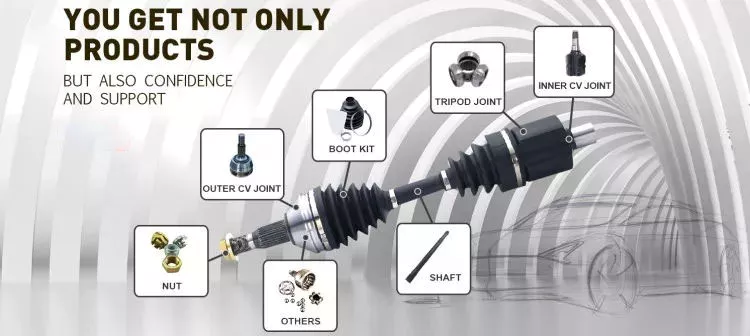
Làm thế nào trục truyền động đảm bảo truyền tải năng lượng hiệu quả trong khi vẫn duy trì sự cân bằng?
Trục truyền động sử dụng nhiều cơ chế khác nhau để đảm bảo truyền tải năng lượng hiệu quả đồng thời duy trì sự cân bằng. Truyền tải năng lượng hiệu quả đề cập đến khả năng của trục truyền động truyền công suất quay từ nguồn (như động cơ) đến các bộ phận được dẫn động (như bánh xe hoặc máy móc) với tổn thất năng lượng tối thiểu. Mặt khác, cân bằng liên quan đến việc giảm thiểu rung động và loại bỏ bất kỳ sự phân bố khối lượng không đồng đều nào có thể gây ra sự nhiễu loạn trong quá trình hoạt động. Dưới đây là giải thích về cách trục truyền động đạt được cả truyền tải năng lượng hiệu quả và cân bằng:
1. Lựa chọn vật liệu:
Việc lựa chọn vật liệu cho trục truyền động rất quan trọng để duy trì sự cân bằng và đảm bảo truyền tải năng lượng hiệu quả. Trục truyền động thường được làm từ các vật liệu như thép hoặc hợp kim nhôm, được lựa chọn vì độ bền, độ cứng và độ chắc chắn của chúng. Những vật liệu này có độ ổn định kích thước tuyệt vời và có thể chịu được tải trọng mô-men xoắn gặp phải trong quá trình hoạt động. Bằng cách sử dụng vật liệu chất lượng cao, trục truyền động có thể giảm thiểu sự biến dạng, uốn cong và mất cân bằng có thể ảnh hưởng đến việc truyền tải năng lượng và tạo ra rung động.
2. Các yếu tố cần xem xét khi thiết kế:
Thiết kế trục truyền động đóng vai trò quan trọng trong cả hiệu suất truyền tải và sự cân bằng. Trục truyền động được thiết kế với kích thước phù hợp, bao gồm đường kính và độ dày thành, để chịu được tải trọng mô-men xoắn dự kiến mà không bị biến dạng hoặc rung động quá mức. Thiết kế cũng xem xét các yếu tố như chiều dài trục truyền động, số lượng và loại khớp nối (như khớp nối vạn năng hoặc khớp nối đồng tốc), và việc sử dụng các quả cân bằng. Bằng cách thiết kế trục truyền động cẩn thận, các nhà sản xuất có thể đạt được hiệu suất truyền tải tối ưu đồng thời giảm thiểu khả năng rung động do mất cân bằng gây ra.
3. Kỹ thuật cân bằng:
Sự cân bằng rất quan trọng đối với trục truyền động vì bất kỳ sự mất cân bằng nào cũng có thể gây ra rung động, tiếng ồn và mài mòn nhanh hơn. Để duy trì sự cân bằng, trục truyền động trải qua nhiều kỹ thuật cân bằng khác nhau trong quá trình sản xuất. Các phương pháp cân bằng tĩnh và động được sử dụng để đảm bảo sự phân bố khối lượng dọc theo trục truyền động là đồng đều. Cân bằng tĩnh bao gồm việc thêm các đối trọng tại các vị trí cụ thể để bù đắp bất kỳ sự mất cân bằng trọng lượng nào. Cân bằng động được thực hiện bằng cách quay trục truyền động ở tốc độ cao và đo bất kỳ rung động nào. Nếu phát hiện thấy sự mất cân bằng, các điều chỉnh bổ sung sẽ được thực hiện để đạt được trạng thái cân bằng. Các kỹ thuật cân bằng này giúp giảm thiểu rung động và đảm bảo hoạt động trơn tru của trục truyền động.
4. Khớp vạn năng và khớp truyền động không đổi:
Trục truyền động thường tích hợp các khớp vạn năng (khớp chữ U) hoặc khớp đồng tốc (khớp CV) để bù trừ sự lệch trục và duy trì sự cân bằng trong quá trình hoạt động. Khớp chữ U là các khớp linh hoạt cho phép chuyển động góc giữa các trục. Chúng thường được sử dụng trong các ứng dụng mà trục truyền động hoạt động ở các góc độ khác nhau. Mặt khác, khớp CV được thiết kế để duy trì tốc độ quay không đổi và thường được sử dụng trong các xe dẫn động cầu trước. Bằng cách tích hợp các khớp này, trục truyền động có thể bù trừ sự lệch trục, giảm ứng suất trên trục và giảm thiểu rung động có thể ảnh hưởng tiêu cực đến hiệu suất truyền lực và sự cân bằng.
5. Bảo trì và kiểm tra:
Việc bảo dưỡng và kiểm tra định kỳ trục truyền động là rất cần thiết để đảm bảo truyền tải điện năng hiệu quả và cân bằng. Kiểm tra định kỳ về độ mòn, hư hỏng hoặc lệch trục có thể giúp xác định bất kỳ vấn đề nào có thể ảnh hưởng đến hiệu suất của trục truyền động. Bôi trơn các khớp nối và siết chặt các ốc vít đúng cách cũng rất quan trọng để duy trì hoạt động tối ưu. Bằng cách tuân thủ các quy trình bảo dưỡng được khuyến nghị, bất kỳ sự mất cân bằng hoặc kém hiệu quả nào cũng có thể được giải quyết kịp thời, đảm bảo truyền tải điện năng hiệu quả và cân bằng liên tục.
Tóm lại, trục truyền động đảm bảo truyền tải năng lượng hiệu quả đồng thời duy trì sự cân bằng thông qua việc lựa chọn vật liệu cẩn thận, thiết kế chu đáo, kỹ thuật cân bằng và việc tích hợp các khớp nối linh hoạt. Bằng cách tối ưu hóa các yếu tố này, trục truyền động có thể truyền tải năng lượng quay một cách trơn tru và đáng tin cậy, giảm thiểu tổn thất năng lượng và rung động có thể ảnh hưởng đến hiệu suất và tuổi thọ.
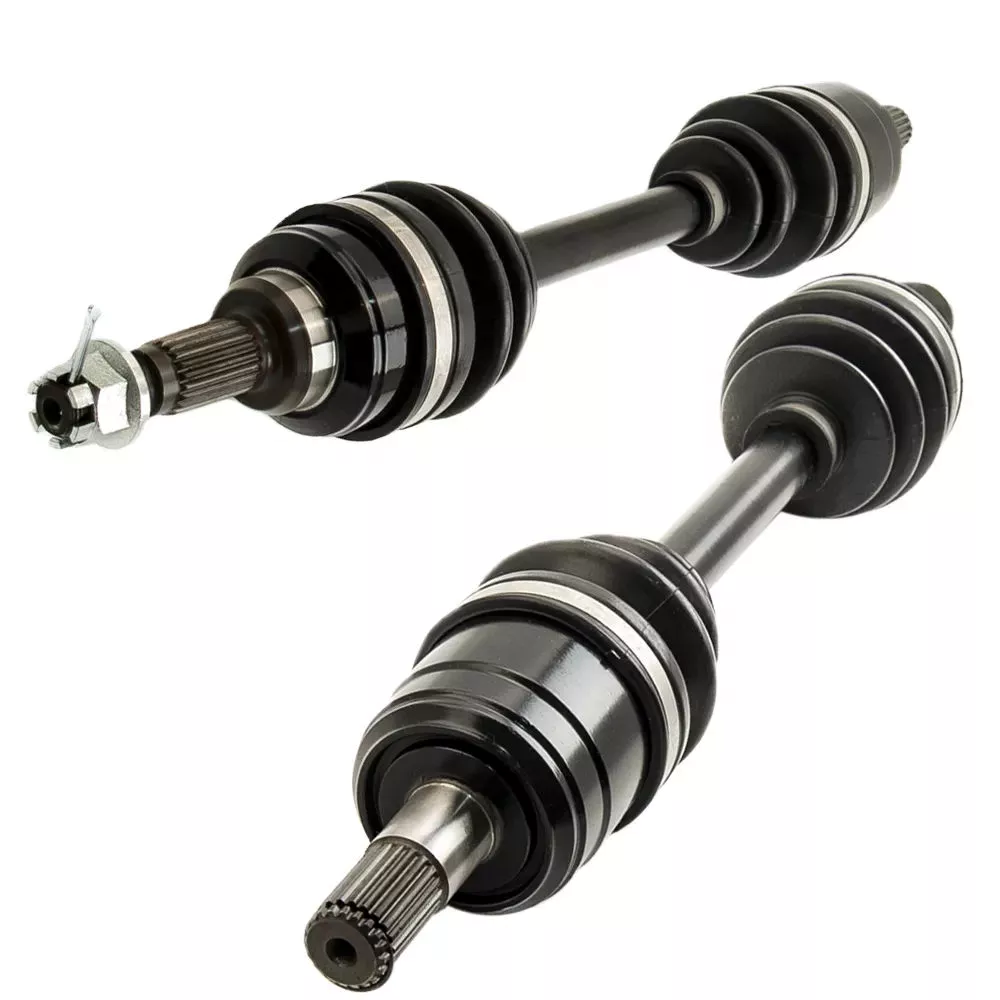
How do drive shafts handle variations in load and vibration during operation?
Drive shafts are designed to handle variations in load and vibration during operation by employing various mechanisms and features. These mechanisms help ensure smooth power transmission, minimize vibrations, and maintain the structural integrity of the drive shaft. Here’s a detailed explanation of how drive shafts handle load and vibration variations:
1. Material Selection and Design:
Drive shafts are typically made from materials with high strength and stiffness, such as steel alloys or composite materials. The material selection and design take into account the anticipated loads and operating conditions of the application. By using appropriate materials and optimizing the design, drive shafts can withstand the expected variations in load without experiencing excessive deflection or deformation.
2. Torque Capacity:
Drive shafts are designed with a specific torque capacity that corresponds to the expected loads. The torque capacity takes into account factors such as the power output of the driving source and the torque requirements of the driven components. By selecting a drive shaft with sufficient torque capacity, variations in load can be accommodated without exceeding the drive shaft’s limits and risking failure or damage.
3. Dynamic Balancing:
During the manufacturing process, drive shafts can undergo dynamic balancing. Imbalances in the drive shaft can result in vibrations during operation. Through the balancing process, weights are strategically added or removed to ensure that the drive shaft spins evenly and minimizes vibrations. Dynamic balancing helps to mitigate the effects of load variations and reduces the potential for excessive vibrations in the drive shaft.
4. Dampers and Vibration Control:
Drive shafts can incorporate dampers or vibration control mechanisms to further minimize vibrations. These devices are typically designed to absorb or dissipate vibrations that may arise from load variations or other factors. Dampers can be in the form of torsional dampers, rubber isolators, or other vibration-absorbing elements strategically placed along the drive shaft. By managing and attenuating vibrations, drive shafts ensure smooth operation and enhance overall system performance.
5. CV Joints:
Constant Velocity (CV) joints are often used in drive shafts to accommodate variations in operating angles and to maintain a constant speed. CV joints allow the drive shaft to transmit power even when the driving and driven components are at different angles. By accommodating variations in operating angles, CV joints help minimize the impact of load variations and reduce potential vibrations that may arise from changes in the driveline geometry.
6. Lubrication and Maintenance:
Proper lubrication and regular maintenance are essential for drive shafts to handle load and vibration variations effectively. Lubrication helps reduce friction between moving parts, minimizing wear and heat generation. Regular maintenance, including inspection and lubrication of joints, ensures that the drive shaft remains in optimal condition, reducing the risk of failure or performance degradation due to load variations.
7. Structural Rigidity:
Drive shafts are designed to have sufficient structural rigidity to resist bending and torsional forces. This rigidity helps maintain the integrity of the drive shaft when subjected to load variations. By minimizing deflection and maintaining structural integrity, the drive shaft can effectively transmit power and handle variations in load without compromising performance or introducing excessive vibrations.
8. Control Systems and Feedback:
In some applications, drive shafts may be equipped with control systems that actively monitor and adjust parameters such as torque, speed, and vibration. These control systems use sensors and feedback mechanisms to detect variations in load or vibrations and make real-time adjustments to optimize performance. By actively managing load variations and vibrations, drive shafts can adapt to changing operating conditions and maintain smooth operation.
In summary, drive shafts handle variations in load and vibration during operation through careful material selection and design, torque capacity considerations, dynamic balancing, integration of dampers and vibration control mechanisms, utilization of CV joints, proper lubrication and maintenance, structural rigidity, and, in some cases, control systems and feedback mechanisms. By incorporating these features and mechanisms, drive shafts ensure reliable and efficient power transmission while minimizing the impact of load variations and vibrations on overall system performance.
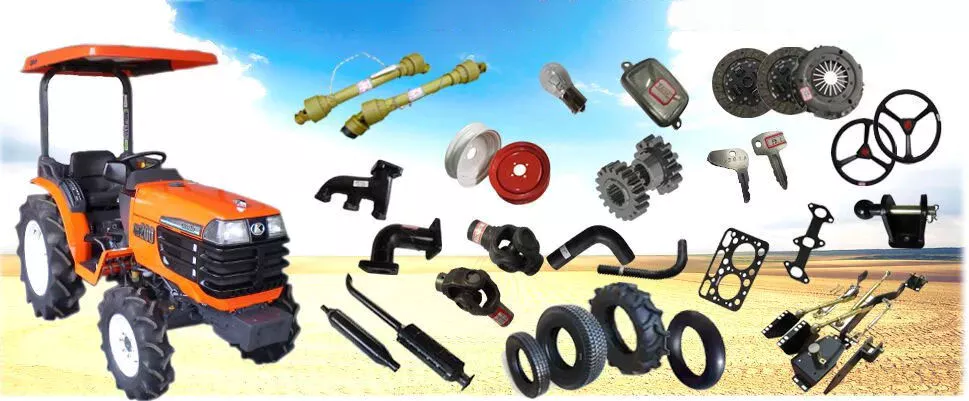
Are there variations in drive shaft designs for different types of machinery?
Yes, there are variations in drive shaft designs to cater to the specific requirements of different types of machinery. The design of a drive shaft is influenced by factors such as the application, power transmission needs, space limitations, operating conditions, and the type of driven components. Here’s an explanation of how drive shaft designs can vary for different types of machinery:
1. Automotive Applications:
In the automotive industry, drive shaft designs can vary depending on the vehicle’s configuration. Rear-wheel-drive vehicles typically use a single-piece or two-piece drive shaft, which connects the transmission or transfer case to the rear differential. Front-wheel-drive vehicles often use a different design, employing a drive shaft that combines with the constant velocity (CV) joints to transmit power to the front wheels. All-wheel-drive vehicles may have multiple drive shafts to distribute power to all wheels. The length, diameter, material, and joint types can differ based on the vehicle’s layout and torque requirements.
2. Industrial Machinery:
Drive shaft designs for industrial machinery depend on the specific application and power transmission requirements. In manufacturing machinery, such as conveyors, presses, and rotating equipment, drive shafts are designed to transfer power efficiently within the machine. They may incorporate flexible joints or use a splined or keyed connection to accommodate misalignment or allow for easy disassembly. The dimensions, materials, and reinforcement of the drive shaft are selected based on the torque, speed, and operating conditions of the machinery.
3. Agriculture and Farming:
Agricultural machinery, such as tractors, combines, and harvesters, often requires drive shafts that can handle high torque loads and varying operating angles. These drive shafts are designed to transmit power from the engine to attachments and implements, such as mowers, balers, tillers, and harvesters. They may incorporate telescopic sections to accommodate adjustable lengths, flexible joints to compensate for misalignment during operation, and protective shielding to prevent entanglement with crops or debris.
4. Construction and Heavy Equipment:
Construction and heavy equipment, including excavators, loaders, bulldozers, and cranes, require robust drive shaft designs capable of transmitting power in demanding conditions. These drive shafts often have larger diameters and thicker walls to handle high torque loads. They may incorporate universal joints or CV joints to accommodate operating angles and absorb shocks and vibrations. Drive shafts in this category may also have additional reinforcements to withstand the harsh environments and heavy-duty applications associated with construction and excavation.
5. Marine and Maritime Applications:
Drive shaft designs for marine applications are specifically engineered to withstand the corrosive effects of seawater and the high torque loads encountered in marine propulsion systems. Marine drive shafts are typically made from stainless steel or other corrosion-resistant materials. They may incorporate flexible couplings or dampening devices to reduce vibration and mitigate the effects of misalignment. The design of marine drive shafts also considers factors such as shaft length, diameter, and support bearings to ensure reliable power transmission in marine vessels.
6. Mining and Extraction Equipment:
In the mining industry, drive shafts are used in heavy machinery and equipment such as mining trucks, excavators, and drilling rigs. These drive shafts need to withstand extremely high torque loads and harsh operating conditions. Drive shaft designs for mining applications often feature larger diameters, thicker walls, and specialized materials such as alloy steel or composite materials. They may incorporate universal joints or CV joints to handle operating angles, and they are designed to be resistant to abrasion and wear.
These examples highlight the variations in drive shaft designs for different types of machinery. The design considerations take into account factors such as power requirements, operating conditions, space constraints, alignment needs, and the specific demands of the machinery or industry. By tailoring the drive shaft design to the unique requirements of each application, optimal power transmission efficiency and reliability can be achieved.
<img src="https://img.hzpt.com/img/Drive-shaft/drive-shaft-l1.webp" alt="China Hot selling Double Helical Herringbone Drive Large Forging Machining Module Steel Forged Gear Shaft “><img src="https://img.hzpt.com/img/Drive-shaft/drive-shaft-l2.webp" alt="China Hot selling Double Helical Herringbone Drive Large Forging Machining Module Steel Forged Gear Shaft “>
editor by lmc 2024-10-22























