
Опис продукту
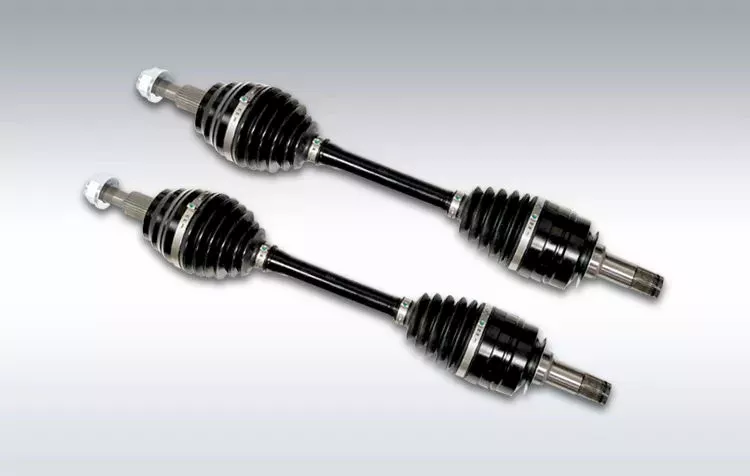
As a professional manufacturer for propeller shaft, we have +800 items for all kinds of car, main suitable
for AMERICA & EUROPE market.
Our advantage:
1. Full range of products
2. MOQ qty: 5pcs/items
3. Delivery on time
4: Warranty: 1 YEAR
5. Develope new items: FREE
| OEM NO. | 65-9463 |
| Застосування | for FORD ESCAPE 01-05 |
| Матеріал | SS430/45# steel |
| Balancing Standrad | G16, 3200rpm |
| Гарантія | One Year |
For some items, we have stock, small order (+3000USD) is welcome.
The following items are some of propeller shafts, If you need more information, pls contact us for ASAP.
|
for CZPT PROPELLER SHAFT |
|||
|
OEM |
Застосування |
OEM |
Застосування |
| 65-9165 | for FORD | 8L3Z4R602E | for CZPT F-150 04-08 |
| 65-9176 | for FORD | 8L3Z4R602F | for CZPT F-150 04-08 |
| 65-9173 | for FORD | 936-808 | for CZPT F-150 04-08 |
| 65-9183 | for FORD | 936-800 | for CZPT F-150 04-09 |
| 65-9186 | for FORD | 936-807 | for CZPT F-150 06-08 |
| 65-9191 | for CZPT CZPT 1979 | 8L3Z4R602H | for CZPT F-150 06-08 |
| 65-9192 | for CZPT CZPT 1980 | 7L3Z4R602K | for CZPT F-150 06-08 |
| 65-9152 | for CZPT CZPT 66-70 | 936-809 | for CZPT F-150 10-11 |
| 65-9153 | for CZPT CZPT 66-77 | BL3Z4R602D | for CZPT F150 11-12 |
| 65-9170 | for CZPT CZPT 78 | BL3V4602BD | for CZPT F-150 11-14 |
| 65-9174 | for CZPT CZPT 78 | 946-831 | for CZPT F-150 11-14 |
| 65-9164 | for CZPT CZPT 79 | 65-9158 | for CZPT F-150 79 |
| 65-9166 | for CZPT CZPT 79 | 65-9193 | for CZPT F-150 80-81 |
| 65-9161 | for CZPT CZPT 79 | 65-9453 | for CZPT F-150 97-98 |
| 65-9162 | for CZPT CZPT 79 | 65-9545 | for CZPT F-150 99-03 |
| 65-9160 | for CZPT CZPT 80-82 | 65-9187 | for CZPT F-250 1979 |
| 65-9832 | for CZPT CZPT 83-84 | 65-9148 | for CZPT F-250 77-79 |
| 65-9440 | for CZPT CZPT 83-87 | 65-9305 | for CZPT F-250 99-01 |
| 65-9430 | for CZPT CZPT 85-86 | FD1089 | for CZPT F-250 Super Duty 11-16 |
| 65-9431 | for CZPT CZPT 85-89 | 65-9112 | for CZPT F-250 Super Duty 99-02 |
| 65-9416 | for CZPT CZPT 87-89 | 65-9115 | for CZPT F-250 Super Duty 99-02 |
| 65-9400 | for CZPT CZPT 87-89 | 65-9110 | for CZPT F-250 Super Duty 99-02 |
| 65-9442 | for CZPT CZPT 88-90 | 65-9116 | for CZPT F-250 Super Duty 99-02 |
| 65-9441 | for CZPT CZPT 88-93 | 5C3Z4A376G | for CZPT F250 Super Duty 99-04 |
| 65-9443 | for CZPT CZPT 88-96 | 65-9303 | for CZPT F-250 Super Duty 99-06 |
| 65-9664 | for CZPT CZPT 90-93 | 65-9300 | for CZPT F-250 Super Duty 99-10 |
| 65-9665 | for CZPT CZPT 90-94 | 65-9721 | for CZPT F-350 85-94 |
| 65-9663 | for CZPT CZPT 90-96 | 65-9739 | for CZPT F-350 89-94 |
| 65-9660 | for CZPT CZPT 90-96 | 946-448 | for CZPT F-350 89-94 |
| 65-9444 | for CZPT CZPT 90-96 | 65-9447 | for CZPT F-350 95-96 |
| 65-9825 | for CZPT CZPT II 1986-1990 | F81Z4R602FL | for CZPT F-350 SUPER DUTY 99-01 |
| 65-9821 | for CZPT CZPT II 84-90 | 65-9114 | for CZPT F-350 Super Duty 99-02 |
| 65-9822 | for CZPT CZPT II 84-90 | 5F9Z4R602AA | for CZPT Five Hundred 05-07 |
| 65-9823 | for CZPT CZPT II 89-90 | FD1035 | for CZPT Five Hundred 05-07 |
| F2G34K145CC | for CZPT Edge | 7E5Z4R602A | for CZPT CZPT 08-12 |
| 7T434K357AC | for CZPT Edge 07-08 | 936-812 | for CZPT Mustang 05-08 |
| DT4Z4R602A | for CZPT Edge 07-13 | 65-9830 | for CZPT Ranger 83-85 |
| DV614K145AC | for CZPT Escape | 65-9831 | for CZPT Ranger 83-85 |
| 65-9463 | for CZPT Escape 01-05 | 65-9423 | for CZPT Ranger 85-88 |
| 7L8Z4R602B | for CZPT Escape 01-07 | 65-9636 | for CZPT Ranger 88 |
| 936-892 | for CZPT Escape 08-12 | 65-9638 | for CZPT Ranger 88-89 |
| 8L8Z4R602C | for CZPT Escape 08-12 | 65-9661 | for CZPT Ranger 90-97 |
| CV6Z4R602B | for CZPT Escape 13-16 | 65-9675 | for CZPT Ranger 95-97 |
| 5L834K145BA | for CZPT Escape 13-17 | 65-2003 | for CZPT Taurus 08-15 |
| 65-9304 | for CZPT Excursion 00-03 | CN4C154K145AD | for CZPT Transit |
| 65-9302 | for CZPT Excursion 01-05 | 7C194K145BB | for CZPT Transit |
| 65-9546 | for CZPT Excursion 01-05 | 7C194K357HB | for CZPT Transit 00-06 |
| 65-2001 | for CZPT Expedition 06-14 | CN4C154K357AD | for CZPT Transit 06-14 |
| AL3Z4A376D | for CZPT Expedition 07-14 | 7C194K145DB | for CZPT Transit 15-16 |
| 65-9543 | for CZPT Expedition 97-02 | 65-9667 | for CZPT Trucks – F-350 Pickup 89-94 |
| 1L2Z4A376AA | for CZPT Explorer 02-10 | F6TZ4A376RA | FROD CZPT 90-96 |
| 65-9622 | for CZPT EXPLORER 1996 | 65-9672 | for CZPT F-100 96-97 |
| 65-9624 | for CZPT Explorer 95-96 | 936-805 | for CZPT F-150 04 |
| 65-9293 | for CZPT Explorer 97-01 | 65-9544 | for CZPT F-150 04 |
| 65-9450 | for CZPT Explorer 98 | 936-802 | for CZPT F-150 04-08 |
| F77A4376BB | for CZPT Explorer Sport 02-03 | 7A2Z4R602N | for CZPT Explorer Sport Trac 07-10 |
| Післяпродажне обслуговування: | 1 Year |
|---|---|
| Condition: | New |
| Color: | Black |
| Certification: | ISO, IATF |
| Тип: | Propeller Shaft/Drive Shaft |
| Application Brand: | Ford |
| Зразки: |
US$ 300/Piece
1 штука (мінімальне замовлення) | |
|---|
| Налаштування: |
Доступно
| Індивідуальний запит |
|---|
How do manufacturers ensure the compatibility of drive shafts with different equipment?
Manufacturers employ various strategies and processes to ensure the compatibility of drive shafts with different equipment. Compatibility refers to the ability of a drive shaft to effectively integrate and function within a specific piece of equipment or machinery. Manufacturers take into account several factors to ensure compatibility, including dimensional requirements, torque capacity, operating conditions, and specific application needs. Here’s a detailed explanation of how manufacturers ensure the compatibility of drive shafts:
1. Application Analysis:
Manufacturers begin by conducting a thorough analysis of the intended application and equipment requirements. This analysis involves understanding the specific torque and speed demands, operating conditions (such as temperature, vibration levels, and environmental factors), and any unique characteristics or constraints of the equipment. By gaining a comprehensive understanding of the application, manufacturers can tailor the design and specifications of the drive shaft to ensure compatibility.
2. Customization and Design:
Manufacturers often offer customization options to adapt drive shafts to different equipment. This customization involves tailoring the dimensions, materials, joint configurations, and other parameters to match the specific requirements of the equipment. By working closely with the equipment manufacturer or end-user, manufacturers can design drive shafts that align with the equipment’s mechanical interfaces, mounting points, available space, and other constraints. Customization ensures that the drive shaft fits seamlessly into the equipment, promoting compatibility and optimal performance.
3. Torque and Power Capacity:
Drive shaft manufacturers carefully determine the torque and power capacity of their products to ensure compatibility with different equipment. They consider factors such as the maximum torque requirements of the equipment, the expected operating conditions, and the safety margins necessary to withstand transient loads. By engineering drive shafts with appropriate torque ratings and power capacities, manufacturers ensure that the shaft can handle the demands of the equipment without experiencing premature failure or performance issues.
4. Material Selection:
Manufacturers choose materials for drive shafts based on the specific needs of different equipment. Factors such as torque capacity, operating temperature, corrosion resistance, and weight requirements influence material selection. Drive shafts may be made from various materials, including steel, aluminum alloys, or specialized composites, to provide the necessary strength, durability, and performance characteristics. The selected materials ensure compatibility with the equipment’s operating conditions, load requirements, and other environmental factors.
5. Joint Configurations:
Drive shafts incorporate joint configurations, such as universal joints (U-joints) or constant velocity (CV) joints, to accommodate different equipment needs. Manufacturers select and design the appropriate joint configuration based on factors such as operating angles, misalignment tolerances, and the desired level of smooth power transmission. The choice of joint configuration ensures that the drive shaft can effectively transmit power and accommodate the range of motion required by the equipment, promoting compatibility and reliable operation.
6. Quality Control and Testing:
Manufacturers implement stringent quality control processes and testing procedures to verify the compatibility of drive shafts with different equipment. These processes involve conducting dimensional inspections, material testing, torque and stress analysis, and performance testing under simulated operating conditions. By subjecting drive shafts to rigorous quality control measures, manufacturers can ensure that they meet the required specifications and performance criteria, guaranteeing compatibility with the intended equipment.
7. Відповідність стандартам:
Manufacturers ensure that their drive shafts comply with relevant industry standards and regulations. Compliance with standards, such as ISO (International Organization for Standardization) or specific industry standards, provides assurance of quality, safety, and compatibility. Adhering to these standards helps manufacturers meet the expectations and requirements of equipment manufacturers and end-users, ensuring that the drive shafts are compatible and can be seamlessly integrated into different equipment.
8. Collaboration and Feedback:
Manufacturers often collaborate closely with equipment manufacturers, OEMs (Original Equipment Manufacturers), or end-users to gather feedback and incorporate their specific requirements into the drive shaft design and manufacturing processes. This collaborative approach ensures that the drive shafts are compatible with the intended equipment and meet the expectations of the end-users. By actively seeking input and feedback, manufacturers can continuously improve their products’ compatibility and performance.
In summary, manufacturers ensure the compatibility of drive shafts with different equipment through a combination of application analysis, customization, torque and power capacity considerations, material selection, joint configurations, quality control and testing, compliance with standards, and collaboration with equipment manufacturers and end-users. These efforts enable manufacturers to design and produce drive shafts that seamlessly integrate with various equipment, ensuring optimal performance, reliability, and compatibility in different applications.

How do drive shafts enhance the performance of automobiles and trucks?
Drive shafts play a significant role in enhancing the performance of automobiles and trucks. They contribute to various aspects of vehicle performance, including power delivery, traction, handling, and overall efficiency. Here’s a detailed explanation of how drive shafts enhance the performance of automobiles and trucks:
1. Power Delivery:
Drive shafts are responsible for transferring power from the engine to the wheels, enabling the vehicle to move forward. By efficiently transmitting power without significant losses, drive shafts ensure that the engine’s power is effectively utilized, resulting in improved acceleration and overall performance. Well-designed drive shafts with minimal power loss contribute to the vehicle’s ability to deliver power to the wheels efficiently.
2. Torque Transfer:
Drive shafts facilitate the transfer of torque from the engine to the wheels. Torque is the rotational force that drives the vehicle forward. High-quality drive shafts with proper torque conversion capabilities ensure that the torque generated by the engine is effectively transmitted to the wheels. This enhances the vehicle’s ability to accelerate quickly, tow heavy loads, and climb steep gradients, thereby improving overall performance.
3. Traction and Stability:
Drive shafts contribute to the traction and stability of automobiles and trucks. They transmit power to the wheels, allowing them to exert force on the road surface. This enables the vehicle to maintain traction, especially during acceleration or when driving on slippery or uneven terrain. The efficient power delivery through the drive shafts enhances the vehicle’s stability by ensuring balanced power distribution to all wheels, improving control and handling.
4. Handling and Maneuverability:
Drive shafts have an impact on the handling and maneuverability of vehicles. They help establish a direct connection between the engine and the wheels, allowing for precise control and responsive handling. Well-designed drive shafts with minimal play or backlash contribute to a more direct and immediate response to driver inputs, enhancing the vehicle’s agility and maneuverability.
5. Weight Reduction:
Drive shafts can contribute to weight reduction in automobiles and trucks. Lightweight drive shafts made from materials such as aluminum or carbon fiber-reinforced composites reduce the overall weight of the vehicle. The reduced weight improves the power-to-weight ratio, resulting in better acceleration, handling, and fuel efficiency. Additionally, lightweight drive shafts reduce the rotational mass, allowing the engine to rev up more quickly, further enhancing performance.
6. Mechanical Efficiency:
Efficient drive shafts minimize energy losses during power transmission. By incorporating features such as high-quality bearings, low-friction seals, and optimized lubrication, drive shafts reduce friction and minimize power losses due to internal resistance. This enhances the mechanical efficiency of the drivetrain system, allowing more power to reach the wheels and improving overall vehicle performance.
7. Performance Upgrades:
Drive shaft upgrades can be a popular performance enhancement for enthusiasts. Upgraded drive shafts, such as those made from stronger materials or with enhanced torque capacity, can handle higher power outputs from modified engines. These upgrades allow for increased performance, such as improved acceleration, higher top speeds, and better overall driving dynamics.
8. Compatibility with Performance Modifications:
Performance modifications, such as engine upgrades, increased power output, or changes to the drivetrain system, often require compatible drive shafts. Drive shafts designed to handle higher torque loads or adapt to modified drivetrain configurations ensure optimal performance and reliability. They enable the vehicle to effectively harness the increased power and torque, resulting in improved performance and responsiveness.
9. Durability and Reliability:
Robust and well-maintained drive shafts contribute to the durability and reliability of automobiles and trucks. They are designed to withstand the stresses and loads associated with power transmission. High-quality materials, appropriate balancing, and regular maintenance help ensure that drive shafts operate smoothly, minimizing the risk of failures or performance issues. Reliable drive shafts enhance the overall performance by providing consistent power delivery and minimizing downtime.
10. Compatibility with Advanced Technologies:
Drive shafts are evolving in tandem with advancements in vehicle technologies. They are increasingly being integrated with advanced systems such as hybrid powertrains, electric motors, and regenerative braking. Drive shafts designed to work seamlessly with these technologies maximize their efficiency and performance benefits, contributing to improved overall vehicle performance.
In summary, drive shafts enhance the performance of automobiles and trucks by optimizing power delivery, facilitating torque transfer, improving traction and stability, enhancing handling and maneuverability, reducing weight, increasing mechanical efficiency,and enabling compatibility with performance upgrades and advanced technologies. They play a crucial role in ensuring efficient power transmission, responsive acceleration, precise handling, and overall improved performance of vehicles.
Чи можете ви пояснити різні типи карданних валів та їх конкретне застосування?
Карданні вали бувають різних типів, кожен з яких розроблений для задоволення конкретних потреб та вимог. Вибір карданного вала залежить від таких факторів, як тип транспортного засобу або обладнання, потреби в передачі потужності, обмеження простору та умови експлуатації. Ось пояснення різних типів карданних валів та їх конкретного застосування:
1. Суцільний вал:
Суцільний вал, також відомий як цільний або сталевий карданний вал, являє собою єдиний безперервний вал, який проходить від двигуна або джерела живлення до ведених компонентів. Це проста та міцна конструкція, що використовується в багатьох сферах застосування. Суцільні вали зазвичай зустрічаються в задньопривідних транспортних засобах, де вони передають потужність від коробки передач до задньої осі. Вони також використовуються в промисловому обладнанні, такому як насоси, генератори та конвеєри, де потрібна пряма та жорстка передача потужності.
2. Трубчастий вал:
Трубчасті вали, які також називають порожнистими валами, – це карданні вали з циліндричною трубоподібною структурою. Вони виготовлені з порожнистим сердечником і зазвичай легші за суцільні вали. Трубчасті вали пропонують такі переваги, як зменшена вага, покращена жорсткість на кручення та краще демпфування коливань. Вони знаходять застосування в різних транспортних засобах, включаючи автомобілі, вантажівки та мотоцикли, а також у промисловому обладнанні та машинах. Трубчасті карданні вали зазвичай використовуються в передньопривідних автомобілях, де вони з'єднують трансмісію з передніми колесами.
3. Вал постійної швидкості (CV):
Вали постійної швидкості (ШРУС) спеціально розроблені для обробки кутового руху та підтримки постійної швидкості між двигуном/трансмісією та веденими компонентами. Вони оснащені ШРУСами на обох кінцях, що забезпечує гнучкість та компенсацію змін кута. ШРУСи зазвичай використовуються в передньопривідних та повнопривідних автомобілях, а також у позашляховиках та деяких важких машинах. ШРУСи забезпечують плавну передачу потужності навіть під час обертання коліс або руху підвіски, зменшуючи вібрації та покращуючи загальну продуктивність.
4. Вал ковзаючого шарніра:
Вали з ковзаючим з'єднанням, також відомі як телескопічні вали, складаються з двох або більше трубчастих секцій, які можуть ковзати одна в одну та вийматися одна з одної. Така конструкція дозволяє регулювати довжину, враховуючи зміни відстані між двигуном/трансмісією та веденими компонентами. Вали з ковзаючим з'єднанням зазвичай використовуються в транспортних засобах з довгою колісною базою або регульованими системами підвіски, таких як деякі вантажівки, автобуси та транспортні засоби для відпочинку. Забезпечуючи гнучкість довжини, вали з ковзаючим з'єднанням забезпечують постійну передачу потужності, навіть коли шасі автомобіля рухається або змінюється геометрія підвіски.
5. Подвійний карданний вал:
Подвійний карданний вал, також відомий як подвійний універсальний вал, — це тип приводного вала, який містить два універсальні шарніри. Така конфігурація допомагає зменшити вібрації та мінімізувати робочі кути шарнірів, що призводить до плавнішої передачі потужності. Подвійні карданні вали зазвичай використовуються у важких вантажних автомобілях, таких як вантажівки, позашляховики та сільськогосподарська техніка. Вони особливо підходять для застосувань з високими вимогами до крутного моменту та великими робочими кутами, забезпечуючи підвищену довговічність та продуктивність.
6. Композитний вал:
Композитні вали виготовляються з композитних матеріалів, таких як вуглецеве волокно або скловолокно, що пропонує такі переваги, як зменшення ваги, покращена міцність та стійкість до корозії. Композитні карданні вали все частіше використовуються у високопродуктивних автомобілях, спортивних автомобілях та гоночних автомобілях, де зниження ваги та покращене співвідношення потужності до ваги є критично важливими. Композитна конструкція дозволяє точно налаштувати характеристики жорсткості та демпфування, що призводить до покращення динаміки автомобіля та ефективності трансмісії.
7. Вал відбору потужності:
Вали відбору потужності (ВОМ) – це спеціалізовані карданні вали, що використовуються в сільськогосподарській техніці та певному промисловому обладнанні. Вони призначені для передачі потужності від двигуна або джерела живлення до різного навісного обладнання, такого як косарки, прес-підбирачі або насоси. Вали відбору потужності зазвичай мають шліцьове з'єднання на одному кінці для підключення до джерела живлення та універсальний шарнір на іншому кінці для компенсації кутового руху. Вони характеризуються здатністю передавати високі рівні крутного моменту та сумісністю з різноманітним керованим обладнанням.
8. Морський вал:
Морські вали, також відомі як гребні вали або хвостові вали, спеціально розроблені для морських суден. Вони передають потужність від двигуна до гребного гвинта, забезпечуючи рух. Морські вали зазвичай довгі та працюють у суворих умовах, піддаються впливу води, корозії та високих крутних моментів. Зазвичай вони виготовляються з нержавіючої сталі або інших корозійностійких матеріалів і розроблені для того, щоб витримувати складні умови, що виникають у морському застосуванні.
Важливо зазначити, що конкретне застосування карданних валів може відрізнятися залежно від виробника транспортного засобу або обладнання, а також від конкретних вимог до конструкції та інженерії. Наведені вище приклади висвітлюють загальні застосування для кожного типу карданного валу, але можуть бути додаткові варіації та спеціалізовані конструкції, що базуються на конкретних потребах галузі та технологічних досягненнях.


редактор CX 2023-09-28























