
Опис продукту
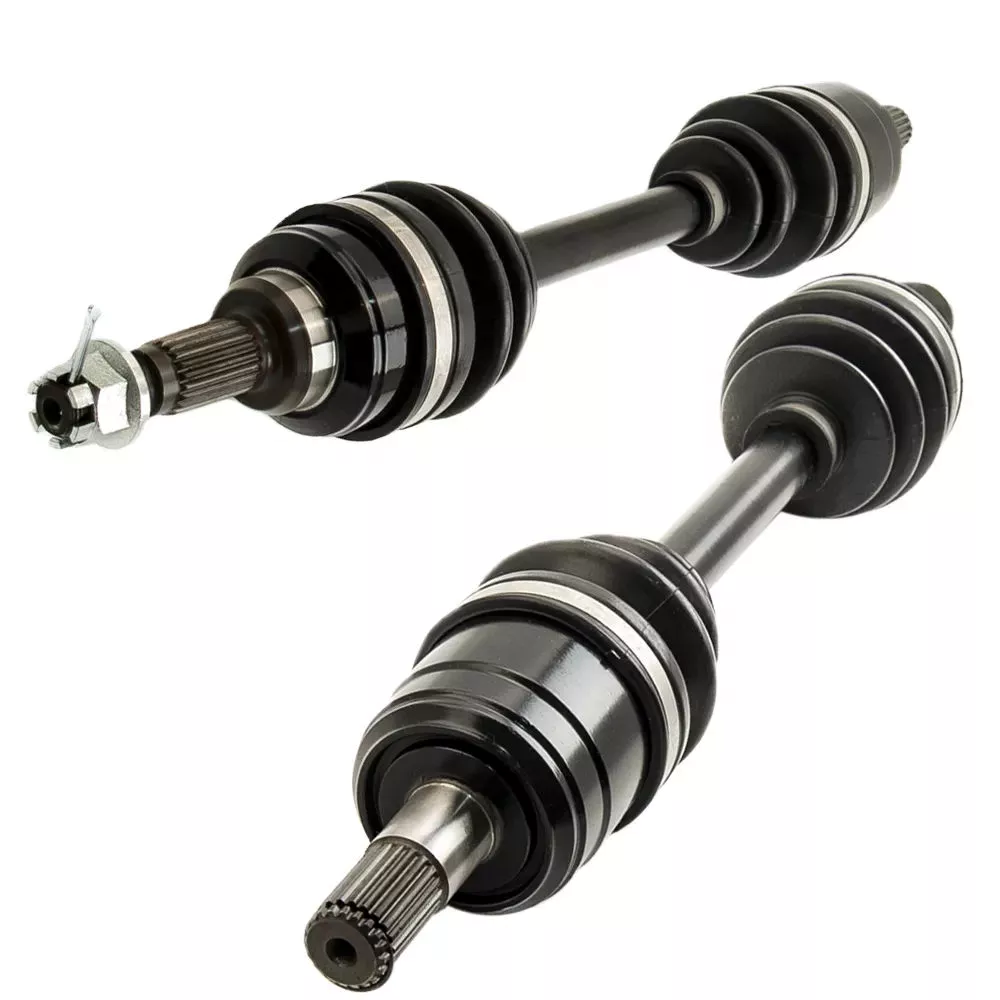
| Назва продукту | Half shaft |
| Car Make | Car |
| Quality | 100% Tested |
| Колір | Photos |
| service | 24 Hours Customer Service |
| Упаковка | Neutral Packing |
| country of origin | China |
| Сертифікація | ISO9001 |
| Delivery time | 15-45 Days |
| Бренд | CNBF |
| Quality | High-Quality |
| Мінімальна кількість замовлення | 10 |
| OEM | 1332883 |
| After-sales service | Quality problem, damage compensation |
| payment method | 30% deposit in advance,70% balance against the cop |
| Найчастіші запитання | 1. who are we? We are based in ZHangZhoug, China, start from 2009,sell to South America(00.00%),North America(00.00%),Mid East(00.00%),Africa(00.00%). There are total about 11-50 people in our office. 2. how can we guarantee quality? 3.what can you buy from us? 4. why should you buy from us not from other suppliers? 5. what services can we provide? |
| Післяпродажне обслуговування: | Quality Problem, Damage Compensation |
|---|---|
| Condition: | New |
| Color: | Black |
| Certification: | ІСО |
| Тип: | Half Shaft |
| Application Brand: | Polaris |
| Налаштування: |
Доступно
| Індивідуальний запит |
|---|
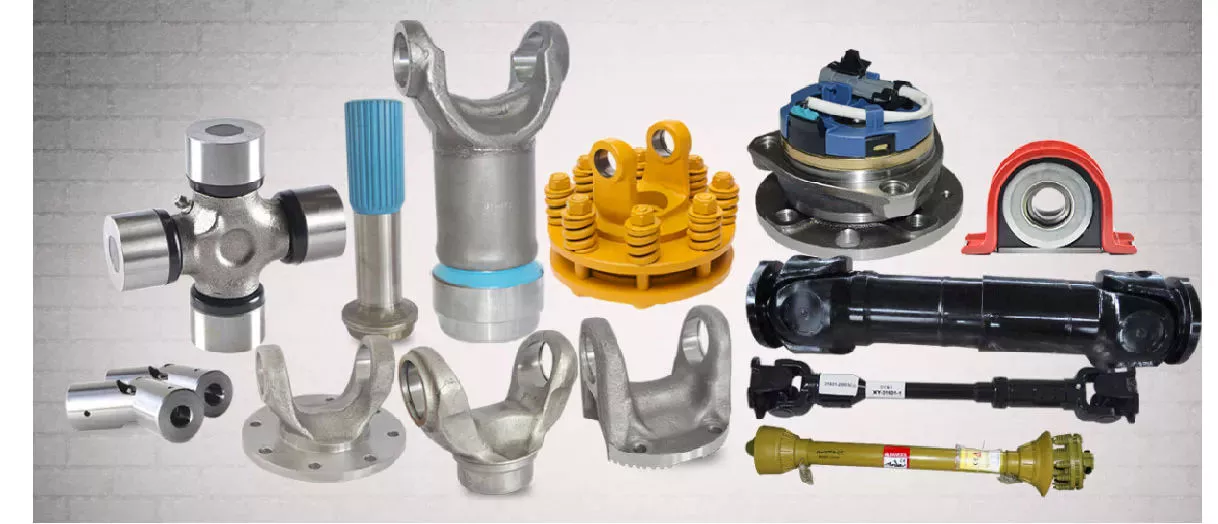
What factors should be considered when selecting the right drive shaft for an application?
When selecting the right drive shaft for an application, several factors need to be considered. The choice of drive shaft plays a crucial role in ensuring efficient and reliable power transmission. Here are the key factors to consider:
1. Power and Torque Requirements:
The power and torque requirements of the application are essential considerations. It is crucial to determine the maximum torque that the drive shaft will need to transmit without failure or excessive deflection. This includes evaluating the power output of the engine or power source, as well as the torque demands of the driven components. Selecting a drive shaft with the appropriate diameter, material strength, and design is essential to ensure it can handle the expected torque levels without compromising performance or safety.
2. Operating Speed:
The operating speed of the drive shaft is another critical factor. The rotational speed affects the dynamic behavior of the drive shaft, including the potential for vibration, resonance, and critical speed limitations. It is important to choose a drive shaft that can operate within the desired speed range without encountering excessive vibrations or compromising the structural integrity. Factors such as the material properties, balance, and critical speed analysis should be considered to ensure the drive shaft can handle the required operating speed effectively.
3. Length and Alignment:
The length and alignment requirements of the application must be considered when selecting a drive shaft. The distance between the engine or power source and the driven components determines the required length of the drive shaft. In situations where there are significant variations in length or operating angles, telescopic drive shafts or multiple drive shafts with appropriate couplings or universal joints may be necessary. Proper alignment of the drive shaft is crucial to minimize vibrations, reduce wear and tear, and ensure efficient power transmission.
4. Space Limitations:
The available space within the application is an important factor to consider. The drive shaft must fit within the allocated space without interfering with other components or structures. It is essential to consider the overall dimensions of the drive shaft, including length, diameter, and any additional components such as joints or couplings. In some cases, custom or compact drive shaft designs may be required to accommodate space limitations while maintaining adequate power transmission capabilities.
5. Environmental Conditions:
The environmental conditions in which the drive shaft will operate should be evaluated. Factors such as temperature, humidity, corrosive agents, and exposure to contaminants can impact the performance and lifespan of the drive shaft. It is important to select materials and coatings that can withstand the specific environmental conditions to prevent corrosion, degradation, or premature failure of the drive shaft. Special considerations may be necessary for applications exposed to extreme temperatures, water, chemicals, or abrasive substances.
6. Application Type and Industry:
The specific application type and industry requirements play a significant role in drive shaft selection. Different industries, such as automotive, aerospace, industrial machinery, agriculture, or marine, have unique demands that need to be addressed. Understanding the specific needs and operating conditions of the application is crucial in determining the appropriate drive shaft design, materials, and performance characteristics. Compliance with industry standards and regulations may also be a consideration in certain applications.
7. Maintenance and Serviceability:
The ease of maintenance and serviceability should be taken into account. Some drive shaft designs may require periodic inspection, lubrication, or replacement of components. Considering the accessibility of the drive shaft and associated maintenance requirements can help minimize downtime and ensure long-term reliability. Easy disassembly and reassembly of the drive shaft can also be beneficial for repair or component replacement.
By carefully considering these factors, one can select the right drive shaft for an application that meets the power transmission needs, operating conditions, and durability requirements, ultimately ensuring optimal performance and reliability.
Як карданні вали справляються з коливаннями навантаження та вібрацією під час роботи?
Карданні вали розроблені для роботи з урахуванням коливань навантаження та вібрації за допомогою різних механізмів та функцій. Ці механізми допомагають забезпечити плавну передачу потужності, мінімізувати вібрації та підтримувати структурну цілісність карданного вала. Ось детальне пояснення того, як карданні вали справляються зі змінами навантаження та вібрації:
1. Вибір матеріалів та дизайн:
Карданні вали зазвичай виготовляються з матеріалів з високою міцністю та жорсткістю, таких як сталеві сплави або композитні матеріали. Вибір матеріалу та конструкція враховують очікувані навантаження та умови експлуатації застосування. Завдяки використанню відповідних матеріалів та оптимізації конструкції карданні вали можуть витримувати очікувані коливання навантаження без надмірного прогину чи деформації.
2. Крутний момент:
Карданні вали розроблені з певною допустимою крутним моментом, яка відповідає очікуваним навантаженням. Допустима крутний момент враховує такі фактори, як вихідна потужність джерела руху та вимоги до крутного моменту ведених компонентів. Вибираючи карданний вал з достатньою допустимою крутним моментом, можна враховувати коливання навантаження, не перевищуючи межі карданного вала та не ризикуючи виходом з ладу або пошкодженням.
3. Динамічне балансування:
Під час виробничого процесу карданні вали можуть проходити динамічне балансування. Дисбаланс карданного валу може призвести до вібрацій під час роботи. Під час балансування стратегічно додаються або видаляються вантажі, щоб забезпечити рівномірне обертання карданного валу та мінімізувати вібрації. Динамічне балансування допомагає пом'якшити вплив коливань навантаження та зменшує потенційну надмірну вібрацію карданного валу.
4. Демпфери та контроль вібрації:
Карданні вали можуть мати демпфери або механізми контролю вібрації для подальшої мінімізації вібрацій. Ці пристрої зазвичай призначені для поглинання або розсіювання вібрацій, які можуть виникати внаслідок коливань навантаження або інших факторів. Демпфери можуть бути у вигляді торсійних демпферів, гумових ізоляторів або інших елементів, що поглинають вібрацію, стратегічно розміщених вздовж карданного вала. Керуючи та послаблюючи вібрації, карданні вали забезпечують плавну роботу та покращують загальну продуктивність системи.
5. ШРУСи:
Шарніри постійної швидкості (ШРУС) часто використовуються в карданних валах для компенсації змін робочих кутів та підтримки постійної швидкості. ШРУСи дозволяють карданному валу передавати потужність, навіть коли ведучі та ведені компоненти знаходяться під різними кутами. Завдяки компенсації змін робочих кутів, ШРУСи допомагають мінімізувати вплив коливань навантаження та зменшити потенційні вібрації, які можуть виникнути внаслідок змін геометрії трансмісії.
6. Змащення та технічне обслуговування:
Правильне змащування та регулярне технічне обслуговування є важливими для того, щоб карданні вали ефективно справлялися з коливаннями навантаження та вібрації. Змащування допомагає зменшити тертя між рухомими деталями, мінімізуючи знос та виділення тепла. Регулярне технічне обслуговування, включаючи перевірку та змащування з'єднань, гарантує, що карданний вал залишається в оптимальному стані, зменшуючи ризик виходу з ладу або погіршення продуктивності через коливання навантаження.
7. Структурна жорсткість:
Карданні вали розроблені з достатньою структурною жорсткістю, щоб протистояти силам згинання та крутіння. Ця жорсткість допомагає підтримувати цілісність карданного вала під час коливань навантаження. Мінімізуючи прогин та зберігаючи структурну цілісність, карданний вал може ефективно передавати потужність та справлятися з коливаннями навантаження без шкоди для продуктивності та надмірних вібрацій.
8. Системи керування та зворотний зв'язок:
У деяких випадках карданні вали можуть бути оснащені системами керування, які активно контролюють та регулюють такі параметри, як крутний момент, швидкість та вібрація. Ці системи керування використовують датчики та механізми зворотного зв'язку для виявлення змін навантаження або вібрацій та внесення змін у режимі реального часу для оптимізації продуктивності. Завдяки активному керуванню змінами навантаження та вібраціями карданні вали можуть адаптуватися до змінних умов експлуатації та підтримувати плавну роботу.
Підсумовуючи, карданні вали справляються з коливаннями навантаження та вібрації під час роботи завдяки ретельному вибору та конструкції матеріалів, врахуванню крутного моменту, динамічному балансуванню, інтеграції демпферів та механізмів контролю вібрації, використанню шарнірів шрусів, належному змащенню та обслуговуванню, жорсткості конструкції та, в деяких випадках, системам керування та механізмам зворотного зв'язку. Завдяки поєднанню цих функцій та механізмів, карданні вали забезпечують надійну та ефективну передачу потужності, мінімізуючи вплив коливань навантаження та вібрацій на загальну продуктивність системи.
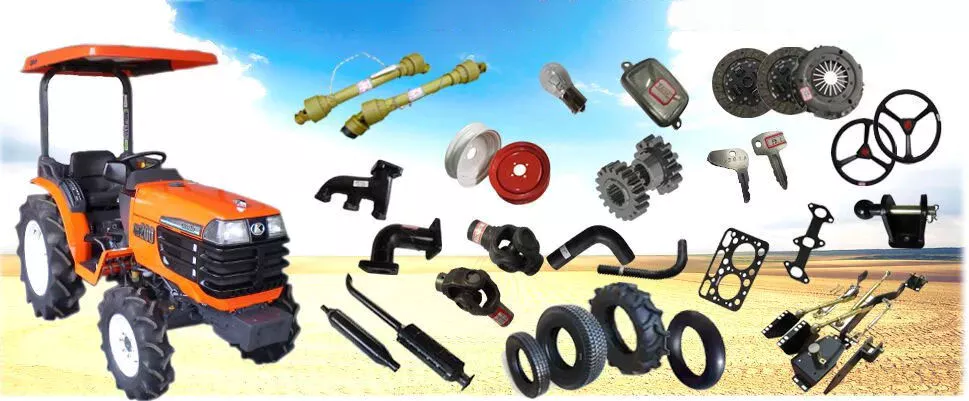
Are there variations in drive shaft designs for different types of machinery?
Yes, there are variations in drive shaft designs to cater to the specific requirements of different types of machinery. The design of a drive shaft is influenced by factors such as the application, power transmission needs, space limitations, operating conditions, and the type of driven components. Here’s an explanation of how drive shaft designs can vary for different types of machinery:
1. Automotive Applications:
In the automotive industry, drive shaft designs can vary depending on the vehicle’s configuration. Rear-wheel-drive vehicles typically use a single-piece or two-piece drive shaft, which connects the transmission or transfer case to the rear differential. Front-wheel-drive vehicles often use a different design, employing a drive shaft that combines with the constant velocity (CV) joints to transmit power to the front wheels. All-wheel-drive vehicles may have multiple drive shafts to distribute power to all wheels. The length, diameter, material, and joint types can differ based on the vehicle’s layout and torque requirements.
2. Industrial Machinery:
Drive shaft designs for industrial machinery depend on the specific application and power transmission requirements. In manufacturing machinery, such as conveyors, presses, and rotating equipment, drive shafts are designed to transfer power efficiently within the machine. They may incorporate flexible joints or use a splined or keyed connection to accommodate misalignment or allow for easy disassembly. The dimensions, materials, and reinforcement of the drive shaft are selected based on the torque, speed, and operating conditions of the machinery.
3. Agriculture and Farming:
Agricultural machinery, such as tractors, combines, and harvesters, often requires drive shafts that can handle high torque loads and varying operating angles. These drive shafts are designed to transmit power from the engine to attachments and implements, such as mowers, balers, tillers, and harvesters. They may incorporate telescopic sections to accommodate adjustable lengths, flexible joints to compensate for misalignment during operation, and protective shielding to prevent entanglement with crops or debris.
4. Construction and Heavy Equipment:
Construction and heavy equipment, including excavators, loaders, bulldozers, and cranes, require robust drive shaft designs capable of transmitting power in demanding conditions. These drive shafts often have larger diameters and thicker walls to handle high torque loads. They may incorporate universal joints or CV joints to accommodate operating angles and absorb shocks and vibrations. Drive shafts in this category may also have additional reinforcements to withstand the harsh environments and heavy-duty applications associated with construction and excavation.
5. Marine and Maritime Applications:
Drive shaft designs for marine applications are specifically engineered to withstand the corrosive effects of seawater and the high torque loads encountered in marine propulsion systems. Marine drive shafts are typically made from stainless steel or other corrosion-resistant materials. They may incorporate flexible couplings or dampening devices to reduce vibration and mitigate the effects of misalignment. The design of marine drive shafts also considers factors such as shaft length, diameter, and support bearings to ensure reliable power transmission in marine vessels.
6. Mining and Extraction Equipment:
In the mining industry, drive shafts are used in heavy machinery and equipment such as mining trucks, excavators, and drilling rigs. These drive shafts need to withstand extremely high torque loads and harsh operating conditions. Drive shaft designs for mining applications often feature larger diameters, thicker walls, and specialized materials such as alloy steel or composite materials. They may incorporate universal joints or CV joints to handle operating angles, and they are designed to be resistant to abrasion and wear.
These examples highlight the variations in drive shaft designs for different types of machinery. The design considerations take into account factors such as power requirements, operating conditions, space constraints, alignment needs, and the specific demands of the machinery or industry. By tailoring the drive shaft design to the unique requirements of each application, optimal power transmission efficiency and reliability can be achieved.


editor by CX 2023-10-26























