
What is a PTO Shaft and
How Does it Work?
A comprehensive technical guide for engineers, procurement managers, and agricultural & industrial professionals across the UK and beyond.
⚙ Power Transmission
🏭 UK Manufacturing
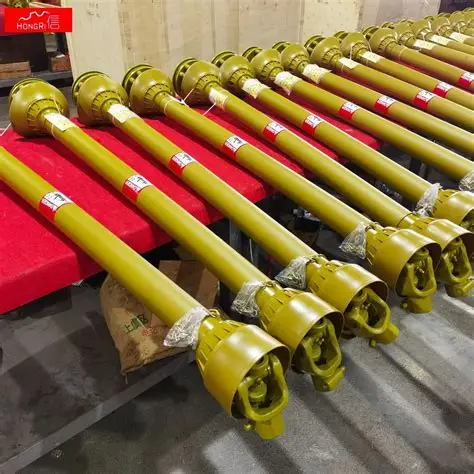 In virtually every sector where mechanical equipment must draw rotational power from a prime mover — whether a farm tractor on the Yorkshire Wolds, a road-maintenance vehicle in the West Midlands, or an industrial pump unit in a Sheffield steel plant — the PTO shaft is the indispensable link. Short for Power Take-Off shaft, this deceptively straightforward component carries enormous responsibility: it transfers kinetic energy from an engine or gearbox to an external driven machine, often across angular misalignments and variable distances. Without it, countless pieces of agricultural, construction, and industrial machinery simply would not function. Understanding how a PTO shaft works, what it is made from, and which specifications matter most is essential knowledge for anyone specifying, procuring, or maintaining driven equipment in today’s demanding UK marketplace.
Fast response within 24 hours — serving UK and global buyers
Defining the PTO Shaft: More Than Just a Spinning Rod
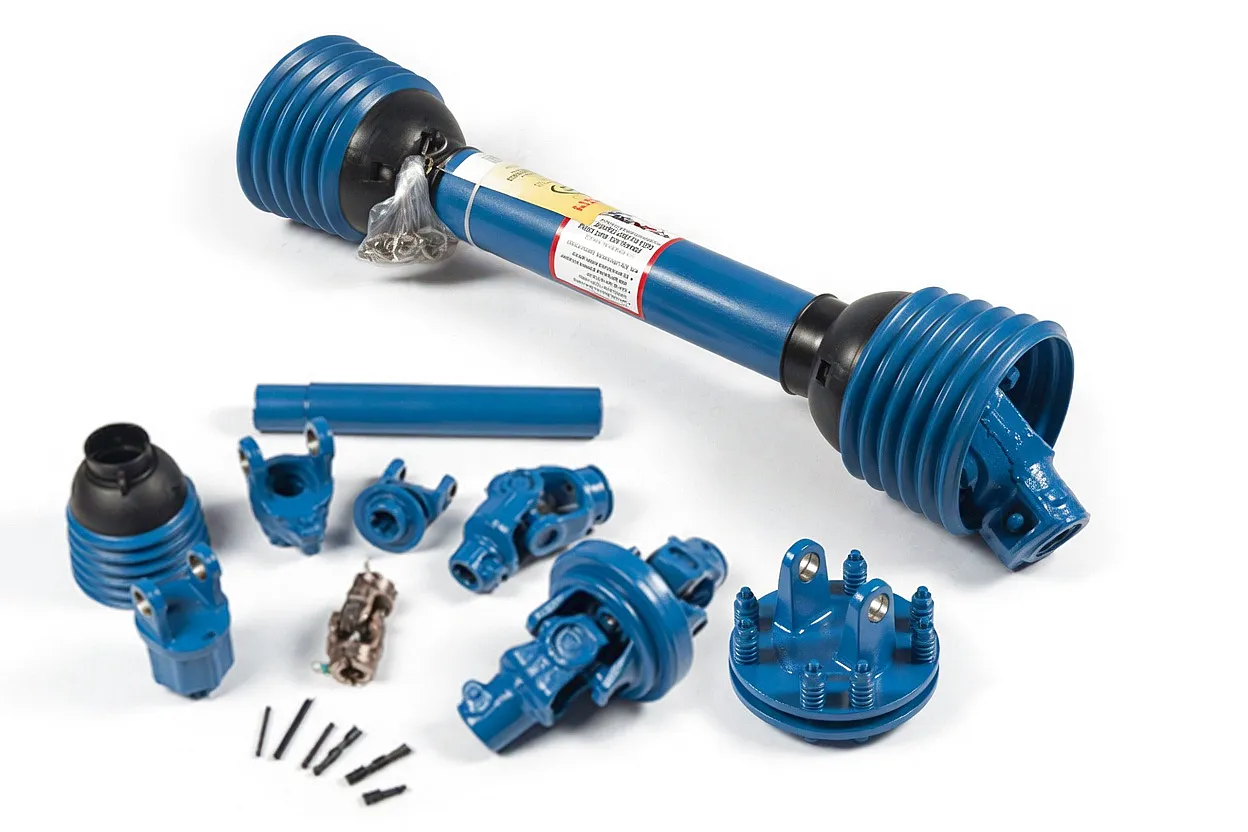
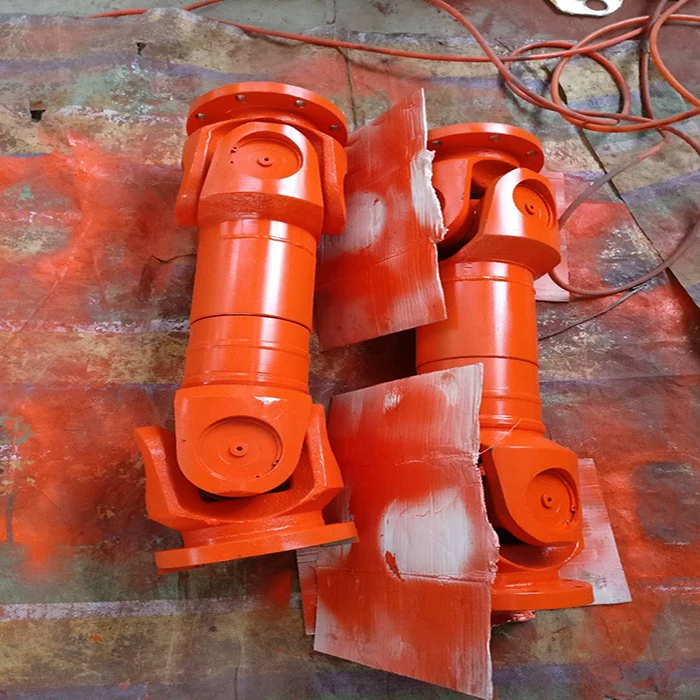 A PTO shaft — formally called a power take-off driveshaft — is a mechanical coupling assembly that connects the rotating output of a tractor, engine, or industrial power source to an auxiliary implement or driven machine. It transmits torque and rotational speed across a defined distance, accommodating angular misalignment through universal joints (U-joints) at each end and axial length variation through a telescoping inner/outer profile. In agricultural applications, it is the backbone connection between a tractor and implements such as mowers, balers, slurry pumps, and post-hole borers. In industrial and construction settings, it connects hydraulic pumps, generators, compressors, and road-marking equipment to their host vehicle or power unit.
What distinguishes a PTO drive shaft from a simple rigid coupling is its inherent flexibility. Because real-world machinery rarely aligns perfectly — ground undulations, hitch geometry, and attachment angle all introduce misalignment — the shaft must accommodate offset angles, typically up to 15° per joint in standard configurations and up to 80° in wide-angle designs intended for front-mounted implements. The telescoping section, formed by mating a splined shaft inside a matching outer tube, allows the effective shaft length to change as the implement rises, falls, or pivots. Together, these design features make the PTO shaft one of the most mechanically versatile components in mobile power transmission.
The Working Principle: Torque, Joints, and Telescoping Action
The operational logic of a PTO drive shaft is rooted in three interlocking mechanical principles that work simultaneously during use. Grasping each one individually makes the overall system much easier to understand — and easier to specify correctly for a given application.
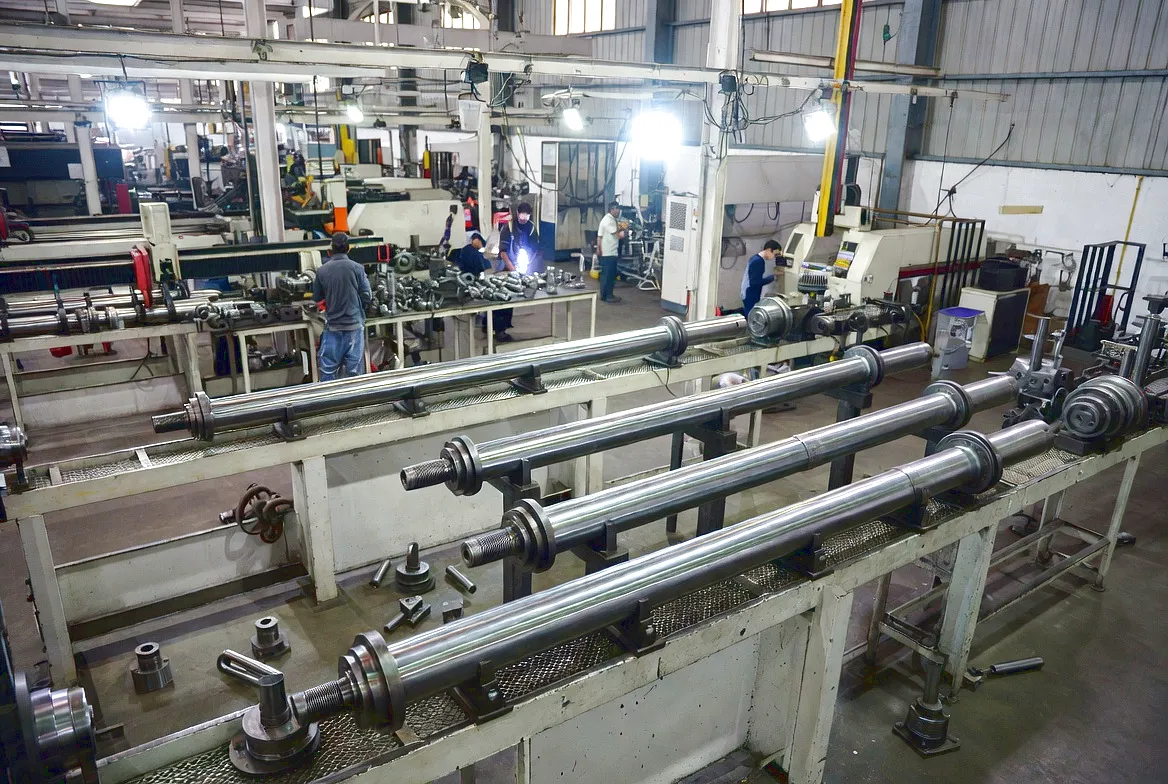
Torque Transmission
The engine or gearbox output stub — the tractor PTO stub, in agricultural usage — rotates at either 540 or 1,000 RPM in standard configurations. The PTO shaft connects to this stub via a female splined sleeve that locks onto the standardised spline profile (typically 6-spline at 540 RPM or 21-spline at 1,000 RPM in accordance with ISO 500). Torque is transmitted through surface contact across the length of the engaged splines, making this an exceptionally strong and reliable mechanical interface, capable of handling thousands of Newton-metres continuously in heavy-duty industrial variants.
Universal Joint (U-Joint) Action
At each end of the shaft sits a universal joint — a cruciform (cross-shaped) journal bearing yoke assembly that allows the shaft to transmit rotation at an angle to its axis. As the input and output yokes are bolted or welded to the cross-piece, rotational force is transferred through four needle-roller bearing cups. Critically, the two U-joints at either end of a PTO shaft must be phased — their yokes aligned on the same plane — to cancel out the velocity fluctuations inherent in a single Hooke’s joint at angles above about 3°. Misphased joints cause cyclic speed variation that generates vibration, accelerated wear, and harmonic fatigue across the entire driveline.
Telescoping Length Compensation
The intermediate shaft section consists of two sliding members — an inner splined shaft and a matching outer profile tube — that can slide relative to each other to compensate for changes in the distance between the driving and driven machines. This telescoping movement is essential in agricultural use where the implement rises and falls over terrain, and equally important in construction and industrial applications where mounting positions shift during operation. The sliding surfaces are typically hardened and precision-ground to minimise frictional losses while maintaining positive torque engagement; many premium assemblies incorporate anti-wear grease nipples at the slip joint for field maintenance.
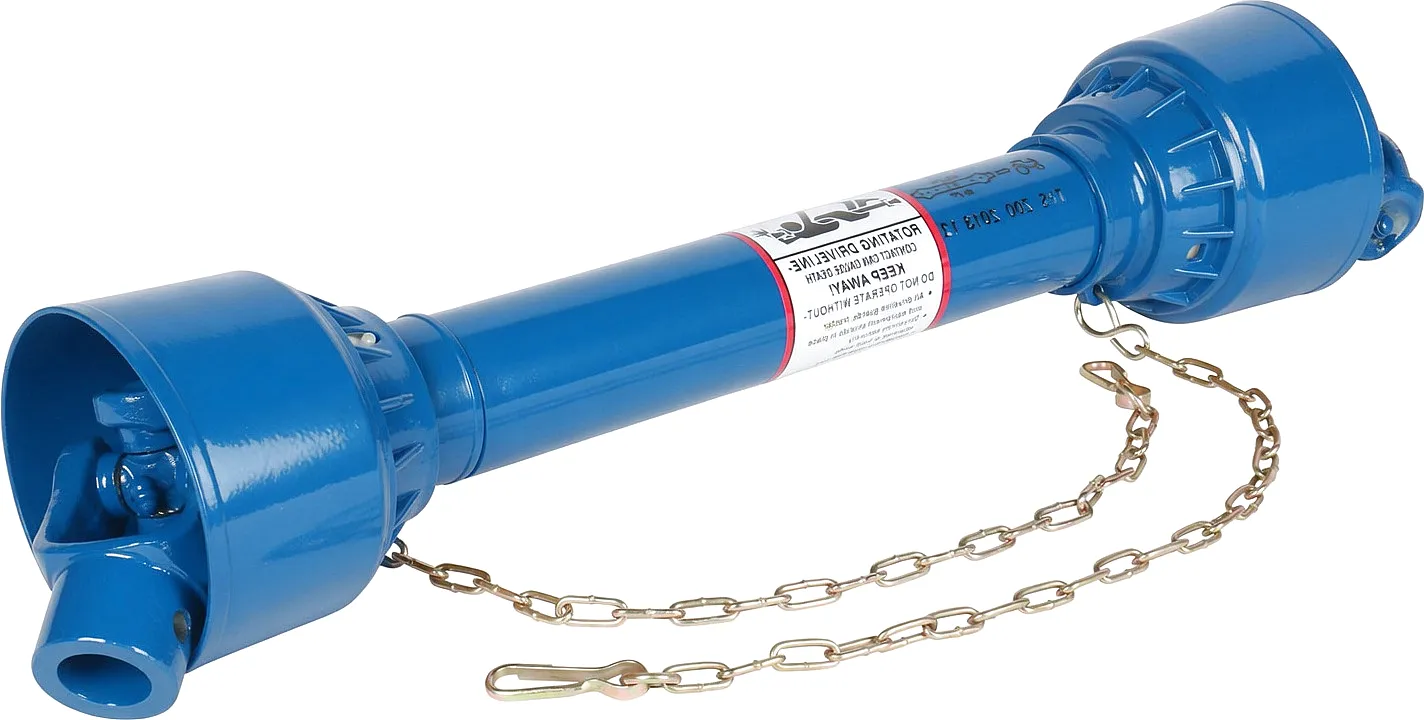
Safety is as fundamental to PTO shaft design as torque capacity. Every commercial shaft assembly is sheathed in a plastic or composite safety guard — a yellow or orange conical or cylindrical cover that shields the rotating components from accidental contact. UK Health and Safety Executive (HSE) regulations mandate the use of these guards under PUWER (Provision and Use of Work Equipment Regulations 1998), and their proper installation is a non-negotiable requirement on every working farm and industrial site. The guard rotates freely around the shaft on its own bearing support, so it remains stationary even as the shaft spins inside it, eliminating the hazard of entanglement with loose clothing, crop materials, or cables.
Materials That Define Performance: Steel, Splines, and Surface Treatments
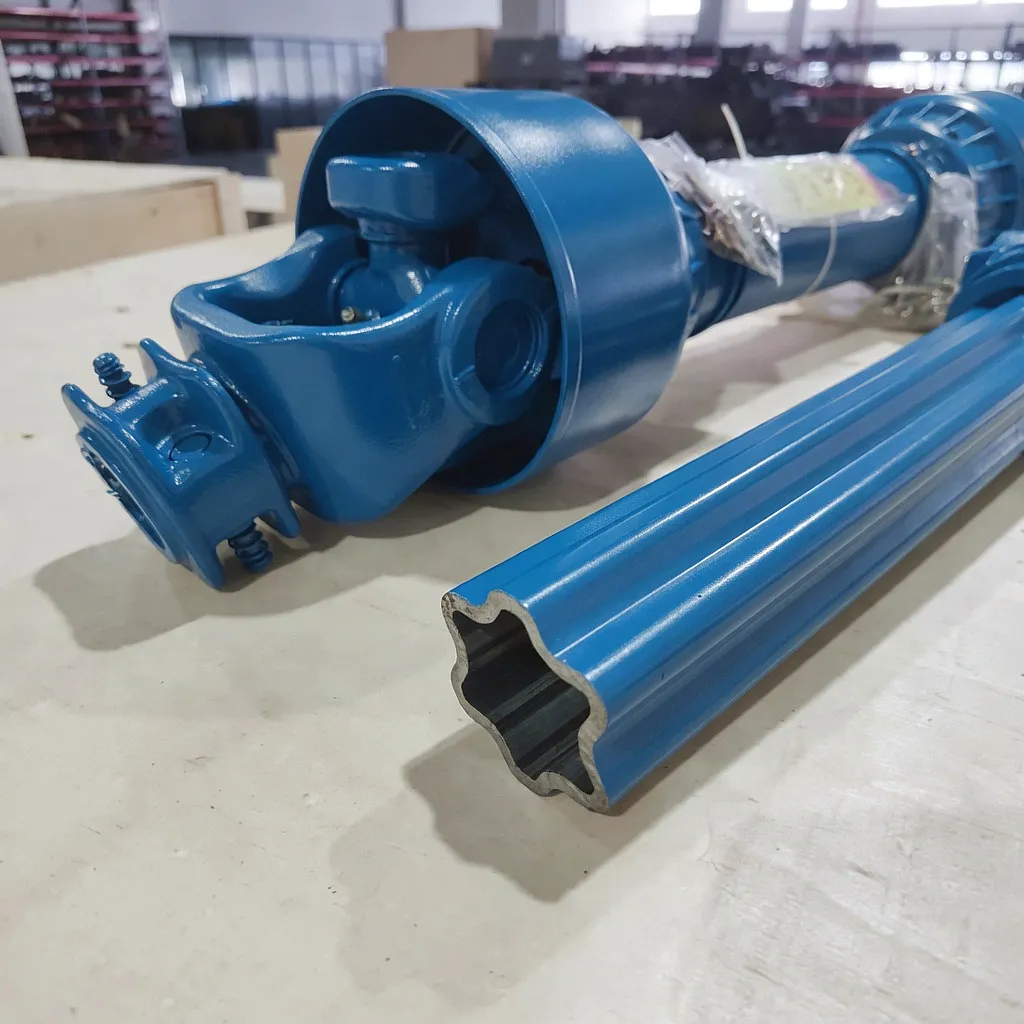 The performance ceiling of any PTO shaft is set almost entirely by the quality of its constituent materials. Most manufacturers — including the best operations serving the UK supply chain from processing centres in the Midlands and North — use a layered material strategy that balances fatigue strength, torsional rigidity, machinability, and cost. The outer tube profile (which forms the outer sliding element) is typically manufactured from cold-drawn seamless steel tube to EN 10305-1 standards, offering a consistent grain structure and dimensional accuracy that cannot be matched by welded tube alternatives. Wall thickness ranges from approximately 2.5 mm for light-agricultural shafts up to 8 mm or beyond for heavy industrial designs.
The inner splined shaft — the male sliding member — is machined from medium-carbon steel or alloy steel rod, most commonly grades equivalent to SAE 1045, 4140, or 4340 depending on torque rating. After rough machining of the spline profile by hobbing or broaching, the shaft is induction-hardened to surface hardness values between 52 and 62 HRC (Rockwell Hardness, C scale) while retaining a tough, ductile core. This dual-hardness characteristic — hard exterior for wear resistance, softer interior for shock absorption — is the material engineering achievement that allows PTO shafts to survive decades of cyclic loading in demanding agricultural and industrial environments across the UK.
Universal joint crosses (the cruciform bearing body) are forged from case-hardened alloy steel — often bearing-grade material compliant with DIN 17210 — and precision ground on all four trunnion journals to achieve the surface finish required for the needle-roller bearing cups. The yoke forgings at each end are made from ductile iron (GGG-40 grade) for lighter, cost-optimised shafts, or from forged carbon steel for high-torque industrial assemblies where the additional stiffness of steel is necessary to prevent elastic deflection of the yoke arms under peak torque. An epoxy powder-coat finish or hot-dip zinc galvanising is applied to all exposed steel surfaces to resist the corrosive mud, slurry, fertiliser salts, and industrial chemicals that PTO shafts routinely encounter in UK field and factory conditions.
Outer Tube: Cold-drawn seamless steel (EN 10305-1)
Inner Shaft: Alloy steel SAE 4140 / 4340, induction hardened
U-Joint Cross: Forged alloy steel, DIN 17210 case-hardened
Yokes: Ductile iron GGG-40 or forged carbon steel
Guard: UV-stabilised PP / PE composite
Surface: Powder-coat or hot-dip zinc galvanising
Core Technical Advantages of Modern PTO Shafts
Engineering progress in PTO driveshaft design has accelerated significantly over the past two decades, driven by demand from UK and European OEM manufacturers for components that deliver more power, last longer, and require less maintenance. The following technical strengths represent the state of the art in commercial PTO shaft engineering:
High Torque Density
Premium alloy-steel construction combined with induction-hardened splines enables torque ratings up to 180,000 Nm in the heaviest industrial shaft series — values that would have required a full gearbox coupling assembly in previous generations of equipment. This high torque density allows machine designers to transmit enormous power through a relatively slender driveshaft envelope, preserving ground clearance and reducing unsprung weight.
Wide Angular Flexibility
Wide-angle ball-and-socket (Rzeppa-type) or wide-angle double cardan U-joint configurations deliver up to 80° of articulation at the implement end, making tight-turning with front-mounted PTO implements possible even on compact tractors. This is particularly valued on the smaller arable holdings and market-garden operations that characterise much of south-east England and the Welsh Borders.
Overload Clutch Protection
Cam-and-pawl friction clutches or shear-bolt safety collars integrated into the shaft assembly protect both the driven implement and the tractor gearbox from torque spikes caused by sudden engagement, foreign object strikes, or blocked implements. This overload protection is especially critical in UK grassland operations where PTO-driven mowers are susceptible to striking embedded stones or fence posts.
Low-Maintenance Design
Sealed-for-life needle-roller bearing cups with pre-packed grease eliminate routine U-joint maintenance on many standard shaft series. Where grease nipples are provided, the long intervals between service (some manufacturers specify 50-hour lubrication intervals for agricultural use) reduce downtime during the critical harvest windows that UK farmers depend upon. The slip joint grease system ensures the telescoping section remains free-moving throughout the season without special tooling.
Full Customisation
Modern PTO shaft manufacturers can produce components to precise customer drawings, specifying non-standard lengths, spline profiles, yoke bore diameters, and guard configurations. This made-to-order capability has become essential for UK OEMs developing specialist forestry, waste-handling, and drainage machinery where no standard catalogue shaft matches the interface geometry required.
Integrated Safety Compliance
Shaft assemblies designed and supplied in the UK and EU markets are CE-marked under the Machinery Directive 2006/42/EC, with full guard systems and overload clutches engineered to meet the HSE guidance notes on PTO-related incidents. Compliance documentation, including torque ratings, operating instructions, and parts lists, is supplied in English as standard, supporting the workplace safety obligations of UK farm and facilities managers.
Product Technical & Performance Specifications
The table below summarises the key performance parameters across the main series of commercial PTO drive shafts. These figures represent standard catalogue ranges; custom specifications — including non-standard spline counts, extended telescoping travel, and specialist material grades — are available from ever-power on application.
| Параметр | Series 1 (Light Agri) | Series 4 (Medium Duty) | Series 8 (Heavy Duty) | Industrial XL |
|---|---|---|---|---|
| Rated Torque | Up to 2,100 Nm | Up to 6,000 Nm | Up to 18,000 Nm | Up to 180,000 Nm |
| Max RPM | 1,000 RPM | 1,000 RPM | 1,000 RPM | Custom (up to 3,000) |
| Max U-Joint Angle | 12° per joint | 15° per joint | 15° per joint | Користувацька |
| Wide-Angle Option | Up to 35° | Up to 50° | Up to 80° | — |
| Outer Tube Material | Seamless steel | Seamless steel | Alloy seamless steel | Hi-grade alloy steel |
| Inner Shaft HRC | 52–58 HRC | 55–60 HRC | 58–62 HRC | 60–62 HRC |
| Spline Standard | ISO 500 / 6-spline 540 RPM | ISO 500 / 21-spline 1,000 RPM | ISO 500 / Custom | Custom per drawing |
| Telescoping Travel | 100–300 mm | 150–400 mm | 200–600 mm | Користувацька |
| Safety Guard Type | PP cone guard | PP / PE cone guard | PE cylindrical guard | Custom metal guard |
| Overload Clutch | Shear bolt | Cam-pawl or ratchet | Friction disc or ratchet | Custom torque limiter |
Where PTO Shafts Are Used: Industrial Application Scenarios
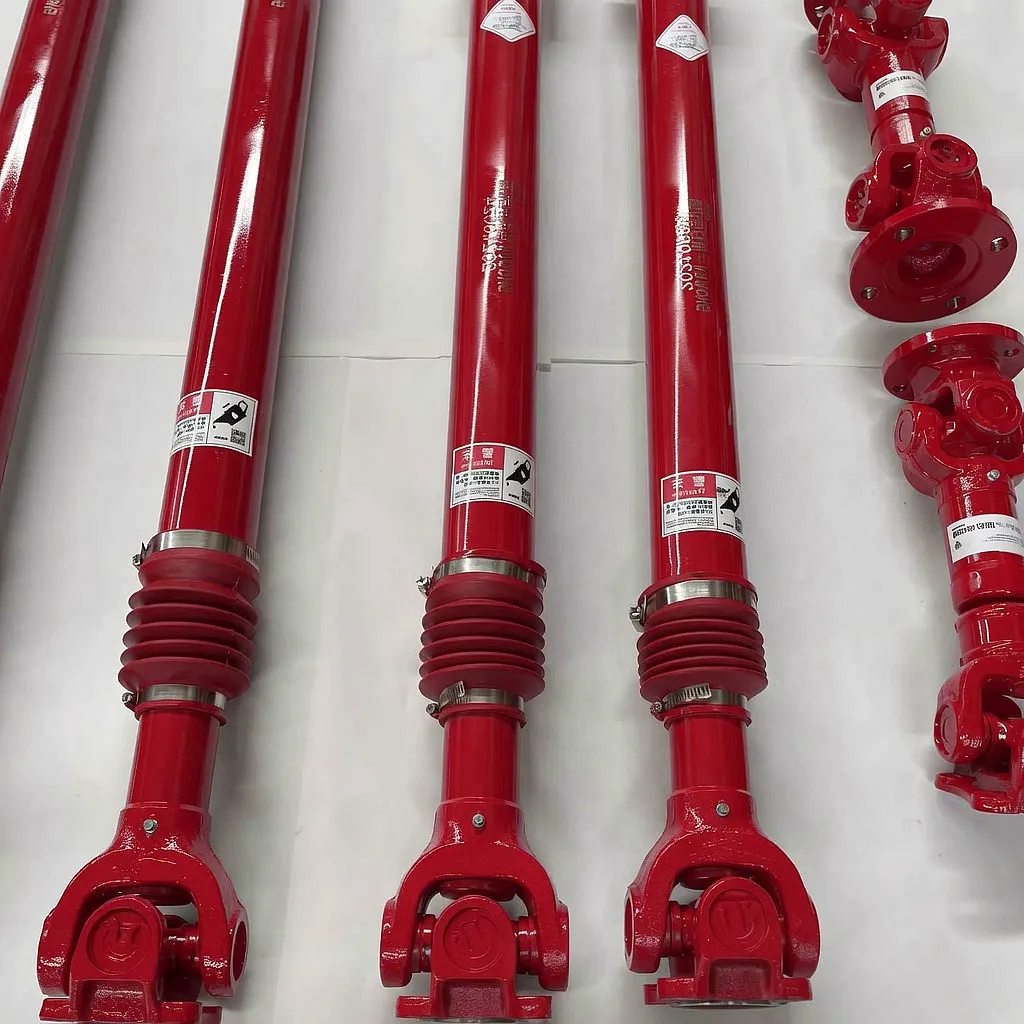
The breadth of applications served by PTO drive shafts spans nearly every sector in which a mobile or stationary prime mover must power an attached implement or process machine. In the UK alone, hundreds of thousands of PTO shaft assemblies are in daily service across agriculture, construction, utilities, and manufacturing. Here is a detailed review of the most significant application sectors:
Сільськогосподарська техніка
From the wheat fields of Lincolnshire to the dairy farms of Devon and the mixed arable holdings of the East Midlands, the agricultural PTO shaft is the primary transmission interface for virtually every tractor-mounted implement. Rotary mowers, disc harrows, power harrows, straw balers, slurry tanker pumps, potato harvesters, and grain augers all depend on reliable PTO driveshafts to transfer power from the tractor gearbox output. The 540 RPM and 1,000 RPM standards set under ISO 500 ensure that a single shaft series can connect tractors from different manufacturers to implements from any supplier in the UK market.
Construction & Groundworks
PTO shafts serve a critical role in the UK construction sector, powering equipment attached to compact tractors, skid steers, and multi-purpose utility vehicles used on sites from the redevelopment zones of Birmingham’s Digbeth district to the new housing estates ringing major cities. Post-hole borers, augers, trenchers, wood chippers, hydraulic log splitters, and road-marking units all use PTO shafts as their primary drive interface. Heavy-duty construction shaft series with torque ratings of 10,000 Nm or higher are increasingly specified for groundworks machinery where dense clay soils and rocky sub-base conditions create high torque demand on boring and cutting implements.
Pump & Generator Drive
Water utilities, drainage authorities, and emergency services across England and Wales rely on PTO-driven pump sets mounted on tractors or specialist vehicles to handle flood events, drain waterlogged fields, and supply water to remote areas during drought responses. The ability to rapidly deploy a tractor-mounted PTO pump — without the start-up delays of a dedicated engine unit — makes this application indispensable. Similarly, PTO-driven generators are widely used at UK outdoor events, film locations, and construction sites where grid power is unavailable, connecting directly to the tractor PTO stub via a standardised splined coupling shaft.
Industrial & Process Machinery
In the heavy manufacturing heartlands of Sheffield’s steel corridor, the Black Country around Wolverhampton, and the port-side industrial zones of Teesside, industrial-grade PTO shafts connect process machinery to electric motor drive systems, industrial gearboxes, and mobile power units. Conveyor systems, mixers, compactors, and industrial shredders benefit from the telescoping and angular flexibility of custom PTO shaft assemblies where rigid coupling would be impossible. High-torque industrial variants with flanged yoke ends, custom spline profiles, and heavy-wall tube construction handle the extreme duty cycles demanded by continuous process operations running multiple shifts per day.
Forestry & Land Management
The UK’s growing forestry and biomass energy sectors, particularly active in Scotland, Wales, and northern England, present challenging PTO shaft applications involving powerful wood-chippers, stump grinders, and mobile sawmill units. These machines experience severe torque spikes during contact with hard or irregular wood, making the overload clutch function of PTO shafts particularly valuable in this sector. Purpose-built forestry PTO shafts with heavy-wall outer tubes, premium alloy crosses, and high-energy ratchet clutches are designed for the repeated shock-load cycles typical of woodland operations.
Ever Power: Precision Manufacturing & Custom PTO Shaft Solutions
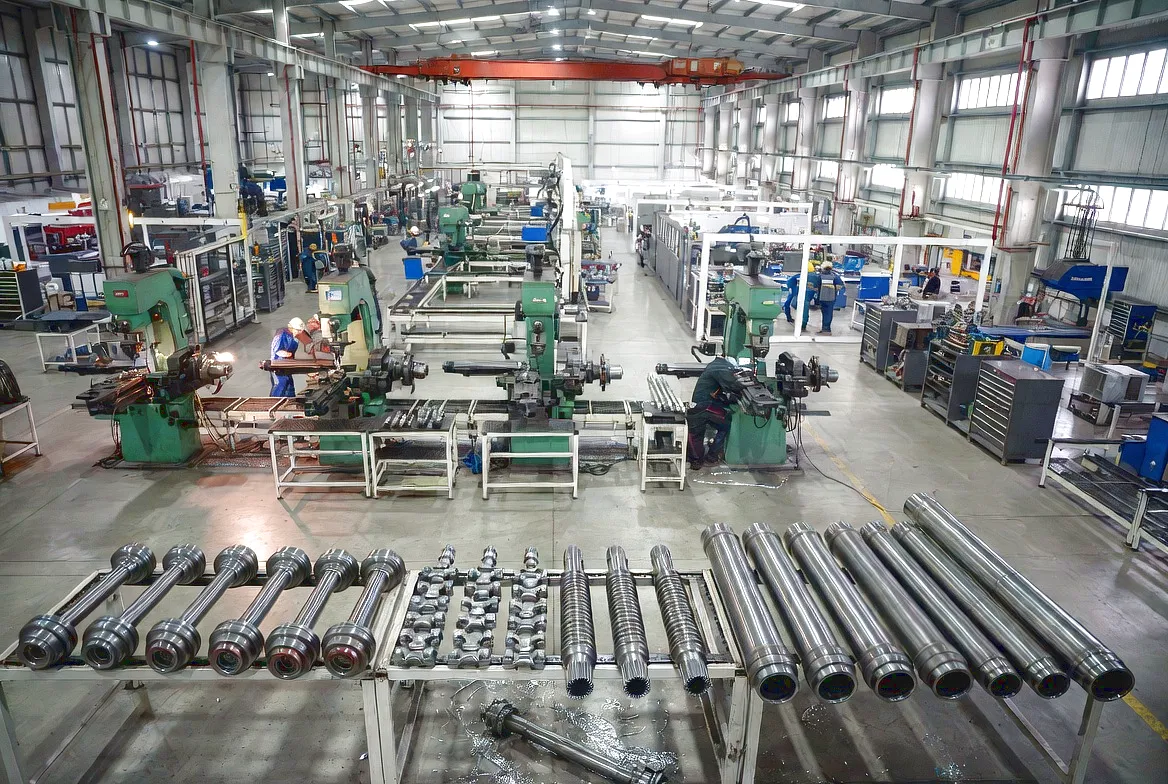
Ever Power operates one of the most comprehensively equipped PTO shaft manufacturing facilities in the industry, combining CNC precision machining centres, automated heat-treatment lines, and dedicated quality inspection stations under one roof. Every shaft that leaves our facility has been individually inspected against a defined dimensional tolerance schedule, with hardness testing and spline-profile verification performed as standard production steps — not as occasional audit checks. This commitment to process-embedded quality control means that UK procurement managers and OEM engineers can specify Ever Power components with the confidence that each batch will meet the agreed technical standard consistently, whether it is an initial prototype run of 10 units or a production order of 10,000 shafts.
The customisation capability at Ever Power is a genuine competitive differentiator. Our engineering team works directly with customer technical drawings, accepting formats including DXF, STEP, IGES, and PDF, and can generate a detailed quotation with indicative lead time within 24 hours of receiving a complete specification. For more complex assemblies requiring prototype validation, Ever Power maintains a rapid prototyping cell that can produce and deliver single-unit samples for test-fit and torque-trial evaluation, significantly reducing the development cycle for new machinery programmes. UK OEM customers have found this capability particularly valuable when developing new implement designs for specialist markets such as precision horticulture, rail maintenance vehicles, and renewable energy infrastructure.
Ever Power’s supply chain infrastructure is structured to support UK customers with reliable, documented lead times and a track record of on-time delivery even during periods of global logistics disruption. Our warehouse management system maintains real-time inventory visibility across standard catalogue shaft series, enabling same-week dispatch for the most commonly ordered configurations. For custom-engineered assemblies, production lead times are communicated at the quoting stage and confirmed in the order acknowledgement, giving procurement teams the scheduling certainty they require. Sea freight, airfreight, and courier delivery options are all available, with shipping documentation prepared to meet UK customs clearance requirements as standard.
Our engineering team responds to custom enquiries within 24 hours. Share your drawings, specifications, or even a sketch — we will handle the rest.
Customer Success Story: Midlands Drainage & Groundworks, Birmingham
 The Challenge: Midlands Drainage & Groundworks operates a fleet of eight compact tractors and four mid-range utility vehicles used primarily for installation of sustainable urban drainage systems (SuDS) across residential developments in the Greater Birmingham area. The company had repeatedly experienced premature PTO shaft failures on their tractor-mounted trenching and boring equipment — a problem that forced mid-contract equipment downtime, harmed their programme delivery record, and generated significant unplanned expenditure on replacement shaft assemblies sourced urgently through local agricultural merchants at premium pricing.
The Solution: Following a referral from a fellow contractor at a Midlands Civil Engineering Association event, the company’s plant manager contacted Ever Power with a detailed technical brief covering the torque requirements, the interface geometry of their tractor PTO stubs, and the operating conditions — including the dense clay and Triassic sandstone sub-soils characteristic of Birmingham’s northern suburbs. Ever Power’s engineering team specified a custom Series 6 heavy-duty assembly with a ratchet-type overload clutch set to 6,800 Nm, a 21-spline 1,000 RPM input end, and a flanged output yoke machined to match the boring head drive flange exactly. A small validation batch of four units was produced and delivered to Birmingham by airfreight within 14 working days of order confirmation.
The Result: After 18 months of operation across multiple active sites, none of the four Ever Power shaft assemblies has required replacement or significant maintenance — a striking contrast to the previous supplier’s components, which had typically failed within 6 to 9 months under similar conditions. The ratchet clutch on one shaft engaged twice during the period when the boring head encountered unexpected buried concrete obstructions, protecting both the gearbox and the implement from costly impact damage. Midlands Drainage & Groundworks has since placed a standing order for a further eight Ever Power custom shafts to re-equip the rest of their fleet, and have nominated Ever Power as a preferred supplier in their annual equipment procurement framework.
What Our Customers Say
“We had tried three different shaft suppliers before Ever Power. The torque rating held exactly as specified even under the difficult ground conditions we deal with on Birmingham’s clay belt — that level of performance consistency was something we hadn’t experienced before. The ratchet clutch protection alone has saved us at least two gearbox rebuilds in the past year.”
“The custom engineering service at Ever Power is the best I’ve encountered in this sector. I sent a PDF sketch of our non-standard drive interface — a legacy German implement we couldn’t source spares for — and their engineers came back within a day with a full technical proposal. The finished shaft fitted first time and has been running without issue for over a year on our mixed arable operation in Shropshire.”
“We procure PTO components for a range of specialist machinery we manufacture here in Sheffield. Ever Power’s ability to supply CE-marked shaft assemblies with full material traceability documentation was exactly what we needed to satisfy our ISO 9001 quality management requirements. Lead times are reliable, pricing is competitive, and the technical support when we’re developing a new shaft design is genuinely knowledgeable — not just a catalogue reference service.”
Frequently Asked Questions About PTO Shafts
Answers to the questions buyers, engineers, and farm managers across the UK most commonly ask about PTO drive shafts
▶ What exactly is a PTO shaft and what does it do on a tractor or industrial machine?
A PTO shaft — short for power take-off shaft — is a rotating driveshaft assembly that transfers engine torque from a tractor’s gearbox output stub to an attached implement or driven machine. It accommodates angular misalignment through universal joints and length variation through a telescoping inner and outer tube. On agricultural machinery, it powers everything from rotary mowers to slurry pumps; on industrial equipment, it connects hydraulic pumps, compressors, and conveyor drives to their host vehicle or power unit.
▶ How much does a replacement PTO shaft cost for agricultural use in the UK, and where can I get a competitive quote?
The price of a standard agricultural PTO shaft in the UK market ranges from roughly £50 to £350 for off-the-shelf Series 1 to Series 4 assemblies, depending on length, torque rating, and whether a safety clutch is included. Custom or heavy-duty industrial shafts carry higher pricing, typically starting from £200 per unit at commercial quantities. The best route to an accurate, project-specific price is to submit a specification to a manufacturer such as Ever Power, who can provide a formal quotation within 24 hours at [email protected].
▶ Which UK suppliers or manufacturers can I trust to supply certified, CE-marked PTO shafts for my farm equipment?
CE-marked PTO shaft assemblies compliant with Machinery Directive 2006/42/EC are available from specialist manufacturers such as Ever Power, as well as from established European brands distributed through UK agricultural merchants. When evaluating a supplier, ask specifically for the Declaration of Conformity, material certification records, and the torque test data for the series you are considering. Reputable manufacturers will provide these documents as a standard part of the order package. Ever Power supplies full CE documentation and, on request, material traceability certificates for every custom shaft assembly.
▶ How do I know what size and torque rating of PTO shaft I need for my specific implement or machine in the UK?
Selection starts with three pieces of information: the maximum continuous torque and peak torque your implement demands (usually found in the manufacturer’s technical data sheet), the PTO output speed of your tractor or power unit (540 RPM or 1,000 RPM as standard), and the distance between the PTO stub and the implement input flange at minimum and maximum extension. From these three figures, an experienced manufacturer can select the appropriate shaft series, specify the correct spline profile, and confirm whether an overload clutch is needed. If you are unsure of your implement’s torque demand, a manufacturer’s engineer can help estimate it from machine power and typical operating conditions.
▶ Where in the UK can I find a reliable, fast-delivery PTO shaft supplier for urgent replacement orders, especially in areas like Sheffield or Birmingham?
For urgent same-week replacement needs, buyers in Birmingham, Sheffield, and across the Midlands have several options: local agricultural machinery dealers often stock the most common catalogue shaft sizes; specialist power transmission distributors in industrial zones can supply heavier-duty variants; and direct manufacturer suppliers such as Ever Power can often ship standard catalogue items for next-day UK delivery from bonded warehouse stock. For custom assemblies with urgent timelines, Ever Power’s airfreight option delivers finished shafts to UK addresses within 5 to 7 working days from order confirmation on most standard custom configurations.
▶ What are the UK Health and Safety regulations governing PTO shaft use, and what safety guard do I legally need?
In the UK, PTO shaft use is regulated primarily under the Provision and Use of Work Equipment Regulations 1998 (PUWER), supported by Health and Safety Executive (HSE) guidance on agricultural PTO hazards. The regulations require that all rotating parts, including the PTO shaft, are guarded to prevent accidental contact. A compliant safety guard must cover the full length of the rotating shaft and its yoke ends, must be retained in place by a support chain or stub, and must rotate freely independently of the shaft so it remains stationary during operation. It is a legal obligation on UK farm operators and employers to ensure guards are fitted, maintained, and replaced when damaged.
▶ How long does a PTO shaft typically last, and what maintenance should I carry out to extend its service life?
A well-maintained, correctly specified PTO shaft should deliver a minimum of 5 to 10 years of reliable service in agricultural use and longer in light-duty applications. The primary maintenance tasks are: greasing the U-joint bearing cups and slip joint at the intervals specified in the shaft manual (typically every 50 to 100 operating hours); inspecting the guard and retaining chains before each season; checking the yoke retaining clips for secure engagement; and replacing the guard immediately if cracked or missing. Operating the shaft at angles beyond the manufacturer’s rated maximum is the single biggest cause of premature U-joint failure and should be avoided by adjusting the implement hitch height.
▶ Can Ever Power manufacture a fully custom PTO shaft for my non-standard industrial or agricultural application, and how do I get a price?
Yes — Ever Power specialises in custom-engineered PTO shaft assemblies, handling everything from minor modifications to completely bespoke designs produced to customer drawings. To receive a quotation, send your technical requirements — including torque rating, speed, connection geometry (spline profile, yoke bore diameter, or flange PCD), shaft length at minimum and maximum extension, and any specific material or certification requirements — to [email protected]. A detailed quotation with lead time is typically provided within 24 hours for standard custom configurations, and within 48 hours for complex assemblies requiring engineering review.
Whether you are sourcing standard catalogue shafts or need a fully custom assembly designed to your drawing, Ever Power delivers precision, reliability, and documented compliance. Contact our team today.























