
Опис продукту
| Номер моделі | 05(Push Pin)+RA2(Overrunning Clutch) |
| Функція | Передача потужності |
| Використання | Трактори та різноманітне сільськогосподарське обладнання |
| Тип вилки | штифт/швидкознімний штифт/кульове кріплення/комір/подвійний штифт/болтові штифти/шплінти |
| Обробка ярма | Кування |
| Тип трубки | Трикутник/зірка/лимон |
| Тип сплайну | Тип сплайну |
|
Materlal and Surface Treatment |
|
|
Cross shaft |
Heat treatment of 20Cr2Ni4A forging |
|
Bearing cup |
20CrMOTi forging heat treatment |
|
Flange fork |
ZG35CrMo, steel casting |
|
Spline shaft |
42GrMo forging heat treatment |
|
Spline bushing |
35CrM0 forging heat treatment |
|
Sleeve body |
42CrMo forging |
|
Surface treatment: |
spraying |
|
Flat key, positioning ring |
42GrMo forging |
The above are standard models and materials.
If you have special supporting requirements, you can customize production according to customer needs.
Please click here to consult us!
Application scenarios
/* 22 січня 2571 19:08:37 */!function(){function s(e,r){var a,o={};try{e&&e.split(“,”).forEach(function(e,t){e&&(a=e.match(/(.*?):(.*)$/))&&1
| Стандарт: | GB, EN, OEM |
|---|---|
| Surface Treatment: | All |
| Energy Source: | All |
| Матеріал: | All |
| Навантаження: | Привідний вал |
| Жорсткість та гнучкість: | Гнучкий вал |
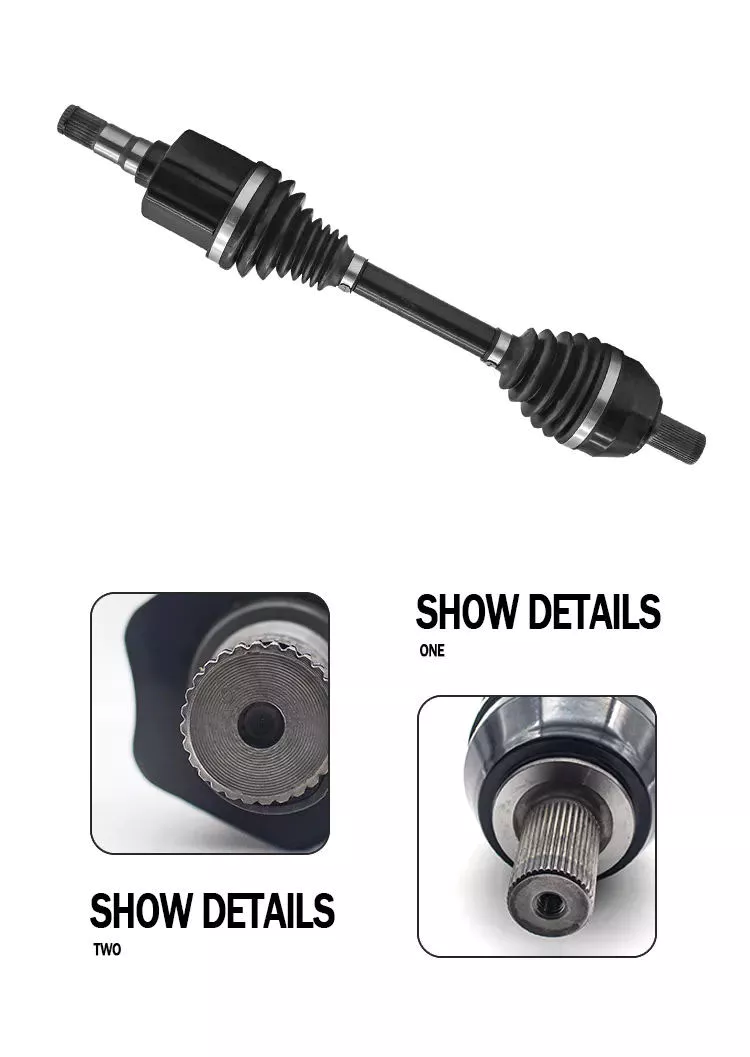
How do manufacturers ensure the compatibility of PTO shafts with different equipment?
Manufacturers employ various measures to ensure the compatibility of PTO (Power Take-Off) shafts with different equipment. Compatibility is crucial to ensure that PTO shafts can effectively transfer power from the power source to the driven machinery without compromising performance, safety, or ease of use. Here’s a detailed explanation of how manufacturers ensure compatibility:
1. Standardization: PTO shafts are designed and manufactured based on standardized specifications. These specifications outline the essential parameters such as shaft dimensions, spline sizes, torque ratings, and safety requirements. By adhering to standardized designs, manufacturers ensure that PTO shafts are compatible with a wide range of equipment that meets the same standards. Standardization allows for interchangeability, meaning that PTO shafts from one manufacturer can be used with equipment from another manufacturer as long as they conform to the same specifications.
2. Collaboration with Equipment Manufacturers: PTO shaft manufacturers often collaborate closely with equipment manufacturers to ensure compatibility. They work together to understand the specific requirements of the equipment and design PTO shafts that seamlessly integrate with the machinery. This collaboration may involve sharing technical specifications, conducting joint testing, and exchanging feedback. By working in partnership, manufacturers can address any compatibility issues early in the design and development process, resulting in PTO shafts that are tailored to the equipment’s needs.
3. Customization Options: PTO shaft manufacturers offer customization options to accommodate different equipment configurations. They provide flexibility in terms of shaft length, spline sizes, yoke designs, and coupling mechanisms. Equipment manufacturers can specify the required parameters, and the PTO shafts can be customized accordingly. This ensures that the PTO shafts precisely match the equipment’s power input/output requirements and connection methods, guaranteeing compatibility and efficient power transfer.
4. Testing and Validation: Manufacturers conduct rigorous testing and validation processes to ensure the compatibility and performance of PTO shafts. They subject the shafts to various tests, including torque testing, rotational speed testing, and durability testing. These tests verify that the PTO shafts can handle the expected power loads and operating conditions without failure. By validating the performance of the PTO shafts, manufacturers can ensure that they are compatible with a wide range of equipment and can reliably transfer power under different operating scenarios.
5. Compliance with Industry Standards: PTO shaft manufacturers adhere to industry standards and regulations to ensure compatibility. Organizations such as the American Society of Agricultural and Biological Engineers (ASABE) establish safety and performance standards for PTO shafts. Manufacturers design and produce their shafts in accordance with these standards, ensuring that their products meet the necessary requirements for compatibility and safety. Compliance with industry standards provides assurance to equipment manufacturers and end-users that the PTO shafts are compatible and suitable for use with different equipment.
6. Documentation and Guidelines: Manufacturers provide comprehensive documentation and guidelines to assist equipment manufacturers and end-users in ensuring compatibility. This documentation includes technical specifications, installation instructions, maintenance guidelines, and safety recommendations. The documentation helps equipment manufacturers select the appropriate PTO shaft for their equipment and provides guidance on proper installation and use. By following the manufacturer’s guidelines, equipment manufacturers can ensure compatibility and optimize the performance of the PTO shafts.
7. Ongoing Research and Development: PTO shaft manufacturers continuously invest in research and development to enhance compatibility with different equipment. They stay updated with industry trends, technological advancements, and evolving equipment requirements. This ongoing research and development enable manufacturers to improve the design, materials, and features of PTO shafts, ensuring compatibility with the latest equipment innovations and addressing any compatibility challenges that may arise.
By employing standardization, collaborating with equipment manufacturers, offering customization options, conducting thorough testing, complying with industry standards, providing documentation and guidelines, and investing in research and development, manufacturers ensure the compatibility of PTO shafts with different equipment. This compatibility allows for seamless integration, efficient power transfer, and optimal performance across a wide range of machinery and equipment in various industries.
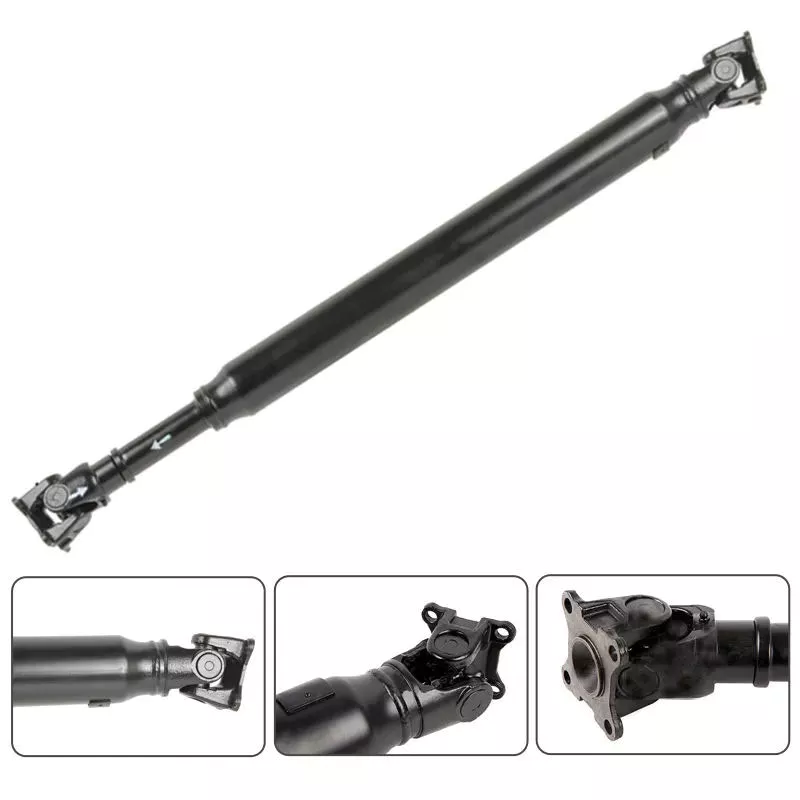
Чи є якісь обмеження або недоліки, пов'язані з валами відбору потужності?
Хоча вали відбору потужності (ВОМ) пропонують численні переваги з точки зору передачі потужності та універсальності, вони також мають певні обмеження та недоліки. Важливо враховувати ці фактори під час використання валів відбору потужності, щоб забезпечити безпечну та ефективну роботу. Ось детальне пояснення деяких обмежень та недоліків, пов'язаних з валами відбору потужності:
1. Загрози безпеці: Однією з основних проблем, пов'язаних з валами відбору потужності, є потенційна небезпека. Вали відбору потужності обертаються з високою швидкістю та можуть становити значний ризик, якщо їх не захистити належним чином або не поводитися з ними належним чином. Випадковий контакт з відкритим або недостатньо захищеним валом відбору потужності може призвести до серйозних травм, включаючи заплутування, ампутацію або навіть летальний результат. Вкрай важливо дотримуватися правил безпеки, застосовувати належні захисні засоби та забезпечити належне навчання операторів методам безпечного поводження, щоб зменшити ці ризики.
2. Технічне обслуговування та змащення: Карданні вали потребують регулярного технічного обслуговування та змащування для забезпечення оптимальної продуктивності та довговічності. Рухомі частини, такі як універсальні шарніри та шліци, необхідно перевіряти, очищати та змащувати через рекомендовані проміжки часу. Нехтування технічним обслуговуванням може призвести до передчасного зносу, зниження ефективності та потенційних поломок. Належні методи технічного обслуговування, включаючи регулярні огляди та своєчасне змащування, є важливими для зменшення цих проблем.
3. Вирівнювання та кути: Вали відбору потужності залежать від правильного вирівнювання та кутів для забезпечення ефективної передачі потужності. Нерівномірне вирівнювання або надмірні кути між джерелом живлення та приводним механізмом можуть призвести до підвищеного зносу та навантаження на компоненти, що призводить до передчасного виходу з ладу. Забезпечення правильного вирівнювання та регулювання кута за допомогою регульованих ковзних вилок або інших засобів важливе для запобігання надмірному навантаженню на вал відбору потужності та пов'язане з ним обладнання.
4. Обмеження довжини: Вали відбору потужності мають обмеження щодо максимальної та мінімальної довжини через інженерні особливості. Телескопічна конструкція дозволяє деяке регулювання, але існує практичне обмеження щодо того, наскільки вал може висуватися або втягуватися. Якщо відстань між джерелом живлення та приводним механізмом перевищує максимум або стає меншою за мінімальну довжину вала відбору потужності, можуть знадобитися альтернативні рішення або модифікації. У деяких випадках для подолання цієї відстані можуть знадобитися додаткові компоненти, такі як подовжувачі карданного валу або коробки передач.
5. Сумісність: Хоча виробники прагнуть забезпечити сумісність, все ще можуть виникати труднощі з пошуком правильного валу відбору потужності для конкретних конфігурацій обладнання. Обладнання може мати унікальні вимоги щодо розмірів шліців, номінальних крутних моментів або методів з'єднання, які можуть бути недоступними або несумісними зі стандартними валами відбору потужності. Для вирішення цих проблем сумісності може знадобитися індивідуальне налаштування, що може призвести до збільшення витрат або термінів виконання.
6. Шум та вібрації: Вали відбору потужності під час роботи можуть створювати значний шум і вібрацію, особливо на високих швидкостях. Це може бути незручністю для операторів і може вимагати додаткових заходів для зниження рівня шуму або гальмування вібрацій. Надмірні вібрації також можуть вплинути на загальну продуктивність і термін служби валу відбору потужності та підключеного обладнання. Використання гасників вібрацій або гнучких муфт може допомогти зменшити ці проблеми.
7. Обмеження потужності: Вали відбору потужності мають певні обмеження потужності залежно від їхньої конструкції, матеріалів та компонентів. Перевищення цих обмежень потужності може призвести до передчасного зносу, виходу з ладу компонентів або навіть поломки вала. Для забезпечення безпечної та надійної роботи вкрай важливо розуміти та дотримуватися рекомендованих номінальних потужностей для валів відбору потужності. У деяких випадках для задоволення вищих вимог до потужності може знадобитися модернізація валу відбору потужності або впровадження додаткових компонентів передачі потужності.
8. Складне встановлення та видалення: Встановлення та зняття валів відбору потужності може бути складним процесом, особливо в обмеженому просторі або під час роботи з важким обладнанням. Це може вимагати вирівнювання шліців, зачеплення муфт та закріплення блокувальних механізмів. Неправильні методи встановлення або зняття можуть призвести до пошкодження вала або пов'язаного з ним обладнання. Належне навчання, належне поводження з обладнанням та дотримання інструкцій виробника є важливими для спрощення та забезпечення безпечного встановлення та зняття валів відбору потужності.
Незважаючи на ці обмеження та недоліки, вали відбору потужності залишаються широко використовуваними та цінними компонентами для передачі потужності в різних галузях промисловості. Враховуючи ці міркування та впроваджуючи належні заходи безпеки, методи технічного обслуговування та процедури вирівнювання, можна ефективно зменшити потенційні недоліки валів відбору потужності, що забезпечить безпечну та ефективну експлуатацію.

How do PTO shafts handle variations in speed and torque requirements?
PTO shafts (Power Take-Off shafts) are designed to handle variations in speed and torque requirements between the power source (such as a tractor or engine) and the driven machinery or equipment. They incorporate various mechanisms and components to ensure efficient power transmission while accommodating the different speed and torque demands. Here’s a detailed explanation of how PTO shafts handle variations in speed and torque requirements:
1. Gearbox Systems: PTO shafts often incorporate gearbox systems to match the speed and torque requirements between the power source and the driven machinery. Gearboxes allow for speed reduction or increase and can also change the rotational direction if necessary. By using different gear ratios, PTO shafts can adapt the rotational speed and torque output to suit the specific requirements of the driven equipment. Gearbox systems enable PTO shafts to provide the necessary power and speed compatibility between the power source and the machinery they drive.
2. Shear Bolt Mechanisms: Some PTO shafts, particularly in applications where sudden overloads or shock loads are expected, use shear bolt mechanisms. These mechanisms are designed to protect the driveline components from damage by disconnecting the PTO shaft in case of excessive torque or sudden resistance. Shear bolts are designed to break at a specific torque threshold, ensuring that the PTO shaft separates before the driveline components suffer damage. By incorporating shear bolt mechanisms, PTO shafts can handle variations in torque requirements and provide a safety feature to protect the equipment.
3. Friction Clutches: PTO shafts may incorporate friction clutch systems to enable smooth engagement and disengagement of power transfer. Friction clutches use a disc and pressure plate mechanism to control the transmission of power. Operators can gradually engage or disengage the power transfer by adjusting the pressure on the friction disc. This feature allows for precise control over torque transmission, accommodating variations in torque requirements while minimizing shock loads on the driveline components. Friction clutches are commonly used in applications where smooth power engagement is essential, such as in hydraulic pumps, generators, and industrial mixers.
4. Constant Velocity (CV) Joints: In cases where the driven machinery requires a significant range of movement or articulation, PTO shafts may incorporate Constant Velocity (CV) joints. CV joints allow the PTO shaft to accommodate misalignment and angular variations without affecting power transmission. These joints provide a smooth and constant power transfer even when the driven machinery is at an angle relative to the power source. CV joints are commonly used in applications such as articulated loaders, telescopic handlers, and self-propelled sprayers, where the machinery requires flexibility and a wide range of movement.
5. Telescopic Designs: Some PTO shafts feature telescopic designs that allow for length adjustment. These shafts consist of two or more concentric shafts that slide within each other, providing the ability to extend or retract the PTO shaft as needed. Telescopic designs accommodate variations in the distance between the power source and the driven machinery. By adjusting the length of the PTO shaft, operators can ensure proper power transmission without the risk of the shaft dragging on the ground or being too short to reach the equipment. Telescopic PTO shafts are commonly used in applications where the distance between the power source and the implement varies, such as in front-mounted implements, snow blowers, and self-loading wagons.
By incorporating these mechanisms and designs, PTO shafts can handle variations in speed and torque requirements effectively. They provide the necessary flexibility, safety, and control to ensure efficient power transmission between the power source and the driven machinery. PTO shafts play a critical role in adapting power to meet the specific needs of various equipment and applications.


editor by CX 2024-04-13























