
In the demanding metallurgical industry, continuous casting machines (CCMs) represent the pinnacle of industrial engineering, transforming molten metal into solid billets, slabs, or square billets with astonishing precision and speed. These machines operate under extreme conditions, requiring components to withstand prolonged continuous operation, corrosive environments filled with steam and impurities, and immense mechanical stress. pto-drive-shafts.com Ltd. in the UK specializes in providing robust and durable industrial driveshafts for such applications. Our driveshafts, often referred to as universal joints or universal shafts, ensure smooth power transmission in continuous casting machines and effectively address key challenges such as misalignment compensation, vibration damping, and extended service life. Located at Ptto St Edmunds IP32 7LX, Bury, Suffolk, UK, the company is dedicated to providing solutions that improve productivity and reduce downtime for metallurgical companies worldwide. For any inquiries, please contact us at [email protected].
Understanding Continuous Casting Machines and Their Drive Shaft Requirements
Continuous casting machines have revolutionized steel production, enabling continuous production from molten metal to semi-finished products. Unlike traditional ingot casting, continuous casting pours molten steel into water-cooled molds, where it solidifies into billets, which are then guided by rolls and further cooled. This continuous operation requires drive shafts to withstand high torque loads for extended periods—typically requiring continuous 24-hour operation for weeks on end. The working environment is extremely harsh: high temperatures, steam from cooling water, and corrosive substances such as slag and scale accelerate wear on mechanical components.
The drive shafts in continuous casting machines connect the motor, rolls, vibrators, and drawing devices, compensating for angular deviations and axial displacements caused by thermal expansion. Without proper compensation, these deviations can lead to premature failure, resulting in downtime and substantial losses. Industrial drive shafts from pto-drive-shafts.com Ltd. in the UK utilize a central support structure, allowing for longer spans and ensuring the stability of large continuous casting machines. These supports prevent excessive deflection and maintain alignment even under heavy loads.
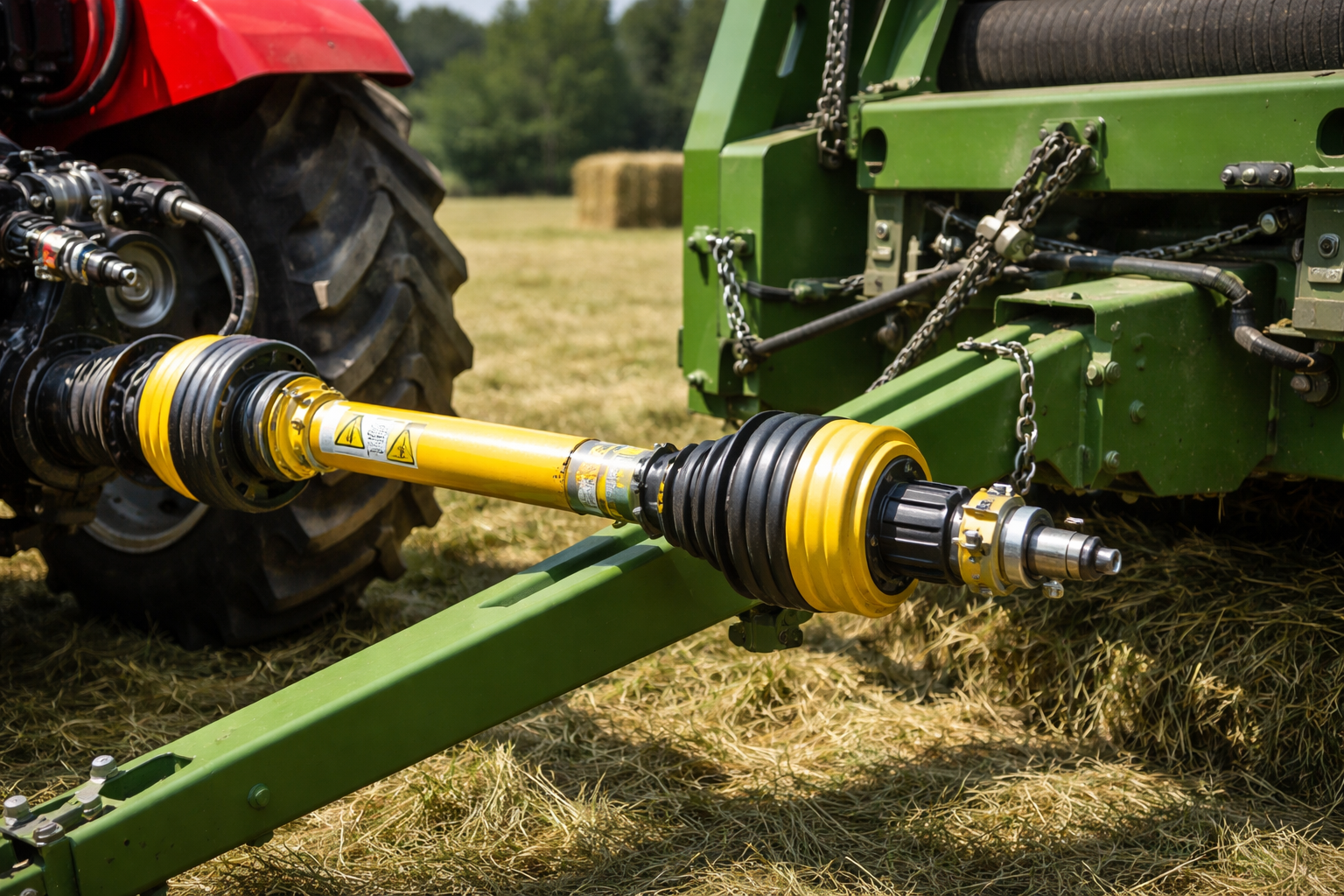
In continuous circulating machinery (CCM), tensile compensation is crucial due to the thermal expansion and contraction of the machinery. Our drive shafts feature a telescopic design with a splined connection, enabling smooth axial movement without compromising torque transmission. This characteristic is essential to prevent jamming or overload during operation. Furthermore, standard materials fail rapidly in corrosive steam environments, leading to pitting and fatigue cracking. We utilize 42CrMo alloy steel with surface treatments such as nitriding or chrome plating, significantly enhancing its corrosion and wear resistance.
Upgraded seals are another cornerstone of our design philosophy. Traditional seals frequently fail in steam-rich environments, allowing contaminants to enter and cause lubrication leaks. Our advanced sealing systems, including high-temperature lip seals and labyrinth seals, provide superior protection, extend maintenance intervals, and improve operational reliability. By integrating these elements, our drive shafts not only meet but exceed the requirements of modern continuous circulating machinery (CCM), thereby increasing output and reducing operating costs.
Technical Specifications and Material Innovations
Delving into the technical details, our drive shafts for continuous rolling mills (CCMs) are designed with precise parameters. Torque capacity typically ranges from 10,000 Nm to over 100,000 Nm, depending on the machine size, ensuring they can withstand the immense forces generated when pulling heavy metal wires. Operating speeds range from 50 to 500 rpm, and our designs are optimized to minimize backlash, maintaining synchronization in multi-roll systems.
We specifically choose 42CrMo as the base material. This chromium-molybdenum alloy possesses excellent tensile strength (up to 1100 MPa) and fatigue resistance, crucial for continuous operation. Surface treatments such as carburizing or induction hardening increase the hardness to 58-62 HRC, forming a tough outer layer that resists wear from oxide scale particles. In harsh steam environments, we employ anti-corrosion coatings such as zinc phosphate or epoxy resin, creating a barrier against moisture and chemicals, doubling the shaft’s service life compared to untreated shafts.
For shafts exceeding 3 meters in length, we integrate intermediate supports and employ self-aligning bearings to compensate for minor misalignment. These supports reduce whiplash effects at high speeds, thus improving safety and efficiency. To compensate for tension, our expansion joints allow up to 200 mm of axial travel and feature grease-filled splines to ensure smooth operation and prevent wear.
Seal technology has seen significant advancements. We utilize upgraded seals made from fluororubber such as Viton, which can withstand temperatures up to 200°C and are chemically resistant. Combined with dust covers and easy-to-maintain grease fittings, these features minimize the ingress of corrosive vapors, protecting internal components. In practical applications, this translates to reduced lubrication frequency—from once a week to once a month—resulting in up to 30% lower maintenance costs.
Challenges in Corrosive and Steam Environments
One of the main challenges facing continuous circulating machinery (CCM) is the pervasive corrosion caused by steam and metallurgical byproducts. Steam condenses on exposed surfaces, mixing with acidic residues to form a corrosive slurry that erodes the metal. Prolonged exposure leads to pitting corrosion, which can trigger cracking under cyclic loading. Our driveshafts mitigate this problem through material selection and protective measures. Chromium is added to the 42CrMo matrix alloy to enhance its inherent corrosion resistance, and it is further strengthened through surface treatments such as plasma nitriding to form a nitride layer, increasing hardness and forming a passivating oxide film to prevent oxidation.
Continuous operation exacerbates these problems due to limited downtime for inspections. Driveshafts must operate continuously without failure, typically exceeding 10,000 hours. Our design incorporates vibration monitoring devices that integrate with IoT sensors for predictive maintenance. This proactive approach detects imbalances early, preventing catastrophic failures.
In high humidity and steam environments, sealing is crucial. Upgraded seals prevent water ingress and avoid lubricant dilution and emulsification, thus preventing bearing failure. Our multi-lip seals provide multiple barriers, ensuring reliability even if one layer is damaged. Case studies from a British steel mill demonstrate that, under similar operating conditions, our shafts have a 50% longer lifespan than competitors’ products.
Intermediate Supports and Stretch Compensation Mechanisms
For large continuous casting machines, the drive shaft spans a considerable distance, necessitating intermediate supports to prevent sagging and vibration. These supports are typically bearing housings with spherical roller bearings, allowing for thermal expansion while maintaining alignment. Our custom-designed supports feature adjustable height for easy installation and alignment during retrofitting projects.
Tension compensation is achieved through sliding yokes or spline sleeves, which absorb length variations caused by temperature fluctuations (up to 100°C). This prevents the connecting equipment from bearing axial loads, thus reducing wear on the gearbox and motor. In practical applications, this feature is particularly important in slab casting machines, where the thermal cycling is extremely intense.
Combining these features with the 42CrMo material ensures the shaft retains both flexibility and strength, absorbing the impacts from uneven casting. Surface treatments such as shot peening introduce compressive stress, thereby increasing fatigue life by 20-30%. Our engineering team at pto-drive-shafts.com Co., Ltd. in the UK used finite element analysis (FEA) software to simulate these conditions in order to optimize the design before production.
Case Studies: Real-World Applications in Metallurgy
At a renowned steel mill in the UK, our drive shafts were installed on a billet continuous casting machine that had been running continuously for 28 days. The plant’s environment was constantly affected by spray cooling steam, with average temperatures reaching 80°C and severe buildup of corrosive oxide scale. The plant achieved zero failures for 18 months using nitrided 42CrMo drive shafts and upgraded Viton seals, whereas the previous supplier required replacements every quarter. The intermediate support structure stabilized the 4.5-meter span, while the tension compensation device perfectly handled the 150mm expansion.
Another case study comes from a European foundry that retrofitted the drive shaft of a slab continuous casting machine. The original drive shaft fractured due to corrosion after 5000 hours of operation. Our solution, using epoxy-coated 42CrMo drive shafts and labyrinth seals, extended the service life to 12,000 hours. The addition of expansion joints reduced vibration by 40%, improved billet quality, and reduced defects.
In Asia, a high-speed bar mill integrated our drive shafts with an IoT monitoring system. By enhancing sealing performance and preventing lubricant contamination, continuous operation in a steam-filled environment was achieved. Results showed a 25% reduction in downtime, and predictive alarm functionality enabled planned maintenance without halting production.
Advantages of Our Drive Shafts Over Competitors
Compared to brands like GKN or Comer (for technical reference only; UK pto-drive-shafts.com Co., Ltd. is an independent manufacturer), our shafts excel in customization to meet the specific needs of CCMs. While competitors offer standard models, we offer custom designs with an optimized 42CrMo formulation and advanced surface treatments, specifically tailored for corrosive environments. Our upgraded sealing solutions surpass standard rubber seals, offering enhanced steam resistance and extended maintenance intervals.
The intermediate support structure in our product range is more robust and durable, with higher load ratings suitable for heavy-duty CCMs. The tension compensation mechanism features precision-ground splines for smoother operation, reduced noise, and less wear. Independent testing shows that our shafts offer 15% higher torque efficiency during continuous operation, resulting in energy savings.
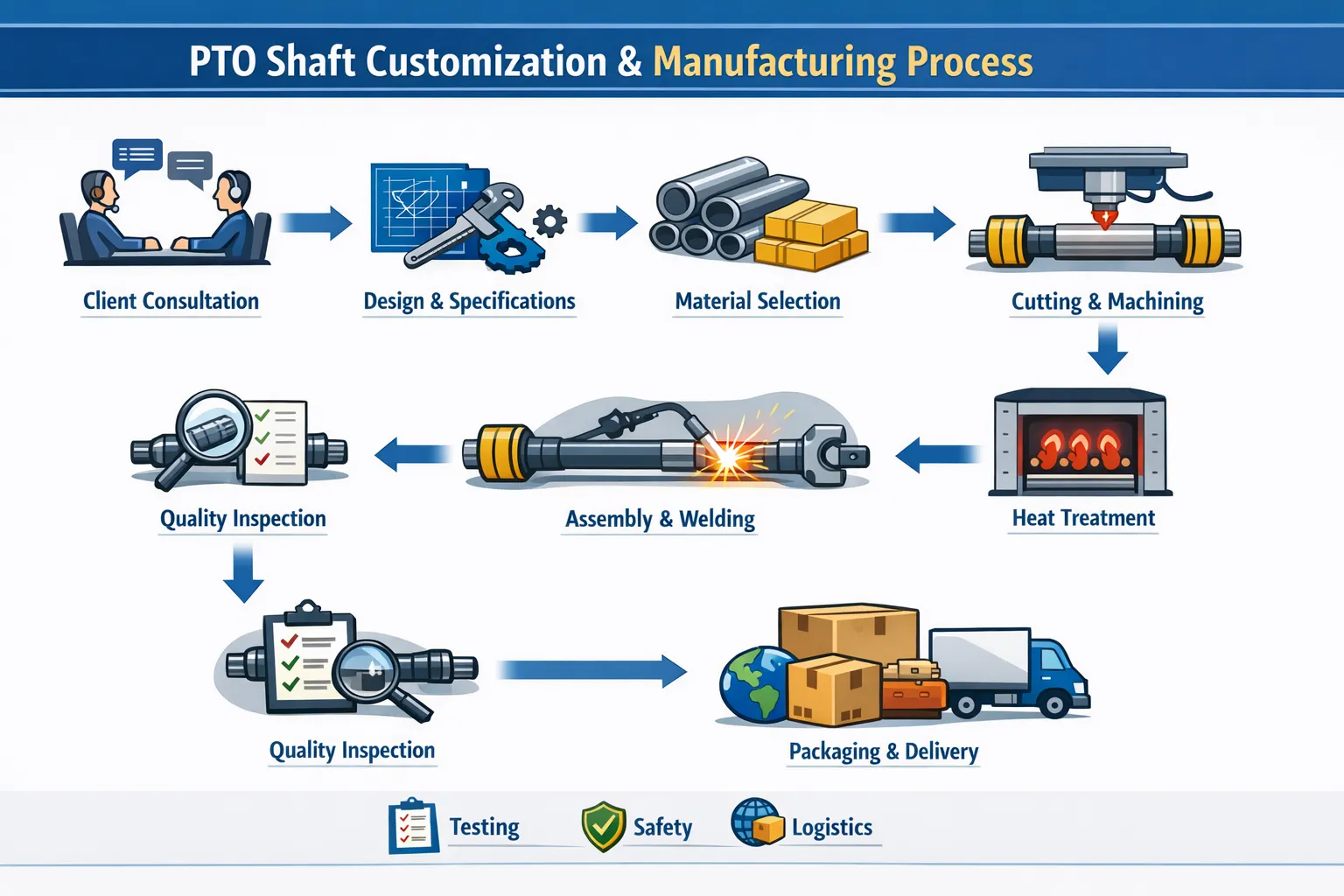
Our commitment to quality is reflected in rigorous testing: every shaft undergoes dynamic balancing, fatigue cycling, and corrosion chamber testing. This ensures product reliability in the field and provides a 2-year warranty. The client appreciated our rapid prototyping and UK-based support, which minimized the delivery time for emergency replacements.
Maintenance Best Practices for Longevity
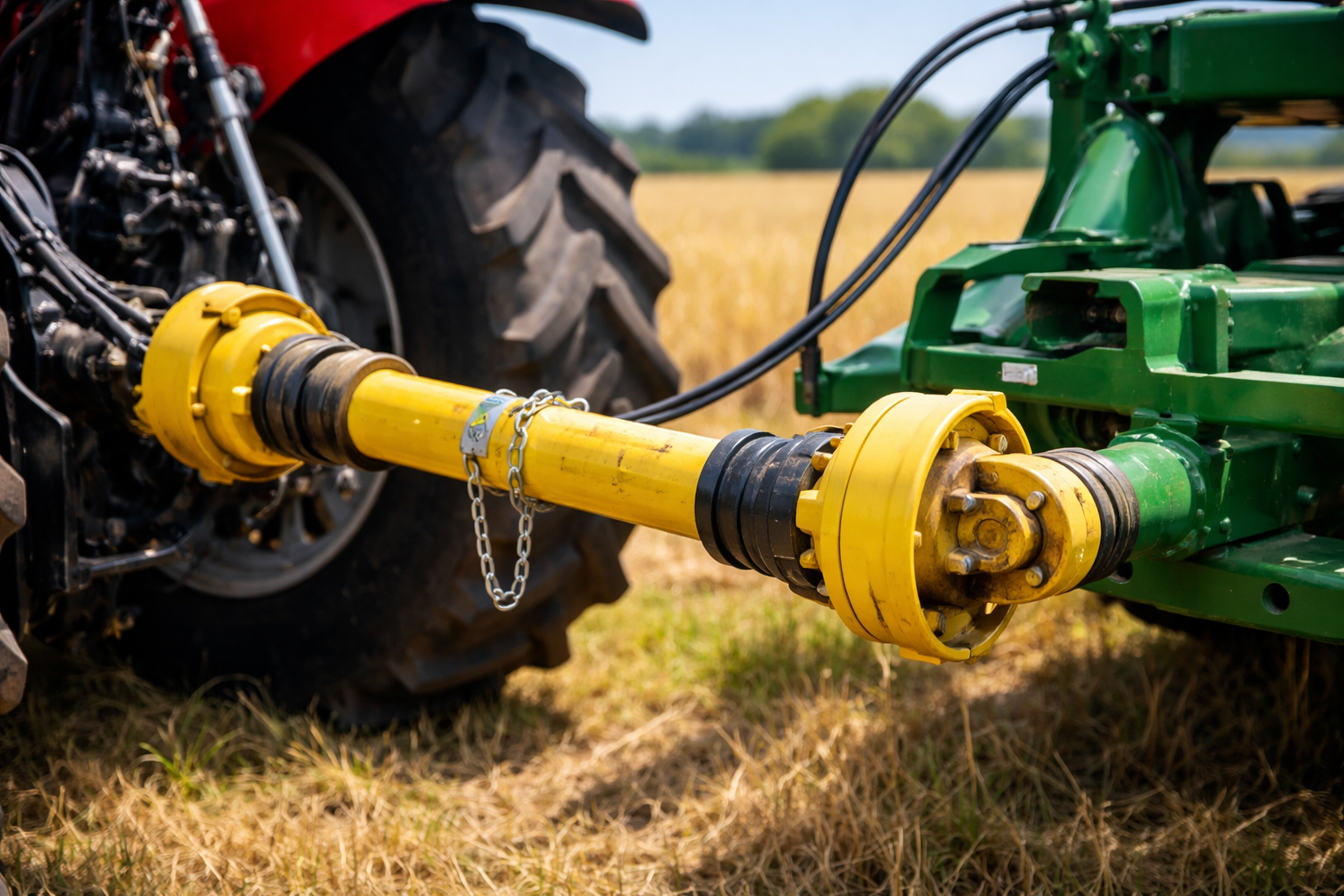
To maximize the lifespan of tahrik milleri in continuous circulating motors (CCMs), regular inspections are crucial. Inspect for signs of corrosion, such as pitting, and reapply a protective coating as needed. Lubricate splines and joints quarterly with a high-temperature grease compatible with 42CrMo. Monitor alignment using laser tools to ensure proper intermediate support function.
In steam environments, inspect seals for deterioration; replace seals if swelling or cracking is observed. For continuous operation, condition-based maintenance should be implemented using vibration sensors to detect anomalies early. Avoid overload by adhering to rated torque and ensure adequate ventilation to reduce steam condensation.
Our team provides comprehensive guidelines and field training to help operators maintain optimal performance. By following these practices, users can achieve a service life of up to 20,000 hours, significantly reducing total cost of ownership.
Future Trends in Drive Shaft Technology for CCMs
As metallurgy advances toward Industry 4.0, drive shafts are evolving with smart features. Integration of embedded sensors for real-time torque and temperature monitoring allows predictive analytics, preventing failures before they occur. Materials like advanced composites may complement 42CrMo for lighter, more corrosion-resistant options.
Sustainability drives innovations in eco-friendly coatings, reducing environmental impact. Enhanced sealing with nanotechnology could further combat steam ingress. At UK pto-drive-shafts.com Co.,Ltd., we’re investing in R&D to stay ahead, ensuring our shafts support next-generation CCMs with higher speeds and efficiencies.
Why Choose UK pto-drive-shafts.com Co.,Ltd. for Your CCM Needs?
With decades of expertise in industrial drive shafts, we stand out for our focus on metallurgy applications. Our UK manufacturing ensures quality control and compliance with standards like ISO 9001. We offer competitive pricing without compromising on durability, backed by global shipping from Bury St Edmunds.
Customer testimonials highlight our responsive service: “The custom shafts transformed our CCM reliability,” says a Sheffield plant manager. For tailored solutions, reach out to [email protected] or visit our facility at Bury St Edmunds, Suffolk IP32 7LX, UK.
In summary, our advanced drive shafts, crafted from 42CrMo with specialized treatments and upgrades, are engineered to thrive in the rigorous demands of continuous casting machines. They provide unmatched performance in corrosive, steam-filled environments, with features like intermediate supports and stretch compensation ensuring seamless operation. By choosing UK pto-drive-shafts.com Co.,Ltd., you’re investing in reliability, efficiency, and innovation for your metallurgical processes.
 Contact us: UK pto-drive-shafts.com Co.,Ltd., Bury St Edmunds, Suffolk IP32 7LX, UK | Email: [email protected]
gzl tarafından düzenlendi























