
Ürün Açıklaması
Professional CNC Machining Parts Supplier-HangZhou XINGXIHU (WEST LAKE) DIS.NG PRECISION INDUSTRY CO.,LTD.-Focus on & Professional
| Malzeme: | Aluminum (6061-T6, 6063, 7075-T6,5052) etc… |
| Brass/Copper/Bronze etc… | |
| Stainless Steel (201, 302, 303, 304, 316, 420, 430) etc… | |
| Steel (mild steel, Q235, 20#, 45#) etc… | |
| Plastic (ABS, Delrin, PP, PE, PC, Acrylic) etc… | |
| Process: | CNC Machining, turning,milling, lathe machining, boring, grinding, drilling etc… |
| Surface treatment: | Clear/color anodized; Hard anodized; Powder-coating;Sand-blasting; Painting; |
| Nickel plating; Chrome plating; Zinc plating; Silver/gold plating; | |
| Black oxide coating, Polishing etc… | |
| Gerenal Tolerance:(+/-mm) | CNC Machining: 0.005 |
| Turning: 0.005 | |
| Grinding(Flatness/in2): 0.005 | |
| ID/OD Grinding: 0.002 | |
| Wire-Cutting: 0.003 | |
| Sertifikasyon: | ISO9001:2008 |
| Experience: | 15 years of CNC machining products |
| Packaging : | Standard: carton with plastic bag protecting |
| For large quantity: pallet or as required | |
| Lead time : | In general:15-30days |
| Term of Payment: | T/T, Paypal, Western Union, L/C, etc |
| Minimum Order: | Comply with customer’s demand |
| Delivery way: | Express(DHL,Fedex, UPS,TNT,EMS), By Sea, By air, or as required |
/* 10 Mart 2571 17:59:20 */!function(){function s(e,r){var a,o={};try{e&&e.split(“,”).forEach(function(e,t){e&&(a=e.match(/(.*?):(.*)$/))&&1
| Başvuru: | Auto and Motorcycle Accessory, Machinery Accessory |
|---|---|
| Standart: | GB, EN, API650, China GB Code, JIS Code, TEMA, ASME |
| Yüzey İşlemi: | Polishing |
| Production Type: | Mass Production |
| Machining Method: | CNC Machining |
| Malzeme: | Steel, Brass, Alloy, Copper, Aluminum, Iron |
| Örnekler: |
US$ 1/Piece
1 Adet (Minimum Sipariş) | |
|---|
| Özelleştirme: |
Mevcut
| Özelleştirilmiş Talep |
|---|
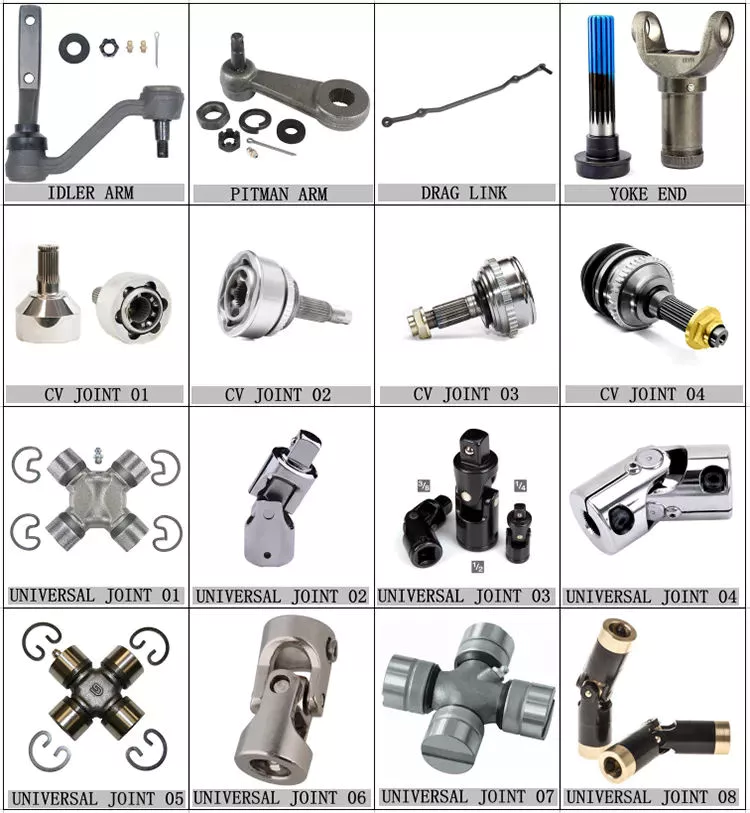
How do manufacturers ensure the compatibility of PTO drive shafts with different equipment?
Manufacturers of PTO (Power Take-Off) drive shafts employ various strategies and considerations to ensure the compatibility of their products with different types of equipment. These measures are implemented during the design, manufacturing, and testing phases, and they include:
1. Standardizasyon:
Manufacturers adhere to industry standards and specifications when designing and producing PTO drive shafts. Standards such as ISO 5676 and ASAE S205.6 provide guidelines for dimensions, safety requirements, and performance characteristics. By following these standards, manufacturers can ensure that their drive shafts are compatible with a wide range of equipment that conforms to the same industry standards.
2. Engineering Design:
Manufacturers employ experienced engineers who design PTO drive shafts with compatibility in mind. They consider factors such as torque requirements, speed ratings, operating conditions, and power transfer efficiency. The engineering design process involves selecting appropriate materials, calculating component dimensions, determining connection methods, and considering factors like misalignment compensation. Attention to these design aspects ensures that the drive shafts can handle the demands of different equipment while maintaining compatibility.
3. Özelleştirme Seçenekleri:
Manufacturers often provide customization options to meet specific equipment requirements. Customers can request PTO drive shafts with customized lengths, connection types, and protective features. By offering customization, manufacturers can tailor the drive shafts to fit specific equipment setups, ensuring compatibility with different machines and applications.
4. Compatibility Guidelines:
Manufacturers provide compatibility guidelines and specifications for their PTO drive shafts. These guidelines outline the recommended application, power limits, connection methods, and other relevant information. Equipment manufacturers and end-users can refer to these guidelines to ensure that the PTO drive shafts they select are compatible with their specific equipment and operating conditions.
5. Testing and Validation:
Manufacturers subject PTO drive shafts to rigorous testing and validation procedures. The testing process includes evaluating various performance parameters such as torque transmission, speed ratings, durability, and vibration resistance. By conducting extensive testing, manufacturers verify the compatibility of their drive shafts with different equipment and ensure that they meet or exceed the necessary standards and specifications.
6. Collaboration with Equipment Manufacturers:
Manufacturers often collaborate with equipment manufacturers to ensure compatibility between their PTO drive shafts and the related machinery. By working closely with equipment manufacturers, drive shaft manufacturers can obtain detailed specifications and requirements for the equipment. This collaboration allows for the development of PTO drive shafts that are specifically designed to integrate seamlessly with the equipment, ensuring optimal compatibility and performance.
7. Devam Eden Araştırma ve Geliştirme:
Manufacturers invest in research and development initiatives to continuously improve the compatibility of PTO drive shafts. They stay abreast of industry trends, technological advancements, and evolving equipment requirements. By staying proactive and innovative, manufacturers can develop drive shaft designs that anticipate the compatibility needs of new and emerging equipment technologies.
8. Technical Support and Documentation:
Manufacturers provide technical support and documentation to assist equipment manufacturers and end-users in selecting and installing PTO drive shafts. This support may include detailed installation instructions, troubleshooting guides, and compatibility charts. By offering comprehensive technical resources, manufacturers ensure that the drive shafts are correctly integrated into different equipment configurations.
In conclusion, manufacturers ensure the compatibility of PTO drive shafts with different equipment through standardization, engineering design, customization options, compatibility guidelines, testing and validation, collaboration with equipment manufacturers, ongoing research and development, and providing technical support and documentation. These efforts ensure that PTO drive shafts can be seamlessly integrated into a wide range of equipment, enabling efficient power transfer and reliable operation.
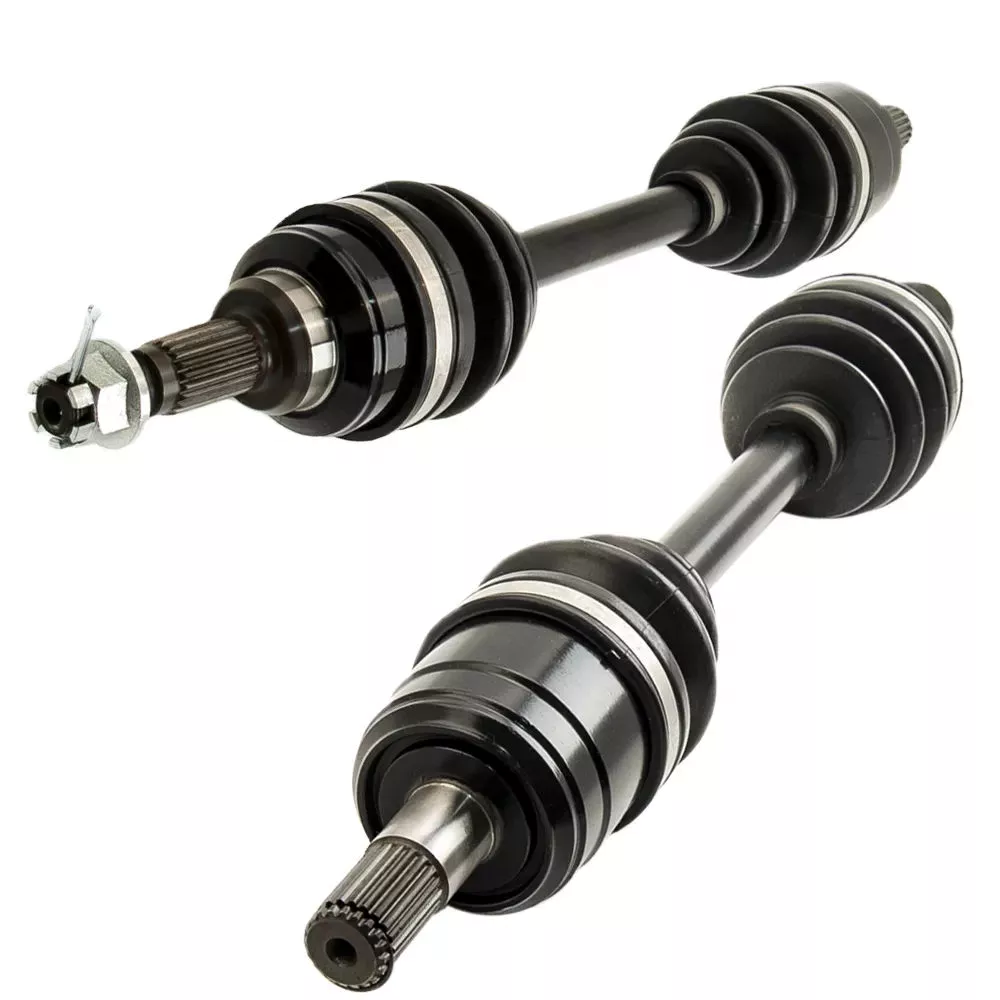
What safety precautions should be followed when working with PTO drive shafts?
Working with PTO (Power Take-Off) drive shafts requires strict adherence to safety precautions to prevent accidents and ensure the well-being of individuals operating or maintaining the equipment. Here are some important safety precautions to follow when working with PTO drive shafts:
1. Read and Understand the Manufacturer’s Instructions:
Before working with PTO drive shafts, carefully read and understand the manufacturer’s instructions, operating manuals, and safety guidelines. Familiarize yourself with the specific requirements and recommendations for the PTO drive shaft model being used. The manufacturer’s instructions provide essential information regarding installation, operation, maintenance, and safety precautions.
2. Wear Appropriate Personal Protective Equipment (PPE):
Always wear the necessary personal protective equipment (PPE) when working with PTO drive shafts. This may include safety glasses, protective gloves, steel-toed boots, and appropriate clothing. PPE helps protect against potential hazards such as flying debris, entanglement, or contact with rotating components.
3. Ensure Proper Installation and Alignment:
Follow the recommended installation procedures for the PTO drive shaft. Ensure that it is correctly aligned and securely attached to both the power source and the driven equipment. Improper installation or misalignment can lead to excessive vibration, premature wear, and potential dislodgement of the drive shaft during operation.
4. Use Safety Guards and Shields:
PTO drive shafts should be equipped with appropriate safety guards and shields. These protective devices help prevent accidental contact with rotating components and minimize the risk of entanglement. Ensure that the guards and shields are properly installed and in good working condition. Do not remove or bypass them during operation.
5. Avoid Loose Clothing, Jewelry, and Hair:
When working with PTO drive shafts, avoid wearing loose clothing, jewelry, or having long hair that can get entangled in the rotating components. Secure or remove any loose items that could pose a risk of entanglement or become caught in the drive shaft during operation.
6. Disconnect Power Before Maintenance:
Prior to performing any maintenance or inspection on the PTO drive shaft, ensure that the power source is completely shut off and the equipment is at a complete stop. Disconnect the power supply and take appropriate measures to prevent accidental startup, such as locking out and tagging out the power source.
7. Regularly Inspect and Maintain the Drive Shaft:
Regularly inspect the PTO drive shaft for signs of wear, damage, or misalignment. Check for loose or missing components, and ensure that all fasteners and connections are secure. Lubricate the drive shaft as recommended by the manufacturer. Promptly address any maintenance or repair needs to prevent further damage or potential safety hazards.
8. Be Cautious of Overload and Shock Loads:
Avoid subjecting the PTO drive shaft to excessive loads or sudden shock loads beyond its rated capacity. Overloading can lead to premature wear, component failure, and potential accidents. Ensure that the equipment being driven by the PTO drive shaft does not exceed its recommended load limits.
9. Provide Training and Awareness:
Ensure that individuals working with or around PTO drive shafts receive proper training and are aware of the associated risks and safety precautions. Training should cover installation procedures, safe operation, maintenance practices, and emergency procedures. Promote a safety-conscious culture and encourage reporting of any safety concerns or incidents.
10. Seek Professional Assistance When Needed:
If you’re unsure about any aspect of working with PTO drive shafts or encounter complex maintenance or repair needs, seek professional assistance. Consulting with qualified technicians, engineers, or the equipment manufacturer can help ensure that the work is carried out safely and effectively.
Remember, safety should always be the top priority when working with PTO drive shafts. Following these precautions helps minimize the risk of accidents, injuries, and equipment damage. It is essential to stay vigilant, exercise caution, and comply with relevant safety regulations and standards.
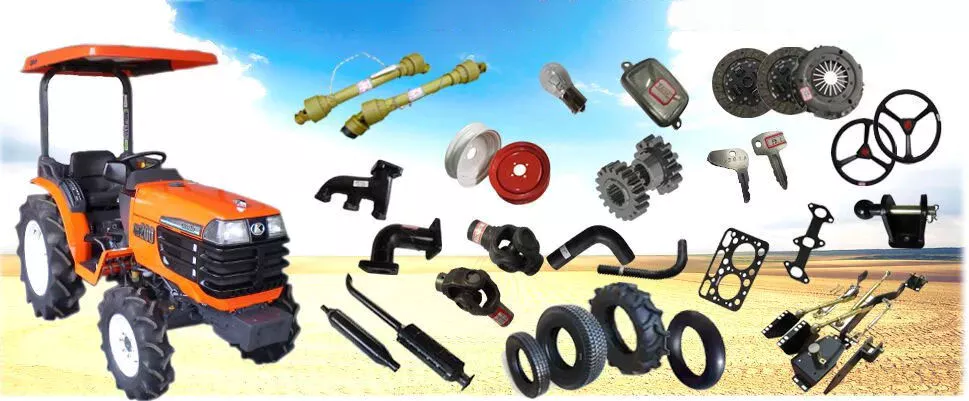
Bir uygulama için doğru PTO tahrik milini seçerken hangi faktörler göz önünde bulundurulmalıdır?
Bir uygulama için doğru PTO (Güç Çıkışı) tahrik milini seçerken, optimum performans, güvenlik ve uyumluluk sağlamak için birkaç önemli faktör göz önünde bulundurulmalıdır. İşte dikkate alınması gereken temel faktörlerin ayrıntılı açıklaması:
1. Güç ve Tork Gereksinimleri:
Uygulamanın güç ve tork gereksinimleri çok önemli hususlardır. Birincil güç kaynağının (örneğin, motor, şanzıman) maksimum güç ve tork çıkışını belirlemek ve bunu tahrik milinin kapasitesiyle eşleştirmek şarttır. Gerekli güç ve tork seviyelerini karşılayabilecek bir tahrik mili seçmek, verimli güç aktarımını sağlar ve tahrik milinin ve bağlı ekipmanın aşırı yüklenmesini veya hasar görmesini önler.
2. Hız ve Devir Aralığı:
Ekipmanın ve ana güç kaynağının hız ve devir (RPM) aralığı dikkate alınmalıdır. Tahrik milinin tasarımı, istenen hız aralığını karşılarken sorunsuz güç aktarımını da sağlayabilecek şekilde olmalıdır. Aşırı titreşim, sıkışma veya güç kaybı olmadan amaçlanan çalışma hızlarını kaldırabilecek bir tahrik mili seçmek önemlidir.
3. Ekipman Boyutu ve Yapılandırması:
PTO tahrik mili tarafından çalıştırılan ekipmanın veya aletin boyutu ve konfigürasyonu çok önemli faktörlerdir. Tahrik milinin uzunluğu, ana güç kaynağı ile alet giriş mili arasında doğru hizalamayı sağlamak için ayarlanabilir veya uygun şekilde seçilmelidir. Ayrıca, tahrik mili konfigürasyonunun seçimini etkileyebilecek ekipman içindeki alan sınırlamalarını veya boşluk gereksinimlerini de göz önünde bulundurun.
4. PTO Şaft Bağlantı Tipi:
PTO tahrik mili ile ana güç kaynağı ve ekipman arasında gerekli bağlantı türü önemli bir husustur. Yaygın bağlantı türleri arasında kamalı bağlantılar, kama yuvalı bağlantılar ve hızlı sökme mekanizmaları bulunur. Güvenli ve güvenilir bir bağlantı sağlamak için tahrik milinin bağlantı türü ile güç kaynağı ve ekipman üzerindeki karşılık gelen bağlantılar arasında uyumluluğun sağlanması şarttır.
5. Güvenlik Özellikleri:
PTO tahrik mili seçerken güvenlik özellikleri çok önemlidir. Ani tork veya hız artışı durumunda tahrik miline ve ilgili ekipmanlara zarar gelmesini önlemek için emniyet pimleri, kavramalar veya diğer aşırı yük koruma mekanizmaları dikkate alınmalıdır. Bu güvenlik özellikleri kazalara karşı koruma sağlar ve operatörlerin ve çevredeki kişilerin yaralanma riskini azaltır.
6. Çevresel Koşullar:
Tahrik milinin çalışacağı çevresel koşullar dikkate alınmalıdır. Aşırı sıcaklıklar, nem, toz veya aşındırıcı ortamlar gibi faktörler göz önünde bulundurulmalıdır. Belirtilen koşullarda güvenilir performans ve dayanıklılık sağlamak için uygun sızdırmazlık, kaplama veya malzeme seçeneklerine sahip bir tahrik mili seçmek gerekebilir.
7. Bakım ve Servis Edilebilirlik:
Seçilen tahrik milinin erişilebilirliğini ve bakım kolaylığını göz önünde bulundurun. Yağlama, inceleme ve olası onarımlar gibi rutin bakım işlemlerinin rahatlıkla yapılabildiğinden emin olun. Kolay servis edilebilirlik, arıza süresini en aza indirmeye ve tahrik milinin ömrünü uzatmaya yardımcı olur.
8. Standartlara ve Yönetmeliklere Uygunluk:
Seçilen PTO tahrik milinin ilgili endüstri standartlarına ve güvenlik yönetmeliklerine uygun olduğundan emin olun. Bu, PTO tahrik milleri için ISO 500-1 gibi güç aktarım bileşenlerine ilişkin standartları da içerir. Bu standartlara uyum, tahrik milinin gerekli kalite, güvenlik ve performans gereksinimlerini karşılamasını sağlar.
Güç ve tork gereksinimleri, hız aralığı, ekipman boyutu ve konfigürasyonu, PTO şaft bağlantı tipi, güvenlik özellikleri, çevresel koşullar, bakım ve servis kolaylığı ve standartlara ve yönetmeliklere uyumluluk gibi faktörler göz önünde bulundurularak, belirli uygulamanın ihtiyaçlarına en uygun PTO tahrik şaftı seçilebilir. Doğru seçim, verimli güç aktarımını, güvenliği ve ekipmanın uzun vadeli güvenilirliğini sağlar.


editor by CX 2024-02-12























