
Ürün Açıklaması
Ürün Açıklaması
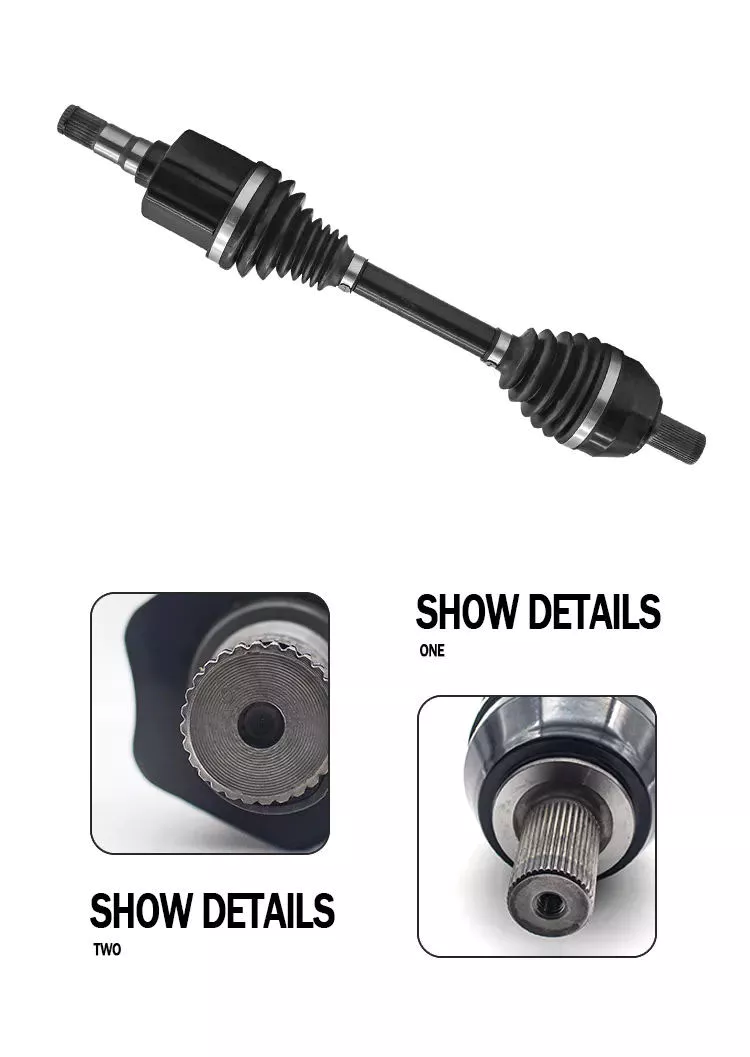
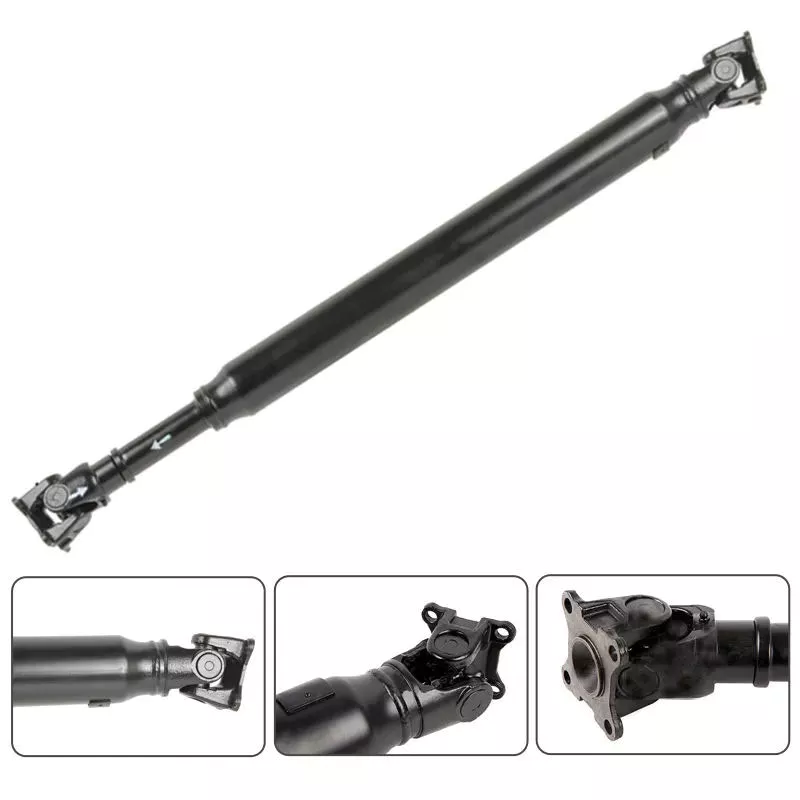
Profesyonel olarak üretici pervane şaftı için elimizde şunlar var: +1000 items for all kinds of car, At present, our products are mainly sold in North America, Europe, Australia, South Korea, the Middle East and Southeast Asia and other regions, applicable models are European cars, American cars, Japanese and Korean cars, etc.
Avantajımız:
1. Geniş ürün yelpazesi
2. Minimum sipariş miktarı: 1adet/öğeler
3. Zamanında teslimat
4: Garanti: 1 YIL
| OE NUMARASI | 3401A018 |
| TİP | MITSUBISHI Pajero V73 /V93/V77 rear 2003 auto |
| MALZEME | ÇELİK |
| BALANCE STHangZhouRD | G16,3200RMP |
| Satış Sonrası Hizmet: | 1year |
|---|---|
| Durum: | Yeni |
| Renk: | Siyah |
| Özelleştirme: |
Mevcut
| Özelleştirilmiş Talep |
|---|
.shipping-cost-tm .tm-status-off{background: none;padding:0;color: #1470cc}
| Nakliye Ücreti:
Birim başına tahmini nakliye ücreti. |
Kargo ücreti ve tahmini teslim süresi hakkında bilgi. |
|---|
| Ödeme yöntemi: |
|
|---|---|
|
İlk Ödeme Tam Ödeme |
| Para birimi: | US$ |
|---|
| İade ve geri ödemeler: | Ürünleri teslim aldıktan sonraki 30 güne kadar iade talebinde bulunabilirsiniz. |
|---|
Tahrik milleriyle ilgili herhangi bir sınırlama veya dezavantaj var mı?
Tahrik milleri yaygın olarak kullanılmakta ve çeşitli avantajlar sunmakta olsa da, dikkate alınması gereken bazı sınırlamaları ve dezavantajları da vardır. İşte tahrik milleriyle ilgili sınırlamaların ve dezavantajların ayrıntılı bir açıklaması:
1. Uzunluk ve Hizalama Hatası Kısıtlamaları:
Tahrik milleri, malzeme dayanımı, ağırlık hususları ve rijitliği koruma ve titreşimleri en aza indirme ihtiyacı gibi faktörler nedeniyle maksimum pratik bir uzunluğa sahiptir. Daha uzun tahrik milleri, artan bükülme ve burulma sapmasına eğilimli olabilir, bu da verimliliğin azalmasına ve potansiyel tahrik hattı titreşimlerine yol açabilir. Ek olarak, tahrik milleri, tahrik eden ve tahrik edilen bileşenler arasında doğru hizalama gerektirir. Yanlış hizalama, tahrik milinin veya ilgili bileşenlerinin aşınmasını, titreşimlerini ve erken arızasını artırabilir.
2. Sınırlı Çalışma Açıları:
Özellikle üniversal mafsal kullanan tahrik milleri, çalışma açıları konusunda sınırlamalara sahiptir. Üniversal mafsallar genellikle belirli açı aralıklarında çalışacak şekilde tasarlanmıştır ve bu sınırların ötesinde çalışmak verimliliğin azalmasına, titreşimlerin artmasına ve aşınmanın hızlanmasına neden olabilir. Büyük çalışma açıları gerektiren uygulamalarda, sabit hızı korumak ve daha büyük açılara uyum sağlamak için genellikle sabit hız (CV) mafsalları kullanılır. Bununla birlikte, CV mafsalları, üniversal mafsallara kıyasla daha yüksek karmaşıklık ve maliyet getirebilir.
3. Bakım Gereksinimleri:
Tahrik milleri, optimum performans ve güvenilirlik sağlamak için düzenli bakıma ihtiyaç duyar. Bu, periyodik muayene, mafsalların yağlanması ve gerekirse balans ayarını içerir. Rutin bakımın yapılmaması, aşınmanın, titreşimlerin ve potansiyel tahrik sistemi sorunlarının artmasına yol açabilir. Tahrik milleri çeşitli uygulamalarda kullanılırken, bakım gereksinimleri zaman ve kaynak açısından değerlendirilmelidir.
4. Gürültü ve Titreşim:
Tahrik milleri, özellikle yüksek hızlarda veya belirli rezonans frekanslarında çalışırken gürültü ve titreşim üretebilir. Dengesizlikler, yanlış hizalama, aşınmış bağlantılar veya diğer faktörler, gürültü ve titreşimlerin artmasına katkıda bulunabilir. Bu titreşimler, araçtaki yolcuların konforunu etkileyebilir, bileşen yorgunluğuna katkıda bulunabilir ve etkilerini azaltmak için amortisörler veya titreşim izolasyon sistemleri gibi ek önlemler gerektirebilir.
5. Ağırlık ve Alan Kısıtlamaları:
Tahrik milleri, genel sisteme ağırlık katar; bu da otomotiv veya havacılık gibi ağırlığa duyarlı uygulamalarda dikkate alınması gereken bir faktördür. Ayrıca, tahrik milleri montaj için fiziksel alan gerektirir. Kompakt veya sıkışık ekipman veya araçlarda, gerekli tahrik mili uzunluğunu ve boşluklarını sağlamak zor olabilir ve dikkatli tasarım ve entegrasyon hususları gerektirir.
6. Maliyet Hususları:
Tahrik milleri, tasarımlarına, malzemelerine ve üretim süreçlerine bağlı olarak önemli maliyetler içerebilir. Belirli ekipman gereksinimlerine göre uyarlanmış veya özel tahrik milleri daha yüksek masraflara yol açabilir. Ayrıca, CV mafsalları gibi gelişmiş mafsal konfigürasyonlarının dahil edilmesi, tahrik mili sistemine karmaşıklık ve maliyet ekleyebilir.
7. Doğal Güç Kaybı:
Tahrik milleri, tahrik kaynağından tahrik edilen bileşenlere güç iletir, ancak sürtünme, bükülme ve diğer faktörler nedeniyle doğal olarak bir miktar güç kaybına da neden olurlar. Bu güç kaybı, özellikle uzun tahrik milleri veya yüksek tork gereksinimleri olan uygulamalarda, genel sistem verimliliğini azaltabilir. Uygun tahrik mili tasarımını ve özelliklerini belirlerken güç kaybını dikkate almak önemlidir.
8. Sınırlı Tork Kapasitesi:
Tahrik milleri geniş bir tork yükü aralığını kaldırabilse de, tork kapasitelerinin de sınırları vardır. Bir tahrik milinin maksimum tork kapasitesinin aşılması, erken arızaya yol açarak arıza süresine ve diğer tahrik sistemi bileşenlerinde potansiyel hasara neden olabilir. Bu nedenle, amaçlanan uygulama için yeterli tork kapasitesine sahip bir tahrik mili seçmek çok önemlidir.
Bu sınırlamalara ve dezavantajlara rağmen, tahrik milleri çeşitli endüstrilerde yaygın olarak kullanılan ve etkili bir güç aktarım yöntemi olmaya devam etmektedir. Üreticiler, malzeme, tasarım teknikleri, bağlantı konfigürasyonları ve dengeleme süreçlerindeki gelişmeler yoluyla bu sınırlamaları gidermek için sürekli olarak çalışmaktadır. Mühendisler ve tasarımcılar, belirli uygulama gereksinimlerini ve potansiyel dezavantajları dikkatlice değerlendirerek, ilgili sistemlerinde tahrik millerinin sınırlamalarını azaltabilir ve faydalarını en üst düzeye çıkarabilirler.
Can drive shafts be customized for specific vehicle or equipment requirements?
Yes, drive shafts can be customized to meet specific vehicle or equipment requirements. Customization allows manufacturers to tailor the design, dimensions, materials, and other parameters of the drive shaft to ensure compatibility and optimal performance within a particular vehicle or equipment. Here’s a detailed explanation of how drive shafts can be customized:
1. Dimensional Customization:
Drive shafts can be customized to match the dimensional requirements of the vehicle or equipment. This includes adjusting the overall length, diameter, and spline configuration to ensure proper fitment and clearances within the specific application. By customizing the dimensions, the drive shaft can be seamlessly integrated into the driveline system without any interference or limitations.
2. Material Selection:
The choice of materials for drive shafts can be customized based on the specific requirements of the vehicle or equipment. Different materials, such as steel alloys, aluminum alloys, or specialized composites, can be selected to optimize strength, weight, and durability. The material selection can be tailored to meet the torque, speed, and operating conditions of the application, ensuring the drive shaft’s reliability and longevity.
3. Joint Configuration:
Drive shafts can be customized with different joint configurations to accommodate specific vehicle or equipment requirements. For example, universal joints (U-joints) may be suitable for applications with lower operating angles and moderate torque demands, while constant velocity (CV) joints are often used in applications requiring higher operating angles and smoother power transmission. The choice of joint configuration depends on factors such as operating angle, torque capacity, and desired performance characteristics.
4. Torque and Power Capacity:
Customization allows drive shafts to be designed with the appropriate torque and power capacity for the specific vehicle or equipment. Manufacturers can analyze the torque requirements, operating conditions, and safety margins of the application to determine the optimal torque rating and power capacity of the drive shaft. This ensures that the drive shaft can handle the required loads without experiencing premature failure or performance issues.
5. Balancing and Vibration Control:
Drive shafts can be customized with precision balancing and vibration control measures. Imbalances in the drive shaft can lead to vibrations, increased wear, and potential driveline issues. By employing dynamic balancing techniques during the manufacturing process, manufacturers can minimize vibrations and ensure smooth operation. Additionally, vibration dampers or isolation systems can be integrated into the drive shaft design to further mitigate vibrations and enhance overall system performance.
6. Integration and Mounting Considerations:
Customization of drive shafts takes into account the integration and mounting requirements of the specific vehicle or equipment. Manufacturers work closely with the vehicle or equipment designers to ensure that the drive shaft fits seamlessly into the driveline system. This includes adapting the mounting points, interfaces, and clearances to ensure proper alignment and installation of the drive shaft within the vehicle or equipment.
7. Collaboration and Feedback:
Manufacturers often collaborate with vehicle manufacturers, OEMs (Original Equipment Manufacturers), or end-users to gather feedback and incorporate their specific requirements into the drive shaft customization process. By actively seeking input and feedback, manufacturers can address specific needs, optimize performance, and ensure compatibility with the vehicle or equipment. This collaborative approach enhances the customization process and results in drive shafts that meet the exact requirements of the application.
8. Compliance with Standards:
Customized drive shafts can be designed to comply with relevant industry standards and regulations. Compliance with standards, such as ISO (International Organization for Standardization) or specific industry standards, ensures that the customized drive shafts meet quality, safety, and performance requirements. Adhering to these standards provides assurance that the drive shafts are compatible and can be seamlessly integrated into the specific vehicle or equipment.
In summary, drive shafts can be customized to meet specific vehicle or equipment requirements through dimensional customization, material selection, joint configuration, torque and power capacity optimization, balancing and vibration control, integration and mounting considerations, collaboration with stakeholders, and compliance with industry standards. Customization allows drive shafts to be precisely tailored to the needs of the application, ensuring compatibility, reliability, and optimal performance.

What benefits do drive shafts offer for different types of vehicles and equipment?
Drive shafts offer several benefits for different types of vehicles and equipment. They play a crucial role in power transmission and contribute to the overall performance, efficiency, and functionality of various systems. Here’s a detailed explanation of the benefits that drive shafts provide:
1. Efficient Power Transmission:
Drive shafts enable efficient power transmission from the engine or power source to the wheels or driven components. By connecting the engine or motor to the driven system, drive shafts efficiently transfer rotational power, allowing vehicles and equipment to perform their intended functions. This efficient power transmission ensures that the power generated by the engine is effectively utilized, optimizing the overall performance and productivity of the system.
2. Çok yönlülük:
Drive shafts offer versatility in their applications. They are used in various types of vehicles, including cars, trucks, motorcycles, and off-road vehicles. Additionally, drive shafts are employed in a wide range of equipment and machinery, such as agricultural machinery, construction equipment, industrial machinery, and marine vessels. The ability to adapt to different types of vehicles and equipment makes drive shafts a versatile component for power transmission.
3. Torque Handling:
Drive shafts are designed to handle high levels of torque. Torque is the rotational force generated by the engine or power source. Drive shafts are engineered to efficiently transmit this torque without excessive twisting or bending. By effectively handling torque, drive shafts ensure that the power generated by the engine is reliably transferred to the wheels or driven components, enabling vehicles and equipment to overcome resistance, such as heavy loads or challenging terrains.
4. Flexibility and Compensation:
Drive shafts provide flexibility and compensation for angular movement and misalignment. In vehicles, drive shafts accommodate the movement of the suspension system, allowing the wheels to move up and down independently. This flexibility ensures a constant power transfer even when the vehicle encounters uneven terrain. Similarly, in machinery, drive shafts compensate for misalignment between the engine or motor and the driven components, ensuring smooth power transmission and preventing excessive stress on the drivetrain.
5. Kilo Verme:
Drive shafts contribute to weight reduction in vehicles and equipment. Compared to other forms of power transmission, such as belt drives or chain drives, drive shafts are typically lighter in weight. This reduction in weight helps improve fuel efficiency in vehicles and reduces the overall weight of equipment, leading to enhanced maneuverability and increased payload capacity. Additionally, lighter drive shafts contribute to a better power-to-weight ratio, resulting in improved performance and acceleration.
6. Durability and Longevity:
Drive shafts are designed to be durable and long-lasting. They are constructed using materials such as steel or aluminum, which offer high strength and resistance to wear and fatigue. Drive shafts undergo rigorous testing and quality control measures to ensure their reliability and longevity. Proper maintenance, including lubrication and regular inspections, further enhances their durability. The robust construction and long lifespan of drive shafts contribute to the overall reliability and cost-effectiveness of vehicles and equipment.
7. Safety:
Drive shafts incorporate safety features to protect operators and bystanders. In vehicles, drive shafts are often enclosed within a protective tube or housing, preventing contact with moving parts and reducing the risk of injury in the event of a failure. Similarly, in machinery, safety shields or guards are commonly installed around exposed drive shafts to minimize the potential hazards associated with rotating components. These safety measures ensure the well-being of individuals operating or working in proximity to vehicles and equipment.
In summary, drive shafts offer several benefits for different types of vehicles and equipment. They enable efficient power transmission, provide versatility in various applications, handle torque effectively, offer flexibility and compensation, contribute to weight reduction, ensure durability and longevity, and incorporate safety features. By providing these advantages, drive shafts enhance the performance, efficiency, reliability, and safety of vehicles and equipment across a wide range of industries.


editor by CX 2023-12-01























