
Ürün Açıklaması
Warm Tips: Please Bize Ulaşın To Confirm Your Car Model
Ürün Açıklaması
1.We are manufacturer of cv drive shaft,cv axle, cv joint and cv boot, we have more than 20-years experience in producing and selling auto parts.
2.We have strict quality control, the quality of our products is very good.
3.We are professional in different market around the world.
4.The reviews our customers given us are very positive, we have confidence in our products.
5.OEM/ODM is available, meet your requirements well.
6.Large warehouse, huge stocks!!! friendly for those customers who want some quantity.
7.Ship products out very fastly, we have stock.
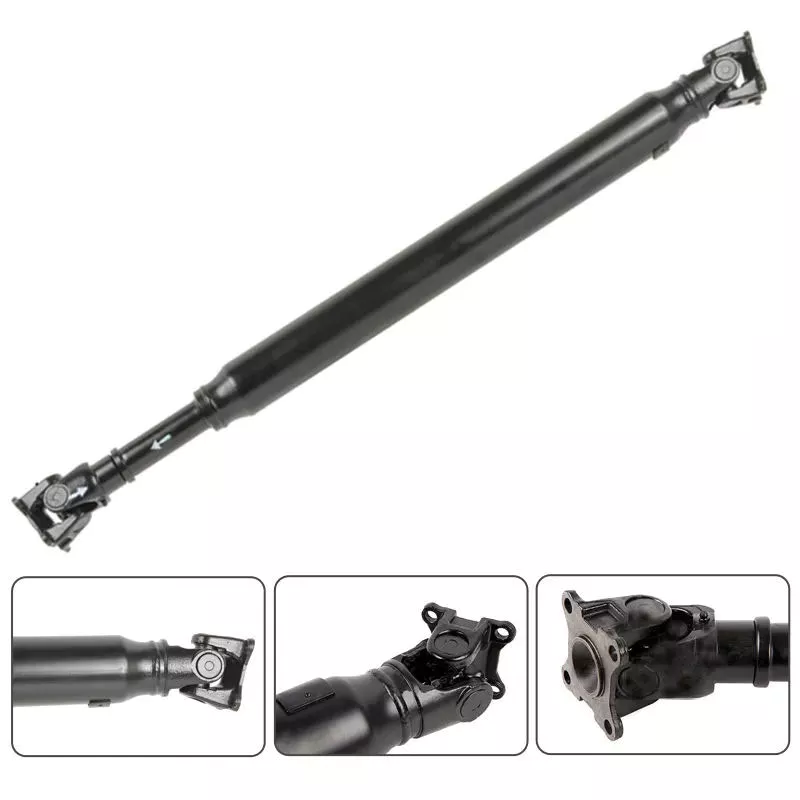
| Product Name | Drive shaft | Malzeme | 42CrMo alloy steel |
| Car fitment | Toyota | Garanti | 12 months |
| Model | for CZPT CZPT Honda CZPT CZPT CZPT VW Mazda BMW | Place of origin | ZHangZhoug, Çin |
| Productive year | pls contact us for more details | Minimum Sipariş Miktarı | 4 PCS |
| OE number | factory standard | Delivery time | 1-7 days |
| OEM/ODM | Yes | Marka | GJF |
| Packing size | according to each model | Payment | L/C,T/T,western Union,Cash,PayPal |
| Sample service | Depends on the situation of stock | Ağırlık | 7.9KG |
Detaylı Fotoğraflar
Customer Review
Paketleme ve Nakliye
SSS
| Satış Sonrası Hizmet: | 12 Months |
|---|---|
| Durum: | Yeni |
| Axle Number: | 1 |
| Örnekler: |
US$ 42.8/Piece
1 Adet (Minimum Sipariş) | Sipariş Örneği |
|---|
| Özelleştirme: |
Mevcut
| Özelleştirilmiş Talep |
|---|
.shipping-cost-tm .tm-status-off{background: none;padding:0;color: #1470cc}
|
Nakliye Ücreti:
Birim başına tahmini nakliye ücreti. |
Kargo ücreti ve tahmini teslim süresi hakkında bilgi. |
|---|
| Ödeme yöntemi: |
|
|---|---|
|
İlk Ödeme Tam Ödeme |
| Para birimi: | US$ |
|---|
| İade ve geri ödemeler: | Ürünleri teslim aldıktan sonraki 30 güne kadar iade talebinde bulunabilirsiniz. |
|---|
Can drive shafts be adapted for use in both automotive and industrial settings?
Yes, drive shafts can be adapted for use in both automotive and industrial settings. While there may be some differences in design and specifications based on the specific application requirements, the fundamental principles and functions of drive shafts remain applicable in both contexts. Here’s a detailed explanation:
1. Power Transmission:
Drive shafts serve the primary purpose of transmitting rotational power from a power source, such as an engine or motor, to driven components, which can be wheels, machinery, or other mechanical systems. This fundamental function applies to both automotive and industrial settings. Whether it’s delivering power to the wheels of a vehicle or transferring torque to industrial machinery, the basic principle of power transmission remains the same for drive shafts in both contexts.
2. Tasarım Hususları:
While there may be variations in design based on specific applications, the core design considerations for drive shafts are similar in both automotive and industrial settings. Factors such as torque requirements, operating speeds, length, and material selection are taken into account in both cases. Automotive drive shafts are typically designed to accommodate the dynamic nature of vehicle operation, including variations in speed, angles, and suspension movement. Industrial drive shafts, on the other hand, may be designed for specific machinery and equipment, taking into consideration factors such as load capacity, operating conditions, and alignment requirements. However, the underlying principles of ensuring proper dimensions, strength, and balance are essential in both automotive and industrial drive shaft designs.
3. Material Selection:
The material selection for drive shafts is influenced by the specific requirements of the application, whether in automotive or industrial settings. In automotive applications, drive shafts are commonly made from materials such as steel or aluminum alloys, chosen for their strength, durability, and ability to withstand varying operating conditions. In industrial settings, drive shafts may be made from a broader range of materials, including steel, stainless steel, or even specialized alloys, depending on factors such as load capacity, corrosion resistance, or temperature tolerance. The material selection is tailored to meet the specific needs of the application while ensuring efficient power transfer and durability.
4. Joint Configurations:
Both automotive and industrial drive shafts may incorporate various joint configurations to accommodate the specific requirements of the application. Universal joints (U-joints) are commonly used in both contexts to allow for angular movement and compensate for misalignment between the drive shaft and driven components. Constant velocity (CV) joints are also utilized, particularly in automotive drive shafts, to maintain a constant velocity of rotation and accommodate varying operating angles. These joint configurations are adapted and optimized based on the specific needs of automotive or industrial applications.
5. Maintenance and Service:
While maintenance practices may vary between automotive and industrial settings, the importance of regular inspection, lubrication, and balancing remains crucial in both cases. Both automotive and industrial drive shafts benefit from periodic maintenance to ensure optimal performance, identify potential issues, and prolong the lifespan of the drive shafts. Lubrication of joints, inspection for wear or damage, and balancing procedures are common maintenance tasks for drive shafts in both automotive and industrial applications.
6. Customization and Adaptation:
Drive shafts can be customized and adapted to meet the specific requirements of various automotive and industrial applications. Manufacturers often offer drive shafts with different lengths, diameters, and joint configurations to accommodate a wide range of vehicles or machinery. This flexibility allows for the adaptation of drive shafts to suit the specific torque, speed, and dimensional requirements of different applications, whether in automotive or industrial settings.
In summary, drive shafts can be adapted for use in both automotive and industrial settings by considering the specific requirements of each application. While there may be variations in design, materials, joint configurations, and maintenance practices, the fundamental principles of power transmission, design considerations, and customization options remain applicable in both contexts. Drive shafts play a crucial role in both automotive and industrial applications, enabling efficient power transfer and reliable operation in a wide range of mechanical systems.
Can drive shafts be customized for specific vehicle or equipment requirements?
Yes, drive shafts can be customized to meet specific vehicle or equipment requirements. Customization allows manufacturers to tailor the design, dimensions, materials, and other parameters of the drive shaft to ensure compatibility and optimal performance within a particular vehicle or equipment. Here’s a detailed explanation of how drive shafts can be customized:
1. Dimensional Customization:
Drive shafts can be customized to match the dimensional requirements of the vehicle or equipment. This includes adjusting the overall length, diameter, and spline configuration to ensure proper fitment and clearances within the specific application. By customizing the dimensions, the drive shaft can be seamlessly integrated into the driveline system without any interference or limitations.
2. Material Selection:
The choice of materials for drive shafts can be customized based on the specific requirements of the vehicle or equipment. Different materials, such as steel alloys, aluminum alloys, or specialized composites, can be selected to optimize strength, weight, and durability. The material selection can be tailored to meet the torque, speed, and operating conditions of the application, ensuring the drive shaft’s reliability and longevity.
3. Joint Configuration:
Drive shafts can be customized with different joint configurations to accommodate specific vehicle or equipment requirements. For example, universal joints (U-joints) may be suitable for applications with lower operating angles and moderate torque demands, while constant velocity (CV) joints are often used in applications requiring higher operating angles and smoother power transmission. The choice of joint configuration depends on factors such as operating angle, torque capacity, and desired performance characteristics.
4. Torque and Power Capacity:
Customization allows drive shafts to be designed with the appropriate torque and power capacity for the specific vehicle or equipment. Manufacturers can analyze the torque requirements, operating conditions, and safety margins of the application to determine the optimal torque rating and power capacity of the drive shaft. This ensures that the drive shaft can handle the required loads without experiencing premature failure or performance issues.
5. Balancing and Vibration Control:
Drive shafts can be customized with precision balancing and vibration control measures. Imbalances in the drive shaft can lead to vibrations, increased wear, and potential driveline issues. By employing dynamic balancing techniques during the manufacturing process, manufacturers can minimize vibrations and ensure smooth operation. Additionally, vibration dampers or isolation systems can be integrated into the drive shaft design to further mitigate vibrations and enhance overall system performance.
6. Integration and Mounting Considerations:
Customization of drive shafts takes into account the integration and mounting requirements of the specific vehicle or equipment. Manufacturers work closely with the vehicle or equipment designers to ensure that the drive shaft fits seamlessly into the driveline system. This includes adapting the mounting points, interfaces, and clearances to ensure proper alignment and installation of the drive shaft within the vehicle or equipment.
7. Collaboration and Feedback:
Manufacturers often collaborate with vehicle manufacturers, OEMs (Original Equipment Manufacturers), or end-users to gather feedback and incorporate their specific requirements into the drive shaft customization process. By actively seeking input and feedback, manufacturers can address specific needs, optimize performance, and ensure compatibility with the vehicle or equipment. This collaborative approach enhances the customization process and results in drive shafts that meet the exact requirements of the application.
8. Compliance with Standards:
Customized drive shafts can be designed to comply with relevant industry standards and regulations. Compliance with standards, such as ISO (International Organization for Standardization) or specific industry standards, ensures that the customized drive shafts meet quality, safety, and performance requirements. Adhering to these standards provides assurance that the drive shafts are compatible and can be seamlessly integrated into the specific vehicle or equipment.
In summary, drive shafts can be customized to meet specific vehicle or equipment requirements through dimensional customization, material selection, joint configuration, torque and power capacity optimization, balancing and vibration control, integration and mounting considerations, collaboration with stakeholders, and compliance with industry standards. Customization allows drive shafts to be precisely tailored to the needs of the application, ensuring compatibility, reliability, and optimal performance.

Tahrik milleri çeşitli uygulamalarda dönme gücünün aktarılmasına nasıl katkıda bulunur?
Tahrik milleri, çeşitli uygulamalarda motor veya güç kaynağından tekerleklere veya tahrik edilen bileşenlere dönme gücünü aktarmada çok önemli bir rol oynar. İster araçlarda ister makinelerde olsun, tahrik milleri verimli güç aktarımını sağlar ve farklı sistemlerin işleyişini kolaylaştırır. İşte tahrik millerinin dönme gücünün aktarılmasına nasıl katkıda bulunduğuna dair ayrıntılı bir açıklama:
1. Araç Uygulamaları:
Araçlarda, tahrik milleri, dönme gücünü motordan tekerleklere iletmekten ve aracın hareket etmesini sağlamaktan sorumludur. Tahrik mili, şanzıman veya vites kutusunun çıkış milini diferansiyele bağlar ve bu da gücü tekerleklere dağıtır. Motor tork ürettiğinde, bu tork tahrik mili aracılığıyla tekerleklere aktarılır ve aracı ileri doğru hareket ettirir. Bu güç aktarımı, aracın hızlanmasını, hızını korumasını ve sürtünme ve eğim gibi dirençlerin üstesinden gelmesini sağlar.
2. Makine Uygulamaları:
Makinelerde, tahrik milleri, motor veya makineden çeşitli tahrik edilen bileşenlere dönme gücünü aktarmak için kullanılır. Örneğin, endüstriyel makinelerde, tahrik milleri pompalar, jeneratörler, konveyörler veya diğer mekanik sistemlere güç iletmek için kullanılabilir. Tarım makinelerinde ise tahrik milleri, güç kaynağını hasat makineleri, balya makineleri veya sulama sistemleri gibi ekipmanlara bağlamak için yaygın olarak kullanılır. Tahrik milleri, gerekli bileşenlere dönme gücü sağlayarak bu makinelerin amaçlanan işlevlerini yerine getirmelerini sağlar.
3. Güç Aktarımı:
Tahrik milleri, dönme gücünü verimli ve güvenilir bir şekilde iletmek üzere tasarlanmıştır. Motorun ürettiği torku tekerleklere veya tahrik edilen bileşenlere önemli ölçüde aktarabilirler. Motor tarafından üretilen tork, önemli güç kayıpları olmadan tahrik mili üzerinden iletilir. Motor ile tahrik edilen bileşenler arasında sağlam bir bağlantı sağlayarak, tahrik milleri, motor tarafından üretilen gücün faydalı işlerde etkin bir şekilde kullanılmasını sağlar.
4. Esnek Kaplin:
Tahrik millerinin temel işlevlerinden biri, motor/şanzıman ile tekerlekler veya tahrik edilen bileşenler arasında esnek bir bağlantı sağlamaktır. Bu esneklik, tahrik milinin açısal hareketi karşılamasına ve motor ile tahrik edilen sistem arasındaki hizalama bozukluklarını telafi etmesine olanak tanır. Araçlarda, süspansiyon sistemi hareket ettiğinde veya tekerlekler engebeli araziyle karşılaştığında, tahrik mili sabit bir güç aktarımı sağlamak için uzunluğunu ve açısını ayarlar. Bu esneklik, aktarma organı bileşenleri üzerindeki aşırı gerilimi önlemeye ve sorunsuz güç aktarımını sağlamaya yardımcı olur.
5. Tork ve Hız İletimi:
Tahrik milleri hem torku hem de dönme hızını iletmekten sorumludur. Tork, motor veya güç kaynağı tarafından üretilen dönme kuvvetidir, dönme hızı ise dakikadaki devir sayısıdır (RPM). Tahrik milleri, aşırı bükülme veya eğilme olmadan uygulamanın tork gereksinimlerini karşılayabilmelidir. Ayrıca, tahrik edilen bileşenlerin düzgün çalışmasını sağlamak için istenen dönme hızını korumaları gerekir. Tahrik millerinin doğru tasarımı, malzeme seçimi ve dengelenmesi, verimli tork ve hız iletimine katkıda bulunur.
6. Uzunluk ve Denge:
Tahrik millerinin uzunluğu ve dengesi, performanslarında kritik faktörlerdir. Tahrik milinin uzunluğu, motor veya güç kaynağı ile tahrik edilen bileşenler arasındaki mesafe ile belirlenir. Aşırı titreşimleri veya bükülmeleri önlemek için uygun boyutta olmalıdır. Tahrik milleri, genel performansı, konforu ve tahrik sistemi ömrünü etkileyebilecek titreşimleri ve dönme dengesizliklerini en aza indirmek için dikkatlice dengelenir.
7. Güvenlik ve Bakım:
Tahrik milleri uygun güvenlik önlemleri ve düzenli bakım gerektirir. Araçlarda, tahrik milleri genellikle hareketli parçalarla teması önlemek ve yaralanma riskini azaltmak için koruyucu bir boru veya muhafaza içine alınır. Makinelerde ise, operatörleri olası tehlikelerden korumak için açıkta kalan tahrik milleri etrafına güvenlik kalkanları veya koruyucular takılabilir. Düzenli bakım, tahrik milinin aşınma, hasar veya yanlış hizalama açısından incelenmesini ve U-eklemlerinin uygun şekilde yağlanmasını içerir. Bu önlemler arızaları önlemeye, optimum performansı sağlamaya ve tahrik milinin kullanım ömrünü uzatmaya yardımcı olur.
Özetle, tahrik milleri çeşitli uygulamalarda dönme gücünün aktarılmasında hayati bir rol oynar. İster araçlarda ister makinelerde olsun, tahrik milleri motor veya güç kaynağından tekerleklere veya tahrik edilen bileşenlere verimli güç aktarımını sağlar. Esnek bir bağlantı sağlarlar, tork ve hız aktarımını yönetirler, açısal hareketi karşılarlar ve sistemin güvenliğine ve bakımına katkıda bulunurlar. Dönme gücünü etkili bir şekilde aktararak, tahrik milleri birçok sektördeki araç ve makinelerin işleyişini ve performansını kolaylaştırır.


editor by CX 2023-11-30























