
Ürün Açıklaması
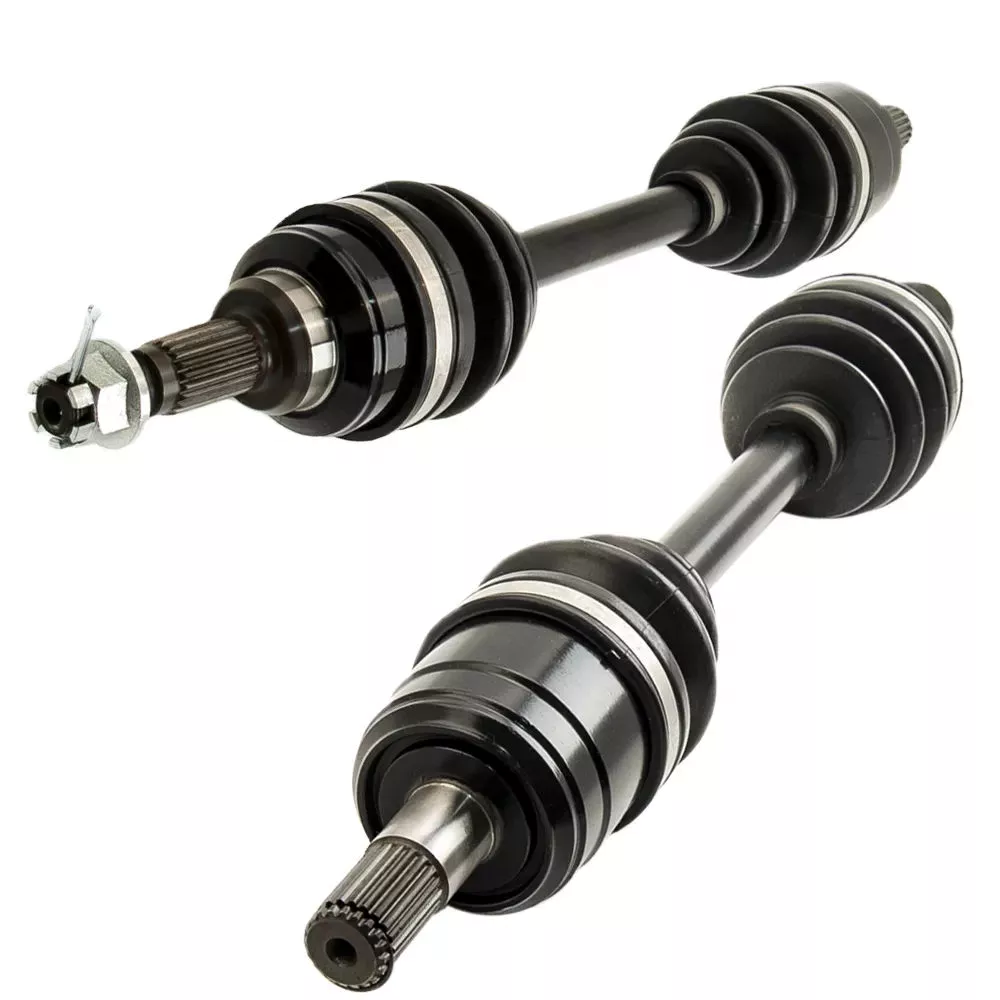
| Product Name | Half shaft |
| Car Make | Car |
| Quality | 100% Tested |
| Renk | Photos |
| service | 24 Hours Customer Service |
| Paketleme | Neutral Packing |
| country of origin | China |
| Sertifikasyon | ISO9001 |
| Delivery time | 15-45 Days |
| Marka | CNBF |
| Quality | High-Quality |
| Minimum Sipariş Miktarı | 10 |
| OEM | 1332883 |
| After-sales service | Quality problem, damage compensation |
| payment method | 30% deposit in advance,70% balance against the cop |
| SSS | 1. who are we? We are based in ZHangZhoug, China, start from 2009,sell to South America(00.00%),North America(00.00%),Mid East(00.00%),Africa(00.00%). There are total about 11-50 people in our office. 2. how can we guarantee quality? 3.what can you buy from us? 4. why should you buy from us not from other suppliers? 5. what services can we provide? |
| Satış Sonrası Hizmet: | Quality Problem, Damage Compensation |
|---|---|
| Durum: | Yeni |
| Renk: | Siyah |
| Sertifikasyon: | ISO |
| Tip: | Half Shaft |
| Application Brand: | Polaris |
| Özelleştirme: |
Mevcut
| Özelleştirilmiş Talep |
|---|
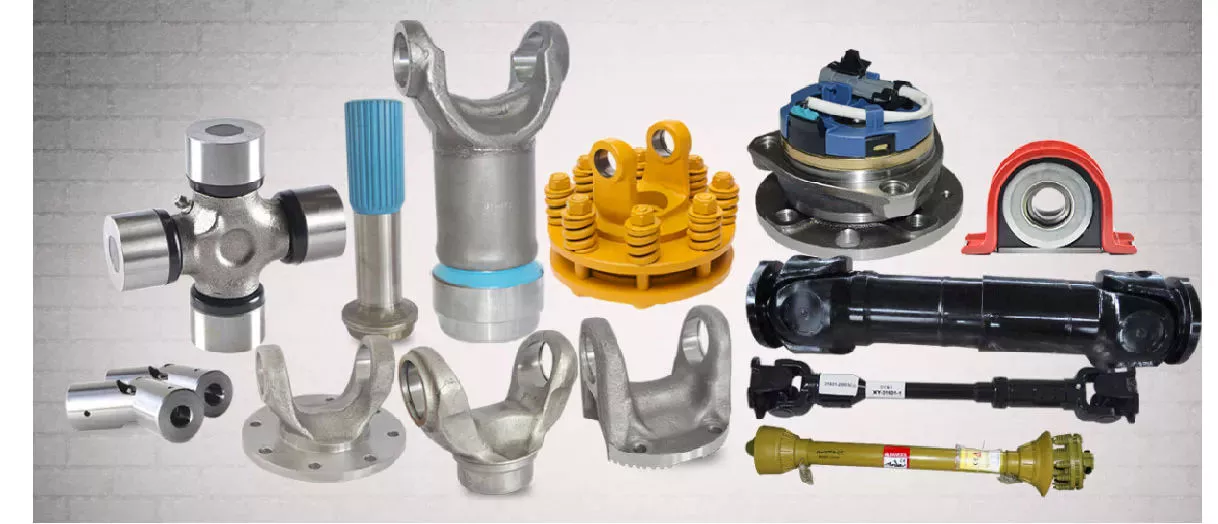
What factors should be considered when selecting the right drive shaft for an application?
When selecting the right drive shaft for an application, several factors need to be considered. The choice of drive shaft plays a crucial role in ensuring efficient and reliable power transmission. Here are the key factors to consider:
1. Güç ve Tork Gereksinimleri:
The power and torque requirements of the application are essential considerations. It is crucial to determine the maximum torque that the drive shaft will need to transmit without failure or excessive deflection. This includes evaluating the power output of the engine or power source, as well as the torque demands of the driven components. Selecting a drive shaft with the appropriate diameter, material strength, and design is essential to ensure it can handle the expected torque levels without compromising performance or safety.
2. Operating Speed:
The operating speed of the drive shaft is another critical factor. The rotational speed affects the dynamic behavior of the drive shaft, including the potential for vibration, resonance, and critical speed limitations. It is important to choose a drive shaft that can operate within the desired speed range without encountering excessive vibrations or compromising the structural integrity. Factors such as the material properties, balance, and critical speed analysis should be considered to ensure the drive shaft can handle the required operating speed effectively.
3. Length and Alignment:
The length and alignment requirements of the application must be considered when selecting a drive shaft. The distance between the engine or power source and the driven components determines the required length of the drive shaft. In situations where there are significant variations in length or operating angles, telescopic drive shafts or multiple drive shafts with appropriate couplings or universal joints may be necessary. Proper alignment of the drive shaft is crucial to minimize vibrations, reduce wear and tear, and ensure efficient power transmission.
4. Space Limitations:
The available space within the application is an important factor to consider. The drive shaft must fit within the allocated space without interfering with other components or structures. It is essential to consider the overall dimensions of the drive shaft, including length, diameter, and any additional components such as joints or couplings. In some cases, custom or compact drive shaft designs may be required to accommodate space limitations while maintaining adequate power transmission capabilities.
5. Environmental Conditions:
The environmental conditions in which the drive shaft will operate should be evaluated. Factors such as temperature, humidity, corrosive agents, and exposure to contaminants can impact the performance and lifespan of the drive shaft. It is important to select materials and coatings that can withstand the specific environmental conditions to prevent corrosion, degradation, or premature failure of the drive shaft. Special considerations may be necessary for applications exposed to extreme temperatures, water, chemicals, or abrasive substances.
6. Application Type and Industry:
The specific application type and industry requirements play a significant role in drive shaft selection. Different industries, such as automotive, aerospace, industrial machinery, agriculture, or marine, have unique demands that need to be addressed. Understanding the specific needs and operating conditions of the application is crucial in determining the appropriate drive shaft design, materials, and performance characteristics. Compliance with industry standards and regulations may also be a consideration in certain applications.
7. Bakım ve Servis Edilebilirlik:
The ease of maintenance and serviceability should be taken into account. Some drive shaft designs may require periodic inspection, lubrication, or replacement of components. Considering the accessibility of the drive shaft and associated maintenance requirements can help minimize downtime and ensure long-term reliability. Easy disassembly and reassembly of the drive shaft can also be beneficial for repair or component replacement.
By carefully considering these factors, one can select the right drive shaft for an application that meets the power transmission needs, operating conditions, and durability requirements, ultimately ensuring optimal performance and reliability.
Tahrik milleri, çalışma sırasında yük ve titreşimdeki değişimleri nasıl karşılar?
Tahrik milleri, çeşitli mekanizmalar ve özellikler kullanarak çalışma sırasında yük ve titreşimdeki değişimleri karşılayacak şekilde tasarlanmıştır. Bu mekanizmalar, düzgün güç aktarımını sağlamaya, titreşimleri en aza indirmeye ve tahrik milinin yapısal bütünlüğünü korumaya yardımcı olur. İşte tahrik millerinin yük ve titreşim değişimlerini nasıl ele aldığına dair ayrıntılı bir açıklama:
1. Malzeme Seçimi ve Tasarım:
Tahrik milleri genellikle çelik alaşımları veya kompozit malzemeler gibi yüksek mukavemet ve rijitliğe sahip malzemelerden yapılır. Malzeme seçimi ve tasarımı, uygulamanın beklenen yüklerini ve çalışma koşullarını dikkate alır. Uygun malzemeler kullanılarak ve tasarım optimize edilerek, tahrik milleri aşırı sapma veya deformasyon yaşamadan beklenen yük değişimlerine dayanabilir.
2. Tork Kapasitesi:
Tahrik milleri, beklenen yüklere karşılık gelen belirli bir tork kapasitesiyle tasarlanır. Tork kapasitesi, tahrik kaynağının güç çıkışı ve tahrik edilen bileşenlerin tork gereksinimleri gibi faktörleri dikkate alır. Yeterli tork kapasitesine sahip bir tahrik mili seçilerek, yükteki değişimler tahrik milinin sınırlarını aşmadan ve arıza veya hasar riski oluşturmadan karşılanabilir.
3. Dinamik Dengeleme:
Üretim sürecinde, tahrik milleri dinamik dengelemeye tabi tutulabilir. Tahrik milindeki dengesizlikler, çalışma sırasında titreşimlere neden olabilir. Dengeleme işlemi sırasında, tahrik milinin düzgün dönmesini ve titreşimlerin en aza indirilmesini sağlamak için stratejik olarak ağırlıklar eklenir veya çıkarılır. Dinamik dengeleme, yük değişimlerinin etkilerini azaltmaya ve tahrik milinde aşırı titreşim olasılığını düşürmeye yardımcı olur.
4. Sönümleyiciler ve Titreşim Kontrolü:
Tahrik milleri, titreşimleri daha da en aza indirmek için amortisörler veya titreşim kontrol mekanizmaları içerebilir. Bu cihazlar genellikle yük değişimlerinden veya diğer faktörlerden kaynaklanabilecek titreşimleri emmek veya dağıtmak için tasarlanmıştır. Amortisörler, burulma amortisörleri, kauçuk izolatörler veya tahrik mili boyunca stratejik olarak yerleştirilmiş diğer titreşim emici elemanlar şeklinde olabilir. Titreşimleri yöneterek ve azaltarak, tahrik milleri sorunsuz çalışmayı sağlar ve genel sistem performansını artırır.
5. CV Mafsalları:
Sabit Hız (CV) mafsalları, çalışma açılarındaki değişimleri karşılamak ve sabit bir hızı korumak için genellikle tahrik millerinde kullanılır. CV mafsalları, tahrik eden ve tahrik edilen bileşenler farklı açılarda olsa bile tahrik milinin güç iletmesini sağlar. Çalışma açılarındaki değişimleri karşılayarak, CV mafsalları yük değişimlerinin etkisini en aza indirmeye ve tahrik hattı geometrisindeki değişikliklerden kaynaklanabilecek potansiyel titreşimleri azaltmaya yardımcı olur.
6. Yağlama ve Bakım:
Tahrik millerinin yük ve titreşim değişimlerini etkili bir şekilde karşılayabilmesi için uygun yağlama ve düzenli bakım şarttır. Yağlama, hareketli parçalar arasındaki sürtünmeyi azaltarak aşınmayı ve ısı oluşumunu en aza indirir. Bağlantı noktalarının incelenmesi ve yağlanması da dahil olmak üzere düzenli bakım, tahrik milinin optimum durumda kalmasını sağlayarak yük değişimlerinden kaynaklanan arıza veya performans düşüşü riskini azaltır.
7. Yapısal Rijitlik:
Tahrik milleri, eğilme ve burulma kuvvetlerine karşı koyacak yeterli yapısal rijitliğe sahip olacak şekilde tasarlanmıştır. Bu rijitlik, yük değişimlerine maruz kaldığında tahrik milinin bütünlüğünü korumaya yardımcı olur. Sapmayı en aza indirerek ve yapısal bütünlüğü koruyarak, tahrik mili performansı tehlikeye atmadan veya aşırı titreşimlere neden olmadan gücü etkili bir şekilde iletebilir ve yük değişimlerini yönetebilir.
8. Kontrol Sistemleri ve Geri Besleme:
Bazı uygulamalarda, tahrik milleri tork, hız ve titreşim gibi parametreleri aktif olarak izleyen ve ayarlayan kontrol sistemleriyle donatılabilir. Bu kontrol sistemleri, yük veya titreşimlerdeki değişimleri tespit etmek ve performansı optimize etmek için gerçek zamanlı ayarlamalar yapmak üzere sensörler ve geri bildirim mekanizmaları kullanır. Yük değişimlerini ve titreşimleri aktif olarak yöneterek, tahrik milleri değişen çalışma koşullarına uyum sağlayabilir ve sorunsuz çalışmayı sürdürebilir.
Özetle, tahrik milleri, dikkatli malzeme seçimi ve tasarımı, tork kapasitesi hususları, dinamik dengeleme, amortisörlerin ve titreşim kontrol mekanizmalarının entegrasyonu, CV mafsallarının kullanımı, uygun yağlama ve bakım, yapısal rijitlik ve bazı durumlarda kontrol sistemleri ve geri besleme mekanizmaları yoluyla çalışma sırasında yük ve titreşimdeki değişimleri yönetir. Bu özellikler ve mekanizmaları birleştirerek, tahrik milleri, yük değişimlerinin ve titreşimlerin genel sistem performansı üzerindeki etkisini en aza indirirken, güvenilir ve verimli güç aktarımını sağlar.
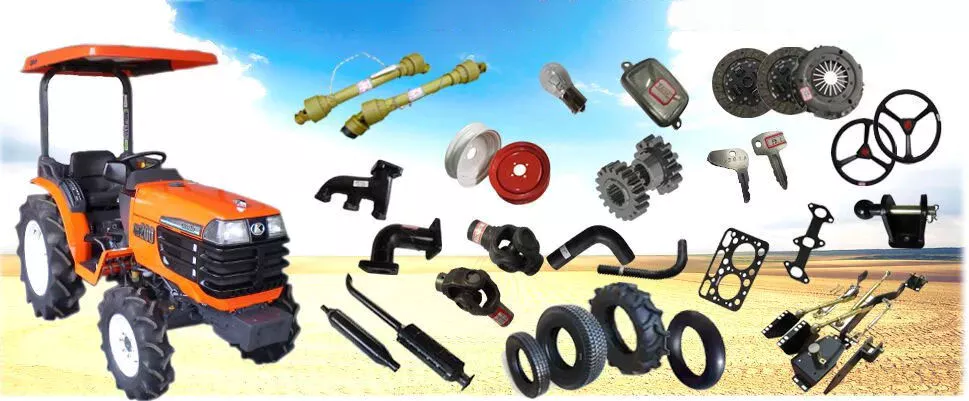
Are there variations in drive shaft designs for different types of machinery?
Yes, there are variations in drive shaft designs to cater to the specific requirements of different types of machinery. The design of a drive shaft is influenced by factors such as the application, power transmission needs, space limitations, operating conditions, and the type of driven components. Here’s an explanation of how drive shaft designs can vary for different types of machinery:
1. Automotive Applications:
In the automotive industry, drive shaft designs can vary depending on the vehicle’s configuration. Rear-wheel-drive vehicles typically use a single-piece or two-piece drive shaft, which connects the transmission or transfer case to the rear differential. Front-wheel-drive vehicles often use a different design, employing a drive shaft that combines with the constant velocity (CV) joints to transmit power to the front wheels. All-wheel-drive vehicles may have multiple drive shafts to distribute power to all wheels. The length, diameter, material, and joint types can differ based on the vehicle’s layout and torque requirements.
2. Industrial Machinery:
Drive shaft designs for industrial machinery depend on the specific application and power transmission requirements. In manufacturing machinery, such as conveyors, presses, and rotating equipment, drive shafts are designed to transfer power efficiently within the machine. They may incorporate flexible joints or use a splined or keyed connection to accommodate misalignment or allow for easy disassembly. The dimensions, materials, and reinforcement of the drive shaft are selected based on the torque, speed, and operating conditions of the machinery.
3. Agriculture and Farming:
Agricultural machinery, such as tractors, combines, and harvesters, often requires drive shafts that can handle high torque loads and varying operating angles. These drive shafts are designed to transmit power from the engine to attachments and implements, such as mowers, balers, tillers, and harvesters. They may incorporate telescopic sections to accommodate adjustable lengths, flexible joints to compensate for misalignment during operation, and protective shielding to prevent entanglement with crops or debris.
4. Construction and Heavy Equipment:
Construction and heavy equipment, including excavators, loaders, bulldozers, and cranes, require robust drive shaft designs capable of transmitting power in demanding conditions. These drive shafts often have larger diameters and thicker walls to handle high torque loads. They may incorporate universal joints or CV joints to accommodate operating angles and absorb shocks and vibrations. Drive shafts in this category may also have additional reinforcements to withstand the harsh environments and heavy-duty applications associated with construction and excavation.
5. Marine and Maritime Applications:
Drive shaft designs for marine applications are specifically engineered to withstand the corrosive effects of seawater and the high torque loads encountered in marine propulsion systems. Marine drive shafts are typically made from stainless steel or other corrosion-resistant materials. They may incorporate flexible couplings or dampening devices to reduce vibration and mitigate the effects of misalignment. The design of marine drive shafts also considers factors such as shaft length, diameter, and support bearings to ensure reliable power transmission in marine vessels.
6. Mining and Extraction Equipment:
In the mining industry, drive shafts are used in heavy machinery and equipment such as mining trucks, excavators, and drilling rigs. These drive shafts need to withstand extremely high torque loads and harsh operating conditions. Drive shaft designs for mining applications often feature larger diameters, thicker walls, and specialized materials such as alloy steel or composite materials. They may incorporate universal joints or CV joints to handle operating angles, and they are designed to be resistant to abrasion and wear.
These examples highlight the variations in drive shaft designs for different types of machinery. The design considerations take into account factors such as power requirements, operating conditions, space constraints, alignment needs, and the specific demands of the machinery or industry. By tailoring the drive shaft design to the unique requirements of each application, optimal power transmission efficiency and reliability can be achieved.


editor by CX 2023-10-26























