
Ürün Açıklaması
Chrome conveyor shaft
Ürün Açıklaması
| Product Name | Chrome conveyor shaft |
| Design | Can be at the customer’ request, tailor-made, at customer’s design |
| Advantage | ZJD can provide the chrome conveyor shaft according to customers technical specifications |
Our Advantages
Başvuru
Product Display
Şirket Profili
ZJD is located in Xihu (West Lake) Dis. Economic Development Zone, Xihu (West Lake) Dis. District, HangZhou, ZheJiang , which has very good transportation convenience and location advantages.ZJD own 1 subsidiary, which is located in HangZhou city, ZheJiang province, which is mainly responsible for EMU accessories for CRRC’s factory nearby.
ZJD’s production and office space is more than 12,000 square meters, and more than 60 sets of various types of CNC machining and quality control equipment.ZJD’s main products are widely used in CHINAMFG CR400, CR300, CR200 series standard EMUs, and expanded to subways, export passenger cars and EMUs and other products.
ZJD has more than 60 employees and more than 20 technical management personnel. The technical management team has many years of working experience in the rail transit industry.
Sertifikalar
ZJD has obtained the national high-tech enterprise certification, 6 types of products have passed the high-tech certification, and related products have obtained more than 20 patents.
ZJD has established a comprehensive quality management system and has got ISO9001 quality management system certification, ISO/TS 22163 (IRIS) international railway industry standard certification, EN15085-2 railway vehicles welding system certification, and CHINAMFG product supply service qualification certification.
SSS
1. Who are we?
HangZhou ZJD Rail Equipment Co.,Ltd. was established in 2012, which is a professional manufacturer of rail equipment and accessories.
2. Are you a reliable supplier?
ZJD-Excellent Manufacturer focusing on the rolling stock industry
Provide full-process Design, Production, Testing and Service according to customer requirements.
3.What can you buy from us?
We have designed and supplied a series of products such an air duct systems, piping systerms, pneumatic control units,etc.The product are used in various fields such an EMUs,subways,locomotives,wagon engineering vehicles,etc.
4. What services can we provide?
Provide customized services of heavy industry products for special requirements.
Provide diversified parts and trade services such as port machinery, steel heavy industry, mining machinery, etc.
Provide customized products for new energy equipment
Provide key process technology solutions for special parts in the field of new energy equipment.
| Malzeme: | Chrome |
|---|---|
| Yük: | Tahrik Mili |
| Sertlik ve Esneklik: | Flexible Shaft |
| Eksen Şekli: | Crankshaft |
| Şaft Şekli: | Real Axis |
| Appearance Shape: | Round |
| Özelleştirme: |
Mevcut
| Özelleştirilmiş Talep |
|---|
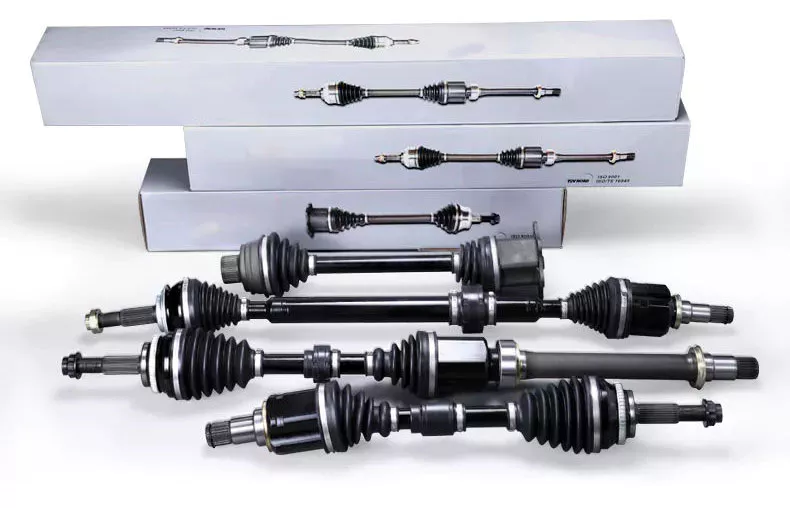
How do PTO shafts ensure efficient power transfer while maintaining safety?
PTO (Power Take-Off) shafts play a crucial role in ensuring efficient power transfer from a power source to driven machinery or equipment, while also maintaining safety. These shafts are designed with various features and mechanisms to optimize power transmission efficiency and mitigate potential hazards. Here’s a detailed explanation of how PTO shafts achieve efficient power transfer while prioritizing safety:
1. Mechanical Power Transmission: PTO shafts serve as mechanical linkages between the power source, typically a tractor or engine, and the driven machinery. They transmit rotational power from the power source to the equipment, enabling efficient transfer of energy. The mechanical design of PTO shafts, including their diameter, length, and material composition, is optimized to minimize power losses during transmission, ensuring that a significant portion of the power generated by the source is effectively delivered to the machinery.
2. Universal Joints and Flexible Couplings: PTO shafts are equipped with universal joints and flexible couplings that allow for angular misalignment and flexibility in movement. Universal joints accommodate variations in the alignment between the power source and the driven machinery, enabling smooth power transfer even when the two components are not perfectly aligned. Flexible couplings help to compensate for slight misalignments, reduce vibration, and prevent excessive stress on the shaft and connected components, thereby enhancing efficiency and reducing the risk of mechanical failure or damage.
3. Sabit Hız (CV) Eklemleri: CV joints are often used in PTO shafts to maintain constant speed and torque transfer, particularly in applications where the driven machinery requires flexibility or operates at different angles. CV joints allow for smooth power transmission without significant fluctuations, even when the driven machinery is at an angle relative to the power source. By minimizing speed variations and power loss due to changing angles, CV joints contribute to efficient power transfer while ensuring consistent performance and reducing the likelihood of mechanical stress or premature wear.
4. Safety Guards and Shields: Safety is a paramount consideration in the design of PTO shafts. Protective guards and shields are installed to cover the rotating shaft and other moving parts. These guards act as physical barriers to prevent accidental contact with the rotating components, significantly reducing the risk of entanglement, injury, or damage. Safety guards are typically made of durable materials such as metal or plastic and are designed to allow the necessary movement for power transmission while providing adequate protection. Regular inspection and maintenance of these guards are crucial to ensure their effectiveness in maintaining safety.
5. Shear Bolt or Slip Clutch Mechanisms: PTO shafts often incorporate shear bolt or slip clutch mechanisms as safety features to protect the driveline components and prevent damage in case of excessive torque or sudden resistance. Shear bolts are designed to shear or break when the torque exceeds a predetermined threshold, disconnecting the PTO shaft from the power source. This helps prevent damage to the shaft, driven machinery, and power source. Slip clutches work similarly by allowing the PTO shaft to slip when excessive resistance is encountered, protecting the components from overload. These mechanisms act as safety measures to maintain the integrity of the PTO shaft and associated equipment while minimizing the risk of mechanical failures or accidents.
6. Compliance with Safety Standards: PTO shafts are designed and manufactured to comply with relevant safety standards and regulations. Manufacturers follow guidelines and requirements set by organizations such as the American Society of Agricultural and Biological Engineers (ASABE) or other regional safety authorities. Compliance with these standards ensures that PTO shafts meet specific safety criteria, including torque capacity, guard design, and other safety considerations. Users can rely on standardized PTO shafts that have undergone testing and certification, providing an additional layer of assurance regarding their safety and performance.
7. Operator Education and Training: To ensure safe and efficient operation, it is essential for operators to receive proper education and training on PTO shafts. Operators should be familiar with the specific safety features, maintenance requirements, and safe operating procedures for the PTO shafts used in their applications. This includes understanding the importance of using appropriate personal protective equipment, regularly inspecting the equipment for wear or damage, and following recommended maintenance schedules. Operator awareness and adherence to safety protocols significantly contribute to maintaining a safe working environment and maximizing the efficiency of power transfer.
In summary, PTO shafts ensure efficient power transfer while maintaining safety through their mechanical design, incorporation of universal joints and CV joints, installation of safety guards and shields, implementation of shear bolt or slip clutch mechanisms, compliance with safety standards, and operator education. By combining these features and practices, PTO shafts provide reliable and secure power transmission, minimizing power losses and potential risks associated with their operation.
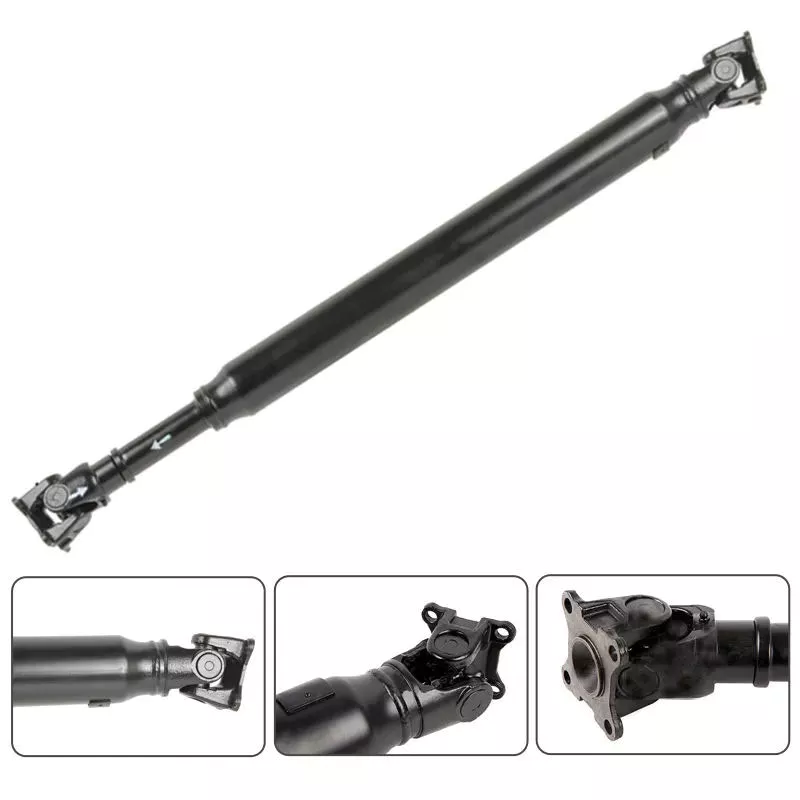
PTO şaftlarıyla ilgili herhangi bir sınırlama veya dezavantaj var mı?
PTO (Güç Çıkışı) şaftları, güç aktarımı ve çok yönlülük açısından birçok avantaj sunarken, aynı zamanda bazı sınırlamaları ve dezavantajları da vardır. Güvenli ve verimli çalışma sağlamak için PTO şaftları kullanırken bu faktörleri göz önünde bulundurmak önemlidir. İşte PTO şaftlarıyla ilgili bazı sınırlamaların ve dezavantajların ayrıntılı açıklaması:
1. Güvenlik Tehlikeleri: PTO şaftlarıyla ilgili en önemli endişelerden biri, güvenlik tehlikeleri potansiyelidir. PTO şaftları yüksek hızlarda döner ve uygun şekilde korunmadığı veya kullanılmadığı takdirde önemli bir risk oluşturabilir. Açıkta kalan veya yeterince korunmayan bir PTO şaftıyla kazara temas, takılma, uzuv kaybı ve hatta ölüm gibi ciddi yaralanmalara yol açabilir. Bu riskleri azaltmak için güvenlik yönergelerine uymak, uygun koruma önlemleri almak ve operatörlerin güvenli kullanım uygulamaları konusunda iyi eğitilmiş olmalarını sağlamak çok önemlidir.
2. Bakım ve Yağlama: PTO şaftlarının optimum performans ve uzun ömür sağlaması için düzenli bakım ve yağlama gereklidir. Üniversal mafsallar ve kamalar gibi hareketli parçaların önerilen aralıklarla incelenmesi, temizlenmesi ve yağlanması gerekir. Bakımın ihmal edilmesi, erken aşınmaya, verimlilik düşüşüne ve potansiyel arızalara yol açabilir. Düzenli incelemeler ve zamanında yağlama dahil olmak üzere uygun bakım uygulamaları, bu sorunları azaltmak için çok önemlidir.
3. Hizalama ve Açılar: PTO şaftları, verimli güç aktarımını sağlamak için doğru hizalama ve açılara bağlıdır. Güç kaynağı ile tahrik edilen makine arasındaki yanlış hizalama veya aşırı açılar, bileşenlerde artan aşınmaya ve gerilime neden olarak erken arızaya yol açabilir. Ayarlanabilir kayar bağlantı parçaları veya diğer yöntemler kullanılarak doğru hizalama ve açı ayarının sağlanması, PTO şaftı ve ilgili ekipman üzerindeki aşırı gerilimi önlemek için önemlidir.
4. Uzunluk Sınırlamaları: PTO şaftlarının maksimum ve minimum uzunlukları, mühendislik kısıtlamaları nedeniyle sınırlıdır. Teleskopik tasarım bir miktar ayarlamaya olanak tanır, ancak şaftın ne kadar uzayabileceği veya geri çekilebileceği konusunda pratik bir sınır vardır. Güç kaynağı ile tahrik edilen makine arasındaki mesafe, PTO şaftının maksimum uzunluğunu aşarsa veya minimum uzunluğunun altına düşerse, alternatif çözümler veya değişiklikler gerekebilir. Bazı durumlarda, mesafeyi kapatmak için tahrik şaftı uzantıları veya dişli kutuları gibi ek bileşenler gerekebilir.
5. Uyumluluk: Üreticiler uyumluluğu sağlamaya çalışsalar da, belirli ekipman konfigürasyonları için doğru PTO şaftını bulmakta yine de zorluklar yaşanabilir. Ekipmanların, piyasada kolayca bulunmayan veya hazır PTO şaftlarıyla uyumlu olmayan, kama boyutları, tork değerleri veya bağlantı yöntemleri açısından benzersiz gereksinimleri olabilir. Bu uyumluluk sorunlarını gidermek için özelleştirme gerekebilir; bu da maliyetlerin veya teslim sürelerinin artmasına neden olabilir.
6. Gürültü ve Titreşimler: Çalışır durumdaki PTO şaftları, özellikle yüksek hızlarda, önemli ölçüde gürültü ve titreşim üretebilir. Bu durum operatörler için rahatsız edici olabilir ve gürültü seviyelerini azaltmak veya titreşimleri sönümlemek için ek önlemler gerektirebilir. Aşırı titreşimler ayrıca PTO şaftının ve bağlı ekipmanın genel performansını ve ömrünü de etkileyebilir. Titreşim sönümleyicilerin uygulanması veya esnek kaplinlerin kullanılması bu sorunların hafifletilmesine yardımcı olabilir.
7. Güç Sınırları: PTO şaftlarının tasarımına, malzemelerine ve bileşenlerine bağlı olarak belirli güç sınırları vardır. Bu güç sınırlarının aşılması, erken aşınmaya, bileşen arızalarına veya hatta şaft kırılmasına yol açabilir. Güvenli ve güvenilir çalışma sağlamak için PTO şaftları için önerilen güç değerlerini anlamak ve bunlara uymak çok önemlidir. Bazı durumlarda, daha yüksek güç gereksinimlerini karşılamak için daha yüksek kapasiteli bir PTO şaftına geçmek veya ek güç aktarım bileşenleri uygulamak gerekebilir.
8. Karmaşık Kurulum ve Sökme: PTO şaftlarının takılması ve çıkarılması, özellikle dar alanlarda veya ağır ekipmanlarla çalışırken karmaşık bir işlem olabilir. Kamaları hizalamayı, kaplinleri takmayı ve kilitleme mekanizmalarını sabitlemeyi gerektirebilir. Yanlış takma veya çıkarma teknikleri, şafta veya ilgili ekipmana zarar verebilir. PTO şaftlarının takılması ve çıkarılmasının güvenli bir şekilde gerçekleştirilmesi ve sağlanması için uygun eğitim, ekipman kullanımı ve üretici yönergelerine uyulması şarttır.
Bu sınırlamalara ve dezavantajlara rağmen, PTO şaftları çeşitli endüstrilerde güç aktarımı için yaygın olarak kullanılan ve değerli bileşenler olmaya devam etmektedir. Bu hususlara dikkat edilerek ve uygun güvenlik önlemleri, bakım uygulamaları ve hizalama prosedürleri uygulanarak, PTO şaftlarının potansiyel dezavantajları etkili bir şekilde azaltılabilir ve güvenli ve verimli bir çalışma sağlanabilir.
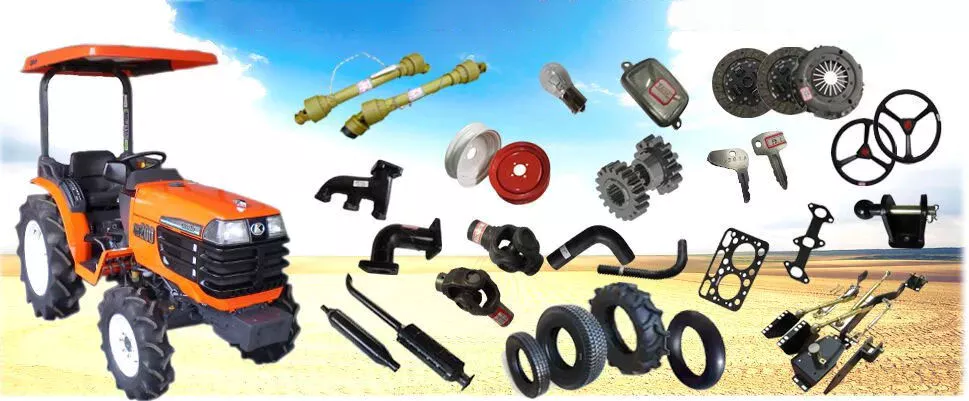
How do PTO shafts handle variations in speed and torque requirements?
PTO shafts (Power Take-Off shafts) are designed to handle variations in speed and torque requirements between the power source (such as a tractor or engine) and the driven machinery or equipment. They incorporate various mechanisms and components to ensure efficient power transmission while accommodating the different speed and torque demands. Here’s a detailed explanation of how PTO shafts handle variations in speed and torque requirements:
1. Gearbox Systems: PTO shafts often incorporate gearbox systems to match the speed and torque requirements between the power source and the driven machinery. Gearboxes allow for speed reduction or increase and can also change the rotational direction if necessary. By using different gear ratios, PTO shafts can adapt the rotational speed and torque output to suit the specific requirements of the driven equipment. Gearbox systems enable PTO shafts to provide the necessary power and speed compatibility between the power source and the machinery they drive.
2. Shear Bolt Mechanisms: Some PTO shafts, particularly in applications where sudden overloads or shock loads are expected, use shear bolt mechanisms. These mechanisms are designed to protect the driveline components from damage by disconnecting the PTO shaft in case of excessive torque or sudden resistance. Shear bolts are designed to break at a specific torque threshold, ensuring that the PTO shaft separates before the driveline components suffer damage. By incorporating shear bolt mechanisms, PTO shafts can handle variations in torque requirements and provide a safety feature to protect the equipment.
3. Friction Clutches: PTO shafts may incorporate friction clutch systems to enable smooth engagement and disengagement of power transfer. Friction clutches use a disc and pressure plate mechanism to control the transmission of power. Operators can gradually engage or disengage the power transfer by adjusting the pressure on the friction disc. This feature allows for precise control over torque transmission, accommodating variations in torque requirements while minimizing shock loads on the driveline components. Friction clutches are commonly used in applications where smooth power engagement is essential, such as in hydraulic pumps, generators, and industrial mixers.
4. Constant Velocity (CV) Joints: In cases where the driven machinery requires a significant range of movement or articulation, PTO shafts may incorporate Constant Velocity (CV) joints. CV joints allow the PTO shaft to accommodate misalignment and angular variations without affecting power transmission. These joints provide a smooth and constant power transfer even when the driven machinery is at an angle relative to the power source. CV joints are commonly used in applications such as articulated loaders, telescopic handlers, and self-propelled sprayers, where the machinery requires flexibility and a wide range of movement.
5. Telescopic Designs: Some PTO shafts feature telescopic designs that allow for length adjustment. These shafts consist of two or more concentric shafts that slide within each other, providing the ability to extend or retract the PTO shaft as needed. Telescopic designs accommodate variations in the distance between the power source and the driven machinery. By adjusting the length of the PTO shaft, operators can ensure proper power transmission without the risk of the shaft dragging on the ground or being too short to reach the equipment. Telescopic PTO shafts are commonly used in applications where the distance between the power source and the implement varies, such as in front-mounted implements, snow blowers, and self-loading wagons.
By incorporating these mechanisms and designs, PTO shafts can handle variations in speed and torque requirements effectively. They provide the necessary flexibility, safety, and control to ensure efficient power transmission between the power source and the driven machinery. PTO shafts play a critical role in adapting power to meet the specific needs of various equipment and applications.


editor by CX 2023-10-04























