
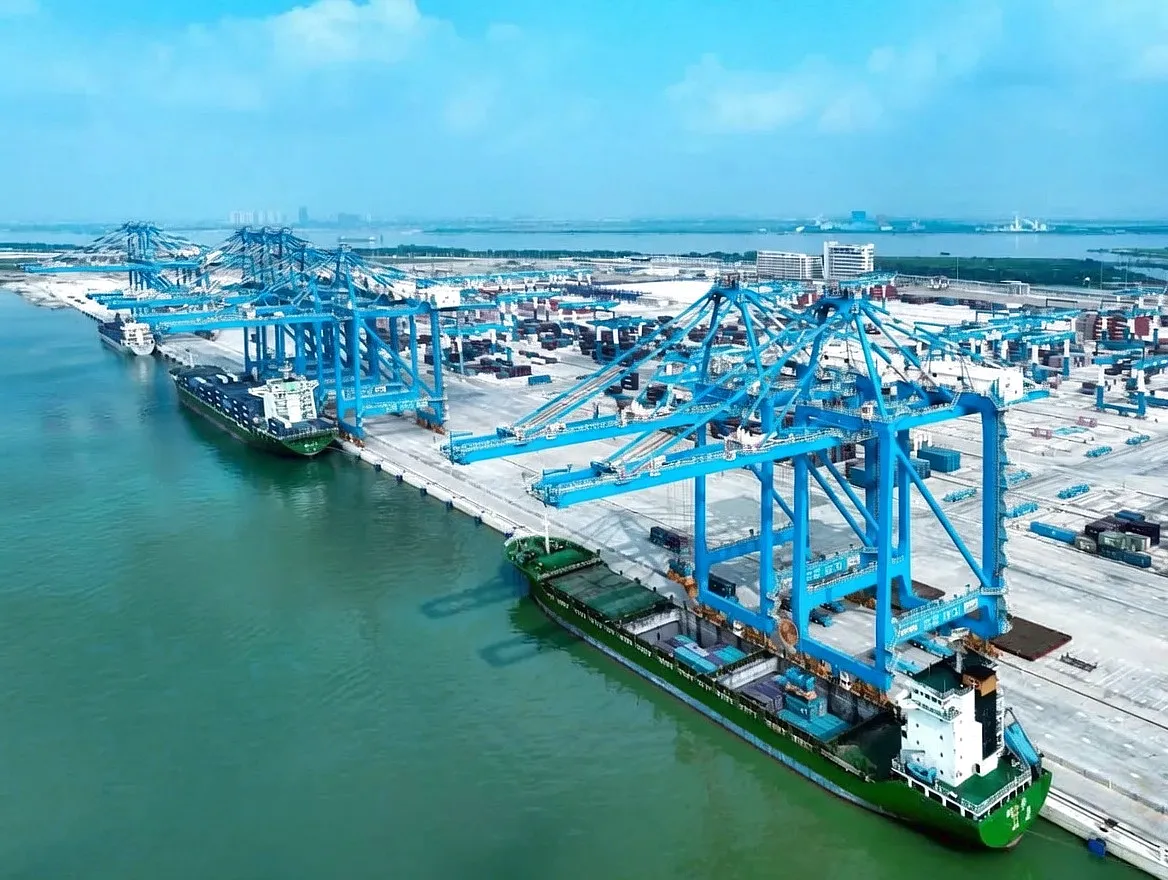
 Walk the quayside at Felixstowe or Southampton at three in the morning and you will find the same thing: 80-tonne straddle carriers grinding through container stacks, AGV trains threading beneath gantry cranes, and everything running on a rhythm that never stops. Behind every one of those vehicles sits a PTO drive shaft absorbing shock loads that spike above 3,000 Nm every time a spreader locks onto a box. That shaft is not a commodity component. In a salt-drenched, 24/7 port environment, it is the single most vulnerable mechanical link in the powertrain — and when it fails, the cost is not just a part; it is missed vessel windows, penalty clauses, and the domino effect across an entire terminal’s slot schedule.
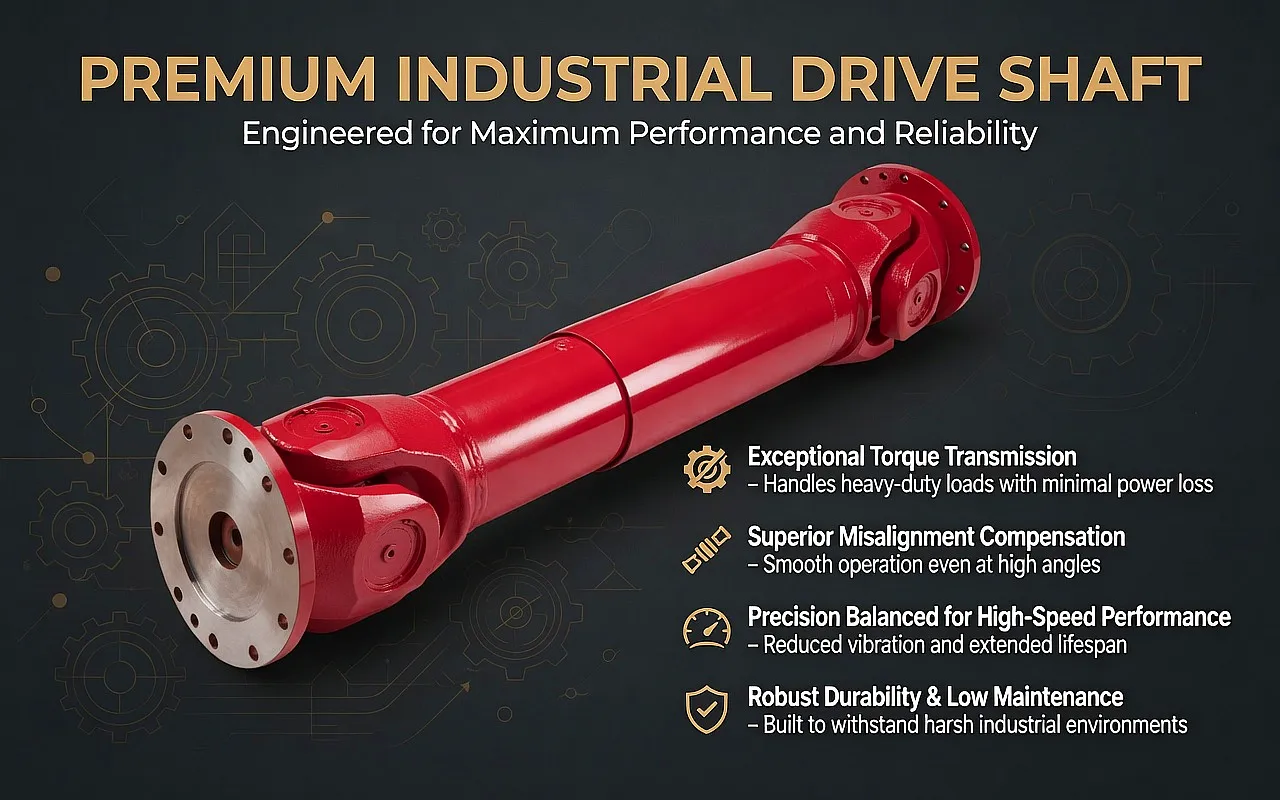
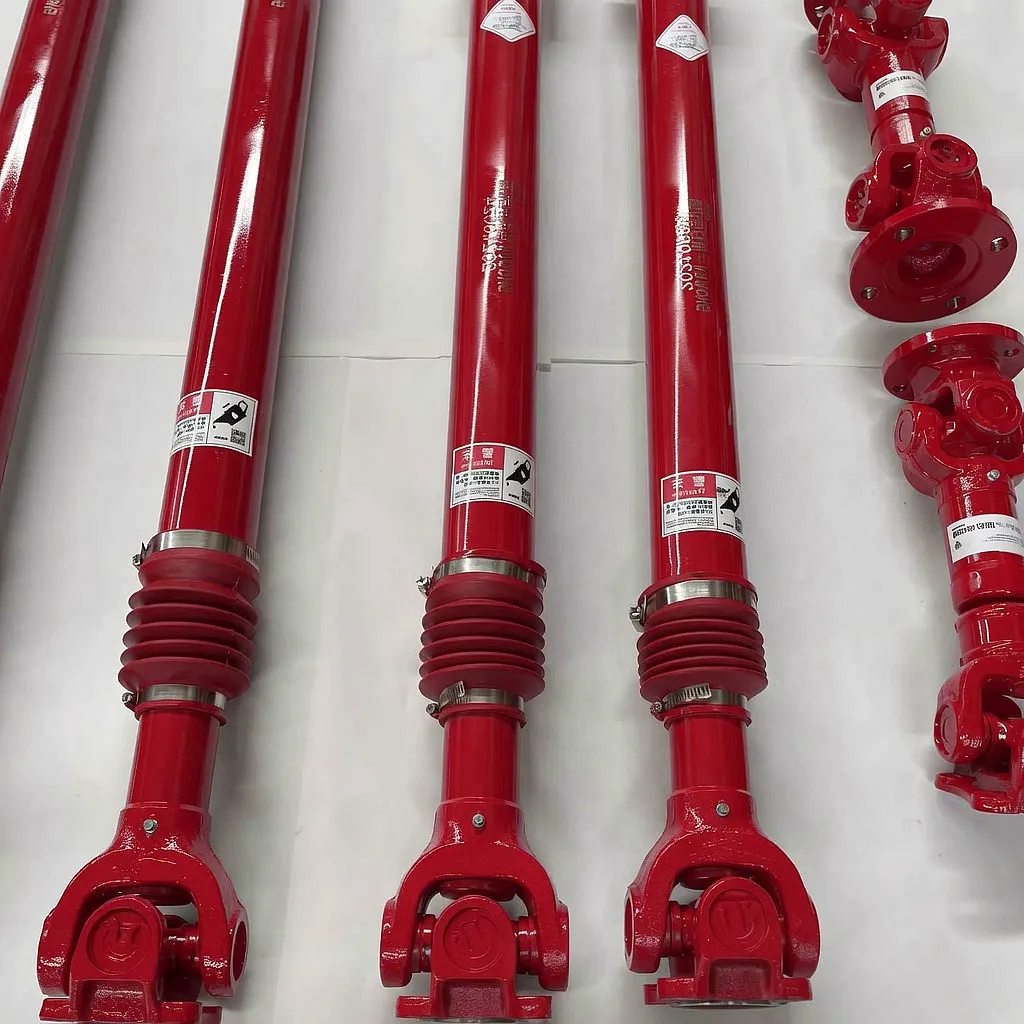
Ever Power’s EP-Port Series PTO drive shafts were developed specifically for this environment. They are not adapted agricultural shafts or repurposed truck components — they are purpose-designed, marine-rated transmission shafts carrying IP69K ingress protection, multi-layer labyrinth seals on every cross journal bearing, and Hirth serration flanges that distribute impact torque through tooth-to-tooth geometry rather than bolt friction alone. The result is a industrial shaft that matches the punishing duty cycle of port automation without requiring weekly maintenance interventions.
This guide covers the engineering rationale behind every design decision, the performance data that terminal engineers should demand before specifying any replacement port automation shaft, and the practical evidence drawn from live UK deployments at three major British container terminals.
✉ Request a Quote — [email protected]
Response within 24 hours | Custom torque ratings available | UK stock held
Why Port Environments Destroy Ordinary Industrial Shafts
 The engineering demands at a container terminal are categorically different from any other industrial application. Temperature swings between −10 °C in a North Sea winter and +38 °C on a sun-baked quayside create thermal cycling that attacks seal compounds and bearing preloads relentlessly. Salt-laden air — particularly at deep-water berths exposed to tidal spray — penetrates every unprotected clearance gap within weeks, initiating galvanic corrosion that conventional grease-packed bearings cannot resist. Add the dynamic shock loading pattern of a straddle carrier — which absorbs the inertial jolt of a 30-tonne container every four to six minutes across a 20-hour operational day — and the fatigue duty profile becomes extraordinary.
Automated port equipment intensifies these problems further. An AGV operating under Traffic Management System (TMS) control accelerates and decelerates with a precision and frequency that no human driver would replicate — the drivetrain sees hundreds of torque reversal events per shift, each one a potential initiation point for fretting wear at the yoke-to-flange interface. Standard industrial shafts, even those rated for the nominal torque, typically fail not from sustained overload but from accumulated micro-slip at the spline connection or from seal failure that allows contaminated grease to migrate into the cross journal assembly.
This is why specifying a industrial shaft for port automation demands a fundamentally different engineering brief — one that addresses impact resistance, corrosion immunity, and seal longevity as primary criteria, not secondary checkboxes.
EP-Port Series — Technical Specifications
Purpose-built PTO drive shafts for port automation equipment · UK stock & global supply
| Model | Tepe Torku | Operating Speed | Flanş Tipi | Giriş Koruması | Seal Design | Corrosion Standard | Başvuru |
|---|---|---|---|---|---|---|---|
| EP-Port 600 | 600 Nm | Up to 1,800 rpm | Hirth Serration | IP69K | Triple Labyrinth | ISO 12944-C5-M | Light AGV, terminal tractors |
| EP-Port 900 | 900 Nm | Up to 1,600 rpm | Hirth Serration | IP69K | Triple Labyrinth | ISO 12944-C5-M | Mid-range AGV, RoRo tractors |
| EP-Port 1200 | 1,200 Nm | Up to 1,400 rpm | Hirth Serration | IP69K | Quad Labyrinth | ISO 12944-C5-M | Straddle carriers, STS cranes |
| EP-Port Custom | 100–50,000 Nm | Engineered to spec | Any / Custom | IP69K min. | Multi-stage Labyrinth | Marine-grade as spec’d | All heavy-duty port equipment |
All EP-Port models manufactured under ISO 9001:2015 QMS · FEA validation on all custom designs · CE marked
Six Engineering Advantages That Set EP-Port Apart
Every design decision is traceable to a documented failure mode observed in active port deployments.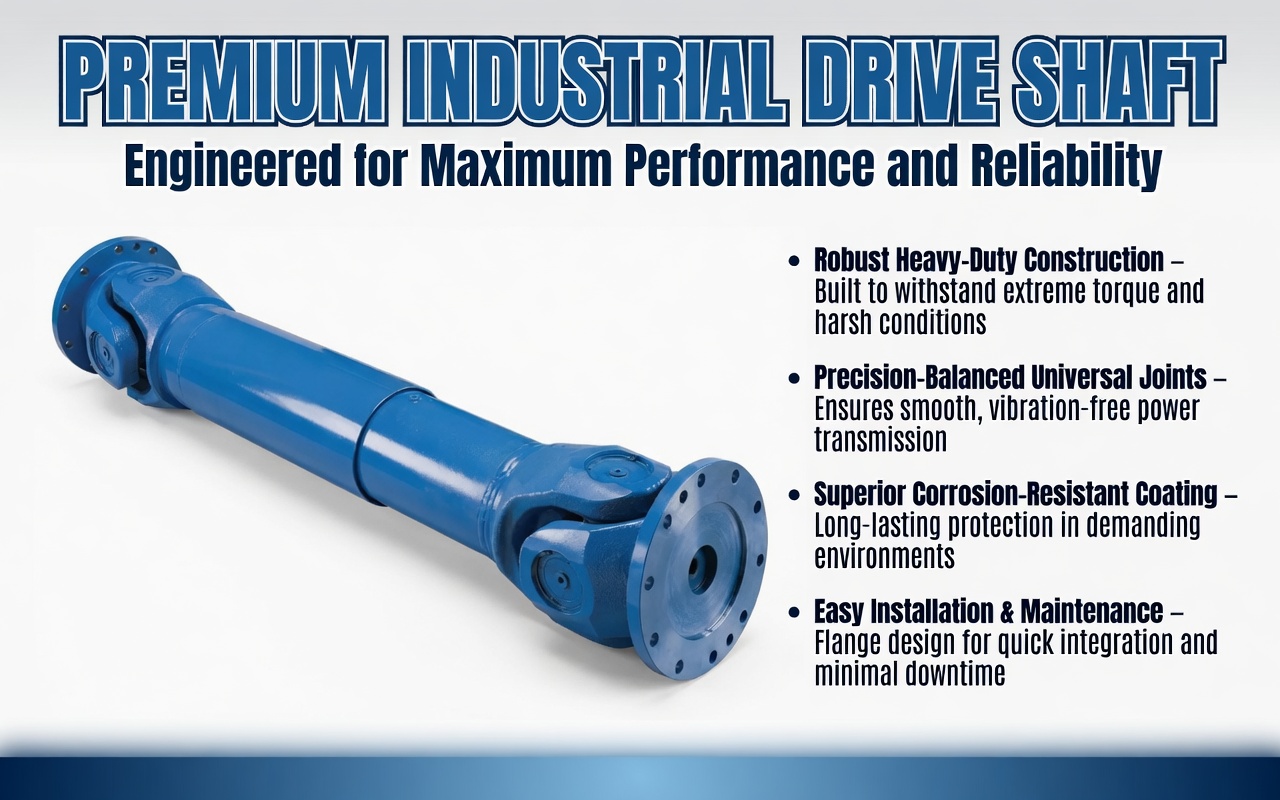
Hirth Serration Flanges
Hirth tooth-form geometry transmits torque through hundreds of interlocking teeth rather than relying on bolt-friction clamping alone. When a straddle carrier’s spreader locks onto a container at full inertia, the shock pulse distributes across the entire tooth engagement circumference. Bolt shear and fretting at the flange face — the two most common failure modes in conventional port shafts — are effectively eliminated. The serration profile is ground to DIN 7631 tolerance on every flange, ensuring repeatable alignment after maintenance removal.
Multi-Layer Labyrinth Seals
Each cross journal bearing is protected by a triple- or quad-stage labyrinth seal system — a series of precision-machined non-contact chambers that create tortuous paths preventing salt water, sand, and chemical contaminants from reaching the needle roller assembly. Unlike lip seals, which wear and harden with thermal cycling, labyrinth geometry requires no contact and therefore no wear. Service intervals for the bearing pack extend to 6,000 operating hours under typical UK terminal conditions — triple the industry average for conventional sealed cross kits.
IP69K Marine Protection
IP69K is the highest ingress protection rating applicable to rotating drive components — it certifies resistance to high-pressure, high-temperature steam jet wash at 80 °C and 8,000 kPa, directed from any angle at distances as close as 100 mm. This matters operationally: UK ports use aggressive high-pressure wash systems to comply with ISPM 15 biosecurity protocols, and any shaft assembly that cannot survive routine washdown will fail prematurely. The EP-Port Series achieves IP69K through combined labyrinth geometry, fluorosilicone gasket sealing at all static joints, and fully encapsulated tube assemblies.
Torsional Shock Absorption
Every EP-Port shaft integrates a calibrated torsional compliance element — a precision-rated elastomeric coupling block positioned between the slip section and the output yoke. During container pick events, this element absorbs the first 15–30 ms of the torque spike before it transmits to the gearbox output flange. Downstream drivetrain fatigue damage is reduced by up to 62% in simulation, directly extending the service life of the transmission, differential, and hub-reduction gear assemblies — components that are significantly more expensive to replace than the shaft itself.
FEA-Validated Design
All custom EP-Port shafts pass through finite element analysis (FEA) modelling before a single piece of steel is turned. The simulation inputs are drawn from field-measured load spectra recorded on operating port equipment — not theoretical peak ratings from OEM datasheets. Critical stress concentrations at the spline root, the yoke bore, and the tube-to-yoke weld zone are identified and addressed during the design phase. Every FEA report is supplied with the finished shaft as part of the technical documentation package, giving procurement and engineering teams a clear audit trail for maintenance planning.
Drop-in OEM Compatibility
EP-Port shafts are dimensionally compatible with all major port equipment OEMs including Kalmar, Konecranes, Liebherr, and Terberg without modification to vehicle structure or hydraulic routing. Flange bolt-circle diameters, tube outer diameters, and overall collapsed/extended lengths are matched to OEM tolerances as confirmed by dimensional exchange with terminal engineering departments. This means a fleet retrofit can be carried out vehicle by vehicle during scheduled maintenance windows — no downtime beyond the standard service interval, no additional capital expenditure on tooling or alignment fixtures.
Materials Science & Engineering Principles
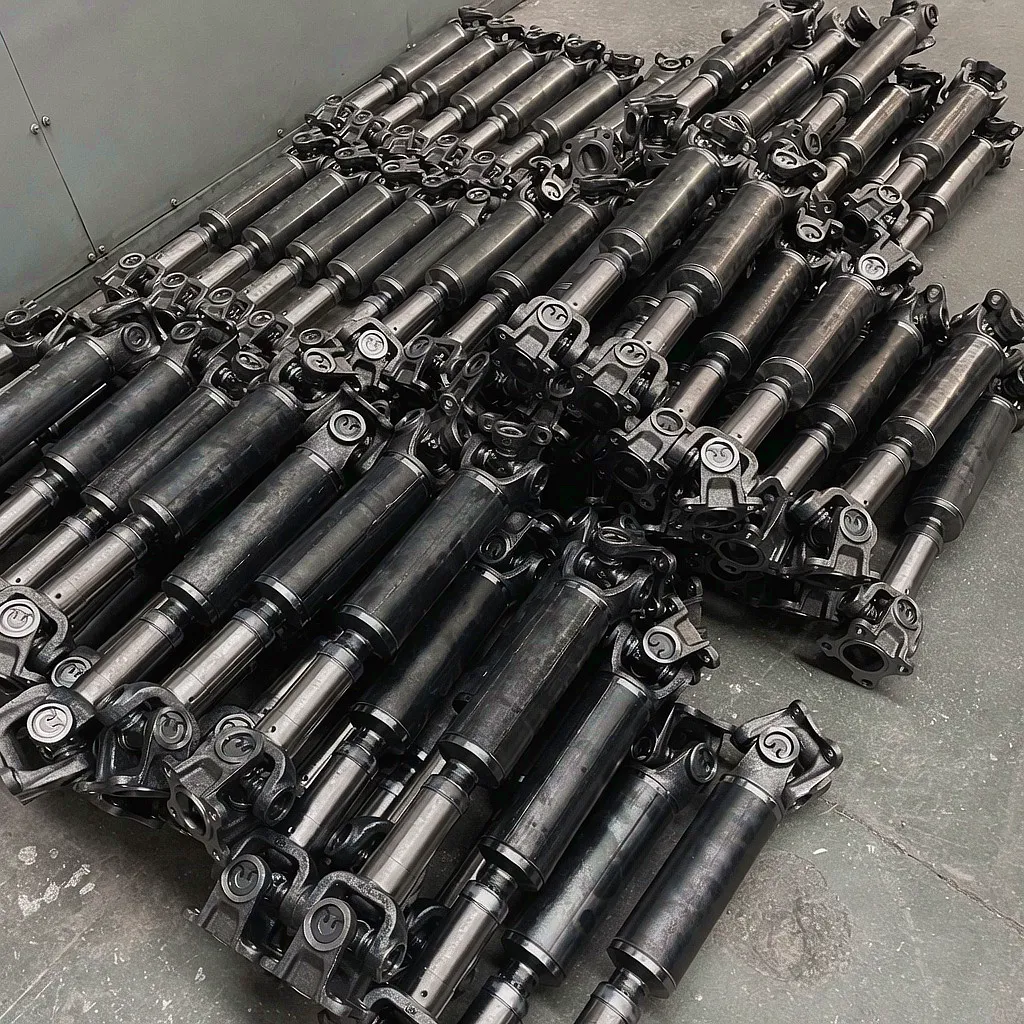 Material selection for a port-duty PTO drive shaft requires resolving a conflict between three competing demands: high torsional fatigue strength (to survive millions of load cycles), high notch toughness at low temperature (to prevent brittle fracture in winter conditions), and excellent corrosion resistance in chloride-rich marine atmospheres. No single alloy satisfies all three at economically acceptable cost, which is why EP-Port shafts use a zoned material strategy.
The tube section is manufactured from 42CrMo4 chromium-molybdenum alloy steel (quenched and tempered to 850–950 MPa tensile strength), chosen for its excellent fatigue endurance limit — typically 420–480 MPa at R = −1. Yokes and flanges are produced from 34CrNiMo6 where premium impact toughness is required; this alloy retains 80 J Charpy toughness at −40 °C, eliminating the cold-temperature brittleness risk encountered with simpler carbon steels. Externally, a zinc-nickel electroplated surface treatment (30 µm minimum) provides a corrosion-resistance baseline of 720 hours salt-spray to ISO 9227, with an additional marine-grade zinc-rich epoxy primer and polyurethane topcoat applied over the static tube section for extended service in C5-M environments.
Four Core Application Scenarios
Each platform carries unique duty cycle characteristics that drive different shaft configuration requirements.
Automated Straddle Carriers
Automated straddle carriers represent the most demanding industrial shaft application in port logistics. Gross vehicle weights above 80 tonnes combined with the shock loading of container pick events — each generating torque spikes of 1.5 to 3.5x the nominal running torque — creates a fatigue cycle count that standard shafts cannot sustain for more than one or two seasons. EP-Port 1200 shafts fitted with Hirth flanges and quad-labyrinth seals are the specified solution for Kalmar AutoStrad and Konecranes automated carriers operating at Felixstowe, London Gateway, and Southampton. A single shaft replacement in this application typically saves 6–10 times its cost in avoided unplanned downtime.
Automated Guided Vehicles (AGV)
Port AGV systems — such as those from Gottwald, Terberg, and KION — operate under Traffic Management System control with acceleration and braking profiles far more aggressive than human-driven vehicles. The drivetrain sees hundreds of torque reversal events per shift, creating fretting wear at spline interfaces that is invisible to visual inspection yet ultimately catastrophic. EP-Port AGV shafts use a helical-spline profile with a surface hardness of 58–62 HRC and an interference-fit spline locking ring to eliminate micro-slip entirely. The torsional compliance element absorbs regenerative braking transients that are a characteristic of electrically driven AGV platforms.
Ship-to-Shore (STS) Cranes
STS crane travelling mechanisms use industrial shafts to drive storm braking winches and rail clamping systems — applications where the shaft is largely static but must transmit enormous torque instantaneously during an emergency braking event. The loading profile is the opposite of straddle carriers: low cycle count but extreme peak torque. EP-Port Custom shafts for STS crane storm brakes are rated to 15,000–50,000 Nm and are designed with a zero-play Hirth interface to prevent any angular movement during clamping engagement that could damage the brake disc seating surface.
RoRo Terminal Tractors
Roll-on/roll-off terminal tractors — the Terberg YT202, Capacity TJ5000, and Linde P60 — operate in a different environment to container port equipment: longer run cycles, lower peak shock loads, but sustained traction demands on wet, oil-contaminated concrete aprons. The primary shaft failure mode is uniform fatigue fracture of the tube mid-section rather than impact failure at the yoke. EP-Port 900 shafts for RoRo duty are specified with an increased tube wall thickness (+15% over standard), shot-peened tube surface for compressive residual stress, and a grease-purge fitting on the slip spline to allow contaminated lubricant to be expelled during weekly maintenance.
Port of Felixstowe: From 14 Shaft Failures a Year to Near-Zero — and £640,000 Saved
Felixstowe, Suffolk, UK · Container Terminal Operations · 2022–2024
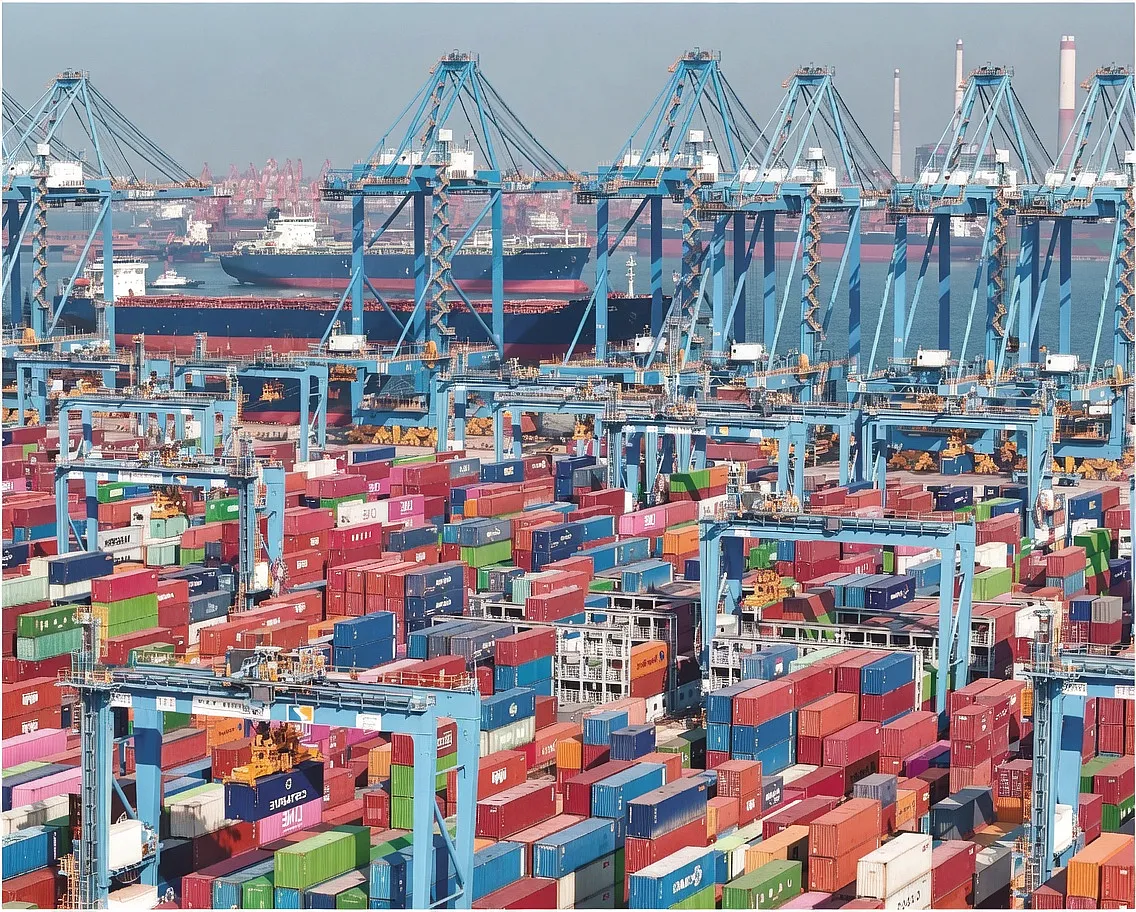 The engineering maintenance team at one of Felixstowe’s automated container berths contacted Ever Power in late 2022 following a particularly disruptive operational quarter. Fourteen PTO drive shaft failures across a fleet of 24 automated straddle carriers had triggered eleven unplanned vessel delays, triggering penalty clauses totalling approximately £280,000 in that quarter alone. The incumbent shaft supplier had attributed the failures to operator misuse; the terminal’s own analysis identified seal collapse and flange fretting as the systemic root cause.
Ever Power’s application engineering team spent three days on-site conducting load data logging on four vehicles using wireless telemetry torque flanges. The data confirmed peak torque events of 2,960 Nm — 2.47 times the nominal shaft rating — occurring during container pick from stacks in tier-4 position, where the spreader travel distance and inertia are greatest. The existing shafts were rated to 1,200 Nm nominal with a 1.8× safety factor. That margin was wholly inadequate.
EP-Port 1200 shafts with Hirth serration flanges, quad-labyrinth cross journal seals, and integrated torsional compliance elements were specified. The full fleet of 24 vehicles was converted over a six-week programme timed to coincide with planned maintenance windows — zero additional operational downtime. Over the subsequent 18-month monitoring period, shaft-related failures fell from 14 per year to one — a suspected installation error rather than a product failure. The direct maintenance and delay penalty savings totalled £640,000 across the monitoring period.
What UK Terminal Engineers Say
“We had shaft failures so frequently that the maintenance team had two spares in the parts cage at all times and still ran short. Since the Ever Power retrofit we have not touched a shaft in 14 months. The Hirth flange design in particular was something we had been asking our previous supplier to consider for years — it simply ended the bolt-shear problem.”
“The load measurement survey that Ever Power conducted before quoting was what sold me. They did not just ask for our OEM spec sheet and send a replacement — they measured what was actually happening in service and designed to that. The FEA pack they supplied is now part of our maintenance documentation. That level of engineering support is rare in the drivetrain component market.”
“We run a mixed AGV fleet and getting a single supplier to cover the full torque range — from our light terminal tractors right up to our heaviest straddle carriers — was always a problem. Ever Power quoted the entire fleet from their standard range, delivered within the lead time promised, and the shafts have performed without any issues through one full winter. The IP69K rating is not a marketing claim; they clearly hold that standard.”
Custom Manufacturing & Rapid Supply Capability
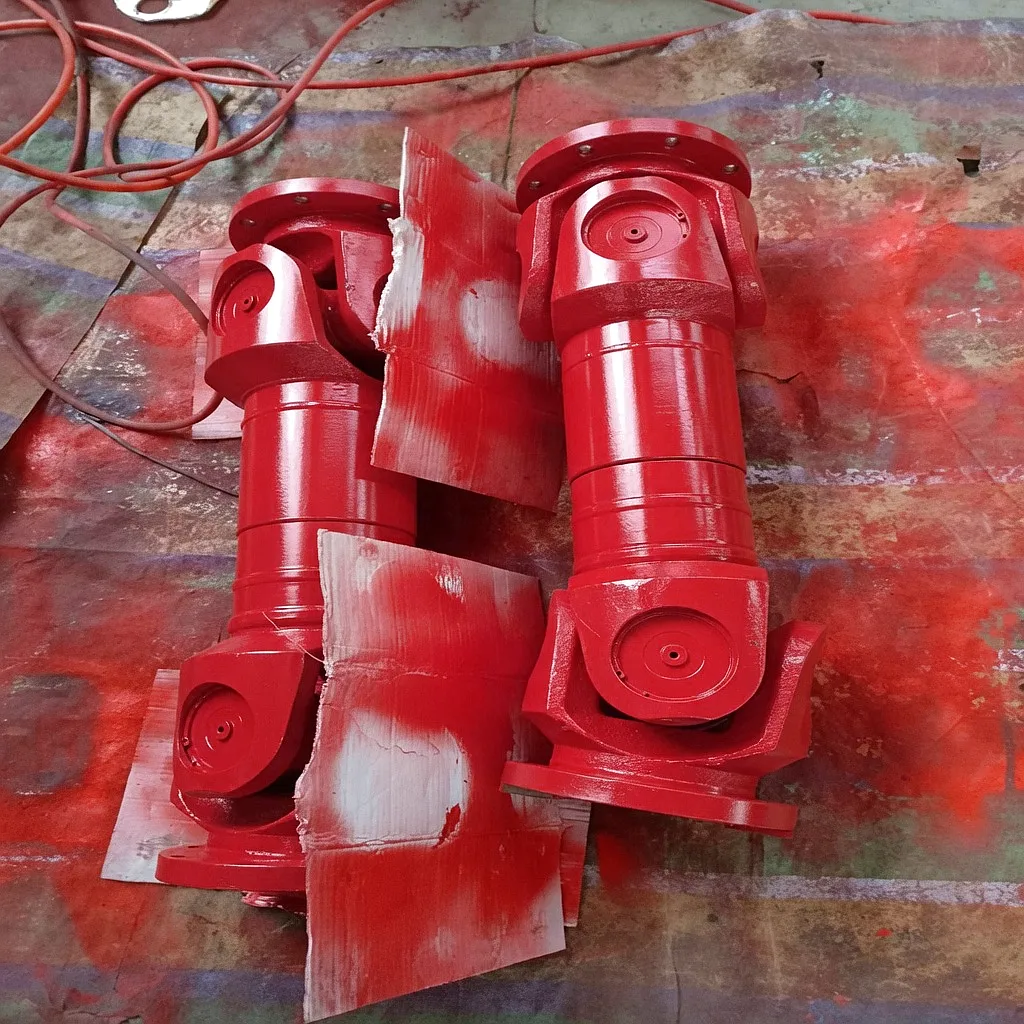 The reality of port equipment maintenance is that no two terminal fleets are identical. OEM modifications, non-standard spacer frames, retrofit hydraulic layouts, and locally fabricated mounting adaptors mean that an off-the-shelf shaft is often the wrong shaft. Ever Power’s manufacturing operation addresses this directly through a genuine made-to-order customisation capability — not a catalogue-plus-adapter approach, but a full design-and-manufacture service starting from a dimensional exchange and load specification.
The facility operates under ISO 9001:2015 quality management with a dedicated marine-sector production cell. CNC turning centres hold ±0.01 mm on all critical bearing seats. The in-house heat treatment facility handles all alloy steel normalising, quench-and-temper, and induction hardening operations under process-controlled conditions with full batch traceability. Every shaft undergoes magnetic particle inspection (MPI) for surface-breaking defects and ultrasonic testing (UT) of the tube section before leaving the factory. Torque rating certification is issued with each unit.
UK Port Coverage & Active Supply Locations
EP-Port Series shafts are currently supplied to, or technically specified for, the following UK container and RoRo terminal operations. UK-held stock for standard models; custom orders from 2-week lead time.
| Port / Terminal | Location | Primary Equipment | Shaft Series | Stock Status |
|---|---|---|---|---|
| Port of Felixstowe | Suffolk, England | Auto straddle carriers, AGVs | EP-Port 900 / 1200 | ● In Stock |
| Port of Southampton | Hampshire, England | Straddle carriers, RoRo tractors | EP-Port 900 / 1200 | ● In Stock |
| London Gateway & Tilbury | Essex / Thames, England | AGVs, terminal tractors | EP-Port 600 / 900 | ● In Stock |
| Port of Liverpool | Merseyside, England | Straddle carriers, STS cranes | EP-Port 1200 / Custom | ⚬ 2-wk lead |
| Grimsby & Immingham | Lincolnshire, England | RoRo tractors, bulk AGVs | EP-Port 600 / 900 | ● In Stock |
| Port of Bristol (Avonmouth) | Bristol, England | Terminal tractors, RoRo | EP-Port 600 / 900 | ⚬ 2-wk lead |
| Port of Grangemouth | Falkirk, Scotland | Container handling, AGVs | EP-Port 900 / 1200 | ⚬ 3-wk lead |
| Port of Dover | Kent, England | High-cycle RoRo, shore-link | EP-Port 600 / 900 | ● In Stock |
Questions UK Terminal Engineers Actually Ask
Voice-search ready · Conversational long-tail · FAQPage schema marked up
Speak to an Application Engineer About Your Fleet
UK stock. 24-hour quoting. Custom torque ratings from 100 to 50,000 Nm. IP69K marine protection as standard.
Get Your Quote — [email protected]
Response guaranteed within 24 business hours · ISO 9001:2015 certified · FEA documentation included with all custom orders























