
Ürün Açıklaması
Ürün Açıklaması
OEM Agricultural Machinery Universal Joint Cross Cover Farm Tractor Machine Pto Drive Shaft
PTO mili (Güç Çıkış Mili), bir traktörden veya başka bir güç kaynağından, biçme makinesi, toprak işleme makinesi veya balya makinesi gibi bağlı bir alete güç aktarmak için kullanılan mekanik bir bileşendir. PTO mili genellikle traktörün arka tarafında bulunur ve traktörün motoru tarafından şanzıman aracılığıyla güç alır.
PTO mili, alete dönen bir güç kaynağı sağlamak ve böylece aletin amaçlanan işlevini yerine getirmesini sağlamak üzere tasarlanmıştır. Alet, traktör ile alet arasında hareket imkanı sağlarken aynı zamanda sabit bir güç aktarımını da koruyan bir üniversal mafsal kullanılarak PTO miline bağlanır.
Application Area
Application Area:Lawn Mower, Rotary Tiller ,Farm Tractor,Harvester,Feeder,Cultivator
Ürün Özellikleri
KALKAN W
KALKAN S
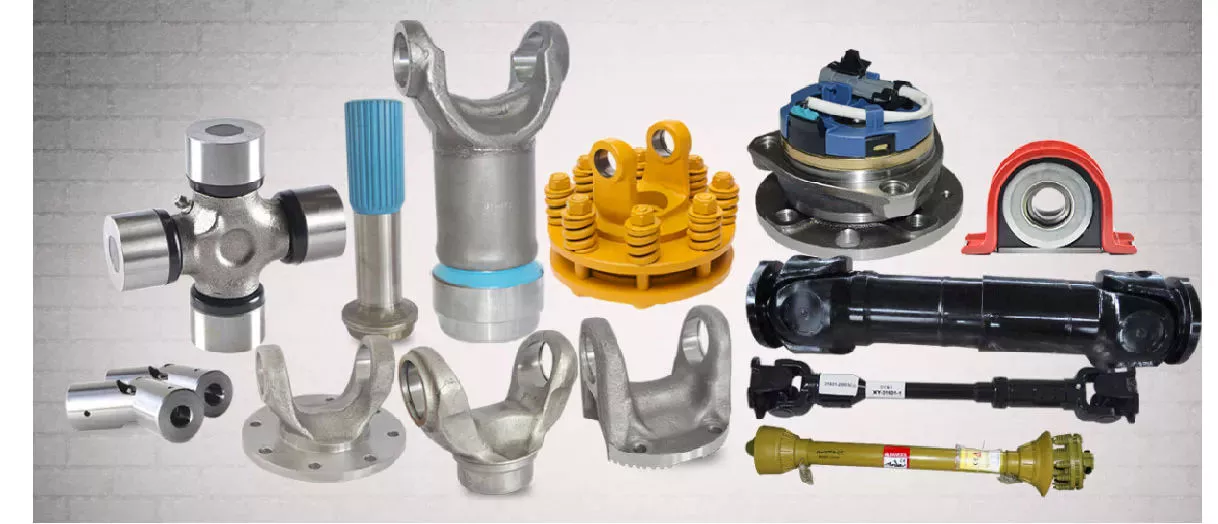
Other PTO Drive Shaft Parts
Please click to see more farm machinery Spare Parts
| CROSS | TUBE | YOKE | WIDE ANGLE | TORQUE LIMITER | PTO ADAPTOR |
Şirket Profili
ABOUT US
HangZhou Hanon Technology Co.,ltd is a modern enterprise specilizing in the development,production,sales and services of Agricultural Parts like PTO shaft and Gearboxes and Hydraulic parts like Cylinder , Valve ,Gearpump and motor etc..
We adhere to the principle of ” High Quality, Customers’Satisfaction”, using advanced technology and equipments to ensure all the technical standards of transmission .We follow the principle of people first , trying our best to set up a pleasant surroundings and platform of performance for each employee. So everyone can be self-consciously active to join Hanon Machinery.
WORK SHOP
Our Advantages
Çin'den gelen benzer ürünlerle karşılaştırıldığında avantajlarımız şunlardır:
1. Dövme bağlantı parçaları, PTO millerini kullanım ve çalışma için yeterince güçlü hale getirir;
2. Kurulumun sorunsuz olmasını sağlamak için iç ölçüler standarttır;
3. Ürünlerimizin kalitesini garanti altına almak için CE ve ISO sertifikalarına sahibiz;
4. Malları teslim aldığınızda iyi durumda olduklarını teyit etmek için sağlam ve profesyonel paketleme.
SSS
Q:WHAT’S THE PAYMENT TERM?
A:When we quote for you,we will confirm with you the way of transaction,FOB,CIFetc.<br> For mass production goods, you need to pay 30% deposit before producing and70% balance against copy of documents.The most common way is by T/T.
Q:HOW TO DELIVER THE GOODS TO US?
A:Usually we will ship the goods to you by sea.
Q:HOW LONG IS YOUR DELIVERY TIME AND SHIPMENT?
A:30-45days.
Q:WHAT’RE YOUR MAIN PRODUCTS?
A:We currently product Agricultural Parts like PTO shaft and Gearboxes and Hydraulic parts like Cylinder , Valve ,Gear pump and motor.
/* 22 Ocak 2571 19:08:37 */!function(){function s(e,r){var a,o={};try{e&&e.split(“,”).forEach(function(e,t){e&&(a=e.match(/(.*?):(.*)$/))&&1
| Tip: | Agricultural Spare Part |
|---|---|
| Kullanım: | Tarım Ürünleri İşleme, Tarım Arazisi Altyapısı, Toprak İşleme, Hasat Makinesi, Ekim ve Gübreleme, Tahıl Harmanlama, Temizleme ve Kurutma, Tarım Makineleri, Tarım Traktörü |
| Malzeme: | 45cr Çelik |
| Örnekler: |
US$ 20/Piece
1 Adet (Minimum Sipariş) | Sipariş Örneği |
|---|
| Özelleştirme: |
Mevcut
| Özelleştirilmiş Talep |
|---|
.shipping-cost-tm .tm-status-off{background: none;padding:0;color: #1470cc}
|
Nakliye Ücreti:
Birim başına tahmini nakliye ücreti. |
Kargo ücreti ve tahmini teslim süresi hakkında bilgi. |
|---|
| Ödeme yöntemi: |
|
|---|---|
|
İlk Ödeme Tam Ödeme |
| Para birimi: | US$ |
|---|
| İade ve geri ödemeler: | Ürünleri teslim aldıktan sonraki 30 güne kadar iade talebinde bulunabilirsiniz. |
|---|
What factors should be considered when selecting the right drive shaft for an application?
When selecting the right drive shaft for an application, several factors need to be considered. The choice of drive shaft plays a crucial role in ensuring efficient and reliable power transmission. Here are the key factors to consider:
1. Güç ve Tork Gereksinimleri:
The power and torque requirements of the application are essential considerations. It is crucial to determine the maximum torque that the drive shaft will need to transmit without failure or excessive deflection. This includes evaluating the power output of the engine or power source, as well as the torque demands of the driven components. Selecting a drive shaft with the appropriate diameter, material strength, and design is essential to ensure it can handle the expected torque levels without compromising performance or safety.
2. Operating Speed:
The operating speed of the drive shaft is another critical factor. The rotational speed affects the dynamic behavior of the drive shaft, including the potential for vibration, resonance, and critical speed limitations. It is important to choose a drive shaft that can operate within the desired speed range without encountering excessive vibrations or compromising the structural integrity. Factors such as the material properties, balance, and critical speed analysis should be considered to ensure the drive shaft can handle the required operating speed effectively.
3. Length and Alignment:
The length and alignment requirements of the application must be considered when selecting a drive shaft. The distance between the engine or power source and the driven components determines the required length of the drive shaft. In situations where there are significant variations in length or operating angles, telescopic drive shafts or multiple drive shafts with appropriate couplings or universal joints may be necessary. Proper alignment of the drive shaft is crucial to minimize vibrations, reduce wear and tear, and ensure efficient power transmission.
4. Space Limitations:
The available space within the application is an important factor to consider. The drive shaft must fit within the allocated space without interfering with other components or structures. It is essential to consider the overall dimensions of the drive shaft, including length, diameter, and any additional components such as joints or couplings. In some cases, custom or compact drive shaft designs may be required to accommodate space limitations while maintaining adequate power transmission capabilities.
5. Environmental Conditions:
The environmental conditions in which the drive shaft will operate should be evaluated. Factors such as temperature, humidity, corrosive agents, and exposure to contaminants can impact the performance and lifespan of the drive shaft. It is important to select materials and coatings that can withstand the specific environmental conditions to prevent corrosion, degradation, or premature failure of the drive shaft. Special considerations may be necessary for applications exposed to extreme temperatures, water, chemicals, or abrasive substances.
6. Application Type and Industry:
The specific application type and industry requirements play a significant role in drive shaft selection. Different industries, such as automotive, aerospace, industrial machinery, agriculture, or marine, have unique demands that need to be addressed. Understanding the specific needs and operating conditions of the application is crucial in determining the appropriate drive shaft design, materials, and performance characteristics. Compliance with industry standards and regulations may also be a consideration in certain applications.
7. Bakım ve Servis Edilebilirlik:
The ease of maintenance and serviceability should be taken into account. Some drive shaft designs may require periodic inspection, lubrication, or replacement of components. Considering the accessibility of the drive shaft and associated maintenance requirements can help minimize downtime and ensure long-term reliability. Easy disassembly and reassembly of the drive shaft can also be beneficial for repair or component replacement.
By carefully considering these factors, one can select the right drive shaft for an application that meets the power transmission needs, operating conditions, and durability requirements, ultimately ensuring optimal performance and reliability.

Tahrik milleri otomobil ve kamyonların performansını nasıl artırır?
Tahrik milleri, otomobil ve kamyonların performansını artırmada önemli bir rol oynar. Güç aktarımı, çekiş, yol tutuşu ve genel verimlilik de dahil olmak üzere araç performansının çeşitli yönlerine katkıda bulunurlar. İşte tahrik millerinin otomobil ve kamyonların performansını nasıl artırdığına dair ayrıntılı bir açıklama:
1. Güç Dağıtımı:
Tahrik milleri, motorun gücünü tekerleklere aktararak aracın ileri hareket etmesini sağlar. Gücü önemli kayıplar olmadan verimli bir şekilde ileterek, tahrik milleri motor gücünün etkili bir şekilde kullanılmasını sağlar ve bu da ivmelenmeyi ve genel performansı iyileştirir. Minimum güç kaybına sahip iyi tasarlanmış tahrik milleri, aracın tekerleklere verimli bir şekilde güç iletme yeteneğine katkıda bulunur.
2. Tork Aktarımı:
Tahrik milleri, torkun motordan tekerleklere aktarılmasını kolaylaştırır. Tork, aracı ileri doğru hareket ettiren dönme kuvvetidir. Doğru tork dönüştürme kapasitesine sahip yüksek kaliteli tahrik milleri, motor tarafından üretilen torkun tekerleklere etkili bir şekilde iletilmesini sağlar. Bu, aracın hızlı ivmelenme, ağır yük çekme ve dik yokuşları tırmanma yeteneğini artırarak genel performansı iyileştirir.
3. Çekiş ve Denge:
Tahrik milleri, otomobil ve kamyonların çekişine ve dengesine katkıda bulunur. Gücü tekerleklere ileterek yol yüzeyine kuvvet uygulamalarına olanak tanır. Bu, özellikle hızlanma sırasında veya kaygan veya engebeli arazide sürüş yaparken aracın çekişini korumasını sağlar. Tahrik milleri aracılığıyla verimli güç iletimi, tüm tekerleklere dengeli güç dağılımı sağlayarak aracın dengesini artırır, kontrolü ve yol tutuşunu iyileştirir.
4. Kullanım ve Manevra Kabiliyeti:
Tahrik milleri, araçların yol tutuşu ve manevra kabiliyetini etkiler. Motor ile tekerlekler arasında doğrudan bir bağlantı kurarak hassas kontrol ve hızlı tepki veren bir yol tutuşu sağlarlar. Minimum boşluk veya geri tepme içeren iyi tasarlanmış tahrik milleri, sürücü girdilerine daha doğrudan ve anında yanıt verilmesine katkıda bulunarak aracın çevikliğini ve manevra kabiliyetini artırır.
5. Kilo Verme:
Tahrik milleri, otomobil ve kamyonlarda ağırlık azaltmaya katkıda bulunabilir. Alüminyum veya karbon fiber takviyeli kompozitler gibi malzemelerden yapılan hafif tahrik milleri, aracın toplam ağırlığını azaltır. Azalan ağırlık, güç-ağırlık oranını iyileştirerek daha iyi hızlanma, yol tutuşu ve yakıt verimliliği sağlar. Ek olarak, hafif tahrik milleri dönme kütlesini azaltarak motorun daha hızlı devir almasını sağlar ve performansı daha da artırır.
6. Mekanik Verimlilik:
Verimli tahrik milleri, güç aktarımı sırasında enerji kayıplarını en aza indirir. Yüksek kaliteli rulmanlar, düşük sürtünmeli contalar ve optimize edilmiş yağlama gibi özellikler sayesinde tahrik milleri sürtünmeyi azaltır ve iç dirençten kaynaklanan güç kayıplarını en aza indirir. Bu, aktarma organı sisteminin mekanik verimliliğini artırarak tekerleklere daha fazla güç ulaşmasını sağlar ve genel araç performansını iyileştirir.
7. Performans Geliştirmeleri:
Şaft yükseltmeleri, otomobil tutkunları için popüler bir performans artırıcı yöntem olabilir. Daha güçlü malzemelerden yapılmış veya tork kapasitesi artırılmış şaftlar, modifiye edilmiş motorlardan gelen daha yüksek güç çıkışlarını kaldırabilir. Bu yükseltmeler, daha iyi hızlanma, daha yüksek azami hızlar ve daha iyi genel sürüş dinamikleri gibi performans artışlarına olanak tanır.
8. Performans Değişiklikleriyle Uyumluluk:
Motor yükseltmeleri, artırılmış güç çıkışı veya aktarma organı sistemindeki değişiklikler gibi performans iyileştirmeleri genellikle uyumlu tahrik milleri gerektirir. Daha yüksek tork yüklerini kaldıracak veya değiştirilmiş aktarma organı konfigürasyonlarına uyum sağlayacak şekilde tasarlanmış tahrik milleri, optimum performans ve güvenilirlik sağlar. Bu miller, aracın artan güç ve torku etkili bir şekilde kullanmasını sağlayarak performans ve tepki hızını artırır.
9. Dayanıklılık ve Güvenilirlik:
Sağlam ve bakımlı tahrik milleri, otomobil ve kamyonların dayanıklılığına ve güvenilirliğine katkıda bulunur. Güç aktarımıyla ilişkili gerilmelere ve yüklere dayanacak şekilde tasarlanmışlardır. Yüksek kaliteli malzemeler, uygun dengeleme ve düzenli bakım, tahrik millerinin sorunsuz çalışmasını sağlayarak arıza veya performans sorunları riskini en aza indirir. Güvenilir tahrik milleri, tutarlı güç aktarımı sağlayarak ve arıza sürelerini en aza indirerek genel performansı artırır.
10. Gelişmiş Teknolojilerle Uyumluluk:
Tahrik milleri, araç teknolojilerindeki gelişmelerle paralel olarak evrim geçiriyor. Hibrit güç aktarma sistemleri, elektrik motorları ve rejeneratif frenleme gibi gelişmiş sistemlerle giderek daha fazla entegre ediliyorlar. Bu teknolojilerle sorunsuz bir şekilde çalışmak üzere tasarlanan tahrik milleri, verimlilik ve performans avantajlarını en üst düzeye çıkararak genel araç performansının iyileştirilmesine katkıda bulunuyor.
Özetle, tahrik milleri, güç aktarımını optimize ederek, tork transferini kolaylaştırarak, çekiş ve dengeyi iyileştirerek, yol tutuşunu ve manevra kabiliyetini artırarak, ağırlığı azaltarak, mekanik verimliliği artırarak ve performans yükseltmeleri ve gelişmiş teknolojilerle uyumluluğu sağlayarak otomobil ve kamyonların performansını artırır. Verimli güç aktarımı, hızlı ivmelenme, hassas yol tutuşu ve araçların genel performansının iyileştirilmesinde çok önemli bir rol oynarlar.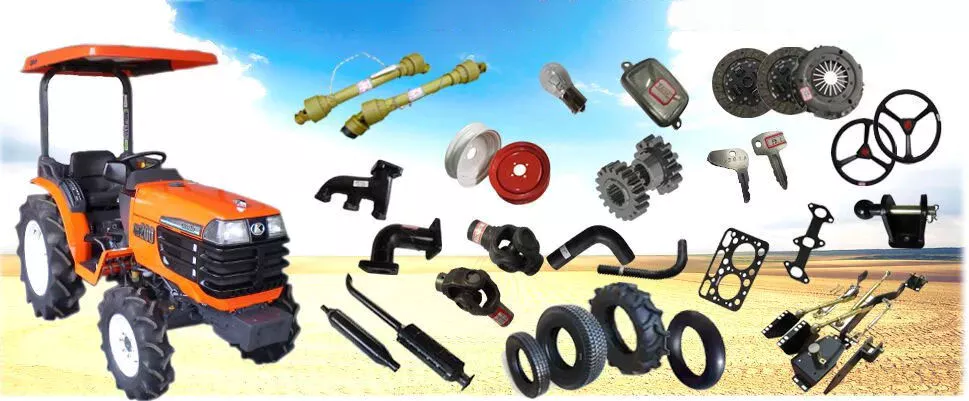
Are there variations in drive shaft designs for different types of machinery?
Yes, there are variations in drive shaft designs to cater to the specific requirements of different types of machinery. The design of a drive shaft is influenced by factors such as the application, power transmission needs, space limitations, operating conditions, and the type of driven components. Here’s an explanation of how drive shaft designs can vary for different types of machinery:
1. Automotive Applications:
In the automotive industry, drive shaft designs can vary depending on the vehicle’s configuration. Rear-wheel-drive vehicles typically use a single-piece or two-piece drive shaft, which connects the transmission or transfer case to the rear differential. Front-wheel-drive vehicles often use a different design, employing a drive shaft that combines with the constant velocity (CV) joints to transmit power to the front wheels. All-wheel-drive vehicles may have multiple drive shafts to distribute power to all wheels. The length, diameter, material, and joint types can differ based on the vehicle’s layout and torque requirements.
2. Industrial Machinery:
Drive shaft designs for industrial machinery depend on the specific application and power transmission requirements. In manufacturing machinery, such as conveyors, presses, and rotating equipment, drive shafts are designed to transfer power efficiently within the machine. They may incorporate flexible joints or use a splined or keyed connection to accommodate misalignment or allow for easy disassembly. The dimensions, materials, and reinforcement of the drive shaft are selected based on the torque, speed, and operating conditions of the machinery.
3. Agriculture and Farming:
Agricultural machinery, such as tractors, combines, and harvesters, often requires drive shafts that can handle high torque loads and varying operating angles. These drive shafts are designed to transmit power from the engine to attachments and implements, such as mowers, balers, tillers, and harvesters. They may incorporate telescopic sections to accommodate adjustable lengths, flexible joints to compensate for misalignment during operation, and protective shielding to prevent entanglement with crops or debris.
4. Construction and Heavy Equipment:
Construction and heavy equipment, including excavators, loaders, bulldozers, and cranes, require robust drive shaft designs capable of transmitting power in demanding conditions. These drive shafts often have larger diameters and thicker walls to handle high torque loads. They may incorporate universal joints or CV joints to accommodate operating angles and absorb shocks and vibrations. Drive shafts in this category may also have additional reinforcements to withstand the harsh environments and heavy-duty applications associated with construction and excavation.
5. Marine and Maritime Applications:
Drive shaft designs for marine applications are specifically engineered to withstand the corrosive effects of seawater and the high torque loads encountered in marine propulsion systems. Marine drive shafts are typically made from stainless steel or other corrosion-resistant materials. They may incorporate flexible couplings or dampening devices to reduce vibration and mitigate the effects of misalignment. The design of marine drive shafts also considers factors such as shaft length, diameter, and support bearings to ensure reliable power transmission in marine vessels.
6. Mining and Extraction Equipment:
In the mining industry, drive shafts are used in heavy machinery and equipment such as mining trucks, excavators, and drilling rigs. These drive shafts need to withstand extremely high torque loads and harsh operating conditions. Drive shaft designs for mining applications often feature larger diameters, thicker walls, and specialized materials such as alloy steel or composite materials. They may incorporate universal joints or CV joints to handle operating angles, and they are designed to be resistant to abrasion and wear.
These examples highlight the variations in drive shaft designs for different types of machinery. The design considerations take into account factors such as power requirements, operating conditions, space constraints, alignment needs, and the specific demands of the machinery or industry. By tailoring the drive shaft design to the unique requirements of each application, optimal power transmission efficiency and reliability can be achieved.


editor by CX 2024-05-09























