
Ürün Açıklaması
Premium Agricultural Machinery Transmission, Driveline, Pto Shaft
| Product No | PTO Mili |
| Use For | Agricultual Machinery |
| OEM | Acceptable |
| Tube Types for PTO Shaft | Triangle,Lemon.Star |
| Universal Joint | Series1-8 |
| Colors of PTO Shaft | Base on Customer’s requirement |
| PTO Shaft Series | Series1-8 |
| Yoke Tipi | Available Options |
| Equipment End Connection Way | CV,Clutch,Yoke |
| Garanti | 1 Year |
Ürün Özellikleri
Detaylı Fotoğraflar
Şirket Profili
HangZhou Rongwang Industry and Trade Co., Ltd. was established in 2007. The company develops and produces gearboxes, transmission shafts, and related accessories for various types of lawn mowers, rotary tillers, excavators, and other agricultural machinery. The products are sold to various countries in Europe and America. The company currently has processing and testing equipment such as machining centers, CNC machine tools, and coordinate measuring instruments, and has a strong research and development team, as well as complete after-sales support services.
The company is committed to meeting and surpassing customer needs with a rigorous work style, providing high-performance and high-quality products. We warmly welcome domestic and foreign enterprises to come and discuss cooperation. The company is willing to take on a new look and constantly innovate. Sincere and enthusiastic service, as always, close communication and cooperation with colleagues at home and abroad, working hand in hand to create brilliance.
Applicatio
Corporate Purpose
The company always adheres to the business philosophy of “integrity, excellence, innovation, and progress” , striving for survival with quality and development with technology.The employees of Rongwang Industry and Trade have many years of experience in mechanical processing and manufacturing, while also absorbing advanced technology and processes from both domestic and foreign countries.And has passed ISO9001 quality system certification certification.
Rongwang Enterprise Purpose: To create excellent enterprises with excellent products, discounted prices, and excellent services.
Vision:Power the industry, Transmit the world.Rongwang Machinery aims to be the leader in the power transmission industry.Mission: To provide trustworthy and affordable products for our customers.”Trustworthy”means high quality and safe products.We are trying to offer lower cost products without sacrificing quality.
/* 22 Ocak 2571 19:08:37 */!function(){function s(e,r){var a,o={};try{e&&e.split(“,”).forEach(function(e,t){e&&(a=e.match(/(.*?):(.*)$/))&&1
| Malzeme: | Alaşımlı Çelik |
|---|---|
| Yük: | Tahrik Mili |
| Sertlik ve Esneklik: | Flexible Shaft |
| Mil Çapı Boyutsal Doğruluğu: | BT6-BT9 |
| Eksen Şekli: | Düz Şaft |
| Şaft Şekli: | Real Axis |
| Örnekler: |
US$ 20/Piece
1 Adet (Minimum Sipariş) | |
|---|
| Özelleştirme: |
Mevcut
| Özelleştirilmiş Talep |
|---|
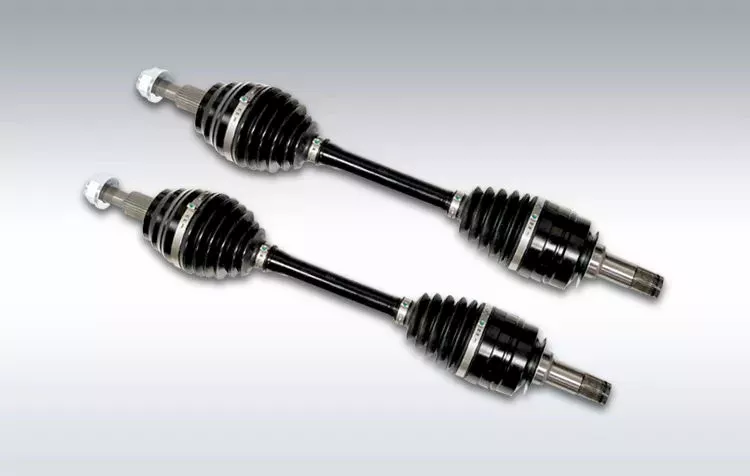
How do manufacturers ensure the compatibility of drive shafts with different equipment?
Manufacturers employ various strategies and processes to ensure the compatibility of drive shafts with different equipment. Compatibility refers to the ability of a drive shaft to effectively integrate and function within a specific piece of equipment or machinery. Manufacturers take into account several factors to ensure compatibility, including dimensional requirements, torque capacity, operating conditions, and specific application needs. Here’s a detailed explanation of how manufacturers ensure the compatibility of drive shafts:
1. Application Analysis:
Manufacturers begin by conducting a thorough analysis of the intended application and equipment requirements. This analysis involves understanding the specific torque and speed demands, operating conditions (such as temperature, vibration levels, and environmental factors), and any unique characteristics or constraints of the equipment. By gaining a comprehensive understanding of the application, manufacturers can tailor the design and specifications of the drive shaft to ensure compatibility.
2. Customization and Design:
Manufacturers often offer customization options to adapt drive shafts to different equipment. This customization involves tailoring the dimensions, materials, joint configurations, and other parameters to match the specific requirements of the equipment. By working closely with the equipment manufacturer or end-user, manufacturers can design drive shafts that align with the equipment’s mechanical interfaces, mounting points, available space, and other constraints. Customization ensures that the drive shaft fits seamlessly into the equipment, promoting compatibility and optimal performance.
3. Torque and Power Capacity:
Drive shaft manufacturers carefully determine the torque and power capacity of their products to ensure compatibility with different equipment. They consider factors such as the maximum torque requirements of the equipment, the expected operating conditions, and the safety margins necessary to withstand transient loads. By engineering drive shafts with appropriate torque ratings and power capacities, manufacturers ensure that the shaft can handle the demands of the equipment without experiencing premature failure or performance issues.
4. Material Selection:
Manufacturers choose materials for drive shafts based on the specific needs of different equipment. Factors such as torque capacity, operating temperature, corrosion resistance, and weight requirements influence material selection. Drive shafts may be made from various materials, including steel, aluminum alloys, or specialized composites, to provide the necessary strength, durability, and performance characteristics. The selected materials ensure compatibility with the equipment’s operating conditions, load requirements, and other environmental factors.
5. Joint Configurations:
Drive shafts incorporate joint configurations, such as universal joints (U-joints) or constant velocity (CV) joints, to accommodate different equipment needs. Manufacturers select and design the appropriate joint configuration based on factors such as operating angles, misalignment tolerances, and the desired level of smooth power transmission. The choice of joint configuration ensures that the drive shaft can effectively transmit power and accommodate the range of motion required by the equipment, promoting compatibility and reliable operation.
6. Quality Control and Testing:
Manufacturers implement stringent quality control processes and testing procedures to verify the compatibility of drive shafts with different equipment. These processes involve conducting dimensional inspections, material testing, torque and stress analysis, and performance testing under simulated operating conditions. By subjecting drive shafts to rigorous quality control measures, manufacturers can ensure that they meet the required specifications and performance criteria, guaranteeing compatibility with the intended equipment.
7. Compliance with Standards:
Manufacturers ensure that their drive shafts comply with relevant industry standards and regulations. Compliance with standards, such as ISO (International Organization for Standardization) or specific industry standards, provides assurance of quality, safety, and compatibility. Adhering to these standards helps manufacturers meet the expectations and requirements of equipment manufacturers and end-users, ensuring that the drive shafts are compatible and can be seamlessly integrated into different equipment.
8. Collaboration and Feedback:
Manufacturers often collaborate closely with equipment manufacturers, OEMs (Original Equipment Manufacturers), or end-users to gather feedback and incorporate their specific requirements into the drive shaft design and manufacturing processes. This collaborative approach ensures that the drive shafts are compatible with the intended equipment and meet the expectations of the end-users. By actively seeking input and feedback, manufacturers can continuously improve their products’ compatibility and performance.
In summary, manufacturers ensure the compatibility of drive shafts with different equipment through a combination of application analysis, customization, torque and power capacity considerations, material selection, joint configurations, quality control and testing, compliance with standards, and collaboration with equipment manufacturers and end-users. These efforts enable manufacturers to design and produce drive shafts that seamlessly integrate with various equipment, ensuring optimal performance, reliability, and compatibility in different applications.
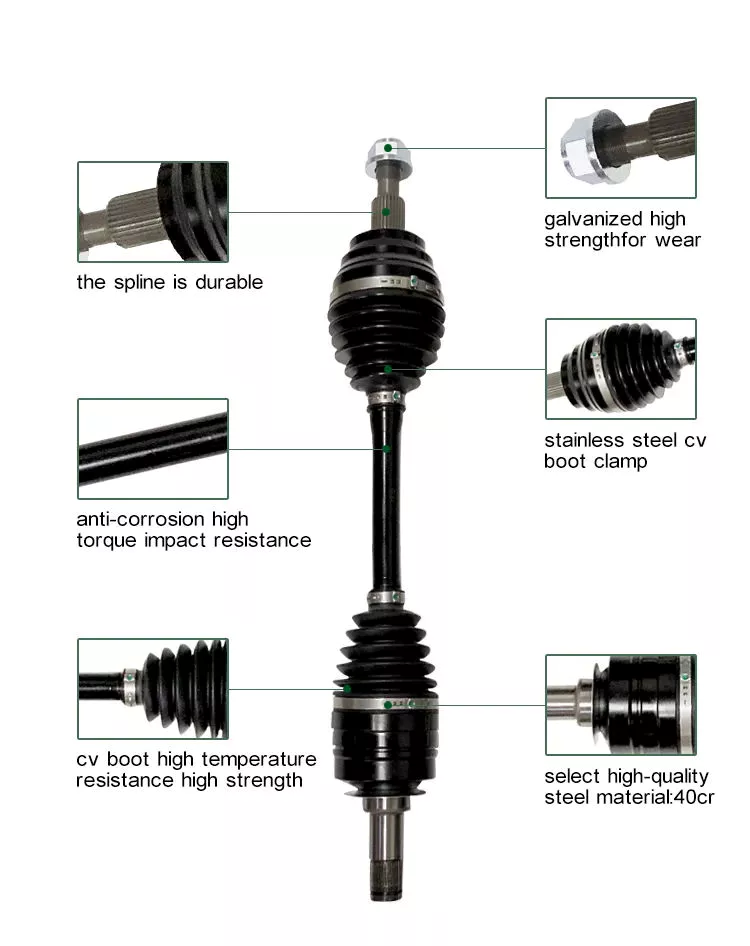
Tahrik milleri otomobil ve kamyonların performansını nasıl artırır?
Tahrik milleri, otomobil ve kamyonların performansını artırmada önemli bir rol oynar. Güç aktarımı, çekiş, yol tutuşu ve genel verimlilik de dahil olmak üzere araç performansının çeşitli yönlerine katkıda bulunurlar. İşte tahrik millerinin otomobil ve kamyonların performansını nasıl artırdığına dair ayrıntılı bir açıklama:
1. Güç Dağıtımı:
Tahrik milleri, motorun gücünü tekerleklere aktararak aracın ileri hareket etmesini sağlar. Gücü önemli kayıplar olmadan verimli bir şekilde ileterek, tahrik milleri motor gücünün etkili bir şekilde kullanılmasını sağlar ve bu da ivmelenmeyi ve genel performansı iyileştirir. Minimum güç kaybına sahip iyi tasarlanmış tahrik milleri, aracın tekerleklere verimli bir şekilde güç iletme yeteneğine katkıda bulunur.
2. Tork Aktarımı:
Tahrik milleri, torkun motordan tekerleklere aktarılmasını kolaylaştırır. Tork, aracı ileri doğru hareket ettiren dönme kuvvetidir. Doğru tork dönüştürme kapasitesine sahip yüksek kaliteli tahrik milleri, motor tarafından üretilen torkun tekerleklere etkili bir şekilde iletilmesini sağlar. Bu, aracın hızlı ivmelenme, ağır yük çekme ve dik yokuşları tırmanma yeteneğini artırarak genel performansı iyileştirir.
3. Çekiş ve Denge:
Tahrik milleri, otomobil ve kamyonların çekişine ve dengesine katkıda bulunur. Gücü tekerleklere ileterek yol yüzeyine kuvvet uygulamalarına olanak tanır. Bu, özellikle hızlanma sırasında veya kaygan veya engebeli arazide sürüş yaparken aracın çekişini korumasını sağlar. Tahrik milleri aracılığıyla verimli güç iletimi, tüm tekerleklere dengeli güç dağılımı sağlayarak aracın dengesini artırır, kontrolü ve yol tutuşunu iyileştirir.
4. Kullanım ve Manevra Kabiliyeti:
Tahrik milleri, araçların yol tutuşu ve manevra kabiliyetini etkiler. Motor ile tekerlekler arasında doğrudan bir bağlantı kurarak hassas kontrol ve hızlı tepki veren bir yol tutuşu sağlarlar. Minimum boşluk veya geri tepme içeren iyi tasarlanmış tahrik milleri, sürücü girdilerine daha doğrudan ve anında yanıt verilmesine katkıda bulunarak aracın çevikliğini ve manevra kabiliyetini artırır.
5. Kilo Verme:
Tahrik milleri, otomobil ve kamyonlarda ağırlık azaltmaya katkıda bulunabilir. Alüminyum veya karbon fiber takviyeli kompozitler gibi malzemelerden yapılan hafif tahrik milleri, aracın toplam ağırlığını azaltır. Azalan ağırlık, güç-ağırlık oranını iyileştirerek daha iyi hızlanma, yol tutuşu ve yakıt verimliliği sağlar. Ek olarak, hafif tahrik milleri dönme kütlesini azaltarak motorun daha hızlı devir almasını sağlar ve performansı daha da artırır.
6. Mekanik Verimlilik:
Verimli tahrik milleri, güç aktarımı sırasında enerji kayıplarını en aza indirir. Yüksek kaliteli rulmanlar, düşük sürtünmeli contalar ve optimize edilmiş yağlama gibi özellikler sayesinde tahrik milleri sürtünmeyi azaltır ve iç dirençten kaynaklanan güç kayıplarını en aza indirir. Bu, aktarma organı sisteminin mekanik verimliliğini artırarak tekerleklere daha fazla güç ulaşmasını sağlar ve genel araç performansını iyileştirir.
7. Performans Geliştirmeleri:
Şaft yükseltmeleri, otomobil tutkunları için popüler bir performans artırıcı yöntem olabilir. Daha güçlü malzemelerden yapılmış veya tork kapasitesi artırılmış şaftlar, modifiye edilmiş motorlardan gelen daha yüksek güç çıkışlarını kaldırabilir. Bu yükseltmeler, daha iyi hızlanma, daha yüksek azami hızlar ve daha iyi genel sürüş dinamikleri gibi performans artışlarına olanak tanır.
8. Performans Değişiklikleriyle Uyumluluk:
Motor yükseltmeleri, artırılmış güç çıkışı veya aktarma organı sistemindeki değişiklikler gibi performans iyileştirmeleri genellikle uyumlu tahrik milleri gerektirir. Daha yüksek tork yüklerini kaldıracak veya değiştirilmiş aktarma organı konfigürasyonlarına uyum sağlayacak şekilde tasarlanmış tahrik milleri, optimum performans ve güvenilirlik sağlar. Bu miller, aracın artan güç ve torku etkili bir şekilde kullanmasını sağlayarak performans ve tepki hızını artırır.
9. Dayanıklılık ve Güvenilirlik:
Sağlam ve bakımlı tahrik milleri, otomobil ve kamyonların dayanıklılığına ve güvenilirliğine katkıda bulunur. Güç aktarımıyla ilişkili gerilmelere ve yüklere dayanacak şekilde tasarlanmışlardır. Yüksek kaliteli malzemeler, uygun dengeleme ve düzenli bakım, tahrik millerinin sorunsuz çalışmasını sağlayarak arıza veya performans sorunları riskini en aza indirir. Güvenilir tahrik milleri, tutarlı güç aktarımı sağlayarak ve arıza sürelerini en aza indirerek genel performansı artırır.
10. Gelişmiş Teknolojilerle Uyumluluk:
Tahrik milleri, araç teknolojilerindeki gelişmelerle paralel olarak evrim geçiriyor. Hibrit güç aktarma sistemleri, elektrik motorları ve rejeneratif frenleme gibi gelişmiş sistemlerle giderek daha fazla entegre ediliyorlar. Bu teknolojilerle sorunsuz bir şekilde çalışmak üzere tasarlanan tahrik milleri, verimlilik ve performans avantajlarını en üst düzeye çıkararak genel araç performansının iyileştirilmesine katkıda bulunuyor.
Özetle, tahrik milleri, güç aktarımını optimize ederek, tork transferini kolaylaştırarak, çekiş ve dengeyi iyileştirerek, yol tutuşunu ve manevra kabiliyetini artırarak, ağırlığı azaltarak, mekanik verimliliği artırarak ve performans yükseltmeleri ve gelişmiş teknolojilerle uyumluluğu sağlayarak otomobil ve kamyonların performansını artırır. Verimli güç aktarımı, hızlı ivmelenme, hassas yol tutuşu ve araçların genel performansının iyileştirilmesinde çok önemli bir rol oynarlar.
What benefits do drive shafts offer for different types of vehicles and equipment?
Drive shafts offer several benefits for different types of vehicles and equipment. They play a crucial role in power transmission and contribute to the overall performance, efficiency, and functionality of various systems. Here’s a detailed explanation of the benefits that drive shafts provide:
1. Efficient Power Transmission:
Drive shafts enable efficient power transmission from the engine or power source to the wheels or driven components. By connecting the engine or motor to the driven system, drive shafts efficiently transfer rotational power, allowing vehicles and equipment to perform their intended functions. This efficient power transmission ensures that the power generated by the engine is effectively utilized, optimizing the overall performance and productivity of the system.
2. Çok yönlülük:
Drive shafts offer versatility in their applications. They are used in various types of vehicles, including cars, trucks, motorcycles, and off-road vehicles. Additionally, drive shafts are employed in a wide range of equipment and machinery, such as agricultural machinery, construction equipment, industrial machinery, and marine vessels. The ability to adapt to different types of vehicles and equipment makes drive shafts a versatile component for power transmission.
3. Torque Handling:
Drive shafts are designed to handle high levels of torque. Torque is the rotational force generated by the engine or power source. Drive shafts are engineered to efficiently transmit this torque without excessive twisting or bending. By effectively handling torque, drive shafts ensure that the power generated by the engine is reliably transferred to the wheels or driven components, enabling vehicles and equipment to overcome resistance, such as heavy loads or challenging terrains.
4. Flexibility and Compensation:
Drive shafts provide flexibility and compensation for angular movement and misalignment. In vehicles, drive shafts accommodate the movement of the suspension system, allowing the wheels to move up and down independently. This flexibility ensures a constant power transfer even when the vehicle encounters uneven terrain. Similarly, in machinery, drive shafts compensate for misalignment between the engine or motor and the driven components, ensuring smooth power transmission and preventing excessive stress on the drivetrain.
5. Kilo Verme:
Drive shafts contribute to weight reduction in vehicles and equipment. Compared to other forms of power transmission, such as belt drives or chain drives, drive shafts are typically lighter in weight. This reduction in weight helps improve fuel efficiency in vehicles and reduces the overall weight of equipment, leading to enhanced maneuverability and increased payload capacity. Additionally, lighter drive shafts contribute to a better power-to-weight ratio, resulting in improved performance and acceleration.
6. Durability and Longevity:
Drive shafts are designed to be durable and long-lasting. They are constructed using materials such as steel or aluminum, which offer high strength and resistance to wear and fatigue. Drive shafts undergo rigorous testing and quality control measures to ensure their reliability and longevity. Proper maintenance, including lubrication and regular inspections, further enhances their durability. The robust construction and long lifespan of drive shafts contribute to the overall reliability and cost-effectiveness of vehicles and equipment.
7. Safety:
Drive shafts incorporate safety features to protect operators and bystanders. In vehicles, drive shafts are often enclosed within a protective tube or housing, preventing contact with moving parts and reducing the risk of injury in the event of a failure. Similarly, in machinery, safety shields or guards are commonly installed around exposed drive shafts to minimize the potential hazards associated with rotating components. These safety measures ensure the well-being of individuals operating or working in proximity to vehicles and equipment.
In summary, drive shafts offer several benefits for different types of vehicles and equipment. They enable efficient power transmission, provide versatility in various applications, handle torque effectively, offer flexibility and compensation, contribute to weight reduction, ensure durability and longevity, and incorporate safety features. By providing these advantages, drive shafts enhance the performance, efficiency, reliability, and safety of vehicles and equipment across a wide range of industries.


editor by CX 2024-05-08























