
Ürün Açıklaması
Precision Shaft by CNC Turning Machining
Avantajımız:
*Specialization in CNC formulations of high precision and quality
*Independent quality control department
*Control plan and process flow sheet for each batch
*Quality control in all whole production
*Meeting demands even for very small quantities or single units
*Short delivery times
*Online orders and production progress monitoring
*Excellent price-quality ratio
*Absolute confidentiality
*Various materials (stainless steel, iron, brass, aluminum, titanium, special steels, industrial plastics)
*Manufacturing of complex components of 1 – 1000mm.
Production machine:
Inspection equipment :
Sertifika:
/* 22 Ocak 2571 19:08:37 */!function(){function s(e,r){var a,o={};try{e&&e.split(“,”).forEach(function(e,t){e&&(a=e.match(/(.*?):(.*)$/))&&1
| Malzeme: | Carbon Steel |
|---|---|
| Yük: | Tahrik Mili |
| Sertlik ve Esneklik: | Sertlik / Rijit Aks |
| Mil Çapı Boyutsal Doğruluğu: | IT01-IT5 |
| Eksen Şekli: | Düz Şaft |
| Şaft Şekli: | Real Axis |
| Özelleştirme: |
Mevcut
| Özelleştirilmiş Talep |
|---|
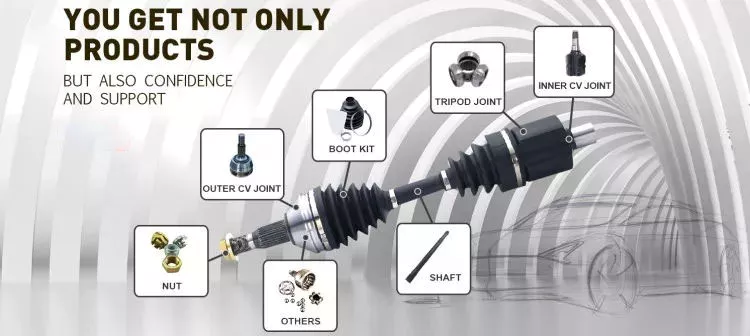
Tahrik milleri, dengeyi korurken verimli güç aktarımını nasıl sağlar?
Tahrik milleri, dengeyi korurken verimli güç aktarımını sağlamak için çeşitli mekanizmalar kullanır. Verimli güç aktarımı, tahrik milinin dönme gücünü kaynaktan (örneğin bir motor) tahrik edilen bileşenlere (örneğin tekerlekler veya makineler) minimum enerji kaybıyla iletme yeteneğini ifade eder. Dengeleme ise titreşimleri en aza indirmeyi ve çalışma sırasında bozulmalara neden olabilecek dengesiz kütle dağılımını ortadan kaldırmayı içerir. İşte tahrik millerinin hem verimli güç aktarımını hem de dengeyi nasıl sağladığına dair bir açıklama:
1. Malzeme Seçimi:
Tahrik millerinin malzeme seçimi, dengeyi korumak ve verimli güç aktarımını sağlamak için çok önemlidir. Tahrik milleri genellikle mukavemet, sertlik ve dayanıklılıkları nedeniyle seçilen çelik veya alüminyum alaşımları gibi malzemelerden yapılır. Bu malzemeler mükemmel boyutsal kararlılığa sahiptir ve çalışma sırasında karşılaşılan tork yüklerine dayanabilirler. Yüksek kaliteli malzemeler kullanılarak, tahrik milleri, güç aktarımını tehlikeye atabilecek ve titreşimlere neden olabilecek deformasyonu, bükülmeyi ve dengesizlikleri en aza indirebilir.
2. Tasarım Hususları:
Tahrik milinin tasarımı, hem güç aktarım verimliliği hem de denge açısından önemli bir rol oynar. Tahrik milleri, aşırı sapma veya titreşim olmadan beklenen tork yüklerini karşılayabilmek için çap ve duvar kalınlığı da dahil olmak üzere uygun boyutlara sahip olacak şekilde tasarlanır. Tasarım ayrıca tahrik milinin uzunluğu, mafsal sayısı ve türü (üniversal mafsallar veya sabit hız mafsalları gibi) ve denge ağırlıklarının kullanımı gibi faktörleri de dikkate alır. Üreticiler, tahrik milini dikkatlice tasarlayarak, dengesizlikten kaynaklanan titreşim potansiyelini en aza indirirken optimum güç aktarım verimliliğine ulaşabilirler.
3. Dengeleme Teknikleri:
Tahrik milleri için denge çok önemlidir; çünkü herhangi bir dengesizlik titreşimlere, gürültüye ve hızlandırılmış aşınmaya neden olabilir. Dengeyi korumak için, tahrik milleri üretim sürecinde çeşitli dengeleme tekniklerinden geçer. Tahrik mili boyunca kütle dağılımının düzgün olmasını sağlamak için statik ve dinamik dengeleme yöntemleri kullanılır. Statik dengeleme, ağırlık dengesizliklerini gidermek için belirli noktalara karşı ağırlıklar eklemeyi içerir. Dinamik dengeleme, tahrik milini yüksek hızlarda döndürerek ve titreşimleri ölçerek gerçekleştirilir. Dengesizlikler tespit edilirse, dengeli bir duruma ulaşmak için ek ayarlamalar yapılır. Bu dengeleme teknikleri, titreşimleri en aza indirmeye ve tahrik milinin sorunsuz çalışmasını sağlamaya yardımcı olur.
4. Üniversal Mafsallar ve Sabit Hız Mafsalları:
Tahrik milleri, hizalama hatalarını gidermek ve çalışma sırasında dengeyi korumak için genellikle üniversal mafsallar (U-mafsallar) veya sabit hız (CV) mafsalları içerir. Ü-mafsallar, miller arasında açısal harekete izin veren esnek mafsallardır. Genellikle tahrik milinin değişen açılarda çalıştığı uygulamalarda kullanılırlar. CV mafsalları ise sabit bir dönüş hızını korumak için tasarlanmıştır ve genellikle önden çekişli araçlarda kullanılır. Bu mafsalların dahil edilmesiyle, tahrik milleri hizalama hatalarını telafi edebilir, mil üzerindeki stresi azaltabilir ve güç aktarım verimliliğini ve dengeyi olumsuz etkileyebilecek titreşimleri en aza indirebilir.
5. Bakım ve Kontrol:
Tahrik millerinin düzenli bakımı ve muayenesi, verimli güç aktarımı ve dengenin sağlanması için çok önemlidir. Aşınma, hasar veya hizalama bozukluğu için periyodik kontroller, tahrik milinin performansını etkileyebilecek sorunların belirlenmesine yardımcı olabilir. Bağlantı noktalarının yağlanması ve bağlantı elemanlarının doğru şekilde sıkılması da optimum çalışma için kritik öneme sahiptir. Önerilen bakım prosedürlerine uyularak, herhangi bir dengesizlik veya verimsizlik derhal giderilebilir ve böylece verimli güç aktarımı ve dengenin devamlılığı sağlanabilir.
Özetle, tahrik milleri, dikkatli malzeme seçimi, özenli tasarım hususları, dengeleme teknikleri ve esnek bağlantıların entegrasyonu yoluyla dengeyi korurken verimli güç aktarımını sağlar. Bu faktörleri optimize ederek, tahrik milleri dönme gücünü sorunsuz ve güvenilir bir şekilde iletebilir, performansı ve ömrü etkileyebilecek enerji kayıplarını ve titreşimleri en aza indirebilir.

What safety precautions should be followed when working with drive shafts?
Working with drive shafts requires adherence to specific safety precautions to prevent accidents, injuries, and damage to equipment. Drive shafts are critical components of a vehicle or machinery’s driveline system and can pose hazards if not handled properly. Here’s a detailed explanation of the safety precautions that should be followed when working with drive shafts:
1. Personal Protective Equipment (PPE):
Always wear appropriate personal protective equipment when working with drive shafts. This may include safety goggles, gloves, steel-toed boots, and protective clothing. PPE helps protect against potential injuries from flying debris, sharp edges, or accidental contact with moving parts.
2. Lockout/Tagout Procedures:
Before working on a drive shaft, ensure that the power source is properly locked out and tagged out. This involves isolating the power supply, such as shutting off the engine or disconnecting the electrical power, and securing it with a lockout/tagout device. This prevents accidental engagement of the drive shaft while maintenance or repair work is being performed.
3. Vehicle or Equipment Support:
When working with drive shafts in vehicles or equipment, use proper support mechanisms to prevent unexpected movement. Securely block the vehicle’s wheels or utilize support stands to prevent the vehicle from rolling or shifting during drive shaft removal or installation. This helps maintain stability and reduces the risk of accidents.
4. Proper Lifting Techniques:
When handling heavy drive shafts, use proper lifting techniques to prevent strain or injuries. Lift with the help of a suitable lifting device, such as a hoist or jack, and ensure that the load is evenly distributed and securely attached. Avoid lifting heavy drive shafts manually or with improper lifting equipment, as this can lead to accidents and injuries.
5. Inspection and Maintenance:
Prior to working on a drive shaft, thoroughly inspect it for any signs of damage, wear, or misalignment. If any abnormalities are detected, consult a qualified technician or engineer before proceeding. Regular maintenance is also essential to ensure the drive shaft is in good working condition. Follow the manufacturer’s recommended maintenance schedule and procedures to minimize the risk of failures or malfunctions.
6. Proper Tools and Equipment:
Use appropriate tools and equipment specifically designed for working with drive shafts. Improper tools or makeshift solutions can lead to accidents or damage to the drive shaft. Ensure that tools are in good condition, properly sized, and suitable for the task at hand. Follow the manufacturer’s instructions and guidelines when using specialized tools or equipment.
7. Controlled Release of Stored Energy:
Some drive shafts, particularly those with torsional dampers or other energy-storing components, can store energy even when the power source is disconnected. Exercise caution when working on such drive shafts and ensure that the stored energy is safely released before disassembly or removal.
8. Training and Expertise:
Work on drive shafts should only be performed by individuals with the necessary training, knowledge, and expertise. If you are not familiar with drive shafts or lack the required skills, seek assistance from qualified technicians or professionals. Improper handling or installation of drive shafts can lead to accidents, damage, or compromised performance.
9. Follow Manufacturer’s Guidelines:
Always follow the manufacturer’s guidelines, instructions, and warnings specific to the drive shaft you are working with. These guidelines provide important information regarding installation, maintenance, and safety considerations. Deviating from the manufacturer’s recommendations may result in unsafe conditions or void warranty coverage.
10. Disposal of Old or Damaged Drive Shafts:
Dispose of old or damaged drive shafts in accordance with local regulations and environmental guidelines. Improper disposal can have negative environmental impacts and may violate legal requirements. Consult with local waste management authorities or recycling centers to ensure appropriate disposal methods are followed.
By following these safety precautions, individuals can minimize the risks associated with working with drive shafts and promote a safe working environment. It is crucial to prioritize personal safety, use proper equipment and techniques, and seek professional help when needed to ensure the proper handling and maintenance of drive shafts.

Can you explain the different types of drive shafts and their specific applications?
Drive shafts come in various types, each designed to suit specific applications and requirements. The choice of drive shaft depends on factors such as the type of vehicle or equipment, power transmission needs, space limitations, and operating conditions. Here’s an explanation of the different types of drive shafts and their specific applications:
1. Solid Shaft:
A solid shaft, also known as a one-piece or solid-steel drive shaft, is a single, uninterrupted shaft that runs from the engine or power source to the driven components. It is a simple and robust design used in many applications. Solid shafts are commonly found in rear-wheel-drive vehicles, where they transmit power from the transmission to the rear axle. They are also used in industrial machinery, such as pumps, generators, and conveyors, where a straight and rigid power transmission is required.
2. Tubular Shaft:
Tubular shafts, also called hollow shafts, are drive shafts with a cylindrical tube-like structure. They are constructed with a hollow core and are typically lighter than solid shafts. Tubular shafts offer benefits such as reduced weight, improved torsional stiffness, and better damping of vibrations. They find applications in various vehicles, including cars, trucks, and motorcycles, as well as in industrial equipment and machinery. Tubular drive shafts are commonly used in front-wheel-drive vehicles, where they connect the transmission to the front wheels.
3. Constant Velocity (CV) Shaft:
Constant Velocity (CV) shafts are specifically designed to handle angular movement and maintain a constant velocity between the engine/transmission and the driven components. They incorporate CV joints at both ends, which allow flexibility and compensation for changes in angle. CV shafts are commonly used in front-wheel-drive and all-wheel-drive vehicles, as well as in off-road vehicles and certain heavy machinery. The CV joints enable smooth power transmission even when the wheels are turned or the suspension moves, reducing vibrations and improving overall performance.
4. Slip Joint Shaft:
Slip joint shafts, also known as telescopic shafts, consist of two or more tubular sections that can slide in and out of each other. This design allows for length adjustment, accommodating changes in distance between the engine/transmission and the driven components. Slip joint shafts are commonly used in vehicles with long wheelbases or adjustable suspension systems, such as some trucks, buses, and recreational vehicles. By providing flexibility in length, slip joint shafts ensure a constant power transfer, even when the vehicle chassis experiences movement or changes in suspension geometry.
5. Double Cardan Shaft:
A double Cardan shaft, also referred to as a double universal joint shaft, is a type of drive shaft that incorporates two universal joints. This configuration helps to reduce vibrations and minimize the operating angles of the joints, resulting in smoother power transmission. Double Cardan shafts are commonly used in heavy-duty applications, such as trucks, off-road vehicles, and agricultural machinery. They are particularly suitable for applications with high torque requirements and large operating angles, providing enhanced durability and performance.
6. Composite Shaft:
Composite shafts are made from composite materials such as carbon fiber or fiberglass, offering advantages such as reduced weight, improved strength, and resistance to corrosion. Composite drive shafts are increasingly being used in high-performance vehicles, sports cars, and racing applications, where weight reduction and enhanced power-to-weight ratio are critical. The composite construction allows for precise tuning of stiffness and damping characteristics, resulting in improved vehicle dynamics and drivetrain efficiency.
7. PTO Shaft:
Power Take-Off (PTO) shafts are specialized drive shafts used in agricultural machinery and certain industrial equipment. They are designed to transfer power from the engine or power source to various attachments, such as mowers, balers, or pumps. PTO shafts typically have a splined connection at one end to connect to the power source and a universal joint at the other end to accommodate angular movement. They are characterized by their ability to transmit high torque levels and their compatibility with a range of driven implements.
8. Marine Shaft:
Marine shafts, also known as propeller shafts or tail shafts, are specifically designed for marine vessels. They transmit power from the engine to the propeller, enabling propulsion. Marine shafts are usually long and operate in a harsh environment, exposed to water, corrosion, and high torque loads. They are typically made of stainless steel or other corrosion-resistant materials and are designed to withstand the challenging conditions encountered in marine applications.
It’simportant to note that the specific applications of drive shafts may vary depending on the vehicle or equipment manufacturer, as well as the specific design and engineering requirements. The examples provided above highlight common applications for each type of drive shaft, but there may be additional variations and specialized designs based on specific industry needs and technological advancements.


editor by CX 2024-04-24























