
Ürün Açıklaması
Tractor Pto Driveshaft Driveline Factory Hollow Spline Cardan Adapter Universal Joint Yoke Flexible Front Prop Rear CV Axle Propeller Automobile Drive Shaft
Ürün Açıklaması
Agricultural truck universal joint steering
PTO Shaft
| Function of PTO Shaft | Tahrik Mili Parçaları ve Güç Aktarımı |
| Usage of PTO Shaft | Traktör ve Tarım Aletleri Çeşitleri |
| Yoke Types for PTO Shaft | Double push pin, Bolt pins, Split pins, Pushpin, Quick release, Ball attachment, Collar….. |
| Boyunduruğun İşlenmesi | Dövme |
| PTO Shaft Plastic Cover | YW; BW; YS; BS; Etc |
| Colors of PTO Shaft | Green; Orange; Yellow; Black Ect. |
| PTO Shaft Series | T1-T10; L1-L6; S6-S10; 10HP-150HP (SA, RA, SB, SFF, WA, CV vb. ile) |
| Tube Types for PTO Shaft | Lemon, Triangular, Star, Square, Hexangular, Spline, Special Ect |
| Tüpün İşlenmesi | Soğuk çekme |
| Spline Types for PTO Shaft | 1 1/8″ Z6;1 3/8″ Z6; 1 3/8″ Z21 ;1 3/4″ Z20; 1 3/4″ Z6; 8-38*32*6 8-42*36*7; 8-48*42*8; |
We also sell accessories for the pto shaft, including :
Yoke: CV socket yoke, CV weld yoke, flange yoke, end yoke, weld yoke, slip yoke
CV center housing, tube, spline, CV socket flange, u-joint, dust cap
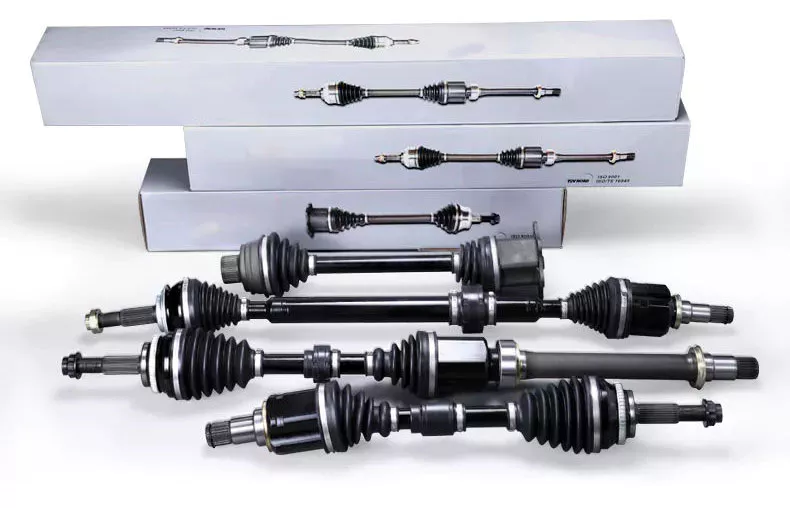
Light vehicle drive line
Our products can be used for transmission shafts of the following brands
Toyota, Mitsubishi, Nissan, Isu zu, Suzuki, Dafa, Honda, Hyundai, Mazda, Fiat, Re nault, Kia, Dacia, Ford. Dodge, Land Rover, Peu geot, Volkswagen Audi, BMW Benz Volvo, Russian models
Gear shaft
Şirket Profili
Related Products
Başvuru:
Company information:
/* 22 Ocak 2571 19:08:37 */!function(){function s(e,r){var a,o={};try{e&&e.split(“,”).forEach(function(e,t){e&&(a=e.match(/(.*?):(.*)$/))&&1
| Malzeme: | Carbon Steel |
|---|---|
| Yük: | Tahrik Mili |
| Sertlik ve Esneklik: | Sertlik / Rijit Aks |
| Mil Çapı Boyutsal Doğruluğu: | BT6-BT9 |
| Eksen Şekli: | Düz Şaft |
| Şaft Şekli: | Real Axis |
| Örnekler: |
US$ 38/Piece
1 Adet (Minimum Sipariş) | |
|---|
Tahrik millerinin ömrünü uzatmak için hangi bakım uygulamaları çok önemlidir?
Tahrik millerinin ömrünü uzatmak ve optimum performanslarını sağlamak için çeşitli bakım uygulamaları çok önemlidir. Düzenli bakım, potansiyel sorunların büyümeden önce belirlenmesine ve giderilmesine yardımcı olur, aşınmayı azaltır ve tahrik milinin sorunsuz ve verimli çalışmasını sağlar. İşte tahrik millerinin ömrünü uzatmak için bazı temel bakım uygulamaları:
1. Düzenli Denetim:
Düzenli kontroller, aşınma, hasar veya hizalama bozukluğu belirtilerini tespit etmek için hayati önem taşır. Tahrik milini görsel olarak inceleyin; milin kendisinde ve mafsallar, bağlantı parçaları ve kamalar gibi ilgili bileşenlerinde çatlak, ezik veya aşırı aşınma belirtileri olup olmadığını kontrol edin. Yağlama sızıntısı veya kirlenme belirtileri olup olmadığını kontrol edin. Ayrıca, bağlantı elemanlarının ve montaj noktalarının sağlam olduğundan emin olmak için kontrol edin. Herhangi bir sorunun erken tespiti, zamanında onarım veya değiştirme yapılmasını sağlayarak tahrik miline daha fazla zarar verilmesini önler.
2. Yağlama:
Tahrik millerinin sorunsuz çalışması ve uzun ömürlü olması için uygun yağlama şarttır. Üniversal mafsallar veya sabit hız mafsalları gibi bağlantı noktalarını üretici tarafından önerildiği şekilde yağlayın. Yağlama sürtünmeyi azaltır, aşınmayı en aza indirir ve çalışma sırasında oluşan ısının dağılmasına yardımcı olur. Sıcaklık, yük ve çalışma koşulları gibi faktörleri göz önünde bulundurarak, belirli tahrik mili ve uygulama için belirtilen uygun yağlayıcıyı kullanın. Optimum performans sağlamak ve erken arızayı önlemek için yağlama seviyelerini düzenli olarak kontrol edin ve gerektiğinde tamamlayın.
3. Dengeleme ve Hizalama:
Tahrik millerinin ömrü için doğru dengeleme ve hizalama çok önemlidir. Dengesizlikler veya yanlış hizalamalar titreşimlere, hızlandırılmış aşınmaya ve potansiyel arızaya yol açabilir. Çalışma sırasında titreşimler veya olağandışı sesler tespit edilirse, bunlara derhal müdahale etmek önemlidir. Tahrik mili boyunca eşit ağırlık dağılımını sağlamak için dinamik dengeleme de dahil olmak üzere gerektiğinde dengeleme işlemlerini gerçekleştirin. Ayrıca, tahrik milinin motor veya güç kaynağı ve tahrik edilen bileşenlerle doğru şekilde hizalandığını doğrulayın. Yanlış hizalama, tahrik milinde aşırı gerilime neden olarak erken arızaya yol açabilir.
4. Koruyucu Kaplamalar:
Koruyucu kaplamalar uygulamak, özellikle zorlu ortamlara veya aşındırıcı maddelere maruz kalan uygulamalarda, tahrik millerinin ömrünü uzatmaya yardımcı olabilir. Tahrik milinin korozyona, pasa ve kimyasal hasara karşı direncini artırmak için çinko kaplama, toz boya veya özel korozyona dayanıklı kaplamalar gibi kaplamalar kullanmayı düşünün. Kaplamayı düzenli olarak herhangi bir bozulma veya hasar belirtisi açısından inceleyin ve koruyucu bariyeri korumak için gerektiğinde yeniden uygulayın veya onarın.
5. Tork ve Bağlantı Elemanı Kontrolleri:
Tahrik milinin cıvata, somun veya kelepçe gibi bağlantı elemanlarının, üreticinin spesifikasyonlarına göre doğru torkta sıkıldığından ve sabitlendiğinden emin olun. Gevşek veya yanlış sıkılmış bağlantı elemanları, aşırı titreşimlere, hizalama bozukluğuna veya hatta tahrik milinin yerinden çıkmasına neden olabilir. Bağlantı elemanlarını periyodik olarak kontrol edin ve önerildiği gibi veya herhangi bir bakım veya onarım işleminden sonra yeniden sıkın. Ayrıca, çalışma sırasında tork seviyelerinin belirtilen aralıkta kalmasını sağlamak için tork seviyelerini izleyin, çünkü aşırı tork tahrik milini zorlayabilir ve erken arızaya yol açabilir.
6. Çevre Koruma:
Tahrik milini çevresel faktörlerden korumak, ömrünü önemli ölçüde uzatabilir. Aşırı sıcaklıklara, neme, kimyasallara veya aşındırıcı maddelere maruz kalan uygulamalarda, tahrik milini korumak için uygun önlemler alınmalıdır. Bu, kirleticilerin içeri girmesini ve hasara neden olmasını önlemek için koruyucu kapaklar, contalar veya koruyucular kullanmayı içerebilir. Özellikle kirli veya aşındırıcı ortamlarda, tahrik milinin düzenli olarak temizlenmesi, performansını ve ömrünü tehlikeye atabilecek kalıntıları gidermeye ve birikmeyi önlemeye de yardımcı olabilir.
7. Üretici Yönergeleri:
Tahrik mili modeline ve uygulamasına özgü bakım uygulamaları için üreticinin yönergelerini ve önerilerini izleyin. Üreticinin talimatları, incelemeler, yağlama, balans ayarı veya diğer bakım işlemleri için belirli aralıklar içerebilir. Bu yönergelere uyulması, tahrik milinin düzgün bir şekilde bakımının ve servisinin yapılmasını sağlayarak ömrünü uzatır ve beklenmedik arıza riskini en aza indirir.
Bu bakım uygulamalarının hayata geçirilmesiyle, tahrik milleri güvenilir bir şekilde çalışabilir, verimli güç aktarımını sürdürebilir ve daha uzun bir kullanım ömrüne sahip olabilir; bu da nihayetinde arıza sürelerini azaltır ve çeşitli uygulamalarda optimum performansı sağlar.

What safety precautions should be followed when working with drive shafts?
Working with drive shafts requires adherence to specific safety precautions to prevent accidents, injuries, and damage to equipment. Drive shafts are critical components of a vehicle or machinery’s driveline system and can pose hazards if not handled properly. Here’s a detailed explanation of the safety precautions that should be followed when working with drive shafts:
1. Personal Protective Equipment (PPE):
Always wear appropriate personal protective equipment when working with drive shafts. This may include safety goggles, gloves, steel-toed boots, and protective clothing. PPE helps protect against potential injuries from flying debris, sharp edges, or accidental contact with moving parts.
2. Lockout/Tagout Procedures:
Before working on a drive shaft, ensure that the power source is properly locked out and tagged out. This involves isolating the power supply, such as shutting off the engine or disconnecting the electrical power, and securing it with a lockout/tagout device. This prevents accidental engagement of the drive shaft while maintenance or repair work is being performed.
3. Vehicle or Equipment Support:
When working with drive shafts in vehicles or equipment, use proper support mechanisms to prevent unexpected movement. Securely block the vehicle’s wheels or utilize support stands to prevent the vehicle from rolling or shifting during drive shaft removal or installation. This helps maintain stability and reduces the risk of accidents.
4. Proper Lifting Techniques:
When handling heavy drive shafts, use proper lifting techniques to prevent strain or injuries. Lift with the help of a suitable lifting device, such as a hoist or jack, and ensure that the load is evenly distributed and securely attached. Avoid lifting heavy drive shafts manually or with improper lifting equipment, as this can lead to accidents and injuries.
5. Inspection and Maintenance:
Prior to working on a drive shaft, thoroughly inspect it for any signs of damage, wear, or misalignment. If any abnormalities are detected, consult a qualified technician or engineer before proceeding. Regular maintenance is also essential to ensure the drive shaft is in good working condition. Follow the manufacturer’s recommended maintenance schedule and procedures to minimize the risk of failures or malfunctions.
6. Proper Tools and Equipment:
Use appropriate tools and equipment specifically designed for working with drive shafts. Improper tools or makeshift solutions can lead to accidents or damage to the drive shaft. Ensure that tools are in good condition, properly sized, and suitable for the task at hand. Follow the manufacturer’s instructions and guidelines when using specialized tools or equipment.
7. Controlled Release of Stored Energy:
Some drive shafts, particularly those with torsional dampers or other energy-storing components, can store energy even when the power source is disconnected. Exercise caution when working on such drive shafts and ensure that the stored energy is safely released before disassembly or removal.
8. Training and Expertise:
Work on drive shafts should only be performed by individuals with the necessary training, knowledge, and expertise. If you are not familiar with drive shafts or lack the required skills, seek assistance from qualified technicians or professionals. Improper handling or installation of drive shafts can lead to accidents, damage, or compromised performance.
9. Follow Manufacturer’s Guidelines:
Always follow the manufacturer’s guidelines, instructions, and warnings specific to the drive shaft you are working with. These guidelines provide important information regarding installation, maintenance, and safety considerations. Deviating from the manufacturer’s recommendations may result in unsafe conditions or void warranty coverage.
10. Disposal of Old or Damaged Drive Shafts:
Dispose of old or damaged drive shafts in accordance with local regulations and environmental guidelines. Improper disposal can have negative environmental impacts and may violate legal requirements. Consult with local waste management authorities or recycling centers to ensure appropriate disposal methods are followed.
By following these safety precautions, individuals can minimize the risks associated with working with drive shafts and promote a safe working environment. It is crucial to prioritize personal safety, use proper equipment and techniques, and seek professional help when needed to ensure the proper handling and maintenance of drive shafts.
Are there variations in drive shaft designs for different types of machinery?
Yes, there are variations in drive shaft designs to cater to the specific requirements of different types of machinery. The design of a drive shaft is influenced by factors such as the application, power transmission needs, space limitations, operating conditions, and the type of driven components. Here’s an explanation of how drive shaft designs can vary for different types of machinery:
1. Automotive Applications:
In the automotive industry, drive shaft designs can vary depending on the vehicle’s configuration. Rear-wheel-drive vehicles typically use a single-piece or two-piece drive shaft, which connects the transmission or transfer case to the rear differential. Front-wheel-drive vehicles often use a different design, employing a drive shaft that combines with the constant velocity (CV) joints to transmit power to the front wheels. All-wheel-drive vehicles may have multiple drive shafts to distribute power to all wheels. The length, diameter, material, and joint types can differ based on the vehicle’s layout and torque requirements.
2. Industrial Machinery:
Drive shaft designs for industrial machinery depend on the specific application and power transmission requirements. In manufacturing machinery, such as conveyors, presses, and rotating equipment, drive shafts are designed to transfer power efficiently within the machine. They may incorporate flexible joints or use a splined or keyed connection to accommodate misalignment or allow for easy disassembly. The dimensions, materials, and reinforcement of the drive shaft are selected based on the torque, speed, and operating conditions of the machinery.
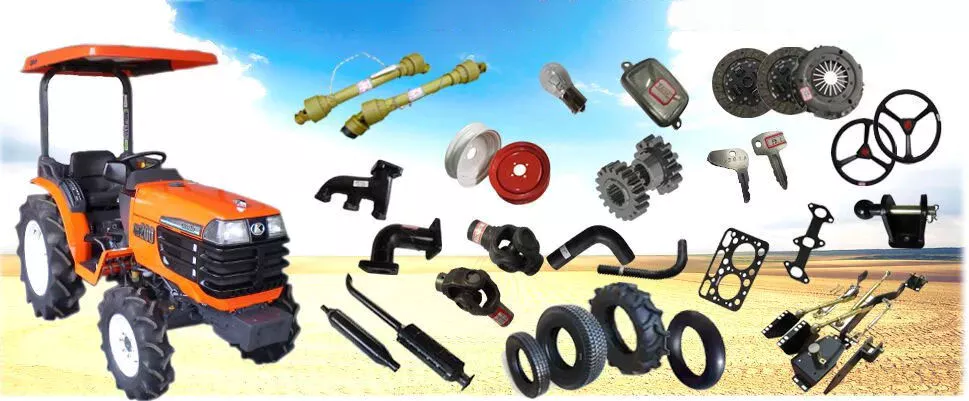
3. Agriculture and Farming:
Agricultural machinery, such as tractors, combines, and harvesters, often requires drive shafts that can handle high torque loads and varying operating angles. These drive shafts are designed to transmit power from the engine to attachments and implements, such as mowers, balers, tillers, and harvesters. They may incorporate telescopic sections to accommodate adjustable lengths, flexible joints to compensate for misalignment during operation, and protective shielding to prevent entanglement with crops or debris.
4. Construction and Heavy Equipment:
Construction and heavy equipment, including excavators, loaders, bulldozers, and cranes, require robust drive shaft designs capable of transmitting power in demanding conditions. These drive shafts often have larger diameters and thicker walls to handle high torque loads. They may incorporate universal joints or CV joints to accommodate operating angles and absorb shocks and vibrations. Drive shafts in this category may also have additional reinforcements to withstand the harsh environments and heavy-duty applications associated with construction and excavation.
5. Marine and Maritime Applications:
Drive shaft designs for marine applications are specifically engineered to withstand the corrosive effects of seawater and the high torque loads encountered in marine propulsion systems. Marine drive shafts are typically made from stainless steel or other corrosion-resistant materials. They may incorporate flexible couplings or dampening devices to reduce vibration and mitigate the effects of misalignment. The design of marine drive shafts also considers factors such as shaft length, diameter, and support bearings to ensure reliable power transmission in marine vessels.
6. Mining and Extraction Equipment:
In the mining industry, drive shafts are used in heavy machinery and equipment such as mining trucks, excavators, and drilling rigs. These drive shafts need to withstand extremely high torque loads and harsh operating conditions. Drive shaft designs for mining applications often feature larger diameters, thicker walls, and specialized materials such as alloy steel or composite materials. They may incorporate universal joints or CV joints to handle operating angles, and they are designed to be resistant to abrasion and wear.
These examples highlight the variations in drive shaft designs for different types of machinery. The design considerations take into account factors such as power requirements, operating conditions, space constraints, alignment needs, and the specific demands of the machinery or industry. By tailoring the drive shaft design to the unique requirements of each application, optimal power transmission efficiency and reliability can be achieved.


editor by CX 2024-04-16























