
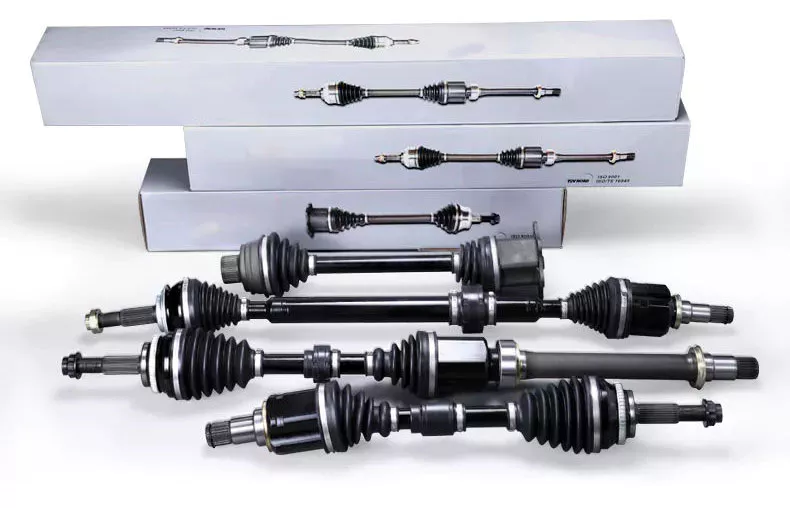
คำอธิบายผลิตภัณฑ์
Brief Introduction
Processing flow
Applications
Quality Control
Packaging & Delivery
Packaging details:Standard plywood case
Delivery detail: 15 -20 working days,depend on the actual produce condition
คำถามที่พบบ่อย
คำถามที่ 1: What is the location of your company?
A1: Our company is located in the HangZhou City ,ZheJiang ,China.Welcome to visit our factory at anytime!
Q2: How does your factory do regarding quality control?
A2: Our standard QC system to control quality.
คำถามที่ 3: What is your delivery time?
A3: Usually within 25 days after the receipt of payment.Delivery time must depend on the actual produce condition.
Q4: What are your strengths?
A4: 1.We are the manufacturer,having competitive advantage in price.
2.A large part of money is put into advancing CNC equipments and productR&D department annual,the performance of cardan shaft can be guaranteed.
3.About quality issues or follow-up after-sales service,we report directly to the boss.
4.We have the ambitions to exploring and developing the world’s cardan shaft market and we believe we can.
/* 22 มกราคม 2571 19:08:37 */!function(){function s(e,r){var a,o={};try{e&&e.split(“,”).forEach(function(e,t){e&&(a=e.match(/(.*?):(.*)$/))&&1
| วัสดุ: | เหล็กอัลลอย |
|---|---|
| กำลังโหลด: | เพลาขับ |
| ความแข็งและความยืดหยุ่น: | ความแข็ง / เพลาแข็ง |
| ความแม่นยำเชิงมิติของเส้นผ่านศูนย์กลางวารสาร: | IT6-IT9 |
| รูปร่างแกน: | เพลาตรง |
| รูปทรงของเพลา: | Hollow Axis |
| การปรับแต่ง: |
มีอยู่
| คำขอที่กำหนดเอง |
|---|
การบำรุงรักษาแบบใดบ้างที่สำคัญต่อการยืดอายุการใช้งานของเพลาขับ?
เพื่อให้เพลาขับมีอายุการใช้งานยาวนานและทำงานได้อย่างมีประสิทธิภาพสูงสุด การบำรุงรักษาหลายอย่างจึงมีความสำคัญอย่างยิ่ง การบำรุงรักษาอย่างสม่ำเสมอจะช่วยระบุและแก้ไขปัญหาที่อาจเกิดขึ้นก่อนที่จะลุกลามใหญ่โต ลดการสึกหรอ และทำให้เพลาขับทำงานได้อย่างราบรื่นและมีประสิทธิภาพ ต่อไปนี้คือแนวทางการบำรุงรักษาที่จำเป็นบางประการเพื่อยืดอายุการใช้งานของเพลาขับ:
1. การตรวจสอบเป็นประจำ:
การตรวจสอบอย่างสม่ำเสมอเป็นสิ่งสำคัญอย่างยิ่งในการตรวจจับสัญญาณการสึกหรอ ความเสียหาย หรือการเบี่ยงเบน ตรวจสอบเพลาขับด้วยสายตา มองหา รอยแตก รอยบุบ หรือสัญญาณการสึกหรอมากเกินไปบนตัวเพลาเองและส่วนประกอบที่เกี่ยวข้อง เช่น ข้อต่อ แขนยึด และร่องฟัน ตรวจสอบสัญญาณการรั่วไหลของสารหล่อลื่นหรือการปนเปื้อน นอกจากนี้ ตรวจสอบตัวยึดและจุดยึดเพื่อให้แน่ใจว่าแน่นหนา การตรวจพบปัญหาตั้งแต่เนิ่นๆ จะช่วยให้สามารถซ่อมแซมหรือเปลี่ยนชิ้นส่วนได้ทันท่วงที ป้องกันความเสียหายเพิ่มเติมต่อเพลาขับ
2. การหล่อลื่น:
การหล่อลื่นที่เหมาะสมเป็นสิ่งสำคัญอย่างยิ่งต่อการทำงานที่ราบรื่นและอายุการใช้งานที่ยาวนานของเพลาขับ ควรหล่อลื่นข้อต่อต่างๆ เช่น ข้อต่อยูนิเวอร์แซลหรือข้อต่อความเร็วคงที่ ตามคำแนะนำของผู้ผลิต การหล่อลื่นช่วยลดแรงเสียดทาน ลดการสึกหรอ และช่วยระบายความร้อนที่เกิดขึ้นระหว่างการทำงาน ควรใช้สารหล่อลื่นที่เหมาะสมตามที่ระบุไว้สำหรับเพลาขับและลักษณะการใช้งานเฉพาะ โดยพิจารณาปัจจัยต่างๆ เช่น อุณหภูมิ ภาระ และสภาวะการทำงาน ตรวจสอบระดับการหล่อลื่นอย่างสม่ำเสมอและเติมให้เต็มเมื่อจำเป็น เพื่อให้มั่นใจถึงประสิทธิภาพสูงสุดและป้องกันการชำรุดก่อนกำหนด
3. การปรับสมดุลและจัดแนวให้เหมาะสม:
การรักษาสมดุลและการจัดแนวที่ถูกต้องเป็นสิ่งสำคัญอย่างยิ่งต่ออายุการใช้งานของเพลาขับ ความไม่สมดุลหรือการจัดแนวที่ไม่ถูกต้องอาจนำไปสู่การสั่นสะเทือน การสึกหรอที่เร็วขึ้น และความเสียหายที่อาจเกิดขึ้นได้ หากตรวจพบการสั่นสะเทือนหรือเสียงผิดปกติในระหว่างการใช้งาน ควรแก้ไขปัญหาโดยเร็ว ควรทำการปรับสมดุลตามความจำเป็น รวมถึงการปรับสมดุลแบบไดนามิก เพื่อให้แน่ใจว่ามีการกระจายน้ำหนักอย่างสม่ำเสมอไปตามเพลาขับ นอกจากนี้ ควรตรวจสอบว่าเพลาขับอยู่ในแนวที่ถูกต้องกับเครื่องยนต์หรือแหล่งพลังงานและชิ้นส่วนที่ขับเคลื่อน การจัดแนวที่ไม่ถูกต้องอาจทำให้เกิดความเครียดมากเกินไปบนเพลาขับ ซึ่งนำไปสู่ความเสียหายก่อนกำหนด
4. สารเคลือบป้องกัน:
การเคลือบป้องกันสามารถช่วยยืดอายุการใช้งานของเพลาขับได้ โดยเฉพาะอย่างยิ่งในงานที่ต้องเผชิญกับสภาพแวดล้อมที่รุนแรงหรือสารกัดกร่อน ควรพิจารณาใช้การเคลือบ เช่น การชุบสังกะสี การเคลือบผง หรือการเคลือบป้องกันการกัดกร่อนแบบพิเศษ เพื่อเพิ่มความต้านทานของเพลาขับต่อการกัดกร่อน สนิม และความเสียหายจากสารเคมี ตรวจสอบการเคลือบอย่างสม่ำเสมอเพื่อหาสัญญาณของการเสื่อมสภาพหรือความเสียหาย และทำการเคลือบใหม่หรือซ่อมแซมตามความจำเป็นเพื่อรักษาเกราะป้องกันไว้
5. การตรวจสอบแรงบิดและตัวยึด:
ตรวจสอบให้แน่ใจว่าตัวยึดของเพลาขับ เช่น สลักเกลียว น็อต หรือแคลมป์ ได้รับการขันแน่นอย่างถูกต้องตามข้อกำหนดของผู้ผลิต ตัวยึดที่หลวมหรือขันไม่แน่นอาจทำให้เกิดการสั่นสะเทือนมากเกินไป การเบี่ยงเบน หรือแม้กระทั่งการหลุดของเพลาขับ ตรวจสอบและขันตัวยึดให้แน่นเป็นระยะตามคำแนะนำ หรือหลังจากขั้นตอนการบำรุงรักษาหรือการซ่อมแซมใดๆ นอกจากนี้ ให้ตรวจสอบระดับแรงบิดในระหว่างการใช้งานเพื่อให้แน่ใจว่ายังคงอยู่ในช่วงที่กำหนด เนื่องจากแรงบิดที่มากเกินไปอาจทำให้เพลาขับรับภาระมากเกินไปและนำไปสู่ความเสียหายก่อนกำหนด
6. การรักษาสิ่งแวดล้อม:
การปกป้องเพลาขับจากปัจจัยด้านสิ่งแวดล้อมสามารถยืดอายุการใช้งานได้อย่างมาก ในการใช้งานที่ต้องเผชิญกับอุณหภูมิสูง ความชื้น สารเคมี หรือสารกัดกร่อน ควรใช้มาตรการที่เหมาะสมในการปกป้องเพลาขับ ซึ่งอาจรวมถึงการใช้ฝาครอบป้องกัน ซีล หรือตัวป้องกันเพื่อป้องกันสิ่งปนเปื้อนไม่ให้เข้าไปและทำให้เกิดความเสียหาย การทำความสะอาดเพลาขับอย่างสม่ำเสมอ โดยเฉพาะในสภาพแวดล้อมที่สกปรกหรือกัดกร่อน สามารถช่วยขจัดเศษสิ่งสกปรกและป้องกันการสะสมของสิ่งสกปรกที่อาจส่งผลต่อประสิทธิภาพและอายุการใช้งานได้
7. แนวทางปฏิบัติของผู้ผลิต:
ปฏิบัติตามแนวทางและคำแนะนำของผู้ผลิตเกี่ยวกับการบำรุงรักษาที่เฉพาะเจาะจงสำหรับรุ่นและลักษณะการใช้งานของเพลาขับ คำแนะนำของผู้ผลิตอาจรวมถึงช่วงเวลาที่กำหนดสำหรับการตรวจสอบ การหล่อลื่น การปรับสมดุล หรือการบำรุงรักษาอื่นๆ การปฏิบัติตามแนวทางเหล่านี้จะช่วยให้มั่นใจได้ว่าเพลาขับได้รับการบำรุงรักษาและซ่อมแซมอย่างเหมาะสม ช่วยยืดอายุการใช้งานและลดความเสี่ยงของการเกิดความเสียหายที่ไม่คาดคิด
ด้วยการนำแนวทางการบำรุงรักษาเหล่านี้ไปใช้ เพลาขับจึงสามารถทำงานได้อย่างน่าเชื่อถือ รักษาประสิทธิภาพการส่งกำลัง และมีอายุการใช้งานที่ยาวนานขึ้น ซึ่งจะช่วยลดเวลาหยุดทำงานและรับประกันประสิทธิภาพสูงสุดในการใช้งานต่างๆ ในที่สุด

Can drive shafts be customized for specific vehicle or equipment requirements?
Yes, drive shafts can be customized to meet specific vehicle or equipment requirements. Customization allows manufacturers to tailor the design, dimensions, materials, and other parameters of the drive shaft to ensure compatibility and optimal performance within a particular vehicle or equipment. Here’s a detailed explanation of how drive shafts can be customized:
1. Dimensional Customization:
Drive shafts can be customized to match the dimensional requirements of the vehicle or equipment. This includes adjusting the overall length, diameter, and spline configuration to ensure proper fitment and clearances within the specific application. By customizing the dimensions, the drive shaft can be seamlessly integrated into the driveline system without any interference or limitations.
2. Material Selection:
The choice of materials for drive shafts can be customized based on the specific requirements of the vehicle or equipment. Different materials, such as steel alloys, aluminum alloys, or specialized composites, can be selected to optimize strength, weight, and durability. The material selection can be tailored to meet the torque, speed, and operating conditions of the application, ensuring the drive shaft’s reliability and longevity.
3. Joint Configuration:
Drive shafts can be customized with different joint configurations to accommodate specific vehicle or equipment requirements. For example, universal joints (U-joints) may be suitable for applications with lower operating angles and moderate torque demands, while constant velocity (CV) joints are often used in applications requiring higher operating angles and smoother power transmission. The choice of joint configuration depends on factors such as operating angle, torque capacity, and desired performance characteristics.
4. Torque and Power Capacity:
Customization allows drive shafts to be designed with the appropriate torque and power capacity for the specific vehicle or equipment. Manufacturers can analyze the torque requirements, operating conditions, and safety margins of the application to determine the optimal torque rating and power capacity of the drive shaft. This ensures that the drive shaft can handle the required loads without experiencing premature failure or performance issues.
5. Balancing and Vibration Control:
Drive shafts can be customized with precision balancing and vibration control measures. Imbalances in the drive shaft can lead to vibrations, increased wear, and potential driveline issues. By employing dynamic balancing techniques during the manufacturing process, manufacturers can minimize vibrations and ensure smooth operation. Additionally, vibration dampers or isolation systems can be integrated into the drive shaft design to further mitigate vibrations and enhance overall system performance.
6. Integration and Mounting Considerations:
Customization of drive shafts takes into account the integration and mounting requirements of the specific vehicle or equipment. Manufacturers work closely with the vehicle or equipment designers to ensure that the drive shaft fits seamlessly into the driveline system. This includes adapting the mounting points, interfaces, and clearances to ensure proper alignment and installation of the drive shaft within the vehicle or equipment.
7. Collaboration and Feedback:
Manufacturers often collaborate with vehicle manufacturers, OEMs (Original Equipment Manufacturers), or end-users to gather feedback and incorporate their specific requirements into the drive shaft customization process. By actively seeking input and feedback, manufacturers can address specific needs, optimize performance, and ensure compatibility with the vehicle or equipment. This collaborative approach enhances the customization process and results in drive shafts that meet the exact requirements of the application.
8. Compliance with Standards:
Customized drive shafts can be designed to comply with relevant industry standards and regulations. Compliance with standards, such as ISO (International Organization for Standardization) or specific industry standards, ensures that the customized drive shafts meet quality, safety, and performance requirements. Adhering to these standards provides assurance that the drive shafts are compatible and can be seamlessly integrated into the specific vehicle or equipment.
In summary, drive shafts can be customized to meet specific vehicle or equipment requirements through dimensional customization, material selection, joint configuration, torque and power capacity optimization, balancing and vibration control, integration and mounting considerations, collaboration with stakeholders, and compliance with industry standards. Customization allows drive shafts to be precisely tailored to the needs of the application, ensuring compatibility, reliability, and optimal performance.

How do drive shafts handle variations in length and torque requirements?
Drive shafts are designed to handle variations in length and torque requirements in order to efficiently transmit rotational power. Here’s an explanation of how drive shafts address these variations:
Length Variations:
Drive shafts are available in different lengths to accommodate varying distances between the engine or power source and the driven components. They can be custom-made or purchased in standardized lengths, depending on the specific application. In situations where the distance between the engine and the driven components is longer, multiple drive shafts with appropriate couplings or universal joints can be used to bridge the gap. These additional drive shafts effectively extend the overall length of the power transmission system.
Additionally, some drive shafts are designed with telescopic sections. These sections can be extended or retracted, allowing for adjustments in length to accommodate different vehicle configurations or dynamic movements. Telescopic drive shafts are commonly used in applications where the distance between the engine and the driven components may change, such as in certain types of trucks, buses, and off-road vehicles.
Torque Requirements:
Drive shafts are engineered to handle varying torque requirements based on the power output of the engine or power source and the demands of the driven components. The torque transmitted through the drive shaft depends on factors such as the engine power, load conditions, and the resistance encountered by the driven components.
Manufacturers consider torque requirements when selecting the appropriate materials and dimensions for drive shafts. Drive shafts are typically made from high-strength materials, such as steel or aluminum alloys, to withstand the torque loads without deformation or failure. The diameter, wall thickness, and design of the drive shaft are carefully calculated to ensure it can handle the expected torque without excessive deflection or vibration.
In applications with high torque demands, such as heavy-duty trucks, industrial machinery, or performance vehicles, drive shafts may have additional reinforcements. These reinforcements can include thicker walls, cross-sectional shapes optimized for strength, or composite materials with superior torque-handling capabilities.
Furthermore, drive shafts often incorporate flexible joints, such as universal joints or constant velocity (CV) joints. These joints allow for angular misalignment and compensate for variations in the operating angles between the engine, transmission, and driven components. They also help absorb vibrations and shocks, reducing stress on the drive shaft and enhancing its torque-handling capacity.
In summary, drive shafts handle variations in length and torque requirements through customizable lengths, telescopic sections, appropriate materials and dimensions, and the inclusion of flexible joints. By carefully considering these factors, drive shafts can efficiently and reliably transmit power while accommodating the specific needs of different applications.


editor by CX 2024-04-04























