
คำอธิบายผลิตภัณฑ์
HangZhou Xihu (West Lake) Dis. universal shafts Co.,LTD is a leading professional manufacturer of cardan shafts in China. It is located in HangZhou ,ZheJiang Province. Our company has focused on the research and development , design and manufacture with different kinds of cardan shafts for almost 15 years.
Our producted cardan shafts are widely used in domestic large steel enterprises, such as ZheJiang Baosteel, HangZhou Iron and Steel Corporation, HangZhou Steel Corp and other domestic large-scale iron and steel enterprises.Now more products are exported to Europe, North America and Southeast Asia and other regions.
Our cardan shafts can be used to resist vibration and impact in the harsh environment of steel rolling, and the service life of cardan shafts is longer. We can also customize the special connection modes of cardan shafts in accordance of customers’ requirements .High precision, flexible joints, easy installation, perfect after-sales service and so on are highlight features of our products.
1.Product specification
1, advance technology
2, high accuracy and closely structure
3, high quality, the best price and good services
4, Strictly quality control by ISO9001: 2008.
5, with R&D Dept, OEM is available
2. About our advantages
1). With 10 years experience and professional OEM / ODM
2). Advance technology and R&D Dept with rich experience
3). Delivery in time
4).Competitive and reasonable price
5). High reputation
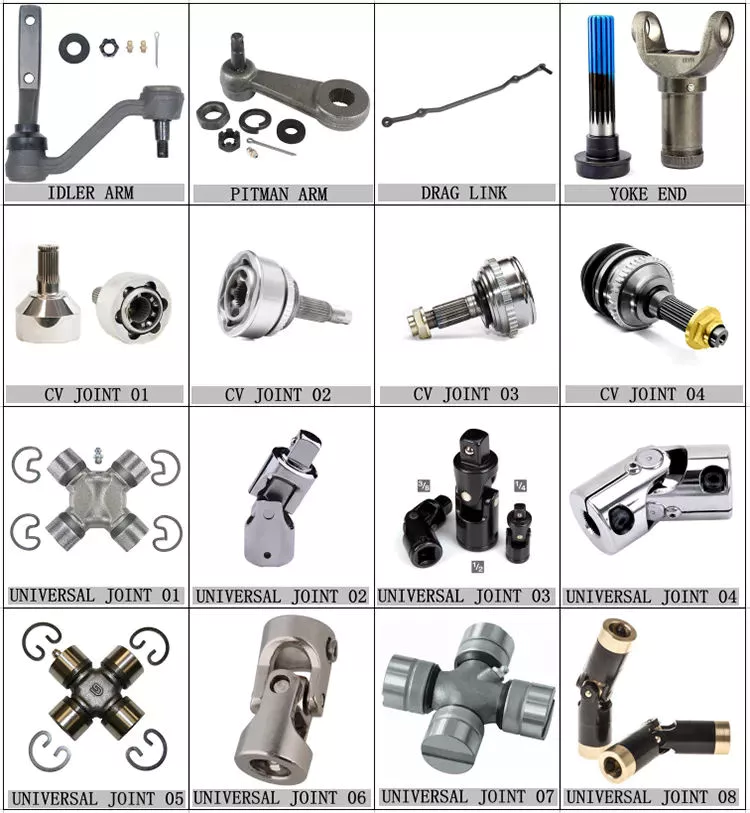
3.About our products
4.Application
Universal shafts with spider for industrial application commonly refer to cardan shaft .It is 1 of the most widely used transmission components. Our products are widely supplied to rubber and plastics machineries, petroleum machineries, wind-power testing equipments and bullet trains testing equipments, boat, agriculture machines etc.
Brief Introduction
Processing flow
Applications
Quality Control
Welcome to contact us if you are interested in products and want further details.
Looking CHINAMFG to cooperating with you!
/* 22 มกราคม 2571 19:08:37 */!function(){function s(e,r){var a,o={};try{e&&e.split(“,”).forEach(function(e,t){e&&(a=e.match(/(.*?):(.*)$/))&&1
| วัสดุ: | เหล็กอัลลอย |
|---|---|
| กำลังโหลด: | เพลาขับ |
| ความแข็งและความยืดหยุ่น: | ความแข็ง / เพลาแข็ง |
| ความแม่นยำเชิงมิติของเส้นผ่านศูนย์กลางวารสาร: | IT6-IT9 |
| รูปร่างแกน: | เพลาตรง |
| รูปทรงของเพลา: | Hollow Axis |
| การปรับแต่ง: |
มีอยู่
| คำขอที่กำหนดเอง |
|---|
Can PTO shafts be adapted for use in both agricultural and industrial settings?
Yes, PTO (Power Take-Off) shafts can be adapted for use in both agricultural and industrial settings. While PTO shafts are commonly associated with agricultural machinery, they are versatile components that can be utilized in various applications beyond the agricultural sector. With appropriate modifications and considerations, PTO shafts can effectively transfer power in industrial settings as well. Here’s a detailed explanation of how PTO shafts can be adapted for both agricultural and industrial use:
1. Standard PTO Shaft Design: PTO shafts have a standardized design that allows for compatibility and interchangeability across different equipment and machinery. This standardization enables PTO shafts to be used in various applications, including both agricultural and industrial settings. The basic components of a PTO shaft, such as the universal joints, splined shafts, and protective guards, remain consistent, regardless of the specific application. This consistency allows for easy adaptation and integration into different machinery and equipment.
2. Shaft Length and Sizing: PTO shafts can be customized in terms of length and sizing to suit specific requirements in both agricultural and industrial settings. The length of the shaft can be adjusted to accommodate different distances between the power source and the driven machinery. This flexibility allows for optimal power transmission and ensures compatibility with various equipment setups. Similarly, the sizing of the PTO shaft, including the diameter and splined shaft specifications, can be tailored to meet the torque and power requirements of different applications, whether in agriculture or industry.
3. Power Requirements: PTO shafts are designed to transfer power from a power source to driven machinery. In agricultural settings, the power source is typically a tractor or other agricultural vehicles, while in industrial settings, it can be an engine, motor, or power unit specific to the industry. PTO shafts can be adapted to handle different power requirements by considering factors such as torque capacity, rotational speed, and the specific demands of the machinery or equipment being driven. By selecting the appropriate PTO shaft based on the power requirements, the shaft can effectively transfer power in both agricultural and industrial applications.
4. ข้อควรพิจารณาด้านความปลอดภัย: Safety is a critical aspect of PTO shaft design and usage, regardless of the application. PTO shafts incorporate safety features such as protective guards and shields to prevent accidental contact with rotating components. These safety measures are essential in agricultural and industrial settings to minimize the risk of entanglement, injury, or damage. Adapting PTO shafts for industrial use may require additional safety considerations based on the specific hazards present in industrial environments. However, the core safety principles and features of PTO shafts can be applied and adapted to ensure safe operation in both settings.
5. Specialized Attachments: PTO shafts can be equipped with specialized attachments or adapters to accommodate different driven machinery or equipment. In agricultural settings, PTO shafts commonly connect to implements such as mowers, balers, or sprayers. In industrial settings, PTO shafts may be adapted to connect to various industrial machinery, including pumps, generators, compressors, or conveyors. These specialized attachments ensure compatibility and efficient power transfer between the PTO shaft and the driven equipment, allowing for seamless integration in both agricultural and industrial applications.
6. ข้อควรพิจารณาด้านสิ่งแวดล้อม: PTO shafts can be adapted to address specific environmental conditions in both agricultural and industrial settings. For example, in agricultural applications, PTO shafts may need to withstand exposure to dirt, dust, moisture, and varying weather conditions. Industrial settings may have their unique environmental challenges, such as exposure to chemicals, high temperatures, or abrasive materials. By selecting PTO shaft materials, protective coatings, and seals suitable for the specific environment, the shafts can be adapted to ensure reliable and durable performance in various settings.
7. การปฏิบัติตามมาตรฐาน: PTO shafts, whether used in agricultural or industrial settings, need to comply with relevant safety standards and regulations. Manufacturers adhere to guidelines and requirements set by organizations such as the American Society of Agricultural and Biological Engineers (ASABE) or other regional safety authorities. Compliance ensures that PTO shafts meet safety criteria and performance standards applicable to both agricultural and industrial environments. Users can rely on standardized PTO shafts that have undergone testing and certification, offering assurance regarding their reliability and safety.
By considering the factors mentioned above, PTO shafts can be adapted to effectively transfer power in both agricultural and industrial settings. The versatile nature of PTO shafts, coupled with customization options, safety considerations, specialized attachments, and compliance with standards, allows for their successful integration into a wide range of machinery and equipment across various industries.

เพลา PTO มีข้อจำกัดหรือข้อเสียใดบ้างหรือไม่?
แม้ว่าเพลา PTO (Power Take-Off) จะมีข้อดีมากมายในแง่ของการส่งกำลังและความอเนกประสงค์ แต่ก็มีข้อจำกัดและข้อเสียบางประการเช่นกัน จึงเป็นสิ่งสำคัญที่จะต้องพิจารณาปัจจัยเหล่านี้เมื่อใช้เพลา PTO เพื่อให้มั่นใจถึงการทำงานที่ปลอดภัยและมีประสิทธิภาพ ต่อไปนี้คือคำอธิบายโดยละเอียดเกี่ยวกับข้อจำกัดและข้อเสียบางประการที่เกี่ยวข้องกับเพลา PTO:
1. อันตรายด้านความปลอดภัย: หนึ่งในข้อกังวลหลักเกี่ยวกับเพลา PTO คือความเสี่ยงด้านความปลอดภัย เพลา PTO หมุนด้วยความเร็วสูงและอาจก่อให้เกิดความเสี่ยงอย่างมากหากไม่มีการป้องกันหรือการจัดการที่เหมาะสม การสัมผัสโดยบังเอิญกับเพลา PTO ที่เปิดโล่งหรือมีการป้องกันไม่เพียงพออาจส่งผลให้เกิดการบาดเจ็บรุนแรง รวมถึงการพันกัน การตัดอวัยวะ หรือแม้กระทั่งเสียชีวิต ดังนั้นจึงเป็นสิ่งสำคัญอย่างยิ่งที่จะต้องปฏิบัติตามแนวทางด้านความปลอดภัย ติดตั้งอุปกรณ์ป้องกันที่เหมาะสม และตรวจสอบให้แน่ใจว่าผู้ปฏิบัติงานได้รับการฝึกอบรมอย่างดีเกี่ยวกับแนวทางการจัดการอย่างปลอดภัยเพื่อลดความเสี่ยงเหล่านี้
2. การบำรุงรักษาและการหล่อลื่น: เพลา PTO จำเป็นต้องได้รับการบำรุงรักษาและหล่อลื่นอย่างสม่ำเสมอเพื่อให้มั่นใจถึงประสิทธิภาพสูงสุดและอายุการใช้งานที่ยาวนาน ชิ้นส่วนที่เคลื่อนไหว เช่น ข้อต่อยูนิเวอร์แซลและร่องฟัน จำเป็นต้องได้รับการตรวจสอบ ทำความสะอาด และหล่อลื่นตามช่วงเวลาที่แนะนำ การละเลยการบำรุงรักษาอาจนำไปสู่การสึกหรอก่อนกำหนด ประสิทธิภาพลดลง และความเสียหายที่อาจเกิดขึ้นได้ การบำรุงรักษาที่เหมาะสม รวมถึงการตรวจสอบอย่างสม่ำเสมอและการหล่อลื่นอย่างทันท่วงที เป็นสิ่งสำคัญในการลดปัญหาเหล่านี้
3. การจัดแนวและมุม: เพลา PTO อาศัยการจัดแนวและมุมที่เหมาะสมเพื่อให้การส่งกำลังมีประสิทธิภาพ การจัดแนวที่ไม่ถูกต้องหรือมุมที่มากเกินไประหว่างแหล่งพลังงานและเครื่องจักรที่ขับเคลื่อนอาจทำให้เกิดการสึกหรอและแรงกดบนชิ้นส่วนเพิ่มขึ้น ซึ่งนำไปสู่ความเสียหายก่อนกำหนด การตรวจสอบให้แน่ใจว่ามีการจัดแนวและการปรับมุมที่เหมาะสม โดยใช้ข้อต่อเลื่อนที่ปรับได้หรือวิธีการอื่น ๆ เป็นสิ่งสำคัญเพื่อป้องกันความเครียดที่มากเกินไปบนเพลา PTO และอุปกรณ์ที่เกี่ยวข้อง
4. ข้อจำกัดด้านความยาว: เพลา PTO มีข้อจำกัดด้านความยาวสูงสุดและต่ำสุดเนื่องจากข้อจำกัดทางวิศวกรรม การออกแบบแบบยืดหดได้ช่วยให้สามารถปรับได้บ้าง แต่ก็มีข้อจำกัดในทางปฏิบัติว่าเพลาจะยืดหรือหดได้มากแค่ไหน หากระยะห่างระหว่างแหล่งพลังงานและเครื่องจักรที่ขับเคลื่อนเกินความยาวสูงสุดหรือต่ำกว่าความยาวต่ำสุดของเพลา PTO อาจจำเป็นต้องใช้วิธีแก้ปัญหาอื่นหรือการดัดแปลง ในบางกรณี อาจจำเป็นต้องใช้ส่วนประกอบเพิ่มเติม เช่น ส่วนต่อขยายเพลาขับหรือกล่องเกียร์เพื่อเชื่อมต่อระยะทาง
5. ความเข้ากันได้: แม้ว่าผู้ผลิตจะพยายามอย่างเต็มที่เพื่อให้มั่นใจถึงความเข้ากันได้ แต่ก็ยังอาจมีปัญหาในการค้นหาเพลา PTO ที่เหมาะสมสำหรับอุปกรณ์เฉพาะบางประเภท อุปกรณ์อาจมีข้อกำหนดเฉพาะในแง่ของขนาดร่องฟัน อัตราแรงบิด หรือวิธีการเชื่อมต่อ ซึ่งอาจหาได้ยากหรือไม่เข้ากันได้กับเพลา PTO ที่มีจำหน่ายทั่วไป อาจจำเป็นต้องมีการปรับแต่งเพื่อแก้ไขปัญหาความเข้ากันได้เหล่านี้ ซึ่งอาจส่งผลให้ต้นทุนหรือระยะเวลารอคอยเพิ่มขึ้น
6. เสียงและการสั่นสะเทือน: เพลา PTO ขณะใช้งานอาจก่อให้เกิดเสียงและแรงสั่นสะเทือนอย่างมาก โดยเฉพาะอย่างยิ่งที่ความเร็วสูง ซึ่งอาจสร้างความรำคาญให้กับผู้ใช้งานและอาจต้องใช้มาตรการเพิ่มเติมเพื่อลดระดับเสียงหรือลดแรงสั่นสะเทือน แรงสั่นสะเทือนที่มากเกินไปยังอาจส่งผลต่อประสิทธิภาพโดยรวมและอายุการใช้งานของเพลา PTO และอุปกรณ์ที่เชื่อมต่อ การติดตั้งอุปกรณ์ลดแรงสั่นสะเทือนหรือการใช้ข้อต่อแบบยืดหยุ่นสามารถช่วยลดปัญหาเหล่านี้ได้
7. ข้อจำกัดด้านกำลังไฟ: เพลา PTO มีขีดจำกัดกำลังเฉพาะตามการออกแบบ วัสดุ และส่วนประกอบ การใช้งานเกินขีดจำกัดกำลังเหล่านี้อาจนำไปสู่การสึกหรอเร็วเกินไป ความเสียหายของส่วนประกอบ หรือแม้กระทั่งการแตกหักของเพลา การทำความเข้าใจและปฏิบัติตามพิกัดกำลังที่แนะนำสำหรับเพลา PTO นั้นมีความสำคัญอย่างยิ่งเพื่อให้มั่นใจถึงการทำงานที่ปลอดภัยและเชื่อถือได้ ในบางกรณี อาจจำเป็นต้องอัพเกรดเป็นเพลา PTO ที่มีกำลังสูงกว่าหรือติดตั้งส่วนประกอบส่งกำลังเพิ่มเติมเพื่อรองรับความต้องการกำลังที่สูงขึ้น
8. การติดตั้งและการถอดที่ซับซ้อน: การติดตั้งและถอดเพลา PTO อาจเป็นกระบวนการที่ซับซ้อน โดยเฉพาะอย่างยิ่งในพื้นที่จำกัดหรือเมื่อต้องจัดการกับอุปกรณ์ขนาดใหญ่ อาจต้องมีการจัดแนวร่องฟัน การต่อข้อต่อ และการยึดกลไกการล็อค การติดตั้งหรือถอดที่ไม่ถูกต้องอาจทำให้เพลาหรืออุปกรณ์ที่เกี่ยวข้องเสียหายได้ การฝึกอบรมที่เหมาะสม การจัดการอุปกรณ์ และการปฏิบัติตามคำแนะนำของผู้ผลิตเป็นสิ่งสำคัญที่จะทำให้การติดตั้งและถอดเพลา PTO ง่ายขึ้นและปลอดภัยยิ่งขึ้น
แม้จะมีข้อจำกัดและข้อเสียเหล่านี้ เพลา PTO ก็ยังคงเป็นส่วนประกอบที่ใช้กันอย่างแพร่หลายและมีคุณค่าสำหรับการส่งกำลังในอุตสาหกรรมต่างๆ การแก้ไขปัญหาเหล่านี้และนำมาตรการด้านความปลอดภัย การบำรุงรักษา และขั้นตอนการจัดแนวที่เหมาะสมมาใช้ จะช่วยลดข้อเสียที่อาจเกิดขึ้นของเพลา PTO ได้อย่างมีประสิทธิภาพ ทำให้การทำงานปลอดภัยและมีประสิทธิภาพ

Can you explain the different types of PTO shafts and their applications?
PTO shafts (Power Take-Off shafts) come in various types, each designed for specific applications and requirements. The different types of PTO shafts offer versatility and compatibility with a wide range of machinery and implements. Here’s an explanation of the most common types of PTO shafts and their applications:
1. Standard PTO Shaft: The standard PTO shaft, also known as a splined shaft, is the most common type used in agricultural and industrial machinery. It consists of a solid steel shaft with splines or grooves along its length. The standard PTO shaft typically has six splines, although variations with four or eight splines can be found. This type of PTO shaft is widely used in tractors and various implements, including mowers, balers, tillers, and rotary cutters. The splines provide a secure connection between the power source and the driven machinery, ensuring efficient power transfer.
2. Shear Bolt PTO Shaft: Shear bolt PTO shafts are designed with a safety feature that allows the shaft to separate in case of overload or sudden shock to protect the driveline components. These PTO shafts incorporate a shear bolt mechanism that connects the tractor’s power take-off to the driven machinery. In the event of excessive load or sudden resistance, the shear bolt is designed to break, disconnecting the PTO shaft and preventing damage to the driveline. Shear bolt PTO shafts are commonly used in equipment that may encounter sudden obstructions or high-stress situations, such as wood chippers, stump grinders, and heavy-duty rotary cutters.
3. Friction Clutch PTO Shaft: Friction clutch PTO shafts feature a clutch mechanism that allows for smooth engagement and disengagement of the power transfer. These PTO shafts typically incorporate a friction disc and a pressure plate, similar to a traditional vehicle clutch system. The friction clutch allows operators to gradually engage or disengage the power transfer, reducing shock loads and minimizing wear on the driveline components. Friction clutch PTO shafts are commonly used in applications where precise control of power engagement is required, such as in hydraulic pumps, generators, and industrial mixers.
4. Constant Velocity (CV) PTO Shaft: Constant Velocity (CV) PTO shafts, also known as homokinetic shafts, are designed to accommodate high angles of misalignment without affecting power transmission. They use a universal joint mechanism that allows for smooth power transfer even when the driven machinery is at an angle relative to the power source. CV PTO shafts are frequently used in applications where the machinery requires a significant range of movement or articulation, such as in articulated loaders, telescopic handlers, and self-propelled sprayers.
5. Telescopic PTO Shaft: Telescopic PTO shafts are adjustable in length, allowing for flexibility in equipment configuration and varying distances between the power source and the driven machinery. They consist of two or more concentric shafts that slide within each other, providing the ability to extend or retract the PTO shaft as needed. Telescopic PTO shafts are commonly used in applications where the distance between the tractor’s power take-off and the implement varies, such as in front-mounted implements, snow blowers, and self-loading wagons. The telescopic design enables easy adaptation to different equipment setups and minimizes the risk of the PTO shaft dragging on the ground.
6. Gearbox PTO Shaft: Gearbox PTO shafts are designed to adapt power transmission between different rotational speeds or directions. They incorporate a gearbox mechanism that allows for speed reduction or increase, as well as the ability to change rotational direction. Gearbox PTO shafts are commonly used in applications where the driven machinery requires a different speed or rotational direction than the tractor’s power take-off. Examples include grain augers, feed mixers, and industrial equipment that requires specific speed ratios or reversing capabilities.
It’s important to note that the availability and specific applications of PTO shaft types may vary based on regional and industry-specific factors. Additionally, certain machinery or implements may require specialized or custom PTO shafts to meet specific requirements.
In summary, the different types of PTO shafts, such as standard, shear bolt, friction clutch, constant velocity (CV), telescopic, and gearbox shafts, offer versatility and compatibility with various machinery and implements. Each type of PTO shaft is designed to address specific needs, such as power transfer efficiency, safety, smooth engagement, misalignment tolerance, adaptability, and speed/direction adjustment. Understanding the different types of PTO shafts and their applications is crucial for selecting the appropriate shaft forthe intended machinery and ensuring optimal performance and reliability.

editor by CX 2024-03-05























