
คำอธิบายผลิตภัณฑ์
คำอธิบายผลิตภัณฑ์
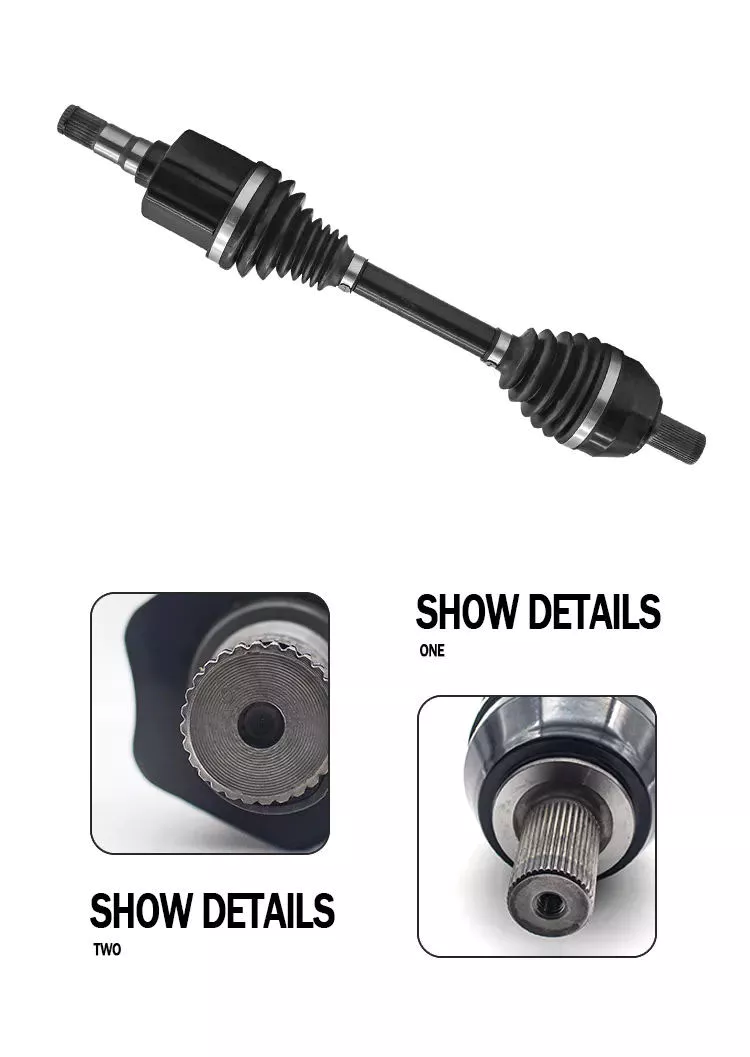
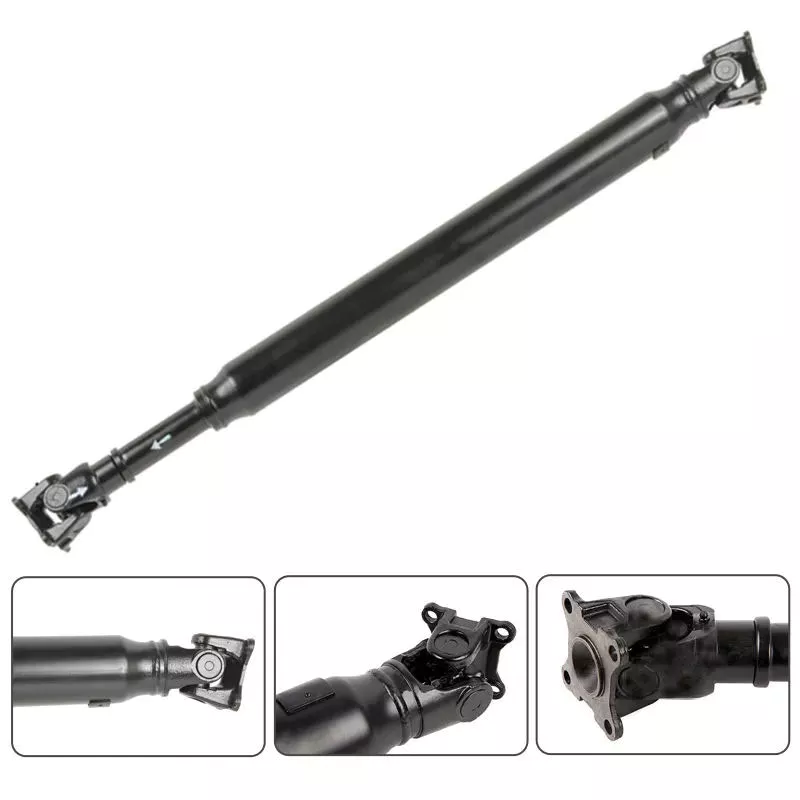
As a professional manufacturer for propeller shaft, we have +1000 items for all kinds of car, At present, our products are mainly sold in North America, Europe, Australia, South Korea, the Middle East and Southeast Asia and other regions, applicable models are European cars, American cars, Japanese and Korean cars, etc.
ข้อได้เปรียบของเรา:
1. Full range of products
2. MOQ qty: 1pcs/items
3. Delivery on time
4: Warranty: 1 YEAR
| OE NUMBER | 3401A018 |
| TYPE | MITSUBISHI Pajero V73 /V93/V77 rear 2003 auto |
| MATERIAL | STEEL |
| BALANCE STHangZhouRD | G16,3200RMP |
| บริการหลังการขาย: | 1year |
|---|---|
| เงื่อนไข: | ใหม่ |
| สี: | สีดำ |
| การปรับแต่ง: |
มีอยู่
| คำขอที่กำหนดเอง |
|---|
.shipping-cost-tm .tm-status-off{background: none;padding:0;color: #1470cc}
| ค่าจัดส่ง:
ค่าขนส่งโดยประมาณต่อหน่วย |
เกี่ยวกับค่าขนส่งและเวลาจัดส่งโดยประมาณ |
|---|
| วิธีการชำระเงิน: |
|
|---|---|
|
การชำระเงินครั้งแรก ชำระเงินเต็มจำนวน |
| สกุลเงิน: | ยูเอส1ทีพี6ที |
|---|
| การคืนสินค้าและการขอคืนเงิน: | คุณสามารถขอรับเงินคืนได้ภายใน 30 วันหลังจากได้รับสินค้า |
|---|
Are there any limitations or disadvantages associated with drive shafts?
While drive shafts are widely used and offer several advantages, they also have certain limitations and disadvantages that should be considered. Here’s a detailed explanation of the limitations and disadvantages associated with drive shafts:
1. Length and Misalignment Constraints:
Drive shafts have a maximum practical length due to factors such as material strength, weight considerations, and the need to maintain rigidity and minimize vibrations. Longer drive shafts can be prone to increased bending and torsional deflection, leading to reduced efficiency and potential driveline vibrations. Additionally, drive shafts require proper alignment between the driving and driven components. Misalignment can cause increased wear, vibrations, and premature failure of the drive shaft or its associated components.
2. Limited Operating Angles:
Drive shafts, especially those using U-joints, have limitations on operating angles. U-joints are typically designed to operate within specific angular ranges, and operating beyond these limits can result in reduced efficiency, increased vibrations, and accelerated wear. In applications requiring large operating angles, constant velocity (CV) joints are often used to maintain a constant speed and accommodate greater angles. However, CV joints may introduce higher complexity and cost compared to U-joints.
3. Maintenance Requirements:
Drive shafts require regular maintenance to ensure optimal performance and reliability. This includes periodic inspection, lubrication of joints, and balancing if necessary. Failure to perform routine maintenance can lead to increased wear, vibrations, and potential driveline issues. Maintenance requirements should be considered in terms of time and resources when using drive shafts in various applications.
4. Noise and Vibration:
Drive shafts can generate noise and vibrations, especially at high speeds or when operating at certain resonant frequencies. Imbalances, misalignment, worn joints, or other factors can contribute to increased noise and vibrations. These vibrations may affect the comfort of vehicle occupants, contribute to component fatigue, and require additional measures such as dampers or vibration isolation systems to mitigate their effects.
5. Weight and Space Constraints:
Drive shafts add weight to the overall system, which can be a consideration in weight-sensitive applications, such as automotive or aerospace industries. Additionally, drive shafts require physical space for installation. In compact or tightly packaged equipment or vehicles, accommodating the necessary drive shaft length and clearances can be challenging, requiring careful design and integration considerations.
6. Cost Considerations:
Drive shafts, depending on their design, materials, and manufacturing processes, can involve significant costs. Customized or specialized drive shafts tailored to specific equipment requirements may incur higher expenses. Additionally, incorporating advanced joint configurations, such as CV joints, can add complexity and cost to the drive shaft system.
7. Inherent Power Loss:
Drive shafts transmit power from the driving source to the driven components, but they also introduce some inherent power loss due to friction, bending, and other factors. This power loss can reduce overall system efficiency, particularly in long drive shafts or applications with high torque requirements. It is important to consider power loss when determining the appropriate drive shaft design and specifications.
8. Limited Torque Capacity:
While drive shafts can handle a wide range of torque loads, there are limits to their torque capacity. Exceeding the maximum torque capacity of a drive shaft can lead to premature failure, resulting in downtime and potential damage to other driveline components. It is crucial to select a drive shaft with sufficient torque capacity for the intended application.
Despite these limitations and disadvantages, drive shafts remain a widely used and effective means of power transmission in various industries. Manufacturers continuously work to address these limitations through advancements in materials, design techniques, joint configurations, and balancing processes. By carefully considering the specific application requirements and potential drawbacks, engineers and designers can mitigate the limitations and maximize the benefits of drive shafts in their respective systems.
Can drive shafts be customized for specific vehicle or equipment requirements?
Yes, drive shafts can be customized to meet specific vehicle or equipment requirements. Customization allows manufacturers to tailor the design, dimensions, materials, and other parameters of the drive shaft to ensure compatibility and optimal performance within a particular vehicle or equipment. Here’s a detailed explanation of how drive shafts can be customized:
1. Dimensional Customization:
Drive shafts can be customized to match the dimensional requirements of the vehicle or equipment. This includes adjusting the overall length, diameter, and spline configuration to ensure proper fitment and clearances within the specific application. By customizing the dimensions, the drive shaft can be seamlessly integrated into the driveline system without any interference or limitations.
2. Material Selection:
The choice of materials for drive shafts can be customized based on the specific requirements of the vehicle or equipment. Different materials, such as steel alloys, aluminum alloys, or specialized composites, can be selected to optimize strength, weight, and durability. The material selection can be tailored to meet the torque, speed, and operating conditions of the application, ensuring the drive shaft’s reliability and longevity.
3. Joint Configuration:
Drive shafts can be customized with different joint configurations to accommodate specific vehicle or equipment requirements. For example, universal joints (U-joints) may be suitable for applications with lower operating angles and moderate torque demands, while constant velocity (CV) joints are often used in applications requiring higher operating angles and smoother power transmission. The choice of joint configuration depends on factors such as operating angle, torque capacity, and desired performance characteristics.
4. Torque and Power Capacity:
Customization allows drive shafts to be designed with the appropriate torque and power capacity for the specific vehicle or equipment. Manufacturers can analyze the torque requirements, operating conditions, and safety margins of the application to determine the optimal torque rating and power capacity of the drive shaft. This ensures that the drive shaft can handle the required loads without experiencing premature failure or performance issues.
5. Balancing and Vibration Control:
Drive shafts can be customized with precision balancing and vibration control measures. Imbalances in the drive shaft can lead to vibrations, increased wear, and potential driveline issues. By employing dynamic balancing techniques during the manufacturing process, manufacturers can minimize vibrations and ensure smooth operation. Additionally, vibration dampers or isolation systems can be integrated into the drive shaft design to further mitigate vibrations and enhance overall system performance.
6. Integration and Mounting Considerations:
Customization of drive shafts takes into account the integration and mounting requirements of the specific vehicle or equipment. Manufacturers work closely with the vehicle or equipment designers to ensure that the drive shaft fits seamlessly into the driveline system. This includes adapting the mounting points, interfaces, and clearances to ensure proper alignment and installation of the drive shaft within the vehicle or equipment.
7. Collaboration and Feedback:
Manufacturers often collaborate with vehicle manufacturers, OEMs (Original Equipment Manufacturers), or end-users to gather feedback and incorporate their specific requirements into the drive shaft customization process. By actively seeking input and feedback, manufacturers can address specific needs, optimize performance, and ensure compatibility with the vehicle or equipment. This collaborative approach enhances the customization process and results in drive shafts that meet the exact requirements of the application.
8. Compliance with Standards:
Customized drive shafts can be designed to comply with relevant industry standards and regulations. Compliance with standards, such as ISO (International Organization for Standardization) or specific industry standards, ensures that the customized drive shafts meet quality, safety, and performance requirements. Adhering to these standards provides assurance that the drive shafts are compatible and can be seamlessly integrated into the specific vehicle or equipment.
In summary, drive shafts can be customized to meet specific vehicle or equipment requirements through dimensional customization, material selection, joint configuration, torque and power capacity optimization, balancing and vibration control, integration and mounting considerations, collaboration with stakeholders, and compliance with industry standards. Customization allows drive shafts to be precisely tailored to the needs of the application, ensuring compatibility, reliability, and optimal performance.

เพลาขับมีประโยชน์อย่างไรบ้างสำหรับยานพาหนะและอุปกรณ์ประเภทต่างๆ?
เพลาขับมีประโยชน์หลายประการสำหรับยานพาหนะและอุปกรณ์ประเภทต่างๆ มีบทบาทสำคัญในการส่งกำลังและช่วยเพิ่มประสิทธิภาพ ประสิทธิผล และการทำงานโดยรวมของระบบต่างๆ ต่อไปนี้คือคำอธิบายโดยละเอียดเกี่ยวกับประโยชน์ที่เพลาขับมอบให้:
1. การส่งกำลังไฟฟ้าอย่างมีประสิทธิภาพ:
เพลาขับช่วยให้การส่งกำลังจากเครื่องยนต์หรือแหล่งพลังงานไปยังล้อหรือชิ้นส่วนที่ถูกขับเคลื่อนเป็นไปอย่างมีประสิทธิภาพ โดยการเชื่อมต่อเครื่องยนต์หรือมอเตอร์เข้ากับระบบที่ถูกขับเคลื่อน เพลาขับจะถ่ายทอดกำลังการหมุนอย่างมีประสิทธิภาพ ทำให้ยานพาหนะและอุปกรณ์สามารถทำงานได้ตามที่ตั้งใจไว้ การส่งกำลังอย่างมีประสิทธิภาพนี้ทำให้มั่นใจได้ว่ากำลังที่สร้างขึ้นโดยเครื่องยนต์นั้นถูกนำไปใช้อย่างมีประสิทธิภาพ ส่งผลให้ประสิทธิภาพและผลผลิตโดยรวมของระบบดีขึ้น
2. ความอเนกประสงค์:
เพลาขับมีประโยชน์ใช้สอยหลากหลายในการใช้งาน ใช้ในยานพาหนะหลายประเภท เช่น รถยนต์ รถบรรทุก รถจักรยานยนต์ และรถออฟโรด นอกจากนี้ยังใช้ในอุปกรณ์และเครื่องจักรหลากหลายประเภท เช่น เครื่องจักรกลการเกษตร อุปกรณ์ก่อสร้าง เครื่องจักรกลอุตสาหกรรม และเรือเดินทะเล ความสามารถในการปรับให้เข้ากับยานพาหนะและอุปกรณ์ประเภทต่างๆ ทำให้เพลาขับเป็นชิ้นส่วนอเนกประสงค์สำหรับการส่งกำลัง
3. ความสามารถในการรับแรงบิด:
เพลาขับได้รับการออกแบบมาเพื่อรองรับแรงบิดสูง แรงบิดคือแรงหมุนที่เกิดจากเครื่องยนต์หรือแหล่งพลังงาน เพลาขับได้รับการออกแบบทางวิศวกรรมเพื่อส่งผ่านแรงบิดนี้อย่างมีประสิทธิภาพโดยไม่บิดงอมากเกินไป ด้วยการรับมือกับแรงบิดอย่างมีประสิทธิภาพ เพลาขับจึงมั่นใจได้ว่าพลังงานที่สร้างขึ้นจากเครื่องยนต์จะถูกส่งไปยังล้อหรือส่วนประกอบที่ขับเคลื่อนได้อย่างน่าเชื่อถือ ทำให้ยานพาหนะและอุปกรณ์สามารถเอาชนะแรงต้านทาน เช่น น้ำหนักบรรทุกมากหรือภูมิประเทศที่ท้าทายได้
4. ความยืดหยุ่นและค่าตอบแทน:
เพลาขับให้ความยืดหยุ่นและชดเชยการเคลื่อนที่เชิงมุมและการเยื้องศูนย์ ในรถยนต์ เพลาขับช่วยรองรับการเคลื่อนที่ของระบบช่วงล่าง ทำให้ล้อสามารถเคลื่อนที่ขึ้นลงได้อย่างอิสระ ความยืดหยุ่นนี้ช่วยให้การส่งกำลังคงที่แม้ในขณะที่รถวิ่งบนพื้นผิวที่ไม่เรียบ ในทำนองเดียวกัน ในเครื่องจักร เพลาขับจะชดเชยการเยื้องศูนย์ระหว่างเครื่องยนต์หรือมอเตอร์กับชิ้นส่วนที่ขับเคลื่อน ทำให้การส่งกำลังราบรื่นและป้องกันความเครียดที่มากเกินไปในระบบส่งกำลัง
5. การลดน้ำหนัก:
เพลาขับช่วยลดน้ำหนักของยานพาหนะและอุปกรณ์ เมื่อเทียบกับระบบส่งกำลังแบบอื่น เช่น สายพานหรือโซ่ เพลาขับมักจะมีน้ำหนักเบากว่า การลดน้ำหนักนี้ช่วยเพิ่มประสิทธิภาพการใช้เชื้อเพลิงในยานพาหนะและลดน้ำหนักโดยรวมของอุปกรณ์ ส่งผลให้คล่องตัวมากขึ้นและบรรทุกน้ำหนักได้มากขึ้น นอกจากนี้ เพลาขับที่เบากว่ายังช่วยให้มีอัตราส่วนกำลังต่อน้ำหนักที่ดีขึ้น ส่งผลให้สมรรถนะและการเร่งความเร็วดีขึ้นด้วย
6. ความทนทานและอายุการใช้งานที่ยาวนาน:
เพลาขับถูกออกแบบมาให้มีความทนทานและใช้งานได้ยาวนาน ผลิตจากวัสดุเช่นเหล็กหรืออลูมิเนียม ซึ่งมีความแข็งแรงสูงและทนต่อการสึกหรอและความล้า เพลาขับผ่านการทดสอบอย่างเข้มงวดและมาตรการควบคุมคุณภาพเพื่อให้มั่นใจในความน่าเชื่อถือและอายุการใช้งานที่ยาวนาน การบำรุงรักษาที่เหมาะสม รวมถึงการหล่อลื่นและการตรวจสอบอย่างสม่ำเสมอ จะช่วยเพิ่มความทนทานยิ่งขึ้น โครงสร้างที่แข็งแรงและอายุการใช้งานที่ยาวนานของเพลาขับ ส่งผลให้ยานพาหนะและอุปกรณ์มีความน่าเชื่อถือและคุ้มค่าโดยรวม
7. ความปลอดภัย:
เพลาขับมีคุณสมบัติด้านความปลอดภัยเพื่อปกป้องผู้ปฏิบัติงานและผู้ที่อยู่ใกล้เคียง ในยานพาหนะ เพลาขับมักจะถูกหุ้มด้วยท่อหรือปลอกป้องกัน เพื่อป้องกันการสัมผัสกับชิ้นส่วนที่เคลื่อนที่และลดความเสี่ยงต่อการบาดเจ็บในกรณีที่เกิดความผิดพลาด ในทำนองเดียวกัน ในเครื่องจักรกล มักมีการติดตั้งแผ่นป้องกันหรืออุปกรณ์ป้องกันรอบเพลาขับที่เปิดโล่ง เพื่อลดอันตรายที่อาจเกิดขึ้นจากชิ้นส่วนที่หมุนได้ มาตรการด้านความปลอดภัยเหล่านี้ช่วยให้มั่นใจได้ถึงความปลอดภัยของบุคคลที่ปฏิบัติงานหรือทำงานใกล้กับยานพาหนะและอุปกรณ์
โดยสรุปแล้ว เพลาขับมีข้อดีหลายประการสำหรับยานพาหนะและอุปกรณ์ประเภทต่างๆ ช่วยให้การส่งกำลังมีประสิทธิภาพ ใช้งานได้หลากหลาย จัดการแรงบิดได้อย่างมีประสิทธิภาพ มีความยืดหยุ่นและชดเชยได้ ช่วยลดน้ำหนัก รับประกันความทนทานและอายุการใช้งานที่ยาวนาน และมีคุณสมบัติด้านความปลอดภัย ด้วยข้อดีเหล่านี้ เพลาขับจึงช่วยเพิ่มประสิทธิภาพ ประสิทธิผล ความน่าเชื่อถือ และความปลอดภัยของยานพาหนะและอุปกรณ์ในอุตสาหกรรมต่างๆ อย่างกว้างขวาง


editor by CX 2023-12-01























