
คำอธิบายผลิตภัณฑ์
คำอธิบายผลิตภัณฑ์
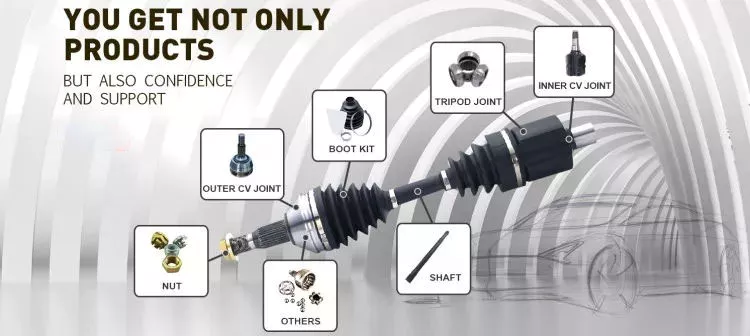
| Item Name | Drive shaft/ C.V Joint/ C.V Boot Cover 95% Japanese Car Model |
| Car model | For Toyota,Honda,Nissan,Mitsubishi,Mazda,Hyundai,Kia,Subaru |
| ยี่ห้อ | EEP |
| Qty/Box | 1 PC/Box |
| MOQ | 4PCS |
| การรับประกัน | 1 Year/30,000-60,000Kilometers |
| การบรรจุหีบห่อ | EEP poly bag + CZPT color box+EEP Carton or customized packing |
| Payment | T/T, Western Union, L/C, Cash |
| Delivery | 1-7 days for stock items, 7-25 days for production order |
| การจัดส่ง | by DHL/ FEDEX/ TNT, by Air, by sea |
| ใบรับรอง | ISO9001, TS16949, SGS |
ภาพถ่ายโดยละเอียด
Product Specification:
| Constant velocity universal joint special steel CF53 | Normalization treatment to refine the internal structure of the material and greatly improve the performance of the C.V Joint. |
| C.V Boot | Imported neoprene to ensure of its hardness, high or low temperature test (-40 ºC –120 ºC) and high performance for elongation. |
| 1CR13 Clamp | Adopted 1CR13 martensitic stainless steel with high strength and strong corrosion resistance. |
| Molybdenum Disulfide Grease | Ample grease, operating efficiently under -40 ° C ~ 150 ° C temperature, effectively reduce metal wear by its excellent wear resistance and extend products’ service life by strong anti-aging performance. |
EEP Auto Parts CO., Ltd main products line:
1. Auto rubber bushing: engine mount, strut mount, center bearing, differential mount, control arm bushing, stabilizer bushing, other suspension bushing
2. Suspension Parts: shock absorber, control arm, ball joint,stabilizer link, tie rod end, steering rack
3. CV joint, drive shaft, cv joint boot
4. Brake parts: brake pads, brake disc, brake master cylinder, wheel cylinder
5. Fuel pump, water pump, radiator, gasket kit, engine belt
ข้อได้เปรียบของเรา
Advantages of Service:
• OEM & ODM Availability
• Years of cooperation with global top brand companies
• 100% performance test before delivery
• 10000+ part numbers
• Storage sales: NO MOQ
• Punctual delivery date & shorter lead time
• Positive customer testimonials from 108 countries
• Complete products range
ใบรับรอง
ข้อมูลบริษัท
Exhibition Show:
We attend professional auto parts trade fair to promote our products. A great many of customers would come to our booth, show interest in our products and are willing to try our products. Trial order to test quality is warmly welcomed too!
EEP Auto Parts CO., Ltd company profile:
EEP AUTO PARTS CO., LTD, established in 1995, has been specializing in manufacturing and selling suspension parts for Japanese cars with 27 years experience. EEP AUTO PARTS has developed more than 8000 different OEM codes for Toyota, Honda, Nissan, Mitsubishi, Mazda and Subaru including shock absorber, ball joint, stabilizer link, tie rod end, rack end, control arm, bushing and mounting. We have been committed to providing high efficiency, quality guaranteed, long durability auto parts to our customers. Until now CZPT Auto Parts CO., Ltd owns 3 branch companiese which are respectively located in HangZhou, Urumchi and ZheJiang . Each branch is in charge of different markets in order to meet customers’ needs in different countries, total warehouse covering area 31,600 square meters,thus, we are able to deliver goods to you promptly.
คำถามที่พบบ่อย
| บริการหลังการขาย: | มาตรฐาน |
|---|---|
| เงื่อนไข: | ใหม่ |
| สี: | Silver, Black |
| การรับรอง: | CE, ISO |
| พิมพ์: | เพลาขับ |
| แบรนด์แอปพลิเคชัน: | Nissan, Toyota, Ford, Honda Mitsubishi Mazda Benz |
| การปรับแต่ง: |
มีอยู่
| คำขอที่กำหนดเอง |
|---|
เพลาขับช่วยให้การส่งกำลังมีประสิทธิภาพพร้อมทั้งรักษาสมดุลได้อย่างไร?
เพลาขับใช้กลไกต่างๆ เพื่อให้มั่นใจได้ว่าการส่งกำลังมีประสิทธิภาพในขณะที่รักษาสมดุล การส่งกำลังอย่างมีประสิทธิภาพหมายถึงความสามารถของเพลาขับในการส่งกำลังหมุนจากแหล่งกำเนิด (เช่น เครื่องยนต์) ไปยังส่วนประกอบที่ถูกขับเคลื่อน (เช่น ล้อหรือเครื่องจักร) โดยมีการสูญเสียพลังงานน้อยที่สุด ในทางกลับกัน การรักษาสมดุลเกี่ยวข้องกับการลดการสั่นสะเทือนและกำจัดความไม่สม่ำเสมอของการกระจายมวลที่อาจก่อให้เกิดการรบกวนระหว่างการทำงาน ต่อไปนี้เป็นคำอธิบายว่าเพลาขับบรรลุทั้งการส่งกำลังอย่างมีประสิทธิภาพและสมดุลได้อย่างไร:
1. การเลือกวัสดุ:
การเลือกวัสดุสำหรับเพลาขับมีความสำคัญอย่างยิ่งต่อการรักษาสมดุลและส่งกำลังอย่างมีประสิทธิภาพ เพลาขับมักทำจากวัสดุ เช่น เหล็กหรือโลหะผสมอะลูมิเนียม ซึ่งถูกเลือกใช้เนื่องจากมีความแข็งแรง ความแข็งแกร่ง และความทนทาน วัสดุเหล่านี้มีเสถียรภาพทางมิติที่ดีเยี่ยมและสามารถทนต่อแรงบิดที่เกิดขึ้นระหว่างการใช้งานได้ การใช้วัสดุคุณภาพสูงจะช่วยลดการเสียรูป การงอ และความไม่สมดุลที่อาจส่งผลเสียต่อการส่งกำลังและก่อให้เกิดการสั่นสะเทือนได้
2. ข้อควรพิจารณาในการออกแบบ:
การออกแบบเพลาขับมีบทบาทสำคัญอย่างยิ่งทั้งในด้านประสิทธิภาพการส่งกำลังและความสมดุล เพลาขับได้รับการออกแบบให้มีขนาดที่เหมาะสม รวมถึงเส้นผ่านศูนย์กลางและความหนาของผนัง เพื่อรับแรงบิดที่คาดการณ์ไว้โดยไม่เกิดการโก่งตัวหรือการสั่นสะเทือนมากเกินไป การออกแบบยังคำนึงถึงปัจจัยต่างๆ เช่น ความยาวของเพลาขับ จำนวนและประเภทของข้อต่อ (เช่น ข้อต่อยูนิเวอร์แซลหรือข้อต่อความเร็วคงที่) และการใช้ตุ้มถ่วงสมดุล ด้วยการออกแบบเพลาขับอย่างพิถีพิถัน ผู้ผลิตสามารถบรรลุประสิทธิภาพการส่งกำลังที่เหมาะสมที่สุดในขณะที่ลดโอกาสการสั่นสะเทือนที่เกิดจากความไม่สมดุลให้น้อยที่สุด
3. เทคนิคการทรงตัว:
ความสมดุลเป็นสิ่งสำคัญอย่างยิ่งสำหรับเพลาขับ เนื่องจากความไม่สมดุลใดๆ อาจทำให้เกิดการสั่นสะเทือน เสียงดัง และการสึกหรอเร็วขึ้น เพื่อรักษาความสมดุล เพลาขับจึงผ่านเทคนิคการปรับสมดุลต่างๆ ในระหว่างกระบวนการผลิต วิธีการปรับสมดุลแบบสถิตและแบบไดนามิกถูกนำมาใช้เพื่อให้แน่ใจว่าการกระจายมวลตลอดเพลาขับนั้นสม่ำเสมอ การปรับสมดุลแบบสถิตเกี่ยวข้องกับการเพิ่มตุ้มถ่วงน้ำหนักในตำแหน่งเฉพาะเพื่อชดเชยความไม่สมดุลของน้ำหนัก การปรับสมดุลแบบไดนามิกทำได้โดยการหมุนเพลาขับด้วยความเร็วสูงและวัดการสั่นสะเทือน หากตรวจพบความไม่สมดุล จะมีการปรับเพิ่มเติมเพื่อให้ได้สภาวะสมดุล เทคนิคการปรับสมดุลเหล่านี้ช่วยลดการสั่นสะเทือนและทำให้เพลาขับทำงานได้อย่างราบรื่น
4. ข้อต่ออเนกประสงค์และข้อต่อความเร็วคงที่:
เพลาขับมักจะมีข้อต่อยูนิเวอร์แซล (U-joints) หรือข้อต่อความเร็วคงที่ (CV joints) เพื่อรองรับการเยื้องศูนย์และรักษาสมดุลขณะทำงาน ข้อต่อยูนิเวอร์แซลเป็นข้อต่อที่ยืดหยุ่นได้ ช่วยให้เพลาเคลื่อนที่ในเชิงมุมได้ โดยทั่วไปจะใช้ในงานที่เพลาขับทำงานในมุมที่แตกต่างกัน ในทางกลับกัน ข้อต่อ CV ถูกออกแบบมาเพื่อรักษาความเร็วในการหมุนให้คงที่ และมักใช้ในรถยนต์ขับเคลื่อนล้อหน้า การใช้ข้อต่อเหล่านี้ทำให้เพลาขับสามารถชดเชยการเยื้องศูนย์ ลดความเครียดบนเพลา และลดการสั่นสะเทือนที่อาจส่งผลเสียต่อประสิทธิภาพการส่งกำลังและสมดุลได้
5. การบำรุงรักษาและการตรวจสอบ:
การบำรุงรักษาและการตรวจสอบเพลาขับอย่างสม่ำเสมอเป็นสิ่งสำคัญเพื่อให้มั่นใจได้ถึงการส่งกำลังที่มีประสิทธิภาพและความสมดุล การตรวจสอบการสึกหรอ ความเสียหาย หรือการเยื้องศูนย์เป็นระยะๆ สามารถช่วยระบุปัญหาใดๆ ที่อาจส่งผลต่อประสิทธิภาพของเพลาขับได้ การหล่อลื่นข้อต่อและการขันยึดให้แน่นอย่างถูกต้องก็มีความสำคัญอย่างยิ่งต่อการรักษาการทำงานให้อยู่ในระดับที่เหมาะสมที่สุด การปฏิบัติตามขั้นตอนการบำรุงรักษาที่แนะนำจะช่วยให้สามารถแก้ไขความไม่สมดุลหรือการทำงานที่ไม่มีประสิทธิภาพได้อย่างทันท่วงที ทำให้มั่นใจได้ว่าการส่งกำลังและความสมดุลจะยังคงมีประสิทธิภาพอย่างต่อเนื่อง
โดยสรุปแล้ว เพลาขับช่วยให้การส่งกำลังมีประสิทธิภาพ พร้อมทั้งรักษาสมดุลด้วยการเลือกใช้วัสดุอย่างพิถีพิถัน การออกแบบที่รอบคอบ เทคนิคการปรับสมดุล และการใช้ข้อต่อแบบยืดหยุ่น การเพิ่มประสิทธิภาพปัจจัยเหล่านี้ทำให้เพลาขับสามารถส่งกำลังแบบหมุนได้อย่างราบรื่นและเชื่อถือได้ ลดการสูญเสียพลังงานและการสั่นสะเทือนที่อาจส่งผลต่อประสิทธิภาพและอายุการใช้งาน
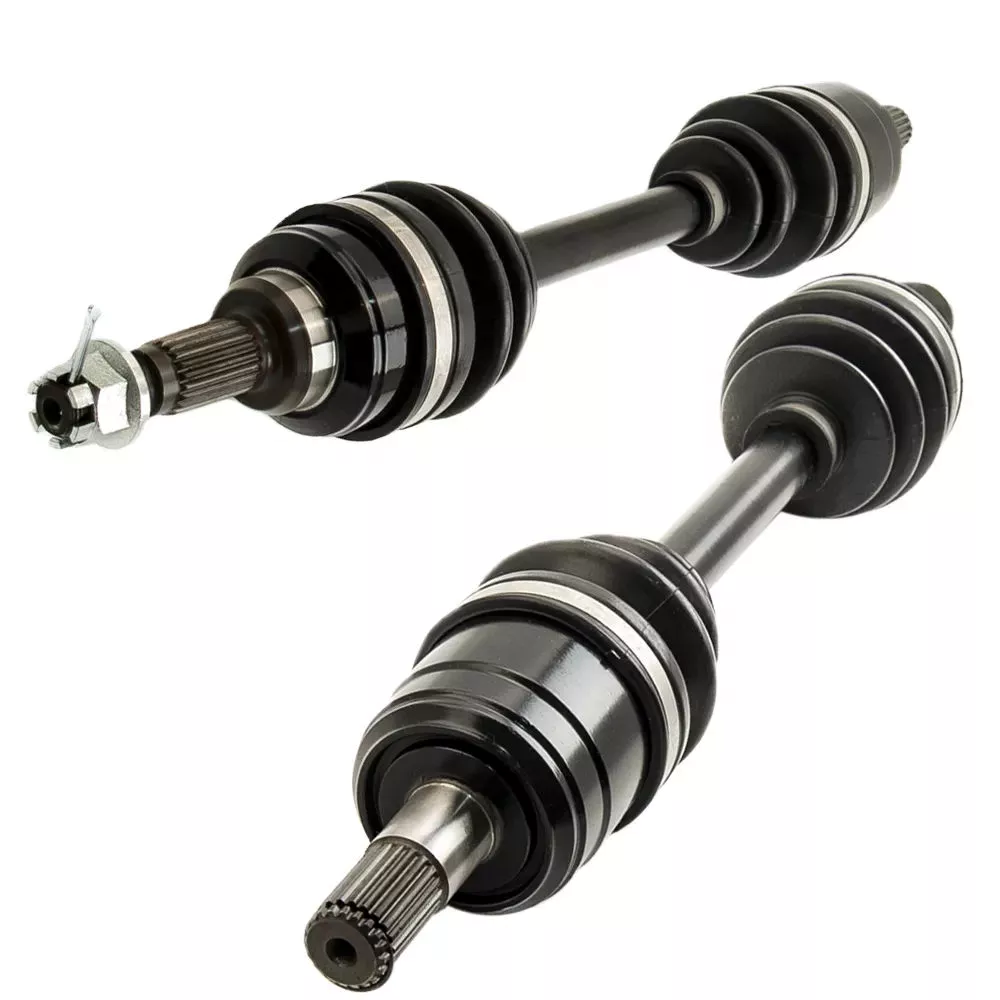
เพลาขับรับมือกับการเปลี่ยนแปลงของภาระและการสั่นสะเทือนระหว่างการทำงานได้อย่างไร?
เพลาขับถูกออกแบบมาเพื่อรับมือกับการเปลี่ยนแปลงของภาระและการสั่นสะเทือนระหว่างการทำงาน โดยใช้กลไกและคุณสมบัติต่างๆ กลไกเหล่านี้ช่วยให้การส่งกำลังเป็นไปอย่างราบรื่น ลดการสั่นสะเทือน และรักษาความสมบูรณ์ของโครงสร้างของเพลาขับ ต่อไปนี้เป็นคำอธิบายโดยละเอียดเกี่ยวกับวิธีการที่เพลาขับรับมือกับการเปลี่ยนแปลงของภาระและการสั่นสะเทือน:
1. การเลือกวัสดุและการออกแบบ:
โดยทั่วไปแล้ว เพลาขับจะทำจากวัสดุที่มีความแข็งแรงและความแข็งแกร่งสูง เช่น เหล็กอัลลอยหรือวัสดุคอมโพสิต การเลือกใช้วัสดุและการออกแบบจะคำนึงถึงภาระที่คาดการณ์ไว้และสภาวะการใช้งาน ด้วยการใช้วัสดุที่เหมาะสมและการปรับปรุงการออกแบบให้เหมาะสม เพลาขับจึงสามารถทนต่อการเปลี่ยนแปลงของภาระที่คาดการณ์ได้โดยไม่เกิดการโก่งตัวหรือเสียรูปมากเกินไป
2. ความสามารถในการรับแรงบิด:
เพลาขับได้รับการออกแบบให้มีกำลังรับแรงบิดเฉพาะที่สอดคล้องกับภาระที่คาดการณ์ไว้ กำลังรับแรงบิดนี้จะคำนึงถึงปัจจัยต่างๆ เช่น กำลังส่งออกของแหล่งขับเคลื่อนและความต้องการแรงบิดของชิ้นส่วนที่ถูกขับเคลื่อน การเลือกเพลาขับที่มีกำลังรับแรงบิดเพียงพอจะช่วยรองรับการเปลี่ยนแปลงของภาระได้โดยไม่เกินขีดจำกัดของเพลาขับและเสี่ยงต่อการชำรุดเสียหาย
3. การปรับสมดุลแบบไดนามิก:
ในระหว่างกระบวนการผลิต เพลาขับอาจได้รับการปรับสมดุลแบบไดนามิก ความไม่สมดุลในเพลาขับอาจส่งผลให้เกิดการสั่นสะเทือนระหว่างการทำงาน การปรับสมดุลนี้จะมีการเพิ่มหรือลดน้ำหนักอย่างมีกลยุทธ์เพื่อให้แน่ใจว่าเพลาขับหมุนอย่างสม่ำเสมอและลดการสั่นสะเทือนให้น้อยที่สุด การปรับสมดุลแบบไดนามิกช่วยลดผลกระทบจากการเปลี่ยนแปลงของภาระและลดโอกาสที่จะเกิดการสั่นสะเทือนมากเกินไปในเพลาขับ
4. อุปกรณ์ลดแรงสั่นสะเทือนและการควบคุมการสั่นสะเทือน:
เพลาขับสามารถติดตั้งอุปกรณ์ลดแรงสั่นสะเทือนหรือกลไกควบคุมการสั่นสะเทือนเพื่อลดการสั่นสะเทือนให้เหลือน้อยที่สุด อุปกรณ์เหล่านี้มักได้รับการออกแบบมาเพื่อดูดซับหรือกระจายการสั่นสะเทือนที่อาจเกิดขึ้นจากการเปลี่ยนแปลงของภาระหรือปัจจัยอื่นๆ อุปกรณ์ลดแรงสั่นสะเทือนอาจอยู่ในรูปของอุปกรณ์ลดแรงสั่นสะเทือนแบบบิดตัว อุปกรณ์แยกส่วนยาง หรือองค์ประกอบดูดซับการสั่นสะเทือนอื่นๆ ที่ติดตั้งอย่างเหมาะสมตามแนวเพลาขับ การจัดการและลดทอนการสั่นสะเทือนช่วยให้เพลาขับทำงานได้อย่างราบรื่นและเพิ่มประสิทธิภาพโดยรวมของระบบ
5. ข้อต่อเพลาขับ (CV Joints):
ข้อต่อความเร็วคงที่ (CV joints) มักใช้ในเพลาขับเพื่อรองรับการเปลี่ยนแปลงของมุมการทำงานและเพื่อรักษาความเร็วให้คงที่ ข้อต่อ CV ช่วยให้เพลาขับส่งกำลังได้แม้ว่าชิ้นส่วนที่ขับเคลื่อนและชิ้นส่วนที่ถูกขับเคลื่อนจะอยู่ที่มุมต่างกัน การรองรับการเปลี่ยนแปลงของมุมการทำงาน ข้อต่อ CV ช่วยลดผลกระทบจากการเปลี่ยนแปลงของภาระและลดการสั่นสะเทือนที่อาจเกิดขึ้นจากการเปลี่ยนแปลงทางเรขาคณิตของระบบส่งกำลัง
6. การหล่อลื่นและการบำรุงรักษา:
การหล่อลื่นที่เหมาะสมและการบำรุงรักษาอย่างสม่ำเสมอเป็นสิ่งสำคัญสำหรับเพลาขับเพื่อให้สามารถรับมือกับภาระและการสั่นสะเทือนที่เปลี่ยนแปลงไปได้อย่างมีประสิทธิภาพ การหล่อลื่นช่วยลดแรงเสียดทานระหว่างชิ้นส่วนที่เคลื่อนที่ ลดการสึกหรอและการเกิดความร้อน การบำรุงรักษาอย่างสม่ำเสมอ รวมถึงการตรวจสอบและการหล่อลื่นข้อต่อ ช่วยให้เพลาขับอยู่ในสภาพที่เหมาะสมที่สุด ลดความเสี่ยงต่อความเสียหายหรือประสิทธิภาพการทำงานที่ลดลงเนื่องจากการเปลี่ยนแปลงของภาระ
7. ความแข็งแกร่งของโครงสร้าง:
เพลาขับได้รับการออกแบบให้มีความแข็งแรงทางโครงสร้างเพียงพอที่จะต้านทานแรงดัดและแรงบิด ความแข็งแรงนี้ช่วยรักษาความสมบูรณ์ของเพลาขับเมื่อรับภาระที่เปลี่ยนแปลงไป การลดการโก่งตัวและรักษาความสมบูรณ์ของโครงสร้าง ทำให้เพลาขับสามารถส่งกำลังและรับมือกับการเปลี่ยนแปลงของภาระได้อย่างมีประสิทธิภาพโดยไม่ลดทอนประสิทธิภาพหรือก่อให้เกิดการสั่นสะเทือนมากเกินไป
8. ระบบควบคุมและการป้อนกลับ:
ในบางการใช้งาน เพลาขับอาจติดตั้งระบบควบคุมที่คอยตรวจสอบและปรับพารามิเตอร์ต่างๆ เช่น แรงบิด ความเร็ว และการสั่นสะเทือนอย่างต่อเนื่อง ระบบควบคุมเหล่านี้ใช้เซ็นเซอร์และกลไกป้อนกลับเพื่อตรวจจับการเปลี่ยนแปลงของภาระหรือการสั่นสะเทือน และทำการปรับเปลี่ยนแบบเรียลไทม์เพื่อเพิ่มประสิทธิภาพสูงสุด การจัดการการเปลี่ยนแปลงของภาระและการสั่นสะเทือนอย่างมีประสิทธิภาพ ช่วยให้เพลาขับสามารถปรับตัวให้เข้ากับสภาวะการทำงานที่เปลี่ยนแปลงไปและรักษาการทำงานที่ราบรื่นได้
โดยสรุปแล้ว เพลาขับรับมือกับการเปลี่ยนแปลงของภาระและการสั่นสะเทือนระหว่างการทำงานผ่านการเลือกวัสดุและการออกแบบอย่างระมัดระวัง การพิจารณาความสามารถในการรับแรงบิด การปรับสมดุลแบบไดนามิก การรวมเอาตัวลดแรงสั่นสะเทือนและกลไกควบคุมการสั่นสะเทือน การใช้ข้อต่อ CV การหล่อลื่นและการบำรุงรักษาที่เหมาะสม ความแข็งแกร่งของโครงสร้าง และในบางกรณี ระบบควบคุมและกลไกป้อนกลับ ด้วยการรวมคุณสมบัติและกลไกเหล่านี้ เพลาขับจึงรับประกันการส่งกำลังที่เชื่อถือได้และมีประสิทธิภาพ ในขณะเดียวกันก็ลดผลกระทบของการเปลี่ยนแปลงภาระและการสั่นสะเทือนต่อประสิทธิภาพโดยรวมของระบบให้น้อยที่สุด

What is a drive shaft and how does it function in vehicles and machinery?
A drive shaft, also known as a propeller shaft or prop shaft, is a mechanical component that plays a critical role in transmitting rotational power from the engine to the wheels or other driven components in vehicles and machinery. It is commonly used in various types of vehicles, including cars, trucks, motorcycles, and agricultural or industrial machinery. Here’s a detailed explanation of what a drive shaft is and how it functions:
1. Definition and Construction: A drive shaft is a cylindrical metal tube that connects the engine or power source to the wheels or driven components. It is typically made of steel or aluminum and consists of one or more tubular sections with universal joints (U-joints) at each end. These U-joints allow for angular movement and compensation of misalignment between the engine/transmission and the driven wheels or components.
2. Power Transmission: The primary function of a drive shaft is to transmit rotational power from the engine or power source to the wheels or driven components. In vehicles, the drive shaft connects the transmission or gearbox output shaft to the differential, which then transfers power to the wheels. In machinery, the drive shaft transfers power from the engine or motor to various driven components such as pumps, generators, or other mechanical systems.
3. Torque and Speed: The drive shaft is responsible for transmitting both torque and rotational speed. Torque is the rotational force generated by the engine or power source, while rotational speed is the number of revolutions per minute (RPM). The drive shaft must be capable of transmitting the required torque without excessive twisting or bending and maintaining the desired rotational speed for efficient operation of the driven components.
4. ข้อต่อแบบยืดหยุ่น: The U-joints on the drive shaft provide a flexible coupling that allows for angular movement and compensation of misalignment between the engine/transmission and the driven wheels or components. As the suspension system of a vehicle moves or the machinery operates on uneven terrain, the drive shaft can adjust its length and angle to accommodate these movements, ensuring smooth power transmission and preventing damage to the drivetrain components.
5. Length and Balance: The length of the drive shaft is determined by the distance between the engine or power source and the driven wheels or components. It should be appropriately sized to ensure proper power transmission and avoid excessive vibrations or bending. Additionally, the drive shaft is carefully balanced to minimize vibrations and rotational imbalances, which can cause discomfort, reduce efficiency, and lead to premature wear of drivetrain components.
6. Safety Considerations: Drive shafts in vehicles and machinery require proper safety measures. In vehicles, drive shafts are often enclosed within a protective tube or housing to prevent contact with moving parts and reduce the risk of injury in the event of a malfunction or failure. Additionally, safety shields or guards are commonly installed around exposed drive shafts in machinery to protect operators from potential hazards associated with rotating components.
7. Maintenance and Inspection: Regular maintenance and inspection of drive shafts are essential to ensure their proper functioning and longevity. This includes checking for signs of wear, damage, or excessive play in the U-joints, inspecting the drive shaft for any cracks or deformations, and lubricating the U-joints as recommended by the manufacturer. Proper maintenance helps prevent failures, ensures optimal performance, and prolongs the service life of the drive shaft.
In summary, a drive shaft is a mechanical component that transmits rotational power from the engine or power source to the wheels or driven components in vehicles and machinery. It functions by providing a rigid connection between the engine/transmission and the driven wheels or components, while also allowing for angular movement and compensation of misalignment through the use of U-joints. The drive shaft plays a crucial role in power transmission, torque and speed delivery, flexible coupling, length and balance considerations, safety, and maintenance requirements. Its proper functioning is essential for the smooth and efficient operation of vehicles and machinery.


editor by CX 2023-09-21























