
Safety Engineering · PTO Drive Systems · UK Industrial Guide
Why PTO Shields Save Lives:
A Complete Guide to Proper Guarding
Every year across agricultural and industrial sites throughout the United Kingdom, preventable injuries and fatalities occur due to unguarded or improperly protected power take-off shafts. This in-depth guide examines the engineering realities behind PTO shaft guarding — what shields actually do, how they fail, and why proper compliance is not just a regulatory checkbox but a genuine life-saving engineering imperative.
🏭 Industrial Safety / PTO Shaft Systems / UK Manufacturing Guide ⏰ 12 min read
The Rotating Hazard That Industry Cannot Ignore
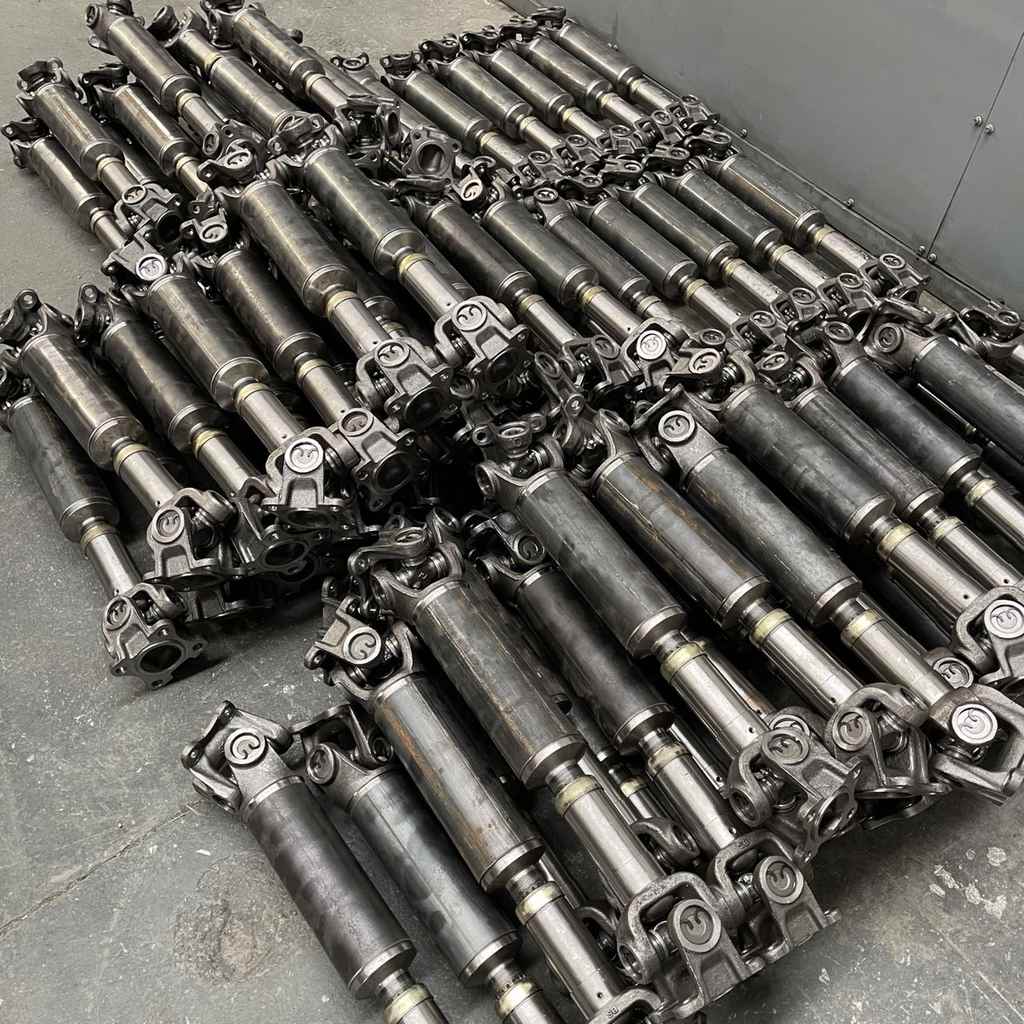 A PTO shaft — power take-off shaft — operates at rotational speeds typically between 540 and 1,000 revolutions per minute. At those speeds, an exposed universal joint, protruding bolt head, or bare rotating tube does not give a human body any meaningful reaction time. Clothing, hair, cables, and limbs can all be pulled in and wound around a shaft in under a fraction of a second. The Health and Safety Executive (HSE) in the UK has repeatedly identified PTO entanglement as one of the most serious and tragically preventable causes of fatal injury on farms and at industrial facilities nationwide. The engineering answer to this hazard is the PTO shaft guard — a purpose-designed protective enclosure that physically separates the rotating components from any person or object that comes near them. Yet despite decades of legislation, updated machinery directives, and persistent HSE guidance, guard removal, guard degradation, and incorrect guarding remain stubbornly common. Understanding precisely why PTO shields work — and what happens when they do not — is the foundation of any effective safety programme.
The scope of this problem extends well beyond agriculture. From Birmingham’s dense manufacturing corridors to the engineering workshops clustered around Sheffield’s advanced materials belt, PTO-driven machinery is central to UK industry. Pump drives, compressors, generators, mixing equipment, and road maintenance machinery all depend on PTO shafts to transmit engine torque to working implements. Wherever that transmission happens, guarding is not optional — it is an absolute engineering and legal requirement. This guide breaks down the mechanics, the standards, the failure modes, and the best practices that define truly effective PTO shaft guarding.
540
RPM — Standard Agricultural PTO Speed
<0.1s
Time for Entanglement at Full Speed
EN 12965
EU/UK Standard for PTO Shaft Guards
1000+
Nm Torque Capacity — Heavy Duty Shafts
How a PTO Shield Actually Works
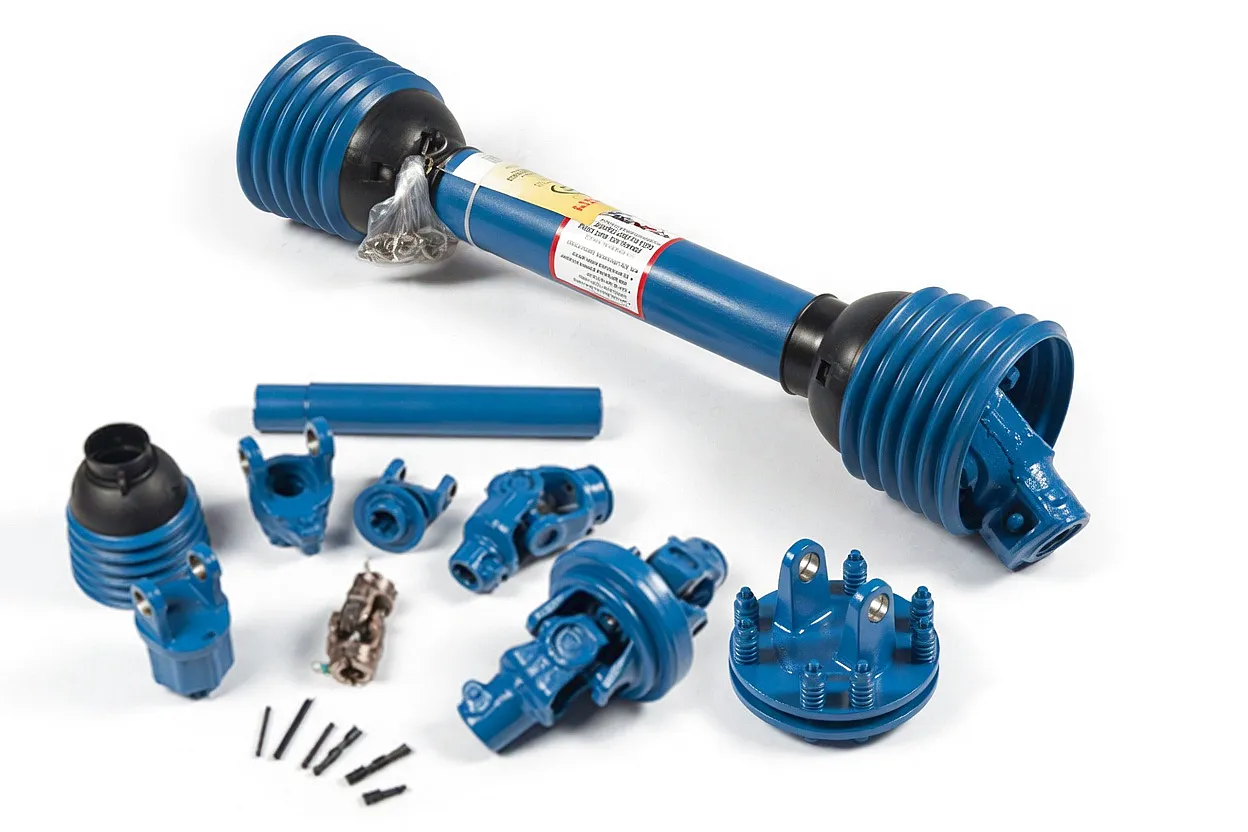
A PTO shaft guard is, in its most fundamental form, a non-rotating enclosure that surrounds the rotating shaft. The genius — and the critical engineering challenge — is that the guard must enclose something that spins at high speed while remaining stationary itself. This is achieved through bearing arrangements at each end of the guard that allow the inner shaft to rotate freely while the outer guard remains fixed. At the tractor or power source end, the guard is anchored via a retaining chain or bracket that prevents it from rotating with the shaft. At the implement end, a similar arrangement keeps the guard stationary relative to the machine frame.
The materials used for PTO shaft guards have evolved considerably over the decades. Early designs relied almost entirely on pressed steel, which offered durability but added significant weight and was vulnerable to corrosion in wet field conditions — a genuine concern across the UK’s wet agricultural landscape. Contemporary guards are predominantly manufactured from high-density polyethylene (HDPE) or polypropylene (PP), both of which offer excellent impact resistance, near-zero water absorption, and the ability to be moulded into the complex conical and tubular geometries that effective guarding requires. Some premium guards incorporate UV stabilisers to resist degradation under prolonged exposure to British weather — no minor consideration given the notorious variability of conditions from the Yorkshire Dales to the Cornish coast.
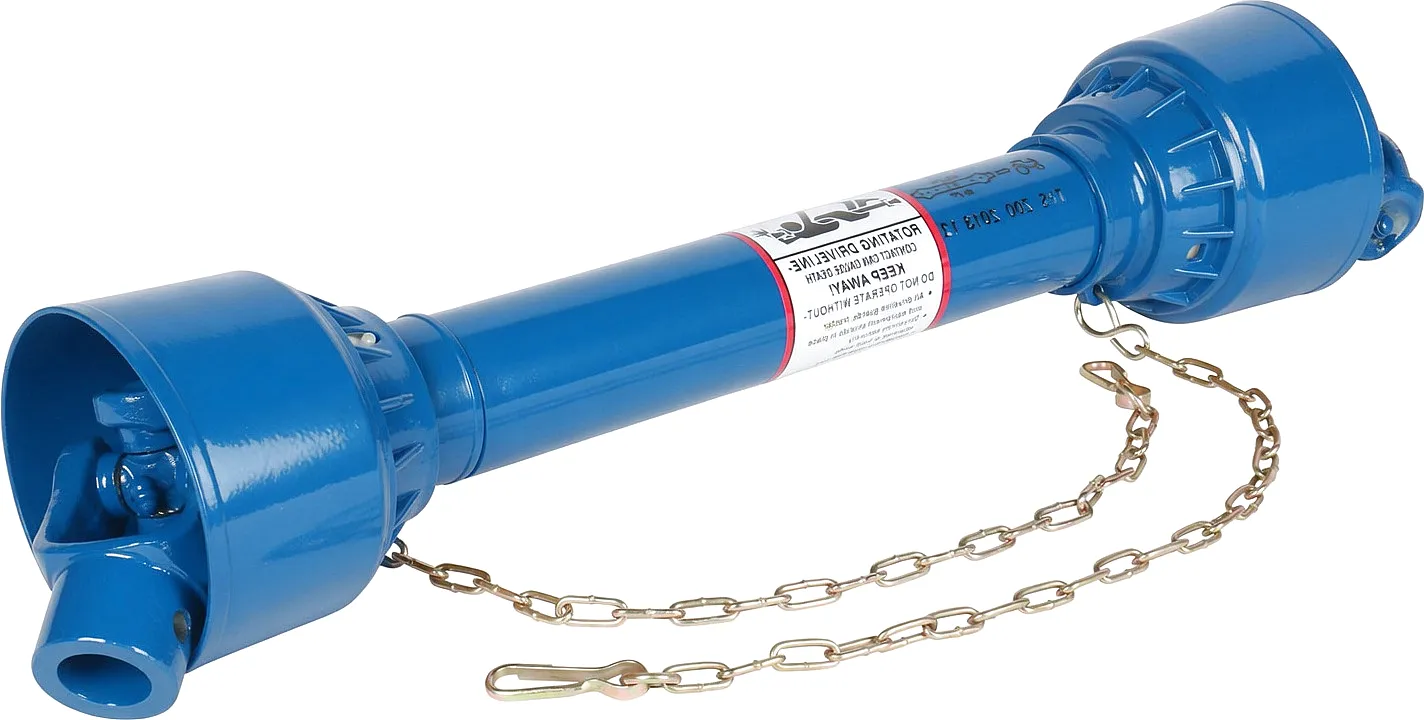
The guard geometry itself matters enormously. Conical end covers over the universal joints are a critical feature because it is the U-joints — not the tubular shaft body — that present the greatest entanglement risk due to their protruding cross-pins and bearing caps. A flat-ended guard that stops short of the joint leaves the most dangerous part exposed. Proper guards extend over the full length of the shaft and cup smoothly over both universal joint assemblies, leaving no rotating component accessible from any angle of approach. The internal clearance between the guard bore and the shaft outer diameter must be sufficient to prevent contact when the assembly flexes at working angles, yet not so large that the guard becomes mechanically unstable.
Types of PTO Shaft Guards: Choosing the Right Protection
Not all PTO shields are created equal, and selecting the correct guard type for a given application is itself an engineering decision. The UK market, shaped partly by its strong agricultural heritage and partly by post-Brexit retention of pre-existing EU machinery directives, recognises several distinct guard categories — each suited to different shaft configurations, operational duty cycles, and risk profiles.
■ Full-Length Plastic Guards
The most widespread type on UK farms and industrial sites. Moulded HDPE or PP construction, covering the entire shaft length from implement input to tractor stub. The conical end caps wrap over both universal joints. Retaining chains at each end prevent the guard from rotating. Suitable for standard-duty agricultural and light-industrial applications operating at up to 540 or 1,000 RPM. Cost-effective and widely available through UK agricultural merchants and specialist drive shaft suppliers.
■ Metallic and Composite Guards
For heavy industrial environments where plastic guards may be insufficient — high temperatures near engines, exposure to abrasive materials, or extreme duty cycles — galvanised steel or aluminium alloy guards are employed. These are standard in Sheffield-area metalworking facilities and Birmingham’s industrial machinery sector, where PTO-driven compressors, hydraulic power packs, and mixing units operate in demanding conditions. Metallic guards require careful design to prevent their own mass from imposing excessive bearing loads on the retaining arrangement.
■ Integrated Implement Guarding
Modern machinery increasingly incorporates the PTO guard as an integral component of the implement casing rather than as a bolt-on afterthought. This approach, mandated for new CE/UKCA-marked machinery, ensures that the guard geometry is precisely matched to the shaft travel angles and that removal requires deliberate mechanical disassembly rather than a simple lifting action. Integrated guarding is now standard on UK-sold mowers, spreaders, and large agricultural pump assemblies, and represents the engineering gold standard for new equipment design.
■ Stub Shaft and Gearbox Guards
Beyond the main shaft guard, the tractor PTO stub shaft and any exposed implement input gearbox shaft must also be guarded when the shaft assembly is disconnected. These shorter guards cover the male stub protruding from the tractor and the corresponding female shaft socket on the implement. They are frequently overlooked — and are frequently the source of serious injury when an operator steps near a tractor with the PTO engaged but no shaft fitted. Their provision is a mandatory requirement under UK PUWER (Provision and Use of Work Equipment Regulations) 1998.
PTO Shaft Guard — Technical Performance Parameters
The table below outlines the key technical and performance parameters applicable to standard and heavy-duty PTO drive shaft guard assemblies as supplied by Ever Power to the UK market. These figures represent typical values for commercially available guarded shaft systems and should be cross-referenced against specific machine requirements during any engineering selection process.
| พารามิเตอร์ | Standard Series | Heavy-Duty Series | หมายเหตุ |
|---|---|---|---|
| Max. Torque Capacity | Up to 500 Nm | Up to 1,800 Nm | Custom ratings available on request |
| Operating Speed Range | Up to 540 RPM | Up to 1,000 RPM | Matched to shaft series rating |
| Max. Operating Angle | 15 degrees per joint | 25 degrees per joint (W-type) | Wide-angle U-joint versions available |
| Guard Material | HDPE / Polypropylene | Galvanised Steel / Aluminium Alloy | UV-stabilised grades for outdoor use |
| Shaft Tube Material | Cold-drawn seamless steel | Alloy steel / Chromoly | Heat-treated for torsional strength |
| Slip Clutch Integration | Optional friction disc type | Ratchet / torque limiter standard | Protects implements from overload |
| Compliance Standard | EN 12965 / BS ISO 5674 | EN 12965 / BS ISO 5674 | UKCA / CE marked where applicable |
| ช่วงอุณหภูมิ | -20 degrees C to +70 degrees C | -30 degrees C to +100 degrees C | High-temp seals available on request |
| Grease Nipple Provision | 2 per assembly minimum | 4 per assembly standard | Accessible without guard removal |
| Shaft Profile Options | Lemon, star, cross, round spline | Full range including custom profiles | Telescopic overlap per ISO 5673 |
Why Guards Fail: The Six Most Common Failure Modes
Understanding guard failures is as important as understanding correct guarding. Accident investigations conducted by HSE inspectors across England and Wales repeatedly identify the same recurring failure patterns. These are not obscure or exotic engineering failures — they are mundane, predictable, and entirely preventable with proper maintenance discipline and a culture of genuine safety compliance.
01 — Guard Removal for Maintenance
Operators remove guards to access lubrication points, clear blockages, or carry out adjustments, then fail to refit them correctly or at all. This is the single most common cause of PTO entanglement fatalities. Grease nipples must be positioned to allow lubrication without guard removal — a design requirement in EN 12965 that is not always observed on older equipment.
02 — UV Degradation and Cracking
Plastic guards left outdoors in the UK climate without UV inhibitors become brittle over time. A guard that appears intact may shatter on impact, leaving the shaft exposed precisely at the moment of a collision or unexpected contact. Annual visual inspection for signs of chalking, cracking, or discolouration is essential and non-negotiable.
03 — Missing Retaining Chains
Retaining chains and anchor brackets prevent the guard from rotating with the shaft. When these small components go missing — easily lost during equipment changes — the guard may begin to co-rotate, defeating its entire purpose. A co-rotating guard is functionally the same as no guard at all, presenting a smooth exterior that may even mislead operators into believing the shaft is protected.
04 — Incorrect Guard Length
When a telescoping shaft is extended to its maximum operational length, a guard sized for the compressed position may not fully cover the inner shaft tubes. Equally, if a replacement guard is fitted from a different shaft series without checking dimensional compatibility, sections of rotating shaft may be left uncovered at the junction between guard tubes. Verify guard coverage at all operating lengths.
05 — Guard-to-Ground Interference
On implements that pitch up and down during field or site work, a guard not designed to flex sufficiently may contact the ground or machine frame. This contact can crack or split the guard, strip the retaining chains, or lock the guard against a fixed structure — any of which create immediate exposure risk. Guards must be selected with adequate clearance for the maximum operational pitch and yaw angles.
06 — Mismatched Replacement Parts
Budget replacement guards sourced from general agricultural merchants rather than specialist PTO shaft suppliers may appear correct but fail dimensional or material specification requirements. Inner bore dimensions, wall thickness, bearing quality, and end-cap geometry can all vary sufficiently to create safety failures invisible to the naked eye. Always source replacement PTO shaft guards from a manufacturer who can confirm the guard meets EN 12965 or the relevant current UK standard.
UK Legal Framework: What the Law Actually Requires
PTO shaft guarding in the United Kingdom sits at the intersection of several overlapping legislative frameworks. The Health and Safety at Work etc. Act 1974 establishes the overarching duty of care. The Provision and Use of Work Equipment Regulations 1998 (PUWER) provides specific requirements for guarding dangerous machinery parts in all workplaces. The Supply of Machinery (Safety) Regulations 2008, now mirrored in retained law post-2021, governs what manufacturers must provide on new equipment sold into the UK market. For agricultural operations specifically, the Agriculture (Tractor Cabs) Regulations and associated guidance from HSE’s Agriculture, Forestry and Land sector expand on the specific risks of tractor-mounted and tractor-driven equipment.
PUWER Regulation 11 requires that every dangerous part of work equipment must be guarded or protected by a guard or protection device. It further specifies that where a guard is used, it must be suitable for its purpose, of good construction, adequate material, sufficient strength, and maintained in an efficient state. The phrase “efficient state” has been tested in tribunal and court proceedings and means the guard must function as designed — not merely be physically present. A cracked, co-rotating, or incorrectly fitted guard does not satisfy the regulation, and an employer cannot defend an PUWER prosecution by pointing to a guard that was present but non-functional.
For industrial operators in cities such as Manchester, Leeds, and Coventry, where PTO-driven machinery is used in waste management, road maintenance, and utilities maintenance operations, these regulations carry full force. HSE has the power to issue Prohibition Notices that immediately stop work involving unguarded PTO shafts, impose Improvement Notices, and pursue criminal prosecution in cases of gross negligence. The reputational and financial consequences of a PTO-related injury investigation are severe — but they remain secondary to the human cost that effective guarding is specifically designed to prevent.
Industrial Application Scenarios Across the UK
PTO shaft guarding requirements are not limited to tractors and farm implements. Across the UK’s diverse industrial landscape, guarded PTO shafts are critical components in a wide range of sectors, each presenting its own specific guarding challenges and compliance environment.
🌾 Agriculture — East Anglia & Yorkshire
Mowers, balers, spreaders, and slurry tankers across the UK’s largest arable and livestock farming regions. High seasonal demand for guard inspection and replacement prior to spring and harvest campaigns.
🔌 Industrial Pumps — Birmingham & Midlands
PTO-driven centrifugal and positive displacement pumps for water management, slurry handling, and industrial fluid transfer. Birmingham’s manufacturing base depends on reliable, guarded PTO drive systems for uninterrupted production continuity.
⚡ Power Generation — Northern England
Tractor PTO-driven generators are widely used across construction sites, events, and emergency response operations from Manchester to Newcastle. Heavy-duty guarded shafts with torque limiters prevent overload failures during uneven load switching.
🏗 Road Maintenance — Nationwide Highways
Road planers, verge mowers, salt spreaders, and line-marking units all rely on PTO shafts operating in proximity to road workers. The UK Highways Act and associated safety regulations require unimpeachable guard integrity on all road-going equipment with PTO drives.
⚖ Metalworking — Sheffield Steel Belt
Sheffield’s advanced materials and metals manufacturing sector uses PTO-driven compressors, grinders, and process equipment where thermal and mechanical demands on guards are particularly high. Metallic guard assemblies rated for sustained high-cycle operation are the specification of choice for South Yorkshire’s heavy engineering facilities.
🌿 Waste & Environmental — Urban Authorities
Council-contracted waste management fleets across Greater London, Bristol, and Edinburgh use PTO-driven compactors, shredders, and screening units. Urban operators face particularly high pedestrian proximity risk, making guard specification and daily pre-use inspection an operational non-negotiable.
Guard Maintenance: A Practical Inspection Checklist
Effective PTO shaft guard maintenance is straightforward when approached systematically. The following checks should be carried out as part of any pre-season inspection, before any new implement is put into service, and following any incident where the shaft or guard may have been struck or subjected to abnormal loads. Documenting these checks forms part of the equipment maintenance record required under PUWER and is essential evidence in the event of any HSE inspection or insurance claim.
✅ Visual Integrity Check
Inspect the full guard surface for cracks, splits, impact damage, or chalking. Pay particular attention to the conical end caps where contact stress concentrations are highest. Any cracking — however minor in appearance — requires immediate replacement.
✅ Retaining Chain Verification
Check both retaining chains — at the tractor end and the implement end — are present, correctly attached, and have no broken links. Attempt to rotate the guard by hand; it must not rotate with the shaft when the retaining chains are engaged. Replace any chain showing more than 5% elongation.
✅ Coverage Length Check
Set the implement to its maximum operational extension and confirm the guard fully covers the shaft at that length. Check that the inner and outer guard tubes maintain adequate overlap and that no bare rotating shaft is exposed at any point in the operating range.
✅ Bearing Freedom Check
The guard should rotate freely in relation to the shaft when the retaining chain is disconnected. Any stiffness or binding indicates that guard bearings are worn or contaminated and may cause the guard to begin co-rotating under friction. Replace bearing components before returning the assembly to service.
✅ Stub Guard Confirmation
Confirm that the tractor PTO stub shaft cap and the implement input shaft cap are both present and correctly fitted whenever the shaft assembly is disconnected. These small guards are frequently lost during equipment changes and are essential for preventing contact with exposed stub shafts during hitching or servicing operations.
✅ Lubrication Check
Grease all nipples without removing the guard — this is the intended design provision. Use the correct grade of lithium-complex or NLGI 2 grease as specified by the shaft manufacturer. Over-greasing universal joints can split seals; under-greasing causes premature bearing failure and increased vibration that accelerates guard fatigue.
Manufacturer Profile
Ever Power — Precision PTO Shaft Manufacturing
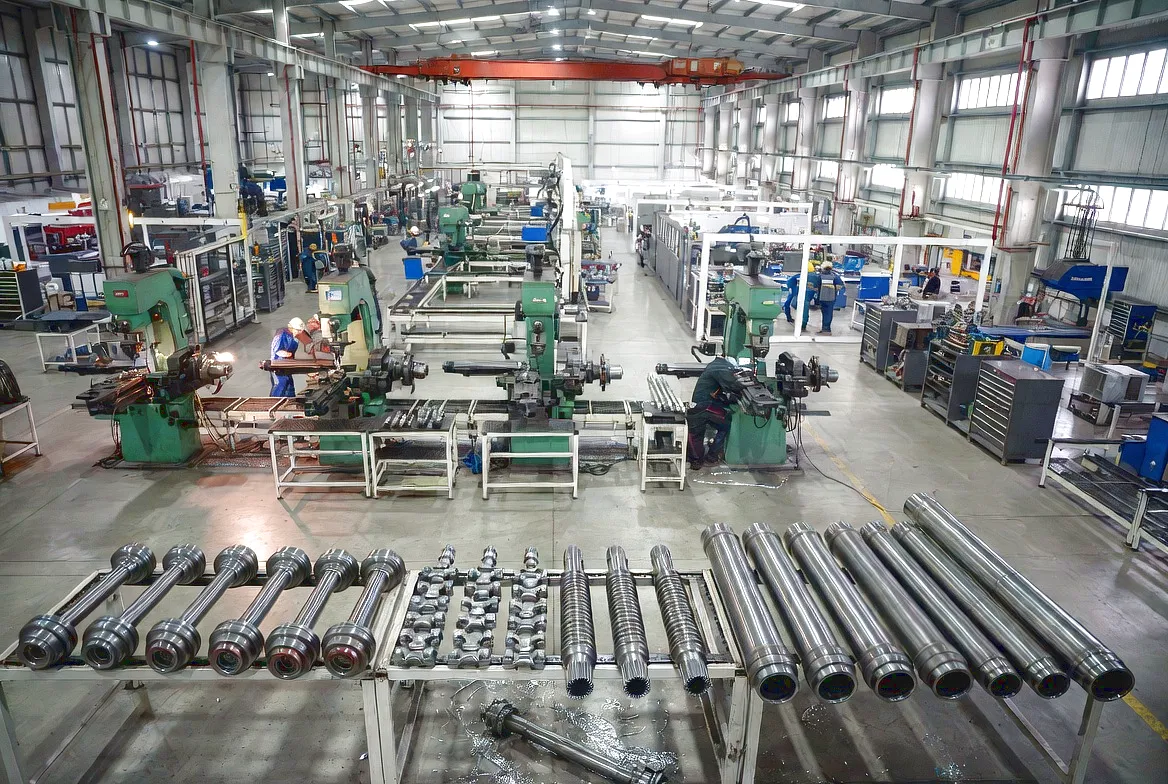
Ever Power has established itself as a leading supplier of precision-manufactured PTO drive shafts and safety guard assemblies to agricultural and industrial customers across the UK and European markets. Our manufacturing operations combine advanced CNC machining centres, precision-ground spline cutting technology, and rigorous quality control processes aligned with EN 12965 and ISO 5674 standards. Every shaft assembly that leaves our facility undergoes dimensional verification, torque testing, and guard functionality checks before despatch — a commitment to quality assurance that UK buyers and their safety teams can rely upon.
Our customisation capabilities are genuinely extensive. UK customers regularly come to Ever Power with dimensional requirements that fall outside standard catalogue listings — unusual shaft lengths for bespoke implements, non-standard spline profiles for legacy gearboxes, or application-specific guard materials for extreme temperature or chemical exposure environments. Our engineering team works directly with procurement and technical staff to produce fully compliant, application-matched assemblies within lead times that support UK manufacturers’ production schedules. We maintain comprehensive stock of guard components, universal joint crosses, yoke assemblies, and slip clutch mechanisms, enabling rapid turnaround on both standard and custom orders. Our logistics partners provide reliable door-to-door delivery across mainland UK, from Edinburgh to Bristol and everywhere in between.
100%
EN 12965 Compliance
Custom
Spline & Guard Profiles
UK
Nationwide Delivery
Fast
Lead Times on Standard Stock
Customer Success Story: Sheffield Engineering Solutions Ltd
Case Study Background
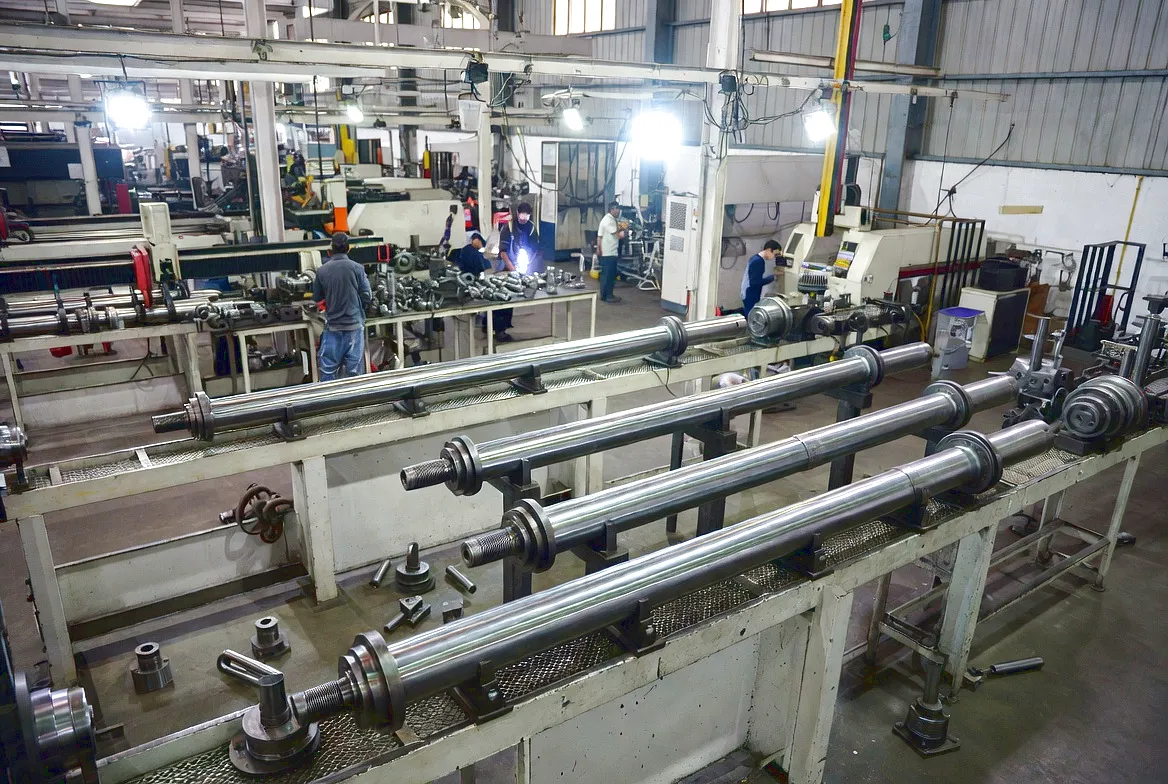
Sheffield Engineering Solutions Ltd is a mid-size contract manufacturer based in the Don Valley area of Sheffield, South Yorkshire. The company operates a mixed fleet of tractor-driven and stationary PTO-powered equipment, including hydraulic power packs, scrap metal shredders, and slag-handling mixing units — all serving the local advanced materials and steel processing industries that Sheffield remains nationally known for. Their equipment operates across multiple sites, with shafts running continuously on extended day and night shifts. The HSE conducted an advisory visit following an industry-wide safety communication, and the site’s maintenance records revealed that eight PTO guards across the fleet were either cracked, had missing retaining chains, or had been stored without stub shaft covers fitted.
Sheffield Engineering Solutions’ engineering manager contacted Ever Power directly after finding our product range online. The requirement was not straightforward: three of their power pack shafts used non-standard spline profiles from an older German gearbox supplier no longer trading in the UK, and two of the mixing unit shafts needed extended lengths and higher torque ratings than anything available through UK agricultural merchants. Ever Power’s technical team assessed the existing hardware using dimensional data provided by the customer and confirmed the shaft series, spline geometry, and guard specifications required for each application. Custom-length shafts with matched guard assemblies, torque limiters rated at 130% of normal operating load, and full sets of stub shaft caps were manufactured and delivered to the Sheffield site within fourteen working days.
The result was a fully compliant fleet, documented maintenance records acceptable to HSE requirements, and — critically — a site free of the guarding deficiencies that had been identified. The engineering manager subsequently established a rolling annual inspection programme with Ever Power as the preferred replacement guard supplier, ensuring that no shaft in the fleet operates with a guard older than four years regardless of apparent condition. The relationship has since expanded to cover guard supply for two additional Sheffield Engineering Solutions sites in Rotherham and Barnsley.
What Our UK Customers Say
★★★★★
“We had three shafts on our hydraulic power packs that nobody in the UK could match to our legacy gearbox spline. Ever Power had drawings reviewed and custom assemblies manufactured in under three weeks — full compliance, correct torque rating, and guards that actually fit properly. That level of technical support from a supplier is genuinely rare.”
— D. Hewitt, Engineering Manager, Sheffield Engineering Solutions Ltd
★★★★★
“The replacement guard sets we ordered for our Birmingham site’s PTO pump fleet arrived on time, fully dimensionally correct, and came with the EN 12965 compliance documentation our insurance auditors required. We’ve used Ever Power for two years now across three sites and they’ve not let us down once on quality or delivery.”
— K. Patel, Procurement Lead, Midlands Process Engineering Ltd, Birmingham
★★★★★
“After an HSE advisory visit flagged our road maintenance fleet’s guarding condition, we needed a rapid solution — some shafts on our verge mowers were clearly past the end of their safe service life. Ever Power responded with a quote within 24 hours, had the guards in stock, and our transport manager confirmed delivery to our Leeds depot faster than any other supplier we contacted. Impressive service and proper documentation throughout.”
— P. Morrison, Fleet Compliance Officer, Northern Roads Maintenance Services, Leeds
Frequently Asked Questions — PTO Shield Safety & Guarding
How often should I inspect a PTO shaft guard on farm machinery operating in Yorkshire’s mixed arable and livestock conditions?
In Yorkshire’s variable climate — with its combination of wet field conditions, UV exposure during long summer seasons, and freeze-thaw cycling in winter — best practice for agricultural PTO shaft guards is a full inspection before each seasonal campaign (typically pre-drilling, pre-harvest, and pre-winter maintenance), plus a quick visual check at each pre-use inspection. Any sign of cracking, chalking, or missing retaining chains requires replacement before the machinery is returned to use. HSE guidance and current insurance standards for agricultural businesses in England and Wales both support a minimum twice-annual formal inspection record.
What is the approximate cost or price of replacing a full PTO shaft guard assembly for a standard 540 RPM agricultural implement in the UK market?
The price of a replacement PTO shaft guard assembly in the UK market varies considerably depending on series size, shaft length, and whether the guard is a standard plastic type or a heavy-duty metallic assembly. For a typical standard-series 540 RPM plastic guard sized for a common agricultural implement, retail prices from specialist UK suppliers typically range from around £40 to £120 for off-the-shelf sizes. Heavy-duty industrial guards for larger torque-rated shafts can run considerably higher. For custom-length or non-standard profile assemblies, requesting a direct quote from Ever Power at [email protected] is the most reliable route to an accurate price. Volume pricing is available for fleet replacements.
Which UK supplier can provide a custom PTO shaft guard that fits a non-standard gearbox spline profile used on older industrial equipment in Birmingham?
Ever Power specialises precisely in this type of requirement. When standard catalogue guards do not fit legacy or non-standard gearbox spline profiles — a frequent challenge for Birmingham’s industrial machinery sector where older European equipment remains in active service — our engineering team works from customer-supplied dimensional data or physical samples to design and manufacture compliant replacement assemblies. Contact [email protected] with your shaft dimensions, spline profile (tooth count and pitch), and operational parameters and we will confirm whether we can match your requirement, typically within 48 hours of your enquiry.
What happens when HSE inspectors find a missing or damaged PTO guard on a UK commercial farm or industrial site — what are the legal consequences?
When HSE inspectors identify missing, damaged, or non-functional PTO shaft guards on UK commercial premises, the enforcement options available to them range from verbal advice through to formal Improvement Notices, Prohibition Notices, and criminal prosecution. An Improvement Notice requires a specific deficiency to be corrected within a defined timeframe. A Prohibition Notice stops the use of the affected machinery immediately and cannot be overridden by the operator. In cases where serious injury has occurred as a result of guarding failures, criminal prosecution under the Health and Safety at Work Act can result in unlimited fines and — in the most serious cases — custodial sentences for individuals found personally responsible. UK businesses should treat PTO guarding compliance as a legal minimum, not a best-practice aspiration.
How do I know whether a replacement PTO shaft guard I’ve ordered actually meets the EN 12965 standard required for UK machinery compliance?
Genuine EN 12965-compliant PTO shaft guards should be accompanied by a Declaration of Conformity or equivalent compliance documentation identifying the specific standard, the manufacturer, and the product series to which it applies. Legitimate suppliers should be able to provide this documentation on request. Physical indicators of compliance include correct marking or labelling on the guard body, consistent wall thickness without thin spots or voids, properly formed end caps that fully enclose the universal joint cups, and bearing arrangements that allow the guard to rotate freely relative to the shaft. If a supplier cannot provide compliance documentation or deflects the question, source your guards elsewhere — the safety and legal consequences of a non-compliant guard are not worth a marginal cost saving.
Where in the UK can I get a same-week quote for heavy-duty PTO shaft guards for a road maintenance fleet operating out of the Leeds and Sheffield area?
Ever Power can typically provide a priced quote within 24 to 48 hours for heavy-duty PTO shaft guard assemblies for road maintenance and highways equipment fleets. We supply directly to customers across South Yorkshire, West Yorkshire, and the wider Northern England region, with delivery to the Leeds or Sheffield area routinely achieved on standard ground freight within 3 to 5 working days from order confirmation for stock items. For custom or non-standard assemblies, lead times are project-specific but we aim to give firm delivery dates at the time of quotation. Contact our sales team at [email protected] with your shaft series, guard dimensions, and quantity requirements to receive a prioritised same-week response.
When is it absolutely essential to replace a PTO shaft guard rather than simply repairing or patching it on agricultural or industrial equipment used across the UK?
Patching or repairing a PTO shaft guard is almost never an acceptable approach under current UK safety standards. PUWER requires guards to be maintained in an “efficient state,” and a patched guard does not restore the original material properties — particularly impact resistance and UV stability — that EN 12965 specifies for compliant guarding. Replacement is essential whenever there is any visible cracking or splitting in the guard body or end caps; whenever the retaining chain anchor points are damaged beyond adjustment; whenever the guard co-rotates with the shaft even partially; whenever a guard has sustained an impact from a foreign object or ground contact; or whenever the guard is more than five years old and shows surface degradation. Replacement guards are not expensive relative to the consequence of a guarding failure, and the insurance and legal defence costs that result from an injury linked to a known defective guard can be catastrophic.
Ever Power — UK PTO Shaft Specialists
Protect Your Team. Stay Compliant. Source the Right Guard.
Whether you need standard replacement guards for UK farm machinery, custom heavy-duty assemblies for industrial plant in Birmingham or Sheffield, or a compliance-ready fleet replacement programme, Ever Power has the technical depth, manufacturing capability, and supply chain reliability to deliver. Get in touch for a no-obligation quote today.
Article Information
🛒 Supplier: Ever Power | ✉ [email protected]
🌎 Market: United Kingdom | 📋 Standards Referenced: EN 12965, BS ISO 5674, PUWER 1998
This article is provided for informational and safety guidance purposes. Always consult current HSE guidance, applicable UK legislation, and a qualified mechanical engineer for site-specific safety assessments. edit by gzl























