
คำอธิบายผลิตภัณฑ์
คำอธิบายผลิตภัณฑ์
คำอธิบายผลิตภัณฑ์
| Item | Shaft, axle |
| แอปพลิเคชัน | Cranes, Railway way, mineral Machinery, hydraulic Machinery, Spare parts etc. |
| ออกแบบ | สามารถผลิตได้ตามคำขอของลูกค้า ออกแบบตามความต้องการของลูกค้า หรือตามแบบที่ลูกค้าต้องการ |
| วัสดุ | Stainless Steel or Carbon Steel, such as 45#, 65# SAE4140, SAE4150, SAE4160, 42CrMo, stainless steel 410, stainless steel 304, or other required steel |
| ขนาด | Diameter 80mm to 2000mm. Length max.in 6000mm |
| Minimum order | 1Pcs |
Product Real Shot
Manufacturing Process
- Free forged or module forged
- Rough machining process, to remove the surface forged oxidized black leather.
- 100% Ultrasonic Test ASTMA388
- Heat Treatment according to request, Normalized, Quenched, Tempered….
- Hardness test
- Finishing Process to the dimensional state required by the drawing.
- 100% Magnetic Test ASTM E709 and 100% dimensional test
- Painting or oil protecting TECTYL 506 or similiar
- Packing with boxes
Data Needed for Quotation
– Your own drawing
– Your requirement on material and necessary dimensional data
– Ask for recommend
ข้อมูลบริษัท
ZheJiang CZPT Machinery Co., Ltd., established in the year of 2012, is a professional supplier of material handling equipment, OEM machinery parts, various forging parts and casting parts.
Ebon’s products scope: cranes, hoists, magnets, grabs, hooks, wheels, drums, axles, lifting beams,bearing box, bearings, couplings,flanges etc. They are applied in wide range of field: Machinery, Mining, Hydro power Transportation, Construction…..
CZPT has 5 reliable manufacturing factories to make sure stable supply and fast delivery for your business.
Our products are also exported to USA, Britain, Japan, South Korea, Russia, Indonesia, Thailand, India, Vietnam, Canada, Argentina, Paraguay etc more than 50 countries.
CZPT team is loyal and committed to your success, and firmly believes that our products and services will increase the value and effectiveness of your business with following characters:
-Professional sales team, market promotion team and logistics team with more then 10 years experience .
-Loyal and Responsible Characters
-Efficient Work, Fast Response
-Responsible Quality Control Team
-Video the manufacturing process, the testing, and packing before delivery
1.Q: How about your delivery time?
A: Generally, it will take 7-30 days after receiving your advance payment. The specific delivery time depends on the items, transportation ways and the quantity of your order.
2.Q: Can you produce according to the samples?
A: Yes, we can produce by your samples or technical drawings.
3.Q: Do you test all your goods before delivery?
A: Yes, we have 100% Ultrasonic test, Magnetic test or Liquid Penetration test before delivery
4.Q: How do you make our business long-term and good relationship?
A: (1) We keep good quality and competitive price to ensure our customers benefit ;
(2) We respect every customer as our friend and we sincerely do business and make friends with them, no matter where they come from.
5.Q: I can’t see the goods or touch the goods, how can I deal with the risk involved?
A: Our quality management system conforms to the requirement of ISO 9001:2015 verified by DNV. We are absolutely worth your trust. We can accept trial order to enhance mutual trust.
/* 22 มกราคม 2571 19:08:37 */!function(){function s(e,r){var a,o={};try{e&&e.split(“,”).forEach(function(e,t){e&&(a=e.match(/(.*?):(.*)$/))&&1
| Processing Object: | Metal |
|---|---|
| Molding Style: | การตีขึ้นรูป |
| Molding Technics: | Pressure Casting |
| แอปพลิเคชัน: | Machinery Parts |
| วัสดุ: | Steel |
| Heat Treatment: | Quenching |
| การปรับแต่ง: |
มีอยู่
| คำขอที่กำหนดเอง |
|---|

How do manufacturers ensure the compatibility of drive shafts with different equipment?
Manufacturers employ various strategies and processes to ensure the compatibility of drive shafts with different equipment. Compatibility refers to the ability of a drive shaft to effectively integrate and function within a specific piece of equipment or machinery. Manufacturers take into account several factors to ensure compatibility, including dimensional requirements, torque capacity, operating conditions, and specific application needs. Here’s a detailed explanation of how manufacturers ensure the compatibility of drive shafts:
1. Application Analysis:
Manufacturers begin by conducting a thorough analysis of the intended application and equipment requirements. This analysis involves understanding the specific torque and speed demands, operating conditions (such as temperature, vibration levels, and environmental factors), and any unique characteristics or constraints of the equipment. By gaining a comprehensive understanding of the application, manufacturers can tailor the design and specifications of the drive shaft to ensure compatibility.
2. Customization and Design:
Manufacturers often offer customization options to adapt drive shafts to different equipment. This customization involves tailoring the dimensions, materials, joint configurations, and other parameters to match the specific requirements of the equipment. By working closely with the equipment manufacturer or end-user, manufacturers can design drive shafts that align with the equipment’s mechanical interfaces, mounting points, available space, and other constraints. Customization ensures that the drive shaft fits seamlessly into the equipment, promoting compatibility and optimal performance.
3. Torque and Power Capacity:
Drive shaft manufacturers carefully determine the torque and power capacity of their products to ensure compatibility with different equipment. They consider factors such as the maximum torque requirements of the equipment, the expected operating conditions, and the safety margins necessary to withstand transient loads. By engineering drive shafts with appropriate torque ratings and power capacities, manufacturers ensure that the shaft can handle the demands of the equipment without experiencing premature failure or performance issues.
4. Material Selection:
Manufacturers choose materials for drive shafts based on the specific needs of different equipment. Factors such as torque capacity, operating temperature, corrosion resistance, and weight requirements influence material selection. Drive shafts may be made from various materials, including steel, aluminum alloys, or specialized composites, to provide the necessary strength, durability, and performance characteristics. The selected materials ensure compatibility with the equipment’s operating conditions, load requirements, and other environmental factors.
5. Joint Configurations:
Drive shafts incorporate joint configurations, such as universal joints (U-joints) or constant velocity (CV) joints, to accommodate different equipment needs. Manufacturers select and design the appropriate joint configuration based on factors such as operating angles, misalignment tolerances, and the desired level of smooth power transmission. The choice of joint configuration ensures that the drive shaft can effectively transmit power and accommodate the range of motion required by the equipment, promoting compatibility and reliable operation.
6. Quality Control and Testing:
Manufacturers implement stringent quality control processes and testing procedures to verify the compatibility of drive shafts with different equipment. These processes involve conducting dimensional inspections, material testing, torque and stress analysis, and performance testing under simulated operating conditions. By subjecting drive shafts to rigorous quality control measures, manufacturers can ensure that they meet the required specifications and performance criteria, guaranteeing compatibility with the intended equipment.
7. การปฏิบัติตามมาตรฐาน:
Manufacturers ensure that their drive shafts comply with relevant industry standards and regulations. Compliance with standards, such as ISO (International Organization for Standardization) or specific industry standards, provides assurance of quality, safety, and compatibility. Adhering to these standards helps manufacturers meet the expectations and requirements of equipment manufacturers and end-users, ensuring that the drive shafts are compatible and can be seamlessly integrated into different equipment.
8. Collaboration and Feedback:
Manufacturers often collaborate closely with equipment manufacturers, OEMs (Original Equipment Manufacturers), or end-users to gather feedback and incorporate their specific requirements into the drive shaft design and manufacturing processes. This collaborative approach ensures that the drive shafts are compatible with the intended equipment and meet the expectations of the end-users. By actively seeking input and feedback, manufacturers can continuously improve their products’ compatibility and performance.
In summary, manufacturers ensure the compatibility of drive shafts with different equipment through a combination of application analysis, customization, torque and power capacity considerations, material selection, joint configurations, quality control and testing, compliance with standards, and collaboration with equipment manufacturers and end-users. These efforts enable manufacturers to design and produce drive shafts that seamlessly integrate with various equipment, ensuring optimal performance, reliability, and compatibility in different applications.

คุณสามารถยกตัวอย่างยานพาหนะและเครื่องจักรในโลกแห่งความเป็นจริงที่ใช้เพลาขับได้หรือไม่?
เพลาขับเป็นชิ้นส่วนที่ใช้กันอย่างแพร่หลายในยานพาหนะและเครื่องจักรต่างๆ เพื่อส่งกำลังจากเครื่องยนต์หรือแหล่งพลังงานไปยังล้อหรือชิ้นส่วนที่ถูกขับเคลื่อน ต่อไปนี้เป็นตัวอย่างยานพาหนะและเครื่องจักรในโลกแห่งความเป็นจริงที่ใช้เพลาขับ:
1. รถยนต์:
เพลาขับเป็นชิ้นส่วนที่พบได้ทั่วไปในรถยนต์ โดยเฉพาะรถยนต์ขับเคลื่อนล้อหลังหรือขับเคลื่อนสี่ล้อ ในรถยนต์เหล่านี้ เพลาขับจะส่งกำลังจากเกียร์หรือชุดเกียร์ไปยังเฟืองท้ายด้านหลังหรือด้านหน้าตามลำดับ ซึ่งจะช่วยกระจายกำลังจากเครื่องยนต์ไปยังล้อ ทำให้รถเคลื่อนที่ไปข้างหน้า
2. รถบรรทุกและรถยนต์เพื่อการพาณิชย์:
เพลาขับเป็นส่วนประกอบที่สำคัญในรถบรรทุกและรถยนต์เพื่อการพาณิชย์ ทำหน้าที่ส่งกำลังจากเกียร์หรือชุดเกียร์ทดกำลังไปยังเพลาล้อหลัง หรือหลายเพลาในกรณีของรถบรรทุกขนาดใหญ่ เพลาขับในรถยนต์เพื่อการพาณิชย์ได้รับการออกแบบให้รับแรงบิดได้สูงกว่า และมักมีขนาดใหญ่และแข็งแรงกว่าเพลาขับที่ใช้ในรถยนต์นั่งส่วนบุคคล
3. อุปกรณ์ก่อสร้างและเคลื่อนย้ายดิน:
เครื่องจักรสำหรับงานก่อสร้างและงานดินประเภทต่างๆ เช่น รถขุด รถตัก รถดันดิน และรถเกรด ล้วนใช้เพลาขับในการส่งกำลัง เครื่องจักรเหล่านี้มักมีระบบส่งกำลังที่ซับซ้อน ซึ่งใช้เพลาขับในการถ่ายทอดกำลังจากเครื่องยนต์ไปยังล้อหรือตีนตะขาบ ทำให้สามารถทำงานหนักในสถานที่ก่อสร้างหรือในเหมืองแร่ได้
4. เครื่องจักรกลการเกษตร:
เครื่องจักรกลการเกษตร เช่น รถแทรกเตอร์ รถเกี่ยวข้าว และเครื่องเก็บเกี่ยว ใช้เพลาขับในการส่งกำลังจากเครื่องยนต์ไปยังล้อหรือชิ้นส่วนที่ถูกขับเคลื่อน เพลาขับในเครื่องจักรกลการเกษตรมักต้องรับภาระหนักและอาจมีคุณสมบัติเพิ่มเติม เช่น ส่วนที่ยืดหดได้ เพื่อรองรับระยะห่างที่แตกต่างกันระหว่างชิ้นส่วนต่างๆ
5. เครื่องจักรกลอุตสาหกรรม:
เครื่องจักรกลอุตสาหกรรม เช่น อุปกรณ์การผลิต เครื่องกำเนิดไฟฟ้า ปั๊ม และคอมเพรสเซอร์ มักจะมีเพลาขับอยู่ในระบบส่งกำลัง เพลาขับเหล่านี้จะส่งกำลังจากมอเตอร์ไฟฟ้า เครื่องยนต์ หรือแหล่งพลังงานอื่นๆ ไปยังชิ้นส่วนต่างๆ ที่ต้องการขับเคลื่อน ทำให้เครื่องจักรสามารถทำงานเฉพาะอย่างในสภาพแวดล้อมทางอุตสาหกรรมได้
6. เรือเดินทะเล:
ในงานด้านการเดินเรือ เพลาขับมักใช้ในการส่งกำลังจากเครื่องยนต์ไปยังใบพัดในเรือ เรือเดินสมุทร และยานพาหนะทางน้ำอื่นๆ เพลาขับสำหรับงานเดินเรือโดยทั่วไปจะยาวกว่าและได้รับการออกแบบให้ทนทานต่อความท้าทายเฉพาะของสภาพแวดล้อมทางน้ำ รวมถึงความต้านทานต่อการกัดกร่อนและกลไกการซีลที่เหมาะสม
7. รถบ้าน (RV) และรถมอเตอร์โฮม:
รถบ้านและรถมอเตอร์โฮมมักใช้เพลาขับเป็นส่วนหนึ่งของระบบส่งกำลัง เพลาขับเหล่านี้ส่งกำลังจากเกียร์ไปยังเพลาล้อหลัง ทำให้รถเคลื่อนที่และให้แรงขับเคลื่อน เพลาขับในรถบ้านอาจมีคุณสมบัติเพิ่มเติม เช่น ตัวลดแรงสั่นสะเทือนหรือส่วนประกอบลดการสั่นสะเทือนเพื่อเพิ่มความสะดวกสบายระหว่างการเดินทาง
8. ยานพาหนะออฟโรดและรถแข่ง:
รถยนต์ออฟโรด เช่น รถ SUV รถกระบะ และรถเอทีวี (ATV) รวมถึงรถแข่ง มักใช้เพลาขับ เพลาขับเหล่านี้ได้รับการออกแบบมาให้ทนทานต่อสภาพการใช้งานหนักในสภาพถนนออฟโรดหรือการแข่งขันสมรรถนะสูง ส่งกำลังไปยังล้อได้อย่างมีประสิทธิภาพ และรับประกันการยึดเกาะและสมรรถนะที่ดีที่สุด
9. รถไฟและอุปกรณ์ที่เกี่ยวข้อง:
ในระบบรถไฟ เพลาขับถูกนำมาใช้ในหัวรถจักรและรถไฟบางประเภท ทำหน้าที่ส่งกำลังจากเครื่องยนต์ของหัวรถจักรไปยังล้อหรือระบบขับเคลื่อน ทำให้รถไฟสามารถเคลื่อนที่ไปตามรางได้ โดยทั่วไปแล้ว เพลาขับของรถไฟจะยาวกว่ามาก และอาจมีคุณสมบัติเพิ่มเติมเพื่อรองรับลักษณะการเชื่อมต่อหรือความยืดหยุ่นของรถไฟบางประเภท
10. กังหันลม:
กังหันลมขนาดใหญ่ที่ใช้ในการผลิตไฟฟ้าจะมีเพลาขับเป็นส่วนหนึ่งของระบบส่งกำลัง เพลาขับจะถ่ายโอนพลังงานการหมุนจากใบพัดของกังหันไปยังเครื่องกำเนิดไฟฟ้า ซึ่งจะถูกแปลงเป็นพลังงานไฟฟ้า เพลาขับในกังหันลมได้รับการออกแบบมาให้รับมือกับแรงบิดและแรงหมุนมหาศาลที่เกิดจากลมได้
ตัวอย่างเหล่านี้แสดงให้เห็นถึงยานพาหนะและเครื่องจักรหลากหลายประเภทที่ใช้เพลาขับในการส่งกำลังและขับเคลื่อนอย่างมีประสิทธิภาพ เพลาขับเป็นส่วนประกอบที่สำคัญในอุตสาหกรรมต่างๆ ช่วยให้สามารถถ่ายทอดกำลังจากแหล่งกำเนิดไปยังส่วนประกอบที่ถูกขับเคลื่อน ซึ่งท้ายที่สุดแล้วจะช่วยให้เกิดการเคลื่อนไหว การทำงาน หรือการปฏิบัติงานเฉพาะอย่างได้
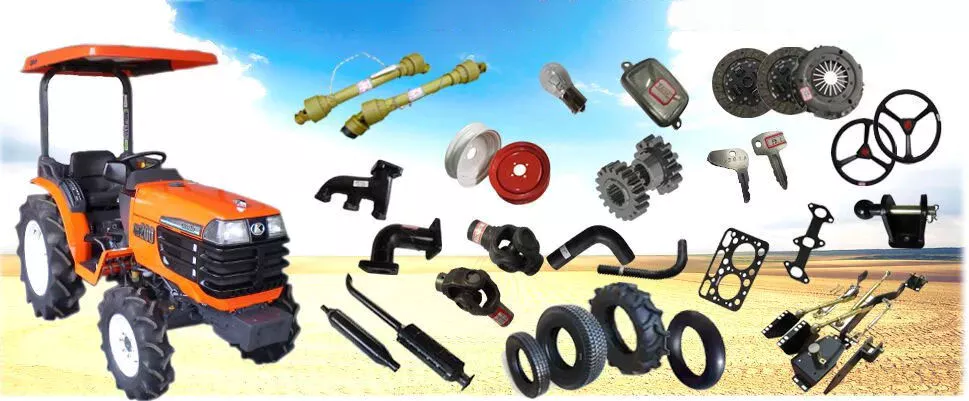
Are there variations in drive shaft designs for different types of machinery?
Yes, there are variations in drive shaft designs to cater to the specific requirements of different types of machinery. The design of a drive shaft is influenced by factors such as the application, power transmission needs, space limitations, operating conditions, and the type of driven components. Here’s an explanation of how drive shaft designs can vary for different types of machinery:
1. Automotive Applications:
In the automotive industry, drive shaft designs can vary depending on the vehicle’s configuration. Rear-wheel-drive vehicles typically use a single-piece or two-piece drive shaft, which connects the transmission or transfer case to the rear differential. Front-wheel-drive vehicles often use a different design, employing a drive shaft that combines with the constant velocity (CV) joints to transmit power to the front wheels. All-wheel-drive vehicles may have multiple drive shafts to distribute power to all wheels. The length, diameter, material, and joint types can differ based on the vehicle’s layout and torque requirements.
2. Industrial Machinery:
Drive shaft designs for industrial machinery depend on the specific application and power transmission requirements. In manufacturing machinery, such as conveyors, presses, and rotating equipment, drive shafts are designed to transfer power efficiently within the machine. They may incorporate flexible joints or use a splined or keyed connection to accommodate misalignment or allow for easy disassembly. The dimensions, materials, and reinforcement of the drive shaft are selected based on the torque, speed, and operating conditions of the machinery.
3. Agriculture and Farming:
Agricultural machinery, such as tractors, combines, and harvesters, often requires drive shafts that can handle high torque loads and varying operating angles. These drive shafts are designed to transmit power from the engine to attachments and implements, such as mowers, balers, tillers, and harvesters. They may incorporate telescopic sections to accommodate adjustable lengths, flexible joints to compensate for misalignment during operation, and protective shielding to prevent entanglement with crops or debris.
4. Construction and Heavy Equipment:
Construction and heavy equipment, including excavators, loaders, bulldozers, and cranes, require robust drive shaft designs capable of transmitting power in demanding conditions. These drive shafts often have larger diameters and thicker walls to handle high torque loads. They may incorporate universal joints or CV joints to accommodate operating angles and absorb shocks and vibrations. Drive shafts in this category may also have additional reinforcements to withstand the harsh environments and heavy-duty applications associated with construction and excavation.
5. Marine and Maritime Applications:
Drive shaft designs for marine applications are specifically engineered to withstand the corrosive effects of seawater and the high torque loads encountered in marine propulsion systems. Marine drive shafts are typically made from stainless steel or other corrosion-resistant materials. They may incorporate flexible couplings or dampening devices to reduce vibration and mitigate the effects of misalignment. The design of marine drive shafts also considers factors such as shaft length, diameter, and support bearings to ensure reliable power transmission in marine vessels.
6. Mining and Extraction Equipment:
In the mining industry, drive shafts are used in heavy machinery and equipment such as mining trucks, excavators, and drilling rigs. These drive shafts need to withstand extremely high torque loads and harsh operating conditions. Drive shaft designs for mining applications often feature larger diameters, thicker walls, and specialized materials such as alloy steel or composite materials. They may incorporate universal joints or CV joints to handle operating angles, and they are designed to be resistant to abrasion and wear.
These examples highlight the variations in drive shaft designs for different types of machinery. The design considerations take into account factors such as power requirements, operating conditions, space constraints, alignment needs, and the specific demands of the machinery or industry. By tailoring the drive shaft design to the unique requirements of each application, optimal power transmission efficiency and reliability can be achieved.


editor by CX 2024-02-29























