
คำอธิบายผลิตภัณฑ์
| การรับรอง | การจัดส่ง | คุณภาพ | วัสดุ | การรับรองระบบของบริษัท |
| IATF16949 | เมื่อเวลาผ่านไป | สูง | เหล็ก | ISO9001 |
ข้อมูลบริษัท
โรงงานผลิตเกียร์ท่าเรือตะวันออก เขตซีหู (ทะเลสาบตะวันตก) เมืองหางโจว ตั้งอยู่ในเขตอุตสาหกรรมโจวเจีย เมืองซีพีที เมืองหางโจว ห่างจากทะเลสาบเฉียน เขตซีหู (ทะเลสาบตะวันตก) เพียง 3 กิโลเมตร โรงงานแห่งนี้มุ่งเน้นการวิจัย พัฒนา ผลิต และจำหน่ายเกียร์ที่มีความแม่นยำสูง โรงงานได้รับใบรับรอง ISO9001: 2015 และ IATF16949:2016 ตลาดส่งออกหลัก ได้แก่ อเมริกาเหนือ อเมริกาใต้ และยุโรป ผลิตภัณฑ์สามารถปรับแต่งได้ และส่วนใหญ่ประกอบด้วย: เพลามอเตอร์พลังงานใหม่ เกียร์ปั๊มน้ำมัน เกียร์เครื่องจักรกลการเกษตร เกียร์ส่งกำลัง เกียร์รถยนต์ไฟฟ้า เป็นต้น เรายินดีอย่างยิ่งที่จะร่วมมือกับองค์กรต่างๆ จากทั่วโลก
อุปกรณ์และผลิตภัณฑ์หลัก
ใบรับรอง
คำถามที่พบบ่อย
คำถามที่ 1:คุณภาพของผลิตภัณฑ์ของคุณเป็นอย่างไรบ้าง?
A: ผลิตภัณฑ์ของเรามีคุณภาพที่เชื่อถือได้และมีอายุการใช้งานยาวนาน
Q2: ขั้นตอนการปรับแต่ง/กระบวนการทำงาน?
ให้คำปรึกษา – การเลือกวัสดุ – การเขียนแบบ 2 มิติ/3 มิติ – ใบเสนอราคา – การชำระเงิน – การผลิต – การควบคุมคุณภาพ – บรรจุภัณฑ์ – การจัดส่ง
คำถามที่ 3: เงื่อนไขการบรรจุสินค้าของคุณเป็นอย่างไร?
A: โดยทั่วไปแล้ว เราจะบรรจุสินค้าลงในลังไม้ หากคุณมีคำขอพิเศษเกี่ยวกับการบรรจุสินค้า โปรดแจ้งให้เราทราบล่วงหน้า เราสามารถบรรจุสินค้าตามที่คุณต้องการได้
คำถามที่ 4: ราคาเท่าไหร่?
A: เราจะเสนอราคาที่แข่งขันได้หลังจากได้รับแบบร่างของคุณแล้ว
Q5:เงื่อนไขการชำระเงินของคุณคืออะไร?
A: 30% โอนเงินล่วงหน้า, 70% โอนเงินก่อนจัดส่ง
Q6: เงื่อนไขการจัดส่งสินค้าของคุณคืออะไร?
A: FOB
Q7: บริษัทของคุณใช้ซอฟต์แวร์วาดภาพอะไร?
เอ:ซีเอ็กซ์เอ
Q8: คุณทดสอบสินค้าทั้งหมดก่อนส่งมอบหรือไม่?
A: ใช่ค่ะ เรามีการทดสอบ 100% ก่อนส่งมอบสินค้า
Q9: ระยะเวลาในการจัดส่งของคุณเป็นอย่างไรบ้างครับ/คะ?
A:โดยปกติสินค้าจะถูกจัดส่งภายใน 40-90 วัน
Q10: ตัวอย่าง?
A: เรามีบริการส่งตัวอย่างสินค้าแบบมีค่าใช้จ่าย หากท่านต้องการตัวอย่างสินค้า โปรดติดต่อเราได้ตลอดเวลา
Q11: บริษัทของคุณใช้บรรจุภัณฑ์โลจิสติกส์แบบใด?
A: บริการจัดส่งด่วนสำหรับคำสั่งซื้อเร่งด่วน UPS, FedEx, DHL, TNT, EMS
Q12: ขอบเขตการใช้งาน?
A: อุตสาหกรรมยานยนต์ การแพทย์ ระบบอัตโนมัติ การเกษตร การเดินเรือ ฯลฯ
Q13: คุณจะสร้างความสัมพันธ์ทางธุรกิจที่ดีและยั่งยืนกับเราได้อย่างไร?
A:1. เรามุ่งมั่นที่จะรักษาคุณภาพที่ดีและราคาที่แข่งขันได้ เพื่อให้ลูกค้าของเราได้รับประโยชน์สูงสุด
2. เราให้เกียรติลูกค้าทุกท่านเสมือนเพื่อน และเราทำธุรกิจและสร้างมิตรภาพกับพวกเขาด้วยความจริงใจ
ไม่ว่าพวกเขาจะมาจากที่ไหนก็ตาม
|
ค่าจัดส่ง:
ค่าขนส่งโดยประมาณต่อหน่วย |
To be negotiated |
|---|
| แอปพลิเคชัน: | มอเตอร์, รถยนต์ไฟฟ้า, รถจักรยานยนต์, เครื่องจักร, เครื่องจักรกลการเกษตร, รถยนต์ |
|---|---|
| ความแข็ง: | ผิวฟันแข็ง |
| ตำแหน่งเกียร์: | Internal Gear |
| ตัวอย่าง: |
US$ 50 ชิ้น/ชิ้น
1 ชิ้น (สั่งขั้นต่ำ) | สั่งซื้อตัวอย่าง เวอร์ชันที่ปรับแต่งแล้ว
|
|---|
| การปรับแต่ง: |
มีอยู่
| คำขอที่กำหนดเอง |
|---|
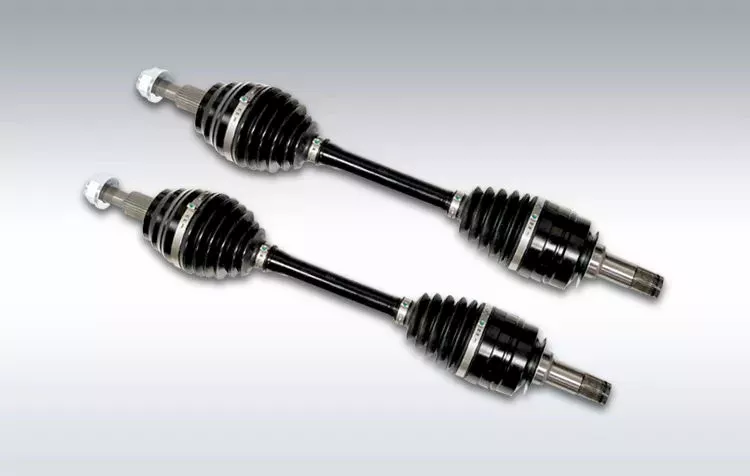
ระบบเพลาขับ PTO มีข้อจำกัดหรือข้อเสียใดบ้างหรือไม่?
แม้ว่าระบบเพลาขับ PTO (Power Take-Off) จะมีข้อดีมากมาย แต่ก็มีข้อจำกัดและข้อเสียบางประการที่เกี่ยวข้องกับการใช้งานเช่นกัน จึงเป็นสิ่งสำคัญที่จะต้องพิจารณาปัจจัยเหล่านี้เมื่อตัดสินใจว่าจะนำระบบเพลาขับ PTO มาใช้หรือไม่ ข้อจำกัดและข้อเสียได้แก่:
1. ความเสี่ยงด้านความปลอดภัย:
ระบบเพลาขับ PTO อาจก่อให้เกิดความเสี่ยงด้านความปลอดภัยหากไม่ได้ใช้งานและบำรุงรักษาอย่างถูกต้อง เพลาขับที่หมุนได้ ร่องฟันที่เปิดโล่ง และข้อต่ออเนกประสงค์ อาจเป็นอันตรายต่อผู้ปฏิบัติงานและผู้ที่อยู่ใกล้เคียงหากสัมผัสโดยไม่ได้ตั้งใจขณะใช้งาน การพันกันหรือการติดของเสื้อผ้า เส้นผม หรือส่วนต่างๆ ของร่างกายในชิ้นส่วนที่หมุนได้อาจส่งผลให้เกิดการบาดเจ็บรุนแรง ดังนั้นจึงจำเป็นอย่างยิ่งที่จะต้องปฏิบัติตามแนวทางด้านความปลอดภัย ใช้แผ่นป้องกันที่เหมาะสม และติดตั้งอุปกรณ์ความปลอดภัยเพื่อลดความเสี่ยงเหล่านี้
2. การบำรุงรักษาและการหล่อลื่น:
ระบบเพลาขับ PTO จำเป็นต้องได้รับการบำรุงรักษาและหล่อลื่นอย่างสม่ำเสมอเพื่อให้มั่นใจถึงประสิทธิภาพสูงสุดและอายุการใช้งานที่ยาวนาน ข้อต่อ ร่องฟัน และตลับลูกปืนต้องได้รับการตรวจสอบ ทำความสะอาด และหล่อลื่นตามคำแนะนำของผู้ผลิต การไม่บำรุงรักษาตามปกติอาจนำไปสู่การสึกหรอเร็วเกินไป แรงเสียดทานที่เพิ่มขึ้น และในที่สุดชิ้นส่วนจะเสียหาย ส่งผลให้เกิดการหยุดทำงานโดยไม่คาดคิดและการซ่อมแซมที่มีค่าใช้จ่ายสูง
3. การเบี่ยงเบนและการสั่นสะเทือน:
ระบบเพลาขับ PTO อาจเกิดการเยื้องศูนย์และการสั่นสะเทือน โดยเฉพาะอย่างยิ่งเมื่ออุปกรณ์ที่ถูกขับเคลื่อนไม่ได้อยู่ในแนวเดียวกับแหล่งพลังงานอย่างสมบูรณ์ การเยื้องศูนย์จะเพิ่มภาระให้กับเพลาขับและส่วนประกอบต่างๆ ทำให้เกิดการสึกหรอมากขึ้นและประสิทธิภาพลดลง การสั่นสะเทือนที่เกิดขึ้นระหว่างการทำงานยังสามารถทำให้เกิดความล้าและการสึกหรอเร็วขึ้นของเพลาขับและอุปกรณ์ที่เชื่อมต่อได้อีกด้วย
4. มุมการใช้งานที่จำกัด:
โดยทั่วไป ระบบเพลาขับ PTO จะมีมุมการทำงานที่จำกัดเนื่องจากข้อจำกัดด้านการออกแบบของข้อต่ออเนกประสงค์ การใช้งานเกินมุมการทำงานที่แนะนำอาจทำให้เกิดการติดขัด การสึกหรอเพิ่มขึ้น และประสิทธิภาพการส่งกำลังลดลง ข้อจำกัดนี้อาจจำกัดช่วงการเคลื่อนที่หรือความยืดหยุ่นเมื่อเชื่อมต่ออุปกรณ์ที่ขับเคลื่อนด้วย PTO จึงจำเป็นต้องมีการวางแผนและจัดตำแหน่งอย่างระมัดระวังในระหว่างการติดตั้ง
5. เสียงและการสั่นสะเทือน:
ระบบเพลาขับ PTO อาจก่อให้เกิดเสียงและแรงสั่นสะเทือนระหว่างการทำงาน ชิ้นส่วนที่หมุน โดยเฉพาะอย่างยิ่งที่ความเร็วสูง อาจสร้างเสียงและแรงสั่นสะเทือนที่ได้ยินได้ ซึ่งอาจส่งผลกระทบไปยังผู้ปฏิบัติงาน อุปกรณ์ และสภาพแวดล้อมโดยรอบ เสียงและแรงสั่นสะเทือนที่มากเกินไปอาจส่งผลเสียต่อความสะดวกสบายของผู้ปฏิบัติงาน ประสิทธิภาพของอุปกรณ์ และอาจต้องใช้มาตรการเพิ่มเติมเพื่อลดผลกระทบเหล่านั้น
6. ความสามารถในการส่งกำลังไฟฟ้ามีจำกัด:
ระบบเพลาขับ PTO มีข้อจำกัดในด้านความสามารถในการส่งกำลัง แรงบิดและกำลังที่สามารถส่งผ่านเพลาขับได้นั้นขึ้นอยู่กับการออกแบบ ความแข็งแรงของวัสดุ และส่วนประกอบที่เลือกใช้ ในการใช้งานที่ต้องการแรงบิดหรือกำลังสูง วิธีการส่งกำลังแบบอื่น เช่น ระบบไฮดรอลิกหรือระบบขับเคลื่อนเชิงกลโดยตรง อาจเหมาะสมกว่าและสามารถรับภาระที่ต้องการได้
7. ความท้าทายด้านความเข้ากันได้:
การตรวจสอบให้แน่ใจว่าเพลาขับ PTO เข้ากันได้กับอุปกรณ์ต่างๆ นั้นอาจเป็นเรื่องท้าทาย อุปกรณ์บางอย่างอาจมีข้อกำหนดการเชื่อมต่อเฉพาะ เช่น ร่องหรือหน้าแปลนที่ไม่เป็นมาตรฐาน ซึ่งอาจต้องใช้อะแดปเตอร์แบบกำหนดเองหรือการดัดแปลง การทำให้เข้ากันได้กับอุปกรณ์รุ่นเก่าหรืออุปกรณ์เฉพาะทางอาจต้องใช้ความพยายามเพิ่มเติมและอาจไม่ใช่เรื่องง่ายเสมอไป
8. ค่าใช้จ่าย:
การติดตั้งระบบเพลาขับ PTO อาจมีค่าใช้จ่ายเริ่มต้นสูง รวมถึงการซื้อเพลาขับ อุปกรณ์ที่เข้ากันได้ และอะแดปเตอร์หรือข้อต่อที่จำเป็น นอกจากนี้ การบำรุงรักษา การหล่อลื่น และการซ่อมแซมที่อาจเกิดขึ้นก็อาจส่งผลต่อต้นทุนโดยรวม จึงควรพิจารณาอัตราส่วนต้นทุนต่อผลประโยชน์และความต้องการเฉพาะของงานก่อนที่จะลงทุนในระบบเพลาขับ PTO
แม้จะมีข้อจำกัดและข้อเสียเหล่านี้ ระบบเพลาขับ PTO ก็ยังคงถูกใช้งานอย่างแพร่หลายเนื่องจากความอเนกประสงค์ ใช้งานง่าย และเข้ากันได้กับอุปกรณ์หลากหลายประเภท การแก้ไขปัญหาด้านความปลอดภัย การบำรุงรักษาอย่างสม่ำเสมอ และการพิจารณาข้อกำหนดเฉพาะของการใช้งาน จะช่วยลดข้อจำกัดเหล่านี้ลงได้ ทำให้การทำงานมีความน่าเชื่อถือและมีประสิทธิภาพ

How do PTO drive shafts contribute to the efficiency of agricultural tasks like plowing?
PTO (Power Take-Off) drive shafts play a crucial role in enhancing the efficiency of agricultural tasks, including plowing. They provide a reliable and efficient power transmission mechanism between a tractor or power source and various implements, such as plows. Here’s how PTO drive shafts contribute to the efficiency of agricultural tasks like plowing:
1. การถ่ายโอนพลังงาน:
PTO drive shafts enable the transfer of power from the tractor’s engine to the plow or other implements used for plowing. They transmit rotational power at a consistent speed from the power source to the implement, allowing it to perform the intended task efficiently. This direct power transfer eliminates the need for separate engines or motors on each implement, saving both time and resources.
2. ความอเนกประสงค์:
PTO drive shafts are designed to be versatile and compatible with a wide range of agricultural implements. They come in standardized sizes and configurations, allowing different implements to be easily connected and disconnected. This versatility enables farmers to switch between various tasks, including plowing, without requiring significant equipment changes or modifications.
3. Time Efficiency:
By directly transmitting power from the tractor to the plow, PTO drive shafts help save time during agricultural tasks like plowing. They eliminate the need for manual or animal-driven labor, allowing for faster and more efficient plowing operations. This time efficiency increases overall productivity and enables farmers to cover larger areas in less time.
4. Consistent Power Output:
PTO drive shafts provide a consistent power output to the implement, ensuring uniform performance during plowing. They maintain a steady rotational speed, minimizing variations in power delivery and preventing uneven plowing or crop damage. This consistent power output helps achieve reliable and precise results, leading to improved efficiency in the plowing process.
5. Adjustable Speed and Depth:
Many PTO drive shafts offer adjustable rotational speeds, allowing farmers to control the plowing speed according to the specific soil conditions and requirements. This adjustability enables farmers to optimize the plowing process, ensuring efficient soil turnover and seedbed preparation. Additionally, some plows incorporate mechanisms for adjusting the plowing depth, further enhancing flexibility and efficiency.
6. ลดความเหนื่อยล้าของผู้ปฏิบัติงาน:
The use of PTO drive shafts in plowing reduces the physical strain on operators. Instead of manually exerting force to plow the field, operators can rely on the power transmitted through the drive shaft. This reduces fatigue, allowing operators to work for longer durations without experiencing excessive exhaustion. Reduced operator fatigue contributes to increased productivity and overall efficiency in agricultural tasks.
7. Integration with Tractor Controls:
Modern PTO drive shafts often integrate with the tractor’s control system. This integration enables convenient and precise control of the PTO engagement and disengagement, rotational speed, and other parameters. Such integration enhances the ease of operation, minimizes errors, and improves overall efficiency during plowing and other agricultural tasks.
8. Maintenance and Serviceability:
PTO drive shafts are typically designed for ease of maintenance and serviceability. They often feature accessible lubrication points, inspection ports, and replaceable components, making it easier to keep them in good working condition. Regular maintenance ensures optimal performance, reduces the risk of unexpected breakdowns, and maximizes the efficiency of plowing operations.
In summary, PTO drive shafts significantly contribute to the efficiency of agricultural tasks like plowing. They enable direct and consistent power transfer, offer versatility in implement compatibility, save time, provide adjustable speed and depth control, reduce operator fatigue, integrate with tractor controls, and facilitate maintenance. By leveraging the capabilities of PTO drive shafts, farmers can enhance productivity, streamline operations, and achieve efficient plowing results.

Are there different types of PTO drive shaft configurations based on equipment type?
Yes, there are different types of PTO (Power Take-Off) drive shaft configurations based on the type of equipment they are used with. PTO drive shafts are designed to accommodate the specific requirements of different equipment types, ensuring efficient power transmission and compatibility. Here’s a detailed explanation of some common PTO drive shaft configurations based on equipment type:
1. Tractor PTO Drive Shafts:
Tractors are one of the primary vehicles that utilize PTO drive shafts. Tractor PTO drive shafts are typically configured with a splined connection on one end to attach to the tractor’s PTO output shaft, and a corresponding splined connection on the other end to connect to implements or machinery. The length of the drive shaft can often be adjusted to accommodate variations in equipment sizes and operating conditions. Tractor PTO drive shafts are commonly used in agriculture, landscaping, and other applications where tractors are the primary power source.
2. Implement PTO Drive Shafts:
Implement PTO drive shafts are designed specifically for various types of implements and machinery. These drive shafts often have a splined connection on one end to attach to the implement input shaft, while the other end may have a different type of connection depending on the implement’s design. The specific configuration of implement PTO drive shafts can vary widely based on the implement type, such as mowers, balers, tillers, seeders, sprayers, and harvesters. Implement PTO drive shafts are commonly used in agriculture, construction, and other industries where implements are powered by a primary power source.
3. Truck PTO Drive Shafts:
Trucks, especially heavy-duty trucks, often utilize PTO drive shafts for powering various auxiliary equipment and systems. Truck PTO drive shafts are typically designed to transmit power from the truck’s engine or transmission to hydraulic systems, winches, cranes, or other equipment mounted on the truck. These drive shafts may have different configurations depending on the specific truck model and the intended application. Truck PTO drive shafts can handle higher torque and power requirements compared to drive shafts used in smaller vehicles.
4. Industrial PTO Drive Shafts:
Industrial applications often require PTO drive shafts to power machinery and equipment in sectors such as mining, manufacturing, material handling, and processing. Industrial PTO drive shafts are designed to handle heavy-duty operations and can vary in configuration based on the specific machinery requirements. They may incorporate features such as reinforced construction, larger diameter shafts, and specialized coupling mechanisms to accommodate high torque, speed, and power demands.
5. Specialty PTO Drive Shafts:
In addition to the commonly used configurations mentioned above, there are also specialty PTO drive shafts designed for specific applications. These can include drive shafts for specialized machinery in sectors such as forestry, oil and gas, marine, and construction. These specialty drive shafts may have unique configurations and features tailored to the specific requirements and operating conditions of the equipment they are intended to power.
Overall, PTO drive shaft configurations can vary based on the equipment type and the specific application. The design considerations include factors such as the type of connection, length adjustment mechanisms, torque and power handling capabilities, and any specialized features required by the equipment. By employing different PTO drive shaft configurations, various equipment types can efficiently transfer power from a primary power source to implements, machinery, or auxiliary systems.


editor by CX 2023-10-08























