
คำอธิบายผลิตภัณฑ์
คำอธิบายผลิตภัณฑ์
358286A1 universal joint drive shaft New Planetary Drive Shaft Fits Case-IH Backhoe Models 580L Series 2
| Part NO: | 358286A1 |
| Used for: | Fits Models: (580L- Ser. II), 580M, 570MXT, 585G, 586G, 588G Part # 358286A1 Description: Fits Models At A Glance Fits Cases Backhoes: (580L II – After Serial # JJG5715A1, 138940, 358286A1 |
| Related Product: | Starter/Alternator/Solenoid Valve/Overhaul Kit/Turbo Repair Kit |
| คุณสมบัติ: | Good quality;Fast delivery;6Months Warranty |
ใบรับรอง
HangZhou CZPT Mechanical & Electrical Co., Ltd. is a leading provider of high-quality replacement parts for various industries. With a strong focus on customer satisfaction for over 15 years, we have established ourselves as a market leader in the following product categories:
View More Products, You Can Click Product Keywords…
| Main Products | |
| Diesel Engine Parts | Construction Equipment Parts |
| Agriculture Equipment Parts | Aerial Work Platform Parts |
| Generator Parts | |
Our comprehensive product categories include Engine parts, Electrical Parts, Hydraulic parts, Transmission parts, Classis Parts, and more. As a unique supplier, we prioritize our customers as our most valuable resource. We are dedicated to providing exceptional service and competitive prices.
OUR TEAM & EXHIBITION
บรรจุภัณฑ์และการจัดส่ง
คำถามที่พบบ่อย
Q:Are you trading company or manufacturer?
A:We are trading company,but have own outsourcing factories, production quality is guaranteed.
Q:Why choose FridayParts?
เอ:
15+ Years Experience
176+ Countries Sold
20000+ Inventory
60000 SQ FT Warehouse
1000+ New ProductsYearly
Q: How long is your delivery time?
A: Generally it is 1-2 days if the goods are in stock. or it is 7-30 days if the goods are not in stock, it is according to quantity.
Q: Do you provide samples ? is it free or extra ?
A: Yes, we could offer the sample for quality testing but not free.
Q: How about the warranty?
A: Usually Our Warranty is 12 month. Otherwise, if any quality problem, we accept money refund in 15 days..
You can try Trade Assurance, you’ll enjoy:
— 100% product quality protection
— 100% on-time shipment protection
— 100% payment protection for your covered amount
/* 22 มกราคม 2571 19:08:37 */!function(){function s(e,r){var a,o={};try{e&&e.split(“,”).forEach(function(e,t){e&&(a=e.match(/(.*?):(.*)$/))&&1
| การรับรอง: | CCC, COP, ISO9001, CE, E-Mark, RoHS, TS16949 |
|---|---|
| Standard Component: | Standard Component |
| Technics: | Universal Joint Drive Shaft |
| วัสดุ: | Universal Joint Drive Shaft |
| พิมพ์: | Universal Joint Drive Shaft |
| บรรจุภัณฑ์สำหรับการขนส่ง: | Neutral |
| การปรับแต่ง: |
มีอยู่
| คำขอที่กำหนดเอง |
|---|
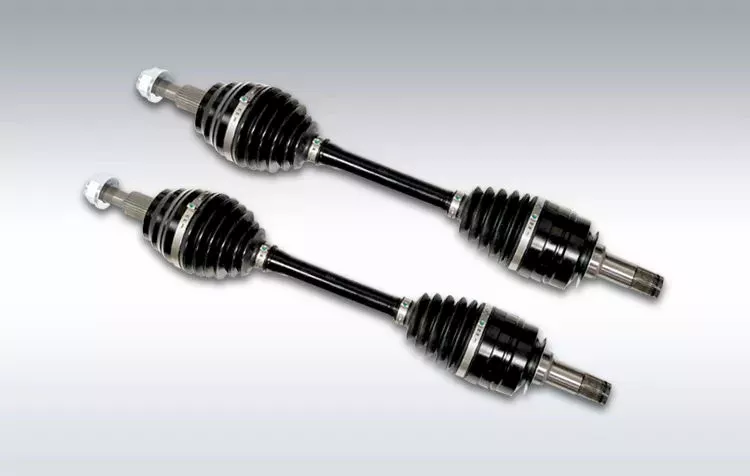
How do manufacturers ensure the compatibility of drive shafts with different equipment?
Manufacturers employ various strategies and processes to ensure the compatibility of drive shafts with different equipment. Compatibility refers to the ability of a drive shaft to effectively integrate and function within a specific piece of equipment or machinery. Manufacturers take into account several factors to ensure compatibility, including dimensional requirements, torque capacity, operating conditions, and specific application needs. Here’s a detailed explanation of how manufacturers ensure the compatibility of drive shafts:
1. Application Analysis:
Manufacturers begin by conducting a thorough analysis of the intended application and equipment requirements. This analysis involves understanding the specific torque and speed demands, operating conditions (such as temperature, vibration levels, and environmental factors), and any unique characteristics or constraints of the equipment. By gaining a comprehensive understanding of the application, manufacturers can tailor the design and specifications of the drive shaft to ensure compatibility.
2. Customization and Design:
Manufacturers often offer customization options to adapt drive shafts to different equipment. This customization involves tailoring the dimensions, materials, joint configurations, and other parameters to match the specific requirements of the equipment. By working closely with the equipment manufacturer or end-user, manufacturers can design drive shafts that align with the equipment’s mechanical interfaces, mounting points, available space, and other constraints. Customization ensures that the drive shaft fits seamlessly into the equipment, promoting compatibility and optimal performance.
3. Torque and Power Capacity:
Drive shaft manufacturers carefully determine the torque and power capacity of their products to ensure compatibility with different equipment. They consider factors such as the maximum torque requirements of the equipment, the expected operating conditions, and the safety margins necessary to withstand transient loads. By engineering drive shafts with appropriate torque ratings and power capacities, manufacturers ensure that the shaft can handle the demands of the equipment without experiencing premature failure or performance issues.
4. Material Selection:
Manufacturers choose materials for drive shafts based on the specific needs of different equipment. Factors such as torque capacity, operating temperature, corrosion resistance, and weight requirements influence material selection. Drive shafts may be made from various materials, including steel, aluminum alloys, or specialized composites, to provide the necessary strength, durability, and performance characteristics. The selected materials ensure compatibility with the equipment’s operating conditions, load requirements, and other environmental factors.
5. Joint Configurations:
Drive shafts incorporate joint configurations, such as universal joints (U-joints) or constant velocity (CV) joints, to accommodate different equipment needs. Manufacturers select and design the appropriate joint configuration based on factors such as operating angles, misalignment tolerances, and the desired level of smooth power transmission. The choice of joint configuration ensures that the drive shaft can effectively transmit power and accommodate the range of motion required by the equipment, promoting compatibility and reliable operation.
6. Quality Control and Testing:
Manufacturers implement stringent quality control processes and testing procedures to verify the compatibility of drive shafts with different equipment. These processes involve conducting dimensional inspections, material testing, torque and stress analysis, and performance testing under simulated operating conditions. By subjecting drive shafts to rigorous quality control measures, manufacturers can ensure that they meet the required specifications and performance criteria, guaranteeing compatibility with the intended equipment.
7. การปฏิบัติตามมาตรฐาน:
Manufacturers ensure that their drive shafts comply with relevant industry standards and regulations. Compliance with standards, such as ISO (International Organization for Standardization) or specific industry standards, provides assurance of quality, safety, and compatibility. Adhering to these standards helps manufacturers meet the expectations and requirements of equipment manufacturers and end-users, ensuring that the drive shafts are compatible and can be seamlessly integrated into different equipment.
8. Collaboration and Feedback:
Manufacturers often collaborate closely with equipment manufacturers, OEMs (Original Equipment Manufacturers), or end-users to gather feedback and incorporate their specific requirements into the drive shaft design and manufacturing processes. This collaborative approach ensures that the drive shafts are compatible with the intended equipment and meet the expectations of the end-users. By actively seeking input and feedback, manufacturers can continuously improve their products’ compatibility and performance.
In summary, manufacturers ensure the compatibility of drive shafts with different equipment through a combination of application analysis, customization, torque and power capacity considerations, material selection, joint configurations, quality control and testing, compliance with standards, and collaboration with equipment manufacturers and end-users. These efforts enable manufacturers to design and produce drive shafts that seamlessly integrate with various equipment, ensuring optimal performance, reliability, and compatibility in different applications.

เพลาขับช่วยเพิ่มประสิทธิภาพของรถยนต์และรถบรรทุกได้อย่างไร?
เพลาขับมีบทบาทสำคัญในการเพิ่มประสิทธิภาพของรถยนต์และรถบรรทุก มันมีส่วนช่วยในด้านต่างๆ ของสมรรถนะของยานพาหนะ รวมถึงการส่งกำลัง การยึดเกาะ การควบคุม และประสิทธิภาพโดยรวม ต่อไปนี้เป็นคำอธิบายโดยละเอียดเกี่ยวกับวิธีการที่เพลาขับช่วยเพิ่มประสิทธิภาพของรถยนต์และรถบรรทุก:
1. ระบบจ่ายพลังงาน: เพลาขับมีหน้าที่ส่งกำลังจากเครื่องยนต์ไปยังล้อ ทำให้รถเคลื่อนที่ไปข้างหน้า การส่งกำลังอย่างมีประสิทธิภาพโดยไม่สูญเสียกำลังมากนัก ทำให้เพลาขับสามารถใช้กำลังของเครื่องยนต์ได้อย่างมีประสิทธิภาพ ส่งผลให้การเร่งความเร็วและสมรรถนะโดยรวมดีขึ้น เพลาขับที่ออกแบบมาอย่างดีโดยมีการสูญเสียกำลังน้อยที่สุด ช่วยให้รถสามารถส่งกำลังไปยังล้อได้อย่างมีประสิทธิภาพ
2. การส่งถ่ายแรงบิด: เพลาขับทำหน้าที่ส่งแรงบิดจากเครื่องยนต์ไปยังล้อ แรงบิดคือแรงหมุนที่ขับเคลื่อนรถไปข้างหน้า เพลาขับคุณภาพสูงที่มีความสามารถในการแปลงแรงบิดอย่างเหมาะสมจะช่วยให้แรงบิดที่สร้างโดยเครื่องยนต์ถูกส่งไปยังล้อได้อย่างมีประสิทธิภาพ ซึ่งจะช่วยเพิ่มความสามารถของรถในการเร่งความเร็ว ลากจูงของหนัก และปีนขึ้นทางลาดชันได้ดีขึ้น ส่งผลให้สมรรถนะโดยรวมดีขึ้น
3. การยึดเกาะและความมั่นคง: เพลาขับมีส่วนช่วยในการยึดเกาะและเสถียรภาพของรถยนต์และรถบรรทุก มันส่งกำลังไปยังล้อ ทำให้ล้อสามารถออกแรงกดบนพื้นผิวถนนได้ ซึ่งช่วยให้รถรักษาการยึดเกาะได้ดี โดยเฉพาะอย่างยิ่งในขณะเร่งความเร็วหรือเมื่อขับขี่บนพื้นผิวที่ลื่นหรือขรุขระ การส่งกำลังอย่างมีประสิทธิภาพผ่านเพลาขับช่วยเพิ่มเสถียรภาพของรถโดยการกระจายกำลังอย่างสมดุลไปยังล้อทั้งสี่ ทำให้ควบคุมและบังคับรถได้ดียิ่งขึ้น
4. การควบคุมและการบังคับเลี้ยว: เพลาขับมีผลต่อการควบคุมและการบังคับเลี้ยวของรถยนต์ มันช่วยสร้างการเชื่อมต่อโดยตรงระหว่างเครื่องยนต์และล้อ ทำให้สามารถควบคุมได้อย่างแม่นยำและตอบสนองได้ดี เพลาขับที่ออกแบบมาอย่างดีโดยมีระยะคลอนหรือการคลายตัวน้อยที่สุด จะช่วยให้การตอบสนองต่อการควบคุมของผู้ขับขี่รวดเร็วและทันทีมากขึ้น เพิ่มความคล่องตัวและการควบคุมรถให้ดียิ่งขึ้น
5. การลดน้ำหนัก: เพลาขับสามารถช่วยลดน้ำหนักในรถยนต์และรถบรรทุกได้ เพลาขับน้ำหนักเบาที่ทำจากวัสดุ เช่น อลูมิเนียมหรือวัสดุคอมโพสิตเสริมใยคาร์บอน จะช่วยลดน้ำหนักโดยรวมของรถ น้ำหนักที่ลดลงช่วยปรับปรุงอัตราส่วนกำลังต่อน้ำหนัก ส่งผลให้การเร่งความเร็ว การควบคุม และประสิทธิภาพการใช้เชื้อเพลิงดีขึ้น นอกจากนี้ เพลาขับน้ำหนักเบายังช่วยลดมวลการหมุน ทำให้เครื่องยนต์เร่งรอบได้เร็วขึ้น ซึ่งช่วยเพิ่มประสิทธิภาพการทำงานให้ดียิ่งขึ้น
6. ประสิทธิภาพเชิงกล: เพลาขับที่มีประสิทธิภาพสูงช่วยลดการสูญเสียพลังงานระหว่างการส่งกำลัง โดยการใช้วัสดุคุณภาพสูง เช่น ตลับลูกปืนคุณภาพดี ซีลลดแรงเสียดทาน และระบบหล่อลื่นที่เหมาะสม เพลาขับจะลดแรงเสียดทานและลดการสูญเสียพลังงานเนื่องจากแรงต้านภายใน ซึ่งจะช่วยเพิ่มประสิทธิภาพเชิงกลของระบบส่งกำลัง ทำให้สามารถส่งกำลังไปยังล้อได้มากขึ้น และปรับปรุงสมรรถนะโดยรวมของรถยนต์
7. การอัปเกรดประสิทธิภาพ: การอัปเกรดเพลาขับเป็นวิธีเพิ่มประสิทธิภาพที่ได้รับความนิยมสำหรับผู้ที่ชื่นชอบรถยนต์ เพลาขับที่ได้รับการอัปเกรด เช่น เพลาที่ทำจากวัสดุที่แข็งแรงกว่าหรือมีกำลังรับแรงบิดสูงกว่า สามารถรองรับกำลังขับที่สูงขึ้นจากเครื่องยนต์ที่ได้รับการดัดแปลง การอัปเกรดเหล่านี้ช่วยให้ประสิทธิภาพเพิ่มขึ้น เช่น อัตราเร่งที่ดีขึ้น ความเร็วสูงสุดที่สูงขึ้น และไดนามิกการขับขี่โดยรวมที่ดีขึ้น
8. ความเข้ากันได้กับการปรับแต่งประสิทธิภาพ: การดัดแปลงเพื่อเพิ่มประสิทธิภาพ เช่น การอัพเกรดเครื่องยนต์ การเพิ่มกำลังขับ หรือการเปลี่ยนแปลงระบบส่งกำลัง มักต้องใช้เพลาขับที่เข้ากันได้ เพลาขับที่ออกแบบมาเพื่อรองรับแรงบิดที่สูงขึ้นหรือปรับให้เข้ากับการกำหนดค่าระบบส่งกำลังที่ดัดแปลงแล้ว จะช่วยให้มั่นใจได้ถึงประสิทธิภาพและความน่าเชื่อถือสูงสุด เพลาขับเหล่านี้ช่วยให้รถสามารถใช้ประโยชน์จากกำลังและแรงบิดที่เพิ่มขึ้นได้อย่างมีประสิทธิภาพ ส่งผลให้ประสิทธิภาพและการตอบสนองดีขึ้น
9. ความทนทานและความน่าเชื่อถือ: เพลาขับที่แข็งแรงและได้รับการบำรุงรักษาอย่างดีมีส่วนช่วยให้รถยนต์และรถบรรทุกมีความทนทานและเชื่อถือได้ เพลาขับได้รับการออกแบบมาให้ทนต่อแรงกดและภาระที่เกี่ยวข้องกับการส่งกำลัง วัสดุคุณภาพสูง การปรับสมดุลที่เหมาะสม และการบำรุงรักษาอย่างสม่ำเสมอ ช่วยให้มั่นใจได้ว่าเพลาขับทำงานได้อย่างราบรื่น ลดความเสี่ยงต่อความล้มเหลวหรือปัญหาด้านประสิทธิภาพ เพลาขับที่เชื่อถือได้ช่วยเพิ่มประสิทธิภาพโดยรวมโดยการส่งกำลังที่สม่ำเสมอและลดเวลาหยุดทำงาน
10. ความเข้ากันได้กับเทคโนโลยีขั้นสูง: เพลาขับกำลังพัฒนาไปพร้อมกับความก้าวหน้าของเทคโนโลยีรถยนต์ มีการนำไปผสานรวมกับระบบขั้นสูงต่างๆ มากขึ้น เช่น ระบบขับเคลื่อนไฮบริด มอเตอร์ไฟฟ้า และระบบเบรกแบบสร้างพลังงานกลับคืน เพลาขับที่ออกแบบมาให้ทำงานร่วมกับเทคโนโลยีเหล่านี้ได้อย่างราบรื่น จะช่วยเพิ่มประสิทธิภาพและสมรรถนะให้สูงสุด ส่งผลให้สมรรถนะโดยรวมของรถยนต์ดีขึ้น
โดยสรุปแล้ว เพลาขับช่วยเพิ่มสมรรถนะของรถยนต์และรถบรรทุกโดยการปรับปรุงการส่งกำลัง การถ่ายโอนแรงบิด การเพิ่มแรงฉุดและการทรงตัว การเพิ่มการควบคุมและการบังคับเลี้ยว การลดน้ำหนัก การเพิ่มประสิทธิภาพเชิงกล การรองรับการอัพเกรดสมรรถนะและเทคโนโลยีขั้นสูง และการรับประกันความทนทานและความน่าเชื่อถือ เพลาขับมีบทบาทสำคัญในการรับประกันการส่งกำลังที่มีประสิทธิภาพ การเร่งความเร็วที่ตอบสนองได้ดี การควบคุมที่แม่นยำ และสมรรถนะโดยรวมที่ดีขึ้นของยานพาหนะ
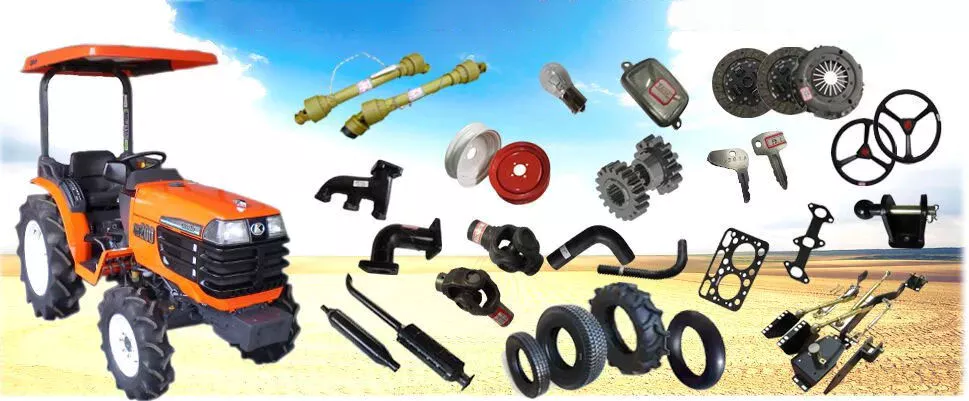
Are there variations in drive shaft designs for different types of machinery?
Yes, there are variations in drive shaft designs to cater to the specific requirements of different types of machinery. The design of a drive shaft is influenced by factors such as the application, power transmission needs, space limitations, operating conditions, and the type of driven components. Here’s an explanation of how drive shaft designs can vary for different types of machinery:
1. Automotive Applications:
In the automotive industry, drive shaft designs can vary depending on the vehicle’s configuration. Rear-wheel-drive vehicles typically use a single-piece or two-piece drive shaft, which connects the transmission or transfer case to the rear differential. Front-wheel-drive vehicles often use a different design, employing a drive shaft that combines with the constant velocity (CV) joints to transmit power to the front wheels. All-wheel-drive vehicles may have multiple drive shafts to distribute power to all wheels. The length, diameter, material, and joint types can differ based on the vehicle’s layout and torque requirements.
2. Industrial Machinery:
Drive shaft designs for industrial machinery depend on the specific application and power transmission requirements. In manufacturing machinery, such as conveyors, presses, and rotating equipment, drive shafts are designed to transfer power efficiently within the machine. They may incorporate flexible joints or use a splined or keyed connection to accommodate misalignment or allow for easy disassembly. The dimensions, materials, and reinforcement of the drive shaft are selected based on the torque, speed, and operating conditions of the machinery.
3. Agriculture and Farming:
Agricultural machinery, such as tractors, combines, and harvesters, often requires drive shafts that can handle high torque loads and varying operating angles. These drive shafts are designed to transmit power from the engine to attachments and implements, such as mowers, balers, tillers, and harvesters. They may incorporate telescopic sections to accommodate adjustable lengths, flexible joints to compensate for misalignment during operation, and protective shielding to prevent entanglement with crops or debris.
4. Construction and Heavy Equipment:
Construction and heavy equipment, including excavators, loaders, bulldozers, and cranes, require robust drive shaft designs capable of transmitting power in demanding conditions. These drive shafts often have larger diameters and thicker walls to handle high torque loads. They may incorporate universal joints or CV joints to accommodate operating angles and absorb shocks and vibrations. Drive shafts in this category may also have additional reinforcements to withstand the harsh environments and heavy-duty applications associated with construction and excavation.
5. Marine and Maritime Applications:
Drive shaft designs for marine applications are specifically engineered to withstand the corrosive effects of seawater and the high torque loads encountered in marine propulsion systems. Marine drive shafts are typically made from stainless steel or other corrosion-resistant materials. They may incorporate flexible couplings or dampening devices to reduce vibration and mitigate the effects of misalignment. The design of marine drive shafts also considers factors such as shaft length, diameter, and support bearings to ensure reliable power transmission in marine vessels.
6. Mining and Extraction Equipment:
In the mining industry, drive shafts are used in heavy machinery and equipment such as mining trucks, excavators, and drilling rigs. These drive shafts need to withstand extremely high torque loads and harsh operating conditions. Drive shaft designs for mining applications often feature larger diameters, thicker walls, and specialized materials such as alloy steel or composite materials. They may incorporate universal joints or CV joints to handle operating angles, and they are designed to be resistant to abrasion and wear.
These examples highlight the variations in drive shaft designs for different types of machinery. The design considerations take into account factors such as power requirements, operating conditions, space constraints, alignment needs, and the specific demands of the machinery or industry. By tailoring the drive shaft design to the unique requirements of each application, optimal power transmission efficiency and reliability can be achieved.


editor by CX 2024-03-13























