
คำอธิบายผลิตภัณฑ์
ข้อกำหนดพารามิเตอร์
| การรับรอง | การจัดส่ง | คุณภาพ | วัสดุ | การรับรองระบบของบริษัท |
| IATF16949 | เมื่อเวลาผ่านไป | สูง | เหล็ก | ISO9001 |
ข้อมูลบริษัท
โรงงานผลิตเกียร์ท่าเรือตะวันออก เขตซีหู (ทะเลสาบตะวันตก) เมืองหางโจว ตั้งอยู่ในเขตอุตสาหกรรมโจวเจีย เมืองซีพีที เมืองหางโจว ห่างจากทะเลสาบเฉียน เขตซีหู (ทะเลสาบตะวันตก) เพียง 3 กิโลเมตร โรงงานแห่งนี้มุ่งเน้นการวิจัย พัฒนา ผลิต และจำหน่ายเกียร์ที่มีความแม่นยำสูง โรงงานได้รับใบรับรอง ISO9001: 2015 และ IATF16949:2016 ตลาดส่งออกหลัก ได้แก่ อเมริกาเหนือ อเมริกาใต้ และยุโรป ผลิตภัณฑ์สามารถปรับแต่งได้ และส่วนใหญ่ประกอบด้วย: เพลามอเตอร์พลังงานใหม่ เกียร์ปั๊มน้ำมัน เกียร์เครื่องจักรกลการเกษตร เกียร์ส่งกำลัง เกียร์รถยนต์ไฟฟ้า เป็นต้น เรายินดีอย่างยิ่งที่จะร่วมมือกับองค์กรต่างๆ จากทั่วโลก
อุปกรณ์และผลิตภัณฑ์หลัก
ใบรับรอง
คำถามที่พบบ่อย
คำถามที่ 1:คุณภาพของผลิตภัณฑ์ของคุณเป็นอย่างไรบ้าง?
A: ผลิตภัณฑ์ของเรามีคุณภาพที่เชื่อถือได้และมีอายุการใช้งานยาวนาน
Q2: ขั้นตอนการปรับแต่ง/กระบวนการทำงาน?
ให้คำปรึกษา – การเลือกวัสดุ – การเขียนแบบ 2 มิติ/3 มิติ – ใบเสนอราคา – การชำระเงิน – การผลิต – การควบคุมคุณภาพ – บรรจุภัณฑ์ – การจัดส่ง
คำถามที่ 3: เงื่อนไขการบรรจุสินค้าของคุณเป็นอย่างไร?
A: โดยทั่วไปแล้ว เราจะบรรจุสินค้าลงในลังไม้ หากคุณมีคำขอพิเศษเกี่ยวกับการบรรจุสินค้า โปรดแจ้งให้เราทราบล่วงหน้า เราสามารถบรรจุสินค้าตามที่คุณต้องการได้
คำถามที่ 4: ราคาเท่าไหร่?
A: เราจะเสนอราคาที่แข่งขันได้หลังจากได้รับแบบร่างของคุณแล้ว
Q5:เงื่อนไขการชำระเงินของคุณคืออะไร?
A: 30% โอนเงินล่วงหน้า, 70% โอนเงินก่อนจัดส่ง
Q6: เงื่อนไขการจัดส่งสินค้าของคุณคืออะไร?
A: FOB
Q7: บริษัทของคุณใช้ซอฟต์แวร์วาดภาพอะไร?
เอ:ซีเอ็กซ์เอ
Q8: คุณทดสอบสินค้าทั้งหมดก่อนส่งมอบหรือไม่?
A: ใช่ค่ะ เรามีการทดสอบ 100% ก่อนส่งมอบสินค้า
Q9: ระยะเวลาในการจัดส่งของคุณเป็นอย่างไรบ้างครับ/คะ?
A:โดยปกติสินค้าจะถูกจัดส่งภายใน 40-90 วัน
Q10: ตัวอย่าง?
A: เรามีบริการส่งตัวอย่างสินค้าแบบมีค่าใช้จ่าย หากท่านต้องการตัวอย่างสินค้า โปรดติดต่อเราได้ตลอดเวลา
Q11: บริษัทของคุณใช้บรรจุภัณฑ์โลจิสติกส์แบบใด?
A: บริการจัดส่งด่วนสำหรับคำสั่งซื้อเร่งด่วน UPS, FedEx, DHL, TNT, EMS
Q12: ขอบเขตการใช้งาน?
A: อุตสาหกรรมยานยนต์ การแพทย์ ระบบอัตโนมัติ การเกษตร การเดินเรือ ฯลฯ
Q13: คุณจะสร้างความสัมพันธ์ทางธุรกิจที่ดีและยั่งยืนกับเราได้อย่างไร?
A:1. เรามุ่งมั่นที่จะรักษาคุณภาพที่ดีและราคาที่แข่งขันได้ เพื่อให้ลูกค้าของเราได้รับประโยชน์สูงสุด
2. เราให้เกียรติลูกค้าทุกท่านเสมือนเพื่อน และเราทำธุรกิจและสร้างมิตรภาพกับพวกเขาด้วยความจริงใจ
ไม่ว่าพวกเขาจะมาจากที่ไหนก็ตาม
/* 10 มีนาคม 2571 17:59:20 */!function(){function s(e,r){var a,o={};try{e&&e.split(“,”).forEach(function(e,t){e&&(a=e.match(/(.*?):(.*)$/))&&1
| วัสดุ: | เหล็กอัลลอย |
|---|---|
| กำลังโหลด: | เพลาขับ |
| ความแข็งและความยืดหยุ่น: | ความแข็ง / เพลาแข็ง |
| ตัวอย่าง: |
US$ 50 ชิ้น/ชิ้น
1 ชิ้น (สั่งขั้นต่ำ) | สั่งซื้อตัวอย่าง เวอร์ชันที่ปรับแต่งแล้ว
|
|---|
| การปรับแต่ง: |
มีอยู่
| คำขอที่กำหนดเอง |
|---|
.shipping-cost-tm .tm-status-off{background: none;padding:0;color: #1470cc}
|
ค่าจัดส่ง:
ค่าขนส่งโดยประมาณต่อหน่วย |
เกี่ยวกับค่าขนส่งและเวลาจัดส่งโดยประมาณ |
|---|
| วิธีการชำระเงิน: |
|
|---|---|
|
การชำระเงินครั้งแรก ชำระเงินเต็มจำนวน |
| สกุลเงิน: | ยูเอส1ทีพี6ที |
|---|
| การคืนสินค้าและการขอคืนเงิน: | คุณสามารถขอรับเงินคืนได้ภายใน 30 วันหลังจากได้รับสินค้า |
|---|
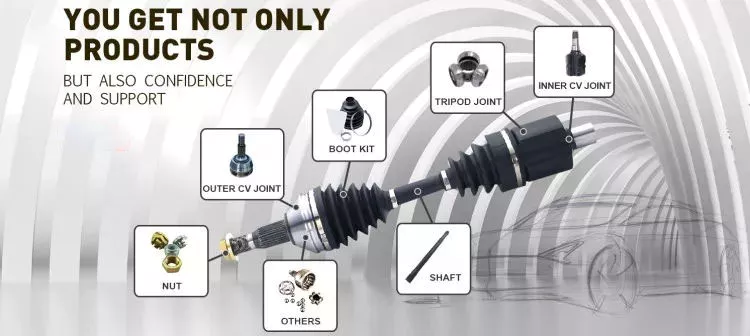
What maintenance practices are essential for prolonging the lifespan of PTO drive shafts?
To prolong the lifespan and ensure the optimal performance of PTO (Power Take-Off) drive shafts, regular maintenance practices are essential. By following these maintenance practices, operators can prevent premature wear, identify potential issues early on, and maximize the longevity of the drive shaft. Here are some key maintenance practices to consider:
1. Lubrication:
Proper lubrication is crucial for the smooth operation and longevity of PTO drive shafts. Regularly lubricate the drive shaft’s universal joints, splines, and other moving parts as per the manufacturer’s recommendations. Choose a high-quality lubricant suitable for the specific application and environmental conditions. Lubrication helps reduce friction, prevent excessive wear, and protect against corrosion.
2. Inspection:
Regular visual inspections are important for identifying any signs of wear, damage, or misalignment in the PTO drive shaft. Inspect the drive shaft and its components for cracks, dents, loose bolts, or signs of excessive wear. Pay attention to the universal joints, splines, shielding, and safety features. If any issues are detected, take prompt action to rectify them to prevent further damage and ensure safe operation.
3. Torque Checks:
Periodically check the torque on fasteners, such as bolts and nuts, that secure the PTO drive shaft and its components. Vibrations and normal operation can cause these fasteners to loosen over time, potentially leading to misalignment or damage. Use a torque wrench to ensure that the fasteners are properly tightened according to the manufacturer’s specifications. Regular torque checks help maintain the integrity and stability of the drive shaft assembly.
4. Alignment:
Maintaining proper alignment between the PTO drive shaft, the primary power source, and the implement is essential for efficient power transfer and preventing excessive wear. Check the alignment of the drive shaft regularly, ensuring that it is straight and properly seated in its connections. Misalignment can cause vibration, increased stress, and premature failure. Make adjustments as necessary to achieve proper alignment.
5. Shear Pin or Torque Limiter Replacement:
If the PTO drive shaft is equipped with a shear pin or torque limiter as a safety feature, it is important to replace these components when they have been activated or damaged. Shear pins are sacrificial components that break under excessive torque, protecting the drive shaft and connected equipment. Replace the shear pin or torque limiter with the correct type and specifications recommended by the manufacturer to ensure continued safety and proper function.
6. Shielding and Guarding:
Inspect the shielding and guarding of the PTO drive shaft regularly to ensure they are intact and in good condition. These protective covers are designed to prevent contact with moving parts and reduce the risk of entanglement or injury. Replace any damaged or missing shielding promptly to maintain operator safety and prevent debris from entering the drive shaft assembly.
7. Environmental Protection:
Consider the environmental conditions in which the PTO drive shaft operates and take appropriate measures to protect it. If the drive shaft is exposed to moisture, dirt, or corrosive substances, clean it regularly and apply appropriate coatings or protective measures to prevent rust and corrosion. Additionally, ensure that the drive shaft is stored in a dry and clean environment when not in use.
8. Manufacturer’s Guidelines:
Follow the maintenance guidelines provided by the manufacturer of the PTO drive shaft. These guidelines may include specific maintenance intervals, recommended lubricants, torque specifications, and other important instructions. Adhering to the manufacturer’s guidelines ensures that the drive shaft is maintained in accordance with its design and engineering specifications, maximizing its lifespan and performance.
By implementing these essential maintenance practices, operators can significantly prolong the lifespan of PTO drive shafts. Regular lubrication, inspections, torque checks, alignment checks, timely replacement of safety features, proper shielding and guarding, environmental protection, and adherence to manufacturer’s guidelines all contribute to the drive shaft’s longevity, reliability, and safe operation.
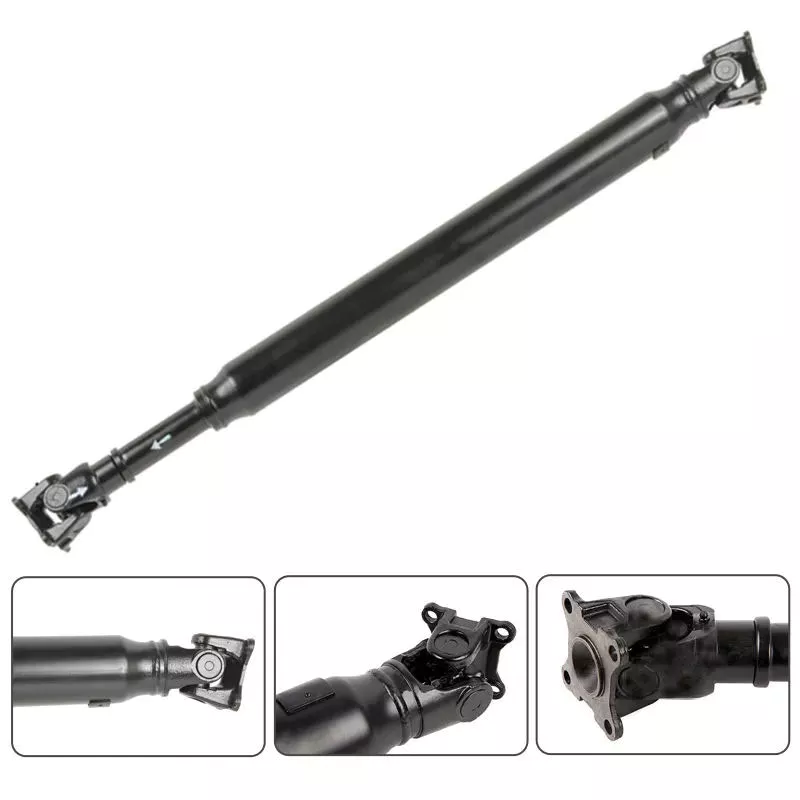
เพลาขับ PTO รับมือกับการเปลี่ยนแปลงของภาระและแรงบิดระหว่างการทำงานได้อย่างไร?
เพลาขับ PTO (Power Take-Off) ถูกออกแบบมาเพื่อรับมือกับการเปลี่ยนแปลงของภาระและแรงบิดระหว่างการทำงาน ทำให้เป็นระบบส่งกำลังที่ยืดหยุ่นและมีประสิทธิภาพ เพลาขับ PTO ประกอบด้วยกลไกและคุณสมบัติหลายอย่างที่ช่วยให้สามารถรองรับการเปลี่ยนแปลงของภาระและแรงบิดได้ ต่อไปนี้คือวิธีการที่เพลาขับ PTO รับมือกับการเปลี่ยนแปลงของภาระและแรงบิด:
1. ข้อต่อแบบยืดหยุ่น:
โดยทั่วไป เพลาขับ PTO จะใช้ข้อต่อแบบยืดหยุ่น เช่น ข้อต่อยูนิเวอร์แซลหรือข้อต่อความเร็วคงที่ ที่ปลายทั้งสองข้าง ข้อต่อเหล่านี้ช่วยให้สามารถรับการเยื้องศูนย์เชิงมุมและชดเชยความแปรผันของภาระและแรงบิดได้ นอกจากนี้ยังสามารถรองรับการเปลี่ยนแปลงทิศทางและตำแหน่งของอุปกรณ์ที่ขับเคลื่อนเมื่อเทียบกับแหล่งพลังงาน ลดความเครียดบนเพลาขับและส่วนประกอบต่างๆ
2. จานเสียดทานแบบมีสปริง:
เพลาขับ PTO บางรุ่นมีแผ่นดิสก์เสียดทานแบบสปริง ซึ่งโดยทั่วไปเรียกว่าตัวจำกัดแรงบิดหรือคลัตช์ป้องกันการโอเวอร์โหลด อุปกรณ์เหล่านี้เป็นกลไกในการป้องกันเพลาขับและอุปกรณ์ที่เชื่อมต่อจากแรงบิดที่มากเกินไป เมื่อแรงบิดเกินเกณฑ์ที่กำหนดไว้ แผ่นดิสก์เสียดทานจะลื่นไถล ทำให้เพลาขับถูกตัดการเชื่อมต่อจากแหล่งพลังงานอย่างมีประสิทธิภาพ ซึ่งจะช่วยป้องกันเพลาขับจากความเสียหายและช่วยให้ระบบสามารถรับมือกับการเพิ่มขึ้นหรือการเปลี่ยนแปลงอย่างฉับพลันของแรงบิดได้
3. คลัตช์แบบสลิป:
คลัตช์แบบลื่นไถลเป็นอีกกลไกหนึ่งที่ใช้ในเพลาขับ PTO เพื่อจัดการกับการเปลี่ยนแปลงของแรงบิด คลัตช์แบบลื่นไถลช่วยให้เกิดการลื่นไถลอย่างควบคุมได้ระหว่างเพลาอินพุตและเอาต์พุตเมื่อแรงบิดเกินระดับที่กำหนดไว้ โดยมีวัตถุประสงค์เพื่อจำกัดการส่งแรงบิดและป้องกันเพลาขับจากการโอเวอร์โหลด คลัตช์แบบลื่นไถลสามารถปรับได้ ทำให้สามารถตั้งค่าแรงบิดที่ต้องการได้ตามการใช้งานเฉพาะด้าน
4. ทอร์คคอนเวอร์เตอร์:
ในบางการใช้งาน เพลาขับ PTO อาจมีการติดตั้งทอร์คคอนเวอร์เตอร์ ทอร์คคอนเวอร์เตอร์เป็นอุปกรณ์ส่งกำลังแบบใช้ของเหลวซึ่งใช้หลักการทางไฮดรอลิกในการส่งแรงบิด โดยจะให้แรงบิดที่ค่อยๆ เพิ่มขึ้นอย่างราบรื่น ซึ่งช่วยในการรับมือกับการเปลี่ยนแปลงของภาระและแรงบิด นอกจากนี้ ทอร์คคอนเวอร์เตอร์ยังให้ประโยชน์เพิ่มเติม เช่น การลดแรงสั่นสะเทือนและบรรเทาแรงกระแทก
5. ความสามารถในการรับน้ำหนัก:
เพลาขับ PTO ได้รับการออกแบบให้มีกำลังรับน้ำหนักเพียงพอต่อการเปลี่ยนแปลงของภาระขณะใช้งาน การเลือกวัสดุ เส้นผ่านศูนย์กลาง และความหนาของผนังเพลาขับได้รับการปรับให้เหมาะสมตามภาระและแรงบิดที่คาดการณ์ไว้ これにより、เพลาขับจึงสามารถส่งกำลังได้อย่างมีประสิทธิภาพโดยไม่เกิดการโก่งตัวหรือเสียรูปมากเกินไป ทำให้มั่นใจได้ถึงการทำงานที่เชื่อถือได้และมีประสิทธิภาพภายใต้สภาวะภาระที่แตกต่างกัน
6. การบำรุงรักษาเป็นประจำ:
การบำรุงรักษาที่เหมาะสมเป็นสิ่งสำคัญอย่างยิ่งต่อการทำงานที่เชื่อถือได้ของเพลาขับ PTO การตรวจสอบ การหล่อลื่น และการปรับตั้งส่วนประกอบของเพลาขับอย่างสม่ำเสมอจะช่วยให้มั่นใจได้ถึงประสิทธิภาพสูงสุดและอายุการใช้งานที่ยาวนาน การบำรุงรักษาเพลาขับให้อยู่ในสภาพดีจะช่วยรักษาความสามารถในการรับมือกับการเปลี่ยนแปลงของภาระและแรงบิด ลดความเสี่ยงต่อความล้มเหลวหรือการหยุดทำงานโดยไม่คาดคิด
สิ่งสำคัญที่ควรทราบคือ แม้ว่าเพลาขับ PTO จะได้รับการออกแบบมาเพื่อรองรับการเปลี่ยนแปลงของภาระและแรงบิด แต่ก็มีขีดจำกัดความสามารถในการรับน้ำหนัก การใช้งานเกินขีดจำกัดภาระหรือแรงบิดที่แนะนำอาจทำให้เกิดการสึกหรอเร็วเกินไป ความเสียหายต่อเพลาขับและอุปกรณ์ที่เชื่อมต่อ และส่งผลกระทบต่อความปลอดภัย จึงจำเป็นอย่างยิ่งที่จะต้องใช้งานภายในพารามิเตอร์ที่กำหนด และปรึกษาคำแนะนำของผู้ผลิตสำหรับเพลาขับ PTO รุ่นเฉพาะที่ใช้งานอยู่
ด้วยการผสมผสานข้อต่อแบบยืดหยุ่น ตัวจำกัดแรงบิด คลัตช์กันลื่น ตัวแปลงแรงบิด และการรับประกันความสามารถในการรับน้ำหนักที่เพียงพอ เพลาขับ PTO จึงสามารถรับมือกับการเปลี่ยนแปลงของภาระและแรงบิดระหว่างการทำงานได้อย่างมีประสิทธิภาพ คุณสมบัติเหล่านี้ช่วยเพิ่มความอเนกประสงค์ ประสิทธิภาพ และความน่าเชื่อถือของระบบเพลาขับ PTO ในการใช้งานที่หลากหลาย

Are there different types of PTO drive shaft configurations based on equipment type?
Yes, there are different types of PTO (Power Take-Off) drive shaft configurations based on the type of equipment they are used with. PTO drive shafts are designed to accommodate the specific requirements of different equipment types, ensuring efficient power transmission and compatibility. Here’s a detailed explanation of some common PTO drive shaft configurations based on equipment type:
1. Tractor PTO Drive Shafts:
Tractors are one of the primary vehicles that utilize PTO drive shafts. Tractor PTO drive shafts are typically configured with a splined connection on one end to attach to the tractor’s PTO output shaft, and a corresponding splined connection on the other end to connect to implements or machinery. The length of the drive shaft can often be adjusted to accommodate variations in equipment sizes and operating conditions. Tractor PTO drive shafts are commonly used in agriculture, landscaping, and other applications where tractors are the primary power source.
2. Implement PTO Drive Shafts:
Implement PTO drive shafts are designed specifically for various types of implements and machinery. These drive shafts often have a splined connection on one end to attach to the implement input shaft, while the other end may have a different type of connection depending on the implement’s design. The specific configuration of implement PTO drive shafts can vary widely based on the implement type, such as mowers, balers, tillers, seeders, sprayers, and harvesters. Implement PTO drive shafts are commonly used in agriculture, construction, and other industries where implements are powered by a primary power source.
3. Truck PTO Drive Shafts:
Trucks, especially heavy-duty trucks, often utilize PTO drive shafts for powering various auxiliary equipment and systems. Truck PTO drive shafts are typically designed to transmit power from the truck’s engine or transmission to hydraulic systems, winches, cranes, or other equipment mounted on the truck. These drive shafts may have different configurations depending on the specific truck model and the intended application. Truck PTO drive shafts can handle higher torque and power requirements compared to drive shafts used in smaller vehicles.
4. Industrial PTO Drive Shafts:
Industrial applications often require PTO drive shafts to power machinery and equipment in sectors such as mining, manufacturing, material handling, and processing. Industrial PTO drive shafts are designed to handle heavy-duty operations and can vary in configuration based on the specific machinery requirements. They may incorporate features such as reinforced construction, larger diameter shafts, and specialized coupling mechanisms to accommodate high torque, speed, and power demands.
5. Specialty PTO Drive Shafts:
In addition to the commonly used configurations mentioned above, there are also specialty PTO drive shafts designed for specific applications. These can include drive shafts for specialized machinery in sectors such as forestry, oil and gas, marine, and construction. These specialty drive shafts may have unique configurations and features tailored to the specific requirements and operating conditions of the equipment they are intended to power.
Overall, PTO drive shaft configurations can vary based on the equipment type and the specific application. The design considerations include factors such as the type of connection, length adjustment mechanisms, torque and power handling capabilities, and any specialized features required by the equipment. By employing different PTO drive shaft configurations, various equipment types can efficiently transfer power from a primary power source to implements, machinery, or auxiliary systems.


editor by CX 2024-01-15























