
คำอธิบายผลิตภัณฑ์
คำอธิบายผลิตภัณฑ์
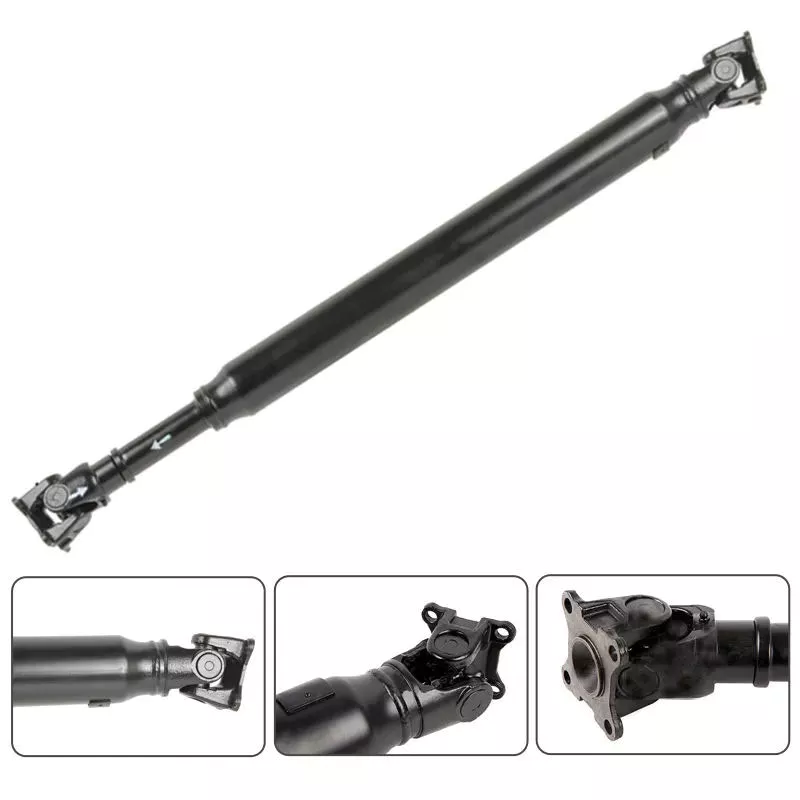
As a professional manufacturer for propeller shaft, we have +1000 items for all kinds of car, At present, our products are mainly sold in North America, Europe, Australia, South Korea, the Middle East and Southeast Asia and other regions, applicable models are European cars, American cars, Japanese and Korean cars, etc.
ข้อได้เปรียบของเรา:
1. Full range of products
2. MOQ qty: 1pcs/items
3. Delivery on time
4: Warranty: 1 YEAR
| OE NUMBER | 37140-0K030 |
| TYPE | TOYOTA Hilux Vigo front |
| MATERIAL | STEEL |
| BALANCE STHangZhouRD | G16,3200RMP |
/* 22 มกราคม 2571 19:08:37 */!function(){function s(e,r){var a,o={};try{e&&e.split(“,”).forEach(function(e,t){e&&(a=e.match(/(.*?):(.*)$/))&&1
| บริการหลังการขาย: | 1year |
|---|---|
| เงื่อนไข: | ใหม่ |
| สี: | สีดำ |
| การปรับแต่ง: |
มีอยู่
| คำขอที่กำหนดเอง |
|---|
.shipping-cost-tm .tm-status-off{background: none;padding:0;color: #1470cc}
|
ค่าจัดส่ง:
ค่าขนส่งโดยประมาณต่อหน่วย |
เกี่ยวกับค่าขนส่งและเวลาจัดส่งโดยประมาณ |
|---|
| วิธีการชำระเงิน: |
|
|---|---|
|
การชำระเงินครั้งแรก ชำระเงินเต็มจำนวน |
| สกุลเงิน: | ยูเอส1ทีพี6ที |
|---|
| การคืนสินค้าและการขอคืนเงิน: | คุณสามารถขอรับเงินคืนได้ภายใน 30 วันหลังจากได้รับสินค้า |
|---|
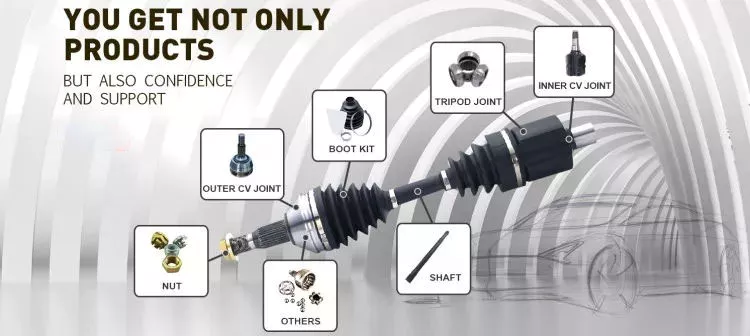
เพลาขับช่วยให้การส่งกำลังมีประสิทธิภาพพร้อมทั้งรักษาสมดุลได้อย่างไร?
เพลาขับใช้กลไกต่างๆ เพื่อให้มั่นใจได้ว่าการส่งกำลังมีประสิทธิภาพในขณะที่รักษาสมดุล การส่งกำลังอย่างมีประสิทธิภาพหมายถึงความสามารถของเพลาขับในการส่งกำลังหมุนจากแหล่งกำเนิด (เช่น เครื่องยนต์) ไปยังส่วนประกอบที่ถูกขับเคลื่อน (เช่น ล้อหรือเครื่องจักร) โดยมีการสูญเสียพลังงานน้อยที่สุด ในทางกลับกัน การรักษาสมดุลเกี่ยวข้องกับการลดการสั่นสะเทือนและกำจัดความไม่สม่ำเสมอของการกระจายมวลที่อาจก่อให้เกิดการรบกวนระหว่างการทำงาน ต่อไปนี้เป็นคำอธิบายว่าเพลาขับบรรลุทั้งการส่งกำลังอย่างมีประสิทธิภาพและสมดุลได้อย่างไร:
1. การเลือกวัสดุ:
การเลือกวัสดุสำหรับเพลาขับมีความสำคัญอย่างยิ่งต่อการรักษาสมดุลและส่งกำลังอย่างมีประสิทธิภาพ เพลาขับมักทำจากวัสดุ เช่น เหล็กหรือโลหะผสมอะลูมิเนียม ซึ่งถูกเลือกใช้เนื่องจากมีความแข็งแรง ความแข็งแกร่ง และความทนทาน วัสดุเหล่านี้มีเสถียรภาพทางมิติที่ดีเยี่ยมและสามารถทนต่อแรงบิดที่เกิดขึ้นระหว่างการใช้งานได้ การใช้วัสดุคุณภาพสูงจะช่วยลดการเสียรูป การงอ และความไม่สมดุลที่อาจส่งผลเสียต่อการส่งกำลังและก่อให้เกิดการสั่นสะเทือนได้
2. ข้อควรพิจารณาในการออกแบบ:
การออกแบบเพลาขับมีบทบาทสำคัญอย่างยิ่งทั้งในด้านประสิทธิภาพการส่งกำลังและความสมดุล เพลาขับได้รับการออกแบบให้มีขนาดที่เหมาะสม รวมถึงเส้นผ่านศูนย์กลางและความหนาของผนัง เพื่อรับแรงบิดที่คาดการณ์ไว้โดยไม่เกิดการโก่งตัวหรือการสั่นสะเทือนมากเกินไป การออกแบบยังคำนึงถึงปัจจัยต่างๆ เช่น ความยาวของเพลาขับ จำนวนและประเภทของข้อต่อ (เช่น ข้อต่อยูนิเวอร์แซลหรือข้อต่อความเร็วคงที่) และการใช้ตุ้มถ่วงสมดุล ด้วยการออกแบบเพลาขับอย่างพิถีพิถัน ผู้ผลิตสามารถบรรลุประสิทธิภาพการส่งกำลังที่เหมาะสมที่สุดในขณะที่ลดโอกาสการสั่นสะเทือนที่เกิดจากความไม่สมดุลให้น้อยที่สุด
3. เทคนิคการทรงตัว:
ความสมดุลเป็นสิ่งสำคัญอย่างยิ่งสำหรับเพลาขับ เนื่องจากความไม่สมดุลใดๆ อาจทำให้เกิดการสั่นสะเทือน เสียงดัง และการสึกหรอเร็วขึ้น เพื่อรักษาความสมดุล เพลาขับจึงผ่านเทคนิคการปรับสมดุลต่างๆ ในระหว่างกระบวนการผลิต วิธีการปรับสมดุลแบบสถิตและแบบไดนามิกถูกนำมาใช้เพื่อให้แน่ใจว่าการกระจายมวลตลอดเพลาขับนั้นสม่ำเสมอ การปรับสมดุลแบบสถิตเกี่ยวข้องกับการเพิ่มตุ้มถ่วงน้ำหนักในตำแหน่งเฉพาะเพื่อชดเชยความไม่สมดุลของน้ำหนัก การปรับสมดุลแบบไดนามิกทำได้โดยการหมุนเพลาขับด้วยความเร็วสูงและวัดการสั่นสะเทือน หากตรวจพบความไม่สมดุล จะมีการปรับเพิ่มเติมเพื่อให้ได้สภาวะสมดุล เทคนิคการปรับสมดุลเหล่านี้ช่วยลดการสั่นสะเทือนและทำให้เพลาขับทำงานได้อย่างราบรื่น
4. ข้อต่ออเนกประสงค์และข้อต่อความเร็วคงที่:
เพลาขับมักจะมีข้อต่อยูนิเวอร์แซล (U-joints) หรือข้อต่อความเร็วคงที่ (CV joints) เพื่อรองรับการเยื้องศูนย์และรักษาสมดุลขณะทำงาน ข้อต่อยูนิเวอร์แซลเป็นข้อต่อที่ยืดหยุ่นได้ ช่วยให้เพลาเคลื่อนที่ในเชิงมุมได้ โดยทั่วไปจะใช้ในงานที่เพลาขับทำงานในมุมที่แตกต่างกัน ในทางกลับกัน ข้อต่อ CV ถูกออกแบบมาเพื่อรักษาความเร็วในการหมุนให้คงที่ และมักใช้ในรถยนต์ขับเคลื่อนล้อหน้า การใช้ข้อต่อเหล่านี้ทำให้เพลาขับสามารถชดเชยการเยื้องศูนย์ ลดความเครียดบนเพลา และลดการสั่นสะเทือนที่อาจส่งผลเสียต่อประสิทธิภาพการส่งกำลังและสมดุลได้
5. การบำรุงรักษาและการตรวจสอบ:
การบำรุงรักษาและการตรวจสอบเพลาขับอย่างสม่ำเสมอเป็นสิ่งสำคัญเพื่อให้มั่นใจได้ถึงการส่งกำลังที่มีประสิทธิภาพและความสมดุล การตรวจสอบการสึกหรอ ความเสียหาย หรือการเยื้องศูนย์เป็นระยะๆ สามารถช่วยระบุปัญหาใดๆ ที่อาจส่งผลต่อประสิทธิภาพของเพลาขับได้ การหล่อลื่นข้อต่อและการขันยึดให้แน่นอย่างถูกต้องก็มีความสำคัญอย่างยิ่งต่อการรักษาการทำงานให้อยู่ในระดับที่เหมาะสมที่สุด การปฏิบัติตามขั้นตอนการบำรุงรักษาที่แนะนำจะช่วยให้สามารถแก้ไขความไม่สมดุลหรือการทำงานที่ไม่มีประสิทธิภาพได้อย่างทันท่วงที ทำให้มั่นใจได้ว่าการส่งกำลังและความสมดุลจะยังคงมีประสิทธิภาพอย่างต่อเนื่อง
โดยสรุปแล้ว เพลาขับช่วยให้การส่งกำลังมีประสิทธิภาพ พร้อมทั้งรักษาสมดุลด้วยการเลือกใช้วัสดุอย่างพิถีพิถัน การออกแบบที่รอบคอบ เทคนิคการปรับสมดุล และการใช้ข้อต่อแบบยืดหยุ่น การเพิ่มประสิทธิภาพปัจจัยเหล่านี้ทำให้เพลาขับสามารถส่งกำลังแบบหมุนได้อย่างราบรื่นและเชื่อถือได้ ลดการสูญเสียพลังงานและการสั่นสะเทือนที่อาจส่งผลต่อประสิทธิภาพและอายุการใช้งาน
Can drive shafts be customized for specific vehicle or equipment requirements?
Yes, drive shafts can be customized to meet specific vehicle or equipment requirements. Customization allows manufacturers to tailor the design, dimensions, materials, and other parameters of the drive shaft to ensure compatibility and optimal performance within a particular vehicle or equipment. Here’s a detailed explanation of how drive shafts can be customized:
1. Dimensional Customization:
Drive shafts can be customized to match the dimensional requirements of the vehicle or equipment. This includes adjusting the overall length, diameter, and spline configuration to ensure proper fitment and clearances within the specific application. By customizing the dimensions, the drive shaft can be seamlessly integrated into the driveline system without any interference or limitations.
2. Material Selection:
The choice of materials for drive shafts can be customized based on the specific requirements of the vehicle or equipment. Different materials, such as steel alloys, aluminum alloys, or specialized composites, can be selected to optimize strength, weight, and durability. The material selection can be tailored to meet the torque, speed, and operating conditions of the application, ensuring the drive shaft’s reliability and longevity.
3. Joint Configuration:
Drive shafts can be customized with different joint configurations to accommodate specific vehicle or equipment requirements. For example, universal joints (U-joints) may be suitable for applications with lower operating angles and moderate torque demands, while constant velocity (CV) joints are often used in applications requiring higher operating angles and smoother power transmission. The choice of joint configuration depends on factors such as operating angle, torque capacity, and desired performance characteristics.
4. Torque and Power Capacity:
Customization allows drive shafts to be designed with the appropriate torque and power capacity for the specific vehicle or equipment. Manufacturers can analyze the torque requirements, operating conditions, and safety margins of the application to determine the optimal torque rating and power capacity of the drive shaft. This ensures that the drive shaft can handle the required loads without experiencing premature failure or performance issues.
5. Balancing and Vibration Control:
Drive shafts can be customized with precision balancing and vibration control measures. Imbalances in the drive shaft can lead to vibrations, increased wear, and potential driveline issues. By employing dynamic balancing techniques during the manufacturing process, manufacturers can minimize vibrations and ensure smooth operation. Additionally, vibration dampers or isolation systems can be integrated into the drive shaft design to further mitigate vibrations and enhance overall system performance.
6. Integration and Mounting Considerations:
Customization of drive shafts takes into account the integration and mounting requirements of the specific vehicle or equipment. Manufacturers work closely with the vehicle or equipment designers to ensure that the drive shaft fits seamlessly into the driveline system. This includes adapting the mounting points, interfaces, and clearances to ensure proper alignment and installation of the drive shaft within the vehicle or equipment.
7. Collaboration and Feedback:
Manufacturers often collaborate with vehicle manufacturers, OEMs (Original Equipment Manufacturers), or end-users to gather feedback and incorporate their specific requirements into the drive shaft customization process. By actively seeking input and feedback, manufacturers can address specific needs, optimize performance, and ensure compatibility with the vehicle or equipment. This collaborative approach enhances the customization process and results in drive shafts that meet the exact requirements of the application.
8. Compliance with Standards:
Customized drive shafts can be designed to comply with relevant industry standards and regulations. Compliance with standards, such as ISO (International Organization for Standardization) or specific industry standards, ensures that the customized drive shafts meet quality, safety, and performance requirements. Adhering to these standards provides assurance that the drive shafts are compatible and can be seamlessly integrated into the specific vehicle or equipment.
In summary, drive shafts can be customized to meet specific vehicle or equipment requirements through dimensional customization, material selection, joint configuration, torque and power capacity optimization, balancing and vibration control, integration and mounting considerations, collaboration with stakeholders, and compliance with industry standards. Customization allows drive shafts to be precisely tailored to the needs of the application, ensuring compatibility, reliability, and optimal performance.

How do drive shafts handle variations in length and torque requirements?
Drive shafts are designed to handle variations in length and torque requirements in order to efficiently transmit rotational power. Here’s an explanation of how drive shafts address these variations:
Length Variations:
Drive shafts are available in different lengths to accommodate varying distances between the engine or power source and the driven components. They can be custom-made or purchased in standardized lengths, depending on the specific application. In situations where the distance between the engine and the driven components is longer, multiple drive shafts with appropriate couplings or universal joints can be used to bridge the gap. These additional drive shafts effectively extend the overall length of the power transmission system.
Additionally, some drive shafts are designed with telescopic sections. These sections can be extended or retracted, allowing for adjustments in length to accommodate different vehicle configurations or dynamic movements. Telescopic drive shafts are commonly used in applications where the distance between the engine and the driven components may change, such as in certain types of trucks, buses, and off-road vehicles.
Torque Requirements:
Drive shafts are engineered to handle varying torque requirements based on the power output of the engine or power source and the demands of the driven components. The torque transmitted through the drive shaft depends on factors such as the engine power, load conditions, and the resistance encountered by the driven components.
Manufacturers consider torque requirements when selecting the appropriate materials and dimensions for drive shafts. Drive shafts are typically made from high-strength materials, such as steel or aluminum alloys, to withstand the torque loads without deformation or failure. The diameter, wall thickness, and design of the drive shaft are carefully calculated to ensure it can handle the expected torque without excessive deflection or vibration.
In applications with high torque demands, such as heavy-duty trucks, industrial machinery, or performance vehicles, drive shafts may have additional reinforcements. These reinforcements can include thicker walls, cross-sectional shapes optimized for strength, or composite materials with superior torque-handling capabilities.
Furthermore, drive shafts often incorporate flexible joints, such as universal joints or constant velocity (CV) joints. These joints allow for angular misalignment and compensate for variations in the operating angles between the engine, transmission, and driven components. They also help absorb vibrations and shocks, reducing stress on the drive shaft and enhancing its torque-handling capacity.
In summary, drive shafts handle variations in length and torque requirements through customizable lengths, telescopic sections, appropriate materials and dimensions, and the inclusion of flexible joints. By carefully considering these factors, drive shafts can efficiently and reliably transmit power while accommodating the specific needs of different applications.


แก้ไขโดย CX 2024-05-16























