
Produktbeskrivning
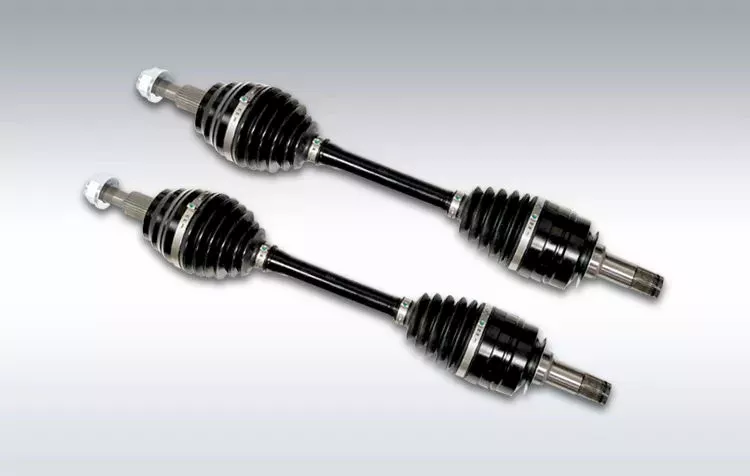
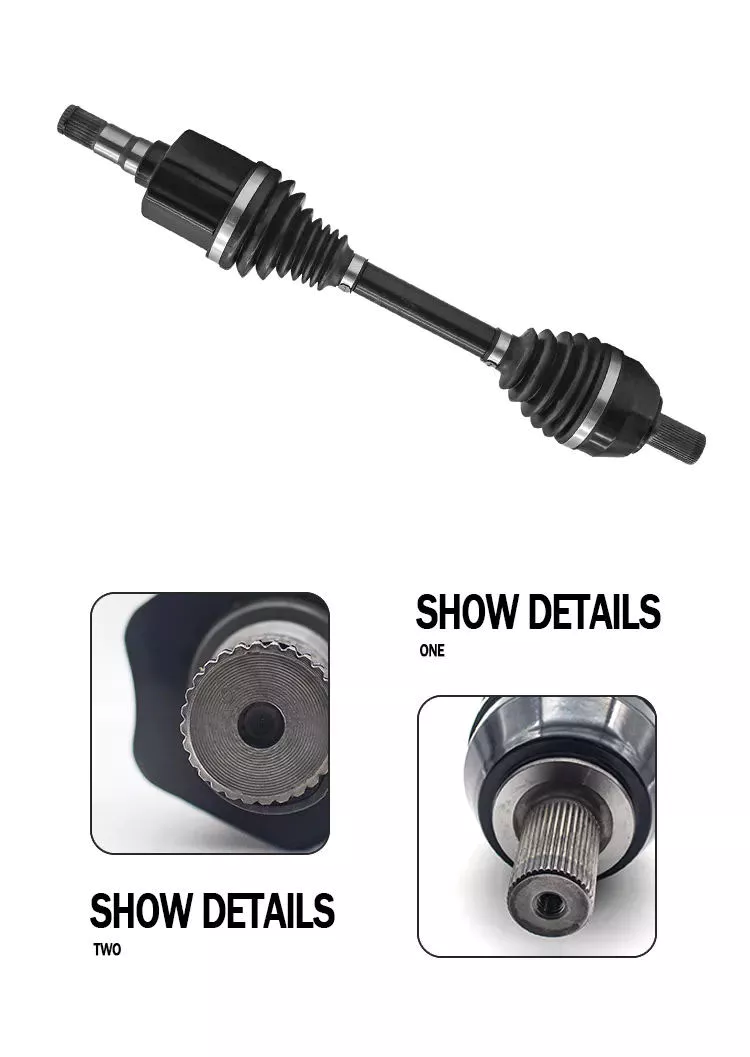
Transmission shaft
Produktbeskrivning
| Produktnamn | Transmission shaft |
| Design | Can be at the customer’ request, tailor-made, at customer’s design |
| Advantage | ZJD can provide the transmission shaft according to customers technical specifications. |
Våra fördelar
Ansökan
Product Display
Företagsprofil
ZJD is located in Xihu (West Lake) Dis. Economic Development Zone, Xihu (West Lake) Dis. District, HangZhou, ZheJiang , which has very good transportation convenience and location advantages.ZJD own 1 subsidiary, which is located in HangZhou city, ZheJiang province, which is mainly responsible for EMU accessories for CRRC’s factory nearby.
ZJD’s production and office space is more than 12,000 square meters, and more than 60 sets of various types of CNC machining and quality control equipment.ZJD’s main products are widely used in CZPT CR400, CR300, CR200 series standard EMUs, and expanded to subways, export passenger cars and EMUs and other products.
ZJD has more than 60 employees and more than 20 technical management personnel. The technical management team has many years of working experience in the rail transit industry.
Certifieringar
ZJD has obtained the national high-tech enterprise certification, 6 types of products have passed the high-tech certification, and related products have obtained more than 20 patents.
ZJD has established a comprehensive quality management system and has got ISO9001 quality management system certification, ISO/TS 22163 (IRIS) international railway industry standard certification, EN15085-2 railway vehicles welding system certification, and CZPT product supply service qualification certification.
Vanliga frågor
1. Who are we?
HangZhou ZJD Rail Equipment Co.,Ltd. was established in 2012, which is a professional manufacturer of rail equipment and accessories.
2. Are you a reliable supplier?
ZJD-Excellent Manufacturer focusing on the rolling stock industry
Provide full-process Design, Production, Testing and Service according to customer requirements.
3.What can you buy from us?
We have designed and supplied a series of products such an air duct systems, piping systerms, pneumatic control units,etc.The product are used in various fields such an EMUs,subways,locomotives,wagon engineering vehicles,etc.
4. What services can we provide?
Provide customized services of heavy industry products for special requirements.
Provide diversified parts and trade services such as port machinery, steel heavy industry, mining machinery, etc.
Provide customized products for new energy equipment
Provide key process technology solutions for special parts in the field of new energy equipment.
| Material: | Kolstål |
|---|---|
| Ladda: | Revolution Axis |
| Styvhet och flexibilitet: | Flexible Shaft |
| Axelform: | Rak axel |
| Axelform: | Verklig axel |
| Appearance Shape: | Round |
| Anpassning: |
Tillgänglig
| Anpassad förfrågan |
|---|
Are there any limitations or disadvantages associated with PTO drive shaft systems?
While PTO (Power Take-Off) drive shaft systems offer numerous advantages, there are also some limitations and disadvantages associated with their use. It’s important to consider these factors when deciding whether to implement a PTO drive shaft system. The limitations and disadvantages include:
1. Safety Risks:
PTO drive shaft systems can pose safety risks if not used and maintained properly. The rotating drive shaft, exposed splines, and universal joints can present hazards to operators and bystanders if they come into contact with them while in operation. Entanglement or entrapment of clothing, hair, or body parts in the rotating components can result in severe injuries. It is crucial to follow safety guidelines, use appropriate shielding, and implement safety devices to mitigate these risks.
2. Maintenance and Lubrication:
PTO drive shaft systems require regular maintenance and lubrication to ensure optimal performance and longevity. The joints, splines, and bearings need to be inspected, cleaned, and lubricated as recommended by the manufacturer. Failure to perform routine maintenance can lead to premature wear, increased friction, and eventual component failure, resulting in unexpected downtime and costly repairs.
3. Misalignment and Vibrations:
PTO drive shaft systems can experience misalignment and vibrations, especially when the driven equipment is not perfectly aligned with the power source. Misalignment places additional stress on the drive shaft and its components, leading to increased wear and reduced efficiency. Vibrations generated during operation can also contribute to fatigue and accelerated wear of the drive shaft and connected equipment.
4. Limited Operating Angles:
PTO drive shaft systems typically have limited operating angles due to the design constraints of universal joints. Exceeding the recommended operating angles can cause binding, increased wear, and reduced power transmission efficiency. This limitation may restrict the range of movement or flexibility when connecting PTO-driven equipment, requiring careful planning and alignment during installation.
5. Noise and Vibration:
PTO drive shaft systems can generate noise and vibrations during operation. The rotating components, especially at high speeds, can create audible noise and vibrations that may be transmitted to the operator, the equipment, and the surrounding environment. Excessive noise and vibrations can negatively impact the operator’s comfort, equipment performance, and may require additional measures to mitigate their effects.
6. Limited Power Transfer Capacity:
PTO drive shaft systems have limitations in terms of power transfer capacity. The torque and power that can be transmitted through the drive shaft depend on its design, material strength, and the selected components. In applications requiring high torque or power, alternative power transmission methods such as hydraulic systems or direct mechanical drives may be more suitable and capable of handling the required loads.
7. Compatibility Challenges:
Ensuring compatibility between PTO drive shafts and different equipment can sometimes be challenging. Equipment may have unique connection requirements, such as non-standard splines or flanges, which may require custom adapters or modifications. Achieving compatibility with older or specialized equipment can require additional effort and may not always be straightforward.
8. Cost:
Implementing a PTO drive shaft system can involve significant upfront costs, including the purchase of the drive shaft, compatible equipment, and any necessary adapters or couplings. Additionally, ongoing maintenance, lubrication, and potential repairs can contribute to the overall cost of ownership. It is important to consider the cost-benefit ratio and the specific needs of the application before investing in a PTO drive shaft system.
Despite these limitations and disadvantages, PTO drive shaft systems continue to be widely used due to their versatility, ease of use, and compatibility with a wide range of equipment. By addressing safety concerns, performing regular maintenance, and considering the specific requirements of the application, many of these limitations can be mitigated, allowing for reliable and efficient operation.
Kan kraftuttagsaxlar anpassas för specifika maskiner och effektbehov?
Ja, kraftuttagsaxlar (PTO) kan anpassas för att passa specifika maskiner och effektkrav. Tillverkare erbjuder ofta anpassningsalternativ för att säkerställa att kraftuttagsaxlarna uppfyller de unika behoven hos olika applikationer. Anpassning kan involvera olika aspekter av drivaxelns design och specifikationer, inklusive:
1. Längd:
Kraftuttagsaxelns längd kan anpassas för att matcha avståndet mellan kraftkällan och den drivna utrustningen. Detta säkerställer korrekt passform och uppriktning, vilket förhindrar överdriven spänning eller kompression i drivaxeln. Anpassning av längden möjliggör optimal kraftöverföring och hjälper till att anpassa sig till specifika maskininställningar och konfigurationer.
2. Anslutningstyp:
Kraftuttagsaxlar kan anpassas med olika anslutningstyper för att matcha maskinens specifika krav. Olika anslutningsmetoder finns tillgängliga, såsom splineskopplingar, flänsanslutningar och snabbkopplingar. Anpassning av anslutningstypen säkerställer kompatibilitet och underlättar enkel montering och losstagning av drivaxeln till kraftkällan och den drivna utrustningen.
3. Effektklassning:
Anpassning av effektklassningen innebär att välja lämpliga komponenter och material för att hantera maskineriets specifika effektkrav. Detta inkluderar att beakta faktorer som vridmomentkapacitet, hastighetsklassning och typ av kraftöverföring (t.ex. mekanisk, hydraulisk). Genom att anpassa effektklassningen kan tillverkare säkerställa att kraftuttagsaxeln effektivt kan överföra den erforderliga kraften utan att kompromissa med prestanda eller säkerhet.
4. Skyddande funktioner:
Kraftuttagsaxlar kan anpassas med ytterligare skyddsfunktioner för att förbättra säkerhet och hållbarhet. Dessa funktioner kan inkludera skydd, sköldar eller lock som förhindrar kontakt med den roterande axeln och dess komponenter. Anpassade skyddsfunktioner hjälper till att minska risken för olyckor och öka drivaxelns livslängd genom att skydda den från yttre element, skräp och potentiella skador.
5. Materialval:
Materialvalet som används vid konstruktionen av kraftuttagsaxlar kan anpassas baserat på specifika krav. Olika material erbjuder varierande nivåer av styrka, hållbarhet och motståndskraft mot faktorer som korrosion eller extrema temperaturer. Genom att välja lämpliga material kan tillverkare optimera prestandan och tillförlitligheten hos kraftuttagsaxeln för den avsedda tillämpningen.
6. Miljöhänsyn:
Anpassning av kraftuttagsaxlar kan ta hänsyn till specifika miljöfaktorer. Om maskinen till exempel arbetar i en korrosiv eller farlig miljö kan tillverkare tillhandahålla beläggningar eller material som ger ökad motståndskraft mot korrosion eller kemisk exponering. Att beakta miljöförhållandena bidrar till att säkerställa att drivaxeln kan motstå de utmaningar som driftsmiljön medför.
7. Överensstämmelse med standarder:
Anpassade kraftuttagsaxlar kan konstrueras och tillverkas för att uppfylla relevanta branschstandarder och föreskrifter. Tillverkare kan säkerställa att de anpassade drivaxlarna uppfyller de erforderliga säkerhets-, prestanda- och dimensionsspecifikationerna. Överensstämmelse med standarder ger garanti för kompatibilitet, tillförlitlighet och säkerhet vid integration av de anpassade drivaxlarna i specifika maskiner.
Genom att erbjuda anpassningsalternativ kan tillverkare skräddarsy kraftuttagsaxlar för att passa de unika kraven hos olika maskiner och kraftapplikationer. Denna flexibilitet möjliggör optimal integration, förbättrad prestanda och ökad säkerhet. Det är viktigt att rådgöra med tillverkaren eller en kvalificerad expert för att fastställa lämpliga anpassningsalternativ baserat på den specifika maskinen och kraftbehoven.

What factors should be considered when selecting the right PTO drive shaft for an application?
When selecting the right PTO (Power Take-Off) drive shaft for an application, several important factors should be considered to ensure optimal performance, safety, and compatibility. Here’s a detailed explanation of the key factors to consider:
1. Krav på effekt och vridmoment:
The power and torque requirements of the application are crucial considerations. It’s essential to determine the maximum power and torque output of the primary power source (e.g., engine, transmission) and match it with the drive shaft’s capacity. Selecting a drive shaft that can handle the required power and torque levels ensures efficient power transmission and prevents overloading or damage to the drive shaft and connected equipment.
2. Speed and RPM Range:
The speed and RPM (Rotations Per Minute) range of the equipment and the primary power source should be taken into account. The drive shaft’s design should be capable of accommodating the desired speed range while maintaining smooth power transmission. It is important to select a drive shaft that can handle the intended operating speeds without excessive vibration, binding, or loss of power.
3. Equipment Size and Configuration:
The size and configuration of the equipment or implement being powered by the PTO drive shaft are crucial factors. The drive shaft’s length should be adjustable or chosen appropriately to ensure proper alignment between the primary power source and the implement input shaft. Additionally, consider any space limitations or clearance requirements within the equipment that may affect the choice of drive shaft configuration.
4. PTO Shaft Connection Type:
The type of connection required between the PTO drive shaft and the primary power source and implement is a significant consideration. Common connection types include splined connections, keyway connections, and quick-detach mechanisms. It is essential to ensure compatibility between the drive shaft’s connection type and the corresponding connections on the power source and implement to achieve a secure and reliable attachment.
5. Safety Features:
Safety features are crucial when selecting a PTO drive shaft. Shear pins, clutches, or other overload protection mechanisms should be considered to prevent damage to the drive shaft and associated equipment in the event of a sudden increase in torque or speed. These safety features help protect against accidents and reduce the risk of injury to operators and bystanders.
6. Environmental Conditions:
The environmental conditions in which the drive shaft will be operating should be taken into account. Consider factors such as temperature extremes, moisture, dust, or corrosive environments. It may be necessary to select a drive shaft with appropriate sealing, coating, or material options to ensure reliable performance and durability in the given conditions.
7. Underhåll och servicevänlighet:
Consider the accessibility and ease of maintenance for the chosen drive shaft. Ensure that routine maintenance tasks such as lubrication, inspection, and potential repairs can be performed conveniently. Easy serviceability helps minimize downtime and ensures the longevity of the drive shaft.
8. Compliance with Standards and Regulations:
Ensure that the selected PTO drive shaft complies with relevant industry standards and safety regulations. This includes standards for power transmission components, such as ISO 500-1 for PTO drive shafts. Compliance with these standards ensures that the drive shaft meets necessary quality, safety, and performance requirements.
By considering factors such as power and torque requirements, speed range, equipment size and configuration, PTO shaft connection type, safety features, environmental conditions, maintenance and serviceability, and compliance with standards and regulations, one can select the right PTO drive shaft that best suits the specific application’s needs. Proper selection ensures efficient power transmission, safety, and long-term reliability of the equipment.


editor by CX 2023-10-02























