
Produktbeskrivning
custom large aisi 4340 cast iron long mild steel rolling mill transmission propeller pto drive shaft
The drive shaft and the passive shaft shall be a pair of directly adjacent shafts connected by transmission pairs (gears, pulleys, sprockets, etc.). driving shaft is closer to the power source .on the contrary, the passive shaft is similar to the working shaft, it is mainly used in lathes, milling machines, fans, conveyors, injection molding machines, processing centers, steam turbines, drilling machines, hydraulic turbines, machinery industry, etc.
We are manufacture main shaft,transmission shaft, rotor shaft,propeller shaft,wind power shaft,passive shaft, support roller shaft,gear shaft,eccentric shaft,custom and oem are accepted.
|
Product name |
OEM machining forged 42CrMo steel thread axis shaft |
||
|
Material |
ZG45,ZG42CrMo,35CrMo,ect |
||
|
Structure |
Casting or forging |
||
|
Behandla |
Lathing, milling,grinding |
||
|
Max.diameter |
2000mm |
||
|
Max.length |
8000mm |
||
|
Max.tolerance |
±0.3 |
||
|
Typ |
According to drawings |
||
|
Paket |
Seaworthy packing |
||
|
Delivery time |
15-45 days |
||
|
Certifiering |
SGS,ISO |
||
process equipment list
| equipment | process part size | qty | model |
| gantry milling machine | 6000*2300*1600 | 1 | BX2571 |
| gantry milling machine | 3000*1200*800 | 1 | XQ2012 |
| CNC centre | 1000*600 | 1 | 1060 |
| CNC centre | 1300*700 | 1 | 1370 |
| CNC centre | 4300*2700 | 1 | 4370 |
| vertical milling machine | 1500 | 1 | X53T |
| gantry boring and milling | 1800*4000 | 1 | B**2018 |
| horizontal milling machine | 960*1200*1200 | 1 | TP *611B |
| horizontal lathe | dia300*3000 | 4 | CW6163E |
| saw machine | dia5—300 | 4 | |
| grinding machine | 1000*300 | 1 | M71304 |
| grinding macnine for outer dia | 1500*3200 | 1 | M1332B |
| gantry CNC centre | 4000*2700 | 1 | YR4571 |
| common lathe | dia20–1280,L 20–5000 | 6 | |
| common drilling machine | dia2–80 | 6 | |
| plasma cut machine | 4000*12000 | 1 | SXL-400 |
| arc welding machine | 2 | 500-2 | |
| co2 welding machine | 14 | 350 500 | |
| other common machine | common milling ,lathe , driling and milling machine etc | ||
Vanliga frågor
Q1: Are you a factory or trading company?
A:We are a factory and have more years manufacture and sales experience.
Q2: What is your sample policy?
A:We can supply the sample if we have , but the customers have to pay the sample cost and the courier cost.If sample quantity is more than our regular one, we will extra collect sample cost.
Q3: Can you produce according to the samples?
A:Yes, we can produce by your samples or technical drawings. We can build the molds.
Q4: What’s your delivery time?
A:For regular products, we keep them in stock. The specific delivery time depends on the items and the quantity of your order,usually15-20 days
Q5:What is your terms of payment?
A:T/T 30% as deposit, and 70% before delivery.
Q6:Do you test all your goods before delivery?
A:Yes, we have 100% test before delivery.
| Material: | Kolstål |
|---|---|
| Ladda: | Drivaxel |
| Styvhet och flexibilitet: | Styvhet / Stel axel |
| Måttnoggrannhet för journaldiameter: | IT6–IT9 |
| Axelform: | Rak axel |
| Axelform: | Stepped Shaft |
| Prover: |
US$ 2000/Piece
1 styck (minsta beställning) | |
|---|
| Anpassning: |
Tillgänglig
| Anpassad förfrågan |
|---|
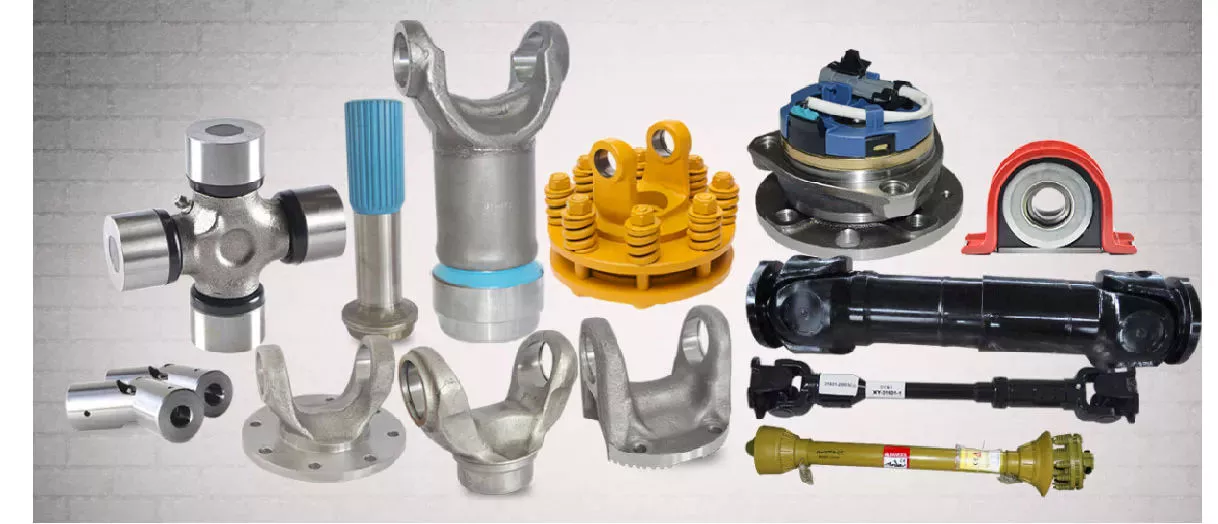
Are there variations in PTO shaft designs for different types of machinery?
Yes, there are variations in PTO (Power Take-Off) shaft designs to accommodate the specific requirements of different types of machinery. PTO shafts are highly versatile and adaptable components used to transfer power from a power source, such as a tractor or engine, to driven machinery or equipment. The design variations in PTO shafts are necessary to ensure compatibility, efficiency, and safety in various applications. Here’s a detailed explanation of the different PTO shaft designs for different types of machinery:
1. Standard PTO Shafts: Standard PTO shafts are the most common design and are widely used in a variety of applications. They typically consist of a solid steel shaft with a universal joint at each end. These universal joints allow for angular misalignment between the power source and the driven machinery. Standard PTO shafts are suitable for applications where the distance between the power source and the driven machinery remains relatively fixed. They are commonly used in agricultural implements, such as mowers, balers, tillers, and seeders, as well as in industrial applications.
2. Telescopic PTO Shafts: Telescopic PTO shafts feature a telescoping design that allows for length adjustment. These shafts consist of two or more concentric shafts that can slide within each other. Telescopic PTO shafts are beneficial in applications where the distance between the power source and the driven machinery varies. By adjusting the length of the shaft, operators can ensure proper power transmission without the risk of the shaft dragging on the ground or being too short to reach the equipment. Telescopic PTO shafts are commonly used in front-mounted implements, snow blowers, self-loading wagons, and other applications where the distance between the power source and the implement changes.
3. CV (Constant Velocity) PTO Shafts: CV PTO shafts incorporate Constant Velocity joints to accommodate misalignment and angular variations. These joints maintain a constant speed and torque transfer even when the driven machinery is at an angle relative to the power source. CV PTO shafts are beneficial in applications where the driven machinery requires flexibility and a wide range of movement. They are commonly used in articulated loaders, telescopic handlers, self-propelled sprayers, and other equipment that requires continuous power transmission while operating at various angles.
4. Gearbox Driven PTO Shafts: Some machinery requires specific speed or torque ratios between the power source and the driven equipment. In such cases, PTO shafts may incorporate gearbox systems. Gearbox driven PTO shafts allow for speed reduction or increase and can change the rotational direction if necessary. The gear ratios in the gearbox can be adjusted to match the speed and torque requirements of the driven machinery. These PTO shafts are commonly used in applications where the power source operates at a different speed or torque level than the equipment it drives, such as in certain industrial manufacturing processes and specialized machinery.
5. High-Torque PTO Shafts: Some heavy-duty machinery requires high torque levels for power transmission. High-torque PTO shafts are designed to handle these demanding applications. They are constructed with reinforced components, including larger diameter shafts and heavier-duty universal joints, to withstand the increased torque requirements. High-torque PTO shafts are commonly used in equipment such as wood chippers, crushers, and heavy-duty agricultural implements that require substantial power and torque for their operation.
6. Safety PTO Shafts: Safety is a crucial consideration when using PTO shafts. Safety PTO shafts incorporate mechanisms to reduce the risk of accidents and injuries. One common safety feature is the use of protective guards that cover the rotating shaft to prevent accidental contact. These guards are typically made of metal or plastic and are designed to shield the rotating components while allowing the necessary movement for power transmission. Safety PTO shafts are used in various applications where the risk of entanglement or accidental contact with the rotating shaft is high, such as in grass mowers, rotary cutters, and other equipment used in landscaping and agriculture.
These are some of the key variations in PTO shaft designs for different types of machinery. The specific design used depends on factors such as the application requirements, power source characteristics, torque levels, movement flexibility, and safety considerations. PTO shaft manufacturers offer a range of designs to ensure compatibility and efficient power transmission in diverse industries and applications.
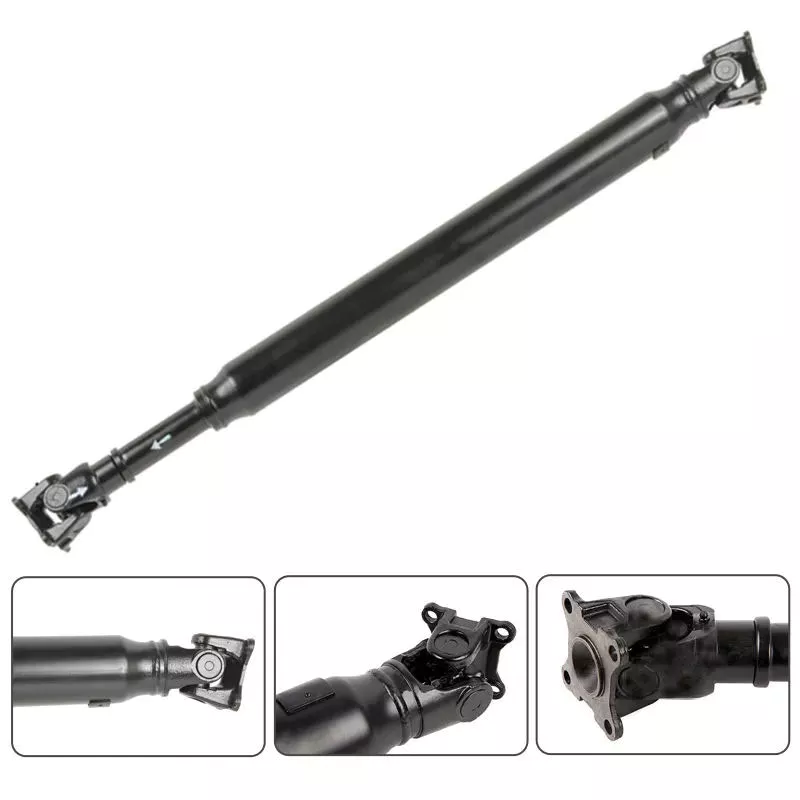
Are there any limitations or disadvantages associated with PTO shafts?
While PTO (Power Take-Off) shafts offer numerous advantages in terms of power transfer and versatility, they also have certain limitations and disadvantages. It’s important to consider these factors when using PTO shafts to ensure safe and efficient operation. Here’s a detailed explanation of some limitations and disadvantages associated with PTO shafts:
1. Safety Hazards: One of the primary concerns with PTO shafts is the potential for safety hazards. PTO shafts rotate at high speeds and can pose a significant risk if not properly guarded or handled. Accidental contact with an exposed or inadequately shielded PTO shaft can result in severe injuries, including entanglement, amputation, or even fatalities. It is crucial to follow safety guidelines, implement proper guarding, and ensure that operators are well-trained on safe handling practices to mitigate these risks.
2. Maintenance and Lubrication: PTO shafts require regular maintenance and lubrication to ensure optimal performance and longevity. The moving parts, such as universal joints and splines, need to be inspected, cleaned, and lubricated at recommended intervals. Neglecting maintenance can lead to premature wear, decreased efficiency, and potential failures. Proper maintenance practices, including regular inspections and timely lubrication, are essential to mitigate these issues.
3. Alignment and Angles: PTO shafts rely on proper alignment and angles to ensure efficient power transfer. Misalignment or excessive angles between the power source and driven machinery can cause increased wear and strain on the components, leading to premature failure. Ensuring proper alignment and angle adjustment, using adjustable sliding yokes or other means, is important to prevent excessive stress on the PTO shaft and associated equipment.
4. Length Limitations: PTO shafts have limitations on their maximum and minimum length due to engineering constraints. The telescoping design allows for some adjustment, but there is a practical limit to how much the shaft can extend or retract. If the distance between the power source and driven machinery exceeds the maximum or falls below the minimum length of the PTO shaft, alternative solutions or modifications may be required. In some cases, additional components such as drive shaft extensions or gearboxes may be necessary to bridge the distance.
5. Compatibility: While manufacturers strive to ensure compatibility, there can still be challenges in finding the right PTO shaft for specific equipment configurations. Equipment may have unique requirements in terms of spline sizes, torque ratings, or connection methods that may not be readily available or compatible with off-the-shelf PTO shafts. Customization may be required to address these compatibility issues, which can result in increased costs or lead times.
6. Noise and Vibrations: PTO shafts in operation can generate significant noise and vibrations, especially at higher speeds. This can be a nuisance for operators and may require additional measures to reduce noise levels or dampen vibrations. Excessive vibrations can also affect the overall performance and lifespan of the PTO shaft and connected equipment. Implementing vibration dampeners or using flexible couplings can help mitigate these issues.
7. Power Limits: PTO shafts have specific power limits based on their design, materials, and components. Exceeding these power limits can lead to premature wear, component failures, or even shaft breakage. It is crucial to understand and adhere to the recommended power ratings for PTO shafts to ensure safe and reliable operation. In some cases, upgrading to a higher-capacity PTO shaft or implementing additional power transmission components may be necessary to accommodate higher power requirements.
8. Complex Installation and Removal: Installing and removing PTO shafts can be a complex process, especially in confined spaces or when dealing with heavy equipment. It may require aligning splines, engaging couplings, and securing locking mechanisms. Improper installation or removal techniques can lead to damage to the shaft or associated equipment. Proper training, handling equipment, and following manufacturer guidelines are essential to simplify and ensure the safe installation and removal of PTO shafts.
Despite these limitations and disadvantages, PTO shafts remain widely used and valuable components for power transfer in various industries. By addressing these considerations and implementing proper safety measures, maintenance practices, and alignment procedures, the potential drawbacks of PTO shafts can be effectively mitigated, allowing for safe and efficient operation.
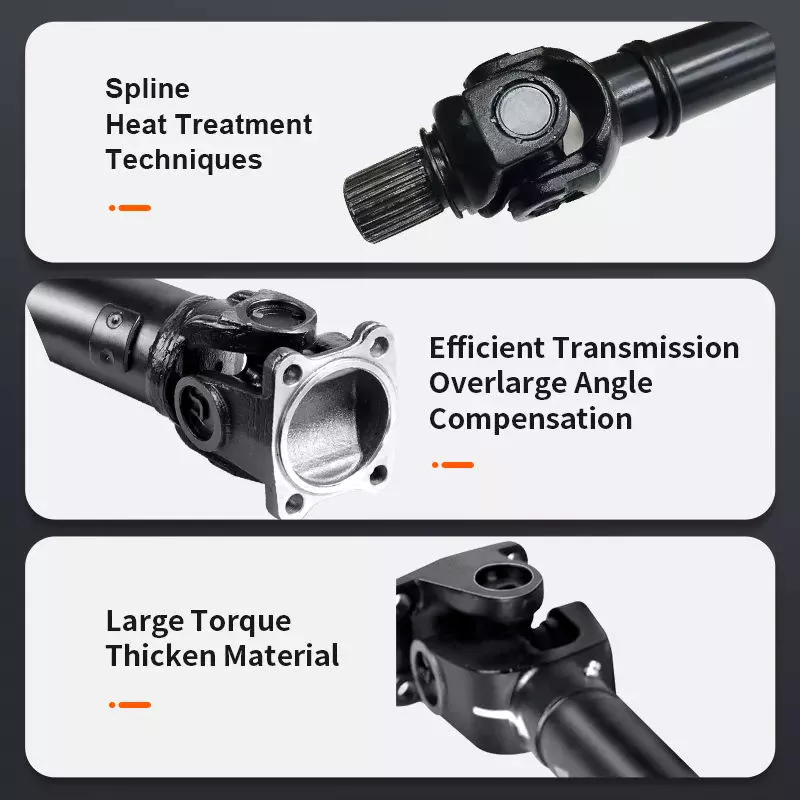
Hur bidrar kraftuttagsaxlar till att överföra kraft från traktorer till redskap?
Kraftuttagsaxlar (Power Take-Off Shafts) spelar en avgörande roll för att överföra kraft från traktorer till redskap inom jordbruks- och industrimiljöer. De ger en tillförlitlig och effektiv kraftöverföring, vilket gör det möjligt för traktorer att driva olika redskap och utföra en mängd olika uppgifter. Här är en detaljerad förklaring av hur kraftuttagsaxlar bidrar till att överföra kraft från traktorer till redskap:
Strömkälla: Traktorer är utrustade med kraftfulla motorer som är konstruerade för att generera betydande mängder mekanisk kraft. Denna kraft utnyttjas för att driva traktorns hjul och hydraulsystem, samt för att ge kraft till redskapskopplingar via kraftuttagsaxeln. Kraftuttagsaxeln är vanligtvis ansluten till traktorns baksida eller sida, där kraftuttagsmekanismen är placerad. Kraftuttaget hämtar kraft direkt från traktorns motor eller transmission, vilket möjliggör effektiv kraftöverföring till kraftuttagsaxeln.
Kraftuttagsaxelns design: Kraftuttagsaxlar är konstruerade som drivlinekomponenter som överför rotationskraft och vridmoment från traktorns kraftuttag till redskapet. De består av ett ihåligt metallrör med universalkopplingar i varje ände. Universalkopplingarna tar upp vinkelfeljusteringar och gör att kraftuttagsaxeln kan överföra kraft även när traktorn och redskapet inte är perfekt uppriktade. Kraftuttagsaxeln är också utrustad med ett säkerhetsskydd för att förhindra oavsiktlig kontakt med den roterande axeln, vilket säkerställer förarens säkerhet under drift.
PTO-engagemang: För att överföra kraft från traktorn till redskapet måste kraftuttagsaxeln vara inkopplad. Traktorer är utrustade med en kraftuttagskopplingsmekanism som gör det möjligt för föraren att koppla in eller ur kraftuttagsaxeln efter behov. När kraftuttagskopplingen är inkopplad flyter kraft från traktorns motor genom kraftuttagsmekanismen och in i kraftuttagsaxeln. Denna rotationskraft överförs sedan via kraftuttagsaxeln till redskapet och driver dess arbetskomponenter.
Rotationskraftöverföring: Rotationskraften som genereras av traktorns motor överförs till kraftuttagsaxeln via kraftuttagsmekanismen. Kraftuttagsaxeln, som är direkt ansluten till kraftuttaget, roterar med samma hastighet som motorn. Denna rotationskraft överförs sedan från kraftuttagsaxeln till redskapets drivlina eller växellåda. Redskapets drivlina fördelar i sin tur kraften till redskapets arbetskomponenter, såsom knivar, skruvborrar eller pumpar, vilket gör att de kan utföra sina respektive funktioner.
Matchande hastighet och kraft: Kraftuttagsaxlar är konstruerade för att matcha rotationshastigheten och effektkraven för olika redskap. Traktorer har ofta flera hastighetsinställningar för kraftuttaget, vilket gör det möjligt för föraren att välja lämplig hastighet för det specifika redskapet som används. Olika redskap kan kräva olika rotationshastigheter för att fungera optimalt, och kraftuttagsaxeln möjliggör enkel justering för att matcha dessa krav. Dessutom överförs kraften som genereras av traktorns motor genom kraftuttagsaxeln, vilket ger det nödvändiga vridmomentet för att driva redskapets arbetskomponenter effektivt.
Mångsidighet och effektivitet: Kraftuttagsaxlar erbjuder betydande mångsidighet och effektivitet inom jordbruks- och industriverksamhet. De gör det möjligt för traktorer att driva ett brett utbud av redskap, inklusive slåttermaskiner, balpressar, jordfräsar, sprutor och spannmålsskruvar, bland annat. Genom att ansluta redskap direkt till traktorns strömkälla kan förare snabbt växla mellan uppgifter utan behov av separata kraftgeneratorer eller motorer. Denna mångsidighet och effektivitet effektiviserar arbetsflödet, minskar kostnaderna och ökar den totala produktiviteten inom jordbruks- och industrimiljöer.
Säkerhetsöverväganden: Även om kraftuttagsaxlar är viktiga för kraftöverföring kan de utgöra säkerhetsrisker om de hanteras felaktigt. Den roterande axeln och universalkopplingarna kan orsaka allvarliga skador om operatörerna kommer i kontakt med dem under drift. Därför är kraftuttagsaxlar utrustade med säkerhetssköldar eller skydd för att förhindra oavsiktlig kontakt. Operatörer bör alltid se till att säkerhetssköldarna är på plats och säkra innan de aktiverar kraftuttagsaxeln. Korrekt utbildning, efterlevnad av säkerhetsriktlinjer och regelbundet underhåll av kraftuttagsaxlar och tillhörande säkerhetsfunktioner är avgörande för att säkerställa säker drift.
Sammanfattningsvis är kraftuttagsaxlar viktiga komponenter som möjliggör kraftöverföring från traktorer till redskap inom jordbruks- och industritillämpningar. De ger en tillförlitlig och effektiv kraftöverföring, vilket gör att traktorer kan driva olika redskap och utföra en mängd olika uppgifter. Genom att aktivera kraftuttagskopplingen och överföra rotationskraft genom kraftuttagsaxeln driver traktorer redskapens arbetskomponenter, vilket ger mångsidighet, effektivitet och produktivitet inom jordbruks- och industriverksamhet.


editor by CX 2023-09-15























