
18+ Years
Field Experience
5,000 Nm
Max Torque Rating
IP67
Ingress Protection
CE + ISO
Fully Certified
100%
Custom-Built Capable
Why the Right Industrial Drive Shaft Is the Difference Between Uptime and Costly Breakdown in Automatic Forklift Fleets
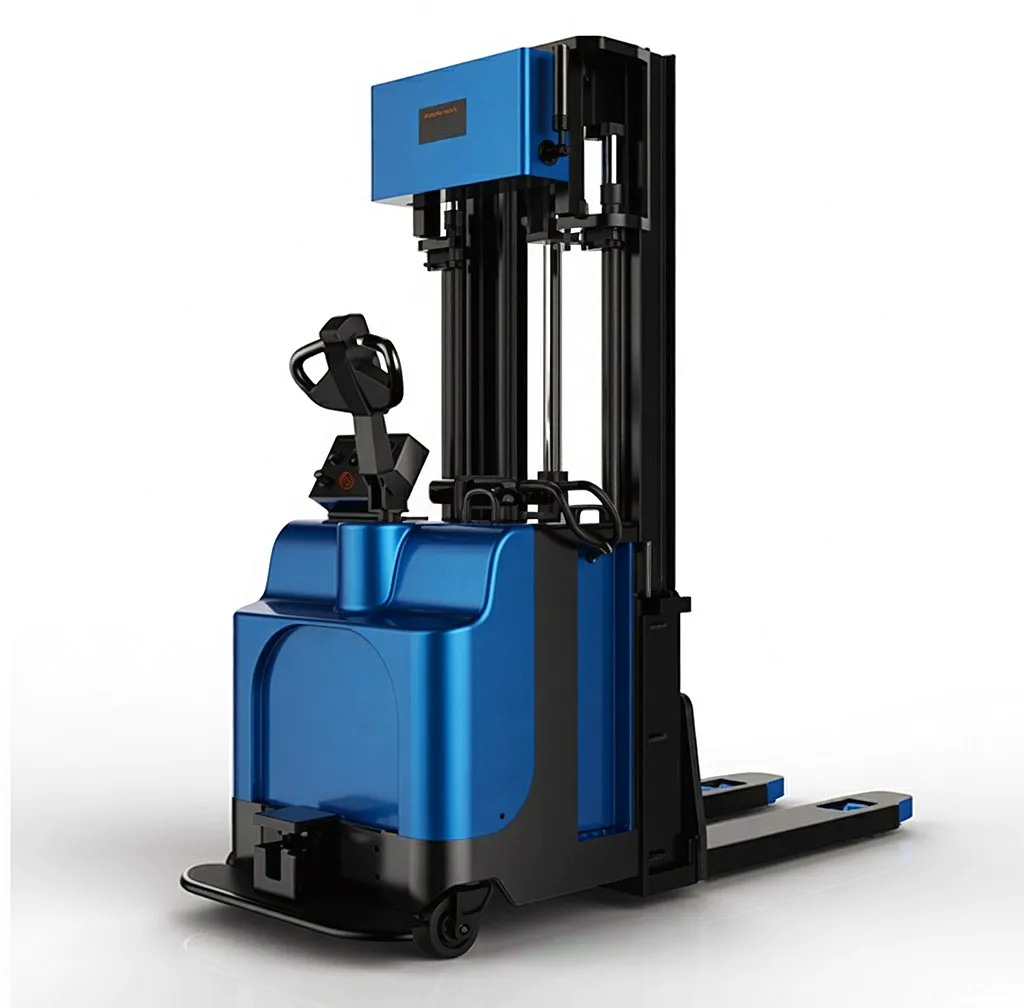 Across British manufacturing plants, cold-chain distribution centres, and e-commerce fulfilment hubs, automatic forklifts now handle the vast majority of heavy material movement. These autonomous and semi-autonomous machines run on punishing schedules — often 22 hours per day across multiple shifts — covering tens of kilometres of internal travel routes while handling load cycles that would test any mechanical component to its design limits. At the mechanical core of every automatic forklift is a component that rarely attracts attention until it fails: the industrial drive shaft. In automated material handling systems, the industrial shaft carries rotational torque from the primary power unit — electric motor assembly, hydraulic power pack, or tractor PTO output — to the drivetrain, lift mechanism, or material-handling attachment. When this component is correctly engineered for the application, automatic forklifts deliver the precision, reliability, and throughput that modern UK logistics operations depend on. When it is wrongly specified or manufactured to inadequate tolerances, the consequences are measurable: vibration-induced sensor drift in AGV guidance systems, premature bearing failure, spline wear that accelerates exponentially once initiated, and ultimately a full-shift stoppage at the worst possible moment. The margin between those two outcomes is entirely determined by application engineering knowledge, material selection, and manufacturing precision.
For UK industrial operators running automated forklift fleets — from AGVs threading assembly lines in Midlands automotive plants to reach trucks navigating refrigerated aisles in Yorkshire distribution centres — selecting an industrial shaft matched to the precise torque envelope, speed profile, and environmental conditions of the application is not a secondary consideration. It is the engineering foundation of cost-efficient, safe, and reliable operation. This guide draws on over 18 years of hands-on application engineering experience in industrial drive systems to walk through every critical dimension of industrial shaft selection, material specification, performance benchmarking, and maintenance practice for automatic forklift systems operating across the United Kingdom.
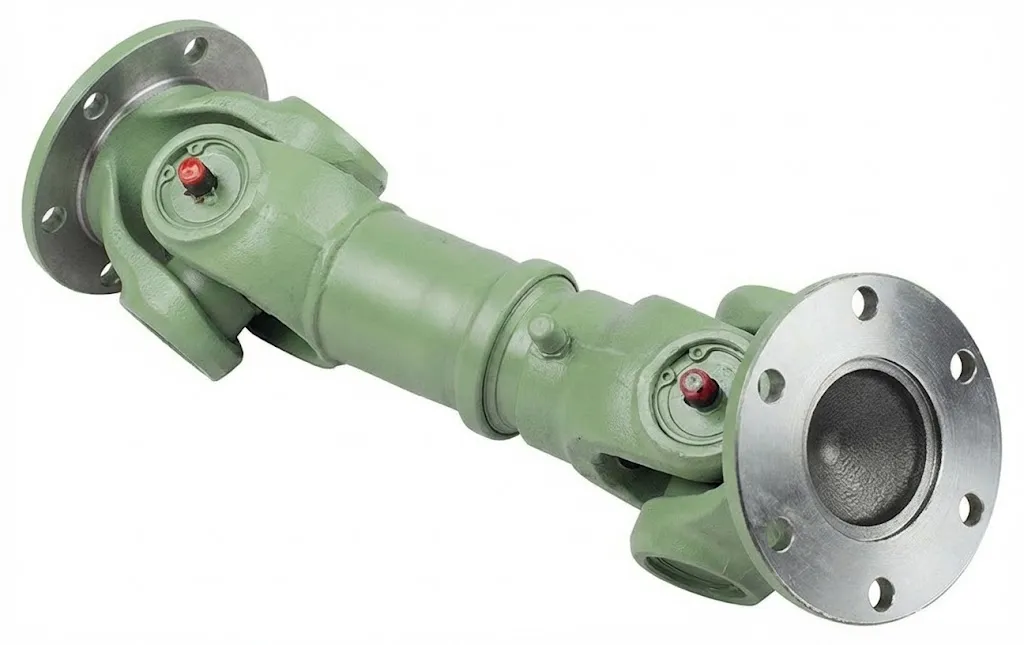
Ever Power precision industrial drive shafts — custom-engineered for automatic forklift systems operating across UK industrial environments, cold chain facilities, and automated warehouses.
⚙️ Request a Custom Engineering Quote
Email: [email protected] · Reply within 24 hours · No obligation · UK & international orders
How Industrial Drive Shafts Function Inside Automatic Forklift Drivetrains
🔄
Torque Transmission Architecture
In an automatic forklift — whether a fully autonomous AGV or a semi-autonomous electric counterbalance truck — the industrial shaft is the rotational bridge between the primary power source and the operational drivetrain. The power source generates rotational energy, and the industrial shaft channels it to the drive wheels, hydraulic pump input, or material-handling attachment without parasitic energy losses. Throughout this transmission, the shaft must accommodate angular misalignment caused by suspension geometry changes under load, absorb shock torque spikes during load pick-up and emergency stops, and maintain consistent rotational balance at speeds ranging from near-zero creep rates up to full travel speed.
🔗
Universal Joint & Telescoping Mechanics
The universal joint (U-joint) assemblies at each shaft end permit angular displacement — typically up to 25° per joint in heavy automatic forklift applications — while maintaining a consistent torque transfer ratio. Telescoping tube sections with precision-ground splined mating profiles allow the shaft to extend and contract as drivetrain geometry shifts under varying load conditions. This telescoping function is especially critical in reach trucks and order pickers where the mast assembly moves vertically, creating dynamic changes in shaft installed length. Cross-and-roller bearing assemblies within each U-joint must deliver smooth, vibration-minimised rotation even when operating at a compound angle during tight-radius AGV turns.
📡
Vibration & AGV Sensor Integrity
Vibration in an industrial shaft connected to an automatic forklift translates directly into noise in the AGV’s positioning sensors, load-detection systems, and guidance cameras. Even sub-millimetre vibration amplitudes can cause positioning drift that accumulates over a shift cycle, eventually degrading pick accuracy or triggering safety-related stops. This is precisely why the manufacturing tolerance of the cross journal, the dynamic balance grade of the completed shaft assembly, and the preload specification of the needle roller bearing pack carry outsized engineering importance in automatic forklift drive shaft design — far more so than in conventional manually-operated forklift applications where sensor fidelity is not a primary concern.
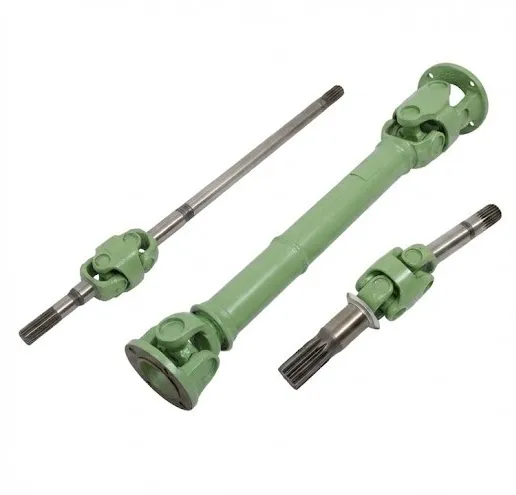 The outer guard tube surrounding the rotating industrial shaft — standardly manufactured in high-density polyethylene with UV stabilisers and fire-retardant additives — contributes to more than just operator safety compliance. It acts as a structural support member that reduces lateral shaft deflection and accompanying vibration at higher rotational speeds. In UK automatic forklift applications, compliance with the Machinery Directive 2006/42/EC as transposed into British law is a mandatory requirement, and every Ever Power industrial shaft assembly ships with a fully compliant CE-marked guarding system and Declaration of Conformity as standard components of the supply — not as optional extras that inflate the final invoice.
Technical Performance Specifications
Ever Power Industrial Shafts — Automatic Forklift Application Grades
* All specifications are for standard product ranges. Custom torque ratings, temperature ranges, and surface treatments available for bespoke automatic forklift shaft requirements. Contact our engineering team with your application data for a tailored specification.
Material Engineering Behind Industrial-Grade Industrial Shafts
⚙️
42CrMo4 Chromium-Molybdenum Alloy Steel
The benchmark alloy for demanding automatic forklift industrial shafts. Chromium content raises hardness and delivers meaningful corrosion resistance in damp warehouse environments, while molybdenum dramatically improves toughness under the cyclic loading that characterises AGV start-stop duty cycles. Heat-treated to 28–34 HRC through the tube wall, this alloy handles the shock torque peaks common during automatic forklift acceleration from standstill with loaded forks — events that generate torque spikes two to three times the steady-state value. Tensile strength reaches 1,050 MPa in the optimum heat treatment condition, providing a substantial safety margin above the fatigue threshold.
🔩
DIN 5480 Involute Precision Splines
The telescoping spline connection between inner and outer tube sections is hobbed and ground to DIN 5480 involute spline tolerances, then case-hardened to 58–62 HRC surface hardness with a tough ductile core maintained by controlled case depth. This precision fit eliminates the fretting corrosion that rapidly destroys splines in off-the-shelf components running under the continuous micro-movement oscillation typical of automatic forklift transmissions operating over uneven warehouse floors. The ground spline surface finish (Ra 0.8 µm or better) also reduces stick-slip friction during telescoping, which translates directly into smoother motion profiles and reduced positioning error in AGV applications.
🛡️
Sealed Bearing Assemblies & Corrosion Defence
Cross-and-roller bearing kits use ABEC-3 grade needle roller bearings pre-packed with high-temperature, water-resistant lithium-complex or polyurea synthetic grease selected to match the application temperature range. Sealed end caps rated to IP65 or IP67 prevent moisture and particulate ingress essential for forklifts running in dock areas, produce cold stores, or outdoor yard environments across the UK where weather conditions vary substantially by season and geography. Protective external coatings include black oxide (general indoor), zinc-nickel electroplating (marine/coastal and dock environments), or epoxy powder coating (chemical wash-down environments in food and pharma facilities).
Selecting the correct material grade for an industrial shaft in an automatic forklift application is not about choosing the strongest available option — it is about matching material properties to the actual duty cycle and environment. An overly stiff shaft in a low-torque AGV application adds unnecessary unsprung weight and increases the inertia that the positioning motors must overcome during direction changes, reducing positioning accuracy. A shaft with inadequate fatigue resistance in a 24/7 three-shift logistics operation will initiate surface cracks in the spline root radius within months of commissioning. Our application engineers have processed enough UK forklift installations across automotive, food and beverage, pharmaceutical, and port logistics sectors to size material specifications based on your actual operational data — not conservative catalogue assumptions.
Where Our Industrial Shafts for Automatic Forklifts Are Performing Right Now
Six high-demand UK sectors running Ever Power drive shaft technology across multiple automatic forklift platforms
🏭
Automotive Manufacturing Plants — Midlands & North-West UK
In automotive assembly plants across the West Midlands and Greater Manchester, AGV forklifts transport body-in-white panels, engine sub-assemblies, and sequenced component kits along production loops running 24/7. The industrial drive shaft in these environments carries continuous high-cycle loading at consistent torque — typically 800–1,200 Nm — with zero tolerance for vibration-induced positioning errors that could halt an entire assembly sequence. Our shafts are specified to G2.5 dynamic balance grade for these installations, eliminating the sub-millimetre vibration signatures that cause positioning drift in AGV laser and vision guidance systems. The consequence of specifying an incorrect balance grade in this context is an entire production line stopping while engineers debug what appears to be a control system fault — when the actual root cause is an out-of-balance drive shaft.
❄️
Cold-Chain & Refrigerated Distribution — Across England, Scotland & Wales
UK cold-chain logistics operators running automated forklifts face a particularly severe industrial shaft challenge: drive components must perform reliably at -25°C in blast-freeze zones, then transition through loading dock temperatures within the same shift. Standard bearing greases solidify, polymer seals shrink and lose their contact pressure, and spline fits tighten in these thermal cycles — causing catastrophic lubrication failure on cold restart. Our low-temperature synthetic polyurea grease-packed bearing assemblies and EPDM-sealed spline collars maintain full functionality from -30°C through to +80°C, making them the default specification for automated forklifts in UK refrigerated distribution facilities including BRCGS Grade AA accredited food cold stores in Yorkshire, the Midlands, and Scotland.
📦
E-Commerce Fulfilment Warehouses — Peak Season Intensity
The UK’s e-commerce growth has created enormous fulfilment centres — many exceeding 500,000 sq ft — where fleets of automatic forklifts and reach trucks operate around the clock. In these facilities, industrial shafts handle not just primary drivetrain torque but also power onboard hydraulic systems for lift and tilt functions simultaneously. Cycle counts in the November–December peak can reach 15,000 lift cycles per truck per shift — a duty cycle demanding drive shafts engineered for fatigue resistance across tens of millions of stress reversals. Our fatigue-rated shaft assemblies are sized using actual cycle count data from UK fulfilment clients to deliver the service life you need through peak and off-peak seasons without planned interim replacements.
⚗️
Chemical & Pharmaceutical Manufacturing — ATEX & GMP Compliant
UK chemical plants and pharmaceutical facilities handling ATEX Zone 1 and Zone 2 classified materials require forklift drive shaft components that produce no ignition-capable sparks, withstand high-pressure steam or chemical wash-down cycles, and meet stringent noise emission limits for GMP-compliant facilities. Our stainless-steel-compatible shaft variants with ATEX-rated guard assemblies and electropolished external surfaces serve these regulated environments. Smooth external finishes prevent contamination accumulation in bearing end-cap joints, while sealed bearing chambers rated to IP67 withstand full CIP cleaning procedures without lubrication loss — aligning with FDA-facing hygiene standards increasingly applied to UK pharmaceutical logistics infrastructure.
🚢
Port & Intermodal Logistics — Felixstowe, Southampton & Liverpool
Container-handling facilities at the UK’s major ports — Felixstowe, Southampton, and Liverpool — operate automatic straddle carriers and container forklifts in aggressive marine environments where saltwater mist, wind-blown particulate, and severe ground vibration combine to destroy inadequately protected drive components within a single operating season. Our marine-environment industrial shaft variants feature zinc-nickel electroplated yoke assemblies rated to 500 hours neutral salt spray, stainless-steel cross journals in the U-joint, and bi-directional elastomeric lip seals that retain lubrication under the high-speed oscillation generated when handling container loads in coastal crosswind conditions.
🌾
Agricultural Co-ops & Rural Logistics — Tractor PTO Forklift Applications
Traditional tractor-driven PTO forklifts remain in productive use across UK agricultural estates, grain co-operatives, and rural machinery dealerships from Lincolnshire and Norfolk to the Scottish Borders. These shaft-driven forklift attachments connect to tractor PTOs running at 540 or 1,000 RPM, operating in dusty, high-humidity barn environments that corrode unprotected components within a season. Our agricultural-duty shaft kits include conical full-wrap shielding, high-viscosity extreme-pressure gear oil-compatible spline lubrication, and oversized U-joints rated for the irregular torque pulses that characterise tractor PTO output under varying engine load and implement resistance conditions throughout the arable season.
Six Engineering Advantages That Deliver Measurable Results
Why UK industrial operators choose Ever Power industrial shafts for their automatic forklift fleets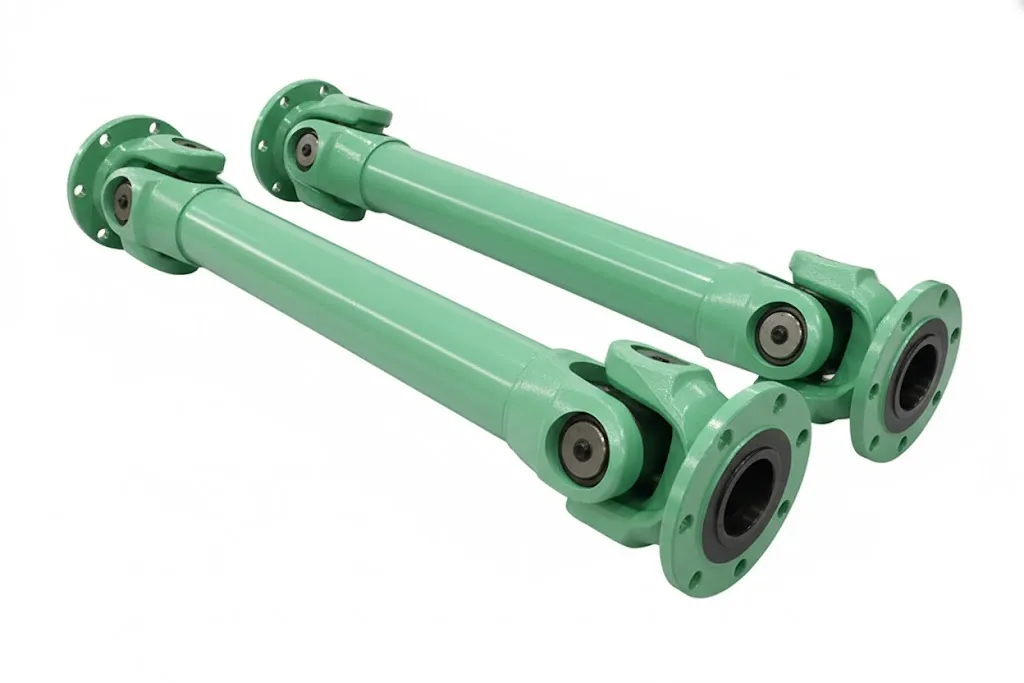
✅ Zero-Compromise Dynamic Balance
Every completed shaft assembly is dynamically balanced to ISO 1940-1 grade G2.5 or better using calibrated hard-bearing balancing machinery, with correction weights applied in the balance planes. This eliminates the vibration peaks that cause accelerated bearing fatigue and AGV sensor drift. Where precision automated forklift systems require it — particularly vision-guided AGVs in automotive and pharmaceutical plants — we achieve G1.0, the balance grade applied to turbomachinery, giving the smoothest measurable drivetrain output available.
✅ Fully Custom Geometric Specification
No two automatic forklift models share exactly the same drivetrain geometry, and no catalogue shaft perfectly suits every application. Our CNC machining and design engineering team works from customer-supplied drawings, OEM technical specifications, or direct physical samples to produce shafts with exact flange patterns, spline counts, tube outer diameters, wall thicknesses, and compressed-to-extended travel lengths. We manufacture single prototypes through to full production batches without minimum order quantity penalties on the majority of specifications — a critical capability for UK operators running mixed forklift fleets from multiple OEMs.
✅ Calculated Service Life Engineering
Our application team calculates L10 bearing life, spline wear rate, and shaft fatigue cycle capacity against each customer’s measured duty cycle data before committing a specification to manufacture. This means every shaft carries a calculated service life estimate — typically 3–5 years in continuous automatic forklift duty — rather than a vague warranty claim. When actual operating conditions are harsher than assumed, our engineering data allows an honest conversation about service intervals before a failure event interrupts operations.
✅ Full UK Regulatory Compliance
All industrial shaft assemblies supplied to UK customers carry CE marking in accordance with the Machinery (Safety) Regulations 2008 (UK transposition of Machinery Directive 2006/42/EC). Full technical files, risk assessment documentation, and Declarations of Conformity are available for every product family. This removes the compliance burden from UK maintenance engineers and procurement managers operating under HSE PSSR or LOLER audit frameworks, where equipment certification documentation is a routine audit requirement that must be produced at short notice.
✅ Fast UK Dispatch & Emergency Supply
Standard configurations for common automatic forklift drivetrain sizes are held in finished-goods stock and dispatched to UK mainland addresses within 3–5 business days. Engineering-to-order custom shafts typically run 10–15 working days from drawing approval to dispatch. Expedite manufacturing slots are reserved for breakdown emergencies — contact our team at [email protected] to discuss your timeline. All UK shipments are sent via tracked freight carriers with documented proof of delivery to England, Scotland, and Wales.
✅ Pre-Sales Application Engineering — Free
Before any order commitment, our application engineers review the forklift’s torque envelope, speed range, duty cycle, operating environment, and required shaft geometry. This consultation ensures you receive a component that performs correctly from day one, rather than discovering a specification mismatch after installation — at which point the cost of rectification includes not just a replacement shaft but also labour, downtime, and scheduling disruption. Post-installation technical support and troubleshooting remain available throughout the component’s service life for UK accounts at no additional cost.
Customer Success Case Study
UK Cold Chain Logistics · West Yorkshire
Reducing AGV Drivetrain Failures by 63% at a Leeds Refrigerated Distribution Centre
The Client
A third-party logistics provider operating a 130,000 sq ft refrigerated distribution centre near Leeds, West Yorkshire. The facility runs a fleet of 14 automated electric counterbalance forklifts serving ambient, chilled (2–4°C), and blast-freeze (-22°C) zones on a three-shift schedule supplying major UK grocery retail accounts.
The Challenge
The facility was experiencing recurrent drive shaft failures across the AGV fleet — on average two bearing replacements per week and a complete shaft failure every six weeks on three of their highest-cycle machines. Each failure produced 4–6 hours of AGV downtime and required a specialist engineer callout. Direct maintenance costs were running at approximately £28,000 per quarter. Indirect throughput losses during peak retail replenishment windows were significantly higher and difficult to recover.
Root Cause & Our Solution
Failure investigation revealed that the OEM replacement shafts were using standard automotive-grade bearing grease that solidified at -22°C, placing catastrophic shock loads on the needle rollers during cold-start conditions. Spline surface hardness was also below specification for the cycle count. Ever Power’s replacement design used 42CrMo4 steel with enhanced spline case hardening, synthetic polyurea grease rated to -50°C, IP67 sealed double-lip bearing packs, and an insulated outer guard tube to slow thermal cycling at the bearing positions. Full delivery was achieved within 12 working days of initial enquiry.
Results After 6 Months
63%
Reduction in unplanned AGV downtime events
£19.2k
Annual direct maintenance cost saving
Zero
Shaft failures in first 6 months post-installation
18 mo.
Estimated full ROI on specification upgrade
What UK Engineers Say
Direct feedback from maintenance engineers, automation specialists, and fleet managers across the United Kingdom
“
We had been burning through OEM replacement shafts every six to eight weeks on the blast-freeze zone AGVs. Switching to Ever Power’s custom low-temperature specification shafts has effectively eliminated that problem. Six months without a single shaft-related callout. The pre-sales engineering support was excellent — they asked questions that our previous supplier never bothered with, and it showed in the specification they came back with.
James Hartley
Fleet Maintenance Manager · Refrigerated Logistics & Distribution, West Yorkshire
“
Our plant runs 22 AGVs on a 24/5 production schedule and unplanned downtime is simply not an option. The custom industrial shafts were delivered to our CAD specifications in 11 working days and fitted without modification. Balance quality and torque performance are noticeably superior to the previous supplier. Our onboard vibration monitoring recorded a 40% drop in drivetrain vibration amplitude after the switch — numbers that translated directly into better pick positioning across the whole fleet.
Sarah Baines
Automation Systems Engineer · Automotive Components Manufacturing, West Midlands
“
We source industrial shafts for our tractor-mounted forklift fleet across three farm estates in Lincolnshire. Ever Power understood the agricultural duty cycle immediately and did not push an over-engineered industrial specification that would have been unnecessary for our application and budget. Pricing was competitive, lead time was reasonable, and the shafts ran through a complete harvest season without a bearing change — that is a first for us in eight years of operating this equipment.
Tom Wakefield
Agricultural Machinery Manager · Arable Co-operative & Grain Storage, Lincolnshire
Manufacturing Capabilities & Custom Engineering Services for UK Customers
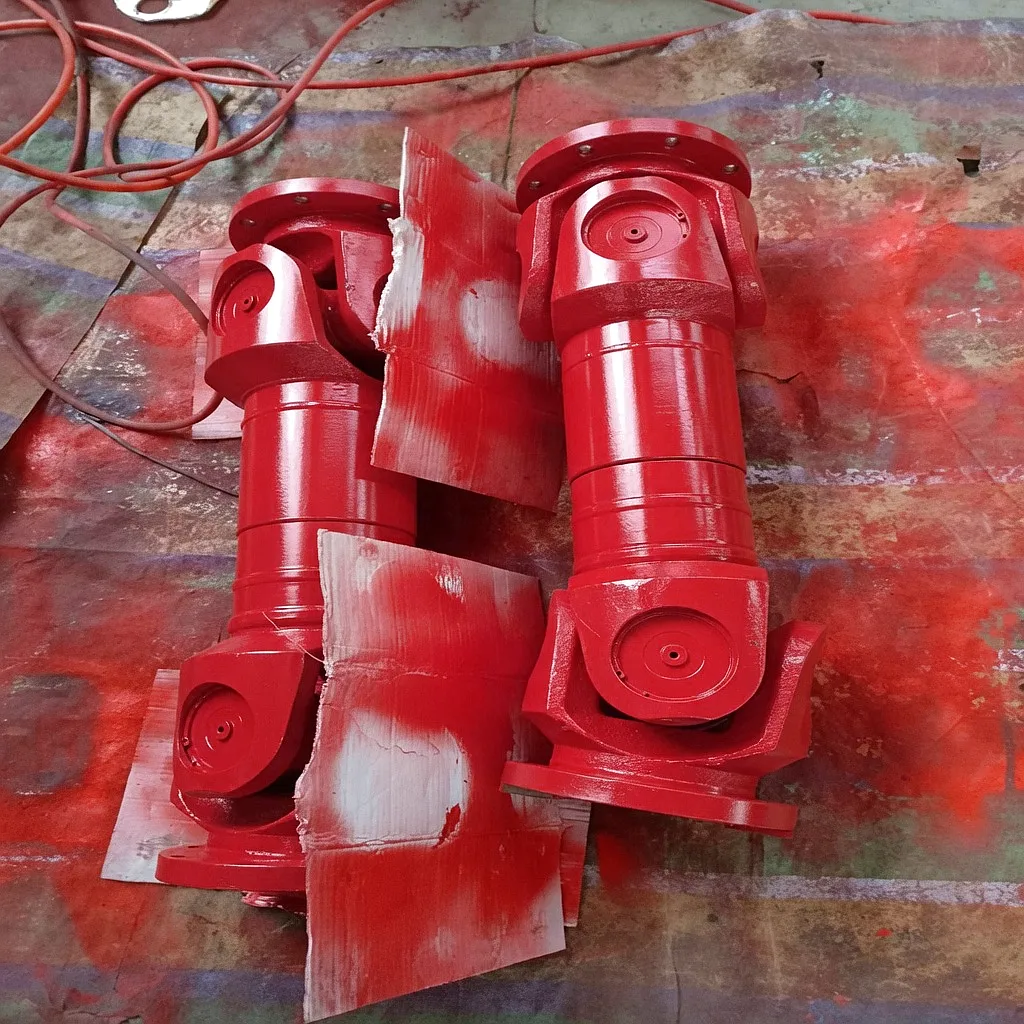 Ever Power’s manufacturing facility operates CNC multi-spindle turning centres, 5-axis spline milling machines, induction hardening stations, hard-bearing dynamic balancing equipment, and CMM coordinate measuring machines for dimensional inspection and traceability. This vertically integrated manufacturing capability means we can produce industrial shafts for automatic forklifts in configurations that no general-industrial shaft catalogue can match. Whether the requirement is a non-standard flange bolt pattern, an unusually short compressed length to fit a confined AGV chassis tunnel, a legacy spline profile for a machine that the OEM no longer supports, a special corrosion-resistant alloy for a chemically aggressive environment, or a bespoke tube diameter to match an existing bearing housing — our engineering team translates your operational requirement into a verified, manufacturable specification and delivers it. Our product customisation capability is one of the most complete in the UK automatic forklift supply chain, and it applies equally to single-prototype development work and full-volume production batches.
🔧
Engineering-to-Order
Single prototypes to full production runs. No MOQ restrictions on most specifications. Submit drawings, samples, or a written description of what you need.
📐
Application Sizing Review
Engineers size your shaft to real torque, speed, and duty cycle data. Submit your forklift’s technical datasheet for a free, no-obligation sizing review.
🧪
Full QC Traceability
Material test certificates, CMM dimensional reports, and dynamic balance test records shipped with every order. Full documentation for HSE or quality audit purposes.
📦
Kitted Assembly Supply
Complete shaft assemblies with matched cross kits, guard tubes, and installation hardware. Ready to fit directly to your automatic forklift — no separate component sourcing required.
Ready to specify an industrial drive shaft for your automatic forklift fleet?
Share your application data and our engineers will respond with a technical specification and commercial quote within 24 hours.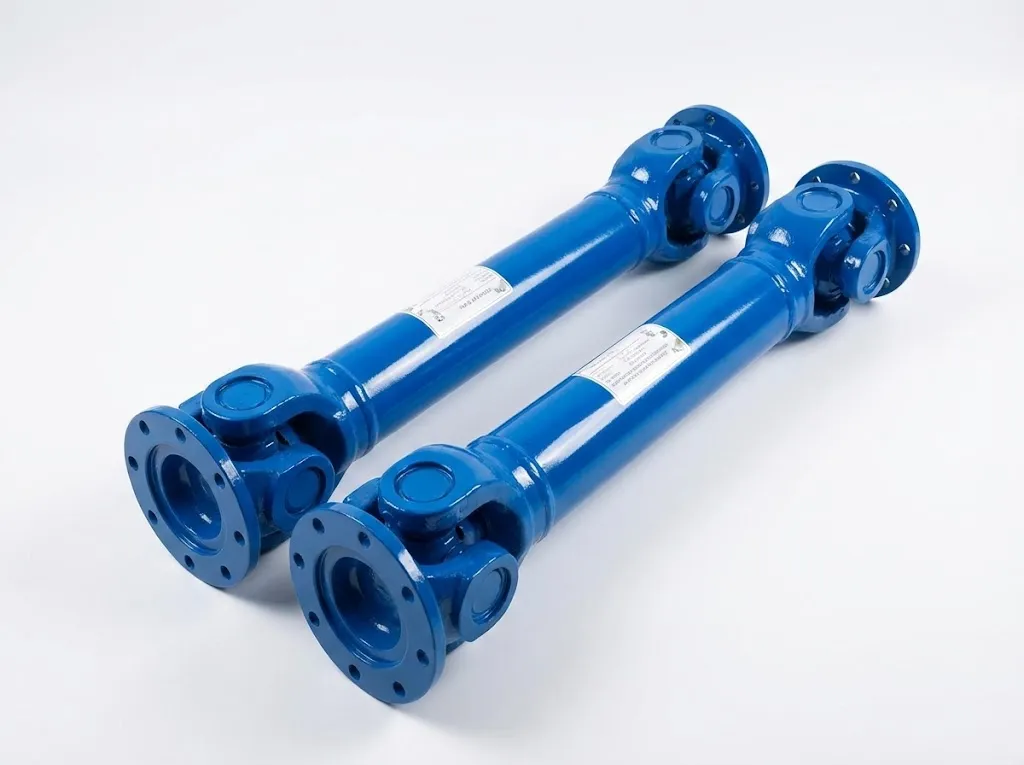
Vanliga frågor
Questions from UK maintenance engineers, automation procurement teams, and fleet operators — answered directly by our application engineering team
What is the best type of industrial shaft specification for an automatic forklift running in a UK cold storage facility where blast-freeze temperatures regularly reach minus 22 degrees Celsius?
For automatic forklifts operating in UK blast-freeze cold stores, the correct industrial shaft specification must address three failure modes specific to sub-zero environments: bearing grease solidification on cold start, seal shrinkage allowing moisture ingress, and spline fretting accelerated by thermal micro-movement between mating surfaces. The optimal solution combines 42CrMo4 alloy steel tube construction with case-hardened DIN 5480 splines, IP67 sealed needle roller bearing packs pre-lubricated with synthetic polyurea grease rated to -50°C, and EPDM elastomeric seals at all running surfaces. The outer guard should use cold-impact-modified HDPE rather than standard polyethylene, which becomes brittle and prone to cracking below -15°C. Requesting a low-temperature application review before ordering is strongly recommended — standard catalogue shaft specifications are almost universally inadequate for automatic forklift duty in sub-zero environments, and the cost of a misspecified shaft in terms of downtime and callout charges far exceeds the cost of getting the specification right at the outset.
How much does a custom industrial drive shaft for an automated electric forklift cost in the United Kingdom, and can I get a price quote without having detailed engineering drawings?
Indicative pricing for custom automatic forklift industrial shafts supplied to UK customers starts at approximately £180–£350 for light-duty AGV specifications and ranges up to £650–£1,400 for heavy-duty industrial shafts with full environmental sealing, induction-hardened splines, and traceability documentation packages. These are guidance figures only — final cost depends on shaft overall length, peak torque rating, material grade, surface treatment, IP protection level, and order quantity. You do not need a complete set of engineering drawings to receive an indicative quote. Providing your forklift model number, the maximum torque and speed the shaft must handle, the connection type at each end (flange or spline dimensions), and the approximate installed length gives our team enough information to provide a budgetary cost and lead time estimate within 24 hours. A firm commercial quote with full specification follows after drawing review or sample examination. Email [email protected] with your application details to begin the process.
Where can UK warehouse operators find a reliable industrial shaft supplier for AGV and automated forklift systems who can manufacture to custom specifications rather than just supplying off-the-shelf catalogue products?
Most industrial shaft distributors active in the UK supply fixed-range catalogue products suitable for agricultural and general industrial machinery, but rarely capable of meeting the specific dimensional and performance requirements of automated forklift drivetrains. pto-drive-shafts.com provides full engineering-to-order custom manufacturing with direct technical engineering support, rather than acting as a product distributor constrained to a published catalogue. For UK procurement teams, this means direct engagement with engineers at the specification stage, a shaft designed for the actual duty cycle and environment rather than a generic duty rating, and full material and dimensional certification for HSE compliance and quality audit purposes. Our facility ships directly to UK mainland addresses, and all technical correspondence is handled in English with response times targeted at 24 hours for initial enquiries and 48 hours for formal technical proposals.
Which industrial shaft specifications are required for a 3-tonne automatic forklift running continuous three-shift operations in a British automotive manufacturing or assembly plant?
For a 3-tonne automatic forklift on three-shift continuous automotive plant duty in the UK, the appropriate industrial shaft specification typically centres on a 42CrMo4 medium-heavy duty tube with a peak torque rating of at least 1,200 Nm (providing a design safety factor over the machine’s full-load output torque), a nominal speed rating of 2,500 RPM, dynamic balance to G2.5, and IP65 ingress protection as a minimum for the bearing assemblies. The spline profile should be DIN 5480 involute with case-hardened teeth to 58–62 HRC surface hardness and a ductile core maintained by controlled case depth of 0.8–1.2 mm. For automotive plant AGVs where vibration data is monitored by the machine’s onboard diagnostics system, we can also reverse-calculate the required dynamic balance grade from the vibration tolerance that the guidance system can accommodate — which is often tighter than the G2.5 standard for laser-guided AGVs in high-precision sequencing applications. Contact us with your forklift make, model, and drivetrain data sheet for a specific sizing recommendation.
How often should the industrial drive shaft on an automatic forklift be inspected and replaced in a busy UK logistics or distribution operation running around the clock six days a week?
For automatic forklifts on 24/6 continuous duty in UK logistics environments, a structured inspection regime is the most cost-effective approach to shaft maintenance. Visual inspection of guard condition, end-cap seal integrity, and lubrication nipple condition should form part of every quarterly planned maintenance visit. Where grease nipples are fitted, re-lubrication every 250–500 operating hours is recommended depending on environment severity. U-joint axial play and bearing radial clearance should be measured every 500 hours using a dial indicator; clearance exceeding 0.15 mm indicates bearing wear requiring attention. Full shaft removal, dimensional inspection, and spline wear measurement should be performed annually or at 3,000 operating hours, whichever occurs first. In terms of replacement intervals, properly specified shafts for their application typically serve 3–5 years on 24/6 duty. Establishing a drivetrain vibration baseline measurement at commissioning and trending it at six-month intervals is the single most reliable early-warning tool for detecting bearing degradation before it progresses to a failure event.
What is the typical lead time for ordering a custom industrial shaft for an AGV forklift system from a specialist supplier who can deliver to England, Scotland, and Wales?
For engineering-to-order custom industrial shafts, our standard manufacturing lead time from drawing approval or sample receipt to dispatch is 10–15 working days for the majority of configurations. Standard stock-range shaft sizes for common automatic forklift drivetrain interfaces dispatch within 3–5 business days. Expedite manufacturing slots are available for breakdown emergencies — contact [email protected] directly with your timeline and we will advise whether expedited delivery is achievable for your specification. Transit to UK mainland addresses in England, Scotland, and Wales typically adds 3–5 business days via tracked freight. Northern Ireland, Scottish Highlands, and island locations may require slightly extended transit times. For operators with large automatic forklift fleets, we offer consignment stocking agreements where agreed shaft variants are held in finished-goods stock for next-day emergency dispatch against a rolling forecast commitment — eliminating lead time risk during critical operational periods.
How do I identify early warning signs that the industrial drive shaft on my automatic forklift needs replacing before it causes a breakdown during a busy UK warehouse peak season such as Christmas or Easter?
Several reliable early indicators point to an industrial drive shaft approaching end of service life before catastrophic failure occurs. Vibration increase is the most diagnostically useful signal: if your AGV’s onboard vibration sensors or a handheld vibration meter shows drivetrain vibration amplitude rising more than 30% above the commissioning baseline, bearing wear is accelerating and intervention is needed. Noise change — specifically a cyclic clicking or whirring sound that intensifies proportionally with rotational speed — indicates U-joint cross bearing wear or spline fretting. Visible grease leakage from bearing end caps or spline collar seals means the seal system has degraded and contamination is entering the bearing pack, which accelerates wear exponentially once it begins. Temperature rise at the U-joint position during normal operation (measured with an infrared thermometer during a PM inspection) of more than 20°C above ambient indicates that bearing preload has increased as a result of wear-induced dimensional changes. Acting on any of these symptoms before the shaft fails prevents the significantly higher combined costs of unplanned breakdown, emergency engineer callout, and lost throughput during high-volume peak periods.
Can I get an industrial shaft custom-manufactured to exactly match my specific automatic forklift model’s drivetrain dimensions, and what information do I need to provide to get an accurate engineering quote from your UK supply team?
Yes — exact-dimension custom engineering is a core offering, and it is how the majority of our UK automatic forklift shaft orders are fulfilled. To generate an accurate technical and commercial proposal, the most useful information to provide includes: the forklift manufacturer and model number; compressed and extended installed shaft length measured centre-to-centre between U-joint pivot points; connection type at each end — flange with bolt circle diameter and number of bolts, or spline type with count and module, or stub shaft diameter with keyway dimensions; maximum torque and operational speed range; operating environment description including temperature range, presence of moisture, chemicals, or airborne particulate; and the operating duty profile (continuous, intermittent, or shock-load dominant). If you have the original shaft part number stamped on the component or can send photographs of the shaft you are replacing, our team can often match it directly without requiring a full dimensional survey. Send all available information to [email protected] and our engineering team will respond with a complete technical proposal and commercial quotation.























