
Produktbeskrivning
Harvester Farm Harrow Tractor Pto Drive Shaft and Power Tiller Cardan Shaft for Agricultural Machinery Spare Parts
Produktbeskrivning
A Power Take-Off shaft (PTO shaft) is a mechanical device utilized to transmit power from a tractor or other power source to an attached implement, such as a mower, tiller, or baler. Typically situated at the rear of the tractor, the PTO shaft is driven by the tractor’s engine through the transmission.
The primary purpose of the PTO shaft is to supply a rotating power source to the implement, enabling it to carry out its intended function. To connect the implement to the PTO shaft, a universal joint is employed, allowing for movement between the tractor and the implement while maintaining a consistent power transfer.
Here is our advantages when compare to similar products from China:
1.Forged yokes make PTO shafts strong enough for usage and working;
2.Internal sizes standard to confirm installation smooth;
3.CE and ISO certificates to guarantee to quality of our goods;
4.Strong and professional package to confirm the good situation when you receive the goods.
Product Specifications
Förpackning och frakt
Företagsprofil
HangZhou Hanon Technology Co.,ltd is a modern enterprise specilizing in the development,production,sales and services of Agricultural Parts like PTO shaft and Gearboxes and Hydraulic parts like Cylinder , Valve ,Gearpump and motor etc..
We adhere to the principle of ” High Quality, Customers’Satisfaction”, using advanced technology and equipments to ensure all the technical standards of transmission .We follow the principle of people first , trying our best to set up a pleasant surroundings and platform of performance for each employee. So everyone can be self-consciously active to join Hanon Machinery.
Vanliga frågor
1.What’re your main products?
we currently product Agricultural Parts like PTO shaft and Gearboxes and Hydraulic parts like Cylinder , Valve ,Gear pump and motor.You can check the specifications for above product on our website and you can email us to recommend needed product per your specification too.
2.What’s the lead time for a regular order?
Generally speaking, our regular standard product will need 30-45days, a bit longer for customized products. But we are very flexible on the lead time, it will depend on the specific orders.
3.What’s your warranty terms?
One year.
4.Can you send me a price list?
For all of our product, they are customized based on different requirements like length, ratio,voltage,and power etc. The price also varies according to annual quantity. So it’s really difficult for us to provide a price list. If you can share your detailed requirements and annual quantity, we’ll see what offer we can provide.
5.What’s the payment term?
When we quote for you,we will confirm with you the way of transaction,FOB,CIFetc.<br> For mass production goods, you need to pay 30% deposit before producing and70% balance against copy of documents.The most common way is by T/T.
6.How to deliver the goods to us?
Usually we will ship the goods to you by sea.
/* 22 januari 2571 19:08:37 */!function(){function s(e,r){var a,o={};try{e&&e.split(“,”).forEach(function(e,t){e&&(a=e.match(/(.*?):(.*)$/)))
| Typ: | Agricultural Spare Part, Agricultural Spare Part |
|---|---|
| Användande: | Agricultural Products Processing, Farmland Infrastructure, Tillage, Harvester, Planting and Fertilization, Grain Threshing, Cleaning and Drying, Agricultural Machinery,Farm Tractor, Agricultural Products Processing, Farmland Infrastructure, Tillage, Harvester, Planting and Fertilization, Grain Threshing, Cleaning and Drying, Agricultural Machinery, Farm Tractor |
| Material: | Carbon Steel, 45cr Steel, Carbon Steel |
| Prover: |
US$ 20/Styck
1 styck (minsta beställning) | Beställ prov |
|---|
| Anpassning: |
Tillgänglig
| Anpassad förfrågan |
|---|
.shipping-cost-tm .tm-status-off{bakgrund: ingen;fyllning: 0;färg: #1470cc}
|
Fraktkostnad:
Beräknad frakt per enhet. |
om fraktkostnad och beräknad leveranstid. |
|---|
| Betalningsmetod: |
|
|---|---|
|
Första betalningen Full betalning |
| Valuta: | US$ |
|---|
| Retur och återbetalning: | Du kan ansöka om återbetalning upp till 30 dagar efter att du mottagit produkterna. |
|---|
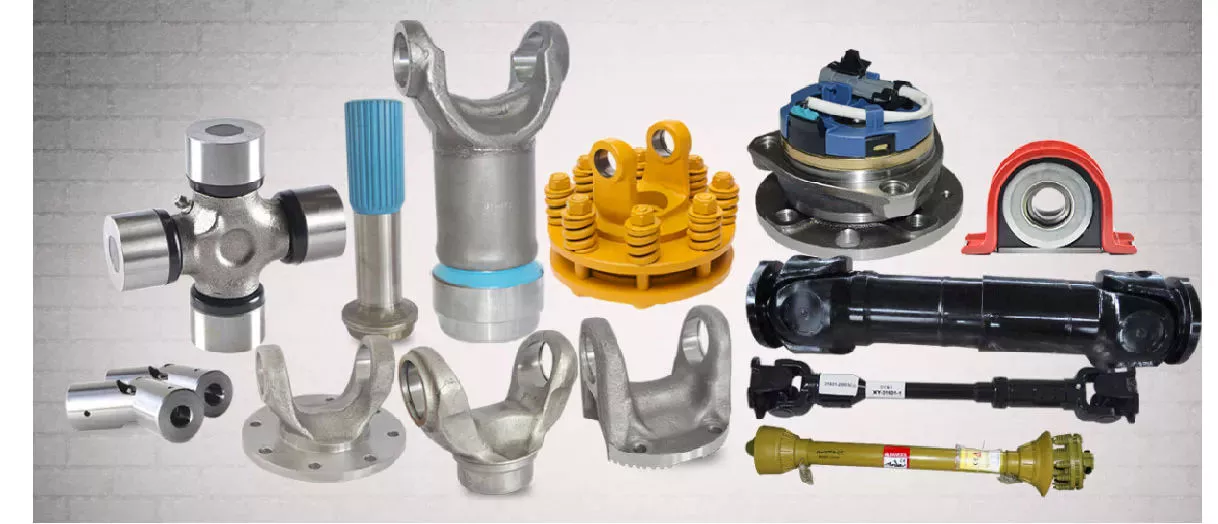
Hur säkerställer kraftuttagsaxlar effektiv kraftöverföring samtidigt som säkerheten bibehålls?
Kraftuttagsaxlar (PTO) är konstruerade för att säkerställa effektiv kraftöverföring samtidigt som säkerhet prioriteras. Dessa drivaxlar innehåller olika mekanismer och funktioner för att uppnå båda målen. Här är en detaljerad förklaring av hur kraftuttagsaxlar säkerställer effektiv kraftöverföring samtidigt som säkerheten bibehålls:
1. Robust konstruktion:
Kraftuttagsaxlar är vanligtvis konstruerade av högkvalitativa material som stål eller kompositmaterial som erbjuder styrka och hållbarhet. Den robusta konstruktionen gör att de kan motstå applikationens vridmoment- och effektkrav, vilket säkerställer effektiv kraftöverföring utan överdriven böjning eller deformation som kan leda till energiförlust eller för tidigt haveri.
2. Exakt justering:
Effektiv kraftöverföring kräver exakt uppriktning mellan kraftuttagsaxeln, den primära kraftkällan (t.ex. motor, transmission) och redskapet eller utrustningen som drivs. Felaktig uppriktning kan leda till effektförlust, ökat slitage och potentiella säkerhetsrisker. Kraftuttagsaxlar är konstruerade med justerbara längder eller flexibla kopplingar för att hantera variationer i utrustningsstorlek och säkerställa korrekt uppriktning, vilket maximerar kraftöverföringens effektivitet.
3. Säkerhetsfunktioner för anslutning:
Kraftuttagsaxlar har säkerhetsfunktioner för att förhindra olyckor och minimera risken för skador. En vanlig säkerhetsfunktion är användningen av brytstift eller momentbegränsare. Dessa komponenter är konstruerade för att gå sönder eller glida vid för högt vridmoment, vilket skyddar drivaxeln och ansluten utrustning från skador. Genom att offra brytstiftet kopplas kraftuttagsaxeln ur vid överbelastning, vilket säkerställer förarens säkerhet och förhindrar kostsamma reparationer.
4. Överbelastningsskydd:
Överbelastningsskyddsmekanismer är avgörande för att upprätthålla säkerheten och förhindra skador på kraftuttagsaxeln och tillhörande utrustning. Kopplingssystem eller slirkopplingar kan användas för att koppla ur drivaxeln när för högt vridmoment eller hastighet uppstår. Dessa mekanismer gör att drivaxeln kan slira eller kopplas ur tillfälligt, vilket förhindrar skador och minskar risken för skador på förare eller åskådare.
5. Avskärmning och skydd:
Kraftuttagsaxlar är ofta utrustade med avskärmning och skydd för att förhindra kontakt med rörliga delar. Dessa skyddskåpor säkerställer att förare och åskådare är skyddade från roterande axlar, universalkopplingar och andra potentiellt farliga komponenter. Korrekt avskärmning och skydd minskar risken för intrassling, klämning eller oavsiktlig kontakt, vilket förbättrar den totala säkerheten.
6. Överensstämmelse med säkerhetsstandarder:
Kraftuttagsaxlar är konstruerade och tillverkade för att uppfylla relevanta säkerhetsstandarder och föreskrifter. Dessa standarder, såsom ISO 500-1, specificerar krav för kraftöverföringskomponenter, inklusive kraftuttagsaxlar. Överensstämmelse med dessa standarder säkerställer att drivaxlarna uppfyller nödvändiga säkerhetskriterier och genomgår rigorösa tester för att säkerställa deras tillförlitlighet och prestanda.
7. Regelbundet underhåll och inspektion:
Att upprätthålla säkerheten och effektiviteten hos kraftuttagsaxlar kräver regelbundet underhåll och inspektion. Operatörer bör följa rekommenderade underhållsscheman, inklusive smörjning, inspektion av komponenter och utbyte av slitna eller skadade delar. Regelbundna inspektioner hjälper till att identifiera potentiella säkerhetsproblem, såsom slitna lager, skadad skärmning eller äventyrade säkerhetsfunktioner, vilket möjliggör snabba reparationer eller utbyten.
8. Operatörsutbildning och medvetenhet:
Effektiv kraftöverföring och säkerhet är också beroende av förarens utbildning och medvetenhet. Förare bör få ordentlig utbildning i säker användning och underhåll av kraftuttagsaxlar. Detta inkluderar att förstå säkerhetsprocedurer, känna igen potentiella faror och vara medvetna om riskerna i samband med felaktig användning eller underhåll. Att främja en säkerhetskultur och tillhandahålla kontinuerlig utbildning hjälper till att säkerställa att kraftuttagsaxlar används korrekt och att potentiella risker minimeras.
Genom att använda robust konstruktion, exakt uppriktning, säkerhetsfunktioner för anslutningar, överbelastningsskydd, avskärmning och skydd, efterlevnad av säkerhetsstandarder, regelbundet underhåll och inspektion samt förarutbildning och medvetenhet, kan kraftuttagsaxlar uppnå effektiv kraftöverföring samtidigt som en hög säkerhetsnivå bibehålls. Dessa åtgärder hjälper till att förhindra olyckor, skydda utrustning och förare samt säkerställa tillförlitlig och effektiv kraftöverföring i olika tillämpningar.
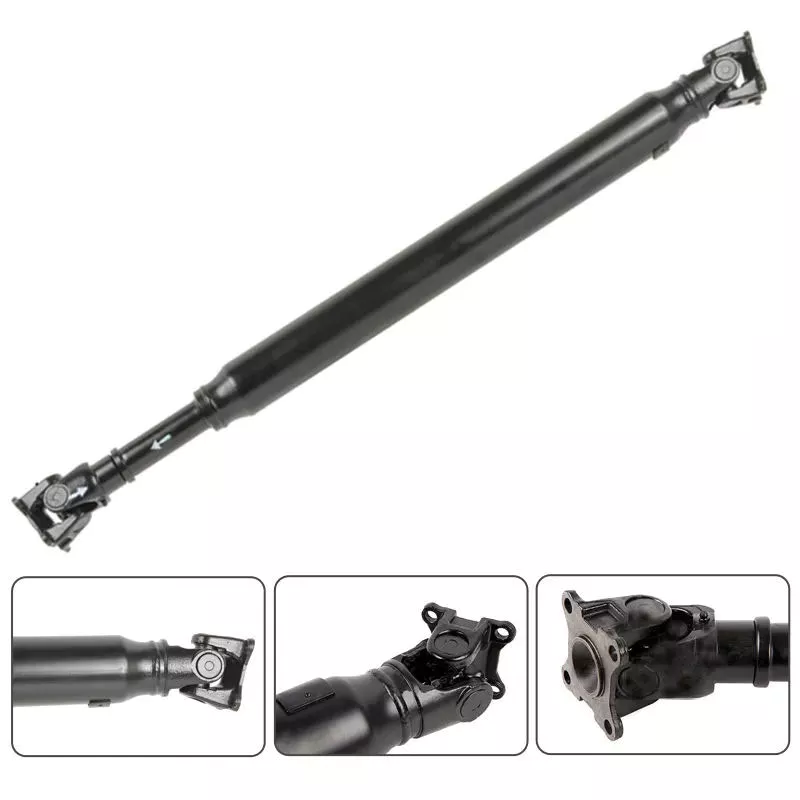
How do PTO drive shafts handle variations in load and torque during operation?
PTO (Power Take-Off) drive shafts are designed to handle variations in load and torque during operation, providing a flexible and efficient power transmission solution. They incorporate several mechanisms and features that enable them to accommodate changes in load and torque. Here’s how PTO drive shafts handle variations in load and torque:
1. Flexible Couplings:
PTO drive shafts typically utilize flexible couplings, such as universal joints or constant velocity joints, at both ends. These couplings allow for angular misalignment and compensate for variations in load and torque. They can accommodate changes in the orientation and position of the driven equipment relative to the power source, reducing stress on the drive shaft and its components.
2. Spring-Loaded Friction Discs:
Some PTO drive shafts incorporate spring-loaded friction discs, commonly known as torque limiters or overload clutches. These devices provide a mechanical means of protecting the drive shaft and connected equipment from excessive torque. When the torque exceeds a predetermined threshold, the friction discs slip, effectively disconnecting the drive shaft from the power source. This protects the drive shaft from damage and allows the system to handle sudden increases or spikes in torque.
3. Slip Clutches:
Slip clutches are another mechanism used in PTO drive shafts to handle variations in torque. Slip clutches allow controlled slippage between the input and output shafts when a certain torque level is exceeded. They provide a means of limiting torque transmission and protecting the drive shaft from overload. Slip clutches can be adjustable, allowing the desired torque setting to be customized based on the specific application.
4. Torque Converters:
In certain applications, PTO drive shafts may incorporate torque converters. Torque converters are fluid coupling devices that use hydraulic principles to transmit torque. They provide a smooth and gradual ramp-up of torque, which helps in handling variations in load and torque. Torque converters can also provide additional benefits such as dampening vibrations and mitigating shock loads.
5. Load-Bearing Capacity:
PTO drive shafts are designed with sufficient load-bearing capacity to handle variations in load during operation. The material selection, diameter, and wall thickness of the drive shaft are optimized based on the anticipated loads and torque requirements. This allows the drive shaft to effectively transmit power without excessive deflection or deformation, ensuring reliable and efficient operation under different load conditions.
6. Regular Maintenance:
Proper maintenance is essential for the reliable operation of PTO drive shafts. Regular inspection, lubrication, and adjustment of the drive shaft components help ensure optimal performance and longevity. By maintaining the drive shaft in good condition, its ability to handle variations in load and torque can be preserved, reducing the risk of failures or unexpected downtime.
It’s important to note that while PTO drive shafts are designed to handle variations in load and torque, there are limits to their capacity. Exceeding the recommended load or torque limits can lead to premature wear, damage to the drive shaft and connected equipment, and compromise safety. It is crucial to operate within the specified parameters and consult the manufacturer’s guidelines for the specific PTO drive shaft model being used.
By incorporating flexible couplings, torque limiters, slip clutches, torque converters, and ensuring adequate load-bearing capacity, PTO drive shafts can effectively handle variations in load and torque during operation. These features contribute to the versatility, efficiency, and reliability of PTO drive shaft systems across a wide range of applications.

Can you explain the components and function of a PTO drive shaft system?
A PTO (Power Take-Off) drive shaft system consists of several components that work together to transfer power from a primary power source, such as a tractor or engine, to various implements or machinery. Each component plays a specific role in ensuring the efficient and reliable transmission of rotational power. Here’s a detailed explanation of the components and their functions within a PTO drive shaft system:
1. Primary Power Source:
The primary power source is typically a tractor or engine equipped with a PTO output shaft. This shaft generates rotational power from the engine’s crankshaft or transmission, acting as the starting point for power transmission.
2. Kraftuttagsaxel:
The PTO output shaft is a rotating shaft located on the primary power source, specifically designed to transfer power to external devices. It is typically located at the rear of a tractor and may have various spline configurations to accommodate different types of PTO drive shafts.
3. PTO Drive Shaft:
The PTO drive shaft is the main component of the system, responsible for transmitting power from the primary power source to the implement or machinery. It consists of a rotating shaft with splines at both ends. One end connects to the PTO output shaft, while the other end connects to the input shaft of the implement. The drive shaft rotates at the same speed as the primary power source, effectively delivering power to the implement.
4. Splined Connections:
The splined connections on the PTO drive shaft and the PTO output shaft of the primary power source provide a secure and robust connection. These splines ensure proper alignment and torque transmission between the two shafts, enabling efficient power transfer while accommodating varying distances and alignments.
5. Safety Guards and Shields:
PTO drive shaft systems often incorporate safety guards and shields to protect operators from potential hazards associated with rotating components. These guards and shields cover the rotating parts of the drive shaft, reducing the risk of entanglement or contact during operation.
6. Telescoping or Sliding Mechanism:
Some PTO drive shafts feature a telescoping or sliding mechanism. This allows the drive shaft to be adjusted in length, accommodating different distances between the primary power source and the implement. The telescoping or sliding mechanism ensures proper alignment and prevents excessive tension or binding of the drive shaft.
7. Shear Pins or Clutch Mechanism:
To protect the PTO drive shaft and the machinery from excessive loads or sudden shocks, shear pins or a clutch mechanism may be incorporated. These safety features are designed to disconnect the drive shaft from the primary power source in the event of an overload or sudden impact, preventing damage to the drive shaft and associated equipment.
8. Maintenance and Lubrication Points:
PTO drive shaft systems require regular maintenance and lubrication to ensure optimal performance and longevity. Lubrication points are typically provided to allow for the application of grease or oil to reduce friction and wear. Regular inspections and maintenance help identify any issues or wear in the components, ensuring safe and efficient operation.
9. Implement Input Shaft:
The implement input shaft is the counterpart to the PTO drive shaft on the implement or machinery side. It connects to the PTO drive shaft and receives power for driving the specific machinery or performing various tasks. The input shaft is precisely aligned with the drive shaft to ensure efficient power transfer.
In summary, a PTO drive shaft system consists of components such as the primary power source, PTO output shaft, PTO drive shaft, splined connections, safety guards, telescoping or sliding mechanisms, shear pins or clutch mechanisms, maintenance and lubrication points, and the implement input shaft. Together, these components enable the efficient and reliable transfer of rotational power from the primary power source to the implement or machinery, allowing for a wide range of tasks and applications in agricultural and industrial settings.


editor by CX 2024-05-06























