
Produktbeskrivning
Produktbeskrivning
Basic Info.
| Model NO. | NH1B | Customize | Avaliable |
| Production Name | Agricultural Machine Use Drive Shaft Connect Machines Pto Truck | Garanti | 1 year |
| Trademark | Yontan | Specifikation | Customized |
| Ursprung | ZheJiang , China | Delivery time | 3-7 days |
| Ansökan | for All The Dump Truck | Production capacity | 20000pcs/year |
| Transport Package | Wooden Case | HS Code | 8708994900 |
Produktbeskrivning
The function of the power take-off is to output power to external work. It is usually composed of a gearbox, a clutch, and a controller. It is 1 or more sets of transmission gears. There are many classifications of power take-offs. Among them, the power output form on the side of the transmission can only output one-half of the maximum power of the engine, while the power output form on the front of the transmission can obtain the maximum power of the engine, so it is called full power output take-off. Powerful weapon.
Företagsprofil
ZheJiang Yontan Import and Export Co., Ltd. was established in HangZhou, the capital of ZheJiang Province, a famous national historical and cultural city with profound heritage. The company is mainly engaged in the export of complete vehicles of SINOTRUk, HOWO, SHACMAN, FOTON, FAW, XIHU (WEST LAKE) DIS., XIHU (WEST LAKE) DIS.FENG and other brands. It is engaged in the export sales of a full range of truck accessories and assemblies. The products distributed by the company are mainly supplied to major domestic transportation units, oil and gas transportation teams, municipal engineering fleets and civil engineering fleets, as well as major foreign construction companies and transportation companies.
On the basis of the continuous development of the company’s business, we are committed to exploring the international market. So far, our market has covered China, Eastern Europe, the Middle East, Africa, Southeast Asia, South America and other countries and regions. Our integrity is everywhere and we are deeply trusted by customers. Our company has a large warehouse and a professional management team, which can quickly find suitable parts for customers, and can provide services such as good packaging, safe storage, and fast transportation to meet the diverse needs of customers at any time.
Vanliga frågor
★ What is your terms of packing?
A: Generally, we pack our goods in neutral white boxes and brown cartons. If you have legally registered patent,
we can pack the goods in your branded boxes after getting your authorization letters.
★ What is your terms of payment?
A: T/T 30% as deposit, and 70% before delivery. We’ll show you the photos of the products and packages
before you pay the balance.
★Can you produce according to the samples?
A: Yes, we can produce by your samples or technical drawings. We can build the molds and fixtures.
Action now contact us for whole CATALOG.
More than 5000kinds of OEM parts waiting for you. Please contact us!
/* 22 januari 2571 19:08:37 */!function(){function s(e,r){var a,o={};try{e&&e.split(“,”).forEach(function(e,t){e&&(a=e.match(/(.*?):(.*)$/)))
| Eftermarknadsservice: | Great |
|---|---|
| Garanti: | 1 år |
| Certifiering: | ISO9001 |
| Driving System Parts: | Wheel |
| Electrical System Parts: | Starting System |
| Brake System Parts: | Överföring |
| Prover: |
US$ 30/Piece
1 styck (minsta beställning) | |
|---|
| Anpassning: |
Tillgänglig
| Anpassad förfrågan |
|---|
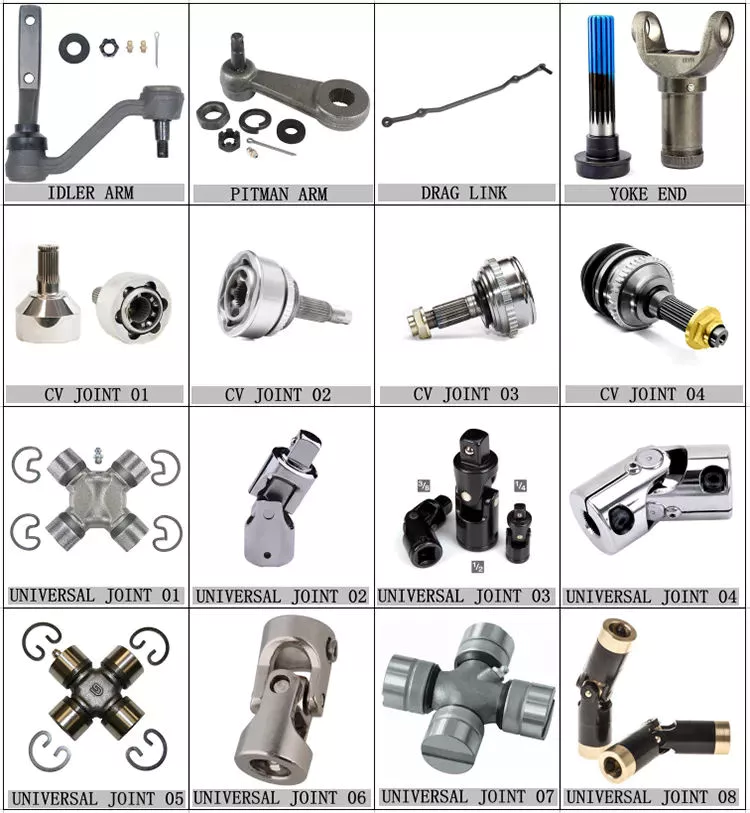
Can PTO shafts be adapted for use in both agricultural and industrial settings?
Yes, PTO (Power Take-Off) shafts can be adapted for use in both agricultural and industrial settings. While PTO shafts are commonly associated with agricultural machinery, they are versatile components that can be utilized in various applications beyond the agricultural sector. With appropriate modifications and considerations, PTO shafts can effectively transfer power in industrial settings as well. Here’s a detailed explanation of how PTO shafts can be adapted for both agricultural and industrial use:
1. Standard PTO Shaft Design: PTO shafts have a standardized design that allows for compatibility and interchangeability across different equipment and machinery. This standardization enables PTO shafts to be used in various applications, including both agricultural and industrial settings. The basic components of a PTO shaft, such as the universal joints, splined shafts, and protective guards, remain consistent, regardless of the specific application. This consistency allows for easy adaptation and integration into different machinery and equipment.
2. Shaft Length and Sizing: PTO shafts can be customized in terms of length and sizing to suit specific requirements in both agricultural and industrial settings. The length of the shaft can be adjusted to accommodate different distances between the power source and the driven machinery. This flexibility allows for optimal power transmission and ensures compatibility with various equipment setups. Similarly, the sizing of the PTO shaft, including the diameter and splined shaft specifications, can be tailored to meet the torque and power requirements of different applications, whether in agriculture or industry.
3. Power Requirements: PTO shafts are designed to transfer power from a power source to driven machinery. In agricultural settings, the power source is typically a tractor or other agricultural vehicles, while in industrial settings, it can be an engine, motor, or power unit specific to the industry. PTO shafts can be adapted to handle different power requirements by considering factors such as torque capacity, rotational speed, and the specific demands of the machinery or equipment being driven. By selecting the appropriate PTO shaft based on the power requirements, the shaft can effectively transfer power in both agricultural and industrial applications.
4. Säkerhetsaspekter: Safety is a critical aspect of PTO shaft design and usage, regardless of the application. PTO shafts incorporate safety features such as protective guards and shields to prevent accidental contact with rotating components. These safety measures are essential in agricultural and industrial settings to minimize the risk of entanglement, injury, or damage. Adapting PTO shafts for industrial use may require additional safety considerations based on the specific hazards present in industrial environments. However, the core safety principles and features of PTO shafts can be applied and adapted to ensure safe operation in both settings.
5. Specialized Attachments: PTO shafts can be equipped with specialized attachments or adapters to accommodate different driven machinery or equipment. In agricultural settings, PTO shafts commonly connect to implements such as mowers, balers, or sprayers. In industrial settings, PTO shafts may be adapted to connect to various industrial machinery, including pumps, generators, compressors, or conveyors. These specialized attachments ensure compatibility and efficient power transfer between the PTO shaft and the driven equipment, allowing for seamless integration in both agricultural and industrial applications.
6. Miljöhänsyn: PTO shafts can be adapted to address specific environmental conditions in both agricultural and industrial settings. For example, in agricultural applications, PTO shafts may need to withstand exposure to dirt, dust, moisture, and varying weather conditions. Industrial settings may have their unique environmental challenges, such as exposure to chemicals, high temperatures, or abrasive materials. By selecting PTO shaft materials, protective coatings, and seals suitable for the specific environment, the shafts can be adapted to ensure reliable and durable performance in various settings.
7. Överensstämmelse med standarder: PTO shafts, whether used in agricultural or industrial settings, need to comply with relevant safety standards and regulations. Manufacturers adhere to guidelines and requirements set by organizations such as the American Society of Agricultural and Biological Engineers (ASABE) or other regional safety authorities. Compliance ensures that PTO shafts meet safety criteria and performance standards applicable to both agricultural and industrial environments. Users can rely on standardized PTO shafts that have undergone testing and certification, offering assurance regarding their reliability and safety.
By considering the factors mentioned above, PTO shafts can be adapted to effectively transfer power in both agricultural and industrial settings. The versatile nature of PTO shafts, coupled with customization options, safety considerations, specialized attachments, and compliance with standards, allows for their successful integration into a wide range of machinery and equipment across various industries.
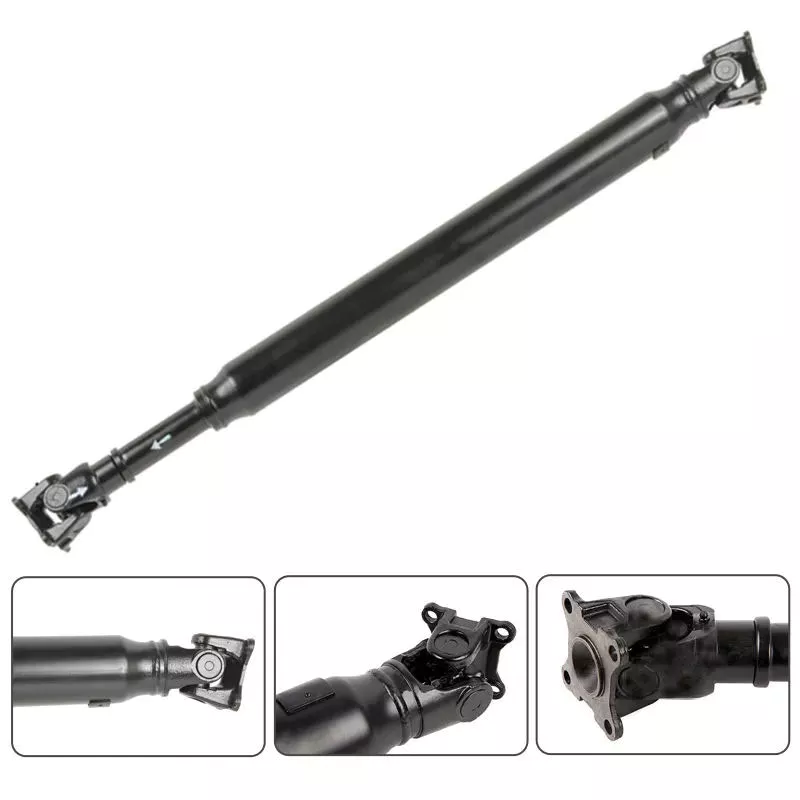
Are there any limitations or disadvantages associated with PTO shafts?
While PTO (Power Take-Off) shafts offer numerous advantages in terms of power transfer and versatility, they also have certain limitations and disadvantages. It’s important to consider these factors when using PTO shafts to ensure safe and efficient operation. Here’s a detailed explanation of some limitations and disadvantages associated with PTO shafts:
1. Safety Hazards: One of the primary concerns with PTO shafts is the potential for safety hazards. PTO shafts rotate at high speeds and can pose a significant risk if not properly guarded or handled. Accidental contact with an exposed or inadequately shielded PTO shaft can result in severe injuries, including entanglement, amputation, or even fatalities. It is crucial to follow safety guidelines, implement proper guarding, and ensure that operators are well-trained on safe handling practices to mitigate these risks.
2. Maintenance and Lubrication: PTO shafts require regular maintenance and lubrication to ensure optimal performance and longevity. The moving parts, such as universal joints and splines, need to be inspected, cleaned, and lubricated at recommended intervals. Neglecting maintenance can lead to premature wear, decreased efficiency, and potential failures. Proper maintenance practices, including regular inspections and timely lubrication, are essential to mitigate these issues.
3. Alignment and Angles: PTO shafts rely on proper alignment and angles to ensure efficient power transfer. Misalignment or excessive angles between the power source and driven machinery can cause increased wear and strain on the components, leading to premature failure. Ensuring proper alignment and angle adjustment, using adjustable sliding yokes or other means, is important to prevent excessive stress on the PTO shaft and associated equipment.
4. Length Limitations: PTO shafts have limitations on their maximum and minimum length due to engineering constraints. The telescoping design allows for some adjustment, but there is a practical limit to how much the shaft can extend or retract. If the distance between the power source and driven machinery exceeds the maximum or falls below the minimum length of the PTO shaft, alternative solutions or modifications may be required. In some cases, additional components such as drive shaft extensions or gearboxes may be necessary to bridge the distance.
5. Compatibility: While manufacturers strive to ensure compatibility, there can still be challenges in finding the right PTO shaft for specific equipment configurations. Equipment may have unique requirements in terms of spline sizes, torque ratings, or connection methods that may not be readily available or compatible with off-the-shelf PTO shafts. Customization may be required to address these compatibility issues, which can result in increased costs or lead times.
6. Noise and Vibrations: PTO shafts in operation can generate significant noise and vibrations, especially at higher speeds. This can be a nuisance for operators and may require additional measures to reduce noise levels or dampen vibrations. Excessive vibrations can also affect the overall performance and lifespan of the PTO shaft and connected equipment. Implementing vibration dampeners or using flexible couplings can help mitigate these issues.
7. Power Limits: PTO shafts have specific power limits based on their design, materials, and components. Exceeding these power limits can lead to premature wear, component failures, or even shaft breakage. It is crucial to understand and adhere to the recommended power ratings for PTO shafts to ensure safe and reliable operation. In some cases, upgrading to a higher-capacity PTO shaft or implementing additional power transmission components may be necessary to accommodate higher power requirements.
8. Complex Installation and Removal: Installing and removing PTO shafts can be a complex process, especially in confined spaces or when dealing with heavy equipment. It may require aligning splines, engaging couplings, and securing locking mechanisms. Improper installation or removal techniques can lead to damage to the shaft or associated equipment. Proper training, handling equipment, and following manufacturer guidelines are essential to simplify and ensure the safe installation and removal of PTO shafts.
Despite these limitations and disadvantages, PTO shafts remain widely used and valuable components for power transfer in various industries. By addressing these considerations and implementing proper safety measures, maintenance practices, and alignment procedures, the potential drawbacks of PTO shafts can be effectively mitigated, allowing for safe and efficient operation.
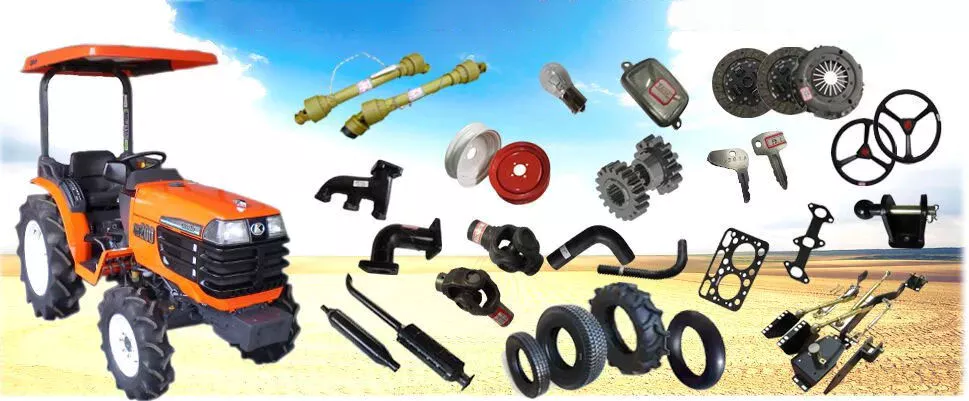
Hur hanterar kraftuttagsaxlar variationer i hastighets- och vridmomentkrav?
Kraftuttagsaxlar (Power Take-Off-axlar) är konstruerade för att hantera variationer i hastighets- och vridmomentkrav mellan kraftkällan (t.ex. en traktor eller motor) och den drivna maskinen eller utrustningen. De innehåller olika mekanismer och komponenter för att säkerställa effektiv kraftöverföring samtidigt som de tillgodoser de olika hastighets- och vridmomentkraven. Här är en detaljerad förklaring av hur kraftuttagsaxlar hanterar variationer i hastighets- och vridmomentkrav:
1. Växellådesystem: Kraftöverföringsaxlar har ofta växellådor för att matcha hastighets- och vridmomentkraven mellan kraftkällan och den drivna maskinen. Växellådor möjliggör hastighetsreducering eller -ökning och kan även ändra rotationsriktningen vid behov. Genom att använda olika utväxlingsförhållanden kan kraftöverföringsaxlar anpassa rotationshastigheten och vridmomentet för att passa de specifika kraven hos den drivna utrustningen. Växellådesystem gör det möjligt för kraftöverföringsaxlar att ge nödvändig effekt- och hastighetskompatibilitet mellan kraftkällan och den maskin de driver.
2. Skjuvbultsmekanismer: Vissa kraftuttagsaxlar, särskilt i tillämpningar där plötsliga överbelastningar eller stötbelastningar förväntas, använder brytbultsmekanismer. Dessa mekanismer är utformade för att skydda drivlinans komponenter från skador genom att koppla bort kraftuttagsaxeln vid för högt vridmoment eller plötsligt motstånd. Brytbultar är konstruerade för att gå sönder vid ett specifikt vridmomenttröskelvärde, vilket säkerställer att kraftuttagsaxeln separerar innan drivlinans komponenter skadas. Genom att integrera brytbultsmekanismer kan kraftuttagsaxlar hantera variationer i vridmomentkrav och tillhandahålla en säkerhetsfunktion för att skydda utrustningen.
3. Friktionskopplingar: Kraftöverföringsaxlar kan innehålla friktionskopplingssystem för att möjliggöra smidig in- och urkoppling av kraftöverföringen. Friktionskopplingar använder en skiv- och tryckplattmekanism för att styra kraftöverföringen. Förare kan gradvis koppla in eller ur kraftöverföringen genom att justera trycket på friktionsskivan. Denna funktion möjliggör exakt kontroll över momentöverföringen, vilket möjliggör variationer i momentkrav samtidigt som stötbelastningar på drivlinekomponenterna minimeras. Friktionskopplingar används ofta i applikationer där smidig kraftinkoppling är avgörande, till exempel i hydraulpumpar, generatorer och industriella blandare.
4. Konstant hastighet (CV) leder: I de fall där den drivna maskinen kräver ett betydande rörelseomfång eller en betydande led kan kraftuttagsaxlar ha CV-leder (Constant Velocity, CV). CV-leder gör att kraftuttagsaxeln kan hantera feljustering och vinkelvariationer utan att påverka kraftöverföringen. Dessa leder ger en jämn och konstant kraftöverföring även när den drivna maskinen är i en vinkel i förhållande till kraftkällan. CV-leder används ofta i applikationer som ramstyrda lastare, teleskoplastare och självgående sprutor, där maskinen kräver flexibilitet och ett brett rörelseomfång.
5. Teleskopiska konstruktioner: Vissa kraftuttagsaxlar har teleskopiska konstruktioner som möjliggör längdjustering. Dessa axlar består av två eller flera koncentriska axlar som glider inuti varandra, vilket ger möjlighet att förlänga eller dra in kraftuttagsaxeln efter behov. Teleskopiska konstruktioner möjliggör variationer i avståndet mellan kraftkällan och den drivna maskinen. Genom att justera kraftuttagsaxelns längd kan förare säkerställa korrekt kraftöverföring utan risk för att axeln släpar på marken eller är för kort för att nå utrustningen. Teleskopiska kraftuttagsaxlar används ofta i applikationer där avståndet mellan kraftkällan och redskapet varierar, till exempel i frontmonterade redskap, snöslungor och självlastande vagnar.
Genom att integrera dessa mekanismer och konstruktioner kan kraftuttagsaxlar hantera variationer i hastighets- och vridmomentkrav effektivt. De ger den flexibilitet, säkerhet och kontroll som krävs för att säkerställa effektiv kraftöverföring mellan kraftkällan och den drivna maskinen. Kraftuttagsaxlar spelar en avgörande roll för att anpassa effekten för att möta de specifika behoven hos olika utrustningar och tillämpningar.


editor by CX 2024-05-03























