
Produktbeskrivning
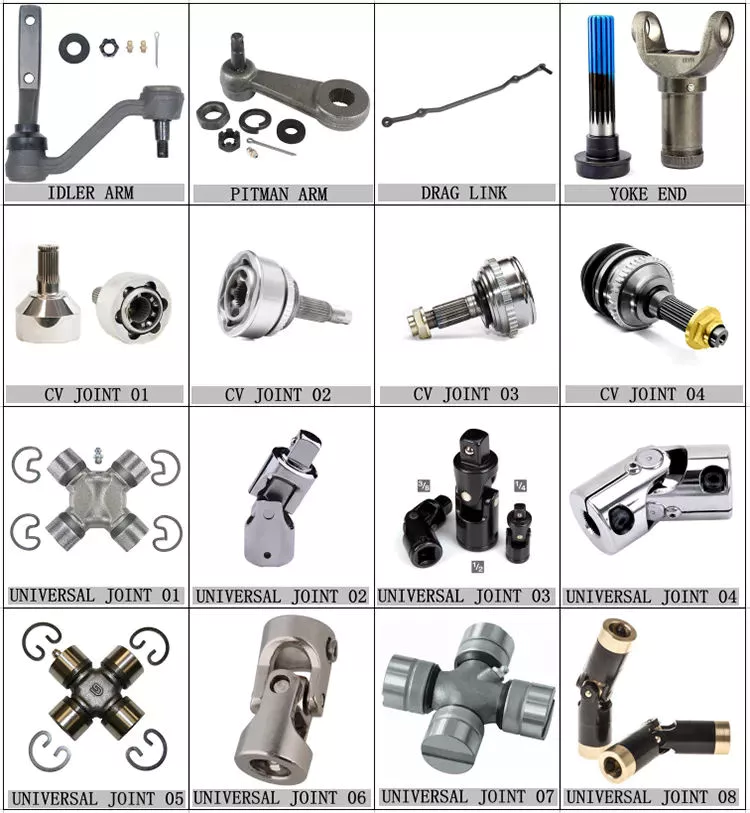
Our company produce more difference Russian car drive shafts and compoents, including to GAZ, MTZ, KAMAZ, UAZ, LADA, please contact us if you need anything.
/* 22 januari 2571 19:08:37 */!function(){function s(e,r){var a,o={};try{e&&e.split(“,”).forEach(function(e,t){e&&(a=e.match(/(.*?):(.*)$/)))
| Skick: | Ny |
|---|---|
| Certifiering: | ISO |
| Typ: | Universal Joint |
| Material: | Alloy |
| Automatic: | Automatic |
| Transportpaket: | Export Packing |
| Prover: |
US$ 1/Styck
1 styck (minsta beställning) | |
|---|
| Anpassning: |
Tillgänglig
| Anpassad förfrågan |
|---|
How do drive shafts handle variations in speed and torque during operation?
Drive shafts are designed to handle variations in speed and torque during operation by employing specific mechanisms and configurations. These mechanisms allow the drive shafts to accommodate the changing demands of power transmission while maintaining smooth and efficient operation. Here’s a detailed explanation of how drive shafts handle variations in speed and torque:
1. Flexible Couplings:
Drive shafts often incorporate flexible couplings, such as universal joints (U-joints) or constant velocity (CV) joints, to handle variations in speed and torque. These couplings provide flexibility and allow the drive shaft to transmit power even when the driving and driven components are not perfectly aligned. U-joints consist of two yokes connected by a cross-shaped bearing, allowing for angular movement between the drive shaft sections. This flexibility accommodates variations in speed and torque and compensates for misalignment. CV joints, which are commonly used in automotive drive shafts, maintain a constant velocity of rotation while accommodating changing operating angles. These flexible couplings enable smooth power transmission and reduce vibrations and wear caused by speed and torque variations.
2. Slip Joints:
In some drive shaft designs, slip joints are incorporated to handle variations in length and accommodate changes in distance between the driving and driven components. A slip joint consists of an inner and outer tubular section with splines or a telescoping mechanism. As the drive shaft experiences changes in length due to suspension movement or other factors, the slip joint allows the shaft to extend or compress without affecting the power transmission. By allowing axial movement, slip joints help prevent binding or excessive stress on the drive shaft during variations in speed and torque, ensuring smooth operation.
3. Balancing:
Drive shafts undergo balancing procedures to optimize their performance and minimize vibrations caused by speed and torque variations. Imbalances in the drive shaft can lead to vibrations, which not only affect the comfort of vehicle occupants but also increase wear and tear on the shaft and its associated components. Balancing involves redistributing mass along the drive shaft to achieve even weight distribution, reducing vibrations and improving overall performance. Dynamic balancing, which typically involves adding or removing small weights, ensures that the drive shaft operates smoothly even under varying speeds and torque loads.
4. Material Selection and Design:
The selection of materials and the design of drive shafts play a crucial role in handling variations in speed and torque. Drive shafts are typically made from high-strength materials, such as steel or aluminum alloys, chosen for their ability to withstand the forces and stresses associated with varying operating conditions. The diameter and wall thickness of the drive shaft are also carefully determined to ensure sufficient strength and stiffness. Additionally, the design incorporates considerations for factors such as critical speed, torsional rigidity, and resonance avoidance, which help maintain stability and performance during speed and torque variations.
5. Lubrication:
Proper lubrication is essential for drive shafts to handle variations in speed and torque. Lubricating the joints, such as U-joints or CV joints, reduces friction and heat generated during operation, ensuring smooth movement and minimizing wear. Adequate lubrication also helps prevent the binding of components, allowing the drive shaft to accommodate speed and torque variations more effectively. Regular lubrication maintenance is necessary to ensure optimal performance and extend the lifespan of the drive shaft.
6. System Monitoring:
Monitoring the performance of the drive shaft system is important to identify any issues related to variations in speed and torque. Unusual vibrations, noises, or changes in power transmission can indicate potential problems with the drive shaft. Regular inspections and maintenance checks allow for the early detection and resolution of issues, helping to prevent further damage and ensure the drive shaft continues to handle speed and torque variations effectively.
In summary, drive shafts handle variations in speed and torque during operation through the use of flexible couplings, slip joints, balancing procedures, appropriate material selection and design, lubrication, and system monitoring. These mechanisms and practices allow the drive shaft to accommodate misalignment, changes in length, and variations in power demands, ensuring efficient power transmission, smooth operation, and reduced wear and tear in various applications.

What safety precautions should be followed when working with drive shafts?
Working with drive shafts requires adherence to specific safety precautions to prevent accidents, injuries, and damage to equipment. Drive shafts are critical components of a vehicle or machinery’s driveline system and can pose hazards if not handled properly. Here’s a detailed explanation of the safety precautions that should be followed when working with drive shafts:
1. Personal Protective Equipment (PPE):
Always wear appropriate personal protective equipment when working with drive shafts. This may include safety goggles, gloves, steel-toed boots, and protective clothing. PPE helps protect against potential injuries from flying debris, sharp edges, or accidental contact with moving parts.
2. Lockout/Tagout Procedures:
Before working on a drive shaft, ensure that the power source is properly locked out and tagged out. This involves isolating the power supply, such as shutting off the engine or disconnecting the electrical power, and securing it with a lockout/tagout device. This prevents accidental engagement of the drive shaft while maintenance or repair work is being performed.
3. Vehicle or Equipment Support:
When working with drive shafts in vehicles or equipment, use proper support mechanisms to prevent unexpected movement. Securely block the vehicle’s wheels or utilize support stands to prevent the vehicle from rolling or shifting during drive shaft removal or installation. This helps maintain stability and reduces the risk of accidents.
4. Proper Lifting Techniques:
When handling heavy drive shafts, use proper lifting techniques to prevent strain or injuries. Lift with the help of a suitable lifting device, such as a hoist or jack, and ensure that the load is evenly distributed and securely attached. Avoid lifting heavy drive shafts manually or with improper lifting equipment, as this can lead to accidents and injuries.
5. Inspection and Maintenance:
Prior to working on a drive shaft, thoroughly inspect it for any signs of damage, wear, or misalignment. If any abnormalities are detected, consult a qualified technician or engineer before proceeding. Regular maintenance is also essential to ensure the drive shaft is in good working condition. Follow the manufacturer’s recommended maintenance schedule and procedures to minimize the risk of failures or malfunctions.
6. Proper Tools and Equipment:
Use appropriate tools and equipment specifically designed for working with drive shafts. Improper tools or makeshift solutions can lead to accidents or damage to the drive shaft. Ensure that tools are in good condition, properly sized, and suitable for the task at hand. Follow the manufacturer’s instructions and guidelines when using specialized tools or equipment.
7. Controlled Release of Stored Energy:
Some drive shafts, particularly those with torsional dampers or other energy-storing components, can store energy even when the power source is disconnected. Exercise caution when working on such drive shafts and ensure that the stored energy is safely released before disassembly or removal.
8. Training and Expertise:
Work on drive shafts should only be performed by individuals with the necessary training, knowledge, and expertise. If you are not familiar with drive shafts or lack the required skills, seek assistance from qualified technicians or professionals. Improper handling or installation of drive shafts can lead to accidents, damage, or compromised performance.
9. Follow Manufacturer’s Guidelines:
Always follow the manufacturer’s guidelines, instructions, and warnings specific to the drive shaft you are working with. These guidelines provide important information regarding installation, maintenance, and safety considerations. Deviating from the manufacturer’s recommendations may result in unsafe conditions or void warranty coverage.
10. Disposal of Old or Damaged Drive Shafts:
Dispose of old or damaged drive shafts in accordance with local regulations and environmental guidelines. Improper disposal can have negative environmental impacts and may violate legal requirements. Consult with local waste management authorities or recycling centers to ensure appropriate disposal methods are followed.
By following these safety precautions, individuals can minimize the risks associated with working with drive shafts and promote a safe working environment. It is crucial to prioritize personal safety, use proper equipment and techniques, and seek professional help when needed to ensure the proper handling and maintenance of drive shafts.
Hur bidrar drivaxlar till överföring av rotationskraft i olika tillämpningar?
Drivaxlar spelar en avgörande roll för att överföra rotationskraft från motorn eller kraftkällan till hjulen eller drivna komponenter i olika tillämpningar. Oavsett om det är i fordon eller maskiner möjliggör drivaxlar effektiv kraftöverföring och underlättar funktionen hos olika system. Här är en detaljerad förklaring av hur drivaxlar bidrar till att överföra rotationskraft:
1. Fordonsapplikationer:
I fordon ansvarar drivaxlar för att överföra rotationskraft från motorn till hjulen, vilket gör att fordonet kan röra sig. Drivaxeln ansluter växellådans eller transmissionens utgående axel till differentialen, som vidare fördelar kraften till hjulen. När motorn genererar vridmoment överförs det via drivaxeln till hjulen, vilket driver fordonet framåt. Denna kraftöverföring gör att fordonet kan accelerera, bibehålla hastigheten och övervinna motstånd, såsom friktion och lutningar.
2. Maskinapplikationer:
I maskiner används drivaxlar för att överföra rotationskraft från motorn till olika drivna komponenter. I industrimaskiner kan drivaxlar till exempel användas för att överföra kraft till pumpar, generatorer, transportband eller andra mekaniska system. I jordbruksmaskiner används drivaxlar vanligtvis för att ansluta kraftkällan till utrustning som skördetröskor, balpressar eller bevattningssystem. Drivaxlar gör det möjligt för dessa maskiner att utföra sina avsedda funktioner genom att leverera rotationskraft till de nödvändiga komponenterna.
3. Kraftöverföring:
Drivaxlar är konstruerade för att överföra rotationskraft effektivt och tillförlitligt. De kan överföra betydande mängder vridmoment från motorn till hjulen eller drivna komponenter. Vridmomentet som genereras av motorn överförs genom drivaxeln utan betydande effektförluster. Genom att upprätthålla en styv förbindelse mellan motorn och de drivna komponenterna säkerställer drivaxlarna att den kraft som produceras av motorn effektivt utnyttjas för att utföra nyttigt arbete.
4. Flexibel koppling:
En av drivaxlarnas viktigaste funktioner är att tillhandahålla en flexibel koppling mellan motorn/växellådan och hjulen eller drivkomponenterna. Denna flexibilitet gör att drivaxeln kan hantera vinkelrörelser och kompensera för feljustering mellan motorn och det drivna systemet. I fordon, när fjädringssystemet rör sig eller hjulen stöter på ojämn terräng, justerar drivaxeln sin längd och vinkel för att bibehålla en konstant kraftöverföring. Denna flexibilitet hjälper till att förhindra överdriven belastning på drivlinans komponenter och säkerställer en smidig kraftöverföring.
5. Moment- och hastighetsöverföring:
Drivaxlar ansvarar för att överföra både vridmoment och rotationshastighet. Vridmoment är den rotationskraft som genereras av motorn eller kraftkällan, medan rotationshastighet är antalet varv per minut (RPM). Drivaxlar måste kunna hantera applikationens vridmomentkrav utan överdriven vridning eller böjning. Dessutom måste de bibehålla önskad rotationshastighet för att säkerställa att de drivna komponenterna fungerar korrekt. Korrekt design, materialval och balansering av drivaxlarna bidrar till effektiv vridmoment- och hastighetsöverföring.
6. Längd och balans:
Drivaxlarnas längd och balans är avgörande faktorer för deras prestanda. Drivaxelns längd bestäms av avståndet mellan motorn eller kraftkällan och de drivna komponenterna. Den bör vara lämpligt dimensionerad för att undvika överdrivna vibrationer eller böjning. Drivaxlar är noggrant balanserade för att minimera vibrationer och rotationsobalanser, vilket kan påverka drivlinesystemets totala prestanda, komfort och livslängd.
7. Säkerhet och underhåll:
Drivaxlar kräver lämpliga säkerhetsåtgärder och regelbundet underhåll. I fordon är drivaxlar ofta inneslutna i ett skyddande rör eller hölje för att förhindra kontakt med rörliga delar, vilket minskar risken för skador. Säkerhetsskydd eller skydd kan också installeras runt exponerade drivaxlar i maskiner för att skydda operatörer från potentiella faror. Regelbundet underhåll inkluderar inspektion av drivaxeln för slitage, skador eller feljustering, och att säkerställa korrekt smörjning av kardanlederna. Dessa åtgärder hjälper till att förhindra fel, säkerställa optimal prestanda och förlänga drivaxelns livslängd.
Sammanfattningsvis spelar drivaxlar en viktig roll för att överföra rotationskraft i olika tillämpningar. Oavsett om det gäller fordon eller maskiner möjliggör drivaxlar effektiv kraftöverföring från motorn eller kraftkällan till hjulen eller drivna komponenter. De ger en flexibel koppling, hanterar vridmoment och hastighetsöverföring, möjliggör vinkelrörelser och bidrar till systemets säkerhet och underhåll. Genom att effektivt överföra rotationskraft underlättar drivaxlar funktionen och prestandan hos fordon och maskiner i många branscher.


editor by CX 2024-04-23























