
Produktbeskrivning
Traktor Pto Drivaxel Drivlina Fabriks Ihålig Spline Kardanadapter Universalkoppling Flexibel Främre Propeller Bakre CV-axel Propeller Bil Drivaxel
Produktbeskrivning
Universalstyrning för jordbrukstruckar
Kraftöverföringsaxel
| Kraftuttagsaxelns funktion | Drivaxeldelar och kraftöverföring |
| Användning av kraftuttagsaxel | Typer av traktorer och jordbruksredskap |
| Oktyper för kraftuttagsaxel | Dubbel tryckstift, Bultstift, Saxstift, Tryckstift, Snabbkoppling, Kulfäste, Krage….. |
| Bearbetning av ok | Smide |
| Kraftöverföringsaxelns plastskydd | YW; BW; YS; BS; Etc. |
| Färger på kraftuttagsaxeln | Grön; Orange; Gul; Svart etc. |
| Kraftuttagsaxelserien | T1-T10; L1-L6; S6-S10; 10 hk-150 hk med SA, RA, SB, SFF, WA, CV etc. |
| Rörtyper för kraftuttagsaxel | Citron, triangulär, stjärna, fyrkantig, sexkantig, spline, special Ect |
| Bearbetning av rör | Kalldragen |
| Splinetyper för kraftuttagsaxel | 1 1/8″ Z6; 1 3/8″ Z6; 1 3/8″ Z21; 1 3/4″ Z20; 1 3/4″ Z6; 8-38*32*6 8-42*36*7; 8-48*42*8; |
Vi säljer även tillbehör till kraftuttagsaxeln, inklusive:
Ok: CV-hylsok, CV-svetsok, flänsok, ändok, svetsok, glidok
CV-centrumhus, rör, spline, CV-hylsfläns, universalkoppling, dammkåpa
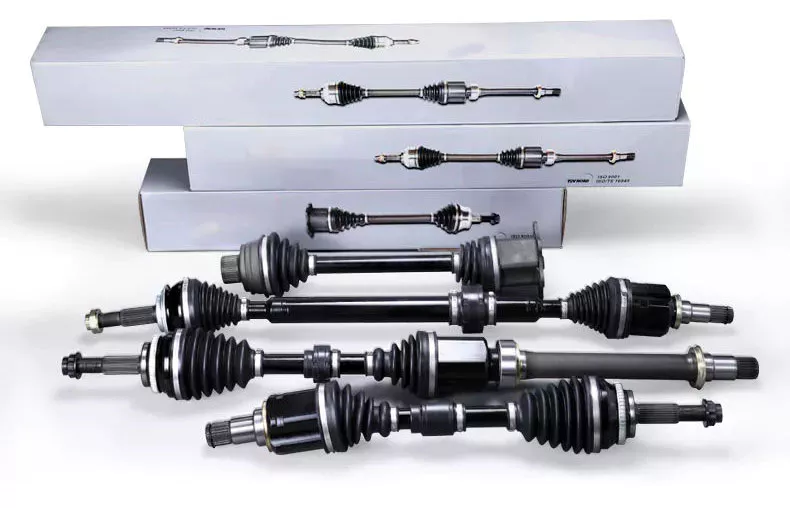
Drivlina för lätta fordon
Våra produkter kan användas för transmissionsaxlar av följande märken
Toyota, Mitsubishi, Nissan, Isu zu, Suzuki, Dafa, Honda, Hyundai, Mazda, Fiat, Re nault, Kia, Dacia, Ford. Dodge, Land Rover, Peu geot, Volkswagen Audi, BMW Benz Volvo, ryska modeller
Kugghjulsaxel
Företagsprofil
Relaterade produkter
Ansökan:
Företagsinformation:
/* 22 januari 2571 19:08:37 */!function(){function s(e,r){var a,o={};try{e&&e.split(“,”).forEach(function(e,t){e&&(a=e.match(/(.*?):(.*)$/)))
| Material: | Kolstål |
|---|---|
| Ladda: | Drivaxel |
| Styvhet och flexibilitet: | Styvhet / Stel axel |
| Måttnoggrannhet för journaldiameter: | IT6–IT9 |
| Axelform: | Rak axel |
| Axelform: | Verklig axel |
| Prover: |
US$ 38/Styck
1 styck (minsta beställning) | |
|---|
What maintenance practices are crucial for prolonging the lifespan of drive shafts?
To prolong the lifespan of drive shafts and ensure their optimal performance, several maintenance practices are crucial. Regular maintenance helps identify and address potential issues before they escalate, reduces wear and tear, and ensures the drive shaft operates smoothly and efficiently. Here are some essential maintenance practices for prolonging the lifespan of drive shafts:
1. Regular Inspection:
Performing regular inspections is vital for detecting any signs of wear, damage, or misalignment. Inspect the drive shaft visually, looking for cracks, dents, or any signs of excessive wear on the shaft itself and its associated components such as joints, yokes, and splines. Check for any signs of lubrication leaks or contamination. Additionally, inspect the fasteners and mounting points to ensure they are secure. Early detection of any issues allows for timely repairs or replacements, preventing further damage to the drive shaft.
2. Lubrication:
Proper lubrication is essential for the smooth operation and longevity of drive shafts. Lubricate the joints, such as universal joints or constant velocity joints, as recommended by the manufacturer. Lubrication reduces friction, minimizes wear, and helps dissipate heat generated during operation. Use the appropriate lubricant specified for the specific drive shaft and application, considering factors such as temperature, load, and operating conditions. Regularly check the lubrication levels and replenish as necessary to ensure optimal performance and prevent premature failure.
3. Balancing and Alignment:
Maintaining proper balancing and alignment is crucial for the lifespan of drive shafts. Imbalances or misalignments can lead to vibrations, accelerated wear, and potential failure. If vibrations or unusual noises are detected during operation, it is important to address them promptly. Perform balancing procedures as necessary, including dynamic balancing, to ensure even weight distribution along the drive shaft. Additionally, verify that the drive shaft is correctly aligned with the engine or power source and the driven components. Misalignment can cause excessive stress on the drive shaft, leading to premature failure.
4. Protective Coatings:
Applying protective coatings can help prolong the lifespan of drive shafts, particularly in applications exposed to harsh environments or corrosive substances. Consider using coatings such as zinc plating, powder coating, or specialized corrosion-resistant coatings to enhance the drive shaft’s resistance to corrosion, rust, and chemical damage. Regularly inspect the coating for any signs of degradation or damage, and reapply or repair as necessary to maintain the protective barrier.
5. Torque and Fastener Checks:
Ensure that the drive shaft’s fasteners, such as bolts, nuts, or clamps, are properly torqued and secured according to the manufacturer’s specifications. Loose or improperly tightened fasteners can lead to excessive vibrations, misalignment, or even detachment of the drive shaft. Periodically check and retighten the fasteners as recommended or after any maintenance or repair procedures. Additionally, monitor the torque levels during operation to ensure they remain within the specified range, as excessive torque can strain the drive shaft and lead to premature failure.
6. Environmental Protection:
Protecting the drive shaft from environmental factors can significantly extend its lifespan. In applications exposed to extreme temperatures, moisture, chemicals, or abrasive substances, take appropriate measures to shield the drive shaft. This may include using protective covers, seals, or guards to prevent contaminants from entering and causing damage. Regular cleaning of the drive shaft, especially in dirty or corrosive environments, can also help remove debris and prevent buildup that could compromise its performance and longevity.
7. Manufacturer Guidelines:
Follow the manufacturer’s guidelines and recommendations for maintenance practices specific to the drive shaft model and application. The manufacturer’s instructions may include specific intervals for inspections, lubrication, balancing, or other maintenance tasks. Adhering to these guidelines ensures that the drive shaft is properly maintained and serviced, maximizing its lifespan and minimizing the risk of unexpected failures.
By implementing these maintenance practices, drive shafts can operate reliably, maintain efficient power transmission, and have an extended service life, ultimately reducing downtime and ensuring optimal performance in various applications.

What safety precautions should be followed when working with drive shafts?
Working with drive shafts requires adherence to specific safety precautions to prevent accidents, injuries, and damage to equipment. Drive shafts are critical components of a vehicle or machinery’s driveline system and can pose hazards if not handled properly. Here’s a detailed explanation of the safety precautions that should be followed when working with drive shafts:
1. Personal Protective Equipment (PPE):
Always wear appropriate personal protective equipment when working with drive shafts. This may include safety goggles, gloves, steel-toed boots, and protective clothing. PPE helps protect against potential injuries from flying debris, sharp edges, or accidental contact with moving parts.
2. Lockout/Tagout Procedures:
Before working on a drive shaft, ensure that the power source is properly locked out and tagged out. This involves isolating the power supply, such as shutting off the engine or disconnecting the electrical power, and securing it with a lockout/tagout device. This prevents accidental engagement of the drive shaft while maintenance or repair work is being performed.
3. Vehicle or Equipment Support:
When working with drive shafts in vehicles or equipment, use proper support mechanisms to prevent unexpected movement. Securely block the vehicle’s wheels or utilize support stands to prevent the vehicle from rolling or shifting during drive shaft removal or installation. This helps maintain stability and reduces the risk of accidents.
4. Proper Lifting Techniques:
When handling heavy drive shafts, use proper lifting techniques to prevent strain or injuries. Lift with the help of a suitable lifting device, such as a hoist or jack, and ensure that the load is evenly distributed and securely attached. Avoid lifting heavy drive shafts manually or with improper lifting equipment, as this can lead to accidents and injuries.
5. Inspection and Maintenance:
Prior to working on a drive shaft, thoroughly inspect it for any signs of damage, wear, or misalignment. If any abnormalities are detected, consult a qualified technician or engineer before proceeding. Regular maintenance is also essential to ensure the drive shaft is in good working condition. Follow the manufacturer’s recommended maintenance schedule and procedures to minimize the risk of failures or malfunctions.
6. Proper Tools and Equipment:
Use appropriate tools and equipment specifically designed for working with drive shafts. Improper tools or makeshift solutions can lead to accidents or damage to the drive shaft. Ensure that tools are in good condition, properly sized, and suitable for the task at hand. Follow the manufacturer’s instructions and guidelines when using specialized tools or equipment.
7. Controlled Release of Stored Energy:
Some drive shafts, particularly those with torsional dampers or other energy-storing components, can store energy even when the power source is disconnected. Exercise caution when working on such drive shafts and ensure that the stored energy is safely released before disassembly or removal.
8. Training and Expertise:
Work on drive shafts should only be performed by individuals with the necessary training, knowledge, and expertise. If you are not familiar with drive shafts or lack the required skills, seek assistance from qualified technicians or professionals. Improper handling or installation of drive shafts can lead to accidents, damage, or compromised performance.
9. Follow Manufacturer’s Guidelines:
Always follow the manufacturer’s guidelines, instructions, and warnings specific to the drive shaft you are working with. These guidelines provide important information regarding installation, maintenance, and safety considerations. Deviating from the manufacturer’s recommendations may result in unsafe conditions or void warranty coverage.
10. Disposal of Old or Damaged Drive Shafts:
Dispose of old or damaged drive shafts in accordance with local regulations and environmental guidelines. Improper disposal can have negative environmental impacts and may violate legal requirements. Consult with local waste management authorities or recycling centers to ensure appropriate disposal methods are followed.
By following these safety precautions, individuals can minimize the risks associated with working with drive shafts and promote a safe working environment. It is crucial to prioritize personal safety, use proper equipment and techniques, and seek professional help when needed to ensure the proper handling and maintenance of drive shafts.
Finns det variationer i drivaxelkonstruktioner för olika typer av maskiner?
Ja, det finns variationer i drivaxelkonstruktioner för att tillgodose de specifika kraven hos olika typer av maskiner. Utformningen av en drivaxel påverkas av faktorer som tillämpning, kraftöverföringsbehov, utrymmesbegränsningar, driftsförhållanden och typen av drivna komponenter. Här är en förklaring av hur drivaxelkonstruktioner kan variera för olika typer av maskiner:
1. Tillämpningar inom fordonsindustrin:
Inom bilindustrin kan drivaxlars konstruktioner variera beroende på fordonets konfiguration. Bakhjulsdrivna fordon använder vanligtvis en drivaxel i ett eller två delar, som förbinder växellådan eller fördelningslådan med den bakre differentialen. Framhjulsdrivna fordon använder ofta en annan design, där de använder en drivaxel som kombineras med konstanthastighetslederna (CV) för att överföra kraft till framhjulen. Fyrhjulsdrivna fordon kan ha flera drivaxlar för att fördela kraften till alla hjul. Längd, diameter, material och kopplingstyper kan variera beroende på fordonets layout och vridmomentkrav.
2. Industrimaskiner:
Drivaxelkonstruktioner för industrimaskiner beror på den specifika tillämpningen och kraven på kraftöverföring. I tillverkningsmaskiner, såsom transportörer, pressar och roterande utrustning, är drivaxlar konstruerade för att överföra kraft effektivt inom maskinen. De kan ha flexibla leder eller använda en splines- eller kilförbindning för att hantera feljustering eller möjliggöra enkel demontering. Dimensionerna, materialen och förstärkningen av drivaxeln väljs baserat på maskinens vridmoment, hastighet och driftsförhållanden.
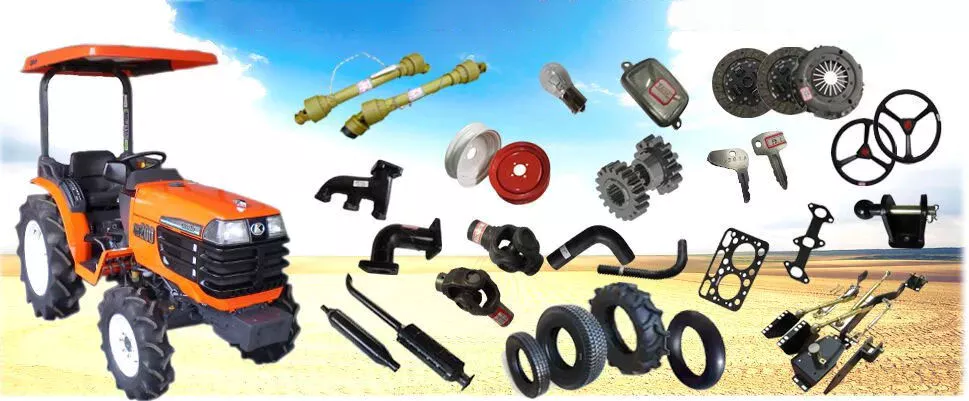
3. Jordbruk och jordbruk:
Jordbruksmaskiner, såsom traktorer, skördetröskor och skördetröskor, kräver ofta kardanaxlar som kan hantera höga vridmomentbelastningar och varierande arbetsvinklar. Dessa kardanaxlar är konstruerade för att överföra kraft från motorn till redskap och redskap, såsom gräsklippare, balpressar, jordfräsar och skördetröskor. De kan ha teleskopsektioner för att anpassa sig till justerbara längder, flexibla leder för att kompensera för feljustering under drift och skyddande avskärmning för att förhindra intrassling med grödor eller skräp.
4. Bygg och tung utrustning:
Bygg- och tung utrustning, inklusive grävmaskiner, lastare, bulldozrar och kranar, kräver robusta kardanaxlar som kan överföra kraft under krävande förhållanden. Dessa kardanaxlar har ofta större diametrar och tjockare väggar för att hantera höga vridmomentbelastningar. De kan ha universalkopplingar eller CV-kopplingar för att anpassa sig till arbetsvinklar och absorbera stötar och vibrationer. Kardanaxlar i denna kategori kan också ha ytterligare förstärkningar för att motstå de hårda miljöer och krävande tillämpningar som är förknippade med bygg och grävning.
5. Marina och maritima tillämpningar:
Drivaxlar för marina tillämpningar är specifikt konstruerade för att motstå havsvattens korrosiva effekter och de höga vridmomentbelastningar som förekommer i marina framdrivningssystem. Marina drivaxlar är vanligtvis tillverkade av rostfritt stål eller andra korrosionsbeständiga material. De kan innehålla flexibla kopplingar eller dämpningsanordningar för att minska vibrationer och mildra effekterna av feljustering. Konstruktionen av marina drivaxlar tar också hänsyn till faktorer som axellängd, diameter och stödlager för att säkerställa tillförlitlig kraftöverföring i marina fartyg.
6. Gruv- och utvinningsutrustning:
Inom gruvindustrin används drivaxlar i tunga maskiner och utrustning såsom gruvlastbilar, grävmaskiner och borriggar. Dessa drivaxlar måste klara extremt höga vridmomentbelastningar och tuffa driftsförhållanden. Drivaxelkonstruktioner för gruvapplikationer har ofta större diametrar, tjockare väggar och specialmaterial såsom legerat stål eller kompositmaterial. De kan innehålla universalkopplingar eller CV-kopplingar för att hantera arbetsvinklar, och de är konstruerade för att vara motståndskraftiga mot nötning och slitage.
Dessa exempel belyser variationerna i drivaxelkonstruktioner för olika typer av maskiner. Konstruktionsövervägandena tar hänsyn till faktorer som effektbehov, driftsförhållanden, utrymmesbegränsningar, uppriktningsbehov och maskineriets eller industrins specifika krav. Genom att skräddarsy drivaxelkonstruktionen till de unika kraven för varje applikation kan optimal kraftöverföringseffektivitet och tillförlitlighet uppnås.


editor by CX 2024-04-16























