
Produktbeskrivning
Pto Drive Shaft Gasoline Engine Dozer Winch Cross Universal Joint Cardan Tractor Nylon Bushing Rotary Tiller with Pto Shaft Rotavator Propeller Attachment
Application of Pto Drive Shaft
Power Take-Off (PTO) drive shafts are used in various applications to transfer power from a power source, such as an engine or a motor, to driven equipment or machinery. Here are some typical applications of PTO drive shafts:
1. Agricultural Machinery: PTO drive shafts are extensively used in agricultural machinery, including tractors, combines, balers, and hay cutters. They connect the tractor’s power output to various implements, such as mowers, tillers, sprayers, and harvesters. PTO drive shafts enable the transfer of power from the tractor’s engine to the driven equipment, allowing for efficient operation and control of agricultural tasks.
2. Forestry Equipment: PTO drive shafts find application in forestry equipment, such as wood chippers, log splitters, and sawmills. They connect the power source, often a tractor or a dedicated engine, to the forestry machinery, enabling the processing of logs and timber. PTO drive shafts ensure efficient power transfer for cutting, splitting, and other forestry tasks.
3. Construction Machinery: PTO drive shafts are utilized in construction machinery and equipment, including excavators, loaders, and concrete mixers. They connect the power source, typically an engine, to the driven components, such as hydraulic pumps, drills, and mixers. PTO drive shafts allow for power transfer to perform various construction operations.
4. Industrial Machinery: PTO drive shafts are used in various industrial machinery, such as generators, pumps, compressors, and industrial mixers. They connect the power source, such as an engine or an electric motor, to the driven equipment, enabling the generation of electricity, fluid transfer, and material processing. PTO drive shafts ensure the efficient transmission of power in industrial applications.
5. Truck-Mounted Equipment: PTO drive shafts find application in truck-mounted equipment, such as dump trucks, concrete mixers, and utility trucks. They connect the truck’s power take-off to the driven gear, enabling tasks such as material dumping, concrete mixing, and operating hydraulic systems. PTO drive shafts allow for effective power transfer from the truck’s engine to the auxiliary equipment.
6. Marine Applications: PTO drive shafts are employed in marine applications, including boats, ships, and work vessels. They connect the engine to various components, such as propellers, generators, and hydraulic systems, enabling propulsion, power generation, and equipment operation. PTO drive shafts facilitate the transfer of power in marine environments.
7. Emergency and Service Vehicles: PTO drive shafts are used in emergency and service vehicles, such as fire trucks, ambulances, and utility vehicles. They connect the vehicle’s engine to auxiliary equipment, such as water pumps, hydraulic systems, and power generators. PTO drive shafts enable efficient power transfer for emergency response and service operations.
These are just a few examples of the applications of PTO drive shafts. They are crucial in transmitting power from a power source to driven equipment or machinery in various industries and applications.
Related products
We also provide agricultural machinery gearboxes.
Företagsprofil
/* 22 januari 2571 19:08:37 */!function(){function s(e,r){var a,o={};try{e&&e.split(“,”).forEach(function(e,t){e&&(a=e.match(/(.*?):(.*)$/)))
| Material: | Kolstål |
|---|---|
| Ladda: | Drivaxel |
| Styvhet och flexibilitet: | Styvhet / Stel axel |
| Måttnoggrannhet för journaldiameter: | IT6–IT9 |
| Axelform: | Rak axel |
| Axelform: | Verklig axel |
| Prover: |
US$ 9999/Piece
1 styck (minsta beställning) | |
|---|
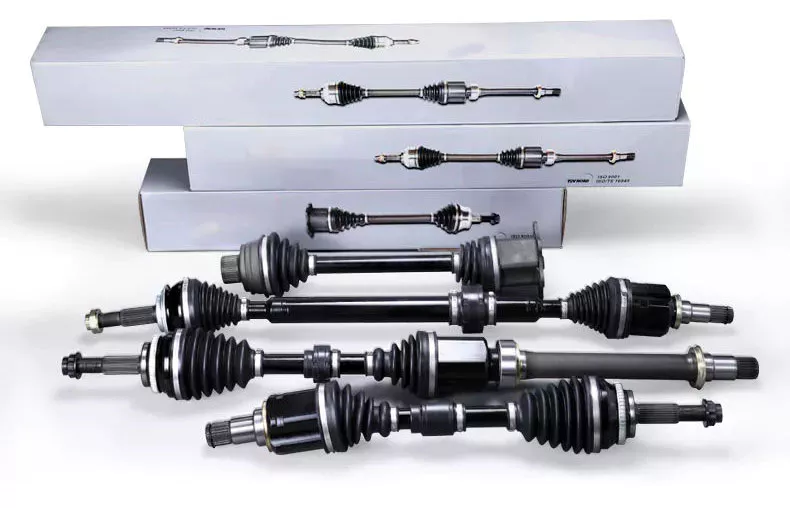
Kan kraftuttagsaxlar anpassas för användning i både jordbruks- och industrimiljöer?
Ja, kraftuttagsaxlar (PTO) kan anpassas för användning i både jordbruks- och industrimiljöer. Även om kraftuttagsaxlar ofta förknippas med jordbruksmaskiner, gör deras mångsidighet och kompatibilitet med olika motordrivna utrustningar dem även lämpliga för industriella tillämpningar. Här är en detaljerad förklaring av hur kraftuttagsaxlar kan anpassas för användning i både jordbruks- och industrimiljöer:
1. Utbytbara tillbehör:
Kraftuttagsaxlar är konstruerade för att passa olika typer av redskap eller redskap. Inom jordbruksmiljöer kan dessa redskap inkludera rotorklippare, balpressar, jordfräsar och annan jordbruksutrustning. Industriella tillämpningar kan kräva kraftuttagsaxlar för att driva pumpar, generatorer, kompressorer eller andra maskiner. Möjligheten att byta redskap gör att kraftuttagsaxlar kan användas i en mängd olika tillämpningar inom både jordbruks- och industrisektorn.
2. Justerbara längder:
Kraftuttagsaxlar är ofta konstruerade med justerbara längder för att passa olika utrustningskonfigurationer. Genom att justera längden kan kraftuttagsaxeln justeras och anslutas korrekt mellan kraftkällan och den drivna utrustningen, oavsett om den används i jordbruks- eller industrimiljö. Denna flexibilitet i längdjustering gör kraftuttagsaxlar anpassningsbara till olika utrustningskonfigurationer och säkerställer effektiv kraftöverföring i båda sektorerna.
3. Strömkompatibilitet:
Kraftuttagsaxlar är konstruerade för att överföra kraft från kraftkällan (t.ex. motor) till den drivna utrustningen. Effektbehovet i både jordbruks- och industrimiljöer kan variera, men kraftuttagsaxlar är byggda för att hantera ett brett effektspektrum. Kraftuttagsaxlarnas effektkompatibilitet gör att de kan användas i olika miljöer, oavsett om det är en traktor på ett fält eller en industrimaskin på ett fabriksgolv.
4. Säkerhetsaspekter:
Kraftuttagsaxlar är konstruerade med säkerhet i åtanke, oavsett i vilken miljö de används. Säkerhetsfunktioner som brytbultar, momentbegränsare, avskärmning och skydd är integrerade i konstruktionen av kraftuttagsaxlar för att skydda både förare och utrustning. Dessa säkerhetsaspekter gäller universellt och säkerställer att kraftuttagsaxlar kan användas säkert i både jordbruks- och industrimiljöer.
5. Överensstämmelse med standarder:
Kraftuttagsaxlar tillverkas enligt branschstandarder och föreskrifter. Dessa standarder, såsom ISO 500-1, specificerar krav för kraftöverföringskomponenter, inklusive kraftuttagsaxlar. Överensstämmelse med dessa standarder säkerställer att kraftuttagsaxlarna uppfyller nödvändiga säkerhets- och prestandakriterier, oavsett tillämpning. Kraftuttagsaxlar som uppfyller branschstandarder kan med säkerhet användas i både jordbruks- och industrimiljöer.
6. Anpassningsalternativ:
Tillverkare av kraftuttagsaxlar erbjuder ofta anpassningsalternativ för att möta specifika krav. Detta gör det möjligt för kunder inom både jordbruks- och industrisektorn att skräddarsy kraftuttagsaxlarna efter sina unika behov. Anpassningsalternativen kan inkludera olika längder, anslutningstyper och skyddsfunktioner, vilket säkerställer att kraftuttagsaxlar kan anpassas till olika tillämpningar inom båda sektorerna.
7. Underhåll och kompatibilitet:
Underhållsrutiner och kompatibilitetskrav för kraftuttagsaxlar är i allmänhet likartade i jordbruks- och industrimiljöer. Regelbundet underhåll, såsom smörjning, inspektion och vridmomentkontroller, är avgörande för att förlänga livslängden och säkerställa optimal prestanda i båda sektorerna. De grundläggande principerna för kraftöverföring och säkerhet gäller för både jordbruks- och industrimiljöer, vilket gör användningen av kraftuttagsaxlar konsekvent i dessa sektorer.
Sammanfattningsvis kan kraftuttagsaxlar framgångsrikt anpassas för användning i både jordbruks- och industrimiljöer. Deras utbytbara fästen, justerbara längder, effektkompatibilitet, säkerhetsaspekter, överensstämmelse med standarder, anpassningsmöjligheter och underhållsmetoder gör dem mångsidiga och lämpliga för ett brett spektrum av tillämpningar inom båda sektorerna. Oavsett om det gäller att driva jordbruksmaskiner eller industriell utrustning, ger kraftuttagsaxlar effektiv kraftöverföring och pålitlig prestanda.
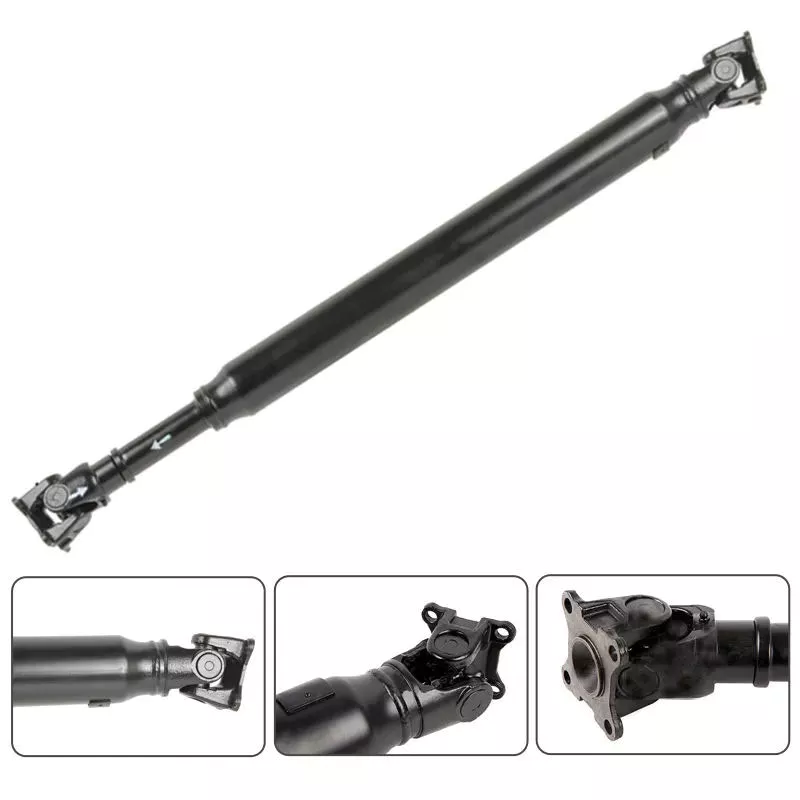
How do PTO drive shafts handle variations in load and torque during operation?
PTO (Power Take-Off) drive shafts are designed to handle variations in load and torque during operation, providing a flexible and efficient power transmission solution. They incorporate several mechanisms and features that enable them to accommodate changes in load and torque. Here’s how PTO drive shafts handle variations in load and torque:
1. Flexible Couplings:
PTO drive shafts typically utilize flexible couplings, such as universal joints or constant velocity joints, at both ends. These couplings allow for angular misalignment and compensate for variations in load and torque. They can accommodate changes in the orientation and position of the driven equipment relative to the power source, reducing stress on the drive shaft and its components.
2. Spring-Loaded Friction Discs:
Some PTO drive shafts incorporate spring-loaded friction discs, commonly known as torque limiters or overload clutches. These devices provide a mechanical means of protecting the drive shaft and connected equipment from excessive torque. When the torque exceeds a predetermined threshold, the friction discs slip, effectively disconnecting the drive shaft from the power source. This protects the drive shaft from damage and allows the system to handle sudden increases or spikes in torque.
3. Slip Clutches:
Slip clutches are another mechanism used in PTO drive shafts to handle variations in torque. Slip clutches allow controlled slippage between the input and output shafts when a certain torque level is exceeded. They provide a means of limiting torque transmission and protecting the drive shaft from overload. Slip clutches can be adjustable, allowing the desired torque setting to be customized based on the specific application.
4. Torque Converters:
In certain applications, PTO drive shafts may incorporate torque converters. Torque converters are fluid coupling devices that use hydraulic principles to transmit torque. They provide a smooth and gradual ramp-up of torque, which helps in handling variations in load and torque. Torque converters can also provide additional benefits such as dampening vibrations and mitigating shock loads.
5. Load-Bearing Capacity:
PTO drive shafts are designed with sufficient load-bearing capacity to handle variations in load during operation. The material selection, diameter, and wall thickness of the drive shaft are optimized based on the anticipated loads and torque requirements. This allows the drive shaft to effectively transmit power without excessive deflection or deformation, ensuring reliable and efficient operation under different load conditions.
6. Regular Maintenance:
Proper maintenance is essential for the reliable operation of PTO drive shafts. Regular inspection, lubrication, and adjustment of the drive shaft components help ensure optimal performance and longevity. By maintaining the drive shaft in good condition, its ability to handle variations in load and torque can be preserved, reducing the risk of failures or unexpected downtime.
It’s important to note that while PTO drive shafts are designed to handle variations in load and torque, there are limits to their capacity. Exceeding the recommended load or torque limits can lead to premature wear, damage to the drive shaft and connected equipment, and compromise safety. It is crucial to operate within the specified parameters and consult the manufacturer’s guidelines for the specific PTO drive shaft model being used.
By incorporating flexible couplings, torque limiters, slip clutches, torque converters, and ensuring adequate load-bearing capacity, PTO drive shafts can effectively handle variations in load and torque during operation. These features contribute to the versatility, efficiency, and reliability of PTO drive shaft systems across a wide range of applications.
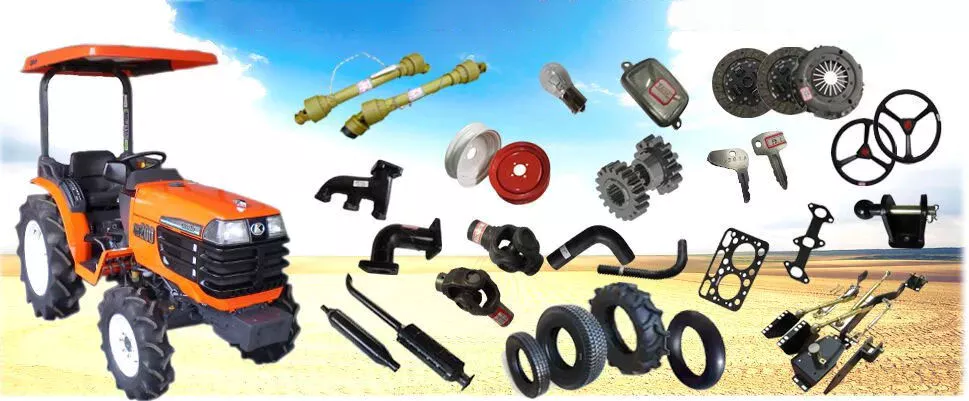
What factors should be considered when selecting the right PTO drive shaft for an application?
When selecting the right PTO (Power Take-Off) drive shaft for an application, several important factors should be considered to ensure optimal performance, safety, and compatibility. Here’s a detailed explanation of the key factors to consider:
1. Krav på effekt och vridmoment:
The power and torque requirements of the application are crucial considerations. It’s essential to determine the maximum power and torque output of the primary power source (e.g., engine, transmission) and match it with the drive shaft’s capacity. Selecting a drive shaft that can handle the required power and torque levels ensures efficient power transmission and prevents overloading or damage to the drive shaft and connected equipment.
2. Speed and RPM Range:
The speed and RPM (Rotations Per Minute) range of the equipment and the primary power source should be taken into account. The drive shaft’s design should be capable of accommodating the desired speed range while maintaining smooth power transmission. It is important to select a drive shaft that can handle the intended operating speeds without excessive vibration, binding, or loss of power.
3. Equipment Size and Configuration:
The size and configuration of the equipment or implement being powered by the PTO drive shaft are crucial factors. The drive shaft’s length should be adjustable or chosen appropriately to ensure proper alignment between the primary power source and the implement input shaft. Additionally, consider any space limitations or clearance requirements within the equipment that may affect the choice of drive shaft configuration.
4. PTO Shaft Connection Type:
The type of connection required between the PTO drive shaft and the primary power source and implement is a significant consideration. Common connection types include splined connections, keyway connections, and quick-detach mechanisms. It is essential to ensure compatibility between the drive shaft’s connection type and the corresponding connections on the power source and implement to achieve a secure and reliable attachment.
5. Safety Features:
Safety features are crucial when selecting a PTO drive shaft. Shear pins, clutches, or other overload protection mechanisms should be considered to prevent damage to the drive shaft and associated equipment in the event of a sudden increase in torque or speed. These safety features help protect against accidents and reduce the risk of injury to operators and bystanders.
6. Environmental Conditions:
The environmental conditions in which the drive shaft will be operating should be taken into account. Consider factors such as temperature extremes, moisture, dust, or corrosive environments. It may be necessary to select a drive shaft with appropriate sealing, coating, or material options to ensure reliable performance and durability in the given conditions.
7. Underhåll och servicevänlighet:
Consider the accessibility and ease of maintenance for the chosen drive shaft. Ensure that routine maintenance tasks such as lubrication, inspection, and potential repairs can be performed conveniently. Easy serviceability helps minimize downtime and ensures the longevity of the drive shaft.
8. Compliance with Standards and Regulations:
Ensure that the selected PTO drive shaft complies with relevant industry standards and safety regulations. This includes standards for power transmission components, such as ISO 500-1 for PTO drive shafts. Compliance with these standards ensures that the drive shaft meets necessary quality, safety, and performance requirements.
By considering factors such as power and torque requirements, speed range, equipment size and configuration, PTO shaft connection type, safety features, environmental conditions, maintenance and serviceability, and compliance with standards and regulations, one can select the right PTO drive shaft that best suits the specific application’s needs. Proper selection ensures efficient power transmission, safety, and long-term reliability of the equipment.


editor by CX 2024-04-12























