
Produktbeskrivning
Företag Profile
Established in 2009, HangZhou CZPT Trading Co., Ltd is a professional supplier for conveyor parts, located in ZHangZhoug province. We focus on supplying a variety of conveyor parts, including conveyor tubes, conveyor frames, conveyor rollers, bearing housings and so forth.
With our professional technology R&D team, and experienced quality control department, our products have been awarded the ISO9001 Quality Management System Standard and our main markets are in America, Europe, Asia and Australia.
|
Factory advantage |
Professional and experienced technology team | ||
| All products inspected before shipping with reasonable prices | |||
| Low MOQ and free sample | |||
| We are audited by SGS and passed the ISO9001:2008 certification | |||
|
Industries service |
Industrial machine | ||
| Electronic and communication | |||
| Oil, gas,mining and petroleum | |||
| Construction industry | |||
| Equipment | CNC Machining Center, CNC Lathes, CNC Milling Machines, Punching and drilling machines, Stamping machines | ||
| Precision Processing | CNC machining, CNC turning and milling, laser cutting, drilling, grinding, bending, stamping, welding | ||
Roller size
| No. | Standard Diameter | Längdintervall (mm) |
Lagertyp Min-Max |
Shell Thickness of Roller | |
| mm | Inch | ||||
| 1 | 63.5 | 2 1/2 | 150-3500 | 203 204 | 3.0mm-4.0mm |
| 2 | 76 | 3 | 150-3500 | 204 | 3.0mm-4.5mm |
| 3 | 89 | 3 1/3 | 150-3500 | 204 205 | 3.0mm-4.5mm |
| 4 | 102 | 4 | 150-3500 | 3.2mm-4.5mm | |
| 5 | 108 | 4 1/4 | 150-3500 | 306 | 3.5mm-4.5mm |
| 6 | 114 | 4 1/2 | 150-3500 | 306 | 3.5mm-4.5mm |
| 7 | 127 | 5 | 150-3500 | 306 | 3.5mm-5.0mm |
| 8 | 133 | 5 1/4 | 150-3500 | 305 306 | 3.5mm-5.0mm |
| 9 | 140 | 5 1/2 | 150-3500 | 306 307 | 3.5mm-5.0mm |
| 10 | 152 | 6 | 150-3500 | 4.0mm-5.0mm | |
| 11 | 159 | 6 1/4 | 150-3500 | 4.0mm-5.0mm | |
| 12 | 165 | 6 1/2 | 150-3500 | 307 308 | 4.5mm-6.0mm |
| 13 | 177.8 | 7 | 150-3500 | 309 | 4.5mm-6.0mm |
| 14 | 190.7 | 7 1/2 | 150-3500 | 309 310 | 4.5mm-7.0mm |
| 15 | 194 | 7 5/8 | 150-3500 | 309 310 | 4.5mm-8.0mm |
| 16 | 219 | 8 5/8 | 150-3500 | 4.5mm-8.0mm | |
Advantage:
1.The life time: More than 50000 hours
2. TIR (Total Indicator Runout)
0.5mm (0.0197″) for Roll Length 0-600mm
0.8mm (0.571″) for Roll Length 601-1350mm
1.0mm (0. 0571 “) for Roll Length over 1350mm
3.Shaft Float≤0.8mm
4..Samples for testing are available.
5. Lower resistance
6. Small maintain work
7. High load capability
8. Dust proof & water proof
CONVRYOR ROLLER SHAFTS
| We can produce roller shafts and We do customeized |
| Product Size:φ10mm – 70mm |
| Max Length: 3000mm |
| Surface Tolerance: g6 |
| Surface Roughness:0.8mm |
| Specifikation | ASTM A108 AS1443 |
| Steel Grade | Q235B,C1571,C1045(we can also do other steel grade per your requirments) |
| Size | Φ18mm-φ62mm |
| Diameter Tolerance | ISO286-2,H7/H8 |
| Straightness | 2000:1 |
| O.D | 63.5-219.1mm |
| W .T | 0.45-20mm |
| Längd | 6–12m |
| Standard | SANS 657/3,ASTM 513,AS 1163,BS6323,EN10305 |
| Material | Q235B, S355,S230,C350,E235 etc. |
| Technique | Welded,Seamless |
| Surface | oiled ,galvanized or painted with all kinds of colors according to client’s request. |
| Ends | 1.Plain ends, |
| 2.Threading at both side with plastice caps | |
| 3.Threading at both side with socket/coupling. | |
| 4.Beveled ends, and so on | |
| Förpackning | 1.Water-proof plastic cloth, |
| 2.Woven bags, | |
| 3.PVC package, | |
| 4.Steel strips in bundles | |
| 5.As your requirment | |
| Usage | 1.For low pressure liquid delivery such as water,gas and oil. |
| 2.For construction | |
| 3.Mechanical equipment | |
| 4.For Furniture | |
| Payment&Trade Terms | 1.Payment : T/T,L/C, D/P, Western union |
| 2.Trade Terms:FOB/CFR/CIF | |
| 3.Minimum quantity of order : 10 MT (10,000KGS) | |
| Delivery Time | 1.Usually,within10-20days after receiving your down payment. |
| 2.According to the order quantity |
Conveyor Roller Tube
|
Conveyor Roller Tube |
Specifikation | SANS657/3,ASTM513,AS1163,BS6323,EN10305 or equivalent international standard. |
| Steel grade | S355/S230,C350,E235,Q235B | |
| Sizes | 63.5mm-219.1mm ect | |
| Ovality tolerance of body | ≤0.4mm(60.3mm-152.4mm) | |
| ≤0.5mm(159MM-168.3mm) | ||
| ≤0.6mm(178mm-219mm) | ||
| Straightness | 2000:1 |
if you are interesting in our products or want any further information, please feel free to contact us!
I am looking CZPT to your reply.
Best regards
Ruth
HangZhou CZPT TRADING CO., LTD
1801 CZPT Building, No.268 Xierhuan Road, HangZhou City, ZHangZhoug Province, China
/* 22 januari 2571 19:08:37 */!function(){function s(e,r){var a,o={};try{e&&e.split(“,”).forEach(function(e,t){e&&(a=e.match(/(.*?):(.*)$/)))
| Steel Grade: | C1018 C1020 |
|---|---|
| Standard: | ASTM A108 |
| Storlek: | Od18mm—62mm |
| Surface Tolerance: | G6 |
| Max Length: | Max 3000mm |
| Surface Roughness: | 0.8 |
| Prover: |
US$ 0/Piece
1 styck (minsta beställning) | |
|---|
| Anpassning: |
Tillgänglig
| Anpassad förfrågan |
|---|
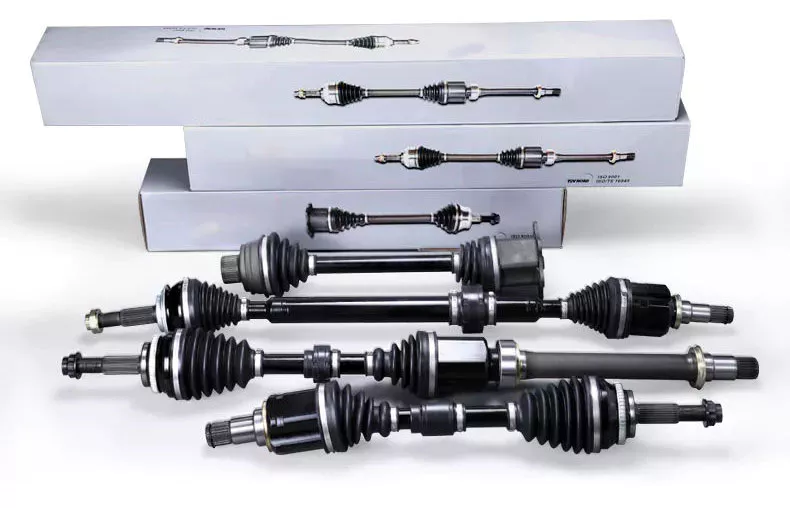
What maintenance practices are crucial for prolonging the lifespan of drive shafts?
To prolong the lifespan of drive shafts and ensure their optimal performance, several maintenance practices are crucial. Regular maintenance helps identify and address potential issues before they escalate, reduces wear and tear, and ensures the drive shaft operates smoothly and efficiently. Here are some essential maintenance practices for prolonging the lifespan of drive shafts:
1. Regular Inspection:
Performing regular inspections is vital for detecting any signs of wear, damage, or misalignment. Inspect the drive shaft visually, looking for cracks, dents, or any signs of excessive wear on the shaft itself and its associated components such as joints, yokes, and splines. Check for any signs of lubrication leaks or contamination. Additionally, inspect the fasteners and mounting points to ensure they are secure. Early detection of any issues allows for timely repairs or replacements, preventing further damage to the drive shaft.
2. Lubrication:
Proper lubrication is essential for the smooth operation and longevity of drive shafts. Lubricate the joints, such as universal joints or constant velocity joints, as recommended by the manufacturer. Lubrication reduces friction, minimizes wear, and helps dissipate heat generated during operation. Use the appropriate lubricant specified for the specific drive shaft and application, considering factors such as temperature, load, and operating conditions. Regularly check the lubrication levels and replenish as necessary to ensure optimal performance and prevent premature failure.
3. Balancing and Alignment:
Maintaining proper balancing and alignment is crucial for the lifespan of drive shafts. Imbalances or misalignments can lead to vibrations, accelerated wear, and potential failure. If vibrations or unusual noises are detected during operation, it is important to address them promptly. Perform balancing procedures as necessary, including dynamic balancing, to ensure even weight distribution along the drive shaft. Additionally, verify that the drive shaft is correctly aligned with the engine or power source and the driven components. Misalignment can cause excessive stress on the drive shaft, leading to premature failure.
4. Protective Coatings:
Applying protective coatings can help prolong the lifespan of drive shafts, particularly in applications exposed to harsh environments or corrosive substances. Consider using coatings such as zinc plating, powder coating, or specialized corrosion-resistant coatings to enhance the drive shaft’s resistance to corrosion, rust, and chemical damage. Regularly inspect the coating for any signs of degradation or damage, and reapply or repair as necessary to maintain the protective barrier.
5. Torque and Fastener Checks:
Ensure that the drive shaft’s fasteners, such as bolts, nuts, or clamps, are properly torqued and secured according to the manufacturer’s specifications. Loose or improperly tightened fasteners can lead to excessive vibrations, misalignment, or even detachment of the drive shaft. Periodically check and retighten the fasteners as recommended or after any maintenance or repair procedures. Additionally, monitor the torque levels during operation to ensure they remain within the specified range, as excessive torque can strain the drive shaft and lead to premature failure.
6. Environmental Protection:
Protecting the drive shaft from environmental factors can significantly extend its lifespan. In applications exposed to extreme temperatures, moisture, chemicals, or abrasive substances, take appropriate measures to shield the drive shaft. This may include using protective covers, seals, or guards to prevent contaminants from entering and causing damage. Regular cleaning of the drive shaft, especially in dirty or corrosive environments, can also help remove debris and prevent buildup that could compromise its performance and longevity.
7. Manufacturer Guidelines:
Follow the manufacturer’s guidelines and recommendations for maintenance practices specific to the drive shaft model and application. The manufacturer’s instructions may include specific intervals for inspections, lubrication, balancing, or other maintenance tasks. Adhering to these guidelines ensures that the drive shaft is properly maintained and serviced, maximizing its lifespan and minimizing the risk of unexpected failures.
By implementing these maintenance practices, drive shafts can operate reliably, maintain efficient power transmission, and have an extended service life, ultimately reducing downtime and ensuring optimal performance in various applications.

How do drive shafts enhance the performance of automobiles and trucks?
Drive shafts play a significant role in enhancing the performance of automobiles and trucks. They contribute to various aspects of vehicle performance, including power delivery, traction, handling, and overall efficiency. Here’s a detailed explanation of how drive shafts enhance the performance of automobiles and trucks:
1. Power Delivery:
Drive shafts are responsible for transferring power from the engine to the wheels, enabling the vehicle to move forward. By efficiently transmitting power without significant losses, drive shafts ensure that the engine’s power is effectively utilized, resulting in improved acceleration and overall performance. Well-designed drive shafts with minimal power loss contribute to the vehicle’s ability to deliver power to the wheels efficiently.
2. Torque Transfer:
Drive shafts facilitate the transfer of torque from the engine to the wheels. Torque is the rotational force that drives the vehicle forward. High-quality drive shafts with proper torque conversion capabilities ensure that the torque generated by the engine is effectively transmitted to the wheels. This enhances the vehicle’s ability to accelerate quickly, tow heavy loads, and climb steep gradients, thereby improving overall performance.
3. Traction and Stability:
Drive shafts contribute to the traction and stability of automobiles and trucks. They transmit power to the wheels, allowing them to exert force on the road surface. This enables the vehicle to maintain traction, especially during acceleration or when driving on slippery or uneven terrain. The efficient power delivery through the drive shafts enhances the vehicle’s stability by ensuring balanced power distribution to all wheels, improving control and handling.
4. Handling and Maneuverability:
Drive shafts have an impact on the handling and maneuverability of vehicles. They help establish a direct connection between the engine and the wheels, allowing for precise control and responsive handling. Well-designed drive shafts with minimal play or backlash contribute to a more direct and immediate response to driver inputs, enhancing the vehicle’s agility and maneuverability.
5. Viktminskning:
Drive shafts can contribute to weight reduction in automobiles and trucks. Lightweight drive shafts made from materials such as aluminum or carbon fiber-reinforced composites reduce the overall weight of the vehicle. The reduced weight improves the power-to-weight ratio, resulting in better acceleration, handling, and fuel efficiency. Additionally, lightweight drive shafts reduce the rotational mass, allowing the engine to rev up more quickly, further enhancing performance.
6. Mechanical Efficiency:
Efficient drive shafts minimize energy losses during power transmission. By incorporating features such as high-quality bearings, low-friction seals, and optimized lubrication, drive shafts reduce friction and minimize power losses due to internal resistance. This enhances the mechanical efficiency of the drivetrain system, allowing more power to reach the wheels and improving overall vehicle performance.
7. Performance Upgrades:
Drive shaft upgrades can be a popular performance enhancement for enthusiasts. Upgraded drive shafts, such as those made from stronger materials or with enhanced torque capacity, can handle higher power outputs from modified engines. These upgrades allow for increased performance, such as improved acceleration, higher top speeds, and better overall driving dynamics.
8. Compatibility with Performance Modifications:
Performance modifications, such as engine upgrades, increased power output, or changes to the drivetrain system, often require compatible drive shafts. Drive shafts designed to handle higher torque loads or adapt to modified drivetrain configurations ensure optimal performance and reliability. They enable the vehicle to effectively harness the increased power and torque, resulting in improved performance and responsiveness.
9. Durability and Reliability:
Robust and well-maintained drive shafts contribute to the durability and reliability of automobiles and trucks. They are designed to withstand the stresses and loads associated with power transmission. High-quality materials, appropriate balancing, and regular maintenance help ensure that drive shafts operate smoothly, minimizing the risk of failures or performance issues. Reliable drive shafts enhance the overall performance by providing consistent power delivery and minimizing downtime.
10. Compatibility with Advanced Technologies:
Drive shafts are evolving in tandem with advancements in vehicle technologies. They are increasingly being integrated with advanced systems such as hybrid powertrains, electric motors, and regenerative braking. Drive shafts designed to work seamlessly with these technologies maximize their efficiency and performance benefits, contributing to improved overall vehicle performance.
In summary, drive shafts enhance the performance of automobiles and trucks by optimizing power delivery, facilitating torque transfer, improving traction and stability, enhancing handling and maneuverability, reducing weight, increasing mechanical efficiency,and enabling compatibility with performance upgrades and advanced technologies. They play a crucial role in ensuring efficient power transmission, responsive acceleration, precise handling, and overall improved performance of vehicles.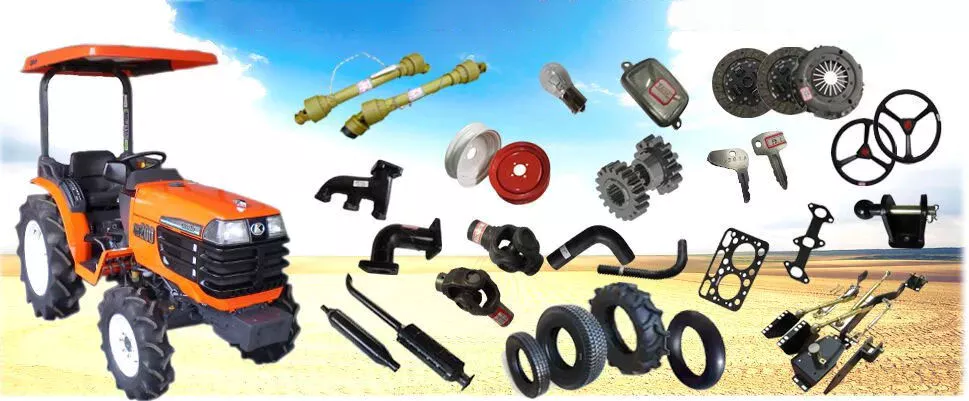
Finns det variationer i drivaxelkonstruktioner för olika typer av maskiner?
Ja, det finns variationer i drivaxelkonstruktioner för att tillgodose de specifika kraven hos olika typer av maskiner. Utformningen av en drivaxel påverkas av faktorer som tillämpning, kraftöverföringsbehov, utrymmesbegränsningar, driftsförhållanden och typen av drivna komponenter. Här är en förklaring av hur drivaxelkonstruktioner kan variera för olika typer av maskiner:
1. Tillämpningar inom fordonsindustrin:
Inom bilindustrin kan drivaxlars konstruktioner variera beroende på fordonets konfiguration. Bakhjulsdrivna fordon använder vanligtvis en drivaxel i ett eller två delar, som förbinder växellådan eller fördelningslådan med den bakre differentialen. Framhjulsdrivna fordon använder ofta en annan design, där de använder en drivaxel som kombineras med konstanthastighetslederna (CV) för att överföra kraft till framhjulen. Fyrhjulsdrivna fordon kan ha flera drivaxlar för att fördela kraften till alla hjul. Längd, diameter, material och kopplingstyper kan variera beroende på fordonets layout och vridmomentkrav.
2. Industrimaskiner:
Drivaxelkonstruktioner för industrimaskiner beror på den specifika tillämpningen och kraven på kraftöverföring. I tillverkningsmaskiner, såsom transportörer, pressar och roterande utrustning, är drivaxlar konstruerade för att överföra kraft effektivt inom maskinen. De kan ha flexibla leder eller använda en splines- eller kilförbindning för att hantera feljustering eller möjliggöra enkel demontering. Dimensionerna, materialen och förstärkningen av drivaxeln väljs baserat på maskinens vridmoment, hastighet och driftsförhållanden.
3. Jordbruk och jordbruk:
Jordbruksmaskiner, såsom traktorer, skördetröskor och skördetröskor, kräver ofta kardanaxlar som kan hantera höga vridmomentbelastningar och varierande arbetsvinklar. Dessa kardanaxlar är konstruerade för att överföra kraft från motorn till redskap och redskap, såsom gräsklippare, balpressar, jordfräsar och skördetröskor. De kan ha teleskopsektioner för att anpassa sig till justerbara längder, flexibla leder för att kompensera för feljustering under drift och skyddande avskärmning för att förhindra intrassling med grödor eller skräp.
4. Bygg och tung utrustning:
Bygg- och tung utrustning, inklusive grävmaskiner, lastare, bulldozrar och kranar, kräver robusta kardanaxlar som kan överföra kraft under krävande förhållanden. Dessa kardanaxlar har ofta större diametrar och tjockare väggar för att hantera höga vridmomentbelastningar. De kan ha universalkopplingar eller CV-kopplingar för att anpassa sig till arbetsvinklar och absorbera stötar och vibrationer. Kardanaxlar i denna kategori kan också ha ytterligare förstärkningar för att motstå de hårda miljöer och krävande tillämpningar som är förknippade med bygg och grävning.
5. Marina och maritima tillämpningar:
Drivaxlar för marina tillämpningar är specifikt konstruerade för att motstå havsvattens korrosiva effekter och de höga vridmomentbelastningar som förekommer i marina framdrivningssystem. Marina drivaxlar är vanligtvis tillverkade av rostfritt stål eller andra korrosionsbeständiga material. De kan innehålla flexibla kopplingar eller dämpningsanordningar för att minska vibrationer och mildra effekterna av feljustering. Konstruktionen av marina drivaxlar tar också hänsyn till faktorer som axellängd, diameter och stödlager för att säkerställa tillförlitlig kraftöverföring i marina fartyg.
6. Gruv- och utvinningsutrustning:
Inom gruvindustrin används drivaxlar i tunga maskiner och utrustning såsom gruvlastbilar, grävmaskiner och borriggar. Dessa drivaxlar måste klara extremt höga vridmomentbelastningar och tuffa driftsförhållanden. Drivaxelkonstruktioner för gruvapplikationer har ofta större diametrar, tjockare väggar och specialmaterial såsom legerat stål eller kompositmaterial. De kan innehålla universalkopplingar eller CV-kopplingar för att hantera arbetsvinklar, och de är konstruerade för att vara motståndskraftiga mot nötning och slitage.
Dessa exempel belyser variationerna i drivaxelkonstruktioner för olika typer av maskiner. Konstruktionsövervägandena tar hänsyn till faktorer som effektbehov, driftsförhållanden, utrymmesbegränsningar, uppriktningsbehov och maskineriets eller industrins specifika krav. Genom att skräddarsy drivaxelkonstruktionen till de unika kraven för varje applikation kan optimal kraftöverföringseffektivitet och tillförlitlighet uppnås.


editor by CX 2024-03-27























