
Описание продукта
Tractor parts star pto shaft for agricultural tractor
1. Трубы или трубки
У нас уже есть трубы треугольного и лимонного профиля для всех серий, которые мы предлагаем.
У нас также есть трубы со звездообразным профилем, шлицевые трубы и другие профильные трубы, необходимые нашим клиентам (для определенной серии). (Обратите внимание, что наш каталог не содержит всех производимых нами изделий).
Если вам нужны трубки не треугольной или лимонной формы, пожалуйста, предоставьте чертежи или фотографии.
2. Концевые ярма
У нас есть несколько типов быстросъемных вилок и вилок с гладким отверстием. Для вашего удобства я порекомендую наиболее распространенный тип.
Вы также можете прислать нам рисунки или фотографии, если не можете найти нужный вам товар в нашем каталоге.
3. Предохранительные устройства или муфты
Для вашего означения прилагаю подробную информацию о предохранительных устройствах. У нас уже есть свободное вращение (RA), ограничитель крутящего момента с храповым механизмом (SA), ограничитель крутящего момента с болтовым креплением (SB), 3 типа ограничителей крутящего момента с фрикционным сопротивлением (FF, FFS, FCS) и обгонные муфты (адаптеры) (FAS).
4. Если у вас возникнут какие-либо особые требования к пластиковой защите, способу соединения, цвету покраски, упаковке и т. д., пожалуйста, сообщите мне об этом.
Функции:
1. Мы специализируемся на проектировании и производстве карданных валов, валов рулевого управления и карданных шарниров, которые уже много лет экспортируются в США, Европу, Австралию и другие страны.
2. Применение во всех видах общих механических ситуаций.
3. Наша продукция отличается высокой прочностью и жесткостью.
4. Термостойкий и кислотостойкий
5. Заказы OEM приветствуются.
Наш завод является ведущим производителем вилок валов отбора мощности и карданных шарниров.
Мы производим высококачественные вилки отбора мощности для различных транспортных средств, строительной техники и оборудования. Все изделия изготавливаются с использованием вращающихся облегченных механизмов.
В настоящее время мы экспортируем нашу продукцию по всему миру, особенно в Северную и Южную Америку, Европу и Россию. Если вас заинтересовал какой-либо товар, пожалуйста, свяжитесь с нами. Мы рассчитываем, что компания CHINAMFG станет вашим поставщиком в ближайшем будущем.
/* 22 января 2571 19:08:37 */!function(){function s(e,r){var a,o={};try{e&&e.split(“,).forEach(function(e,t){e&&(a=e.match(/(.*?):(.*)$/))&&1
| Тип: | Вилка |
|---|---|
| Применение: | Переработка сельскохозяйственной продукции, инфраструктура сельскохозяйственных угодий, обработка почвы, уборка урожая, посадка и удобрение, обмолот зерна, очистка и сушка. |
| Материал: | Углеродистая сталь |
| Настройка: |
Доступный
| Индивидуальный запрос |
|---|
.shipping-cost-tm .tm-status-off{background: none;padding:0;color: #1470cc}
| Стоимость доставки:
Ориентировочная стоимость доставки за единицу товара. |
о стоимости доставки и предполагаемом времени доставки. |
|---|
| Способ оплаты: |
|
|---|---|
|
Первоначальный платеж Полная оплата |
| Валюта: | US$ |
|---|
| Возврат и возмещение средств: | Вы можете подать заявку на возврат средств в течение 30 дней после получения товаров. |
|---|
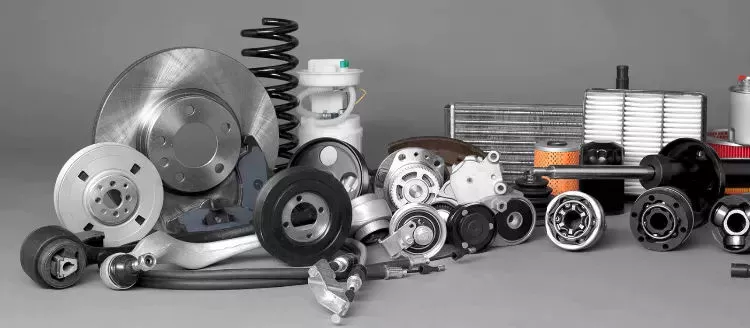
Какие методы технического обслуживания необходимы для продления срока службы валов отбора мощности?
Правильный уход и регулярное техническое обслуживание валов отбора мощности (ВОМ) имеют решающее значение для продления срока их службы и обеспечения оптимальной производительности. Соблюдая основные правила технического обслуживания, вы можете предотвратить преждевременный износ, выявить потенциальные проблемы на ранней стадии и максимально продлить срок службы ваших валов ВОМ. Вот несколько ключевых правил технического обслуживания, которые следует учитывать:
1. Регулярная проверка: Регулярно проводите визуальный осмотр вала отбора мощности, чтобы выявить любые повреждения, износ или смещения. Ищите трещины, вмятины, деформированные участки или ослабленные компоненты. Осмотрите карданные шарниры, соединительные механизмы, защитные кожухи и другие связанные с ними детали. Обращайте внимание на любые необычные шумы, вибрации или изменения в работе, поскольку они могут указывать на скрытые проблемы, требующие внимания.
2. Смазка: Правильная смазка необходима для плавной работы и долговечности валов отбора мощности. Следуйте рекомендациям производителя относительно интервалов смазки и используйте рекомендуемый тип смазки. Наносите смазку на карданные шарниры, ШРУСы (если применимо) и другие движущиеся части в соответствии с указаниями. Регулярно проверяйте уровень смазки и пополняйте ее при необходимости. Убедитесь, что используемая смазка совместима с материалом вала и не притягивает грязь или мусор, которые могут вызвать истирание или повреждение.
3. Уборка: Поддерживайте вал отбора мощности в чистоте, удаляя грязь, мусор и другие загрязнения. Регулярно удаляйте скопившуюся грязь, смазку или остатки с помощью щетки или сжатого воздуха. Особенно тщательно очищайте карданные шарниры и места соединения вала с другими компонентами. Очистка предотвращает накопление абразивных частиц, которые могут ускорить износ и ухудшить работу вала.
4. Осмотр и техническое обслуживание охраны: Регулярно проверяйте защитные кожухи и щиты, чтобы убедиться в их надежной фиксации и отсутствии повреждений. Защитные кожухи играют важнейшую роль в предотвращении случайного контакта с вращающимся валом и минимизации риска травм. Своевременно ремонтируйте или заменяйте любые поврежденные или отсутствующие кожухи. Убедитесь, что кожухи правильно выровнены и обеспечивают достаточную защиту всех движущихся частей вала отбора мощности.
5. Проверка момента затяжки и состояния крепежных элементов: Периодически проверяйте момент затяжки крепежных элементов, таких как болты и гайки, которые крепят вал отбора мощности и связанные с ним компоненты. Со временем вибрация и нормальная эксплуатация могут ослабить эти крепежные элементы, что повлияет на целостность вала. Используйте соответствующие значения момента затяжки, предоставленные производителем, для обеспечения надлежащего затягивания. Регулярно проверяйте затяжку крепежных элементов и при необходимости подтягивайте их.
6. Техническое обслуживание болтов среза или муфты скольжения: Если в вашем валу отбора мощности используются предохранительные болты или муфты скольжения, убедитесь в их исправной работе. Осмотрите предохранительные болты на наличие износа или повреждений и замените их при необходимости. Проверьте правильность регулировки и плавность работы муфты скольжения. Следуйте рекомендациям производителя по техническому обслуживанию и регулировке этих предохранительных механизмов, чтобы обеспечить их эффективность в защите компонентов трансмиссии.
7. Правильное хранение: Когда вал отбора мощности не используется, храните его в чистом и сухом месте. Защищайте вал от воздействия влаги, экстремальных температур и коррозионных веществ. По возможности храните вал в вертикальном положении, чтобы предотвратить его изгиб или деформацию. Рекомендуется использовать защитные чехлы или кожухи для защиты вала от пыли, грязи и других потенциальных источников повреждений.
8. Обучение операторов: Обеспечьте операторам надлежащее обучение правильным методам эксплуатации, технического обслуживания и технике безопасности, связанным с валами отбора мощности. Разъясните им важность регулярных проверок, смазки и соблюдения рекомендованных правил технического обслуживания. Поощряйте операторов незамедлительно сообщать о любых отклонениях или проблемах, чтобы предотвратить дальнейшие повреждения и обеспечить своевременный ремонт или регулировку.
9. Рекомендации производителя и экспертов: Ознакомьтесь с рекомендациями производителя по техническому обслуживанию вашей модели вала отбора мощности. Кроме того, обратитесь за советом к специалистам или авторизованным сервисным техникам, обладающим знаниями в области технического обслуживания валов отбора мощности. Они смогут предоставить ценную информацию и помощь во внедрении оптимальных методов технического обслуживания для вашей конкретной модели вала отбора мощности.
Следуя этим рекомендациям по техническому обслуживанию, вы можете продлить срок службы валов отбора мощности, оптимизировать их работу и снизить вероятность неожиданных поломок или дорогостоящего ремонта. Регулярные осмотры, смазка, очистка, обслуживание защитных кожухов, проверка момента затяжки и правильное хранение — все это необходимо для обеспечения долговечности и надежности ваших валов отбора мощности.
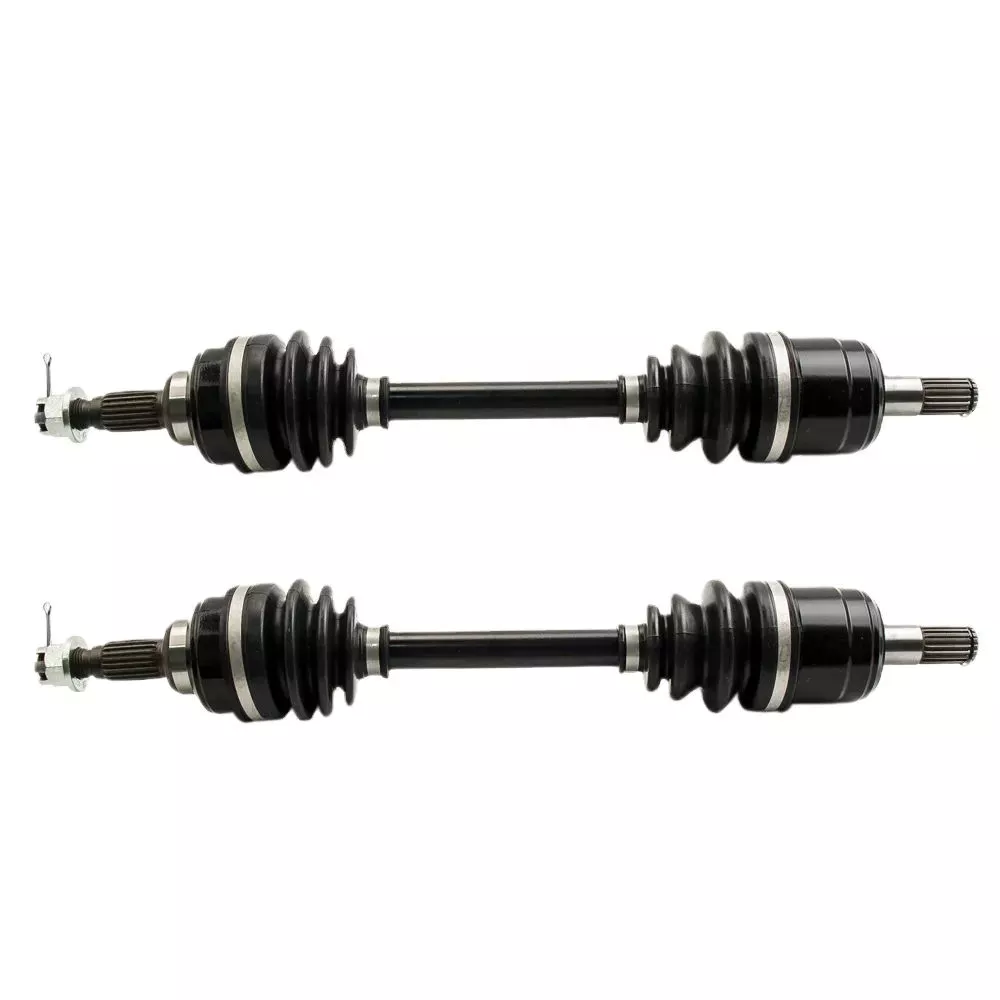
How do PTO shafts handle variations in load and torque during operation?
PTO (Power Take-Off) shafts are designed to handle variations in load and torque during operation by employing specific mechanisms and features that ensure efficient power transfer and protection against overload conditions. Here’s a detailed explanation of how PTO shafts handle variations in load and torque:
1. Mechanical Design: PTO shafts are engineered with robust mechanical design principles that enable them to handle variations in load and torque. They are typically constructed using high-strength materials such as steel, which provides durability and resistance to bending or twisting forces. The shaft’s diameter, wall thickness, and overall dimensions are carefully calculated to withstand the expected torque levels and load variations. The mechanical design of the PTO shaft ensures that it can transmit power reliably and accommodate the dynamic forces encountered during operation.
2. Universal Joints: Universal joints are a key component of PTO shafts that allow for flexibility and compensation of misalignment between the power source and driven machinery. These joints can accommodate variations in angular alignment, which may occur due to changes in load or movement of the machinery. Universal joints consist of a cross-shaped yoke with needle bearings that allow for smooth rotation and transfer of torque, even when the shafts are not perfectly aligned. The design of universal joints enables PTO shafts to handle variations in load and torque while maintaining consistent power transmission.
3. Сцепления скольжения: Slip clutches are often incorporated into PTO shafts to provide overload protection. These clutches allow the PTO shaft to slip or disengage momentarily when excessive torque or resistance is encountered. Slip clutches typically consist of friction plates that can be adjusted to a specific torque setting. When the torque surpasses the predetermined limit, the clutch slips, preventing damage to the PTO shaft and connected equipment. Slip clutches are particularly useful when sudden changes in load or torque occur, providing a safety mechanism to protect the PTO shaft and associated machinery.
4. Torque Limiters: Torque limiters are another protective feature found in some PTO shafts. These devices are designed to automatically disengage the power transmission when a predetermined torque threshold is exceeded. Torque limiters can be mechanical, such as shear pin couplings or friction clutches, or electronic, utilizing sensors and control systems. When the torque exceeds the set limit, the torque limiter disengages, preventing further power transfer and protecting the PTO shaft from overload conditions. Torque limiters are effective in handling sudden spikes in torque and safeguarding the PTO shaft and associated equipment.
5. Техническое обслуживание и осмотр: Regular maintenance and inspection of PTO shafts are essential to ensure their proper functioning and ability to handle variations in load and torque. Routine maintenance includes lubrication of universal joints, inspection of shaft integrity, and tightening of fasteners. Regular inspections allow for early detection of wear, misalignment, or other issues that may affect the PTO shaft’s performance. By addressing maintenance and inspection requirements, operators can identify and address any concerns that may arise due to variations in load and torque, ensuring the continued safe and efficient operation of the PTO shaft.
6. Operator Awareness and Control: Operators play a crucial role in managing variations in load and torque during PTO shaft operation. They should be aware of the machinery’s operational limits, including the recommended torque ratings and load capacities of the PTO shaft. Proper training and understanding of the equipment’s capabilities enable operators to make informed decisions and adjust the operation when encountering significant load or torque changes. Operators should also be vigilant in monitoring the equipment’s performance, watching for any signs of excessive vibration, noise, or other indications of potential issues related to load and torque variations.
By incorporating robust mechanical design, utilizing universal joints, slip clutches, torque limiters, and implementing proper maintenance practices, PTO shafts are equipped to handle variations in load and torque during operation. These features ensure reliable power transmission, protect against overload conditions, and contribute to the safe and efficient functioning of the PTO shaft and the machinery it drives.

Which industries commonly use PTO shafts for power transmission?
PTO shafts (Power Take-Off shafts) are widely used in various industries where power transmission is required to drive machinery and equipment. Their versatility, efficiency, and compatibility with different types of machinery make them valuable components in several sectors. Here’s a detailed explanation of the industries that commonly use PTO shafts for power transmission:
1. Agriculture: The agricultural industry extensively relies on PTO shafts for power transmission. Tractors equipped with PTOs are commonly used to drive a wide range of agricultural implements and machinery. PTO-driven equipment includes mowers, balers, tillers, seeders, sprayers, grain augers, harvesters, and many more. PTO shafts allow for the efficient transfer of power from the tractor’s engine to these implements, enabling various agricultural operations such as cutting, baling, tilling, planting, spraying, and harvesting. The agricultural sector heavily depends on PTO shafts to enhance productivity and streamline farming processes.
2. Construction and Earthmoving: In the construction and earthmoving industry, PTO shafts find applications in machinery used for excavation, grading, and material handling. PTO-driven equipment such as backhoes, loaders, excavators, trenchers, and stump grinders utilize PTO shafts to transfer power from the prime movers, typically hydraulic systems, to drive the necessary attachments. These attachments require the high torque and power provided by PTO shafts to perform tasks like digging, loading, trenching, and grinding. PTO shafts allow for versatile and efficient power transmission in construction and earthmoving operations.
3. Forestry: The forestry industry utilizes PTO shafts for power transmission in various logging and timber processing equipment. PTO-driven machinery such as wood chippers, sawmills, log splitters, and debarkers rely on PTO shafts to transfer power from tractors or dedicated power units to perform tasks like chipping, sawing, splitting, and debarking wood. PTO shafts provide the necessary power and torque to drive the cutting and processing mechanisms, enabling efficient and productive forestry operations.
4. Landscaping and Groundskeeping: PTO shafts play a crucial role in the landscaping and groundskeeping industry. Equipment like lawn mowers, rotary cutters, flail mowers, and aerators utilize PTO shafts to transfer power from tractors or dedicated power units to drive the cutting or grooming mechanisms. PTO shafts enable efficient power transmission, allowing operators to maintain lawns, parks, golf courses, and other outdoor spaces with precision and productivity.
5. Mining and Quarrying: PTO shafts have applications in the mining and quarrying industry, particularly in equipment used for material extraction, crushing, and screening. PTO-driven machinery such as crushers, screeners, and conveyors rely on PTO shafts to transfer power from engines or motors to drive the crushing and screening mechanisms, as well as the material handling systems. PTO shafts provide the necessary power and torque to process and transport bulk materials effectively in mining and quarrying operations.
6. Industrial Manufacturing: PTO shafts are utilized in various industrial manufacturing processes that require power transmission to drive specific machinery and equipment. Industries such as food processing, textile manufacturing, paper production, and chemical processing may use PTO-driven machinery for tasks like mixing, blending, cutting, extruding, and conveying. PTO shafts enable efficient power transfer to these machines, ensuring smooth and reliable operation in industrial manufacturing settings.
7. Utilities and Infrastructure Maintenance: PTO shafts find applications in utilities and infrastructure maintenance operations. Equipment like street sweepers, sewer cleaners, road maintenance machines, and drain augers utilize PTO shafts to transfer power from trucks or dedicated power units to perform tasks like sweeping, cleaning, and maintenance of roads, sewers, and other public infrastructure. PTO shafts enable efficient power transmission, ensuring effective and reliable operation of these utility and maintenance machines.
8. Others: PTO shafts are also used in several other industries and sectors where power transmission is required. This includes applications in the transportation industry for powering refrigeration units, fuel pumps, and hydraulic systems in trucks and trailers. PTO shafts also find applications in the marine industry for powering winches, pumps, and other equipment on boats and ships.
In summary, PTO shafts are commonly used in a wide range of industries for power transmission. These industries include agriculture, construction and earthmoving, forestry, landscaping and groundskeeping, mining and quarrying, industrial manufacturing, utilities and infrastructure maintenance, transportation, and marine sectors. PTO shafts play a critical rolein enhancing productivity, enabling efficient operation of machinery, and facilitating various tasks in these industries.

editor by CX 2024-03-15























