
Описание продукта
Efficient Rotary PTO Shaft Tractor Tube Power PTO Drive Shafts
Описание продукта
Our rotary PTO SHAFT is a powerful assistant in agricultural production, known for its high efficiency and durability. environment for CHINAMFG cultivation.
Product Features:
High strength materials: The PTO SHAFT is made of high-strength materials, which have excellent durability and fatigue resistance and can be used for a long time.
Efficient farming: PTO SHAFT Labor-saving and easy to operate: using a rotary tiller for land plowing is easy and labor-saving, easy to operate, and suitable for various terrains.
Easy maintenance: The PTO SHAFT has a simple structure, low maintenance cost, and long service life.
Strong adaptability: Suitable for various types of soil, whether in paddy fields, dry fields, or mountainous areas, it can demonstrate excellent performance.
Usage :
Choose the appropriate model of PTO SHAFT according to the land conditions.
Install the PTO SHAFT on agricultural machinery.
Start agricultural machinery and start plowing the land.
Precautions :
Please read the product manual carefully before use.
Please use this product under safe conditions.
This product is only used for agricultural tillage and cannot be used for other purposes.
Подробные фотографии
Параметры продукта
GOOD QUALITY AGRICULTURE MACHINE ACCESSORY PROPRLLER SHAFT TRACTOR PARTS TRANSMISSION SHAFT DRIVE AXLE POWER DRIVE SHAFT PTO SHAFT
Упаковка и доставка
Наши преимущества
1. High quality steel raw materials, suitable hardness, not easy to break or deform.
2. Automatic temperature control system used on both heating treatment and tempering, to guaratee the products heated evenly, the outside and interior have uniform structure, so as to get longer work life.
3.Precise and high strength moulds get precise shaping during thermo-forming.
4. Special gas used in tempering, to make up the chemical elements which lost during heating treatment, to double the work life than normal technology, proprietary heat treatment technology designed and developed by JIELIKE.
5. The whole product body and shape has been adjusted precisely by mechanics to pass the balance test both in static and moving states.
6. Products use electrostatic painting or brand water-based paint, environment-protective, to get excellent surface and long time rust-protective. And drying process is added for liquid painting to improve the quality of the paint adhesion to blade surface.
7. Automatic shot peening surface treatment, excellent appearance.
8. Provide OEM & ODM Service.
9. Provide customized products.
Послепродажное обслуживание
We provide comprehensive after-sales service, including product consultation, user guidance, repair and maintenance, etc. If you encounter any problems during use, please feel free to contact us at any time.
/* 22 января 2571 19:08:37 */!function(){function s(e,r){var a,o={};try{e&&e.split(“,).forEach(function(e,t){e&&(a=e.match(/(.*?):(.*)$/))&&1
| Тип: | Вал |
|---|---|
| Применение: | Tillage |
| Материал: | Углеродистая сталь |
| Настройка: |
Доступный
| Индивидуальный запрос |
|---|
.shipping-cost-tm .tm-status-off{background: none;padding:0;color: #1470cc}
| Стоимость доставки:
Ориентировочная стоимость доставки за единицу товара. |
о стоимости доставки и предполагаемом времени доставки. |
|---|
| Способ оплаты: |
|
|---|---|
|
Первоначальный платеж Полная оплата |
| Валюта: | US$ |
|---|
| Возврат и возмещение средств: | Вы можете подать заявку на возврат средств в течение 30 дней после получения товаров. |
|---|
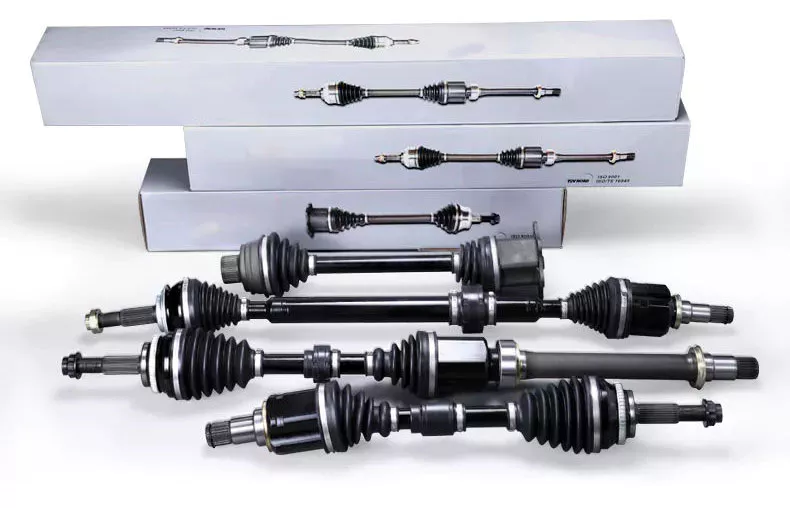
How do PTO shafts ensure efficient power transfer while maintaining safety?
PTO (Power Take-Off) shafts play a crucial role in ensuring efficient power transfer from a power source to driven machinery or equipment, while also maintaining safety. These shafts are designed with various features and mechanisms to optimize power transmission efficiency and mitigate potential hazards. Here’s a detailed explanation of how PTO shafts achieve efficient power transfer while prioritizing safety:
1. Mechanical Power Transmission: PTO shafts serve as mechanical linkages between the power source, typically a tractor or engine, and the driven machinery. They transmit rotational power from the power source to the equipment, enabling efficient transfer of energy. The mechanical design of PTO shafts, including their diameter, length, and material composition, is optimized to minimize power losses during transmission, ensuring that a significant portion of the power generated by the source is effectively delivered to the machinery.
2. Universal Joints and Flexible Couplings: PTO shafts are equipped with universal joints and flexible couplings that allow for angular misalignment and flexibility in movement. Universal joints accommodate variations in the alignment between the power source and the driven machinery, enabling smooth power transfer even when the two components are not perfectly aligned. Flexible couplings help to compensate for slight misalignments, reduce vibration, and prevent excessive stress on the shaft and connected components, thereby enhancing efficiency and reducing the risk of mechanical failure or damage.
3. Шарниры равных угловых скоростей (ШРУС): CV joints are often used in PTO shafts to maintain constant speed and torque transfer, particularly in applications where the driven machinery requires flexibility or operates at different angles. CV joints allow for smooth power transmission without significant fluctuations, even when the driven machinery is at an angle relative to the power source. By minimizing speed variations and power loss due to changing angles, CV joints contribute to efficient power transfer while ensuring consistent performance and reducing the likelihood of mechanical stress or premature wear.
4. Safety Guards and Shields: Safety is a paramount consideration in the design of PTO shafts. Protective guards and shields are installed to cover the rotating shaft and other moving parts. These guards act as physical barriers to prevent accidental contact with the rotating components, significantly reducing the risk of entanglement, injury, or damage. Safety guards are typically made of durable materials such as metal or plastic and are designed to allow the necessary movement for power transmission while providing adequate protection. Regular inspection and maintenance of these guards are crucial to ensure their effectiveness in maintaining safety.
5. Shear Bolt or Slip Clutch Mechanisms: PTO shafts often incorporate shear bolt or slip clutch mechanisms as safety features to protect the driveline components and prevent damage in case of excessive torque or sudden resistance. Shear bolts are designed to shear or break when the torque exceeds a predetermined threshold, disconnecting the PTO shaft from the power source. This helps prevent damage to the shaft, driven machinery, and power source. Slip clutches work similarly by allowing the PTO shaft to slip when excessive resistance is encountered, protecting the components from overload. These mechanisms act as safety measures to maintain the integrity of the PTO shaft and associated equipment while minimizing the risk of mechanical failures or accidents.
6. Compliance with Safety Standards: PTO shafts are designed and manufactured to comply with relevant safety standards and regulations. Manufacturers follow guidelines and requirements set by organizations such as the American Society of Agricultural and Biological Engineers (ASABE) or other regional safety authorities. Compliance with these standards ensures that PTO shafts meet specific safety criteria, including torque capacity, guard design, and other safety considerations. Users can rely on standardized PTO shafts that have undergone testing and certification, providing an additional layer of assurance regarding their safety and performance.
7. Operator Education and Training: To ensure safe and efficient operation, it is essential for operators to receive proper education and training on PTO shafts. Operators should be familiar with the specific safety features, maintenance requirements, and safe operating procedures for the PTO shafts used in their applications. This includes understanding the importance of using appropriate personal protective equipment, regularly inspecting the equipment for wear or damage, and following recommended maintenance schedules. Operator awareness and adherence to safety protocols significantly contribute to maintaining a safe working environment and maximizing the efficiency of power transfer.
In summary, PTO shafts ensure efficient power transfer while maintaining safety through their mechanical design, incorporation of universal joints and CV joints, installation of safety guards and shields, implementation of shear bolt or slip clutch mechanisms, compliance with safety standards, and operator education. By combining these features and practices, PTO shafts provide reliable and secure power transmission, minimizing power losses and potential risks associated with their operation.

Can you provide real-world examples of equipment that use PTO shafts?
Power Take-Off (PTO) shafts are extensively used in various industries, particularly in agriculture and construction. They provide a reliable power source for a wide range of equipment, enabling efficient operation and increased productivity. Here are some real-world examples of equipment that commonly use PTO shafts:
1. Agricultural Machinery:
- Tractor Implements: A wide array of tractor-mounted implements rely on PTO shafts for power transfer. These include:
- Mowers and rotary cutters
- Balers and hay equipment
- Tillers and cultivators
- Seeders and planters
- Sprayers
- Manure spreaders
- Harvesters, such as combine harvesters and forage harvesters
- Stationary Equipment: PTO shafts are also used in stationary agricultural equipment, including:
- Feed grinders and mixers
- Silo unloaders
- Grain augers and elevators
- Irrigation pumps
- Wood chippers and shredders
- Stump grinders
2. Construction and Earthmoving Equipment:
- Backhoes and Excavators: PTO shafts can be found in backhoes and excavators, powering attachments such as augers, hydraulic hammers, and brush cutters.
- Post Hole Diggers: Post hole diggers used for fence installation often rely on PTO shafts to transfer power to the digging mechanism.
- Trenchers: Trenching machines equipped with PTO shafts efficiently dig trenches for utility installations, drainage systems, or irrigation lines.
- Stump Grinders: Stump grinders used in land clearing and tree removal operations often utilize PTO shafts to power their cutting blades.
- Soil Stabilizers and Road Reclaimers: These machines use PTO shafts to drive the rotor and milling drums, which pulverize and mix materials for road construction and maintenance.
3. Forestry Equipment:
- Wood Chippers: Wood chippers used for processing tree branches and logs into wood chips are commonly powered by PTO shafts.
- Brush Cutters and Mulchers: PTO-driven brush cutters and mulchers are employed to clear vegetation and maintain forested areas.
- Log Splitters: Log splitters that split logs into firewood often utilize PTO shafts to power the splitting mechanism.
4. Utility Equipment:
- Generators: Some generators are designed to be driven by PTO shafts, providing an auxiliary power source for various applications in remote locations or during power outages.
- Pumps: PTO-driven pumps are commonly used for agricultural irrigation, water transfer, and dewatering applications.
5. Specialty Equipment:
- Ice Resurfacers: PTO shafts are employed in ice resurfacing machines used in ice rinks to maintain a smooth ice surface for ice hockey and figure skating.
- Air Compressors: Some air compressors are driven by PTO shafts, providing a source of compressed air for various applications.
These examples represent a range of equipment that extensively relies on PTO shafts for power transfer. PTO shafts enable the efficient operation of these machines, increasing productivity and versatility across various industries.

Как валы отбора мощности справляются с колебаниями скорости и крутящего момента?
Валы отбора мощности (ВОМ) предназначены для работы с изменяющимися требованиями к скорости и крутящему моменту между источником энергии (например, трактором или двигателем) и приводимым в движение оборудованием или механизмами. Они включают в себя различные механизмы и компоненты для обеспечения эффективной передачи мощности при одновременном регулировании различных требований к скорости и крутящему моменту. Вот подробное объяснение того, как валы ВОМ справляются с изменениями требований к скорости и крутящему моменту:
1. Системы коробок передач: Валы отбора мощности часто оснащаются редукторами для согласования скорости и крутящего момента между источником энергии и приводимым в движение оборудованием. Редукторы позволяют снижать или повышать скорость, а также изменять направление вращения при необходимости. Используя различные передаточные числа, валы отбора мощности могут адаптировать скорость вращения и крутящий момент в соответствии со специфическими требованиями приводимого в движение оборудования. Редукторы позволяют валам отбора мощности обеспечивать необходимую совместимость мощности и скорости между источником энергии и приводимым в движение оборудованием.
2. Механизмы срезных болтов: В некоторых валах отбора мощности, особенно в тех областях применения, где ожидаются внезапные перегрузки или ударные нагрузки, используются механизмы срезных болтов. Эти механизмы предназначены для защиты компонентов трансмиссии от повреждений путем разъединения вала отбора мощности в случае чрезмерного крутящего момента или внезапного сопротивления. Срезные болты рассчитаны на разрыв при определенном пороговом значении крутящего момента, что гарантирует разъединение вала отбора мощности до того, как компоненты трансмиссии получат повреждения. Благодаря использованию механизмов срезных болтов валы отбора мощности могут выдерживать изменения требуемого крутящего момента и обеспечивают дополнительную безопасность для оборудования.
3. Фрикционные муфты: Валы отбора мощности могут быть оснащены фрикционными муфтами для обеспечения плавного включения и выключения передачи мощности. Фрикционные муфты используют дисковый и нажимной механизм для управления передачей мощности. Операторы могут постепенно включать или выключать передачу мощности, регулируя давление на фрикционный диск. Эта функция обеспечивает точный контроль над передачей крутящего момента, компенсируя изменения требуемого крутящего момента и минимизируя ударные нагрузки на компоненты трансмиссии. Фрикционные муфты широко используются в тех областях применения, где плавное включение передачи мощности имеет важное значение, например, в гидравлических насосах, генераторах и промышленных миксерах.
4. Шарниры равных угловых скоростей (ШРУС): В случаях, когда приводное оборудование требует значительного диапазона движения или сочленения, в валах отбора мощности могут использоваться шарниры равных угловых скоростей (ШРУС). ШРУСы позволяют валу отбора мощности компенсировать несоосность и угловые изменения без влияния на передачу мощности. Эти шарниры обеспечивают плавную и постоянную передачу мощности даже тогда, когда приводное оборудование находится под углом относительно источника питания. ШРУСы широко используются в таких областях применения, как сочлененные погрузчики, телескопические погрузчики и самоходные опрыскиватели, где оборудование требует гибкости и широкого диапазона движения.
5. Телескопические конструкции: Некоторые валы отбора мощности имеют телескопическую конструкцию, позволяющую регулировать длину. Эти валы состоят из двух или более концентрических валов, скользящих друг относительно друга, что позволяет выдвигать или убирать вал отбора мощности по мере необходимости. Телескопические конструкции компенсируют изменение расстояния между источником питания и приводимым в движение оборудованием. Регулируя длину вала отбора мощности, операторы могут обеспечить надлежащую передачу мощности без риска задевания валом земли или его недостаточной длины для доступа к оборудованию. Телескопические валы отбора мощности обычно используются в тех областях применения, где расстояние между источником питания и навесным оборудованием изменяется, например, в навесном оборудовании, снегоуборочных машинах и самозагружающихся тележках.
Благодаря использованию этих механизмов и конструкций, валы отбора мощности эффективно справляются с колебаниями скорости и крутящего момента. Они обеспечивают необходимую гибкость, безопасность и управляемость для эффективной передачи мощности между источником энергии и приводимым в движение оборудованием. Валы отбора мощности играют решающую роль в адаптации мощности к конкретным потребностям различного оборудования и областей применения.


editor by CX 2024-05-08























