
Описание продукта
Kawashima Rockers /Nakashi Drive Shaft
| Приложение | Описание |
| Kawashima rockers | P/tube Length:1.50m|Axle diameter:7mm|Teeth:7|tube diameter:26mm| |
| Kawashima rockers | P/tube Length:1.50m|Axle diameter:8mm|Teeth:9|tube diameter:28mm| |
| Nakashi kawashima Premium and Plus Rock Grinders | P/tube Length:1.55m|Axle diameter:6mm|Teeth:10|tube diameter:25mm| |
| Nakashi Rockers,Kawashima Premium Plus | P/tube Length:1.55m|Axle diameter:7mm|Teeth:7|tube diameter:25mm| |
| Premium and Nakashi Rock Grinders | P/tube Length:1.55m|Axle diameter:8mm|Teeth:9|tube diameter:28mm| |
| Nakashi Premium Derricks | P/tube Length:1.10m|Axle diameter:6mm|Teeth:10|tube diameter:25mm| |
| Premium and Nakashi Derrickers | P/tube Length:1.10m|Axle diameter:7mm|Teeth:7|tube diameter:25mm| |
| Premium and Nakashi Derrickers | P/tube Length:0.9m|Axle diameter:6mm|Teeth:10|tube diameter:25mm| |
ЧАСТО ЗАДАВАЕМЫЕ ВОПРОСЫ:
Notice
1. We maintain high standards of customer satisfaction! Your feedback is very important to us. Before giving us neutral or negative feedback, please contact us to satisfactorily address your concerns.
2. Please compare the good’s appearance, shape, size with your original parts before ordering.
3. Due to the different color resolution settings of the display, the CZPT may have a color difference, please know it.
4. All our products are non-assembled, pictures are for reference only.
Problem with An Order?
We work hard to get everything right but mistakes happen and we want to fix them quickly, please ask any questions using the Made-in-China system before starting a dispute.
Feedback
We maintain high standards of CZPT and strive for 100% customer satisfaction! If you are not satisfied with our products or services please contact us first, sincerely hope through our cooperation, we can resolve the problems smoothly.
About Us
We do retail and wholesale for gasoline chainsaw, brush cutter, grass trimmer, and other garden tool parts. Welcome here to pick out and buy.
Contact
If you have questions or problems please leave messages, we will reply to you as soon as possible.
/* 10 марта 2571 17:59:20 */!function(){function s(e,r){var a,o={};try{e&&e.split(“,).forEach(function(e,t){e&&(a=e.match(/(.*?):(.*)$/))&&1
| Сертификация: | RoHS, CE, ISO, CCC |
|---|---|
| Источник питания: | Gasoline |
| Тип: | карданный вал |
| Материал: | 40cr/72b Aluminium |
| Транспортный пакет: | Color Box |
| Технические характеристики: | MANY SIZE |
| Настройка: |
Доступный
| Индивидуальный запрос |
|---|
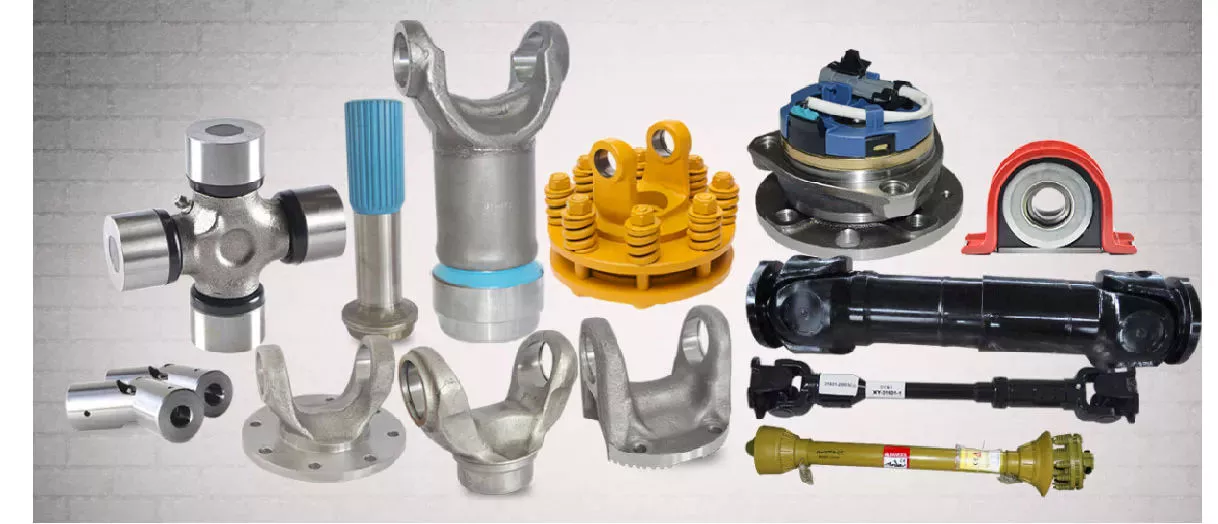
What factors should be considered when selecting the right drive shaft for an application?
When selecting the right drive shaft for an application, several factors need to be considered. The choice of drive shaft plays a crucial role in ensuring efficient and reliable power transmission. Here are the key factors to consider:
1. Требования к мощности и крутящему моменту:
The power and torque requirements of the application are essential considerations. It is crucial to determine the maximum torque that the drive shaft will need to transmit without failure or excessive deflection. This includes evaluating the power output of the engine or power source, as well as the torque demands of the driven components. Selecting a drive shaft with the appropriate diameter, material strength, and design is essential to ensure it can handle the expected torque levels without compromising performance or safety.
2. Operating Speed:
The operating speed of the drive shaft is another critical factor. The rotational speed affects the dynamic behavior of the drive shaft, including the potential for vibration, resonance, and critical speed limitations. It is important to choose a drive shaft that can operate within the desired speed range without encountering excessive vibrations or compromising the structural integrity. Factors such as the material properties, balance, and critical speed analysis should be considered to ensure the drive shaft can handle the required operating speed effectively.
3. Length and Alignment:
The length and alignment requirements of the application must be considered when selecting a drive shaft. The distance between the engine or power source and the driven components determines the required length of the drive shaft. In situations where there are significant variations in length or operating angles, telescopic drive shafts or multiple drive shafts with appropriate couplings or universal joints may be necessary. Proper alignment of the drive shaft is crucial to minimize vibrations, reduce wear and tear, and ensure efficient power transmission.
4. Space Limitations:
The available space within the application is an important factor to consider. The drive shaft must fit within the allocated space without interfering with other components or structures. It is essential to consider the overall dimensions of the drive shaft, including length, diameter, and any additional components such as joints or couplings. In some cases, custom or compact drive shaft designs may be required to accommodate space limitations while maintaining adequate power transmission capabilities.
5. Environmental Conditions:
The environmental conditions in which the drive shaft will operate should be evaluated. Factors such as temperature, humidity, corrosive agents, and exposure to contaminants can impact the performance and lifespan of the drive shaft. It is important to select materials and coatings that can withstand the specific environmental conditions to prevent corrosion, degradation, or premature failure of the drive shaft. Special considerations may be necessary for applications exposed to extreme temperatures, water, chemicals, or abrasive substances.
6. Application Type and Industry:
The specific application type and industry requirements play a significant role in drive shaft selection. Different industries, such as automotive, aerospace, industrial machinery, agriculture, or marine, have unique demands that need to be addressed. Understanding the specific needs and operating conditions of the application is crucial in determining the appropriate drive shaft design, materials, and performance characteristics. Compliance with industry standards and regulations may also be a consideration in certain applications.
7. Техническое обслуживание и ремонтопригодность:
The ease of maintenance and serviceability should be taken into account. Some drive shaft designs may require periodic inspection, lubrication, or replacement of components. Considering the accessibility of the drive shaft and associated maintenance requirements can help minimize downtime and ensure long-term reliability. Easy disassembly and reassembly of the drive shaft can also be beneficial for repair or component replacement.
By carefully considering these factors, one can select the right drive shaft for an application that meets the power transmission needs, operating conditions, and durability requirements, ultimately ensuring optimal performance and reliability.

What safety precautions should be followed when working with drive shafts?
Working with drive shafts requires adherence to specific safety precautions to prevent accidents, injuries, and damage to equipment. Drive shafts are critical components of a vehicle or machinery’s driveline system and can pose hazards if not handled properly. Here’s a detailed explanation of the safety precautions that should be followed when working with drive shafts:
1. Personal Protective Equipment (PPE):
Always wear appropriate personal protective equipment when working with drive shafts. This may include safety goggles, gloves, steel-toed boots, and protective clothing. PPE helps protect against potential injuries from flying debris, sharp edges, or accidental contact with moving parts.
2. Lockout/Tagout Procedures:
Before working on a drive shaft, ensure that the power source is properly locked out and tagged out. This involves isolating the power supply, such as shutting off the engine or disconnecting the electrical power, and securing it with a lockout/tagout device. This prevents accidental engagement of the drive shaft while maintenance or repair work is being performed.
3. Vehicle or Equipment Support:
When working with drive shafts in vehicles or equipment, use proper support mechanisms to prevent unexpected movement. Securely block the vehicle’s wheels or utilize support stands to prevent the vehicle from rolling or shifting during drive shaft removal or installation. This helps maintain stability and reduces the risk of accidents.
4. Proper Lifting Techniques:
When handling heavy drive shafts, use proper lifting techniques to prevent strain or injuries. Lift with the help of a suitable lifting device, such as a hoist or jack, and ensure that the load is evenly distributed and securely attached. Avoid lifting heavy drive shafts manually or with improper lifting equipment, as this can lead to accidents and injuries.
5. Inspection and Maintenance:
Prior to working on a drive shaft, thoroughly inspect it for any signs of damage, wear, or misalignment. If any abnormalities are detected, consult a qualified technician or engineer before proceeding. Regular maintenance is also essential to ensure the drive shaft is in good working condition. Follow the manufacturer’s recommended maintenance schedule and procedures to minimize the risk of failures or malfunctions.
6. Proper Tools and Equipment:
Use appropriate tools and equipment specifically designed for working with drive shafts. Improper tools or makeshift solutions can lead to accidents or damage to the drive shaft. Ensure that tools are in good condition, properly sized, and suitable for the task at hand. Follow the manufacturer’s instructions and guidelines when using specialized tools or equipment.
7. Controlled Release of Stored Energy:
Some drive shafts, particularly those with torsional dampers or other energy-storing components, can store energy even when the power source is disconnected. Exercise caution when working on such drive shafts and ensure that the stored energy is safely released before disassembly or removal.
8. Training and Expertise:
Work on drive shafts should only be performed by individuals with the necessary training, knowledge, and expertise. If you are not familiar with drive shafts or lack the required skills, seek assistance from qualified technicians or professionals. Improper handling or installation of drive shafts can lead to accidents, damage, or compromised performance.
9. Follow Manufacturer’s Guidelines:
Always follow the manufacturer’s guidelines, instructions, and warnings specific to the drive shaft you are working with. These guidelines provide important information regarding installation, maintenance, and safety considerations. Deviating from the manufacturer’s recommendations may result in unsafe conditions or void warranty coverage.
10. Disposal of Old or Damaged Drive Shafts:
Dispose of old or damaged drive shafts in accordance with local regulations and environmental guidelines. Improper disposal can have negative environmental impacts and may violate legal requirements. Consult with local waste management authorities or recycling centers to ensure appropriate disposal methods are followed.
By following these safety precautions, individuals can minimize the risks associated with working with drive shafts and promote a safe working environment. It is crucial to prioritize personal safety, use proper equipment and techniques, and seek professional help when needed to ensure the proper handling and maintenance of drive shafts.
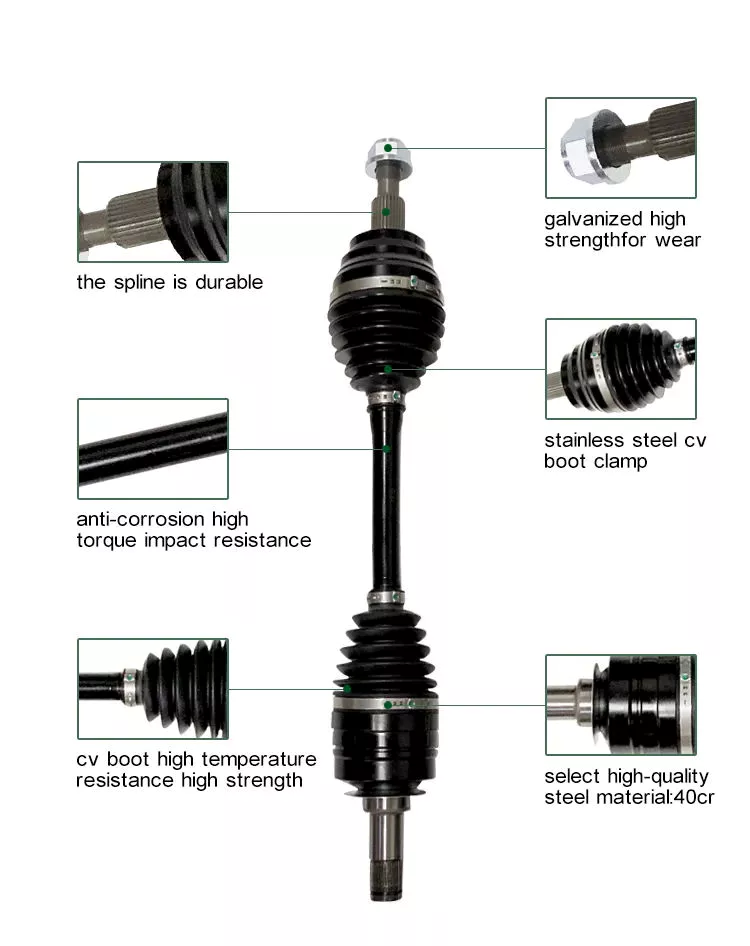
Можете объяснить, что представляют собой различные типы приводных валов и для каких конкретных целей они предназначены?
Карданные валы бывают разных типов, каждый из которых предназначен для конкретных задач и требований. Выбор карданного вала зависит от таких факторов, как тип транспортного средства или оборудования, потребности в передаче мощности, ограничения по пространству и условия эксплуатации. Ниже приведено объяснение различных типов карданных валов и их конкретных областей применения:
1. Цельный вал:
Цельный вал, также известный как сплошной стальной приводной вал, представляет собой единый, непрерывный вал, идущий от двигателя или источника питания к приводимым компонентам. Это простая и надежная конструкция, используемая во многих областях применения. Цельные валы обычно встречаются в автомобилях с задним приводом, где они передают мощность от трансмиссии к задней оси. Они также используются в промышленном оборудовании, таком как насосы, генераторы и конвейеры, где требуется прямая и жесткая передача мощности.
2. Трубчатый вал:
Трубчатые валы, также называемые полыми валами, представляют собой приводные валы с цилиндрической трубчатой структурой. Они имеют полую сердцевину и, как правило, легче, чем цельные валы. Трубчатые валы обладают такими преимуществами, как снижение веса, улучшенная жесткость на кручение и лучшее гашение вибраций. Они находят применение в различных транспортных средствах, включая автомобили, грузовики и мотоциклы, а также в промышленном оборудовании и механизмах. Трубчатые приводные валы широко используются в автомобилях с передним приводом, где они соединяют трансмиссию с передними колесами.
3. Вал постоянной скорости (ШСС):
Шарнирно-сочлененные валы (ШРУСы) специально разработаны для работы с угловыми перемещениями и поддержания постоянной скорости между двигателем/трансмиссией и приводными компонентами. Они оснащены шарнирами равных угловых скоростей (ШРУСами) на обоих концах, что обеспечивает гибкость и компенсацию изменений угла. ШРУСы широко используются в автомобилях с передним и полным приводом, а также в внедорожниках и некоторых видах тяжелой техники. ШРУСы обеспечивают плавную передачу мощности даже при повороте колес или движении подвески, снижая вибрации и улучшая общие характеристики.
4. Вал с шарнирным соединением:
Валы со скользящим соединением, также известные как телескопические валы, состоят из двух или более трубчатых секций, которые могут скользить друг относительно друга. Такая конструкция позволяет регулировать длину, компенсируя изменение расстояния между двигателем/трансмиссией и приводными компонентами. Валы со скользящим соединением широко используются в транспортных средствах с длинной колесной базой или регулируемой подвеской, таких как некоторые грузовики, автобусы и автодома. Обеспечивая гибкость в длине, валы со скользящим соединением гарантируют постоянную передачу мощности, даже при движении шасси транспортного средства или изменении геометрии подвески.
5. Двойной карданный вал:
Двойной карданный вал, также называемый двойным карданным валом, представляет собой тип приводного вала, в котором используются два карданных шарнира. Такая конфигурация помогает снизить вибрации и минимизировать углы поворота шарниров, что приводит к более плавной передаче мощности. Двойные карданные валы широко используются в тяжелых условиях эксплуатации, таких как грузовики, внедорожники и сельскохозяйственная техника. Они особенно подходят для применений с высокими требованиями к крутящему моменту и большими углами поворота, обеспечивая повышенную долговечность и производительность.
6. Композитный вал:
Композитные валы изготавливаются из композитных материалов, таких как углеродное волокно или стекловолокно, и обладают такими преимуществами, как снижение веса, повышение прочности и коррозионной стойкости. Композитные карданные валы все чаще используются в высокопроизводительных автомобилях, спортивных машинах и гоночных автомобилях, где снижение веса и повышение соотношения мощности к весу имеют решающее значение. Композитная конструкция позволяет точно регулировать характеристики жесткости и демпфирования, что приводит к улучшению динамики автомобиля и эффективности трансмиссии.
7. Вал отбора мощности:
Валы отбора мощности (ВОМ) — это специализированные приводные валы, используемые в сельскохозяйственной технике и некоторых промышленных устройствах. Они предназначены для передачи мощности от двигателя или источника питания к различным навесным устройствам, таким как косилки, пресс-подборщики или насосы. Валы ВОМ обычно имеют шлицевое соединение на одном конце для подключения к источнику питания и карданный шарнир на другом конце для компенсации угловых перемещений. Они отличаются способностью передавать высокие крутящие моменты и совместимостью с широким спектром приводных устройств.
8. Морской вал:
Морские валы, также известные как гребные валы или хвостовые валы, специально разработаны для морских судов. Они передают мощность от двигателя к гребному винту, обеспечивая движение. Морские валы обычно имеют большую длину и работают в суровых условиях, подвергаясь воздействию воды, коррозии и высоким крутящим моментам. Как правило, они изготавливаются из нержавеющей стали или других коррозионностойких материалов и рассчитаны на работу в сложных условиях, встречающихся в морской отрасли.
Важно отметить, что конкретные области применения карданных валов могут различаться в зависимости от производителя транспортного средства или оборудования, а также от конкретных конструктивных и инженерных требований. Приведенные выше примеры демонстрируют распространенные области применения для каждого типа карданных валов, но могут существовать дополнительные вариации и специализированные конструкции, основанные на специфических отраслевых потребностях и технологических достижениях.


editor by CX 2024-01-15























