
Описание продукта
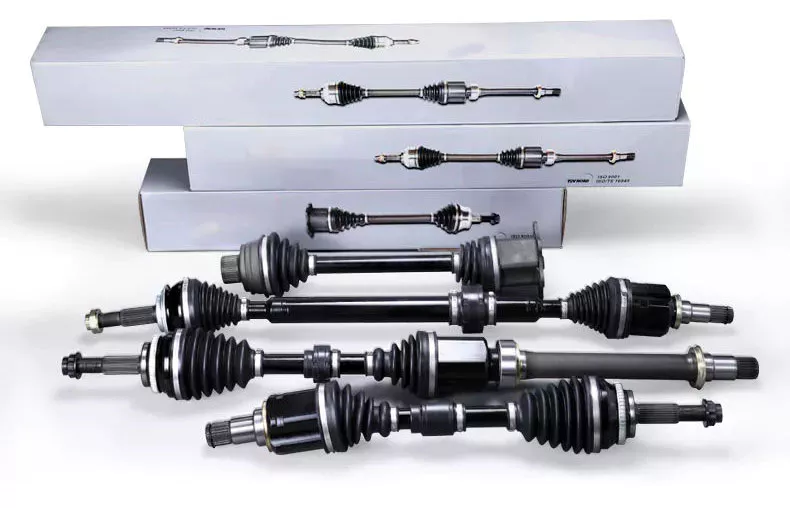
As a professional manufacturer for propeller shaft, we have
65-9462
ZZR0-25-100
65-9198
52853642AC
65-9400
1L2Z4A376AA
65-9536
5305711
65-9823
DL3Z4R602B
65-9538
52123112AA
65-9440
6R3Z4602B
65-9151
52853364AF
65-9110
7A2Z4R602N
65-9534
52105860AA
65-9114
F75Z4A376BB
65-9319
52853363AB
65-9116
F81Z4A376PA
65-9537
52853363AE
65-9442
5C3Z4A376A
65-9548
53006781
65-9443
BL8Z4R602A
65-9701
680 0571 2AA
for GMC/HUMMER
CARDONE
OE
CARDONE
OE
65-9371
25776616
65-9492
1 0571 298
for KOREA CAR
for HYUNDAI/KIA
CARDONE
OE
CARDONE
OE
65-3502
49571-H1031
936-211
49100-3E450
65-3503
49300-2S000
936-210
49100-3E400
65-3500
49300-0L000
936-200
49300-2P500
| Послепродажное обслуживание: | 1 Year |
|---|---|
| Состояние: | Новый |
| Цвет: | Black |
| Сертификация: | ISO, IATF |
| Тип: | Propeller Shaft/Drive Shaft |
| Application Brand: | for Audi |
| Образцы: |
US$ 300/Piece
1 штука (минимальный заказ) | |
|---|
| Настройка: |
Доступный
| Индивидуальный запрос |
|---|
Какие методы технического обслуживания имеют решающее значение для продления срока службы приводных валов?
Для продления срока службы приводных валов и обеспечения их оптимальной работы крайне важны несколько методов технического обслуживания. Регулярное техническое обслуживание помогает выявлять и устранять потенциальные проблемы до того, как они усугубятся, снижает износ и обеспечивает плавную и эффективную работу приводного вала. Вот некоторые важные методы технического обслуживания для продления срока службы приводных валов:
1. Регулярная проверка:
Регулярные проверки крайне важны для выявления любых признаков износа, повреждений или смещения. Визуально осмотрите карданный вал, обращая внимание на трещины, вмятины или любые признаки чрезмерного износа как самого вала, так и связанных с ним компонентов, таких как шарниры, вилки и шлицы. Проверьте наличие утечек смазки или загрязнения. Кроме того, осмотрите крепежные элементы и точки крепления, чтобы убедиться в их надежности. Раннее выявление любых проблем позволяет своевременно произвести ремонт или замену, предотвращая дальнейшее повреждение карданного вала.
2. Смазка:
Правильная смазка необходима для плавной работы и долговечности приводных валов. Смазывайте шарниры, такие как карданные или равные угловые шарниры, в соответствии с рекомендациями производителя. Смазка снижает трение, минимизирует износ и помогает рассеивать тепло, выделяемое во время работы. Используйте соответствующую смазку, указанную для конкретного приводного вала и области применения, учитывая такие факторы, как температура, нагрузка и условия эксплуатации. Регулярно проверяйте уровень смазки и пополняйте ее по мере необходимости, чтобы обеспечить оптимальную производительность и предотвратить преждевременный выход из строя.
3. Балансировка и выравнивание:
Поддержание правильной балансировки и соосности имеет решающее значение для срока службы приводных валов. Дисбаланс или смещение могут привести к вибрациям, ускоренному износу и потенциальному выходу из строя. Если во время работы обнаруживаются вибрации или необычные шумы, важно незамедлительно устранить их. При необходимости выполните процедуры балансировки, включая динамическую балансировку, чтобы обеспечить равномерное распределение веса по приводному валу. Кроме того, убедитесь, что приводной вал правильно соосен с двигателем или источником питания и приводимыми в движение компонентами. Смещение может вызвать чрезмерную нагрузку на приводной вал, что приведет к преждевременному выходу из строя.
4. Защитные покрытия:
Нанесение защитных покрытий может помочь продлить срок службы приводных валов, особенно в условиях эксплуатации в агрессивной среде или при воздействии агрессивных веществ. Для повышения устойчивости приводного вала к коррозии, ржавчине и химическим повреждениям рекомендуется использовать такие покрытия, как цинкование, порошковая покраска или специальные коррозионностойкие покрытия. Регулярно проверяйте покрытие на наличие признаков износа или повреждения и при необходимости наносите новые покрытия или проводите ремонт для поддержания защитного барьера.
5. Проверка момента затяжки и состояния крепежных элементов:
Убедитесь, что крепежные элементы приводного вала, такие как болты, гайки или зажимы, затянуты с надлежащим моментом и надежно закреплены в соответствии со спецификациями производителя. Незатянутые или недостаточно затянутые крепежные элементы могут привести к чрезмерной вибрации, смещению или даже отсоединению приводного вала. Периодически проверяйте и подтягивайте крепежные элементы в соответствии с рекомендациями или после проведения любых работ по техническому обслуживанию или ремонту. Кроме того, контролируйте уровень моментов затяжки во время работы, чтобы убедиться, что он остается в пределах указанного диапазона, поскольку чрезмерный момент затяжки может привести к перегрузке приводного вала и преждевременному выходу его из строя.
6. Охрана окружающей среды:
Защита приводного вала от воздействия окружающей среды может значительно продлить срок его службы. В условиях эксплуатации, подверженных воздействию экстремальных температур, влаги, химических веществ или абразивных материалов, необходимо принять соответствующие меры для защиты приводного вала. Это может включать использование защитных кожухов, уплотнений или ограждений для предотвращения попадания загрязнений и причинения повреждений. Регулярная очистка приводного вала, особенно в загрязненных или коррозионных средах, также помогает удалить мусор и предотвратить его накопление, которое может ухудшить его производительность и срок службы.
7. Рекомендации производителя:
Следуйте рекомендациям производителя по техническому обслуживанию, специфичным для данной модели приводного вала и области применения. Инструкции производителя могут включать конкретные интервалы для осмотров, смазки, балансировки или других работ по техническому обслуживанию. Соблюдение этих рекомендаций гарантирует надлежащее техническое обслуживание приводного вала, максимально увеличивая срок его службы и минимизируя риск непредвиденных поломок.
Внедрение этих методов технического обслуживания позволяет обеспечить надежную работу приводных валов, эффективную передачу мощности и увеличить срок их службы, что в конечном итоге сокращает время простоя и обеспечивает оптимальную производительность в различных областях применения.

What safety precautions should be followed when working with drive shafts?
Working with drive shafts requires adherence to specific safety precautions to prevent accidents, injuries, and damage to equipment. Drive shafts are critical components of a vehicle or machinery’s driveline system and can pose hazards if not handled properly. Here’s a detailed explanation of the safety precautions that should be followed when working with drive shafts:
1. Personal Protective Equipment (PPE):
Always wear appropriate personal protective equipment when working with drive shafts. This may include safety goggles, gloves, steel-toed boots, and protective clothing. PPE helps protect against potential injuries from flying debris, sharp edges, or accidental contact with moving parts.
2. Lockout/Tagout Procedures:
Before working on a drive shaft, ensure that the power source is properly locked out and tagged out. This involves isolating the power supply, such as shutting off the engine or disconnecting the electrical power, and securing it with a lockout/tagout device. This prevents accidental engagement of the drive shaft while maintenance or repair work is being performed.
3. Vehicle or Equipment Support:
When working with drive shafts in vehicles or equipment, use proper support mechanisms to prevent unexpected movement. Securely block the vehicle’s wheels or utilize support stands to prevent the vehicle from rolling or shifting during drive shaft removal or installation. This helps maintain stability and reduces the risk of accidents.
4. Proper Lifting Techniques:
When handling heavy drive shafts, use proper lifting techniques to prevent strain or injuries. Lift with the help of a suitable lifting device, such as a hoist or jack, and ensure that the load is evenly distributed and securely attached. Avoid lifting heavy drive shafts manually or with improper lifting equipment, as this can lead to accidents and injuries.
5. Inspection and Maintenance:
Prior to working on a drive shaft, thoroughly inspect it for any signs of damage, wear, or misalignment. If any abnormalities are detected, consult a qualified technician or engineer before proceeding. Regular maintenance is also essential to ensure the drive shaft is in good working condition. Follow the manufacturer’s recommended maintenance schedule and procedures to minimize the risk of failures or malfunctions.
6. Proper Tools and Equipment:
Use appropriate tools and equipment specifically designed for working with drive shafts. Improper tools or makeshift solutions can lead to accidents or damage to the drive shaft. Ensure that tools are in good condition, properly sized, and suitable for the task at hand. Follow the manufacturer’s instructions and guidelines when using specialized tools or equipment.
7. Controlled Release of Stored Energy:
Some drive shafts, particularly those with torsional dampers or other energy-storing components, can store energy even when the power source is disconnected. Exercise caution when working on such drive shafts and ensure that the stored energy is safely released before disassembly or removal.
8. Training and Expertise:
Work on drive shafts should only be performed by individuals with the necessary training, knowledge, and expertise. If you are not familiar with drive shafts or lack the required skills, seek assistance from qualified technicians or professionals. Improper handling or installation of drive shafts can lead to accidents, damage, or compromised performance.
9. Follow Manufacturer’s Guidelines:
Always follow the manufacturer’s guidelines, instructions, and warnings specific to the drive shaft you are working with. These guidelines provide important information regarding installation, maintenance, and safety considerations. Deviating from the manufacturer’s recommendations may result in unsafe conditions or void warranty coverage.
10. Disposal of Old or Damaged Drive Shafts:
Dispose of old or damaged drive shafts in accordance with local regulations and environmental guidelines. Improper disposal can have negative environmental impacts and may violate legal requirements. Consult with local waste management authorities or recycling centers to ensure appropriate disposal methods are followed.
By following these safety precautions, individuals can minimize the risks associated with working with drive shafts and promote a safe working environment. It is crucial to prioritize personal safety, use proper equipment and techniques, and seek professional help when needed to ensure the proper handling and maintenance of drive shafts.

What benefits do drive shafts offer for different types of vehicles and equipment?
Drive shafts offer several benefits for different types of vehicles and equipment. They play a crucial role in power transmission and contribute to the overall performance, efficiency, and functionality of various systems. Here’s a detailed explanation of the benefits that drive shafts provide:
1. Efficient Power Transmission:
Drive shafts enable efficient power transmission from the engine or power source to the wheels or driven components. By connecting the engine or motor to the driven system, drive shafts efficiently transfer rotational power, allowing vehicles and equipment to perform their intended functions. This efficient power transmission ensures that the power generated by the engine is effectively utilized, optimizing the overall performance and productivity of the system.
2. Versatility:
Drive shafts offer versatility in their applications. They are used in various types of vehicles, including cars, trucks, motorcycles, and off-road vehicles. Additionally, drive shafts are employed in a wide range of equipment and machinery, such as agricultural machinery, construction equipment, industrial machinery, and marine vessels. The ability to adapt to different types of vehicles and equipment makes drive shafts a versatile component for power transmission.
3. Torque Handling:
Drive shafts are designed to handle high levels of torque. Torque is the rotational force generated by the engine or power source. Drive shafts are engineered to efficiently transmit this torque without excessive twisting or bending. By effectively handling torque, drive shafts ensure that the power generated by the engine is reliably transferred to the wheels or driven components, enabling vehicles and equipment to overcome resistance, such as heavy loads or challenging terrains.
4. Flexibility and Compensation:
Drive shafts provide flexibility and compensation for angular movement and misalignment. In vehicles, drive shafts accommodate the movement of the suspension system, allowing the wheels to move up and down independently. This flexibility ensures a constant power transfer even when the vehicle encounters uneven terrain. Similarly, in machinery, drive shafts compensate for misalignment between the engine or motor and the driven components, ensuring smooth power transmission and preventing excessive stress on the drivetrain.
5. Снижение веса:
Drive shafts contribute to weight reduction in vehicles and equipment. Compared to other forms of power transmission, such as belt drives or chain drives, drive shafts are typically lighter in weight. This reduction in weight helps improve fuel efficiency in vehicles and reduces the overall weight of equipment, leading to enhanced maneuverability and increased payload capacity. Additionally, lighter drive shafts contribute to a better power-to-weight ratio, resulting in improved performance and acceleration.
6. Durability and Longevity:
Drive shafts are designed to be durable and long-lasting. They are constructed using materials such as steel or aluminum, which offer high strength and resistance to wear and fatigue. Drive shafts undergo rigorous testing and quality control measures to ensure their reliability and longevity. Proper maintenance, including lubrication and regular inspections, further enhances their durability. The robust construction and long lifespan of drive shafts contribute to the overall reliability and cost-effectiveness of vehicles and equipment.
7. Safety:
Drive shafts incorporate safety features to protect operators and bystanders. In vehicles, drive shafts are often enclosed within a protective tube or housing, preventing contact with moving parts and reducing the risk of injury in the event of a failure. Similarly, in machinery, safety shields or guards are commonly installed around exposed drive shafts to minimize the potential hazards associated with rotating components. These safety measures ensure the well-being of individuals operating or working in proximity to vehicles and equipment.
In summary, drive shafts offer several benefits for different types of vehicles and equipment. They enable efficient power transmission, provide versatility in various applications, handle torque effectively, offer flexibility and compensation, contribute to weight reduction, ensure durability and longevity, and incorporate safety features. By providing these advantages, drive shafts enhance the performance, efficiency, reliability, and safety of vehicles and equipment across a wide range of industries.


editor by CX 2023-10-21























