
Descriere produs
Transmission shaft
Descriere produs
| Nume produs | Transmission shaft |
| Design | Can be at the customer’ request, tailor-made, at customer’s design |
| Advantage | ZJD can provide the transmission shaft according to customers technical specifications. |
Our Advantages
Aplicație
Product Display
Profilul Companiei
ZJD is located in Xihu (West Lake) Dis. Economic Development Zone, Xihu (West Lake) Dis. District, HangZhou, ZheJiang , which has very good transportation convenience and location advantages.ZJD own 1 subsidiary, which is located in HangZhou city, ZheJiang province, which is mainly responsible for EMU accessories for CRRC’s factory nearby.
ZJD’s production and office space is more than 12,000 square meters, and more than 60 sets of various types of CNC machining and quality control equipment.ZJD’s main products are widely used in CHINAMFG CR400, CR300, CR200 series standard EMUs, and expanded to subways, export passenger cars and EMUs and other products.
ZJD has more than 60 employees and more than 20 technical management personnel. The technical management team has many years of working experience in the rail transit industry.
Certificări
ZJD has obtained the national high-tech enterprise certification, 6 types of products have passed the high-tech certification, and related products have obtained more than 20 patents.
ZJD has established a comprehensive quality management system and has got ISO9001 quality management system certification, ISO/TS 22163 (IRIS) international railway industry standard certification, EN15085-2 railway vehicles welding system certification, and CHINAMFG product supply service qualification certification.
FAQ
1. Who are we?
HangZhou ZJD Rail Equipment Co.,Ltd. was established in 2012, which is a professional manufacturer of rail equipment and accessories.
2. Are you a reliable supplier?
ZJD-Excellent Manufacturer focusing on the rolling stock industry
Provide full-process Design, Production, Testing and Service according to customer requirements.
3.What can you buy from us?
We have designed and supplied a series of products such an air duct systems, piping systerms, pneumatic control units,etc.The product are used in various fields such an EMUs,subways,locomotives,wagon engineering vehicles,etc.
4. What services can we provide?
Provide customized services of heavy industry products for special requirements.
Provide diversified parts and trade services such as port machinery, steel heavy industry, mining machinery, etc.
Provide customized products for new energy equipment
Provide key process technology solutions for special parts in the field of new energy equipment.
/* March 10, 2571 17:59:20 */!function(){function s(e,r){var a,o={};try{e&&e.split(“,”).forEach(function(e,t){e&&(a=e.match(/(.*?):(.*)$/))&&1
| Material: | Oțel carbon |
|---|---|
| Load: | Revolution Axis |
| Stiffness & Flexibility: | Flexible Shaft |
| Axis Shape: | Straight Shaft |
| Shaft Shape: | Real Axis |
| Appearance Shape: | Round |
| Personalizare: |
Disponibil
| Cerere personalizată |
|---|
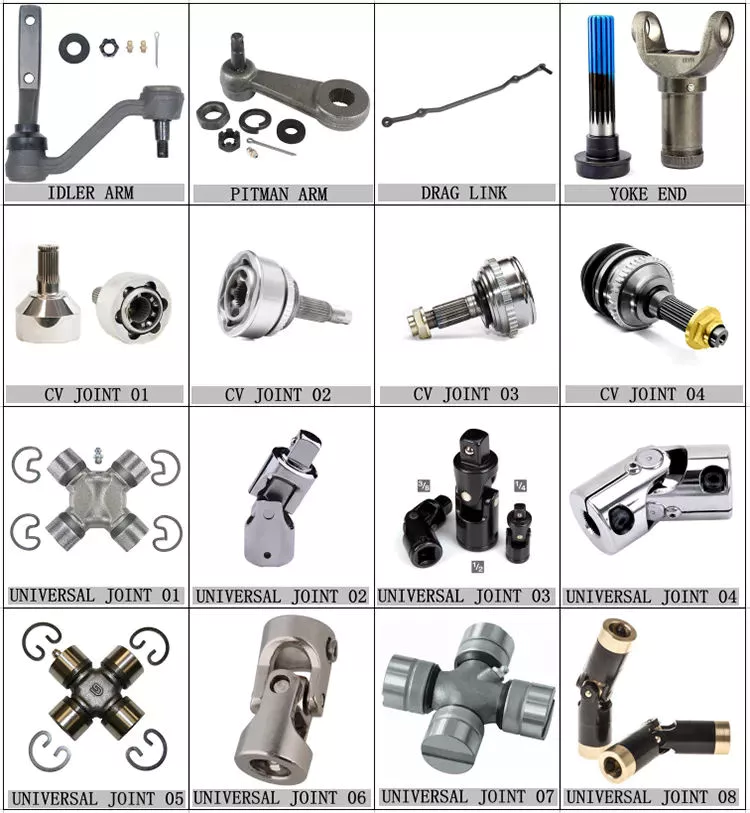
Can PTO shafts be adapted for use in both agricultural and industrial settings?
Yes, PTO (Power Take-Off) shafts can be adapted for use in both agricultural and industrial settings. While PTO shafts are commonly associated with agricultural machinery, they are versatile components that can be utilized in various applications beyond the agricultural sector. With appropriate modifications and considerations, PTO shafts can effectively transfer power in industrial settings as well. Here’s a detailed explanation of how PTO shafts can be adapted for both agricultural and industrial use:
1. Standard PTO Shaft Design: PTO shafts have a standardized design that allows for compatibility and interchangeability across different equipment and machinery. This standardization enables PTO shafts to be used in various applications, including both agricultural and industrial settings. The basic components of a PTO shaft, such as the universal joints, splined shafts, and protective guards, remain consistent, regardless of the specific application. This consistency allows for easy adaptation and integration into different machinery and equipment.
2. Shaft Length and Sizing: PTO shafts can be customized in terms of length and sizing to suit specific requirements in both agricultural and industrial settings. The length of the shaft can be adjusted to accommodate different distances between the power source and the driven machinery. This flexibility allows for optimal power transmission and ensures compatibility with various equipment setups. Similarly, the sizing of the PTO shaft, including the diameter and splined shaft specifications, can be tailored to meet the torque and power requirements of different applications, whether in agriculture or industry.
3. Power Requirements: PTO shafts are designed to transfer power from a power source to driven machinery. In agricultural settings, the power source is typically a tractor or other agricultural vehicles, while in industrial settings, it can be an engine, motor, or power unit specific to the industry. PTO shafts can be adapted to handle different power requirements by considering factors such as torque capacity, rotational speed, and the specific demands of the machinery or equipment being driven. By selecting the appropriate PTO shaft based on the power requirements, the shaft can effectively transfer power in both agricultural and industrial applications.
4. Safety Considerations: Safety is a critical aspect of PTO shaft design and usage, regardless of the application. PTO shafts incorporate safety features such as protective guards and shields to prevent accidental contact with rotating components. These safety measures are essential in agricultural and industrial settings to minimize the risk of entanglement, injury, or damage. Adapting PTO shafts for industrial use may require additional safety considerations based on the specific hazards present in industrial environments. However, the core safety principles and features of PTO shafts can be applied and adapted to ensure safe operation in both settings.
5. Specialized Attachments: PTO shafts can be equipped with specialized attachments or adapters to accommodate different driven machinery or equipment. In agricultural settings, PTO shafts commonly connect to implements such as mowers, balers, or sprayers. In industrial settings, PTO shafts may be adapted to connect to various industrial machinery, including pumps, generators, compressors, or conveyors. These specialized attachments ensure compatibility and efficient power transfer between the PTO shaft and the driven equipment, allowing for seamless integration in both agricultural and industrial applications.
6. Environmental Considerations: PTO shafts can be adapted to address specific environmental conditions in both agricultural and industrial settings. For example, in agricultural applications, PTO shafts may need to withstand exposure to dirt, dust, moisture, and varying weather conditions. Industrial settings may have their unique environmental challenges, such as exposure to chemicals, high temperatures, or abrasive materials. By selecting PTO shaft materials, protective coatings, and seals suitable for the specific environment, the shafts can be adapted to ensure reliable and durable performance in various settings.
7. Respectarea standardelor: PTO shafts, whether used in agricultural or industrial settings, need to comply with relevant safety standards and regulations. Manufacturers adhere to guidelines and requirements set by organizations such as the American Society of Agricultural and Biological Engineers (ASABE) or other regional safety authorities. Compliance ensures that PTO shafts meet safety criteria and performance standards applicable to both agricultural and industrial environments. Users can rely on standardized PTO shafts that have undergone testing and certification, offering assurance regarding their reliability and safety.
By considering the factors mentioned above, PTO shafts can be adapted to effectively transfer power in both agricultural and industrial settings. The versatile nature of PTO shafts, coupled with customization options, safety considerations, specialized attachments, and compliance with standards, allows for their successful integration into a wide range of machinery and equipment across various industries.
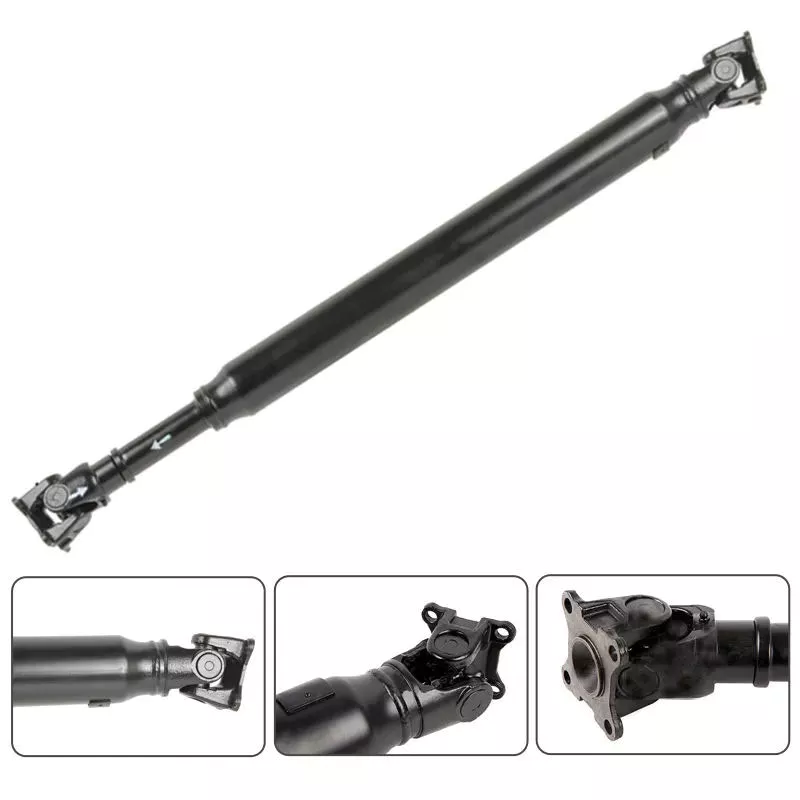
Are there any limitations or disadvantages associated with PTO shafts?
While PTO (Power Take-Off) shafts offer numerous advantages in terms of power transfer and versatility, they also have certain limitations and disadvantages. It’s important to consider these factors when using PTO shafts to ensure safe and efficient operation. Here’s a detailed explanation of some limitations and disadvantages associated with PTO shafts:
1. Safety Hazards: One of the primary concerns with PTO shafts is the potential for safety hazards. PTO shafts rotate at high speeds and can pose a significant risk if not properly guarded or handled. Accidental contact with an exposed or inadequately shielded PTO shaft can result in severe injuries, including entanglement, amputation, or even fatalities. It is crucial to follow safety guidelines, implement proper guarding, and ensure that operators are well-trained on safe handling practices to mitigate these risks.
2. Întreținere și lubrifiere: PTO shafts require regular maintenance and lubrication to ensure optimal performance and longevity. The moving parts, such as universal joints and splines, need to be inspected, cleaned, and lubricated at recommended intervals. Neglecting maintenance can lead to premature wear, decreased efficiency, and potential failures. Proper maintenance practices, including regular inspections and timely lubrication, are essential to mitigate these issues.
3. Alignment and Angles: PTO shafts rely on proper alignment and angles to ensure efficient power transfer. Misalignment or excessive angles between the power source and driven machinery can cause increased wear and strain on the components, leading to premature failure. Ensuring proper alignment and angle adjustment, using adjustable sliding yokes or other means, is important to prevent excessive stress on the PTO shaft and associated equipment.
4. Length Limitations: PTO shafts have limitations on their maximum and minimum length due to engineering constraints. The telescoping design allows for some adjustment, but there is a practical limit to how much the shaft can extend or retract. If the distance between the power source and driven machinery exceeds the maximum or falls below the minimum length of the PTO shaft, alternative solutions or modifications may be required. In some cases, additional components such as drive shaft extensions or gearboxes may be necessary to bridge the distance.
5. Compatibility: While manufacturers strive to ensure compatibility, there can still be challenges in finding the right PTO shaft for specific equipment configurations. Equipment may have unique requirements in terms of spline sizes, torque ratings, or connection methods that may not be readily available or compatible with off-the-shelf PTO shafts. Customization may be required to address these compatibility issues, which can result in increased costs or lead times.
6. Noise and Vibrations: PTO shafts in operation can generate significant noise and vibrations, especially at higher speeds. This can be a nuisance for operators and may require additional measures to reduce noise levels or dampen vibrations. Excessive vibrations can also affect the overall performance and lifespan of the PTO shaft and connected equipment. Implementing vibration dampeners or using flexible couplings can help mitigate these issues.
7. Power Limits: PTO shafts have specific power limits based on their design, materials, and components. Exceeding these power limits can lead to premature wear, component failures, or even shaft breakage. It is crucial to understand and adhere to the recommended power ratings for PTO shafts to ensure safe and reliable operation. In some cases, upgrading to a higher-capacity PTO shaft or implementing additional power transmission components may be necessary to accommodate higher power requirements.
8. Complex Installation and Removal: Installing and removing PTO shafts can be a complex process, especially in confined spaces or when dealing with heavy equipment. It may require aligning splines, engaging couplings, and securing locking mechanisms. Improper installation or removal techniques can lead to damage to the shaft or associated equipment. Proper training, handling equipment, and following manufacturer guidelines are essential to simplify and ensure the safe installation and removal of PTO shafts.
Despite these limitations and disadvantages, PTO shafts remain widely used and valuable components for power transfer in various industries. By addressing these considerations and implementing proper safety measures, maintenance practices, and alignment procedures, the potential drawbacks of PTO shafts can be effectively mitigated, allowing for safe and efficient operation.

Ce industrii utilizează în mod obișnuit arbori cardanici pentru transmisia puterii?
Arborii cardanici (Power Take-Off shafts) sunt utilizați pe scară largă în diverse industrii unde este necesară transmiterea puterii pentru acționarea utilajelor și echipamentelor. Versatilitatea, eficiența și compatibilitatea lor cu diferite tipuri de utilaje îi fac componente valoroase în mai multe sectoare. Iată o explicație detaliată a industriilor care utilizează în mod obișnuit arbori cardanici pentru transmiterea puterii:
1. Agricultură: Industria agricolă se bazează în mare măsură pe arbori cardanici pentru transmisia puterii. Tractoarele echipate cu prize de putere sunt utilizate în mod obișnuit pentru a acționa o gamă largă de unelte și utilaje agricole. Echipamentele acționate de priză de putere includ cositoare, prese de balotat, freze, semănătoare, pulverizatoare, spirale pentru cereale, combine de recoltat și multe altele. Arborii cardanici permit transferul eficient al puterii de la motorul tractorului la aceste unelte, permițând diverse operațiuni agricole, cum ar fi tăierea, balotarea, aratarea, plantarea, pulverizarea și recoltarea. Sectorul agricol depinde în mare măsură de arbori cardanici pentru a spori productivitatea și a eficientiza procesele agricole.
2. Construcții și lucrări de terasament: În industria construcțiilor și a lucrărilor de terasament, arborii cardanici își găsesc aplicații în utilajele utilizate pentru excavare, nivelare și manipularea materialelor. Echipamentele acționate de priză de putere, cum ar fi excavatoarele, încărcătoarele, excavatoarele, excavatoarele de șanțuri și frezele de cioturi, utilizează arbori cardanici pentru a transfera puterea de la motoarele principale, de obicei sistemele hidraulice, pentru a acționa atașamentele necesare. Aceste atașamente necesită cuplul și puterea ridicate furnizate de arborii cardanici pentru a efectua sarcini precum săparea, încărcarea, săparea de șanțuri și măcinarea. Arborii cardanici permit o transmisie versatilă și eficientă a puterii în operațiunile de construcții și terasamente.
3. Silvicultură: Industria forestieră utilizează arbori cardanici pentru transmiterea puterii în diverse echipamente de exploatare forestieră și prelucrare a lemnului. Utilajele acționate de priză de putere, cum ar fi tocătoarele de lemne, gaterele, despicătoarele de bușteni și decojitoarele, se bazează pe arbori cardanici pentru a transfera puterea de la tractoare sau unități de putere dedicate pentru a efectua sarcini precum ciobirea, tăierea, despicarea și decojirea lemnului. Arborii cardanici furnizează puterea și cuplul necesare pentru a acționa mecanismele de tăiere și prelucrare, permițând operațiuni forestiere eficiente și productive.
4. Amenajarea peisagistică și întreținerea terenurilor: Arborele cardanice joacă un rol crucial în industria amenajării peisagistice și a întreținerii terenurilor. Echipamente precum mașinile de tuns iarba, mașinile de tuns iarba rotative, mașinile de tuns iarba cu ciocane și aeratoarele utilizează arbori cardanici pentru a transfera puterea de la tractoare sau unități de putere dedicate pentru a acționa mecanismele de tăiere sau de îngrijire. Arborele cardanice permit o transmitere eficientă a puterii, permițând operatorilor să întrețină peluzele, parcurile, terenurile de golf și alte spații exterioare cu precizie și productivitate.
5. Minerit și cariere: Arborele cardanice au aplicații în industria minieră și de exploatare, în special în echipamentele utilizate pentru extracția, concasare și sortare a materialelor. Utilajele acționate de priză de putere, cum ar fi concasoarele, cernetoarele și transportoarele, se bazează pe arborii cardanici pentru a transfera puterea de la motoare sau motoare pentru a acționa mecanismele de concasare și sortare, precum și sistemele de manipulare a materialelor. Arborele cardanice furnizează puterea și cuplul necesare pentru a procesa și transporta eficient materialele vrac în operațiunile miniere și de exploatare.
6. Producție industrială: Arborele cardanice sunt utilizate în diverse procese industriale de fabricație care necesită transmisie de putere pentru a acționa anumite utilaje și echipamente. Industrii precum prelucrarea alimentelor, fabricarea textilelor, producția de hârtie și prelucrarea substanțelor chimice pot utiliza utilaje acționate de priză de putere pentru sarcini precum amestecarea, amestecarea, tăierea, extrudarea și transportul. Arborele cardanice permit un transfer eficient de putere către aceste mașini, asigurând o funcționare lină și fiabilă în mediile de fabricație industrială.
7. Întreținerea utilităților și a infrastructurii: Arborele cardanice își găsesc aplicații în utilități și operațiuni de întreținere a infrastructurii. Echipamente precum măturatoarele stradale, mașinile de curățat canalizările, mașinile de întreținere a drumurilor și forajele de drenaj utilizează arbori cardanici pentru a transfera puterea de la camioane sau unități de alimentare dedicate pentru a îndeplini sarcini precum măturatul, curățarea și întreținerea drumurilor, canalizării și a altor infrastructuri publice. Arborele cardanice permit o transmitere eficientă a puterii, asigurând funcționarea eficientă și fiabilă a acestor mașini de utilități și întreținere.
8. Alții: Arborele cardanice sunt utilizate și în alte industrii și sectoare în care este necesară transmisia puterii. Acestea includ aplicații în industria transporturilor pentru alimentarea unităților de refrigerare, a pompelor de combustibil și a sistemelor hidraulice din camioane și remorci. Arborele cardanice își găsesc aplicații și în industria maritimă pentru alimentarea troliilor, pompelor și a altor echipamente de pe bărci și nave.
În concluzie, arborii cardanici sunt utilizați în mod obișnuit într-o gamă largă de industrii pentru transmiterea puterii. Aceste industrii includ agricultura, construcțiile și lucrările de terasament, silvicultura, amenajarea teritoriului și întreținerea terenurilor, mineritul și exploatarea carierelor, producția industrială, utilitățile și întreținerea infrastructurii, transporturile și sectoarele maritime. Arborii cardanici joacă un rol esențial în creșterea productivității, permiterea funcționării eficiente a utilajelor și facilitarea diverselor sarcini în aceste industrii.

editor by CX 2024-02-01























