
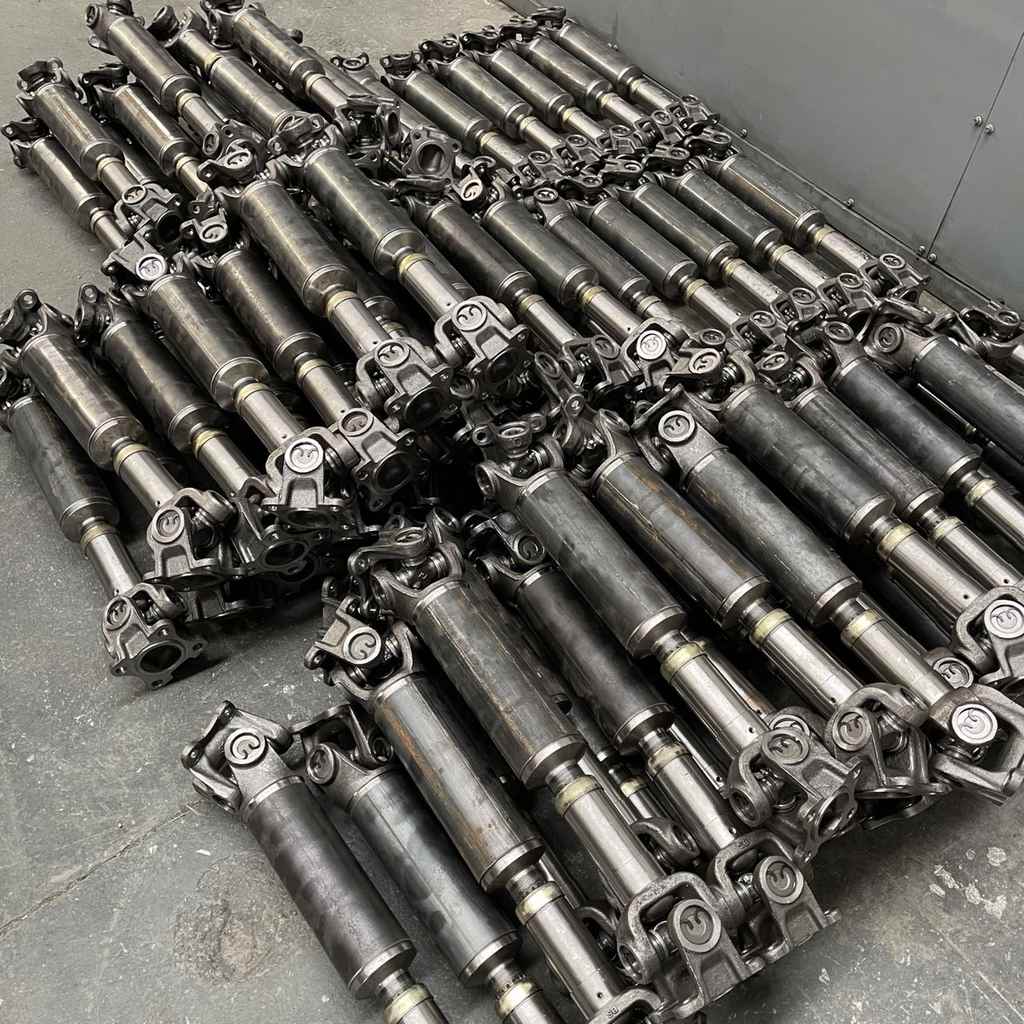
 Across farms in Yorkshire, construction sites in Birmingham, and industrial yards in Sheffield, a neglected PTO shaft is one of the most common causes of unexpected drivetrain failure in the field. The power take-off shaft — that spinning, splined tube connecting a tractor or prime mover to an attached implement — works under relentless rotational load, angular displacement, and the kind of environmental abuse that would destroy a lesser component within weeks. And yet, with a disciplined greasing schedule and a clear understanding of the wear patterns unique to PTO drive shafts, service life of five to ten years is entirely achievable. This guide breaks down exactly how lubrication works inside a PTO shaft, which greases perform best under high-torque British agricultural and industrial conditions, and the inspection routines that separate proactive engineers from reactive ones.
Section 01
Why Lubrication Is the Core of PTO Shaft Longevity
Inside every PTO shaft assembly there are at least four distinct interfaces demanding continuous lubrication: the two universal joints (sometimes called Hooke’s joints or Cardan joints), the inner sliding tube — which extends and collapses as the implement moves — and the outer guard bearing. Each of these surfaces experiences a unique combination of pressure, sliding velocity, and contamination exposure. The universal joint needle roller bearings, for instance, rotate through a full oscillation cycle with every revolution of the shaft, making them arguably the highest-wear component in the assembly. Without adequate grease film thickness, the needles score their cups, backlash develops, and the characteristic rhythmic knocking begins — a sound that experienced operators in the agricultural heartlands of Lincolnshire and Cheshire know all too well.
The sliding profile — whether it uses a triangular, lemon, or star cross-section — must remain free of corrosion while sustaining an unbroken grease film across its full travel range. In practice, telescopic profiles operating in muddy British field conditions can experience water ingress every single day, which converts even a modest grease film into an emulsion that offers virtually no protection. Operators who understand this dynamic are the ones who grease before work, not after it.
Key Lubrication Points
- Front universal joint crosses
- Rear universal joint crosses
- Inner sliding profile / telescopic tube
- Outer guard bearing (where fitted)
- PTO stub shaft spline (at tractor)
- Implement input spline (if accessible)
⚠ Industry Insight
Studies across UK farm machinery repair networks suggest that over 60% of PTO shaft failures are directly attributable to inadequate or incorrect lubrication practice — not mechanical overload or fatigue.
Section 02
Choosing the Right Grease for Your PTO Drive Shaft
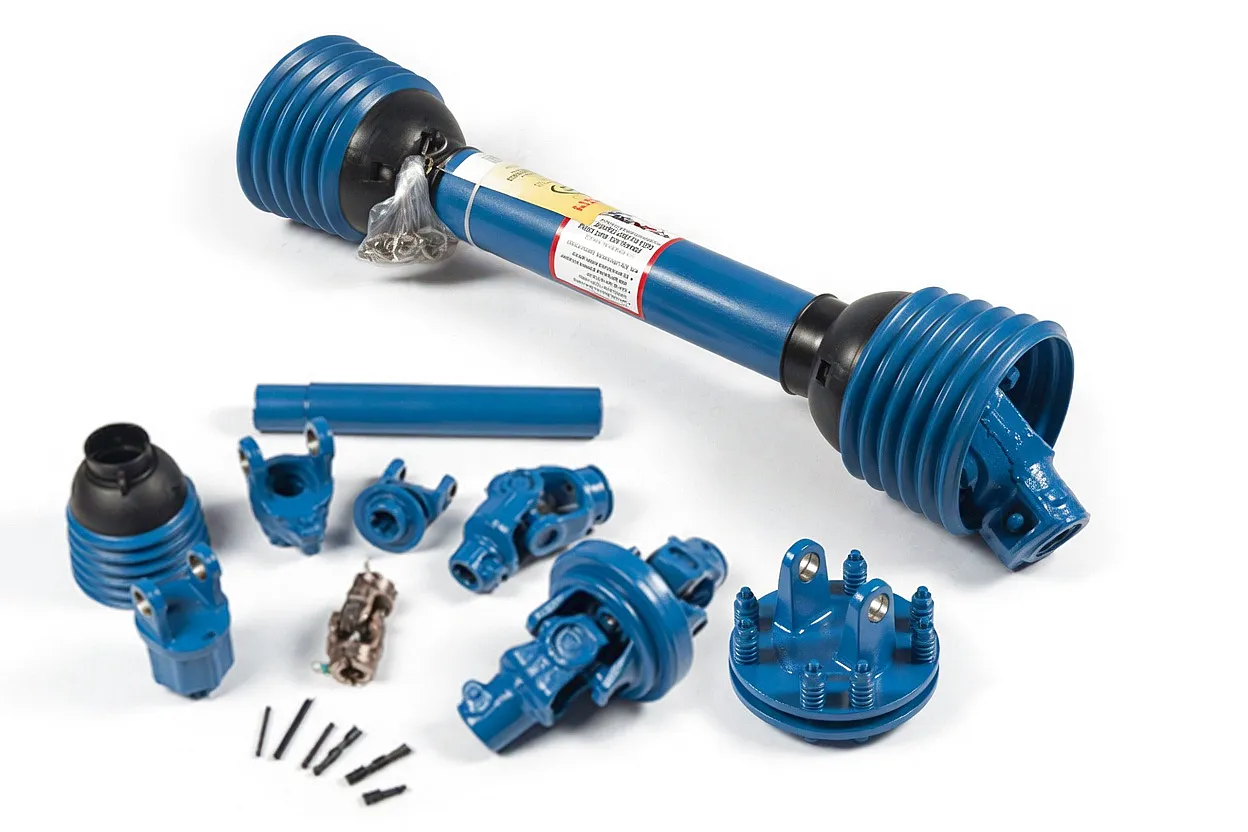
Not every grease on the shelf at your local agricultural merchant or industrial supplier in Sheffield is suitable for a PTO shaft. The wrong grease — even one marketed for general agricultural use — can strip existing grease films during application, separate under the centrifugal forces generated at 540 or 1,000 rpm, or simply fail to adhere to the sliding profile after a single work session in wet conditions. Understanding grease classification, base oil viscosity, thickener type, and additive package is the difference between an annual greasing routine that works and one that merely postpones inevitable wear.
NLGI #2 Lithium Complex
The workhorse grease for PTO universal joints across UK agriculture and construction. Lithium complex thickeners withstand temperature swings from cold Yorkshire mornings to heat-soaked gearbox adjacency, without structural breakdown. A dropping point above 250°C ensures the grease stays put during high-speed operation.
Moly-Fortified EP Grease
Molybdenum disulphide (MoS2) additives provide a sacrificial layer during metal-to-metal contact events — precisely the scenario during rapid implement angle changes. For heavy-duty PTO applications in Birmingham’s manufacturing sector or on forestry equipment in mid-Wales, EP moly grease reduces wear by up to 30% versus standard lithium greases in controlled comparative testing.
Calcium Sulphonate Complex
Emerging as the premium option for operators facing constant water exposure — coastal Norfolk potato growers, East Anglian vegetable farmers, or Scottish Highland estates with river-crossing equipment. Calcium sulphonate complex greases resist water washout at a fundamentally different level to lithium products, maintaining viscosity and adhesion even during rain-saturated operations.
Food-Grade PTFE Grease
Relevant specifically for PTO shafts driving food-processing equipment at UK processing facilities — sugar beet washers in Lincolnshire, grain augers, or dairy feed mixers. PTFE (polytetrafluoroethylene) greases comply with H1 food-grade requirements while delivering excellent lubricity on telescopic profiles where conventional greases are inadmissible.
Section 03
Step-by-Step: How to Grease a PTO Shaft Correctly
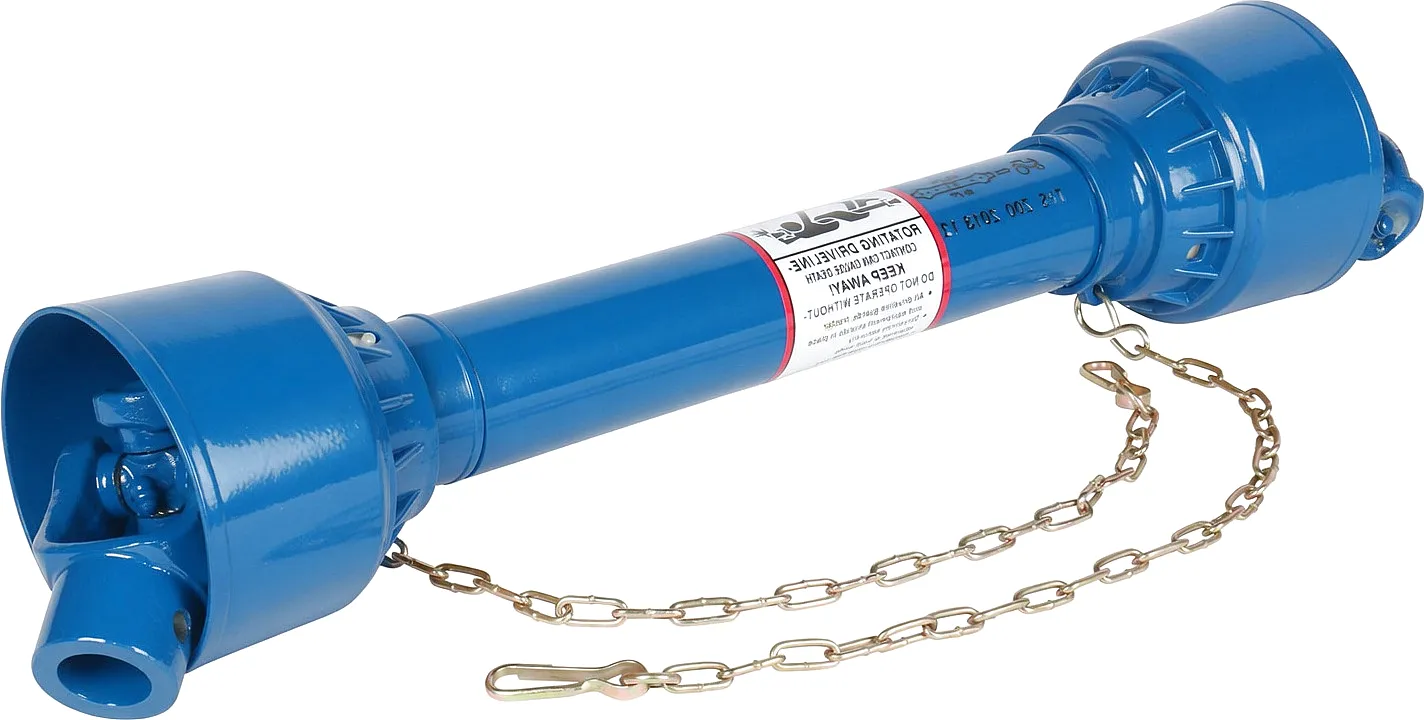
Greasing a PTO shaft sounds straightforward — press a grease gun nipple to a zerk fitting and pump until grease emerges. In reality, the technique, frequency, and sequence matter enormously. Many hours of service life are lost every season across the UK because operators pump new grease into already-contaminated joints without purging old material, use the wrong gun pressure (high-pressure guns can blow universal joint seals if the joint is cold), or fail to extend the profile to its full travel before greasing the inner tube. The following procedure has been developed across decades of transmission engineering practice and reflects current best practice for PTO drive shafts operating in British conditions.
01
Disengage and Lock Out
Always disengage the PTO, shut the engine, and allow the shaft to come to a complete standstill before approaching. On tractors working at UK agricultural contracting firms, this should be enforced as a site-specific procedure under the relevant PUWER regulations. Remove any accumulated mud or crop debris from around the guard and shaft body before removing the safety guard to access the grease nipples.
02
Wipe and Inspect All Nipples
Use a clean rag to wipe every grease nipple (Schrader-type or ball-check zerk) free of mud and old grease. A blocked nipple will cause the gun to backpressure without delivering grease to the joint — a very common and easily missed problem. Check that the zerk needle is clean and that old, hardened grease isn’t capping the entry channel. Replace any nipples that fail to accept the gun coupler cleanly.
03
Extend the Telescopic Profile Fully
Before greasing the inner tube, manually extend the shaft to its maximum operating length. This ensures grease is applied to the full sliding surface rather than just the portion currently visible. On a PTO shaft that only gets greased at mid-stroke, large sections of the inner profile run dry — particularly at the limits of travel where the implement swings to maximum angle. This is a leading cause of premature telescopic tube failure on UK farm equipment.
04
Grease Universal Joints
Apply 3 to 5 slow, deliberate pumps to each universal joint nipple using a low-to-medium pressure grease gun. Watch for grease purging from the opposite bearing cup — this confirms the cavity is filling. If grease exits from the seal lip rather than a cup vent, stop pumping: the seal has been over-pressurised. On stub shafts with four-nipple cross joints, grease all four nipples in sequence, rotating the shaft slightly between applications to even grease distribution.
05
Grease the Inner Sliding Profile
Using the inner tube grease nipple (usually located on the male profile end cap), pump until fresh grease begins to emerge from the outer tube end seal. Then manually work the shaft in and out through its full travel three to four times to distribute grease evenly. This stroke-and-pump method is especially critical on PTO drive shafts operating at wide operating angles, such as those driving front-mounted implements on articulated tractors common in UK market garden operations.
06
Reassemble and Verify Guard Rotation
Refit the safety guard and verify it rotates freely — the guard must spin independently of the shaft itself. On PTO drive shafts with integrated guard bearings, check the bearing for heat and drag after the first short work session following maintenance. Log the service in a maintenance record, noting the grease type, quantity, shaft serial number, and date. UK-based hire fleets and agricultural contracting firms should record this against specific machine asset numbers for fleet compliance purposes.
Section 04
PTO Shaft Technical & Performance Parameters
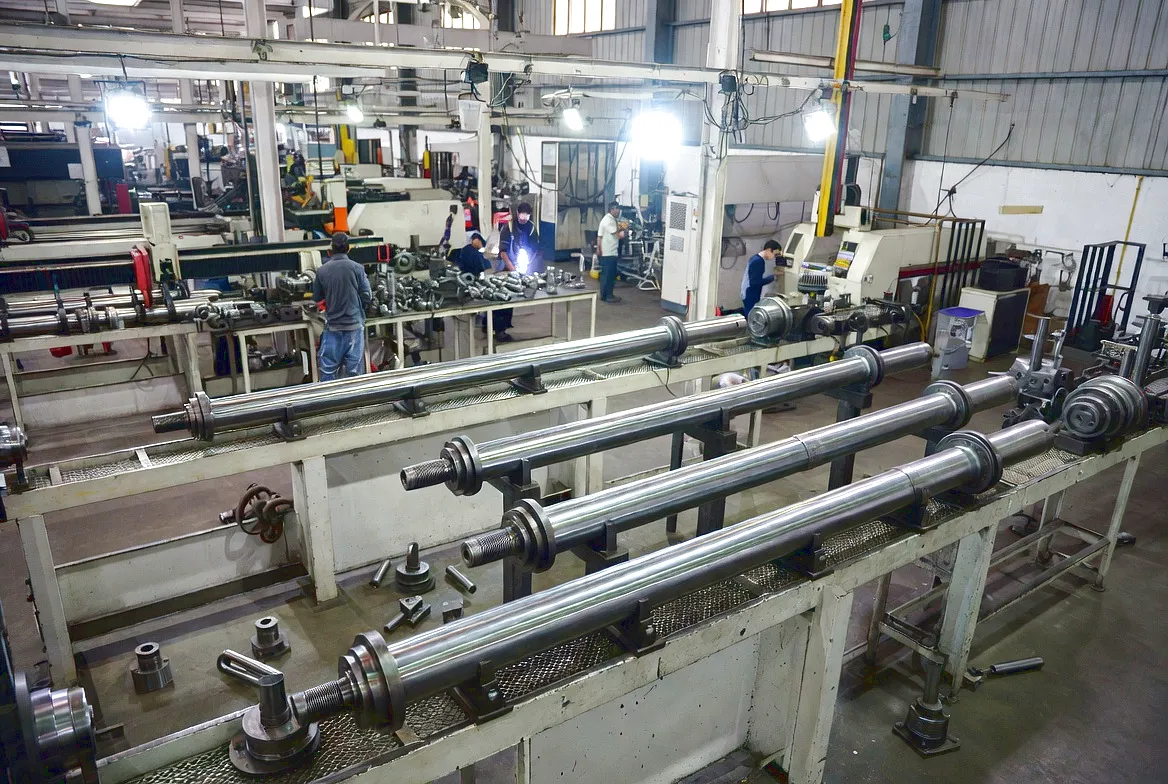
Selecting the correct PTO shaft specification for your application is as fundamental as any maintenance decision. Matching shaft series to transmitted torque, ensuring the operating angle remains within the joint’s design envelope, and specifying the right tube profile for the extend-collapse range are all prerequisites for a maintenance schedule to have any value. The following table summarises the principal technical parameters for the five shaft series that cover the broadest range of UK agricultural, groundscare, and light industrial PTO applications.
| Shaft Series | Max Torque (Nm) | Max Operating Angle (°) | Speed (rpm) | Profilul tubului | Shaft Material | Grease Interval | Typical Application |
|---|---|---|---|---|---|---|---|
| Series 1 | 200 | 25° | 1,000 | Triunghiular | Mild Steel / C20 | 8 hrs | Lawn mowers, light groundscare |
| Series 4 | 600 | 25° | 540 / 1,000 | Lemon / Star | Alloy Steel / C35 | 8–10 hrs | Spreaders, balers, mowers |
| Series 6 | 1,200 | 30° | 540 / 1,000 | Star / Lemon | Alloy Steel / 40Cr | 8 hrs | Ploughs, forage harvesters |
| Series 7W | 2,500 | 30° | 1,000 | Wide-angle Star | 40CrMo / Induction Hardened | Every 8 hrs | Heavy cultivators, round balers |
| Series 8 | 4,000+ | 35° | 1,000 | Star / Lobular | 42CrMo4 / Case Hardened | Every 5–8 hrs | Industrial drives, slurry tankers |
Section 05
Maintenance Intervals, Inspection Criteria & Wear Indicators
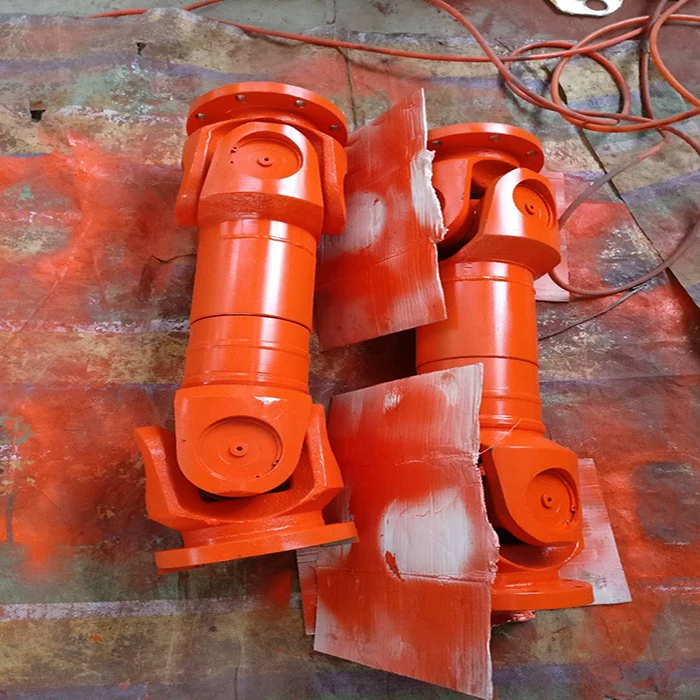 The greasing interval for a PTO shaft is not arbitrary — it is a function of rotational speed, operating angle, ambient contamination level, and whether the shaft incorporates friction clutch or overrunning clutch protection. The universally cited “every 8 operating hours” baseline applies to standard agricultural shafts running at moderate angles in typical UK field conditions. But in practice, operators in regions of high rainfall — the West Country, Wales, and upland areas of Scotland and the north of England — should treat this interval with some conservatism and consider a 4–6 hour cycle during intensive autumn or spring work campaigns.
Beyond greasing, a proper PTO shaft maintenance programme must include periodic inspection of eight specific wear indicators. Universal joint crosses that exhibit lateral play of more than 0.1 mm represent a significant safety and performance concern: at 1,000 rpm, even a 0.2 mm radial knock generates vibration loads that transmit directly to tractor output shaft bearings and implement input gearboxes. Catching this level of wear early — before metal-on-metal contact develops between the trunnion and cup — is the most cost-effective maintenance decision an operator can make.
✓ Inspection Checklist
Section 06
Industrial & Agricultural Application Scenarios Across the UK
The diversity of UK industry means that PTO drive shafts are found in environments ranging from the cereal-growing flatlands of East Anglia to the quarrying districts of the Welsh Marches, from dairy processing plants in Cheshire to steel-fabrication support equipment in Sheffield’s advanced manufacturing quarter. Each environment presents a distinct combination of duty cycle, contamination exposure, and torque demand — and each requires a correspondingly tailored maintenance approach. Understanding which scenario most closely resembles your own operation is the foundation for designing an effective preventive maintenance schedule.
Arable Farming — East Anglia & Lincolnshire
Fertiliser spreaders, disc harrows, and seed drills operating in Lincolnshire’s heavy clay soils subject PTO shafts to high-shock torque loads and relentless mud contamination. Here, grease intervals of 6–8 hours during planting and harvest campaigns are standard, and the choice of a calcium sulphonate complex grease with extreme-pressure additives is strongly preferred by local machinery contractors.
Industrial Manufacturing — Birmingham & Midlands
In Birmingham’s advanced manufacturing belt, PTO shafts drive industrial mixers, conveyor power feeds, and hydraulic pump drives. These shafts often operate at continuous-duty cycles near their maximum torque rating. Lithium complex EP grease with molybdenum fortification — applied on a strict 8-hour cycle — extends joint life significantly in these high-load, high-temperature applications.
Steel & Heavy Industry — Sheffield
Sheffield’s steel and specialist alloy processing sector relies on PTO shaft-driven grinding mills, shredders, and rolling mill auxiliary drives. These extremely demanding applications typically specify Series 8 shafts with induction-hardened 42CrMo4 components, and operators who have adopted monthly inspection protocols report up to 40% reduction in unplanned shaft replacement costs.
Dairy & Livestock — Yorkshire Dales & Cheshire
Slurry tankers, diet feeders, and silage trailers in Yorkshire and Cheshire dairy systems run year-round, often in conditions of standing water and slurry splash. PTO shafts in these settings experience accelerated contamination of telescopic profiles. Operators who grease before every slurry run — not after — report dramatically lower seal failure rates and longer tube service intervals.
Section 07 — Case Study
Customer Success Story
Reducing Unplanned Downtime on a Yorkshire Slurry Spreading Operation
Hargreaves Agricultural Contracting Ltd, based in the Selby district of North Yorkshire, operates a fleet of eight slurry tankers covering dairy farms across the Vale of York. In late 2023, maintenance manager David Hargreaves contacted Ever Power after experiencing four PTO shaft failures within a single autumn spreading campaign — an accelerating failure rate that had pushed maintenance costs to more than £4,800 in parts and labour, with an additional estimated £6,000 in contractor day-rate losses from unplanned stoppages.
Ever Power’s technical support team reviewed the fleet’s maintenance logs, greasing records, and the failed shafts themselves. The diagnosis was clear: the existing Series 6 standard shafts were being operated at angles exceeding their design envelope during tanker reversing manoeuvres in confined Yorkshire farmyards, and the single-grease-nipple inner tube arrangement was not keeping the telescopic profile adequately lubricated given the intensity of the tanker work cycle.
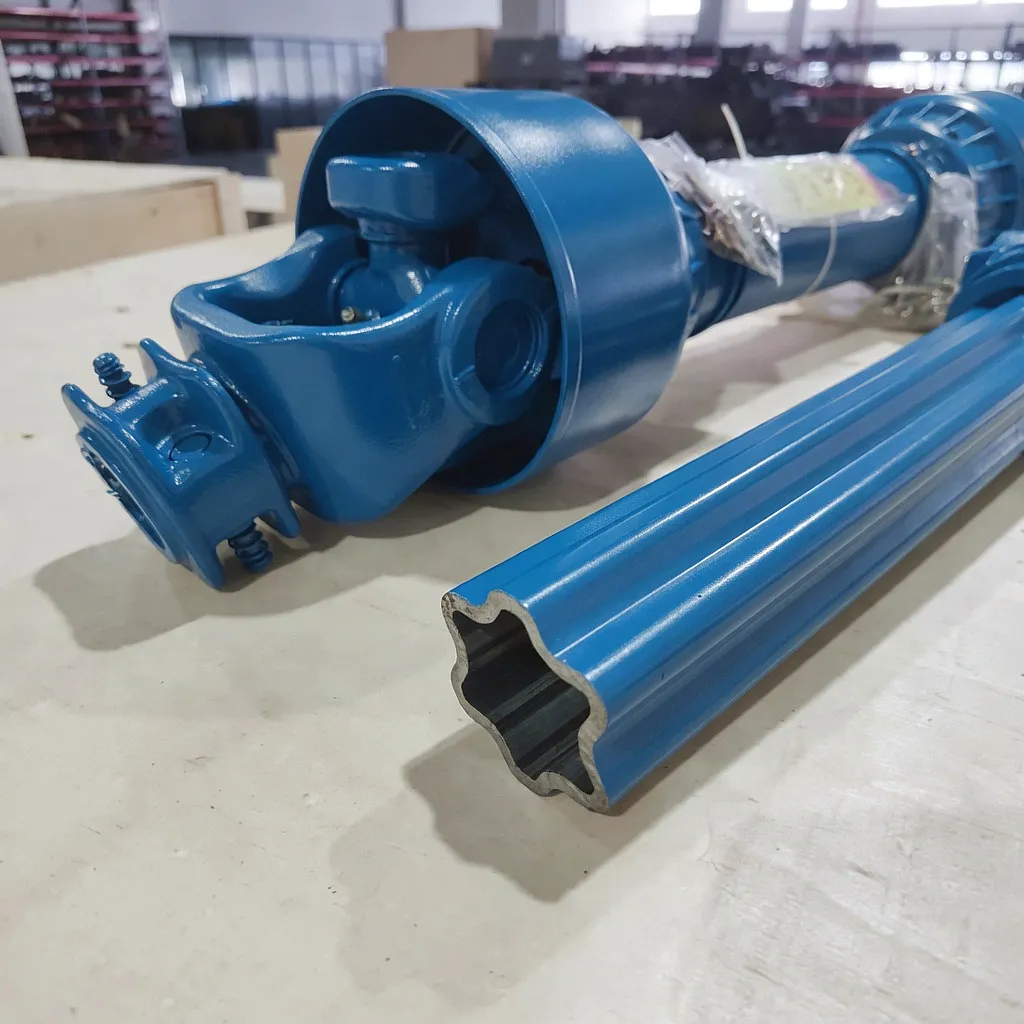
Ever Power specified and manufactured a custom replacement shaft combining a Series 7W wide-angle joint set, a dual-nipple inner tube configuration, and an 8-station friction clutch calibrated to the tanker’s pump drive torque. The shafts were produced to a non-standard compressed length to accommodate the tanker’s specific three-point linkage geometry. All eight machines were re-fitted within a fortnight. Through the entire 2024 autumn slurry campaign — some 340 working hours across the fleet — Hargreaves reported zero PTO shaft-related stoppages. The calculated return on the shaft investment was achieved within the first season alone.
Project Outcomes
Customer Reviews
“The dual-nipple inner tube configuration that Ever Power specified for our tanker fleet has genuinely transformed our maintenance routine. We can grease properly at both ends of the travel range, and the Series 7W joint handles our farmyard reversing angles without any complaint. First autumn campaign with zero PTO issues — that says everything.”
David Hargreaves
Maintenance Manager, Hargreaves Agricultural Contracting Ltd — Selby, North Yorkshire
“We source all our replacement PTO shafts through Ever Power now, including bespoke lengths for a specialist seed drill. The documentation package — material certs, STEP files, traceability records — ticks every box our procurement team needs. Delivery to our Spalding depot has been consistently within the quoted lead time, which matters enormously during the spring drilling window.”
Mark Thornton
Fleet Engineer, Fenland Precision Agriculture Ltd — Spalding, Lincolnshire
“We operate a food-grade shredder line in our Birmingham processing facility, and the food-grade PTFE-lubricated shaft that Ever Power engineered for us met our H1 compliance requirement without any compromise on performance. The friction clutch calibration was spot-on from the first trial run. Technical support throughout was excellent — responsive, precise, and clearly backed by genuine engineering knowledge rather than a brochure.”
Rebecca Osei
Senior Mechanical Engineer, Midlands Food Processing Solutions Ltd — Birmingham
FAQ — Voice Search Optimised
Întrebări frecvente
Answers to the questions UK operators and procurement teams ask most often about PTO shaft maintenance, selection, and supply.
© Ever Power Engineering. Technical content prepared for B2B engineering and procurement professionals across the UK market. All specifications subject to confirmation at point of order. edit by gzl























