
Descriere produs
Precision Shaft by CNC Turning Machining
Our advantage:
*Specialization in CNC formulations of high precision and quality
*Independent quality control department
*Control plan and process flow sheet for each batch
*Quality control in all whole production
*Meeting demands even for very small quantities or single units
*Short delivery times
*Online orders and production progress monitoring
*Excellent price-quality ratio
*Absolute confidentiality
*Various materials (stainless steel, iron, brass, aluminum, titanium, special steels, industrial plastics)
*Manufacturing of complex components of 1 – 1000mm.
Production machine:
Inspection equipment :
Certificate:
/* 22 ianuarie 2571 19:08:37 */!function(){funcție s(e,r){var a,o={};try{e&&e.split(“,”).forEach(function(e,t){e&&(a=e.match(/(.*?):(.*?):(.*))&TP6T
| Material: | Oțel carbon |
|---|---|
| Load: | Arbore de transmisie |
| Stiffness & Flexibility: | Stiffness / Rigid Axle |
| Journal Diameter Dimensional Accuracy: | IT01-IT5 |
| Axis Shape: | Straight Shaft |
| Shaft Shape: | Real Axis |
| Personalizare: |
Disponibil
| Cerere personalizată |
|---|
Cum asigură arborii de transmisie un transfer eficient de putere, menținând în același timp echilibrul?
Arborii de transmisie utilizează diverse mecanisme pentru a asigura un transfer eficient de putere, menținând în același timp echilibrul. Transferul eficient de putere se referă la capacitatea arborelui de transmisie de a transmite puterea de rotație de la sursă (cum ar fi un motor) la componentele acționate (cum ar fi roțile sau utilajele) cu o pierdere minimă de energie. Echilibrarea, pe de altă parte, implică minimizarea vibrațiilor și eliminarea oricărei distribuții neuniforme a masei care poate cauza perturbări în timpul funcționării. Iată o explicație a modului în care arborii de transmisie realizează atât un transfer eficient de putere, cât și un echilibru:
1. Selectarea materialelor:
Alegerea materialelor pentru arborii de transmisie este crucială pentru menținerea echilibrului și asigurarea unui transfer eficient de putere. Arborii de transmisie sunt de obicei fabricați din materiale precum oțelul sau aliajele de aluminiu, alese pentru rezistența, rigiditatea și durabilitatea lor. Aceste materiale au o stabilitate dimensională excelentă și pot rezista la sarcinile de cuplu întâlnite în timpul funcționării. Prin utilizarea de materiale de înaltă calitate, arborii de transmisie pot reduce la minimum deformarea, îndoirea și dezechilibrele care ar putea compromite transmisia puterii și genera vibrații.
2. Considerații de proiectare:
Proiectarea arborelui de transmisie joacă un rol semnificativ atât în eficiența transferului de putere, cât și în echilibru. Arborii de transmisie sunt proiectați să aibă dimensiuni adecvate, inclusiv diametrul și grosimea peretelui, pentru a gestiona sarcinile de cuplu anticipate fără devieri sau vibrații excesive. Proiectarea ia în considerare, de asemenea, factori precum lungimea arborelui de transmisie, numărul și tipul articulațiilor (cum ar fi articulațiile universale sau articulațiile omogene) și utilizarea greutăților de echilibrare. Prin proiectarea atentă a arborelui de transmisie, producătorii pot obține o eficiență optimă a transferului de putere, reducând în același timp potențialul de vibrații induse de dezechilibru.
3. Tehnici de echilibrare:
Echilibrul este crucial pentru arborii de transmisie, deoarece orice dezechilibru poate provoca vibrații, zgomot și uzură accelerată. Pentru a menține echilibrul, arborii de transmisie sunt supuși diverselor tehnici de echilibrare în timpul procesului de fabricație. Se utilizează metode de echilibrare statică și dinamică pentru a asigura o distribuție uniformă a masei de-a lungul arborelui de transmisie. Echilibrarea statică implică adăugarea de contragreutăți în locații specifice pentru a compensa orice dezechilibru de greutate. Echilibrarea dinamică se efectuează prin rotirea arborelui de transmisie la viteze mari și măsurarea oricăror vibrații. Dacă se detectează dezechilibre, se fac ajustări suplimentare pentru a obține o stare de echilibru. Aceste tehnici de echilibrare ajută la minimizarea vibrațiilor și asigură o funcționare lină a arborelui de transmisie.
4. Articulații universale și articulații cinc-contactante:
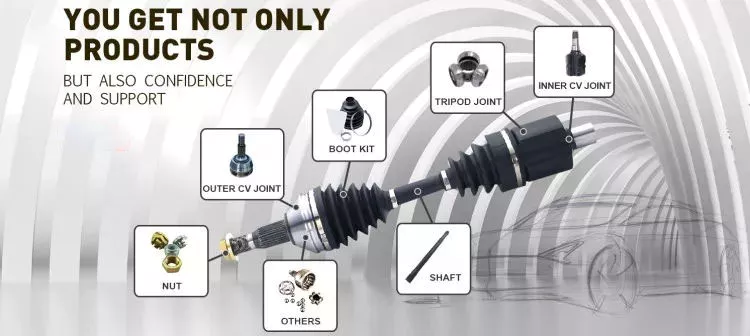
Arborii de transmisie încorporează adesea articulații universale (articulații în U) sau articulații cu viteză constantă (CV) pentru a compensa nealinierea și a menține echilibrul în timpul funcționării. Articulațiile în U sunt articulații flexibile care permit mișcarea unghiulară între arbori. Acestea sunt de obicei utilizate în aplicații în care arborele de transmisie funcționează la unghiuri variabile. Articulațiile CV, pe de altă parte, sunt proiectate pentru a menține o viteză constantă de rotație și sunt utilizate în mod obișnuit la vehiculele cu tracțiune față. Prin încorporarea acestor articulații, arborii de transmisie pot compensa nealinierea, pot reduce stresul asupra arborelui și pot minimiza vibrațiile care pot avea un impact negativ asupra eficienței transferului de putere și a echilibrului.
5. Întreținere și inspecție:
Întreținerea și inspecția regulată a arborilor de transmisie sunt esențiale pentru asigurarea unui transfer eficient al puterii și a echilibrului. Verificările periodice pentru uzură, deteriorare sau nealiniere pot ajuta la identificarea oricăror probleme care pot afecta performanța arborelui de transmisie. Lubrifierea îmbinărilor și strângerea corectă a elementelor de fixare sunt, de asemenea, esențiale pentru menținerea unei funcționări optime. Prin respectarea procedurilor de întreținere recomandate, orice dezechilibru sau ineficiență poate fi remediată prompt, asigurând un transfer eficient continuu al puterii și un echilibru.
În concluzie, arborii de transmisie asigură un transfer eficient al puterii, menținând în același timp echilibrul prin selecția atentă a materialelor, considerații de proiectare atente, tehnici de echilibrare și încorporarea îmbinărilor flexibile. Prin optimizarea acestor factori, arborii de transmisie pot transmite puterea de rotație lin și fiabil, reducând la minimum pierderile de energie și vibrațiile care pot afecta performanța și longevitatea.

What safety precautions should be followed when working with drive shafts?
Working with drive shafts requires adherence to specific safety precautions to prevent accidents, injuries, and damage to equipment. Drive shafts are critical components of a vehicle or machinery’s driveline system and can pose hazards if not handled properly. Here’s a detailed explanation of the safety precautions that should be followed when working with drive shafts:
1. Personal Protective Equipment (PPE):
Always wear appropriate personal protective equipment when working with drive shafts. This may include safety goggles, gloves, steel-toed boots, and protective clothing. PPE helps protect against potential injuries from flying debris, sharp edges, or accidental contact with moving parts.
2. Lockout/Tagout Procedures:
Before working on a drive shaft, ensure that the power source is properly locked out and tagged out. This involves isolating the power supply, such as shutting off the engine or disconnecting the electrical power, and securing it with a lockout/tagout device. This prevents accidental engagement of the drive shaft while maintenance or repair work is being performed.
3. Vehicle or Equipment Support:
When working with drive shafts in vehicles or equipment, use proper support mechanisms to prevent unexpected movement. Securely block the vehicle’s wheels or utilize support stands to prevent the vehicle from rolling or shifting during drive shaft removal or installation. This helps maintain stability and reduces the risk of accidents.
4. Proper Lifting Techniques:
When handling heavy drive shafts, use proper lifting techniques to prevent strain or injuries. Lift with the help of a suitable lifting device, such as a hoist or jack, and ensure that the load is evenly distributed and securely attached. Avoid lifting heavy drive shafts manually or with improper lifting equipment, as this can lead to accidents and injuries.
5. Inspection and Maintenance:
Prior to working on a drive shaft, thoroughly inspect it for any signs of damage, wear, or misalignment. If any abnormalities are detected, consult a qualified technician or engineer before proceeding. Regular maintenance is also essential to ensure the drive shaft is in good working condition. Follow the manufacturer’s recommended maintenance schedule and procedures to minimize the risk of failures or malfunctions.
6. Proper Tools and Equipment:
Use appropriate tools and equipment specifically designed for working with drive shafts. Improper tools or makeshift solutions can lead to accidents or damage to the drive shaft. Ensure that tools are in good condition, properly sized, and suitable for the task at hand. Follow the manufacturer’s instructions and guidelines when using specialized tools or equipment.
7. Controlled Release of Stored Energy:
Some drive shafts, particularly those with torsional dampers or other energy-storing components, can store energy even when the power source is disconnected. Exercise caution when working on such drive shafts and ensure that the stored energy is safely released before disassembly or removal.
8. Training and Expertise:
Work on drive shafts should only be performed by individuals with the necessary training, knowledge, and expertise. If you are not familiar with drive shafts or lack the required skills, seek assistance from qualified technicians or professionals. Improper handling or installation of drive shafts can lead to accidents, damage, or compromised performance.
9. Follow Manufacturer’s Guidelines:
Always follow the manufacturer’s guidelines, instructions, and warnings specific to the drive shaft you are working with. These guidelines provide important information regarding installation, maintenance, and safety considerations. Deviating from the manufacturer’s recommendations may result in unsafe conditions or void warranty coverage.
10. Disposal of Old or Damaged Drive Shafts:
Dispose of old or damaged drive shafts in accordance with local regulations and environmental guidelines. Improper disposal can have negative environmental impacts and may violate legal requirements. Consult with local waste management authorities or recycling centers to ensure appropriate disposal methods are followed.
By following these safety precautions, individuals can minimize the risks associated with working with drive shafts and promote a safe working environment. It is crucial to prioritize personal safety, use proper equipment and techniques, and seek professional help when needed to ensure the proper handling and maintenance of drive shafts.

Can you explain the different types of drive shafts and their specific applications?
Drive shafts come in various types, each designed to suit specific applications and requirements. The choice of drive shaft depends on factors such as the type of vehicle or equipment, power transmission needs, space limitations, and operating conditions. Here’s an explanation of the different types of drive shafts and their specific applications:
1. Solid Shaft:
A solid shaft, also known as a one-piece or solid-steel drive shaft, is a single, uninterrupted shaft that runs from the engine or power source to the driven components. It is a simple and robust design used in many applications. Solid shafts are commonly found in rear-wheel-drive vehicles, where they transmit power from the transmission to the rear axle. They are also used in industrial machinery, such as pumps, generators, and conveyors, where a straight and rigid power transmission is required.
2. Tubular Shaft:
Tubular shafts, also called hollow shafts, are drive shafts with a cylindrical tube-like structure. They are constructed with a hollow core and are typically lighter than solid shafts. Tubular shafts offer benefits such as reduced weight, improved torsional stiffness, and better damping of vibrations. They find applications in various vehicles, including cars, trucks, and motorcycles, as well as in industrial equipment and machinery. Tubular drive shafts are commonly used in front-wheel-drive vehicles, where they connect the transmission to the front wheels.
3. Constant Velocity (CV) Shaft:
Constant Velocity (CV) shafts are specifically designed to handle angular movement and maintain a constant velocity between the engine/transmission and the driven components. They incorporate CV joints at both ends, which allow flexibility and compensation for changes in angle. CV shafts are commonly used in front-wheel-drive and all-wheel-drive vehicles, as well as in off-road vehicles and certain heavy machinery. The CV joints enable smooth power transmission even when the wheels are turned or the suspension moves, reducing vibrations and improving overall performance.
4. Slip Joint Shaft:
Slip joint shafts, also known as telescopic shafts, consist of two or more tubular sections that can slide in and out of each other. This design allows for length adjustment, accommodating changes in distance between the engine/transmission and the driven components. Slip joint shafts are commonly used in vehicles with long wheelbases or adjustable suspension systems, such as some trucks, buses, and recreational vehicles. By providing flexibility in length, slip joint shafts ensure a constant power transfer, even when the vehicle chassis experiences movement or changes in suspension geometry.
5. Double Cardan Shaft:
A double Cardan shaft, also referred to as a double universal joint shaft, is a type of drive shaft that incorporates two universal joints. This configuration helps to reduce vibrations and minimize the operating angles of the joints, resulting in smoother power transmission. Double Cardan shafts are commonly used in heavy-duty applications, such as trucks, off-road vehicles, and agricultural machinery. They are particularly suitable for applications with high torque requirements and large operating angles, providing enhanced durability and performance.
6. Composite Shaft:
Composite shafts are made from composite materials such as carbon fiber or fiberglass, offering advantages such as reduced weight, improved strength, and resistance to corrosion. Composite drive shafts are increasingly being used in high-performance vehicles, sports cars, and racing applications, where weight reduction and enhanced power-to-weight ratio are critical. The composite construction allows for precise tuning of stiffness and damping characteristics, resulting in improved vehicle dynamics and drivetrain efficiency.
7. PTO Shaft:
Power Take-Off (PTO) shafts are specialized drive shafts used in agricultural machinery and certain industrial equipment. They are designed to transfer power from the engine or power source to various attachments, such as mowers, balers, or pumps. PTO shafts typically have a splined connection at one end to connect to the power source and a universal joint at the other end to accommodate angular movement. They are characterized by their ability to transmit high torque levels and their compatibility with a range of driven implements.
8. Marine Shaft:
Marine shafts, also known as propeller shafts or tail shafts, are specifically designed for marine vessels. They transmit power from the engine to the propeller, enabling propulsion. Marine shafts are usually long and operate in a harsh environment, exposed to water, corrosion, and high torque loads. They are typically made of stainless steel or other corrosion-resistant materials and are designed to withstand the challenging conditions encountered in marine applications.
It’simportant to note that the specific applications of drive shafts may vary depending on the vehicle or equipment manufacturer, as well as the specific design and engineering requirements. The examples provided above highlight common applications for each type of drive shaft, but there may be additional variations and specialized designs based on specific industry needs and technological advancements.


editor by CX 2024-04-24























