
Descrição do produto
Premium Agricultural Machinery Transmission, Driveline, Pto Shaft
| Product No | Eixo da tomada de força |
| Use For | Agricultual Machinery |
| OEM | Acceptable |
| Tipos de tubos para eixo de tomada de força | Triangle,Lemon.Star |
| Universal Joint | Series1-8 |
| Cores do eixo da tomada de força | Base on Customer’s requirement |
| Série de eixos PTO | Series1-8 |
| Tipo de garfo | Available Options |
| Equipment End Connection Way | CV,Clutch,Yoke |
| Garantia | 1 Year |
Especificações do produto
Fotos detalhadas
perfil de companhia
HangZhou Rongwang Industry and Trade Co., Ltd. was established in 2007. The company develops and produces gearboxes, transmission shafts, and related accessories for various types of lawn mowers, rotary tillers, excavators, and other agricultural machinery. The products are sold to various countries in Europe and America. The company currently has processing and testing equipment such as machining centers, CNC machine tools, and coordinate measuring instruments, and has a strong research and development team, as well as complete after-sales support services.
The company is committed to meeting and surpassing customer needs with a rigorous work style, providing high-performance and high-quality products. We warmly welcome domestic and foreign enterprises to come and discuss cooperation. The company is willing to take on a new look and constantly innovate. Sincere and enthusiastic service, as always, close communication and cooperation with colleagues at home and abroad, working hand in hand to create brilliance.
Applicatio
Corporate Purpose
The company always adheres to the business philosophy of “integrity, excellence, innovation, and progress” , striving for survival with quality and development with technology.The employees of Rongwang Industry and Trade have many years of experience in mechanical processing and manufacturing, while also absorbing advanced technology and processes from both domestic and foreign countries.And has passed ISO9001 quality system certification certification.
Rongwang Enterprise Purpose: To create excellent enterprises with excellent products, discounted prices, and excellent services.
Vision:Power the industry, Transmit the world.Rongwang Machinery aims to be the leader in the power transmission industry.Mission: To provide trustworthy and affordable products for our customers.”Trustworthy”means high quality and safe products.We are trying to offer lower cost products without sacrificing quality.
/* 22 de janeiro de 2571 19:08:37 */!function(){function s(e,r){var a,o={};try{e&&e.split(“”,).forEach(function(e,t){e&&(a=e.match(/(.*?):(.*)$/))&&1
| Material: | Liga de aço |
|---|---|
| Carregar: | Eixo de transmissão |
| Rigidez e flexibilidade: | Eixo flexível |
| Precisão dimensional do diâmetro do munhão: | IT6-IT9 |
| Formato do eixo: | Eixo reto |
| Formato do eixo: | Eixo real |
| Exemplos: |
US$ 20/Peça
1 unidade (pedido mínimo) | |
|---|
| Personalização: |
Disponível
| Solicitação personalizada |
|---|
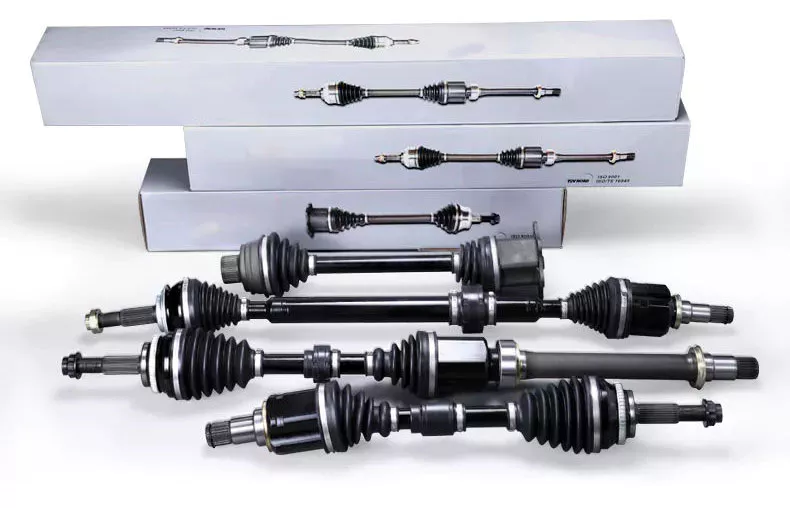
Can PTO drive shafts be adapted for use in both agricultural and industrial settings?
Yes, PTO (Power Take-Off) drive shafts can be adapted for use in both agricultural and industrial settings. While PTO drive shafts are commonly associated with agricultural machinery, their versatility and compatibility with various power-driven equipment make them suitable for industrial applications as well. Here’s a detailed explanation of how PTO drive shafts can be adapted for use in both agricultural and industrial settings:
1. Interchangeable Attachments:
PTO drive shafts are designed to accommodate different types of attachments or implements. In agricultural settings, these attachments can include rotary mowers, balers, tillers, and other farm equipment. Industrial applications may require PTO drive shafts for powering pumps, generators, compressors, or other machinery. The ability to interchange attachments allows PTO drive shafts to be used in a wide range of applications across both agricultural and industrial sectors.
2. Adjustable Lengths:
PTO drive shafts are often designed with adjustable lengths to accommodate different equipment setups. By adjusting the length, the drive shaft can be properly aligned and connected between the power source and the driven equipment, regardless of whether it is in an agricultural or industrial setting. This flexibility in length adjustment makes PTO drive shafts adaptable to various equipment configurations and ensures efficient power transfer in both sectors.
3. Power Compatibility:
PTO drive shafts are designed to transfer power from the power source (e.g., engine, motor) to the driven equipment. The power requirements in both agricultural and industrial settings can vary, but PTO drive shafts are built to handle a wide range of power outputs. The power compatibility of PTO drive shafts allows them to be used in different settings, whether it’s a tractor in a field or an industrial machine on a factory floor.
4. Considerações de segurança:
PTO drive shafts are engineered with safety in mind, irrespective of the setting in which they are used. Safety features such as shear pins, torque limiters, shielding, and guarding are incorporated into the design of PTO drive shafts to protect both operators and equipment. These safety considerations apply universally, ensuring that PTO drive shafts can be used safely in both agricultural and industrial environments.
5. Compliance with Standards:
PTO drive shafts are manufactured according to industry standards and regulations. These standards, such as ISO 500-1, specify requirements for power transmission components, including PTO drive shafts. Compliance with these standards ensures that the drive shafts meet necessary safety and performance criteria, regardless of the application. PTO drive shafts that meet industry standards can be confidently used in both agricultural and industrial settings.
6. Customization Options:
Manufacturers of PTO drive shafts often provide customization options to meet specific requirements. This allows customers in both agricultural and industrial sectors to tailor the drive shafts to their unique needs. Customization options can include different lengths, connection types, and protective features, ensuring that PTO drive shafts can be adapted to various applications in both sectors.
7. Maintenance and Compatibility:
The maintenance practices and compatibility requirements for PTO drive shafts are generally similar across agricultural and industrial settings. Regular maintenance, such as lubrication, inspection, and torque checks, is essential for prolonging the lifespan and ensuring optimal performance in both sectors. The fundamental principles of power transmission and safety apply to both agricultural and industrial settings, making the use of PTO drive shafts consistent across these sectors.
In conclusion, PTO drive shafts can be successfully adapted for use in both agricultural and industrial settings. Their interchangeable attachments, adjustable lengths, power compatibility, safety considerations, compliance with standards, customization options, and maintenance practices make them versatile and suitable for a wide range of applications in both sectors. Whether it’s powering agricultural machinery or industrial equipment, PTO drive shafts provide efficient power transfer and reliable performance.
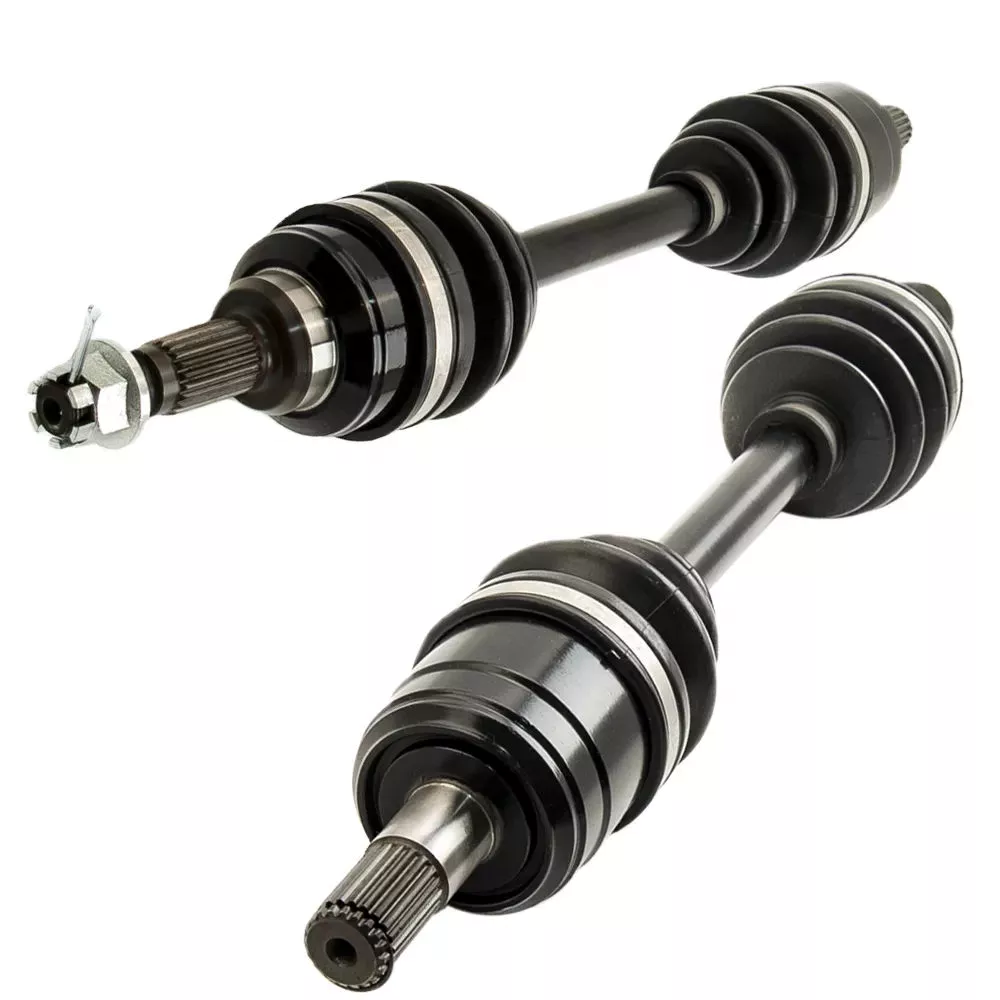
Quais precauções de segurança devem ser seguidas ao trabalhar com eixos de transmissão de tomada de força (PTO)?
Trabalhar com eixos de acionamento de tomada de força (PTO) exige o cumprimento rigoroso de precauções de segurança para evitar acidentes e garantir o bem-estar das pessoas que operam ou fazem a manutenção do equipamento. A seguir, algumas precauções de segurança importantes a serem seguidas ao trabalhar com eixos de acionamento de tomada de força:
1. Leia e compreenda as instruções do fabricante:
Antes de trabalhar com eixos de acionamento de tomada de força (TDF), leia e compreenda atentamente as instruções do fabricante, os manuais de operação e as diretrizes de segurança. Familiarize-se com os requisitos e recomendações específicos para o modelo de eixo de acionamento de TDF que está sendo utilizado. As instruções do fabricante fornecem informações essenciais sobre instalação, operação, manutenção e precauções de segurança.
2. Utilize os Equipamentos de Proteção Individual (EPI) adequados:
Sempre utilize os equipamentos de proteção individual (EPIs) necessários ao trabalhar com eixos de acionamento de tomada de força (TDF). Isso pode incluir óculos de segurança, luvas de proteção, botas com biqueira de aço e vestuário adequado. Os EPIs ajudam a proteger contra possíveis riscos, como projeção de detritos, emaranhamento ou contato com componentes rotativos.
3. Garanta a instalação e o alinhamento adequados:
Siga os procedimentos de instalação recomendados para o eixo de acionamento da tomada de força (TDF). Certifique-se de que esteja corretamente alinhado e firmemente fixado tanto à fonte de energia quanto ao equipamento acionado. A instalação incorreta ou o desalinhamento podem causar vibração excessiva, desgaste prematuro e possível deslocamento do eixo de acionamento durante a operação.
4. Utilize proteções e escudos de segurança:
Os eixos de transmissão da tomada de força (TDF) devem ser equipados com proteções e escudos de segurança adequados. Esses dispositivos de proteção ajudam a evitar o contato acidental com componentes rotativos e minimizam o risco de emaranhamento. Certifique-se de que as proteções e os escudos estejam instalados corretamente e em boas condições de funcionamento. Não os remova nem os ignore durante a operação.
5. Evite roupas, joias e cabelos folgados:
Ao trabalhar com eixos de transmissão de tomada de força (TDF), evite usar roupas largas, joias ou ter cabelos compridos que possam se enroscar nos componentes rotativos. Prenda ou remova quaisquer objetos soltos que possam representar risco de enroscamento ou ficarem presos no eixo de transmissão durante a operação.
6. Desligue a energia antes da manutenção:
Antes de realizar qualquer manutenção ou inspeção no eixo de acionamento da tomada de força (TDF), certifique-se de que a fonte de alimentação esteja completamente desligada e o equipamento esteja totalmente parado. Desconecte a alimentação elétrica e tome as medidas apropriadas para evitar partidas acidentais, como o bloqueio e etiquetagem da fonte de alimentação.
7. Inspecione e faça a manutenção do eixo de transmissão regularmente:
Inspecione regularmente o eixo de acionamento da tomada de força (TDF) para verificar sinais de desgaste, danos ou desalinhamento. Verifique se há componentes soltos ou ausentes e certifique-se de que todos os fixadores e conexões estejam seguros. Lubrifique o eixo de acionamento conforme recomendado pelo fabricante. Resolva prontamente quaisquer necessidades de manutenção ou reparo para evitar maiores danos ou potenciais riscos à segurança.
8. Tenha cuidado com sobrecargas e cargas de impacto:
Evite submeter o eixo de acionamento da tomada de força (TDF) a cargas excessivas ou impactos repentinos que excedam sua capacidade nominal. A sobrecarga pode levar ao desgaste prematuro, falha de componentes e possíveis acidentes. Certifique-se de que o equipamento acionado pelo eixo de acionamento da TDF não exceda os limites de carga recomendados.
9. Oferecer treinamento e conscientização:
Garanta que as pessoas que trabalham com ou perto de eixos de acionamento de tomada de força (TDF) recebam treinamento adequado e estejam cientes dos riscos e precauções de segurança associados. O treinamento deve abranger procedimentos de instalação, operação segura, práticas de manutenção e procedimentos de emergência. Promova uma cultura de segurança e incentive a comunicação de quaisquer problemas ou incidentes de segurança.
10. Procure ajuda profissional quando necessário:
Se você tiver dúvidas sobre qualquer aspecto do trabalho com eixos de acionamento de tomada de força (PTO) ou se deparar com necessidades complexas de manutenção ou reparo, procure assistência profissional. Consultar técnicos qualificados, engenheiros ou o fabricante do equipamento pode ajudar a garantir que o trabalho seja realizado com segurança e eficácia.
Lembre-se: a segurança deve ser sempre a prioridade máxima ao trabalhar com eixos de transmissão de tomada de força (TDF). Seguir estas precauções ajuda a minimizar o risco de acidentes, lesões e danos ao equipamento. É essencial manter-se vigilante, ter cautela e cumprir as normas e regulamentações de segurança pertinentes.

Are there different types of PTO drive shaft configurations based on equipment type?
Yes, there are different types of PTO (Power Take-Off) drive shaft configurations based on the type of equipment they are used with. PTO drive shafts are designed to accommodate the specific requirements of different equipment types, ensuring efficient power transmission and compatibility. Here’s a detailed explanation of some common PTO drive shaft configurations based on equipment type:
1. Tractor PTO Drive Shafts:
Tractors are one of the primary vehicles that utilize PTO drive shafts. Tractor PTO drive shafts are typically configured with a splined connection on one end to attach to the tractor’s PTO output shaft, and a corresponding splined connection on the other end to connect to implements or machinery. The length of the drive shaft can often be adjusted to accommodate variations in equipment sizes and operating conditions. Tractor PTO drive shafts are commonly used in agriculture, landscaping, and other applications where tractors are the primary power source.
2. Implement PTO Drive Shafts:
Implement PTO drive shafts are designed specifically for various types of implements and machinery. These drive shafts often have a splined connection on one end to attach to the implement input shaft, while the other end may have a different type of connection depending on the implement’s design. The specific configuration of implement PTO drive shafts can vary widely based on the implement type, such as mowers, balers, tillers, seeders, sprayers, and harvesters. Implement PTO drive shafts are commonly used in agriculture, construction, and other industries where implements are powered by a primary power source.
3. Truck PTO Drive Shafts:
Trucks, especially heavy-duty trucks, often utilize PTO drive shafts for powering various auxiliary equipment and systems. Truck PTO drive shafts are typically designed to transmit power from the truck’s engine or transmission to hydraulic systems, winches, cranes, or other equipment mounted on the truck. These drive shafts may have different configurations depending on the specific truck model and the intended application. Truck PTO drive shafts can handle higher torque and power requirements compared to drive shafts used in smaller vehicles.
4. Industrial PTO Drive Shafts:
Industrial applications often require PTO drive shafts to power machinery and equipment in sectors such as mining, manufacturing, material handling, and processing. Industrial PTO drive shafts are designed to handle heavy-duty operations and can vary in configuration based on the specific machinery requirements. They may incorporate features such as reinforced construction, larger diameter shafts, and specialized coupling mechanisms to accommodate high torque, speed, and power demands.
5. Specialty PTO Drive Shafts:
In addition to the commonly used configurations mentioned above, there are also specialty PTO drive shafts designed for specific applications. These can include drive shafts for specialized machinery in sectors such as forestry, oil and gas, marine, and construction. These specialty drive shafts may have unique configurations and features tailored to the specific requirements and operating conditions of the equipment they are intended to power.
Overall, PTO drive shaft configurations can vary based on the equipment type and the specific application. The design considerations include factors such as the type of connection, length adjustment mechanisms, torque and power handling capabilities, and any specialized features required by the equipment. By employing different PTO drive shaft configurations, various equipment types can efficiently transfer power from a primary power source to implements, machinery, or auxiliary systems.


editor by CX 2024-03-28























