
Descrição do produto
Eixo Cardan
1. Product Description
|
2. More Products
3. The Structure Of PTO Shaft
4. Installing Process
5. Packing and Shipping
6.Our Company
HangZhou CHINAMFG Tech.Machinery Co.,Ltd was founded in 2003. It is located at HangZhou County, HangZhou City, closed to 204 National Road.Our main products: 1. all kinds of drive shaft 2.all kinds of gera box 3. Farm machinery: IMT500 inorganic fertilizer spreader, HMT05S organic fertilizer spreader, 3M rotovator , 3M wet-paddy field rotary, King 185 deep cultviating machine and so on. 4.The machinery parts: many kinds of Gear, Shaft, Flang, ,Gear box, Laser parts, Stamping parts and so on.
7. FAQ
1. Q: Are your products forged or cast?
A: All of our products are forged.
2. Q: What’s your MOQ?
A: 20 PCS for each type. We accept the sample order.
3. Q: What’s the horse power of the pto shaft are available?
A: We provide a full range of pto shaft, ranging from 16HP-200HP.
4. Q: How many splined specification do you have ?
A: We produce 1 1/8″-Z6, 1 3/8″-Z6, 1 3/4″-Z6, 1 3/8″- Z21, 1 3/4″-Z20, 8X42X48X8 and 8X32X38X6 splines.
5. Q: How about the warranty?
A: We guarantee 1 year warranty. With quality problems, we will send you the new products for free within next shipment.
6. Q: What’s your payment terms?
A: T/T, L/C, D/A, D/P….
7. Q: What is the delivery time?
A: 40 days after receiving your advanced deposit.
/* October 22, 2571 15:47:17 */(()=>{function d(e,r){var a,o={};try{e&&e.split(“,”).forEach(function(e,t){e&&(a=e.match(/(.*?):(.*)$/))&&1
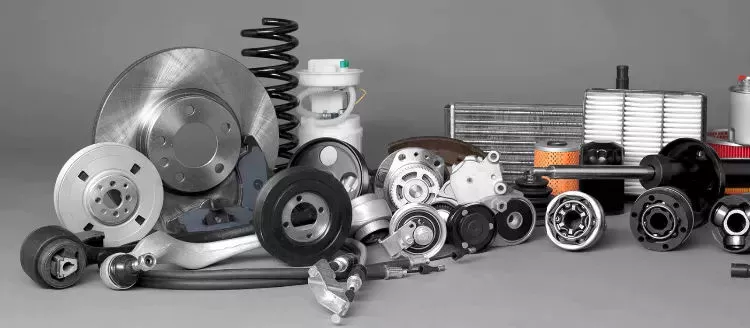
What maintenance practices are essential for prolonging the lifespan of PTO shafts?
Maintaining proper care and performing regular maintenance on Power Take-Off (PTO) shafts is crucial for prolonging their lifespan and ensuring optimal performance. By following essential maintenance practices, you can prevent premature wear, identify potential issues early on, and maximize the longevity of your PTO shafts. Here are some key maintenance practices to consider:
1. Inspeção regular: Perform routine visual inspections of the PTO shaft to check for any signs of damage, wear, or misalignment. Look for cracks, dents, bent sections, or loose components. Inspect the universal joints, coupling mechanisms, protective guards, and other associated parts. Pay attention to any unusual noises, vibrations, or changes in performance, as these can indicate underlying issues that require attention.
2. Lubrificação: Proper lubrication is essential for the smooth operation and longevity of PTO shafts. Follow the manufacturer’s recommendations regarding lubrication intervals and use the recommended lubricant type. Apply lubrication to the universal joints, CV joints (if applicable), and other moving parts as specified. Regularly check for adequate lubricant levels and replenish if necessary. Ensure that the lubricant used is compatible with the shaft material and does not attract dirt or debris that could cause abrasion or damage.
3. Cleaning: Keep the PTO shaft clean and free from dirt, debris, and other contaminants. Regularly remove any accumulated dirt, grease, or residue using a brush or compressed air. Be particularly diligent in cleaning the universal joints and areas where the shaft connects to other components. Cleaning prevents the buildup of abrasive particles that can accelerate wear and compromise the shaft’s performance.
4. Guard Inspection and Maintenance: Check the protective guards and shields regularly to ensure they are securely in place and free from damage. Guards play a critical role in preventing accidental contact with the rotating shaft and minimizing the risk of injury. Repair or replace any damaged or missing guards promptly. Ensure that the guards are correctly aligned and provide sufficient coverage for all moving parts of the PTO shaft.
5. Verificação de torque e fixadores: Periodically inspect and check the torque of fasteners, such as bolts and nuts, that secure the PTO shaft and associated components. Over time, vibration and normal operation can loosen these fasteners, compromising the integrity of the shaft. Use the appropriate torque specifications provided by the manufacturer to ensure proper tightening. Regularly verify the tightness of fasteners and retighten as necessary.
6. Shear Bolt or Slip Clutch Maintenance: If your PTO shaft incorporates shear bolt or slip clutch mechanisms, ensure they are functioning correctly. Inspect the shear bolts for signs of wear or damage, and replace them when necessary. Check the slip clutch for proper adjustment and smooth operation. Follow the manufacturer’s recommendations regarding maintenance and adjustment of these safety mechanisms to ensure their effectiveness in protecting the driveline components.
7. Proper Storage: When the PTO shaft is not in use, store it in a clean and dry environment. Protect the shaft from exposure to moisture, extreme temperatures, and corrosive substances. If possible, store the shaft in a vertical position to prevent bending or distortion. Consider using protective covers or cases to shield the shaft from dust, dirt, and other potential sources of damage.
8. Operator Training: Provide proper training to operators on the correct operation, maintenance, and safety procedures related to the PTO shafts. Educate them about the importance of regular inspections, lubrication, and adherence to recommended maintenance practices. Encourage operators to report any abnormalities or concerns promptly to prevent further damage and ensure timely repairs or adjustments.
9. Manufacturer and Expert Guidance: Consult the manufacturer’s guidelines and recommendations regarding maintenance practices specific to your PTO shaft model. Additionally, seek advice from experts or authorized service technicians who are knowledgeable about PTO shaft maintenance. They can provide valuable insights and assistance in implementing the best maintenance practices for your specific PTO shafts.
By following these maintenance practices, you can extend the lifespan of your PTO shafts, optimize their performance, and reduce the likelihood of unexpected failures or costly repairs. Regular inspections, lubrication, cleaning, guard maintenance, torque checks, and proper storage are all essential in ensuring the longevity and reliability of your PTO shafts.

How do PTO shafts enhance the performance of tractors and agricultural machinery?
Power Take-Off (PTO) shafts play a crucial role in enhancing the performance of tractors and agricultural machinery. By providing a reliable power transfer mechanism, PTO shafts enable these machines to operate efficiently, effectively, and with increased versatility. Here’s a detailed explanation of how PTO shafts enhance the performance of tractors and agricultural machinery:
1. Transferência de energia: PTO shafts facilitate the transfer of power from the tractor’s engine to various agricultural implements and machinery. The rotating power generated by the engine is transmitted through the PTO shaft to drive the connected equipment. This direct power transfer eliminates the need for separate engines or motors on each implement, reducing complexity, weight, and maintenance requirements. PTO shafts ensure a consistent and reliable power supply, enabling agricultural machinery to perform tasks with optimal efficiency and effectiveness.
2. Versatilidade: PTO shafts provide tractors and agricultural machinery with increased versatility. Since PTO shafts have standardized dimensions and connection methods, a wide range of implements can be easily attached and powered by the same tractor. This versatility allows farmers to quickly switch between different tasks, such as mowing, tilling, planting, and harvesting, without the need for multiple specialized machines. The ability to use a single power unit for various operations reduces costs, saves storage space, and improves overall operational efficiency.
3. Improved Productivity: PTO shafts contribute to improved productivity in agricultural operations. By harnessing the power of tractors, agricultural machinery can operate at higher speeds and with greater efficiency compared to manual or alternative power methods. PTO-driven implements, such as mowers, balers, and harvesters, can cover larger areas and complete tasks more quickly, reducing the time required to perform agricultural operations. This increased productivity allows farmers to accomplish more within a given timeframe, leading to higher crop yields and improved overall farm efficiency.
4. Reduced Labor Requirements: PTO shafts help reduce labor requirements in agricultural operations. By utilizing mechanized equipment powered by PTO shafts, farmers can minimize manual labor and the associated physical effort. Tasks such as plowing, tilling, and harvesting can be performed more efficiently and with less reliance on human labor. This reduction in labor requirements allows farmers to allocate resources more effectively, focus on other essential tasks, and potentially reduce labor costs.
5. Precision and Accuracy: PTO shafts contribute to precision and accuracy in agricultural operations. The consistent power supply from the tractor’s engine ensures uniform operation and performance of the connected machinery. This precision is crucial for tasks such as seed placement, fertilizer or chemical application, and crop harvesting. PTO-driven equipment can provide consistent rotations per minute (RPM) and maintain the necessary operational parameters, resulting in precise and accurate agricultural practices. This precision leads to improved crop quality, reduced waste, and optimized resource utilization.
6. Adaptability to Various Tasks: PTO shafts enhance the adaptability of tractors and agricultural machinery to perform various tasks. With the ability to connect different implements, such as mowers, seeders, sprayers, or balers, via PTO shafts, farmers can quickly transform their tractors into specialized machines for specific operations. This adaptability allows for efficient utilization of equipment across different stages of crop production, enabling farmers to respond to changing needs and conditions in a cost-effective manner.
7. Enhanced Safety: PTO shafts contribute to enhanced safety in agricultural operations. Many PTO shafts are equipped with safety features, such as shields or guards, to protect operators from potential hazards associated with rotating components. These safety measures help prevent entanglement accidents and reduce the risk of injuries. Additionally, by using PTO-driven machinery, farmers can keep a safe distance from certain hazardous tasks, such as mowing or shredding, further improving overall safety on the farm.
8. Integration with Technology: PTO shafts can be integrated with advanced technology and automation systems in modern tractors and agricultural machinery. This integration allows for precise control, data monitoring, and optimization of machine performance. For example, precision guidance systems can be synchronized with PTO-driven implements to ensure accurate seed placement or chemical application. Furthermore, data collection and analysis can provide insights into fuel efficiency, maintenance needs, and overall equipment performance, leading to optimized operation and improved productivity.
In summary, PTO shafts enhance the performance of tractors and agricultural machinery by enabling efficient power transfer, increasing versatility, improving productivity, reducing labor requirements, ensuring precision and accuracy, facilitating adaptability, enhancing safety, and integrating with advanced technologies. These benefits contribute to overall operational efficiency, cost-effectiveness, and the ability of farmers to effectively manage theiragricultural operations.
Quais setores industriais utilizam comumente eixos de tomada de força (PTO) para transmissão de potência?
Eixos de tomada de força (PTO, na sigla em inglês) são amplamente utilizados em diversas indústrias onde a transmissão de potência é necessária para acionar máquinas e equipamentos. Sua versatilidade, eficiência e compatibilidade com diferentes tipos de máquinas os tornam componentes valiosos em vários setores. A seguir, uma explicação detalhada das indústrias que comumente utilizam eixos de tomada de força (PTO) para transmissão de potência:
1. Agricultura: O setor agrícola depende amplamente de eixos de tomada de força (TDF) para a transmissão de potência. Tratores equipados com TDF são comumente usados para acionar uma ampla gama de implementos e máquinas agrícolas. Equipamentos acionados por TDF incluem segadoras, enfardadeiras, cultivadores, semeadoras, pulverizadores, transportadores de grãos, colheitadeiras e muitos outros. Os eixos de TDF permitem a transferência eficiente de potência do motor do trator para esses implementos, possibilitando diversas operações agrícolas, como corte, enfardamento, aração, plantio, pulverização e colheita. O setor agrícola depende fortemente dos eixos de TDF para aumentar a produtividade e otimizar os processos agrícolas.
2. Construção e terraplenagem: Na indústria da construção civil e terraplenagem, os eixos de tomada de força (TDF) são utilizados em máquinas para escavação, nivelamento e movimentação de materiais. Equipamentos acionados por TDF, como retroescavadeiras, pás carregadeiras, escavadeiras, valeteiras e destocadores, utilizam eixos de TDF para transferir a potência dos motores principais, geralmente sistemas hidráulicos, para acionar os implementos necessários. Esses implementos exigem o alto torque e a potência fornecidos pelos eixos de TDF para realizar tarefas como escavação, carregamento, abertura de valas e trituração. Os eixos de TDF permitem uma transmissão de potência versátil e eficiente em operações de construção civil e terraplenagem.
3. Silvicultura: A indústria florestal utiliza eixos de tomada de força (TDF) para a transmissão de potência em diversos equipamentos de extração e processamento de madeira. Máquinas acionadas por TDF, como picadores de madeira, serrarias, rachadores de toras e descascadores, dependem de eixos de TDF para transferir a potência de tratores ou unidades de potência dedicadas para realizar tarefas como picar, serrar, rachar e descascar madeira. Os eixos de TDF fornecem a potência e o torque necessários para acionar os mecanismos de corte e processamento, possibilitando operações florestais eficientes e produtivas.
4. Paisagismo e manutenção de jardins: Os eixos de tomada de força (TDF) desempenham um papel crucial no setor de paisagismo e manutenção de áreas verdes. Equipamentos como cortadores de grama, roçadeiras, roçadeiras de martelo e aeradores utilizam eixos de TDF para transferir a potência de tratores ou unidades de potência dedicadas para acionar os mecanismos de corte ou manutenção. Os eixos de TDF permitem uma transmissão de potência eficiente, possibilitando que os operadores mantenham gramados, parques, campos de golfe e outros espaços externos com precisão e produtividade.
5. Mineração e extração de pedreiras: Os eixos de tomada de força (TDF) têm aplicações na indústria de mineração e extração, particularmente em equipamentos usados para extração, britagem e peneiramento de materiais. Máquinas acionadas por TDF, como britadores, peneiras e transportadores, dependem dos eixos de TDF para transferir a potência de motores ou motores elétricos para acionar os mecanismos de britagem e peneiramento, bem como os sistemas de manuseio de materiais. Os eixos de TDF fornecem a potência e o torque necessários para processar e transportar materiais a granel de forma eficiente em operações de mineração e extração.
6. Manufatura Industrial: Eixos de tomada de força (TDF) são utilizados em diversos processos industriais que requerem transmissão de potência para acionar máquinas e equipamentos específicos. Indústrias como a de processamento de alimentos, a têxtil, a de produção de papel e a química podem utilizar máquinas acionadas por TDF para tarefas como mistura, homogeneização, corte, extrusão e transporte. Os eixos de TDF permitem a transferência eficiente de potência para essas máquinas, garantindo uma operação suave e confiável em ambientes industriais.
7. Manutenção de infraestrutura e serviços públicos: Eixos de tomada de força (TDF) são utilizados em operações de serviços públicos e manutenção de infraestrutura. Equipamentos como varredoras de rua, máquinas de limpeza de esgoto, máquinas de manutenção de estradas e desentupidores de drenos utilizam eixos de TDF para transferir energia de caminhões ou unidades de potência dedicadas para realizar tarefas como varrição, limpeza e manutenção de estradas, esgotos e outras infraestruturas públicas. Os eixos de TDF permitem a transmissão eficiente de energia, garantindo a operação eficaz e confiável dessas máquinas de serviços públicos e manutenção.
8. Outros: Os eixos de tomada de força (PTO) também são utilizados em diversos outros setores e indústrias onde a transmissão de potência é necessária. Isso inclui aplicações na indústria de transportes para acionar unidades de refrigeração, bombas de combustível e sistemas hidráulicos em caminhões e reboques. Os eixos de tomada de força também encontram aplicações na indústria naval para acionar guinchos, bombas e outros equipamentos em barcos e navios.
Em resumo, os eixos de tomada de força (TDF) são comumente usados em uma ampla gama de indústrias para transmissão de potência. Essas indústrias incluem agricultura, construção civil e terraplenagem, silvicultura, paisagismo e manutenção de áreas verdes, mineração e extração, manufatura industrial, serviços públicos e manutenção de infraestrutura, transporte e setor marítimo. Os eixos de TDF desempenham um papel fundamental no aumento da produtividade, permitindo a operação eficiente de máquinas e facilitando diversas tarefas nessas indústrias.

editor by lmc 2024-11-25























