
Descrição do produto
Descrição do produto
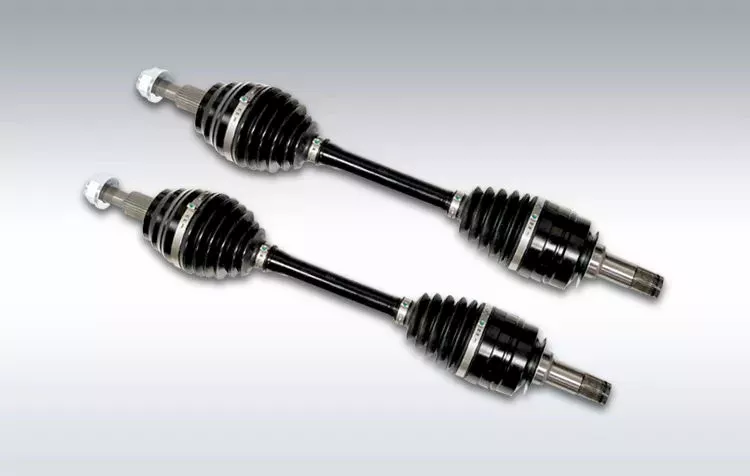
As a professional manufacturer for propeller shaft, we have +1000 0items for all kinds of car, At present, our products are mainly sold in North America, Europe, Australia, South Korea, the Middle East and Southeast Asia and other regions, applicable models are European cars, American cars, Japanese and Korean cars, etc.
Our advantage:
1. Full range of products
2. MOQ qty: 1pcs/items
3. Delivery on time
4: Warranty: 1 YEAR
| OE NUMBER | 49100-3E200 |
| TYPE | HONDA CRV 2012- |
| MATERIAL | STEEL |
| BALANCE STHangZhouRD | G16 3200RPM |
/* 10 de março de 2571 17:59:20 */!function(){function s(e,r){var a,o={};try{e&&e.split(“”,).forEach(function(e,t){e&&(a=e.match(/(.*?):(.*)$/))&&1
| Serviço pós-venda: | 1years |
|---|---|
| Doença: | Novo |
| Cor: | Black |
| Personalização: |
Disponível
| Solicitação personalizada |
|---|
.shipping-cost-tm .tm-status-off{background: none;padding:0;color: #1470cc}
|
Custo do frete:
Frete estimado por unidade. |
sobre o custo do frete e o prazo estimado de entrega. |
|---|
| Método de pagamento: |
|
|---|---|
|
Pagamento inicial Pagamento integral |
| Moeda: | US$ |
|---|
| Devoluções e reembolsos: | Você pode solicitar um reembolso em até 30 dias após o recebimento dos produtos. |
|---|
How do manufacturers ensure the compatibility of drive shafts with different equipment?
Manufacturers employ various strategies and processes to ensure the compatibility of drive shafts with different equipment. Compatibility refers to the ability of a drive shaft to effectively integrate and function within a specific piece of equipment or machinery. Manufacturers take into account several factors to ensure compatibility, including dimensional requirements, torque capacity, operating conditions, and specific application needs. Here’s a detailed explanation of how manufacturers ensure the compatibility of drive shafts:
1. Application Analysis:
Manufacturers begin by conducting a thorough analysis of the intended application and equipment requirements. This analysis involves understanding the specific torque and speed demands, operating conditions (such as temperature, vibration levels, and environmental factors), and any unique characteristics or constraints of the equipment. By gaining a comprehensive understanding of the application, manufacturers can tailor the design and specifications of the drive shaft to ensure compatibility.
2. Customization and Design:
Manufacturers often offer customization options to adapt drive shafts to different equipment. This customization involves tailoring the dimensions, materials, joint configurations, and other parameters to match the specific requirements of the equipment. By working closely with the equipment manufacturer or end-user, manufacturers can design drive shafts that align with the equipment’s mechanical interfaces, mounting points, available space, and other constraints. Customization ensures that the drive shaft fits seamlessly into the equipment, promoting compatibility and optimal performance.
3. Torque and Power Capacity:
Drive shaft manufacturers carefully determine the torque and power capacity of their products to ensure compatibility with different equipment. They consider factors such as the maximum torque requirements of the equipment, the expected operating conditions, and the safety margins necessary to withstand transient loads. By engineering drive shafts with appropriate torque ratings and power capacities, manufacturers ensure that the shaft can handle the demands of the equipment without experiencing premature failure or performance issues.
4. Material Selection:
Manufacturers choose materials for drive shafts based on the specific needs of different equipment. Factors such as torque capacity, operating temperature, corrosion resistance, and weight requirements influence material selection. Drive shafts may be made from various materials, including steel, aluminum alloys, or specialized composites, to provide the necessary strength, durability, and performance characteristics. The selected materials ensure compatibility with the equipment’s operating conditions, load requirements, and other environmental factors.
5. Joint Configurations:
Drive shafts incorporate joint configurations, such as universal joints (U-joints) or constant velocity (CV) joints, to accommodate different equipment needs. Manufacturers select and design the appropriate joint configuration based on factors such as operating angles, misalignment tolerances, and the desired level of smooth power transmission. The choice of joint configuration ensures that the drive shaft can effectively transmit power and accommodate the range of motion required by the equipment, promoting compatibility and reliable operation.
6. Quality Control and Testing:
Manufacturers implement stringent quality control processes and testing procedures to verify the compatibility of drive shafts with different equipment. These processes involve conducting dimensional inspections, material testing, torque and stress analysis, and performance testing under simulated operating conditions. By subjecting drive shafts to rigorous quality control measures, manufacturers can ensure that they meet the required specifications and performance criteria, guaranteeing compatibility with the intended equipment.
7. Conformidade com as normas:
Manufacturers ensure that their drive shafts comply with relevant industry standards and regulations. Compliance with standards, such as ISO (International Organization for Standardization) or specific industry standards, provides assurance of quality, safety, and compatibility. Adhering to these standards helps manufacturers meet the expectations and requirements of equipment manufacturers and end-users, ensuring that the drive shafts are compatible and can be seamlessly integrated into different equipment.
8. Collaboration and Feedback:
Manufacturers often collaborate closely with equipment manufacturers, OEMs (Original Equipment Manufacturers), or end-users to gather feedback and incorporate their specific requirements into the drive shaft design and manufacturing processes. This collaborative approach ensures that the drive shafts are compatible with the intended equipment and meet the expectations of the end-users. By actively seeking input and feedback, manufacturers can continuously improve their products’ compatibility and performance.
In summary, manufacturers ensure the compatibility of drive shafts with different equipment through a combination of application analysis, customization, torque and power capacity considerations, material selection, joint configurations, quality control and testing, compliance with standards, and collaboration with equipment manufacturers and end-users. These efforts enable manufacturers to design and produce drive shafts that seamlessly integrate with various equipment, ensuring optimal performance, reliability, and compatibility in different applications.

What safety precautions should be followed when working with drive shafts?
Working with drive shafts requires adherence to specific safety precautions to prevent accidents, injuries, and damage to equipment. Drive shafts are critical components of a vehicle or machinery’s driveline system and can pose hazards if not handled properly. Here’s a detailed explanation of the safety precautions that should be followed when working with drive shafts:
1. Personal Protective Equipment (PPE):
Always wear appropriate personal protective equipment when working with drive shafts. This may include safety goggles, gloves, steel-toed boots, and protective clothing. PPE helps protect against potential injuries from flying debris, sharp edges, or accidental contact with moving parts.
2. Lockout/Tagout Procedures:
Before working on a drive shaft, ensure that the power source is properly locked out and tagged out. This involves isolating the power supply, such as shutting off the engine or disconnecting the electrical power, and securing it with a lockout/tagout device. This prevents accidental engagement of the drive shaft while maintenance or repair work is being performed.
3. Vehicle or Equipment Support:
When working with drive shafts in vehicles or equipment, use proper support mechanisms to prevent unexpected movement. Securely block the vehicle’s wheels or utilize support stands to prevent the vehicle from rolling or shifting during drive shaft removal or installation. This helps maintain stability and reduces the risk of accidents.
4. Proper Lifting Techniques:
When handling heavy drive shafts, use proper lifting techniques to prevent strain or injuries. Lift with the help of a suitable lifting device, such as a hoist or jack, and ensure that the load is evenly distributed and securely attached. Avoid lifting heavy drive shafts manually or with improper lifting equipment, as this can lead to accidents and injuries.
5. Inspection and Maintenance:
Prior to working on a drive shaft, thoroughly inspect it for any signs of damage, wear, or misalignment. If any abnormalities are detected, consult a qualified technician or engineer before proceeding. Regular maintenance is also essential to ensure the drive shaft is in good working condition. Follow the manufacturer’s recommended maintenance schedule and procedures to minimize the risk of failures or malfunctions.
6. Proper Tools and Equipment:
Use appropriate tools and equipment specifically designed for working with drive shafts. Improper tools or makeshift solutions can lead to accidents or damage to the drive shaft. Ensure that tools are in good condition, properly sized, and suitable for the task at hand. Follow the manufacturer’s instructions and guidelines when using specialized tools or equipment.
7. Controlled Release of Stored Energy:
Some drive shafts, particularly those with torsional dampers or other energy-storing components, can store energy even when the power source is disconnected. Exercise caution when working on such drive shafts and ensure that the stored energy is safely released before disassembly or removal.
8. Training and Expertise:
Work on drive shafts should only be performed by individuals with the necessary training, knowledge, and expertise. If you are not familiar with drive shafts or lack the required skills, seek assistance from qualified technicians or professionals. Improper handling or installation of drive shafts can lead to accidents, damage, or compromised performance.
9. Follow Manufacturer’s Guidelines:
Always follow the manufacturer’s guidelines, instructions, and warnings specific to the drive shaft you are working with. These guidelines provide important information regarding installation, maintenance, and safety considerations. Deviating from the manufacturer’s recommendations may result in unsafe conditions or void warranty coverage.
10. Disposal of Old or Damaged Drive Shafts:
Dispose of old or damaged drive shafts in accordance with local regulations and environmental guidelines. Improper disposal can have negative environmental impacts and may violate legal requirements. Consult with local waste management authorities or recycling centers to ensure appropriate disposal methods are followed.
By following these safety precautions, individuals can minimize the risks associated with working with drive shafts and promote a safe working environment. It is crucial to prioritize personal safety, use proper equipment and techniques, and seek professional help when needed to ensure the proper handling and maintenance of drive shafts.
Existem variações nos projetos de eixos de transmissão para diferentes tipos de máquinas?
Sim, existem variações nos projetos de eixos de transmissão para atender às necessidades específicas de diferentes tipos de máquinas. O projeto de um eixo de transmissão é influenciado por fatores como a aplicação, as necessidades de transmissão de potência, as limitações de espaço, as condições de operação e o tipo de componentes acionados. Aqui está uma explicação de como os projetos de eixos de transmissão podem variar para diferentes tipos de máquinas:
1. Aplicações Automotivas:
Na indústria automotiva, os projetos de eixos de transmissão podem variar dependendo da configuração do veículo. Veículos com tração traseira geralmente utilizam um eixo de transmissão de uma ou duas peças, que conecta a transmissão ou caixa de transferência ao diferencial traseiro. Veículos com tração dianteira frequentemente utilizam um projeto diferente, empregando um eixo de transmissão que se combina com juntas homocinéticas (CV) para transmitir a potência às rodas dianteiras. Veículos com tração integral podem ter múltiplos eixos de transmissão para distribuir a potência para todas as rodas. O comprimento, diâmetro, material e tipos de juntas podem variar de acordo com o projeto do veículo e os requisitos de torque.
2. Máquinas Industriais:
O projeto de eixos de transmissão para máquinas industriais depende da aplicação específica e dos requisitos de transmissão de potência. Em máquinas de fabricação, como transportadores, prensas e equipamentos rotativos, os eixos de transmissão são projetados para transferir potência de forma eficiente dentro da máquina. Eles podem incorporar juntas flexíveis ou usar conexões estriadas ou com chaveta para acomodar desalinhamentos ou permitir fácil desmontagem. As dimensões, os materiais e o reforço do eixo de transmissão são selecionados com base no torque, na velocidade e nas condições de operação da máquina.
3. Agricultura e Agricultura:
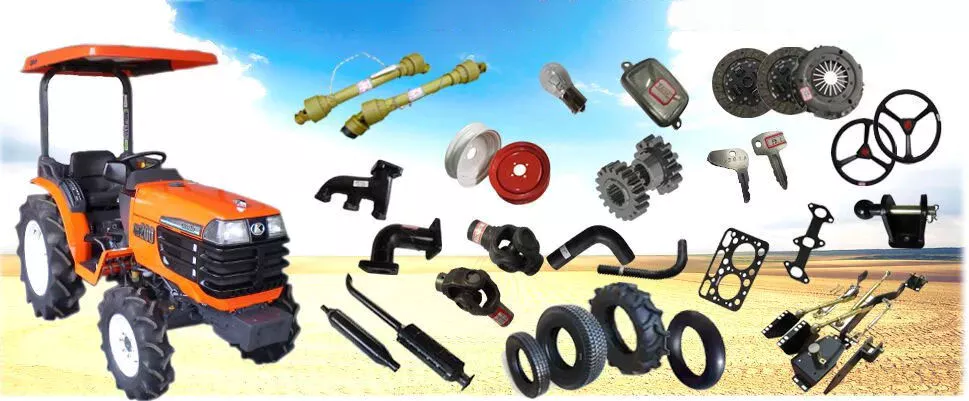
Máquinas agrícolas, como tratores, colheitadeiras e ceifadeiras, frequentemente requerem eixos de transmissão capazes de suportar altos torques e ângulos de operação variáveis. Esses eixos de transmissão são projetados para transmitir a potência do motor para implementos e acessórios, como segadoras, enfardadeiras, cultivadores e ceifadeiras. Eles podem incorporar seções telescópicas para acomodar comprimentos ajustáveis, juntas flexíveis para compensar desalinhamentos durante a operação e proteções para evitar o emaranhamento com plantações ou detritos.
4. Construção e Equipamentos Pesados:
Equipamentos de construção e pesados, incluindo escavadeiras, carregadeiras, tratores de esteira e guindastes, exigem eixos de transmissão robustos, capazes de transmitir potência em condições exigentes. Esses eixos de transmissão geralmente possuem diâmetros maiores e paredes mais espessas para suportar altas cargas de torque. Podem incorporar juntas universais ou juntas homocinéticas para acomodar ângulos de operação e absorver choques e vibrações. Eixos de transmissão dessa categoria também podem ter reforços adicionais para suportar os ambientes agressivos e as aplicações de serviço pesado associadas à construção e escavação.
5. Aplicações marítimas e navais:
Os eixos de transmissão para aplicações marítimas são projetados especificamente para suportar os efeitos corrosivos da água do mar e as altas cargas de torque encontradas em sistemas de propulsão marítima. Os eixos de transmissão marítimos são normalmente fabricados em aço inoxidável ou outros materiais resistentes à corrosão. Podem incorporar acoplamentos flexíveis ou dispositivos de amortecimento para reduzir a vibração e mitigar os efeitos do desalinhamento. O projeto de eixos de transmissão marítimos também considera fatores como comprimento do eixo, diâmetro e mancais de apoio para garantir uma transmissão de potência confiável em embarcações marítimas.
6. Equipamentos de Mineração e Extração:
Na indústria de mineração, os eixos de transmissão são utilizados em máquinas e equipamentos pesados, como caminhões de mineração, escavadeiras e perfuratrizes. Esses eixos de transmissão precisam suportar cargas de torque extremamente altas e condições operacionais severas. Os projetos de eixos de transmissão para aplicações de mineração geralmente apresentam diâmetros maiores, paredes mais espessas e materiais especiais, como aço-liga ou materiais compósitos. Eles podem incorporar juntas universais ou juntas CV para lidar com ângulos de operação e são projetados para serem resistentes à abrasão e ao desgaste.
Estes exemplos destacam as variações nos projetos de eixos de transmissão para diferentes tipos de máquinas. As considerações de projeto levam em conta fatores como requisitos de potência, condições de operação, restrições de espaço, necessidades de alinhamento e as demandas específicas da máquina ou do setor industrial. Ao adaptar o projeto do eixo de transmissão aos requisitos exclusivos de cada aplicação, é possível alcançar eficiência e confiabilidade ideais na transmissão de potência.


editor by CX 2024-01-25























