
Descrição do produto
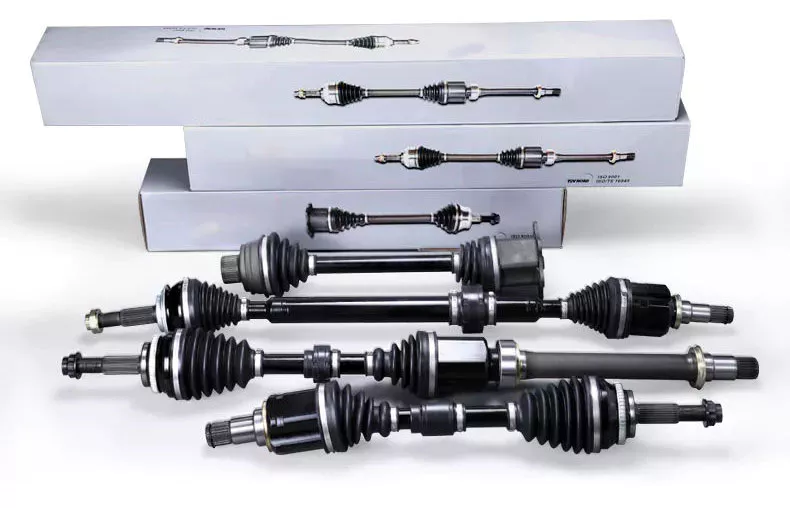
As a professional manufacturer for propeller shaft, we have
65-9462
ZZR0-25-100
65-9198
52853642AC
65-9400
1L2Z4A376AA
65-9536
5305711
65-9823
DL3Z4R602B
65-9538
52123112AA
65-9440
6R3Z4602B
65-9151
52853364AF
65-9110
7A2Z4R602N
65-9534
52105860AA
65-9114
F75Z4A376BB
65-9319
52853363AB
65-9116
F81Z4A376PA
65-9537
52853363AE
65-9442
5C3Z4A376A
65-9548
53006781
65-9443
BL8Z4R602A
65-9701
680 0571 2AA
for GMC/HUMMER
CARDONE
OE
CARDONE
OE
65-9371
25776616
65-9492
1 0571 298
for KOREA CAR
for HYUNDAI/KIA
CARDONE
OE
CARDONE
OE
65-3502
49571-H1031
936-211
49100-3E450
65-3503
49300-2S000
936-210
49100-3E400
65-3500
49300-0L000
936-200
49300-2P500
| Serviço pós-venda: | 1 Year |
|---|---|
| Doença: | Novo |
| Cor: | Black |
| Certificação: | ISO, IATF |
| Tipo: | Propeller Shaft/Drive Shaft |
| Application Brand: | for Audi |
| Exemplos: |
US$ 300/Piece
1 unidade (pedido mínimo) | |
|---|
| Personalização: |
Disponível
| Solicitação personalizada |
|---|
Quais práticas de manutenção são cruciais para prolongar a vida útil dos eixos de transmissão?
Para prolongar a vida útil dos eixos de transmissão e garantir seu desempenho ideal, diversas práticas de manutenção são cruciais. A manutenção regular ajuda a identificar e solucionar problemas potenciais antes que se agravem, reduz o desgaste e garante que o eixo de transmissão funcione de forma suave e eficiente. Aqui estão algumas práticas essenciais de manutenção para prolongar a vida útil dos eixos de transmissão:
1. Inspeção regular:
Realizar inspeções regulares é vital para detectar quaisquer sinais de desgaste, danos ou desalinhamento. Inspecione visualmente o eixo de transmissão, procurando por rachaduras, amassados ou quaisquer sinais de desgaste excessivo no próprio eixo e em seus componentes associados, como juntas, garfos e estrias. Verifique se há vazamentos de lubrificante ou contaminação. Além disso, inspecione os fixadores e pontos de montagem para garantir que estejam seguros. A detecção precoce de quaisquer problemas permite reparos ou substituições em tempo hábil, evitando maiores danos ao eixo de transmissão.
2. Lubrificação:
A lubrificação adequada é essencial para o bom funcionamento e a longevidade dos eixos de transmissão. Lubrifique as juntas, como juntas universais ou juntas homocinéticas, conforme recomendado pelo fabricante. A lubrificação reduz o atrito, minimiza o desgaste e ajuda a dissipar o calor gerado durante a operação. Utilize o lubrificante apropriado especificado para o eixo de transmissão e a aplicação em questão, considerando fatores como temperatura, carga e condições de operação. Verifique regularmente os níveis de lubrificação e complete conforme necessário para garantir o desempenho ideal e evitar falhas prematuras.
3. Equilíbrio e Alinhamento:
Manter o balanceamento e o alinhamento adequados é crucial para a vida útil dos eixos de transmissão. Desbalanceamentos ou desalinhamentos podem causar vibrações, desgaste acelerado e possíveis falhas. Se vibrações ou ruídos incomuns forem detectados durante a operação, é importante corrigi-los imediatamente. Realize os procedimentos de balanceamento necessários, incluindo o balanceamento dinâmico, para garantir a distribuição uniforme do peso ao longo do eixo de transmissão. Além disso, verifique se o eixo de transmissão está alinhado corretamente com o motor ou a fonte de energia e os componentes acionados. O desalinhamento pode causar tensão excessiva no eixo de transmissão, levando a falhas prematuras.
4. Revestimentos protetores:
A aplicação de revestimentos protetores pode ajudar a prolongar a vida útil dos eixos de transmissão, principalmente em aplicações expostas a ambientes agressivos ou substâncias corrosivas. Considere o uso de revestimentos como zincagem, pintura eletrostática a pó ou revestimentos especiais resistentes à corrosão para aumentar a resistência do eixo de transmissão à corrosão, ferrugem e danos químicos. Inspecione regularmente o revestimento em busca de sinais de degradação ou danos e reaplique ou repare conforme necessário para manter a barreira protetora.
5. Verificação de torque e fixadores:
Certifique-se de que os fixadores do eixo de transmissão, como parafusos, porcas ou braçadeiras, estejam devidamente apertados e fixados de acordo com as especificações do fabricante. Fixadores soltos ou apertados incorretamente podem causar vibrações excessivas, desalinhamento ou até mesmo o desprendimento do eixo de transmissão. Verifique e reaperte os fixadores periodicamente, conforme recomendado, ou após qualquer procedimento de manutenção ou reparo. Além disso, monitore os níveis de torque durante a operação para garantir que permaneçam dentro da faixa especificada, pois o torque excessivo pode sobrecarregar o eixo de transmissão e levar a falhas prematuras.
6. Proteção Ambiental:
Proteger o eixo de transmissão contra fatores ambientais pode prolongar significativamente sua vida útil. Em aplicações expostas a temperaturas extremas, umidade, produtos químicos ou substâncias abrasivas, tome as medidas apropriadas para proteger o eixo de transmissão. Isso pode incluir o uso de capas protetoras, vedações ou proteções para impedir a entrada de contaminantes e danos. A limpeza regular do eixo de transmissão, especialmente em ambientes sujos ou corrosivos, também pode ajudar a remover detritos e evitar o acúmulo de sujeira que poderia comprometer seu desempenho e durabilidade.
7. Orientações do fabricante:
Siga as diretrizes e recomendações do fabricante para práticas de manutenção específicas para o modelo e aplicação do eixo de transmissão. As instruções do fabricante podem incluir intervalos específicos para inspeções, lubrificação, balanceamento ou outras tarefas de manutenção. A observância dessas diretrizes garante que o eixo de transmissão seja mantido e revisado adequadamente, maximizando sua vida útil e minimizando o risco de falhas inesperadas.
Ao implementar essas práticas de manutenção, os eixos de transmissão podem operar de forma confiável, manter a transmissão de potência eficiente e ter uma vida útil prolongada, reduzindo, em última análise, o tempo de inatividade e garantindo o desempenho ideal em diversas aplicações.

What safety precautions should be followed when working with drive shafts?
Working with drive shafts requires adherence to specific safety precautions to prevent accidents, injuries, and damage to equipment. Drive shafts are critical components of a vehicle or machinery’s driveline system and can pose hazards if not handled properly. Here’s a detailed explanation of the safety precautions that should be followed when working with drive shafts:
1. Personal Protective Equipment (PPE):
Always wear appropriate personal protective equipment when working with drive shafts. This may include safety goggles, gloves, steel-toed boots, and protective clothing. PPE helps protect against potential injuries from flying debris, sharp edges, or accidental contact with moving parts.
2. Lockout/Tagout Procedures:
Before working on a drive shaft, ensure that the power source is properly locked out and tagged out. This involves isolating the power supply, such as shutting off the engine or disconnecting the electrical power, and securing it with a lockout/tagout device. This prevents accidental engagement of the drive shaft while maintenance or repair work is being performed.
3. Vehicle or Equipment Support:
When working with drive shafts in vehicles or equipment, use proper support mechanisms to prevent unexpected movement. Securely block the vehicle’s wheels or utilize support stands to prevent the vehicle from rolling or shifting during drive shaft removal or installation. This helps maintain stability and reduces the risk of accidents.
4. Proper Lifting Techniques:
When handling heavy drive shafts, use proper lifting techniques to prevent strain or injuries. Lift with the help of a suitable lifting device, such as a hoist or jack, and ensure that the load is evenly distributed and securely attached. Avoid lifting heavy drive shafts manually or with improper lifting equipment, as this can lead to accidents and injuries.
5. Inspection and Maintenance:
Prior to working on a drive shaft, thoroughly inspect it for any signs of damage, wear, or misalignment. If any abnormalities are detected, consult a qualified technician or engineer before proceeding. Regular maintenance is also essential to ensure the drive shaft is in good working condition. Follow the manufacturer’s recommended maintenance schedule and procedures to minimize the risk of failures or malfunctions.
6. Proper Tools and Equipment:
Use appropriate tools and equipment specifically designed for working with drive shafts. Improper tools or makeshift solutions can lead to accidents or damage to the drive shaft. Ensure that tools are in good condition, properly sized, and suitable for the task at hand. Follow the manufacturer’s instructions and guidelines when using specialized tools or equipment.
7. Controlled Release of Stored Energy:
Some drive shafts, particularly those with torsional dampers or other energy-storing components, can store energy even when the power source is disconnected. Exercise caution when working on such drive shafts and ensure that the stored energy is safely released before disassembly or removal.
8. Training and Expertise:
Work on drive shafts should only be performed by individuals with the necessary training, knowledge, and expertise. If you are not familiar with drive shafts or lack the required skills, seek assistance from qualified technicians or professionals. Improper handling or installation of drive shafts can lead to accidents, damage, or compromised performance.
9. Follow Manufacturer’s Guidelines:
Always follow the manufacturer’s guidelines, instructions, and warnings specific to the drive shaft you are working with. These guidelines provide important information regarding installation, maintenance, and safety considerations. Deviating from the manufacturer’s recommendations may result in unsafe conditions or void warranty coverage.
10. Disposal of Old or Damaged Drive Shafts:
Dispose of old or damaged drive shafts in accordance with local regulations and environmental guidelines. Improper disposal can have negative environmental impacts and may violate legal requirements. Consult with local waste management authorities or recycling centers to ensure appropriate disposal methods are followed.
By following these safety precautions, individuals can minimize the risks associated with working with drive shafts and promote a safe working environment. It is crucial to prioritize personal safety, use proper equipment and techniques, and seek professional help when needed to ensure the proper handling and maintenance of drive shafts.

What benefits do drive shafts offer for different types of vehicles and equipment?
Drive shafts offer several benefits for different types of vehicles and equipment. They play a crucial role in power transmission and contribute to the overall performance, efficiency, and functionality of various systems. Here’s a detailed explanation of the benefits that drive shafts provide:
1. Efficient Power Transmission:
Drive shafts enable efficient power transmission from the engine or power source to the wheels or driven components. By connecting the engine or motor to the driven system, drive shafts efficiently transfer rotational power, allowing vehicles and equipment to perform their intended functions. This efficient power transmission ensures that the power generated by the engine is effectively utilized, optimizing the overall performance and productivity of the system.
2. Versatilidade:
Drive shafts offer versatility in their applications. They are used in various types of vehicles, including cars, trucks, motorcycles, and off-road vehicles. Additionally, drive shafts are employed in a wide range of equipment and machinery, such as agricultural machinery, construction equipment, industrial machinery, and marine vessels. The ability to adapt to different types of vehicles and equipment makes drive shafts a versatile component for power transmission.
3. Torque Handling:
Drive shafts are designed to handle high levels of torque. Torque is the rotational force generated by the engine or power source. Drive shafts are engineered to efficiently transmit this torque without excessive twisting or bending. By effectively handling torque, drive shafts ensure that the power generated by the engine is reliably transferred to the wheels or driven components, enabling vehicles and equipment to overcome resistance, such as heavy loads or challenging terrains.
4. Flexibility and Compensation:
Drive shafts provide flexibility and compensation for angular movement and misalignment. In vehicles, drive shafts accommodate the movement of the suspension system, allowing the wheels to move up and down independently. This flexibility ensures a constant power transfer even when the vehicle encounters uneven terrain. Similarly, in machinery, drive shafts compensate for misalignment between the engine or motor and the driven components, ensuring smooth power transmission and preventing excessive stress on the drivetrain.
5. Redução de peso:
Drive shafts contribute to weight reduction in vehicles and equipment. Compared to other forms of power transmission, such as belt drives or chain drives, drive shafts are typically lighter in weight. This reduction in weight helps improve fuel efficiency in vehicles and reduces the overall weight of equipment, leading to enhanced maneuverability and increased payload capacity. Additionally, lighter drive shafts contribute to a better power-to-weight ratio, resulting in improved performance and acceleration.
6. Durability and Longevity:
Drive shafts are designed to be durable and long-lasting. They are constructed using materials such as steel or aluminum, which offer high strength and resistance to wear and fatigue. Drive shafts undergo rigorous testing and quality control measures to ensure their reliability and longevity. Proper maintenance, including lubrication and regular inspections, further enhances their durability. The robust construction and long lifespan of drive shafts contribute to the overall reliability and cost-effectiveness of vehicles and equipment.
7. Safety:
Drive shafts incorporate safety features to protect operators and bystanders. In vehicles, drive shafts are often enclosed within a protective tube or housing, preventing contact with moving parts and reducing the risk of injury in the event of a failure. Similarly, in machinery, safety shields or guards are commonly installed around exposed drive shafts to minimize the potential hazards associated with rotating components. These safety measures ensure the well-being of individuals operating or working in proximity to vehicles and equipment.
In summary, drive shafts offer several benefits for different types of vehicles and equipment. They enable efficient power transmission, provide versatility in various applications, handle torque effectively, offer flexibility and compensation, contribute to weight reduction, ensure durability and longevity, and incorporate safety features. By providing these advantages, drive shafts enhance the performance, efficiency, reliability, and safety of vehicles and equipment across a wide range of industries.


editor by CX 2023-10-21























