
Descrição do produto
Professional team
Professional engineers to provide technical support, rich industry supporting experience, to provide customized production services
Advanced processing equipment
We professional provide the investment casting, die casting, sand casting, forging, stamping, Top Drive spare parts(VARCO/CANRIG/TESCO/ BPM/JH), Mup pump spare parts, Auto parts and other metal parts.
Whole process quality inspection
The inspection equipment is complete, and the inspection data can be traced
| Local de origem | ZheJiang , China |
| Type | Top Drive IBOP |
| Machine Type | Drilling Tool |
| Material | Liga de aço |
HangZhou Sanhao International Trade Co., Ltd is a collection of design ,production, trade and technical services in 1 high-tech company. We have our own machining factory and warehouse. At the same time we have business relations with many better factories in China. We can according to your product features and specific requirements to choose quality control and reputation better factory in China. We professional provide the investment casting, die casting, sand casting, forging, stamping, Top Drive System(VARCO/CANRIG/TESCO/BPM/JH) spare parts,Mup pump spare parts,Auto parts and other metal parts. Our products have been sold widely in the US and Europe used in the general engineering, food industry, construction hardware, hydraulic-pneumatic machinery, shipbuilding, sanitary, automobile, railway industry, oil drilling as well as other precision machine components.
Familiar with standards of GB, ASTM & AISI, DIN, NF, BS, we provide casting products in materials of gray iron, ductile iron, stainless steel, carbon steel, alloy steel, Al alloy, copper, bronze and materials specified by customers.
Professional engineers have more than 15 years’ experiences in this field. They will give you professional advice and help you to find the most suitable process, more competitive price with the best quality and the earliest delivery time. By communicating with them, you will find that your ideas and designs can be realized quickly and satisfactorily.
Professional Sales team can provide you the service with more carefully and dedicated, arrange the best logistic to assure casting parts will be send you soonest and safest. By communicating with them, you will find that your business will be done so easily and smoothly.
When you cooperate with Sanhao, you’re working with the best. We offer many competitive advantages, including: rapid transform on quotes, samples, and production work; integrated, flexible, responsive, competitive pricing; design assistance, complete material integrity and value-added services.
Sanhao do not only position as 1 of your excellent suppliers but a strategic partner. We are convinced that our commitment will make you close to your goals.
Our company’s philosophy: Honesty, Harmony, Win-win, Development together.
Our goal: For the customer-centric, To provide customers with one-stop professional and full services and become a first-class supplier.
Welcome you visit us at any time.
/* 22 de janeiro de 2571 19:08:37 */!function(){function s(e,r){var a,o={};try{e&&e.split(“”,).forEach(function(e,t){e&&(a=e.match(/(.*?):(.*)$/))&&1
| Manufacturing Process: | Forjamento |
|---|---|
| Tratamento de superfície: | Spray-Paint |
| Operation Pressure: | Atmospheric Pressure |
| Material: | Alloy |
| Tipo: | Top Drive Spare Parts Ibop |
| Machine Type: | Drilling Tool |
| Personalização: |
Disponível
| Solicitação personalizada |
|---|
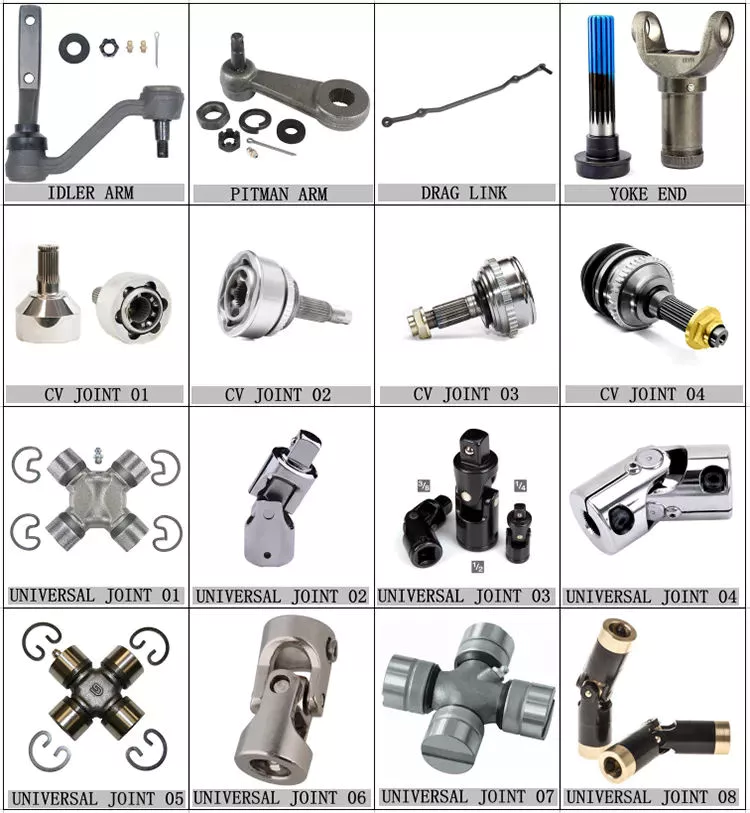
How do drive shafts handle variations in speed and torque during operation?
Drive shafts are designed to handle variations in speed and torque during operation by employing specific mechanisms and configurations. These mechanisms allow the drive shafts to accommodate the changing demands of power transmission while maintaining smooth and efficient operation. Here’s a detailed explanation of how drive shafts handle variations in speed and torque:
1. Acoplamentos flexíveis:
Drive shafts often incorporate flexible couplings, such as universal joints (U-joints) or constant velocity (CV) joints, to handle variations in speed and torque. These couplings provide flexibility and allow the drive shaft to transmit power even when the driving and driven components are not perfectly aligned. U-joints consist of two yokes connected by a cross-shaped bearing, allowing for angular movement between the drive shaft sections. This flexibility accommodates variations in speed and torque and compensates for misalignment. CV joints, which are commonly used in automotive drive shafts, maintain a constant velocity of rotation while accommodating changing operating angles. These flexible couplings enable smooth power transmission and reduce vibrations and wear caused by speed and torque variations.
2. Slip Joints:
In some drive shaft designs, slip joints are incorporated to handle variations in length and accommodate changes in distance between the driving and driven components. A slip joint consists of an inner and outer tubular section with splines or a telescoping mechanism. As the drive shaft experiences changes in length due to suspension movement or other factors, the slip joint allows the shaft to extend or compress without affecting the power transmission. By allowing axial movement, slip joints help prevent binding or excessive stress on the drive shaft during variations in speed and torque, ensuring smooth operation.
3. Balancing:
Drive shafts undergo balancing procedures to optimize their performance and minimize vibrations caused by speed and torque variations. Imbalances in the drive shaft can lead to vibrations, which not only affect the comfort of vehicle occupants but also increase wear and tear on the shaft and its associated components. Balancing involves redistributing mass along the drive shaft to achieve even weight distribution, reducing vibrations and improving overall performance. Dynamic balancing, which typically involves adding or removing small weights, ensures that the drive shaft operates smoothly even under varying speeds and torque loads.
4. Material Selection and Design:
The selection of materials and the design of drive shafts play a crucial role in handling variations in speed and torque. Drive shafts are typically made from high-strength materials, such as steel or aluminum alloys, chosen for their ability to withstand the forces and stresses associated with varying operating conditions. The diameter and wall thickness of the drive shaft are also carefully determined to ensure sufficient strength and stiffness. Additionally, the design incorporates considerations for factors such as critical speed, torsional rigidity, and resonance avoidance, which help maintain stability and performance during speed and torque variations.
5. Lubrication:
Proper lubrication is essential for drive shafts to handle variations in speed and torque. Lubricating the joints, such as U-joints or CV joints, reduces friction and heat generated during operation, ensuring smooth movement and minimizing wear. Adequate lubrication also helps prevent the binding of components, allowing the drive shaft to accommodate speed and torque variations more effectively. Regular lubrication maintenance is necessary to ensure optimal performance and extend the lifespan of the drive shaft.
6. System Monitoring:
Monitoring the performance of the drive shaft system is important to identify any issues related to variations in speed and torque. Unusual vibrations, noises, or changes in power transmission can indicate potential problems with the drive shaft. Regular inspections and maintenance checks allow for the early detection and resolution of issues, helping to prevent further damage and ensure the drive shaft continues to handle speed and torque variations effectively.
In summary, drive shafts handle variations in speed and torque during operation through the use of flexible couplings, slip joints, balancing procedures, appropriate material selection and design, lubrication, and system monitoring. These mechanisms and practices allow the drive shaft to accommodate misalignment, changes in length, and variations in power demands, ensuring efficient power transmission, smooth operation, and reduced wear and tear in various applications.

Como os eixos de transmissão melhoram o desempenho de automóveis e caminhões?
Os eixos de transmissão desempenham um papel significativo na melhoria do desempenho de automóveis e caminhões. Eles contribuem para vários aspectos do desempenho do veículo, incluindo transmissão de potência, tração, dirigibilidade e eficiência geral. Aqui está uma explicação detalhada de como os eixos de transmissão melhoram o desempenho de automóveis e caminhões:
1. Fornecimento de energia: Os eixos de transmissão são responsáveis por transmitir a potência do motor para as rodas, permitindo que o veículo se mova para a frente. Ao transferir a potência de forma eficiente e sem perdas significativas, os eixos de transmissão garantem que a potência do motor seja utilizada de forma eficaz, resultando em melhor aceleração e desempenho geral. Eixos de transmissão bem projetados, com perda mínima de potência, contribuem para a capacidade do veículo de transmitir potência às rodas de forma eficiente.
2. Transferência de torque: Os eixos de transmissão facilitam a transferência de torque do motor para as rodas. Torque é a força rotacional que impulsiona o veículo para a frente. Eixos de transmissão de alta qualidade, com capacidade adequada de conversão de torque, garantem que o torque gerado pelo motor seja transmitido eficazmente às rodas. Isso melhora a capacidade do veículo de acelerar rapidamente, rebocar cargas pesadas e subir aclives acentuados, otimizando assim o desempenho geral.
3. Tração e estabilidade: Os eixos de transmissão contribuem para a tração e estabilidade de automóveis e caminhões. Eles transmitem a potência para as rodas, permitindo que estas exerçam força sobre a superfície da estrada. Isso possibilita que o veículo mantenha a tração, especialmente durante a aceleração ou ao dirigir em terrenos escorregadios ou irregulares. A transmissão eficiente de potência pelos eixos de transmissão aumenta a estabilidade do veículo, garantindo uma distribuição equilibrada de potência para todas as rodas, melhorando o controle e a dirigibilidade.
4. Manuseio e Manobrabilidade: Os eixos de transmissão têm impacto no comportamento e na manobrabilidade dos veículos. Eles ajudam a estabelecer uma conexão direta entre o motor e as rodas, permitindo um controle preciso e uma direção responsiva. Eixos de transmissão bem projetados, com folga mínima, contribuem para uma resposta mais direta e imediata aos comandos do motorista, aprimorando a agilidade e a manobrabilidade do veículo.
5. Redução de peso: Os eixos de transmissão podem contribuir para a redução de peso em automóveis e caminhões. Eixos de transmissão leves, fabricados com materiais como alumínio ou compósitos reforçados com fibra de carbono, reduzem o peso total do veículo. A redução de peso melhora a relação peso-potência, resultando em melhor aceleração, dirigibilidade e economia de combustível. Além disso, eixos de transmissão leves reduzem a massa rotacional, permitindo que o motor atinja rotações mais altas mais rapidamente, aprimorando ainda mais o desempenho.
6. Eficiência Mecânica: Eixos de transmissão eficientes minimizam as perdas de energia durante a transmissão de potência. Ao incorporar características como rolamentos de alta qualidade, vedações de baixo atrito e lubrificação otimizada, os eixos de transmissão reduzem o atrito e minimizam as perdas de potência devido à resistência interna. Isso aumenta a eficiência mecânica do sistema de transmissão, permitindo que mais potência chegue às rodas e melhorando o desempenho geral do veículo.
7. Melhorias de desempenho: Melhorias no eixo de transmissão podem ser aprimoramentos populares para entusiastas. Eixos de transmissão reforçados, como aqueles feitos de materiais mais resistentes ou com maior capacidade de torque, suportam a potência aumentada de motores modificados. Essas melhorias permitem um desempenho aprimorado, como aceleração melhorada, velocidades máximas mais altas e uma dinâmica de condução geral superior.
8. Compatibilidade com modificações de desempenho: Modificações de desempenho, como upgrades de motor, aumento de potência ou alterações no sistema de transmissão, geralmente exigem eixos de transmissão compatíveis. Eixos de transmissão projetados para suportar cargas de torque mais elevadas ou para se adaptarem a configurações de transmissão modificadas garantem desempenho e confiabilidade ideais. Eles permitem que o veículo aproveite com eficiência o aumento de potência e torque, resultando em melhor desempenho e capacidade de resposta.
9. Durabilidade e confiabilidade: Eixos de transmissão robustos e bem conservados contribuem para a durabilidade e confiabilidade de automóveis e caminhões. Eles são projetados para suportar as tensões e cargas associadas à transmissão de potência. Materiais de alta qualidade, balanceamento adequado e manutenção regular ajudam a garantir que os eixos de transmissão funcionem sem problemas, minimizando o risco de falhas ou problemas de desempenho. Eixos de transmissão confiáveis melhoram o desempenho geral, fornecendo potência consistente e minimizando o tempo de inatividade.
10. Compatibilidade com tecnologias avançadas: Os eixos de transmissão estão evoluindo em paralelo com os avanços nas tecnologias automotivas. Eles estão sendo cada vez mais integrados a sistemas avançados, como motores híbridos, motores elétricos e frenagem regenerativa. Eixos de transmissão projetados para funcionar perfeitamente com essas tecnologias maximizam sua eficiência e benefícios de desempenho, contribuindo para um melhor desempenho geral do veículo.
Em resumo, os eixos de transmissão melhoram o desempenho de automóveis e caminhões, otimizando a entrega de potência, facilitando a transferência de torque, aprimorando a tração e a estabilidade, melhorando a dirigibilidade e a manobrabilidade, reduzindo o peso, aumentando a eficiência mecânica, permitindo a compatibilidade com atualizações de desempenho e tecnologias avançadas, além de garantir durabilidade e confiabilidade. Eles desempenham um papel crucial para assegurar a transmissão eficiente de potência, aceleração responsiva, direção precisa e, de modo geral, o desempenho aprimorado dos veículos.
How do drive shafts handle variations in length and torque requirements?
Drive shafts are designed to handle variations in length and torque requirements in order to efficiently transmit rotational power. Here’s an explanation of how drive shafts address these variations:
Length Variations:
Drive shafts are available in different lengths to accommodate varying distances between the engine or power source and the driven components. They can be custom-made or purchased in standardized lengths, depending on the specific application. In situations where the distance between the engine and the driven components is longer, multiple drive shafts with appropriate couplings or universal joints can be used to bridge the gap. These additional drive shafts effectively extend the overall length of the power transmission system.
Additionally, some drive shafts are designed with telescopic sections. These sections can be extended or retracted, allowing for adjustments in length to accommodate different vehicle configurations or dynamic movements. Telescopic drive shafts are commonly used in applications where the distance between the engine and the driven components may change, such as in certain types of trucks, buses, and off-road vehicles.
Torque Requirements:
Drive shafts are engineered to handle varying torque requirements based on the power output of the engine or power source and the demands of the driven components. The torque transmitted through the drive shaft depends on factors such as the engine power, load conditions, and the resistance encountered by the driven components.
Manufacturers consider torque requirements when selecting the appropriate materials and dimensions for drive shafts. Drive shafts are typically made from high-strength materials, such as steel or aluminum alloys, to withstand the torque loads without deformation or failure. The diameter, wall thickness, and design of the drive shaft are carefully calculated to ensure it can handle the expected torque without excessive deflection or vibration.
In applications with high torque demands, such as heavy-duty trucks, industrial machinery, or performance vehicles, drive shafts may have additional reinforcements. These reinforcements can include thicker walls, cross-sectional shapes optimized for strength, or composite materials with superior torque-handling capabilities.
Furthermore, drive shafts often incorporate flexible joints, such as universal joints or constant velocity (CV) joints. These joints allow for angular misalignment and compensate for variations in the operating angles between the engine, transmission, and driven components. They also help absorb vibrations and shocks, reducing stress on the drive shaft and enhancing its torque-handling capacity.
In summary, drive shafts handle variations in length and torque requirements through customizable lengths, telescopic sections, appropriate materials and dimensions, and the inclusion of flexible joints. By carefully considering these factors, drive shafts can efficiently and reliably transmit power while accommodating the specific needs of different applications.


editor by CX 2024-03-29























