
Opis produktu
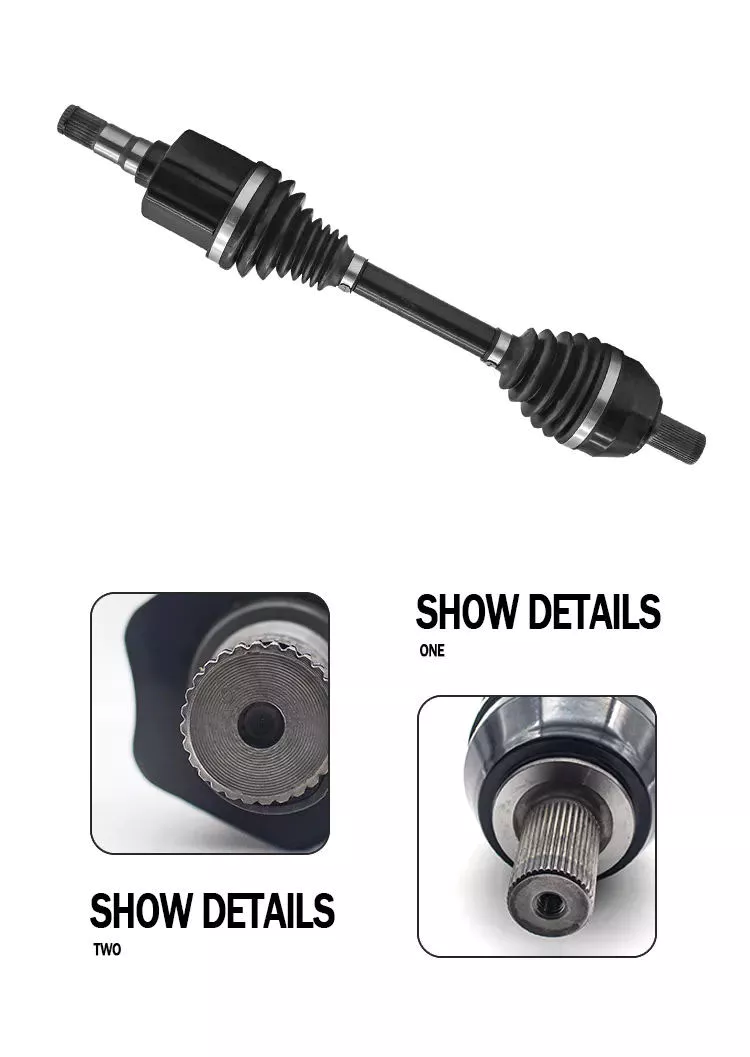
As a professional manufacturer for propeller shaft, we have +1000 items for all kinds of car. At present, our products are mainly sold in North America, Europe, Australia, South Korea, the Middle East and Southeast Asia and other regions, applicable models are European cars, American cars, Japanese and Korean cars, etc.
Our advantage:
1. Full range of products
2. MOQ qty: 1pcs/items
3. Delivery on time
4: Warranty: 1 YEAR
| OE NUMBER | 52111594AA;52111596AA;52111596AB |
| TYPE | JEEP LIBERTY 2005-2007 |
| MATERIAL | STEEL |
| BALANCE STHangZhouRD | G16 3200RPM |
/* 22 stycznia 2571 19:08:37 */!function(){function s(e,r){var a,o={};try{e&&e.split(„”,).forEach(function(e,t){e&&(a=e.match(/(.*?):(.*)$/))&&1
| Serwis posprzedażowy: | 1years |
|---|---|
| Stan : schorzenie: | Nowy |
| Color: | Black |
| Personalizacja: |
Dostępny
| Spersonalizowane żądanie |
|---|
.shipping-cost-tm .tm-status-off{background: none;padding:0;color: #1470cc}
|
Shipping Cost:
Estimated freight per unit. |
about shipping cost and estimated delivery time. |
|---|
| Payment Method: |
|
|---|---|
|
Initial Payment Full Payment |
| Currency: | US$ |
|---|
| Return&refunds: | You can apply for a refund up to 30 days after receipt of the products. |
|---|
Are there any limitations or disadvantages associated with drive shafts?
While drive shafts are widely used and offer several advantages, they also have certain limitations and disadvantages that should be considered. Here’s a detailed explanation of the limitations and disadvantages associated with drive shafts:
1. Length and Misalignment Constraints:
Drive shafts have a maximum practical length due to factors such as material strength, weight considerations, and the need to maintain rigidity and minimize vibrations. Longer drive shafts can be prone to increased bending and torsional deflection, leading to reduced efficiency and potential driveline vibrations. Additionally, drive shafts require proper alignment between the driving and driven components. Misalignment can cause increased wear, vibrations, and premature failure of the drive shaft or its associated components.
2. Limited Operating Angles:
Drive shafts, especially those using U-joints, have limitations on operating angles. U-joints are typically designed to operate within specific angular ranges, and operating beyond these limits can result in reduced efficiency, increased vibrations, and accelerated wear. In applications requiring large operating angles, constant velocity (CV) joints are often used to maintain a constant speed and accommodate greater angles. However, CV joints may introduce higher complexity and cost compared to U-joints.
3. Maintenance Requirements:
Drive shafts require regular maintenance to ensure optimal performance and reliability. This includes periodic inspection, lubrication of joints, and balancing if necessary. Failure to perform routine maintenance can lead to increased wear, vibrations, and potential driveline issues. Maintenance requirements should be considered in terms of time and resources when using drive shafts in various applications.
4. Noise and Vibration:
Drive shafts can generate noise and vibrations, especially at high speeds or when operating at certain resonant frequencies. Imbalances, misalignment, worn joints, or other factors can contribute to increased noise and vibrations. These vibrations may affect the comfort of vehicle occupants, contribute to component fatigue, and require additional measures such as dampers or vibration isolation systems to mitigate their effects.
5. Weight and Space Constraints:
Drive shafts add weight to the overall system, which can be a consideration in weight-sensitive applications, such as automotive or aerospace industries. Additionally, drive shafts require physical space for installation. In compact or tightly packaged equipment or vehicles, accommodating the necessary drive shaft length and clearances can be challenging, requiring careful design and integration considerations.
6. Cost Considerations:
Drive shafts, depending on their design, materials, and manufacturing processes, can involve significant costs. Customized or specialized drive shafts tailored to specific equipment requirements may incur higher expenses. Additionally, incorporating advanced joint configurations, such as CV joints, can add complexity and cost to the drive shaft system.
7. Inherent Power Loss:
Drive shafts transmit power from the driving source to the driven components, but they also introduce some inherent power loss due to friction, bending, and other factors. This power loss can reduce overall system efficiency, particularly in long drive shafts or applications with high torque requirements. It is important to consider power loss when determining the appropriate drive shaft design and specifications.
8. Limited Torque Capacity:
While drive shafts can handle a wide range of torque loads, there are limits to their torque capacity. Exceeding the maximum torque capacity of a drive shaft can lead to premature failure, resulting in downtime and potential damage to other driveline components. It is crucial to select a drive shaft with sufficient torque capacity for the intended application.
Despite these limitations and disadvantages, drive shafts remain a widely used and effective means of power transmission in various industries. Manufacturers continuously work to address these limitations through advancements in materials, design techniques, joint configurations, and balancing processes. By carefully considering the specific application requirements and potential drawbacks, engineers and designers can mitigate the limitations and maximize the benefits of drive shafts in their respective systems.

W jaki sposób wały napędowe poprawiają osiągi samochodów osobowych i ciężarowych?
Wały napędowe odgrywają istotną rolę w poprawie osiągów samochodów osobowych i ciężarowych. Przyczyniają się do różnych aspektów osiągów pojazdu, w tym do dostarczania mocy, przyczepności, prowadzenia i ogólnej wydajności. Oto szczegółowe wyjaśnienie, w jaki sposób wały napędowe poprawiają osiągi samochodów osobowych i ciężarowych:
1. Dostarczanie mocy:
Wały napędowe odpowiadają za przenoszenie mocy z silnika na koła, umożliwiając pojazdowi poruszanie się do przodu. Efektywnie przekazując moc bez znaczących strat, wały napędowe zapewniają efektywne wykorzystanie mocy silnika, co przekłada się na lepsze przyspieszenie i ogólną wydajność. Dobrze zaprojektowane wały napędowe, charakteryzujące się minimalnymi stratami mocy, przyczyniają się do efektywnego przekazywania mocy na koła pojazdu.
2. Przenoszenie momentu obrotowego:
Wały napędowe ułatwiają przenoszenie momentu obrotowego z silnika na koła. Moment obrotowy to siła obrotowa, która napędza pojazd do przodu. Wysokiej jakości wały napędowe z odpowiednimi możliwościami konwersji momentu obrotowego zapewniają efektywne przenoszenie momentu obrotowego generowanego przez silnik na koła. Poprawia to zdolność pojazdu do szybkiego przyspieszania, holowania ciężkich ładunków i pokonywania stromych wzniesień, a tym samym poprawia ogólną wydajność.
3. Przyczepność i stabilność:
Wały napędowe przyczyniają się do przyczepności i stabilności samochodów osobowych i ciężarowych. Przenoszą one moc na koła, umożliwiając im wywieranie nacisku na nawierzchnię drogi. Dzięki temu pojazd utrzymuje przyczepność, szczególnie podczas przyspieszania lub jazdy po śliskim lub nierównym terenie. Efektywne przekazywanie mocy przez wały napędowe poprawia stabilność pojazdu, zapewniając równomierny rozkład mocy na wszystkie koła, co przekłada się na lepszą kontrolę i prowadzenie.
4. Obsługa i zwrotność:
Wały napędowe wpływają na prowadzenie i zwrotność pojazdów. Zapewniają bezpośrednie połączenie między silnikiem a kołami, umożliwiając precyzyjną kontrolę i responsywne prowadzenie. Dobrze zaprojektowane wały napędowe z minimalnym luzem przyczyniają się do bardziej bezpośredniej i natychmiastowej reakcji na polecenia kierowcy, zwiększając zwinność i zwrotność pojazdu.
5. Redukcja wagi:
Wały napędowe mogą przyczynić się do redukcji masy samochodów osobowych i ciężarowych. Lekkie wały napędowe wykonane z materiałów takich jak aluminium lub kompozyty wzmocnione włóknem węglowym zmniejszają całkowitą masę pojazdu. Niższa masa poprawia stosunek mocy do masy, co przekłada się na lepsze przyspieszenie, prowadzenie i oszczędność paliwa. Ponadto, lekkie wały napędowe zmniejszają masę obrotową, umożliwiając szybsze wkręcanie się silnika na obroty, co dodatkowo poprawia osiągi.
6. Sprawność mechaniczna:
Wydajne wały napędowe minimalizują straty energii podczas przenoszenia mocy. Dzięki zastosowaniu takich rozwiązań, jak wysokiej jakości łożyska, uszczelnienia o niskim tarciu i zoptymalizowane smarowanie, wały napędowe zmniejszają tarcie i minimalizują straty mocy spowodowane oporem wewnętrznym. Zwiększa to sprawność mechaniczną układu napędowego, umożliwiając przeniesienie większej mocy na koła i poprawiając ogólne osiągi pojazdu.
7. Ulepszenia wydajności:
Modernizacja wału napędowego może być popularnym sposobem na poprawę osiągów wśród entuzjastów. Ulepszone wały napędowe, na przykład wykonane z mocniejszych materiałów lub o zwiększonym momencie obrotowym, mogą przenosić większą moc z zmodyfikowanych silników. Takie modyfikacje pozwalają na zwiększenie osiągów, takich jak lepsze przyspieszenie, wyższe prędkości maksymalne i lepsza ogólna dynamika jazdy.
8. Zgodność ze zmianami wydajności:
Modyfikacje osiągów, takie jak modernizacja silnika, zwiększenie mocy wyjściowej czy zmiany w układzie napędowym, często wymagają zastosowania kompatybilnych wałów napędowych. Wały napędowe zaprojektowane z myślą o przenoszeniu wyższych obciążeń momentem obrotowym lub dostosowane do zmodyfikowanych konfiguracji układu napędowego zapewniają optymalną wydajność i niezawodność. Umożliwiają one pojazdowi efektywne wykorzystanie zwiększonej mocy i momentu obrotowego, co przekłada się na poprawę osiągów i responsywności.
9. Trwałość i niezawodność:
Solidne i dobrze utrzymane wały napędowe przyczyniają się do trwałości i niezawodności samochodów osobowych i ciężarowych. Są one zaprojektowane tak, aby wytrzymać naprężenia i obciążenia związane z przenoszeniem mocy. Wysokiej jakości materiały, odpowiednie wyważenie i regularna konserwacja zapewniają płynną pracę wałów napędowych, minimalizując ryzyko awarii lub problemów z wydajnością. Niezawodne wały napędowe poprawiają ogólną wydajność, zapewniając stałe dostarczanie mocy i minimalizując przestoje.
10. Zgodność z zaawansowanymi technologiami:
Wały napędowe ewoluują wraz z postępem technologii motoryzacyjnych. Są coraz częściej integrowane z zaawansowanymi systemami, takimi jak hybrydowe układy napędowe, silniki elektryczne i układy hamowania odzyskowego. Wały napędowe zaprojektowane z myślą o płynnej współpracy z tymi technologiami maksymalizują ich wydajność i korzyści w zakresie osiągów, przyczyniając się do poprawy ogólnej wydajności pojazdu.
Podsumowując, wały napędowe poprawiają osiągi samochodów osobowych i ciężarowych poprzez optymalizację przenoszenia mocy, ułatwienie przenoszenia momentu obrotowego, poprawę trakcji i stabilności, poprawę prowadzenia i zwrotności, redukcję masy, zwiększenie sprawności mechanicznej oraz zapewnienie kompatybilności z udoskonaleniami i zaawansowanymi technologiami. Odgrywają one kluczową rolę w zapewnieniu efektywnego przenoszenia mocy, responsywnego przyspieszenia, precyzyjnego prowadzenia i ogólnej poprawy osiągów pojazdów.
How do drive shafts handle variations in length and torque requirements?
Drive shafts are designed to handle variations in length and torque requirements in order to efficiently transmit rotational power. Here’s an explanation of how drive shafts address these variations:
Length Variations:
Drive shafts are available in different lengths to accommodate varying distances between the engine or power source and the driven components. They can be custom-made or purchased in standardized lengths, depending on the specific application. In situations where the distance between the engine and the driven components is longer, multiple drive shafts with appropriate couplings or universal joints can be used to bridge the gap. These additional drive shafts effectively extend the overall length of the power transmission system.
Additionally, some drive shafts are designed with telescopic sections. These sections can be extended or retracted, allowing for adjustments in length to accommodate different vehicle configurations or dynamic movements. Telescopic drive shafts are commonly used in applications where the distance between the engine and the driven components may change, such as in certain types of trucks, buses, and off-road vehicles.
Torque Requirements:
Drive shafts are engineered to handle varying torque requirements based on the power output of the engine or power source and the demands of the driven components. The torque transmitted through the drive shaft depends on factors such as the engine power, load conditions, and the resistance encountered by the driven components.
Manufacturers consider torque requirements when selecting the appropriate materials and dimensions for drive shafts. Drive shafts are typically made from high-strength materials, such as steel or aluminum alloys, to withstand the torque loads without deformation or failure. The diameter, wall thickness, and design of the drive shaft are carefully calculated to ensure it can handle the expected torque without excessive deflection or vibration.
In applications with high torque demands, such as heavy-duty trucks, industrial machinery, or performance vehicles, drive shafts may have additional reinforcements. These reinforcements can include thicker walls, cross-sectional shapes optimized for strength, or composite materials with superior torque-handling capabilities.
Furthermore, drive shafts often incorporate flexible joints, such as universal joints or constant velocity (CV) joints. These joints allow for angular misalignment and compensate for variations in the operating angles between the engine, transmission, and driven components. They also help absorb vibrations and shocks, reducing stress on the drive shaft and enhancing its torque-handling capacity.
In summary, drive shafts handle variations in length and torque requirements through customizable lengths, telescopic sections, appropriate materials and dimensions, and the inclusion of flexible joints. By carefully considering these factors, drive shafts can efficiently and reliably transmit power while accommodating the specific needs of different applications.


editor by CX 2024-04-04























