
Opis produktu
CE Certificate Agricultural Machinery Potato Harvester Spare Parts Cardan Pto Drive Shaft and Farm Tractor Pto Shaft
Opis produktu
A Power Take-Off shaft (PTO shaft) is a mechanical device utilized to transmit power from a tractor or other power source to an attached implement, such as a mower, tiller, or baler. Typically situated at the rear of the tractor, the PTO shaft is driven by the tractor’s engine through the transmission.
The primary purpose of the PTO shaft is to supply a rotating power source to the implement, enabling it to carry out its intended function. To connect the implement to the PTO shaft, a universal joint is employed, allowing for movement between the tractor and the implement while maintaining a consistent power transfer.
Here is our advantages when compare to similar products from China:
1.Forged yokes make PTO shafts strong enough for usage and working;
2.Internal sizes standard to confirm installation smooth;
3.CE and ISO certificates to guarantee to quality of our goods;
4.Strong and professional package to confirm the good situation when you receive the goods.
Product Specifications
In farming, the most common way to transmit power from a tractor to an implement is by a driveline, connected to the PTO (Power Take Off) of the tractor to the IIC(Implement Input Connection). Drivelines are also commonly connected to shafts within the implement to transmit power to various mechanisms.
The following dimensions of the PTO types are available.
Type B:13/8″Z6(540 min)
Type D:13/8″Z21(1000 min)
Coupling a driveline to a PTO should be quick and simple because in normal use tractors must operate multiple implements. Consequently, yokes on the tractor-end of the driveline are fitted with a quick-disconnect system, such as push-pin or ball collar.
Specifications for a driveline, including the way it is coupled to a PTO, depend CZPT the implement.
Yokes on the llc side are rarely disconnected and may be fastened by quick-lock couplings (push-pin or ball collar).
Taper pins are the most stable connection for splined shafts and are commonly used in yokes and torque limiters. Taper pins are also often used to connect internal drive shafts on drivelines that are not frequently disconnected.
Torque limiter and clutches must always be installed on the implement side of the primary driveline.
Opakowanie i wysyłka
Profil firmy
HangZhou Hanon Technology Co.,ltd is a modern enterprise specilizing in the development,production,sales and services of Agricultural Parts like PTO shaft and Gearboxes and Hydraulic parts like Cylinder , Valve ,Gearpump and motor etc..
We adhere to the principle of ” High Quality, Customers’Satisfaction”, using advanced technology and equipments to ensure all the technical standards of transmission .We follow the principle of people first , trying our best to set up a pleasant surroundings and platform of performance for each employee. So everyone can be self-consciously active to join Hanon Machinery.
Często zadawane pytania
1.WHAT’S THE PAYMENT TERM?
When we quote for you,we will confirm with you the way of transaction,FOB,CIFetc.<br> For mass production goods, you need to pay 30% deposit before producing and70% balance against copy of documents.The most common way is by T/T.
2.HOW TO DELIVER THE GOODS TO US?
Usually we will ship the goods to you by sea.
3.HOE LONG IS YOUR DELIVERY TIME AND SHIPMENT?
30-45days.
Other Products
/* 10 marca 2571 17:59:20 */!function(){function s(e,r){var a,o={};try{e&&e.split(„”,).forEach(function(e,t){e&&(a=e.match(/(.*?):(.*)$/))&&1
| Typ: | Pto Shaft |
|---|---|
| Stosowanie: | Agricultural Products Processing, Farmland Infrastructure, Tillage, Harvester, Planting and Fertilization, Grain Threshing, Cleaning and Drying, Agricultural Machinery,Farm Tractor |
| Tworzywo: | 45cr Steel |
| Samples: |
US$ 20/Piece
1 Piece(Min.Order) | Order Sample |
|---|
| Personalizacja: |
Dostępny
| Spersonalizowane żądanie |
|---|
.shipping-cost-tm .tm-status-off{background: none;padding:0;color: #1470cc}
|
Shipping Cost:
Estimated freight per unit. |
about shipping cost and estimated delivery time. |
|---|
| Payment Method: |
|
|---|---|
|
Initial Payment Full Payment |
| Currency: | US$ |
|---|
| Return&refunds: | You can apply for a refund up to 30 days after receipt of the products. |
|---|
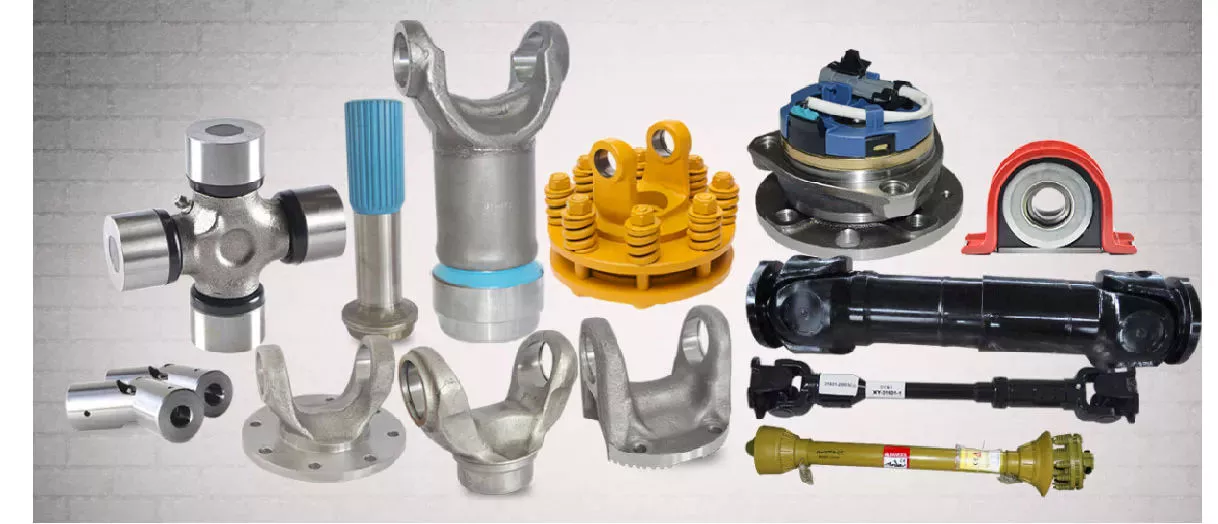
How do PTO drive shafts ensure efficient power transfer while maintaining safety?
PTO (Power Take-Off) drive shafts are designed to ensure efficient power transfer while prioritizing safety. These drive shafts incorporate various mechanisms and features to achieve both objectives. Here’s a detailed explanation of how PTO drive shafts ensure efficient power transfer while maintaining safety:
1. Robust Construction:
PTO drive shafts are typically constructed using high-quality materials such as steel or composite materials that offer strength and durability. The robust construction allows them to withstand the torque and power demands of the application, ensuring efficient power transfer without excessive flexing or deformation that could result in energy loss or premature failure.
2. Precise Alignment:
Efficient power transfer requires precise alignment between the PTO drive shaft, the primary power source (e.g., engine, transmission), and the implement or equipment being driven. Misalignment can lead to power loss, increased wear, and potential safety hazards. PTO drive shafts are designed with adjustable lengths or flexible couplings to accommodate variations in equipment size and ensure proper alignment, maximizing power transmission efficiency.
3. Connection Safety Features:
PTO drive shafts incorporate safety features to prevent accidents and minimize the risk of injury. One common safety feature is the use of shear pins or torque limiters. These components are designed to break or slip under excessive torque, protecting the drive shaft and connected equipment from damage. By sacrificing the shear pin, the PTO drive shaft disengages in case of overload, ensuring the safety of operators and preventing costly repairs.
4. Overload Protection:
Overload protection mechanisms are crucial for maintaining safety and preventing damage to the PTO drive shaft and associated equipment. Clutch systems or slip clutches can be employed to disengage the drive shaft when excessive torque or speed is encountered. These mechanisms allow the drive shaft to slip or disengage momentarily, preventing damage and reducing the risk of injury to operators or bystanders.
5. Shielding and Guarding:
PTO drive shafts are often equipped with shielding and guarding to prevent contact with moving parts. These protective covers ensure that operators and bystanders are shielded from rotating shafts, universal joints, and other potentially hazardous components. Proper shielding and guarding reduce the risk of entanglement, entrapment, or accidental contact, enhancing overall safety.
6. Compliance with Safety Standards:
PTO drive shafts are designed and manufactured to comply with relevant safety standards and regulations. These standards, such as ISO 500-1, specify requirements for power transmission components, including PTO drive shafts. Compliance with these standards ensures that the drive shafts meet necessary safety criteria and undergo rigorous testing to ensure their reliability and performance.
7. Regular Maintenance and Inspection:
Maintaining the safety and efficiency of PTO drive shafts requires regular maintenance and inspection. Operators should follow recommended maintenance schedules, including lubrication, inspection of components, and replacement of worn or damaged parts. Regular inspections help identify potential safety issues, such as worn bearings, damaged shielding, or compromised safety features, allowing for timely repairs or replacements.
8. Operator Training and Awareness:
Efficient power transfer and safety also depend on operator training and awareness. Operators should receive proper training on the safe operation and maintenance of PTO drive shafts. This includes understanding safety procedures, recognizing potential hazards, and being aware of the risks associated with improper use or maintenance. Promoting a culture of safety and providing ongoing training helps ensure that PTO drive shafts are used correctly and that potential risks are minimized.
By incorporating robust construction, precise alignment, connection safety features, overload protection, shielding and guarding, compliance with safety standards, regular maintenance and inspection, and operator training and awareness, PTO drive shafts can achieve efficient power transfer while maintaining a high level of safety. These measures help prevent accidents, protect equipment and operators, and ensure reliable and effective power transmission in various applications.
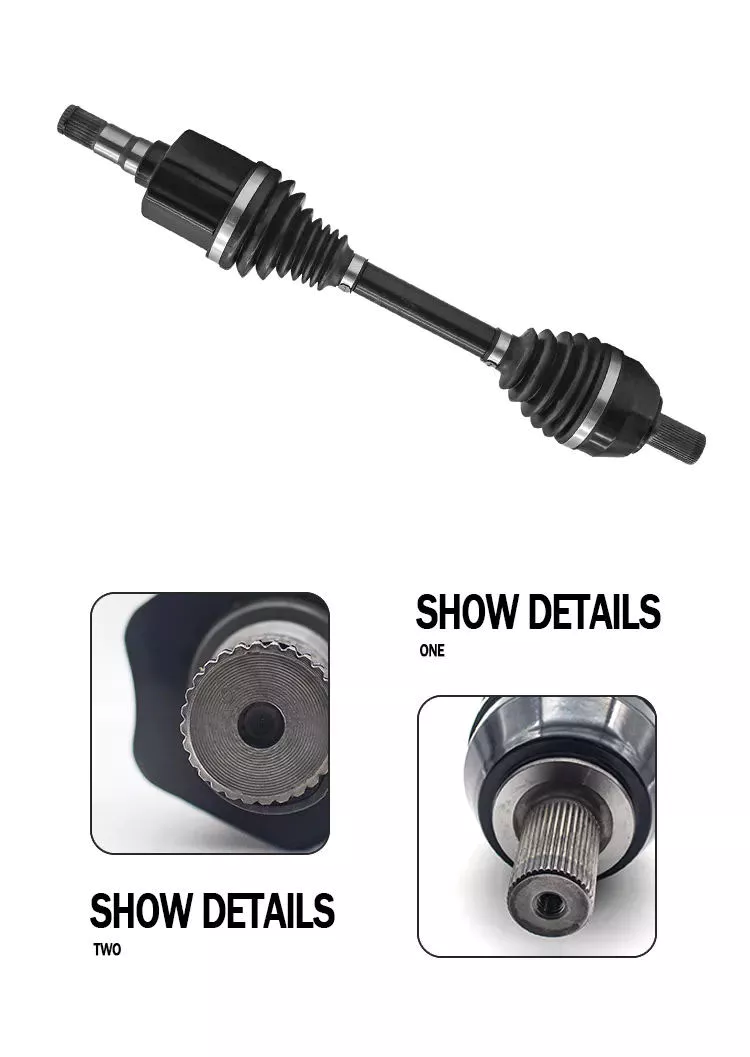
Can PTO drive shafts be customized for specific machinery and power requirements?
Yes, PTO (Power Take-Off) drive shafts can be customized to suit specific machinery and power requirements. Manufacturers often offer customization options to ensure that the PTO drive shafts meet the unique needs of different applications. Customization can involve various aspects of the drive shaft design and specifications, including:
1. Length:
The length of the PTO drive shaft can be customized to match the distance between the power source and the driven equipment. This ensures proper fit and alignment, preventing excessive tension or compression in the drive shaft. Customizing the length allows for optimal power transfer and helps accommodate specific machinery setups and configurations.
2. Connection Type:
PTO drive shafts can be customized with different connection types to match the specific requirements of the machinery. Various connection methods are available, such as splined connections, flange connections, and quick-detach mechanisms. Customizing the connection type ensures compatibility and facilitates easy attachment and detachment of the drive shaft to the power source and driven equipment.
3. Power Rating:
Customization of the power rating involves selecting appropriate components and materials to handle the specific power requirements of the machinery. This includes considering factors such as torque capacity, speed ratings, and the type of power transmission (e.g., mechanical, hydraulic). By customizing the power rating, manufacturers can ensure that the PTO drive shaft is capable of effectively transferring the required power without compromising performance or safety.
4. Protective Features:
PTO drive shafts can be customized with additional protective features to enhance safety and durability. These features may include guards, shields, or covers that prevent contact with the rotating shaft and its components. Customized protective features help mitigate the risk of accidents and increase the longevity of the drive shaft by shielding it from external elements, debris, and potential damage.
5. Material Selection:
The choice of materials used in the construction of PTO drive shafts can be customized based on specific requirements. Different materials offer varying levels of strength, durability, and resistance to factors such as corrosion or extreme temperatures. By selecting the appropriate materials, manufacturers can optimize the performance and reliability of the drive shaft for the intended application.
6. Environmental Considerations:
Customization of PTO drive shafts can take into account specific environmental factors. For example, if the machinery operates in a corrosive or hazardous environment, manufacturers can provide coatings or materials that offer increased resistance to corrosion or chemical exposure. Considering the environmental conditions helps ensure that the drive shaft can withstand the challenges presented by the operating environment.
7. Zgodność ze standardami:
Customized PTO drive shafts can be designed and manufactured to comply with relevant industry standards and regulations. Manufacturers can ensure that the customized drive shafts meet the required safety, performance, and dimensional specifications. Compliance with standards provides assurance of compatibility, reliability, and safety when integrating the customized drive shafts into specific machinery.
By offering customization options, manufacturers can tailor PTO drive shafts to suit the unique requirements of different machinery and power applications. This flexibility allows for optimal integration, improved performance, and enhanced safety. It is important to consult with the manufacturer or a qualified expert to determine the appropriate customization options based on the specific machinery and power requirements.

W jaki sposób wałki odbioru mocy radzą sobie ze zmianami prędkości, momentu obrotowego i kątów obrotu?
Wały napędowe WOM (WOM) zostały zaprojektowane tak, aby kompensować wahania prędkości, momentu obrotowego i kątów obrotu, umożliwiając efektywne przenoszenie mocy między głównym źródłem zasilania a narzędziem lub maszyną. Wahania te mogą wynikać z różnic w rozmiarach sprzętu, warunkach pracy i konkretnych wykonywanych zadaniach. Poniżej znajduje się szczegółowe wyjaśnienie, jak wały napędowe WOM radzą sobie z tymi wahaniami:
1. Zmiany prędkości:
Wały napędowe WOM są zaprojektowane tak, aby kompensować wahania prędkości między głównym źródłem napędu a narzędziem. Osiągają to dzięki połączeniu następujących czynników:
- Połączenia wielowypustowe: Wały napędowe WOM są wyposażone w połączenia wielowypustowe na obu końcach, co umożliwia bezpieczne i precyzyjne połączenie z wałem wyjściowym WOM i wałem wejściowym narzędzia. Te połączenia wielowypustowe zapewniają elastyczność w regulacji długości wału napędowego i dostosowaniu go do różnych wymagań prędkościowych.
- Mechanizm teleskopowy lub przesuwny: Niektóre wały napędowe WOM posiadają mechanizm teleskopowy lub przesuwny, który umożliwia regulację długości. Mechanizm ten umożliwia wałowi napędowemu dostosowywanie się do zmian prędkości poprzez jego wysuwanie lub wsuwanie, co pozwala na utrzymanie prawidłowego ustawienia i zapobiega nadmiernemu naprężeniu lub zakleszczeniu. Pozwala to na wydajną pracę wału napędowego nawet przy zmianie odległości między głównym źródłem zasilania a narzędziem.
- Kołki ścinające lub mechanizm sprzęgła: W sytuacjach nagłego wzrostu prędkości lub przeciążenia, wały napędowe WOM mogą być wyposażone w sworznie ścinane lub mechanizm sprzęgła. Te zabezpieczenia mają na celu odłączenie wału napędowego od głównego źródła zasilania, zapobiegając uszkodzeniu wału napędowego i współpracujących z nim urządzeń.
2. Zmiany momentu obrotowego:
Wały WOM są zbudowane tak, aby radzić sobie ze zmianami momentu obrotowego, które często występują podczas napędzania różnych typów maszyn i narzędzi. Oto jak radzą sobie ze zmianami momentu obrotowego:
- Połączenia wielowypustowe: Wielowypustowe połączenia wału napędowego i wału wyjściowego WOM zapewniają bezpieczne i solidne połączenie, które może przenosić wysoki moment obrotowy. Wielowypusty gwarantują prawidłowe ustawienie i przenoszenie momentu obrotowego między dwoma wałami, umożliwiając wałowi napędowemu dostosowanie się do zmiennego zapotrzebowania na moment obrotowy.
- Kołki ścinające lub mechanizm sprzęgła: Podobnie jak w przypadku zmian prędkości obrotowej, w wałach napędowych WOM można zastosować sworznie ścinane lub mechanizm sprzęgła, aby chronić je przed nadmiernym momentem obrotowym. W przypadku przeciążenia lub nagłego wzrostu momentu obrotowego, te zabezpieczenia odłączają wał napędowy od głównego źródła zasilania, zapobiegając uszkodzeniu wału napędowego i podłączonego sprzętu.
- Wzmocniona konstrukcja: Wały napędowe WOM są zazwyczaj wykonane z trwałych materiałów, takich jak stal lub stopy kompozytowe. Ta solidna konstrukcja pozwala im wytrzymywać wysokie poziomy momentu obrotowego i radzić sobie z wahaniami bez utraty integralności strukturalnej.
3. Kąty obrotu:
Wały napędowe WOM są zaprojektowane tak, aby kompensować różnice kątów obrotu między głównym źródłem zasilania a narzędziem. Oto jak sobie z nimi radzą:
- Elastyczna konstrukcja: Wały napędowe WOM są z natury elastyczne, co pozwala im dostosowywać się do różnych kątów obrotu. Wspomniane wcześniej połączenia wielowypustowe oraz mechanizmy teleskopowe lub przesuwne zapewniają niezbędną elastyczność, umożliwiającą obsługę zmian kąta bez negatywnego wpływu na przenoszenie mocy.
- Przeguby uniwersalne: W sytuacjach, w których występują znaczne wahania kątowe, wały napędowe WOM mogą być wyposażone w przeguby krzyżakowe. Przeguby krzyżakowe umożliwiają płynne przenoszenie mocy, nawet gdy wał wejściowy i wyjściowy są niewspółosiowe lub ustawione pod różnymi kątami. Dostosowują one zmiany kierunku obrotów i kompensują wahania kątowe, zapewniając efektywne przenoszenie mocy.
Dzięki zastosowaniu takich elementów jak połączenia wielowypustowe, mechanizmy teleskopowe lub przesuwne, sworznie ścinane lub mechanizmy sprzęgłowe, wzmocniona konstrukcja oraz przeguby uniwersalne, wały WOM radzą sobie ze zmianami prędkości, momentu obrotowego i kątów obrotu. Te elementy konstrukcyjne umożliwiają efektywne przenoszenie mocy i zapewniają płynną pracę narzędzi i maszyn w różnych zadaniach i warunkach pracy.


editor by CX 2024-02-26























