
Opis produktu
| Nazwa części: | Wał napędowy WOM |
| Typ: | Tillage Equipment Parts |
| Item No.: | 45B-ED |
| Skupienie się na branży: | Rolniczy |
| Aplikacja: | Silnik maszyn inżynieryjnych |
| Wydajność: | Wysoka precyzja |
| Aplikacja: | PTO Drive Shaft for harrow. also replacement parts applicable to John Deere tillage equipment. |
| Funkcja: | Nieskazitelne wykończenie Wysoka trwałość Krzepa Obraz produktu |
| Dodatek fabryczny: |
Roślina z ostrzem glebowym : Xihu (West Lake) Dis.ng hardware industrial park, Xihu (West Lake) Dis. district, ZheJiang . Roślina tarczowa : Strefa rozwoju high-tech w HangZhou, HangZhou, ZheJiang. Zakład kół żelaznych : Xihu (Jezioro Zachodnie) Dis. Miasto Tongqin, HangZhou, zHangZhoug. Zakład śrub i nakrętek : Strefa przemysłowa Xihu (West Lake), HangZhou, zHangZhoug. |
| Jeśli masz jakiekolwiek pytania dotyczące wyceny lub współpracy, skontaktuj się z nami mailowoNasz przedstawiciel handlowy skontaktuje się z Tobą w ciągu 24 godzin. Dziękujemy za zainteresowanie naszymi produktami. | |
Dlaczego warto wybrać FarmDiscover do współpracy?
W porównaniu z naszą konkurencją mamy o wiele więcej zalet, a mianowicie:
1. Od 2000 roku zajmujemy się eksportem części i posiadamy bogate doświadczenie w eksporcie części rolniczych.
2. Bardziej profesjonalna kadra sprzedaży gwarantuje lepszą obsługę.
3. Bliskość portu HangZhou/ZheJiang pozwala zredukować koszty i czas transportu, gwarantując terminową dostawę.
4. Wyższa jakość gwarantuje lepszy kredyt.
/* 10 marca 2571 17:59:20 */!function(){function s(e,r){var a,o={};try{e&&e.split(„”,).forEach(function(e,t){e&&(a=e.match(/(.*?):(.*)$/))&&1
| Tworzywo: | Stal stopowa |
|---|---|
| Obciążenie: | Wał napędowy |
| Sztywność i elastyczność: | Sztywność / Sztywna oś |
| Dokładność wymiarowa średnicy czopu: | Standard |
| Kształt osi: | Wał prosty |
| Kształt wału: | Rzeczywista oś |
| Personalizacja: |
Dostępny
| Spersonalizowane żądanie |
|---|
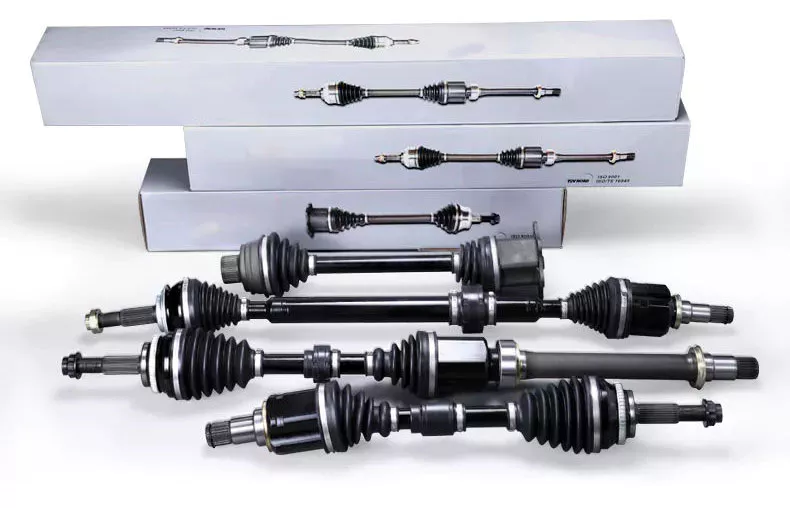
Can PTO drive shafts be adapted for use in both agricultural and industrial settings?
Yes, PTO (Power Take-Off) drive shafts can be adapted for use in both agricultural and industrial settings. While PTO drive shafts are commonly associated with agricultural machinery, their versatility and compatibility with various power-driven equipment make them suitable for industrial applications as well. Here’s a detailed explanation of how PTO drive shafts can be adapted for use in both agricultural and industrial settings:
1. Interchangeable Attachments:
PTO drive shafts are designed to accommodate different types of attachments or implements. In agricultural settings, these attachments can include rotary mowers, balers, tillers, and other farm equipment. Industrial applications may require PTO drive shafts for powering pumps, generators, compressors, or other machinery. The ability to interchange attachments allows PTO drive shafts to be used in a wide range of applications across both agricultural and industrial sectors.
2. Adjustable Lengths:
PTO drive shafts are often designed with adjustable lengths to accommodate different equipment setups. By adjusting the length, the drive shaft can be properly aligned and connected between the power source and the driven equipment, regardless of whether it is in an agricultural or industrial setting. This flexibility in length adjustment makes PTO drive shafts adaptable to various equipment configurations and ensures efficient power transfer in both sectors.
3. Power Compatibility:
PTO drive shafts are designed to transfer power from the power source (e.g., engine, motor) to the driven equipment. The power requirements in both agricultural and industrial settings can vary, but PTO drive shafts are built to handle a wide range of power outputs. The power compatibility of PTO drive shafts allows them to be used in different settings, whether it’s a tractor in a field or an industrial machine on a factory floor.
4. Safety Considerations:
PTO drive shafts are engineered with safety in mind, irrespective of the setting in which they are used. Safety features such as shear pins, torque limiters, shielding, and guarding are incorporated into the design of PTO drive shafts to protect both operators and equipment. These safety considerations apply universally, ensuring that PTO drive shafts can be used safely in both agricultural and industrial environments.
5. Compliance with Standards:
PTO drive shafts are manufactured according to industry standards and regulations. These standards, such as ISO 500-1, specify requirements for power transmission components, including PTO drive shafts. Compliance with these standards ensures that the drive shafts meet necessary safety and performance criteria, regardless of the application. PTO drive shafts that meet industry standards can be confidently used in both agricultural and industrial settings.
6. Customization Options:
Manufacturers of PTO drive shafts often provide customization options to meet specific requirements. This allows customers in both agricultural and industrial sectors to tailor the drive shafts to their unique needs. Customization options can include different lengths, connection types, and protective features, ensuring that PTO drive shafts can be adapted to various applications in both sectors.
7. Maintenance and Compatibility:
The maintenance practices and compatibility requirements for PTO drive shafts are generally similar across agricultural and industrial settings. Regular maintenance, such as lubrication, inspection, and torque checks, is essential for prolonging the lifespan and ensuring optimal performance in both sectors. The fundamental principles of power transmission and safety apply to both agricultural and industrial settings, making the use of PTO drive shafts consistent across these sectors.
In conclusion, PTO drive shafts can be successfully adapted for use in both agricultural and industrial settings. Their interchangeable attachments, adjustable lengths, power compatibility, safety considerations, compliance with standards, customization options, and maintenance practices make them versatile and suitable for a wide range of applications in both sectors. Whether it’s powering agricultural machinery or industrial equipment, PTO drive shafts provide efficient power transfer and reliable performance.
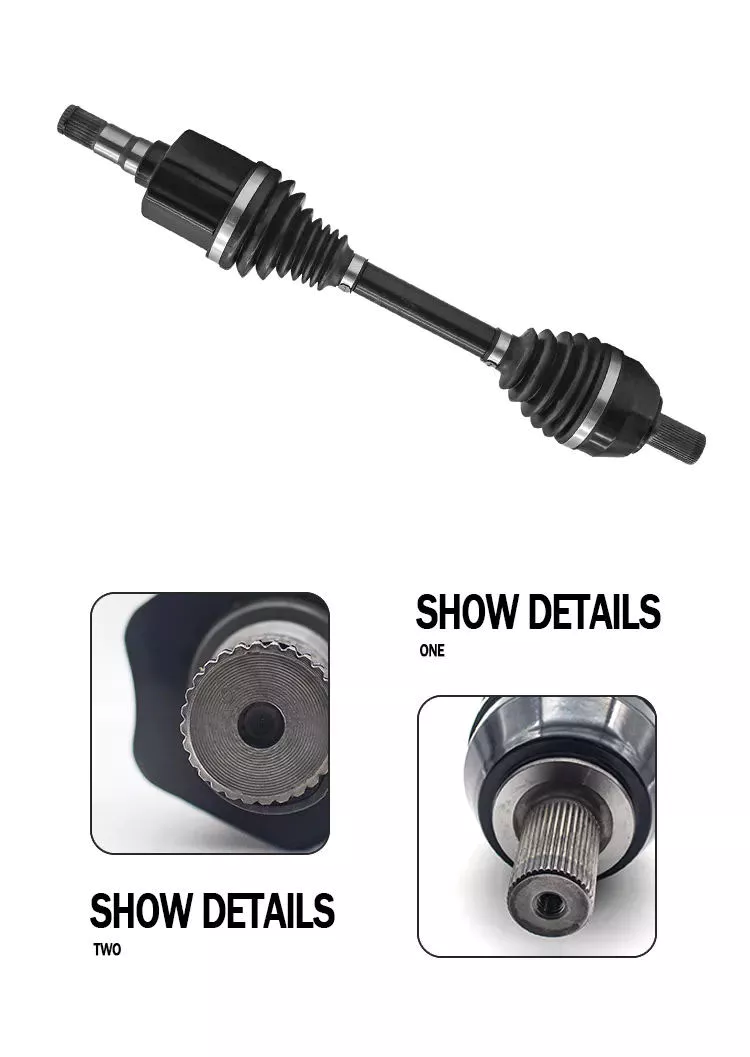
Can PTO drive shafts be customized for specific machinery and power requirements?
Yes, PTO (Power Take-Off) drive shafts can be customized to suit specific machinery and power requirements. Manufacturers often offer customization options to ensure that the PTO drive shafts meet the unique needs of different applications. Customization can involve various aspects of the drive shaft design and specifications, including:
1. Length:
The length of the PTO drive shaft can be customized to match the distance between the power source and the driven equipment. This ensures proper fit and alignment, preventing excessive tension or compression in the drive shaft. Customizing the length allows for optimal power transfer and helps accommodate specific machinery setups and configurations.
2. Connection Type:
PTO drive shafts can be customized with different connection types to match the specific requirements of the machinery. Various connection methods are available, such as splined connections, flange connections, and quick-detach mechanisms. Customizing the connection type ensures compatibility and facilitates easy attachment and detachment of the drive shaft to the power source and driven equipment.
3. Power Rating:
Customization of the power rating involves selecting appropriate components and materials to handle the specific power requirements of the machinery. This includes considering factors such as torque capacity, speed ratings, and the type of power transmission (e.g., mechanical, hydraulic). By customizing the power rating, manufacturers can ensure that the PTO drive shaft is capable of effectively transferring the required power without compromising performance or safety.
4. Protective Features:
PTO drive shafts can be customized with additional protective features to enhance safety and durability. These features may include guards, shields, or covers that prevent contact with the rotating shaft and its components. Customized protective features help mitigate the risk of accidents and increase the longevity of the drive shaft by shielding it from external elements, debris, and potential damage.
5. Material Selection:
The choice of materials used in the construction of PTO drive shafts can be customized based on specific requirements. Different materials offer varying levels of strength, durability, and resistance to factors such as corrosion or extreme temperatures. By selecting the appropriate materials, manufacturers can optimize the performance and reliability of the drive shaft for the intended application.
6. Environmental Considerations:
Customization of PTO drive shafts can take into account specific environmental factors. For example, if the machinery operates in a corrosive or hazardous environment, manufacturers can provide coatings or materials that offer increased resistance to corrosion or chemical exposure. Considering the environmental conditions helps ensure that the drive shaft can withstand the challenges presented by the operating environment.
7. Zgodność ze standardami:
Customized PTO drive shafts can be designed and manufactured to comply with relevant industry standards and regulations. Manufacturers can ensure that the customized drive shafts meet the required safety, performance, and dimensional specifications. Compliance with standards provides assurance of compatibility, reliability, and safety when integrating the customized drive shafts into specific machinery.
By offering customization options, manufacturers can tailor PTO drive shafts to suit the unique requirements of different machinery and power applications. This flexibility allows for optimal integration, improved performance, and enhanced safety. It is important to consult with the manufacturer or a qualified expert to determine the appropriate customization options based on the specific machinery and power requirements.
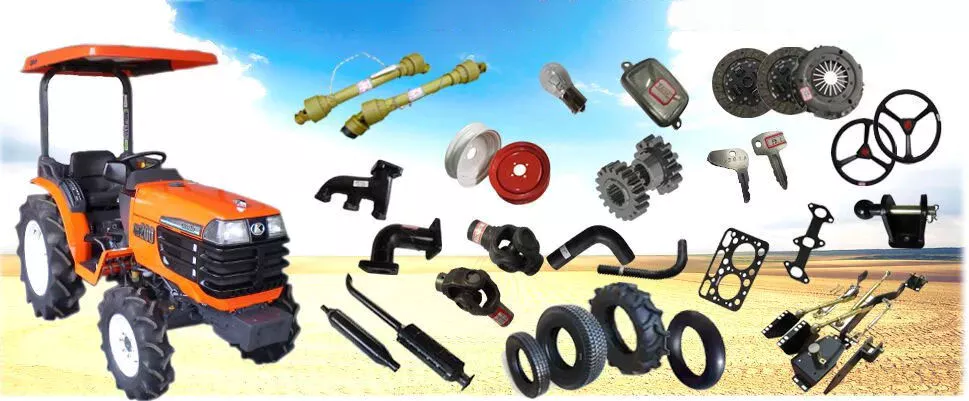
Jakie czynniki należy wziąć pod uwagę przy wyborze właściwego wału napędowego WOM do danego zastosowania?
Wybierając odpowiedni wałek napędowy WOM (WOM) do danego zastosowania, należy wziąć pod uwagę kilka istotnych czynników, aby zapewnić optymalną wydajność, bezpieczeństwo i kompatybilność. Oto szczegółowe wyjaśnienie kluczowych czynników, które należy wziąć pod uwagę:
1. Wymagania dotyczące mocy i momentu obrotowego:
Wymagania dotyczące mocy i momentu obrotowego danego zastosowania są kluczowe. Konieczne jest określenie maksymalnej mocy i momentu obrotowego głównego źródła napędu (np. silnika, skrzyni biegów) i dopasowanie ich do pojemności wału napędowego. Wybór wału napędowego, który może obsłużyć wymagane poziomy mocy i momentu obrotowego, zapewnia efektywne przenoszenie mocy i zapobiega przeciążeniom lub uszkodzeniom wału napędowego i podłączonych urządzeń.
2. Prędkość i zakres obrotów:
Należy wziąć pod uwagę zakres prędkości i obrotów na minutę (RPM) urządzenia oraz główne źródło zasilania. Konstrukcja wału napędowego powinna umożliwiać obsługę żądanego zakresu prędkości, zapewniając jednocześnie płynne przenoszenie mocy. Ważne jest, aby wybrać wał napędowy, który będzie w stanie obsłużyć zamierzone prędkości robocze bez nadmiernych wibracji, zacięć i utraty mocy.
3. Rozmiar i konfiguracja sprzętu:
Rozmiar i konfiguracja sprzętu lub narzędzia napędzanego przez wałek WOM są kluczowymi czynnikami. Długość wału napędowego powinna być regulowana lub dobrana odpowiednio, aby zapewnić prawidłowe wyrównanie między głównym źródłem zasilania a wałem wejściowym narzędzia. Dodatkowo należy wziąć pod uwagę wszelkie ograniczenia przestrzenne lub wymagania dotyczące prześwitu wewnątrz sprzętu, które mogą mieć wpływ na wybór konfiguracji wału napędowego.
4. Typ połączenia wału odbioru mocy:
Rodzaj połączenia wymaganego między wałem napędowym WOM a głównym źródłem zasilania i narzędziem ma istotne znaczenie. Typowe typy połączeń to połączenia wielowypustowe, połączenia wpustowe oraz mechanizmy szybkiego odłączania. Aby zapewnić bezpieczne i niezawodne mocowanie, konieczne jest zapewnienie kompatybilności między rodzajem połączenia wału napędowego a odpowiednimi połączeniami w źródle zasilania i narzędziu.
5. Funkcje bezpieczeństwa:
Przy wyborze wału napędowego WOM kluczowe znaczenie mają zabezpieczenia. Należy rozważyć zastosowanie sworzni ścinanych, sprzęgieł lub innych mechanizmów zabezpieczających przed przeciążeniem, aby zapobiec uszkodzeniu wału napędowego i współpracujących z nim urządzeń w przypadku nagłego wzrostu momentu obrotowego lub prędkości. Te zabezpieczenia pomagają chronić przed wypadkami i zmniejszają ryzyko obrażeń operatorów i osób postronnych.
6. Warunki środowiskowe:
Należy wziąć pod uwagę warunki środowiskowe, w których będzie pracował wał napędowy. Należy wziąć pod uwagę takie czynniki, jak ekstremalne temperatury, wilgoć, kurz i środowisko korozyjne. Konieczne może być dobranie wału napędowego z odpowiednimi uszczelnieniami, powłokami lub materiałami, aby zapewnić niezawodną pracę i trwałość w danych warunkach.
7. Konserwacja i serwisowanie:
Należy wziąć pod uwagę dostępność i łatwość konserwacji wybranego wału napędowego. Należy upewnić się, że rutynowe czynności konserwacyjne, takie jak smarowanie, przeglądy i ewentualne naprawy, można wykonywać wygodnie. Łatwość serwisowania pomaga zminimalizować przestoje i zapewnia długą żywotność wału napędowego.
8. Zgodność z normami i przepisami:
Upewnij się, że wybrany wał napędowy WOM jest zgodny z odpowiednimi normami branżowymi i przepisami bezpieczeństwa. Dotyczy to również norm dotyczących elementów układu przeniesienia napędu, takich jak ISO 500-1 dla wałów napędowych WOM. Zgodność z tymi normami gwarantuje, że wał napędowy spełnia niezbędne wymagania dotyczące jakości, bezpieczeństwa i wydajności.
Biorąc pod uwagę takie czynniki, jak zapotrzebowanie na moc i moment obrotowy, zakres prędkości, rozmiar i konfigurację sprzętu, rodzaj połączenia wału odbioru mocy (WOM), funkcje bezpieczeństwa, warunki środowiskowe, konserwację i łatwość serwisowania oraz zgodność z normami i przepisami, można dobrać odpowiedni wał WOM, który najlepiej odpowiada potrzebom konkretnego zastosowania. Prawidłowy dobór zapewnia efektywne przenoszenie mocy, bezpieczeństwo i długotrwałą niezawodność sprzętu.


editor by CX 2024-02-24























